History is shaped as much by the decisions that never materialized as by the ones that did. Throughout American history, political leaders, military strategists, and national visionaries considered bold actions that could have dramatically altered the country’s direction. Some of these potential decisions were debated intensely before being abandoned, while others reached the brink of execution. Though forgotten by many today, these near-miss moments show how fragile and flexible national identity truly is. The United States we know today would look vastly different had even one of these decisions occurred.
The Early Proposal to Abolish the Senate
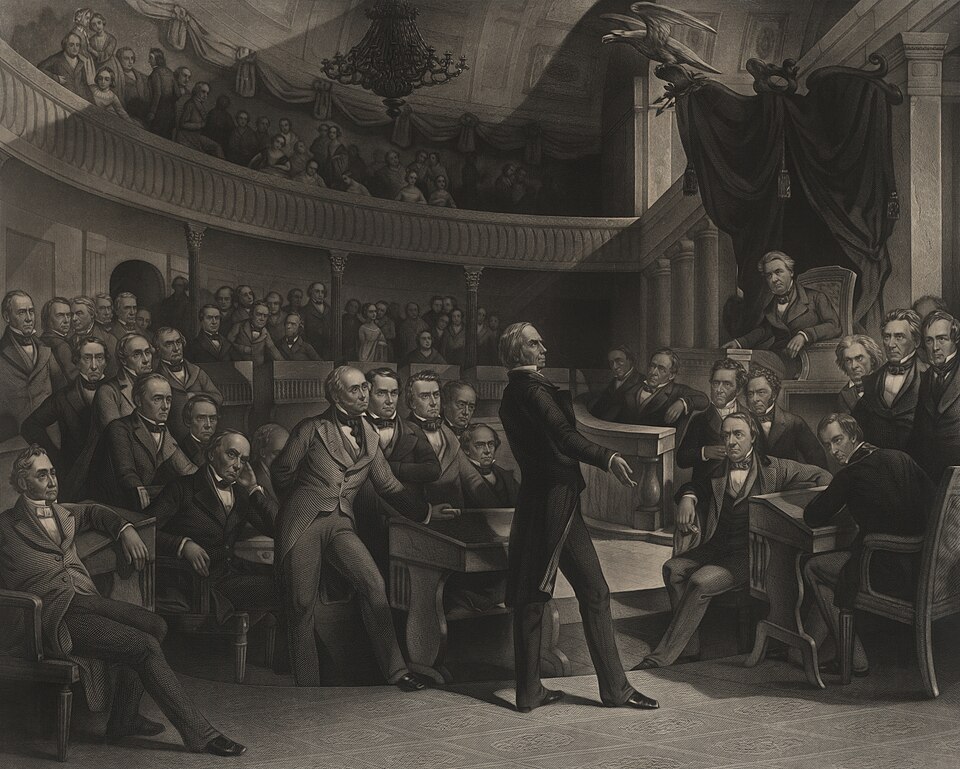
During the Constitutional Convention, some delegates argued that the Senate gave too much power to smaller states. A proposal existed to eliminate the chamber entirely and form a unicameral legislature. Had this decision been made, federal legislation would look entirely different today. The balance of power between rural and urban states would have shifted dramatically. The idea’s narrow defeat shows how close the nation came to a different political structure.
The Plan to Annex All of Mexico
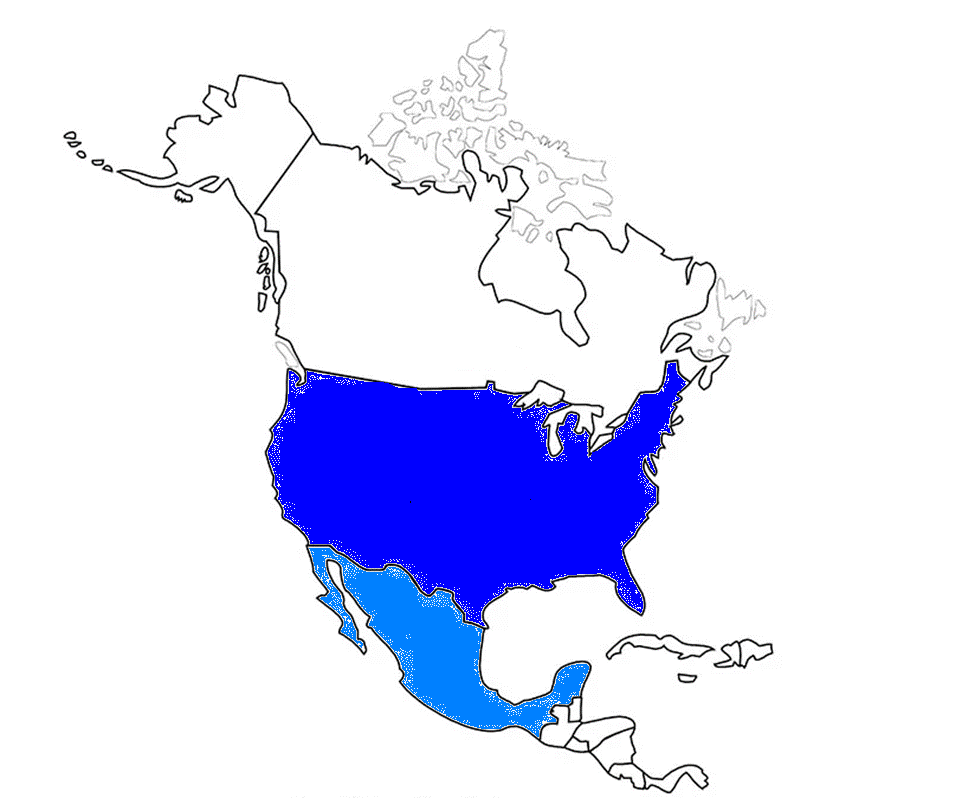
After the Mexican-American War, some U.S. leaders argued that the entire country of Mexico should be annexed rather than only the northern territories. This proposal was seriously debated in Congress but ultimately rejected. If adopted, the United States would have absorbed millions of new citizens with distinct cultural and political traditions. Such a decision might have permanently altered America’s demographic and territorial landscape. The refusal shaped the modern borders we know today.
The Proposal for a North American Empire

In the early 19th century, expansionists envisioned the United States controlling Canada, Mexico, and the Caribbean as part of a continental empire. Several presidents favored the idea, but diplomatic complications halted progress. Had the plan moved forward, the nation would have emerged as a dominant global power much earlier. Borders, alliances, and cultural identity would be vastly different. The abandoned vision underscores the ambition of early American expansionists.
Lincoln’s Consideration of Buying Freedmen Land in Central America
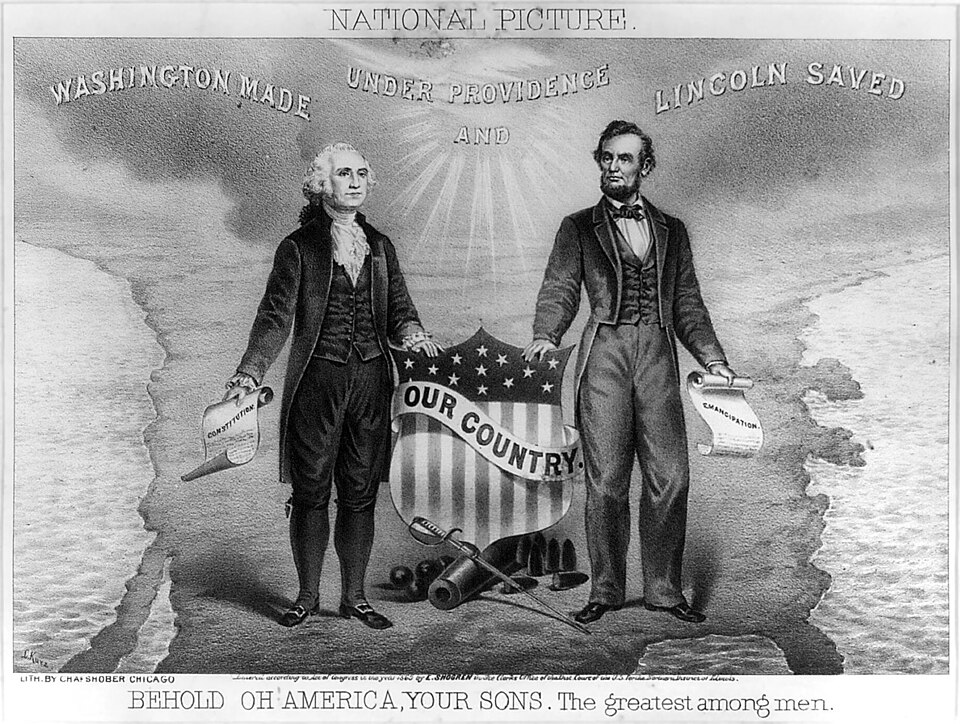
Before finalizing strategies for Reconstruction, President Lincoln explored the idea of purchasing land in Central America where formerly enslaved people could establish new communities. The plan reflected his complex views on race and national unity. Ultimately, he abandoned the idea in favor of integrating freedpeople into American society. If enacted, the policy would have reshaped racial dynamics and population distribution. Its failure demonstrates the evolving understanding of national citizenship.
The Near-Move of the U.S. Capital to Philadelphia
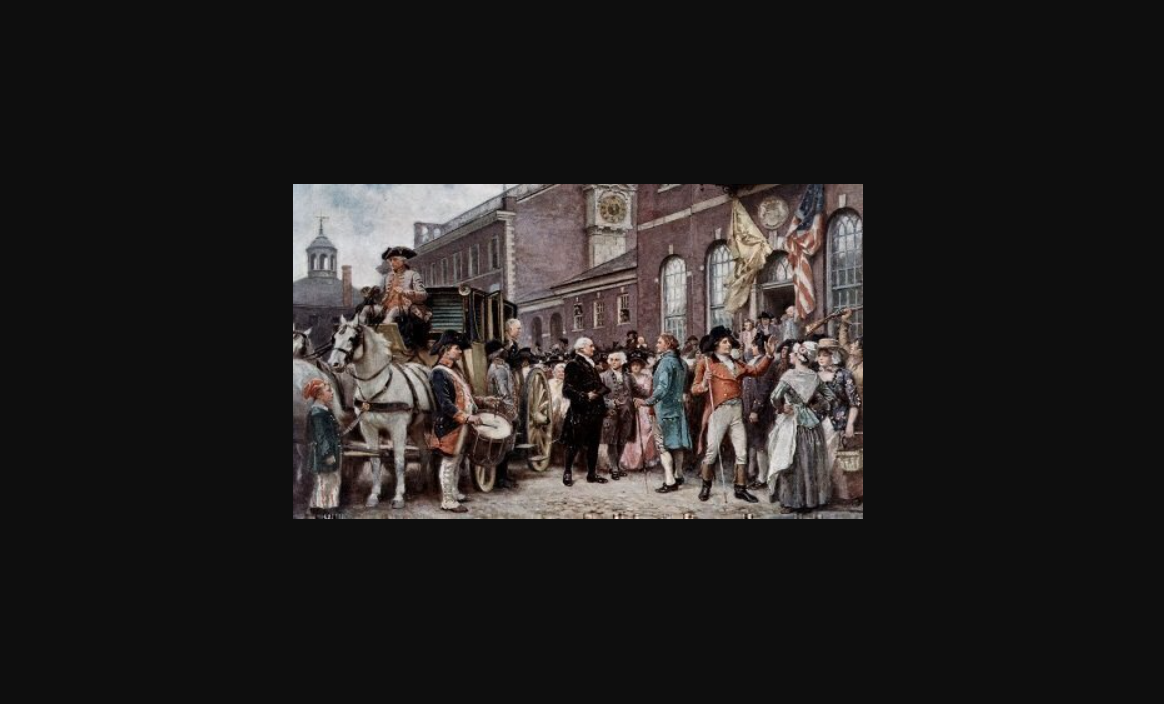
After political disputes and pressure from northern states, Congress nearly voted to move the national capital from Washington D.C. back to Philadelphia. Several votes came within a narrow margin. Had it passed, Washington might have remained a small regional city instead of a symbol of national governance. The political culture of the country would be significantly altered. The near-move shows how location shaped national identity.
The Proposed 13th Amendment to Keep Slavery Permanent
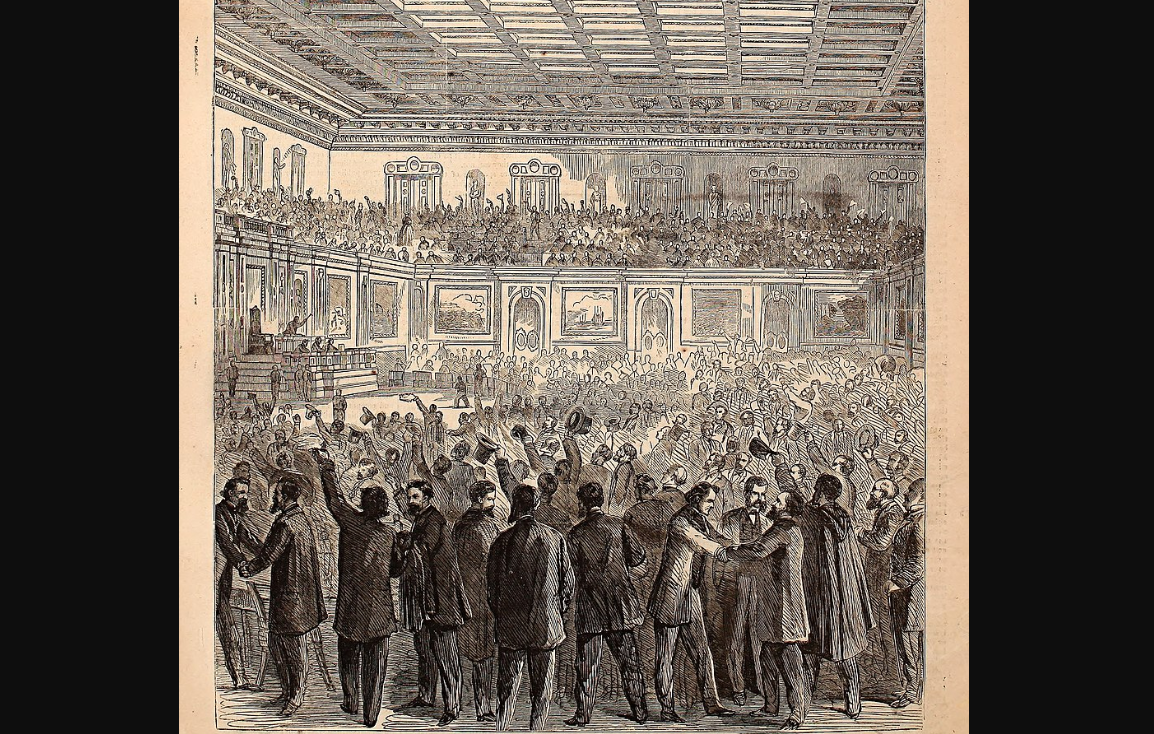
Before the Civil War, a proposed constitutional amendment—ironically labeled the original 13th Amendment—would have made slavery permanent and unchallengeable by Congress. The amendment passed the House but stalled as Southern states seceded. If it had been ratified, the nation’s moral and political trajectory would have been catastrophically different. The Civil War might have unfolded in an entirely new way. Its near-approval is a chilling reminder of how close the nation came to entrenching injustice.
The Planned Atomic Bomb Drop on Kyoto
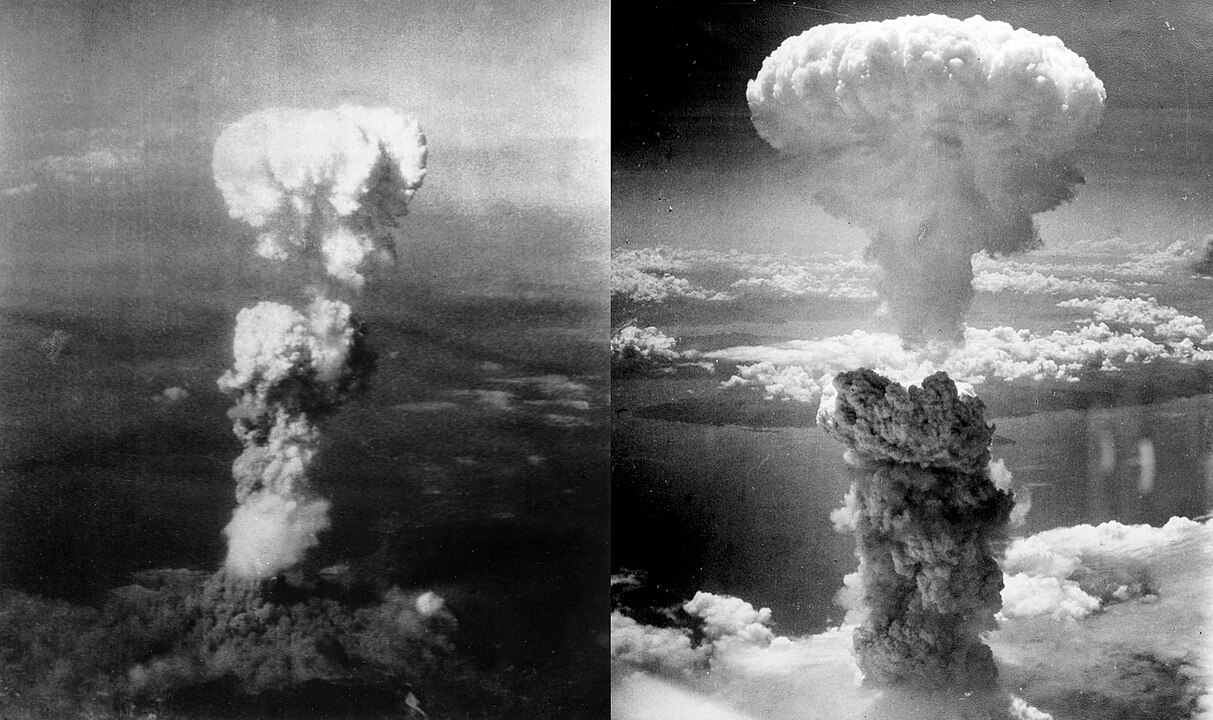
During World War II, Kyoto was originally listed as a primary target for the atomic bomb due to its military value. It was removed from the list only after U.S. officials argued for its cultural significance. If the bomb had been dropped there, global cultural heritage would have suffered an immense loss. The decision might have reshaped Japan’s postwar identity and altered American diplomatic relations. The change exemplifies how cultural considerations can influence military strategy.
The Possible Abandonment of the Moon Landing
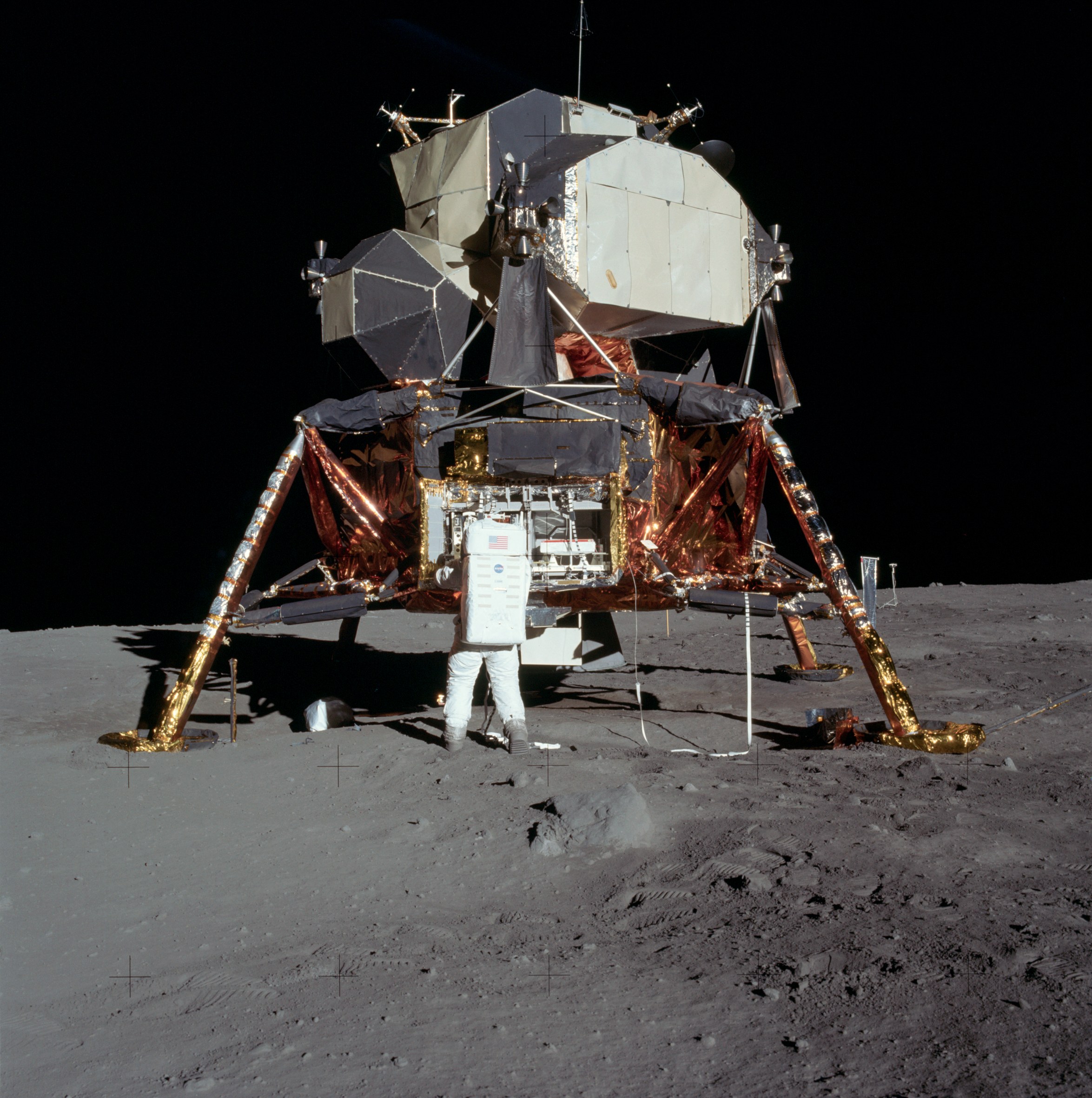
Budget concerns and political hesitations led some U.S. leaders to consider canceling the Apollo program before humans reached the moon. Internal debates questioned whether the investment was justified. Had the program been cut, the U.S. would have ceded technological leadership to the Soviet Union during the Cold War. The national sense of innovation and scientific pride would have been profoundly different. The successful landing now symbolizes the power of sustained ambition.
The Almost-Implemented Plan to Turn Alaska into a Prison Colony
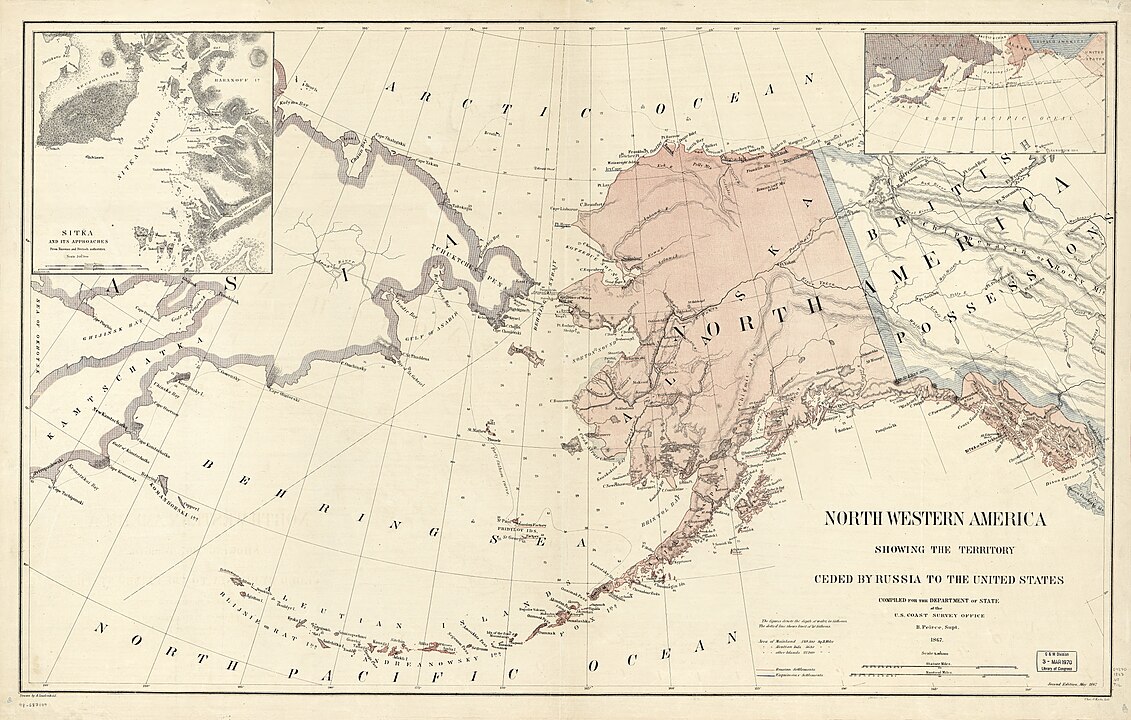
Before becoming a state, Alaska was considered as a possible location for a massive federal prison colony. Some policymakers argued that its remote environment made it ideal for incarceration. Though ultimately rejected, the proposal gained surprising traction. If implemented, Alaska’s development, culture, and economy “dwould be unrecognizable today. The decision reveals the government’s willingness to consider extreme territorial uses.
The Proposed Sale of the Panama Canal

At several points in the early 20th century, the United States debated selling the Panama Canal to private investors or foreign governments. The move would have drastically changed global trade dynamics. Opposition argued that the canal was too strategically valuable to relinquish. Had it been sold, American military and economic influence would have weakened. The decision to retain it helped cement U.S. global reach.
The Idea of Making Puerto Rico the 51st State in the Early 1900s
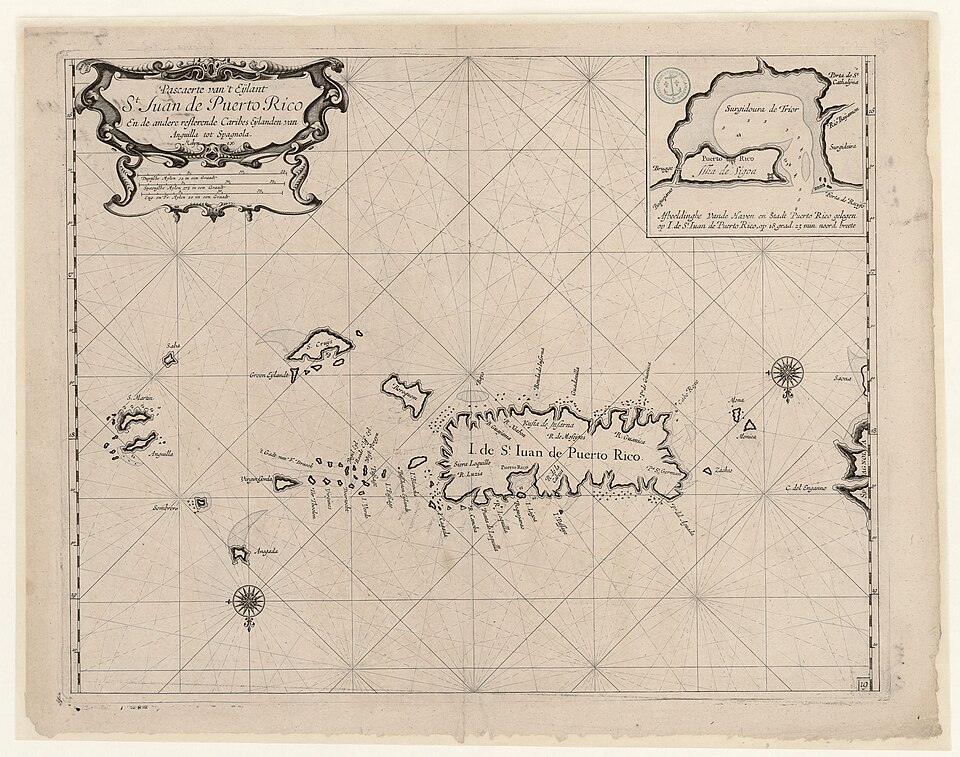
Statehood for Puerto Rico has gained renewed attention, but few remember that serious proposals were made as early as 1917. Some lawmakers argued that granting statehood would strengthen U.S. influence in the Caribbean. The idea was dismissed due to racial and political concerns of the era. If enacted, America’s political map and congressional representation would look very different today. The long-standing debate shows the complexities of territorial integration.
The Proposal to Divide California Into Multiple States
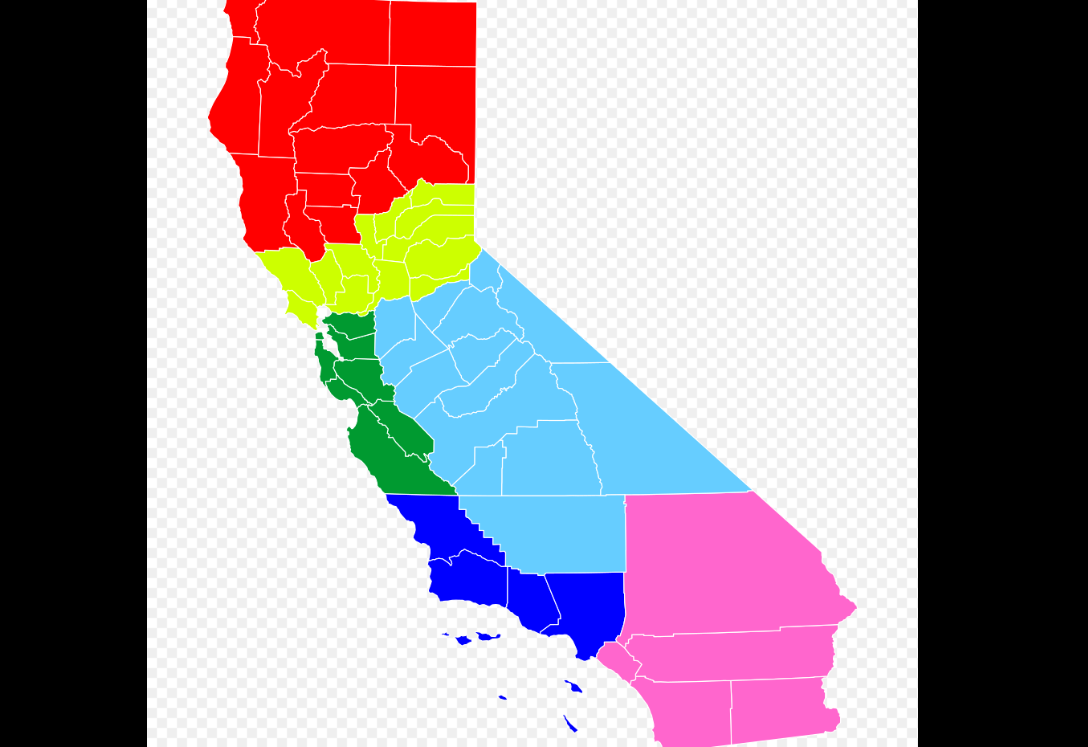
Throughout the 19th and 20th centuries, lawmakers proposed splitting California into two, three, or even six states to improve governance. Some proposals nearly reached statewide votes. If any plan had succeeded, the U.S. Senate and electoral college landscape would be fundamentally different. California’s political influence would be dispersed rather than centralized. The idea’s persistence shows deep regional differences within the state.
The Near-Ban on the Internet in the Early 1990s

As the internet emerged, lawmakers expressed fear over its open information structure. Some proposed heavily restricting or banning public access due to concerns about security and misinformation. The proposals never advanced, allowing the internet to grow freely. Had the restrictions passed, modern digital life would be unrecognizable. The near-ban highlights how unfamiliar technology can trigger profound regulatory fears.
The Proposed Elimination of Paper Money
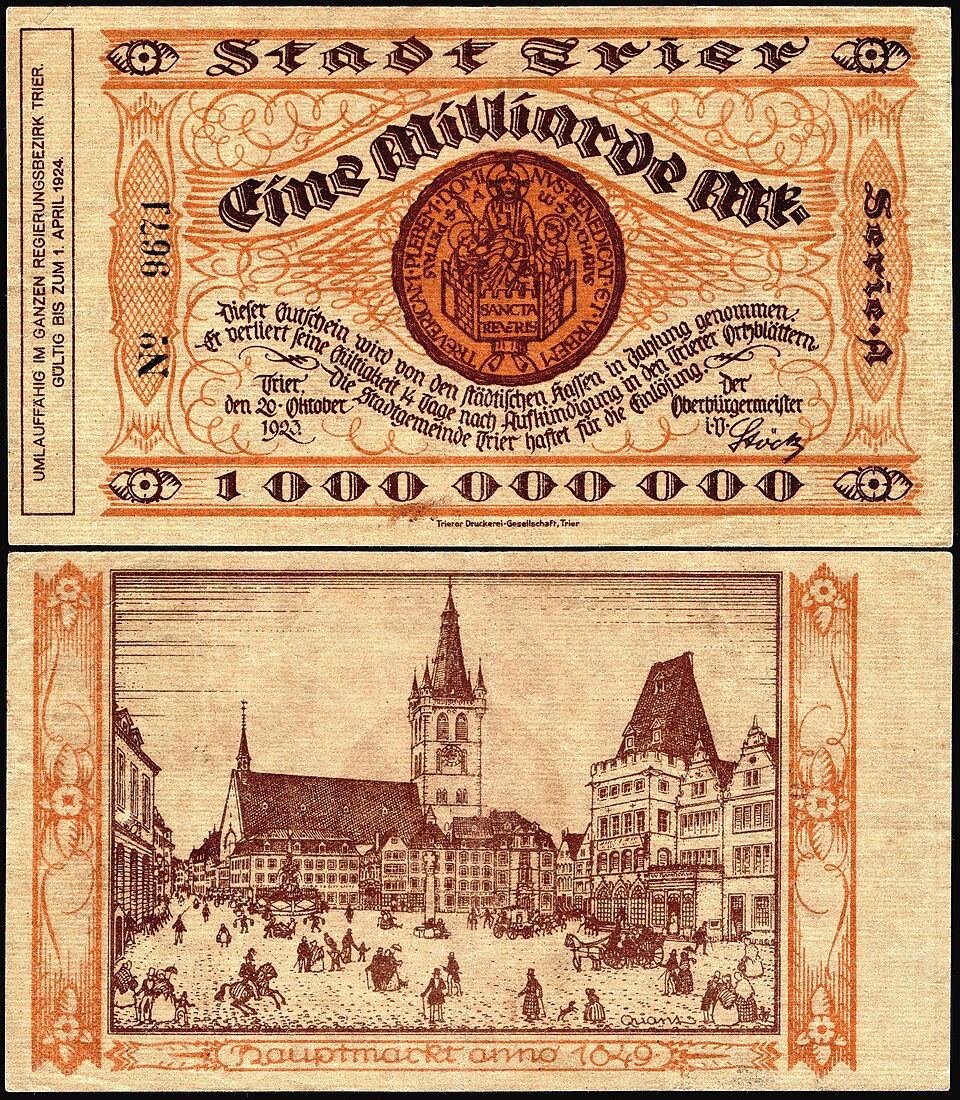
During multiple financial crises, policymakers considered eliminating paper currency in favor of metal-based systems. Advocates argued it would reduce inflation and prevent counterfeiting. While proposals never advanced, they reveal the financial uncertainty of early America. If enacted, daily economic life would have changed dramatically. The idea stands as a reminder of how fragile early monetary systems were.