Family fun doesn’t have to come with tickets, lines, or that quiet panic of checking prices while pretending you’re relaxed. Kids don’t actually measure fun in dollars the way adults do. They measure it in attention, novelty, and how involved they get to be. The activities that stick with them are usually the ones where something felt a little different from the routine, even if it cost almost nothing. These ideas are meant to feel doable on regular days, not just weekends you plan a week in advance, and flexible enough that you can make them your own.
Exploring local history spots nearby

Most towns have small historical markers, old buildings, or local landmarks that adults pass without noticing, but kids find surprisingly fascinating when framed as a discovery. You can turn this into a mini adventure by letting kids “research” ahead of time with you, even if that just means reading a short plaque or looking up one old photo online. Kids enjoy the feeling of standing somewhere real and hearing a story about what used to happen there. You can add fun details like imagining daily life back then or spotting differences between past and present. It feels like travel without leaving town, and kids love feeling like explorers in familiar places.
Nature walks with simple observation games

A walk becomes instantly more exciting when there’s a purpose beyond just walking. Simple observation games like spotting certain colors, finding different leaf shapes, counting birds, or listening for specific sounds turn nature into a low-key challenge. Kids enjoy being given something to notice, especially when there’s no pressure to get it right. You can change the “game” every time so it never feels repetitive. Some kids like collecting items, others prefer pointing things out or making up stories about what they see. It keeps them engaged without overstimulation and lets everyone move at a relaxed pace.
Making homemade cards or gifts
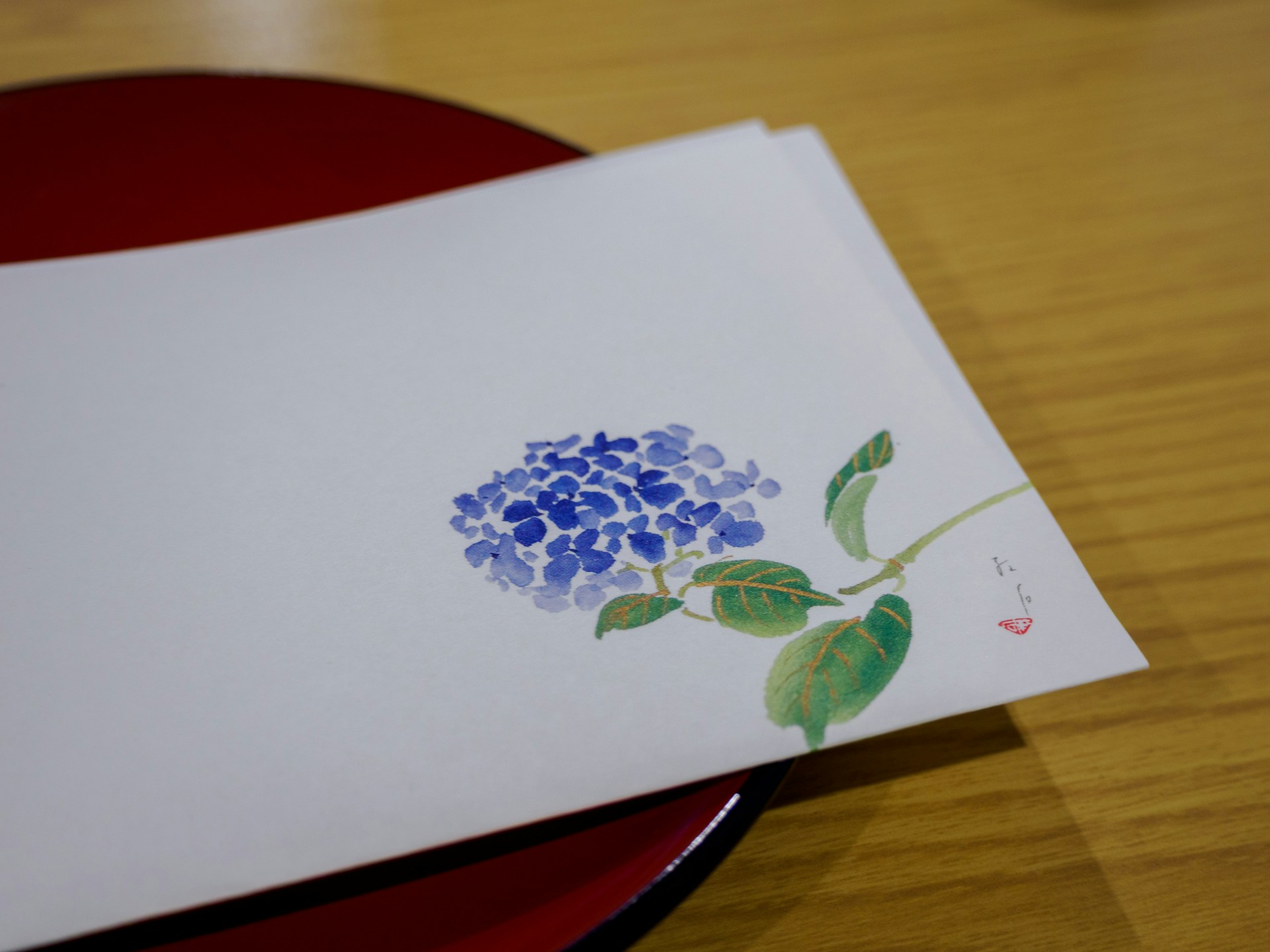
Kids love creating things that are meant for someone else, especially when it feels meaningful rather than perfect. Homemade cards, small drawings, or simple crafts let kids focus on expressing ideas instead of following instructions. You can suggest themes like birthdays, thank-you notes, or just “thinking of you” gifts, but let them decide how it looks. The process matters more than the result. Kids enjoy having their work taken seriously, and giving something they made themselves builds pride. It’s also an easy activity to pull out on quiet afternoons without needing special supplies.
Playdates that rotate homes
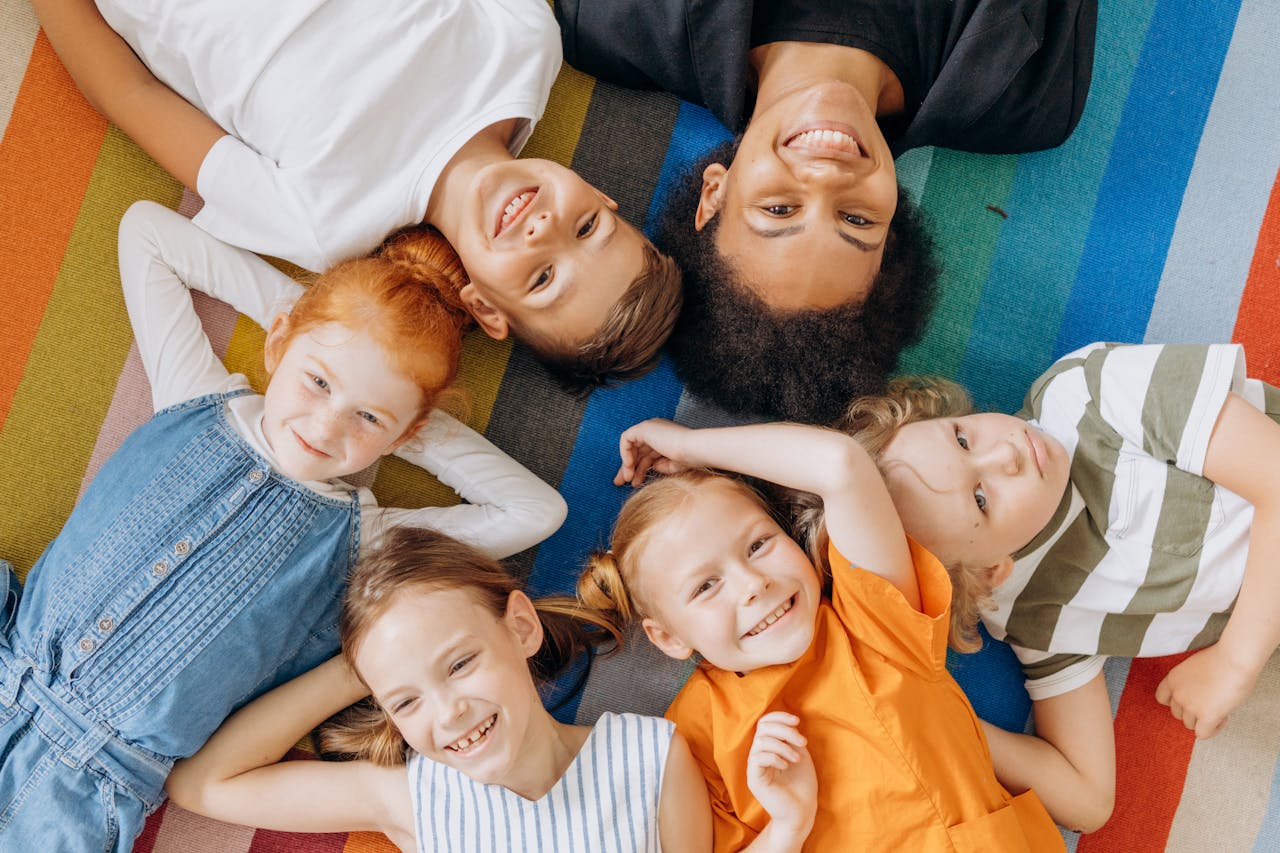
Rotating playdates spread out the responsibility and keep things simple for everyone. Kids enjoy visiting different homes because every space feels new, even if the activities are basic. You don’t need elaborate plans. Free play, shared snacks, and one or two simple games are usually enough. Rotating homes also helps kids learn flexibility and social skills naturally, without structured activities. Parents benefit too, because hosting occasionally feels more manageable than hosting every time. It turns social time into something consistent instead of costly.
Volunteering in kid-friendly ways
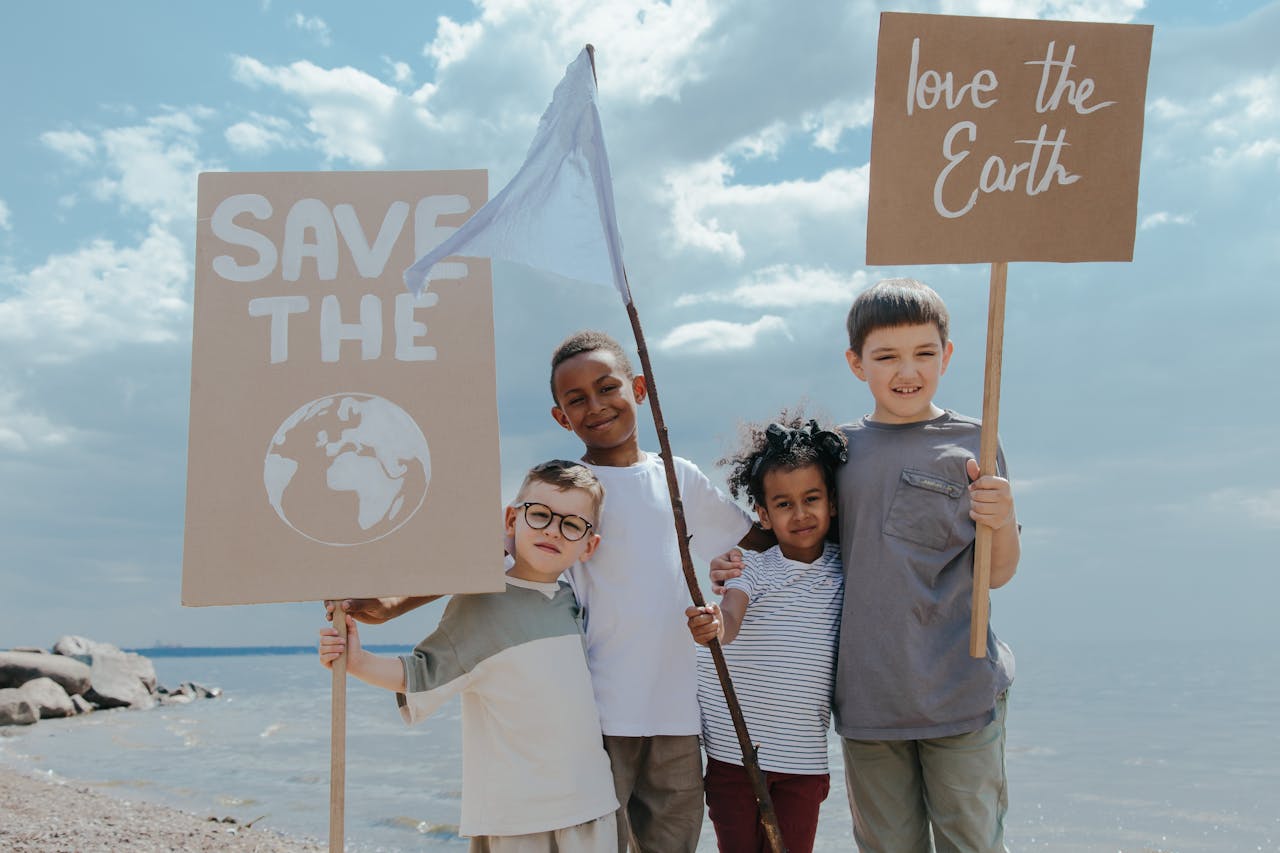
Volunteering doesn’t have to feel heavy or overly serious for kids to enjoy it. Simple, kid-friendly opportunities like helping at a community clean-up, donating toys together, or assisting with small library or school events help children feel useful in a very real way. Kids like knowing they’re contributing, especially when they can see the result of their effort right away. It also opens up natural conversations about kindness and community without needing a lecture. For families, it turns “helping out” into a shared experience rather than an obligation.
Free community events and festivals
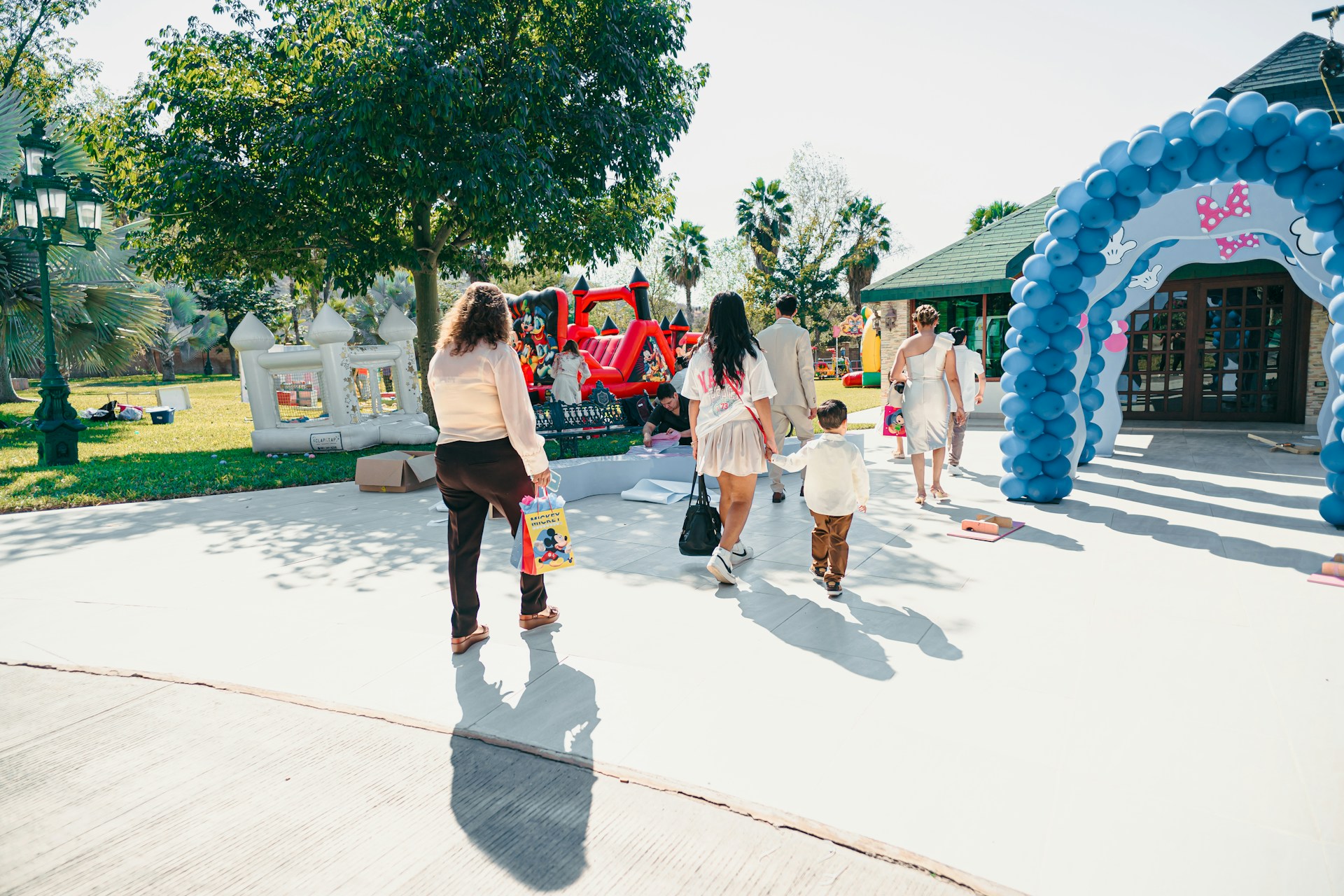
Community events often get overlooked because they feel small compared to big attractions, but kids usually don’t see them that way. Street fairs, school events, local performances, and seasonal festivals offer music, movement, and new sights without the pressure to spend money. Kids enjoy the freedom to wander, watch, and participate at their own pace. You can let them choose which parts to explore or simply enjoy being out among other families. These events feel special because they break routine, even when they’re close to home.
Nature picnics in open spaces
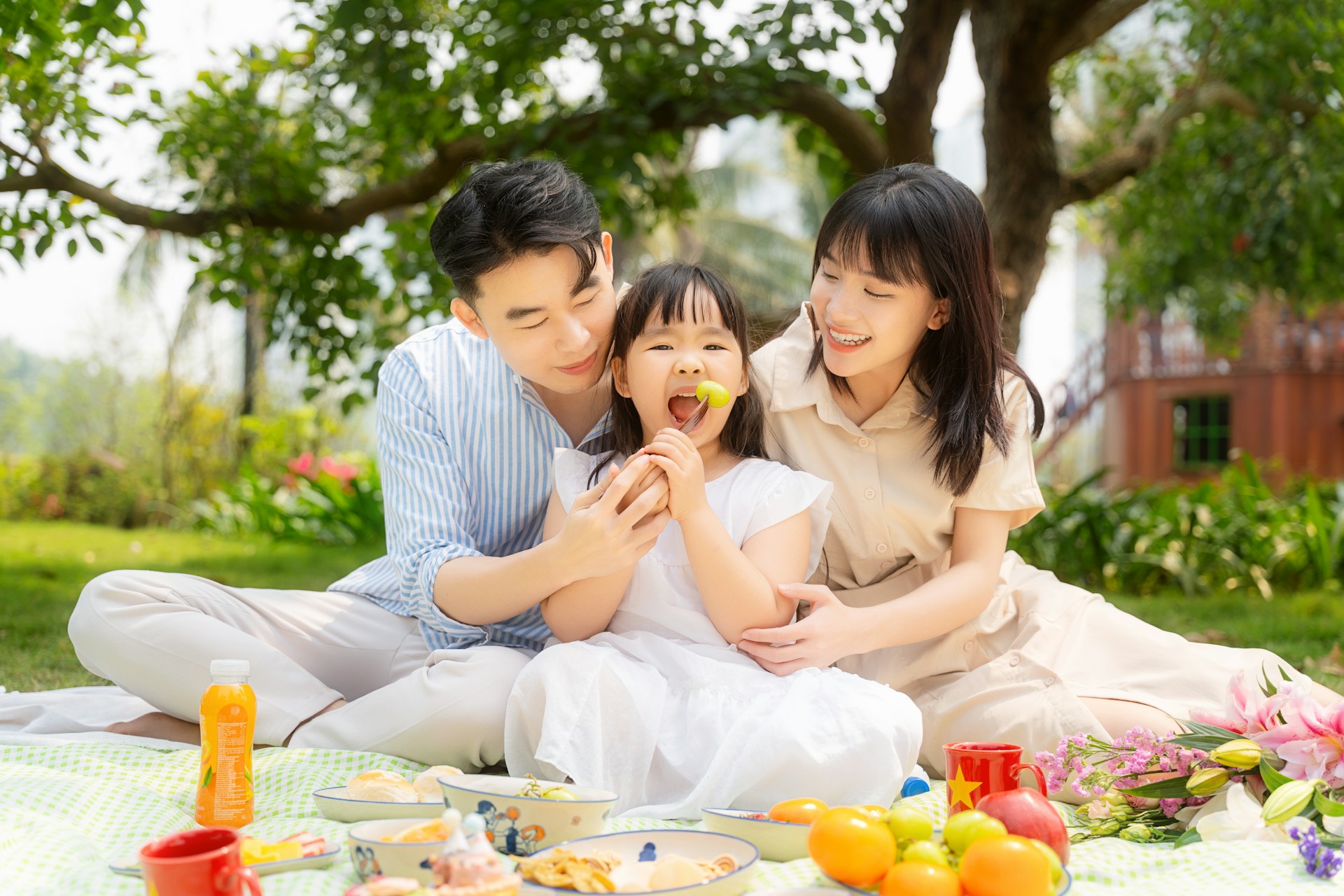
A picnic doesn’t need fancy food or perfect weather to feel memorable. Eating simple meals outdoors changes the experience entirely for kids. They like sitting on blankets, choosing their own spot, and having space to move around between bites. Open spaces invite games, exploration, and relaxed conversation without planning activities ahead of time. You can bring a ball, a book, or nothing at all. The freedom of the setting does most of the work, and kids often remember the feeling of the day more than what was packed.
Music and dance sessions at home
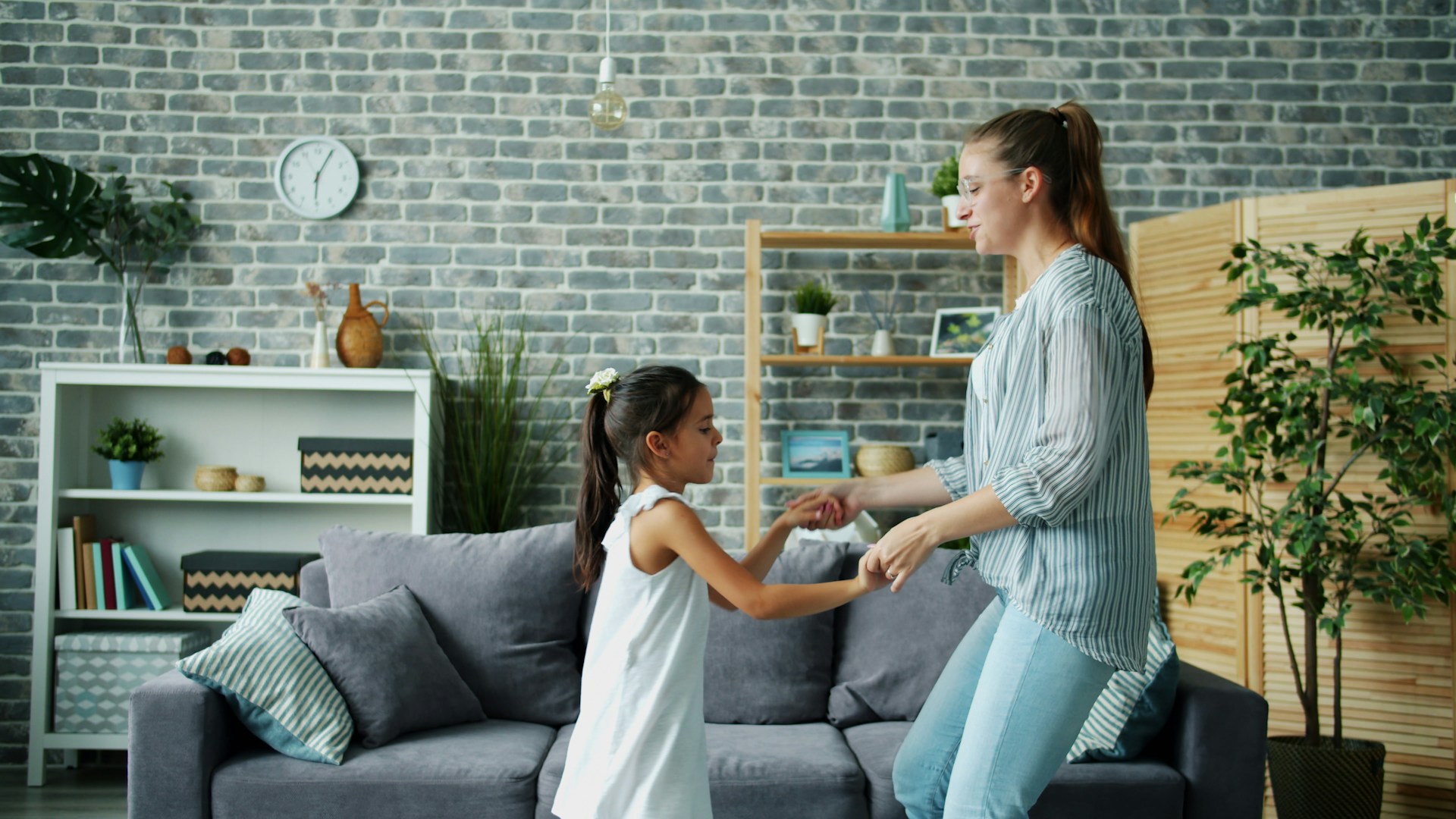
Music instantly shifts the mood in a house, especially when it turns into movement. Playing favorite songs and letting kids dance freely gives them an outlet for energy and expression without rules or instructions. Some kids like copying moves, others like making up their own. You can change genres, take turns choosing songs, or even turn it into a mini family performance. It’s joyful, a little chaotic, and completely pressure-free. Kids love it because it feels like permission to be loud, silly, and fully themselves.
DIY experiments using kitchen items

Science feels much less intimidating to kids when it happens in the kitchen instead of a classroom. Simple experiments using everyday items, like baking soda, vinegar, water, or food coloring, turn curiosity into hands-on fun. Kids enjoy predicting what might happen, watching reactions unfold, and talking through why something worked the way it did. You don’t need to explain everything perfectly. The excitement comes from experimenting together and letting kids ask questions freely. It feels like play, but it quietly builds confidence in learning.
Game nights at home
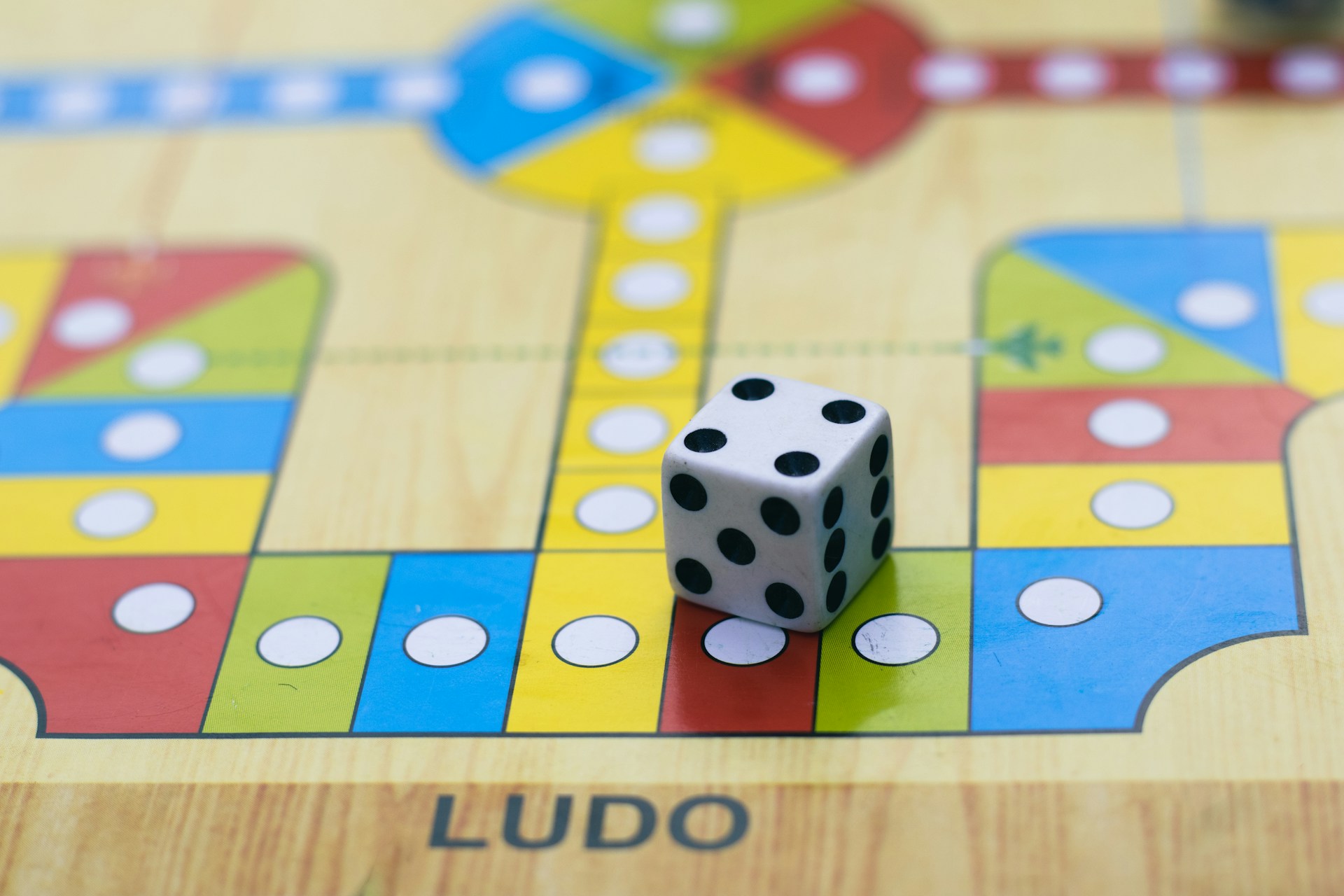
Game nights don’t need shelves full of board games to work. A few familiar games, card decks, or even made-up rules are enough to keep kids engaged. What kids love most is the shared focus, everyone sitting together, laughing, competing lightly, and taking turns. Games teach patience, teamwork, and how to handle winning and losing without it feeling like a lesson. Over time, these nights become something kids look forward to, not because of the game itself, but because of the time spent together.
Backyard camping
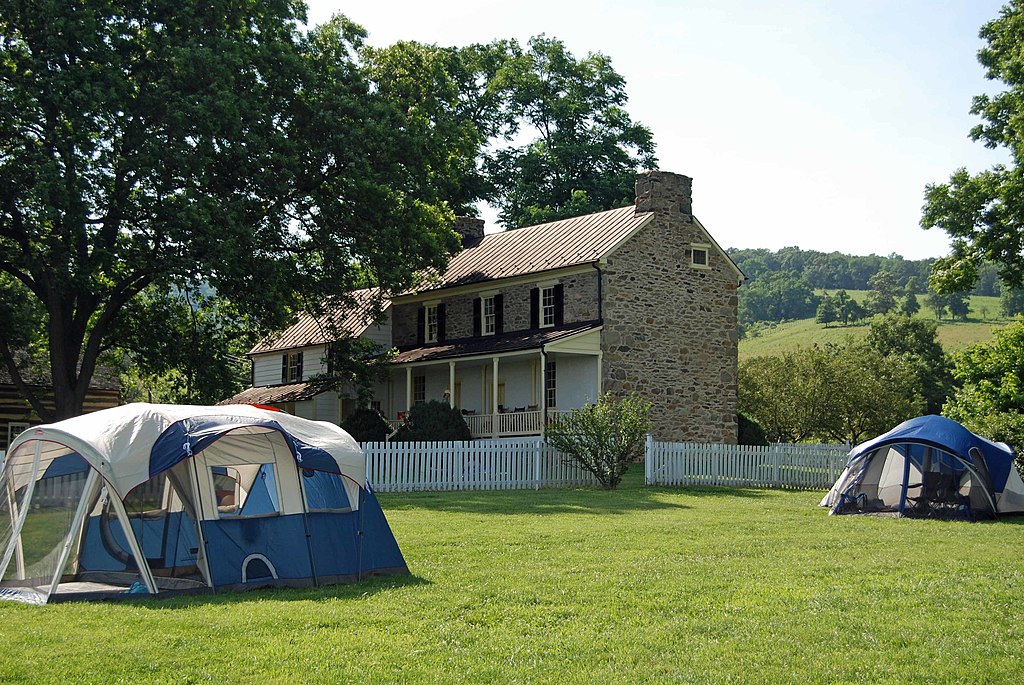
Camping at home captures the fun of adventure without the stress of travel. Setting up a tent, sleeping bags, or even just blankets outdoors makes the familiar feel exciting. Kids enjoy the novelty of sleeping somewhere unusual, telling stories, and noticing nighttime sounds. You can keep it simple with flashlights, snacks, and stargazing. The best part is that you can adjust everything to your comfort level while still giving kids the thrill of doing something different.
Cooking one simple meal together
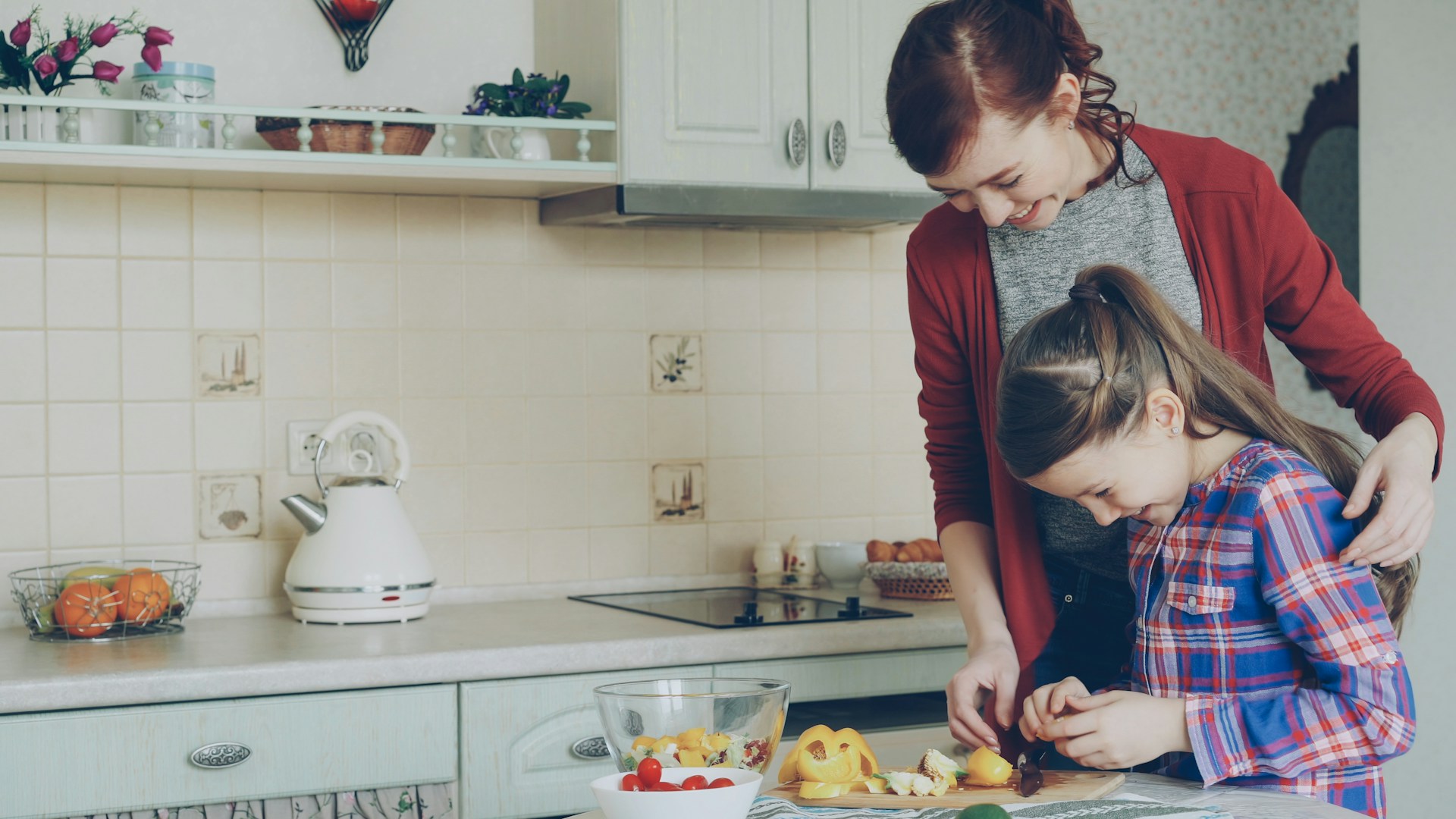
Cooking with kids works best when the goal isn’t perfection. Choosing one simple meal and letting kids help with age-appropriate tasks turns dinner into a shared project. Kids enjoy measuring, mixing, tasting, and seeing how ingredients come together. They’re more likely to try food they helped make, and the process naturally builds independence. Even when it’s messy or slow, it creates a sense of teamwork that carries beyond the kitchen. This activity is guaranteed to form some core childhood memories!
Turning errands into mini challenges or games
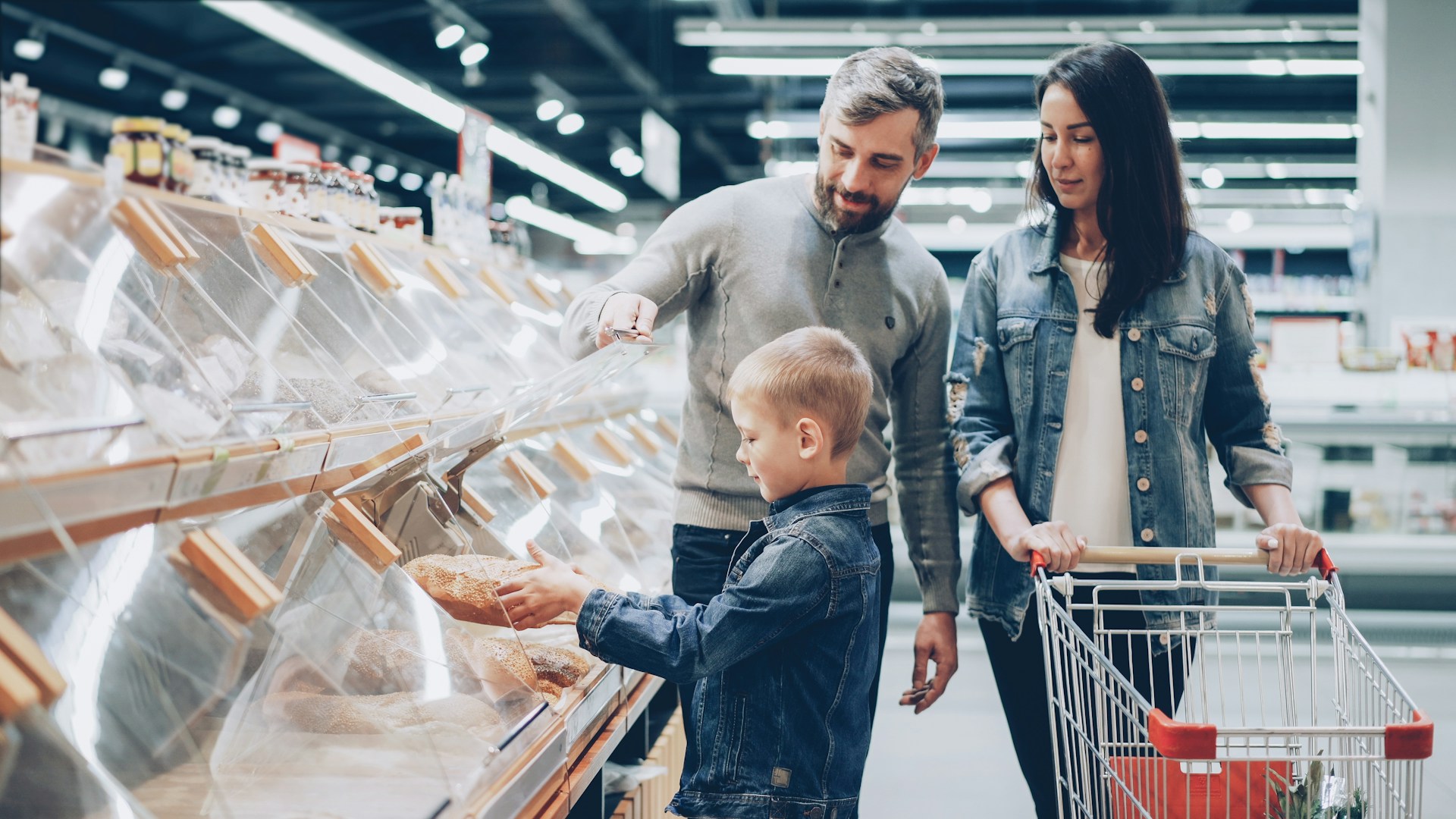
Errands don’t have to feel like time kids are just tagging along. With a little imagination, they can turn into simple games that keep kids engaged without extra effort. You can challenge them to spot certain items, help compare prices, count how many things are needed, or race the clock in a lighthearted way. Kids enjoy having a role, even in routine tasks, and it makes them feel included rather than bored. What would normally feel like wasted time suddenly becomes interactive, and errands often go more smoothly because kids are focused and involved.
Family storytelling nights

Storytelling nights don’t require books or preparation, just a willingness to sit together and share. You can tell real stories from your childhood, make up silly adventures, or take turns adding to one shared story. Kids love hearing about family moments, funny memories, or imaginary worlds that grow as everyone contributes. These nights encourage listening, creativity, and connection without screens or supplies. Over time, storytelling becomes a tradition kids look forward to because it feels personal, relaxed, and uniquely theirs.