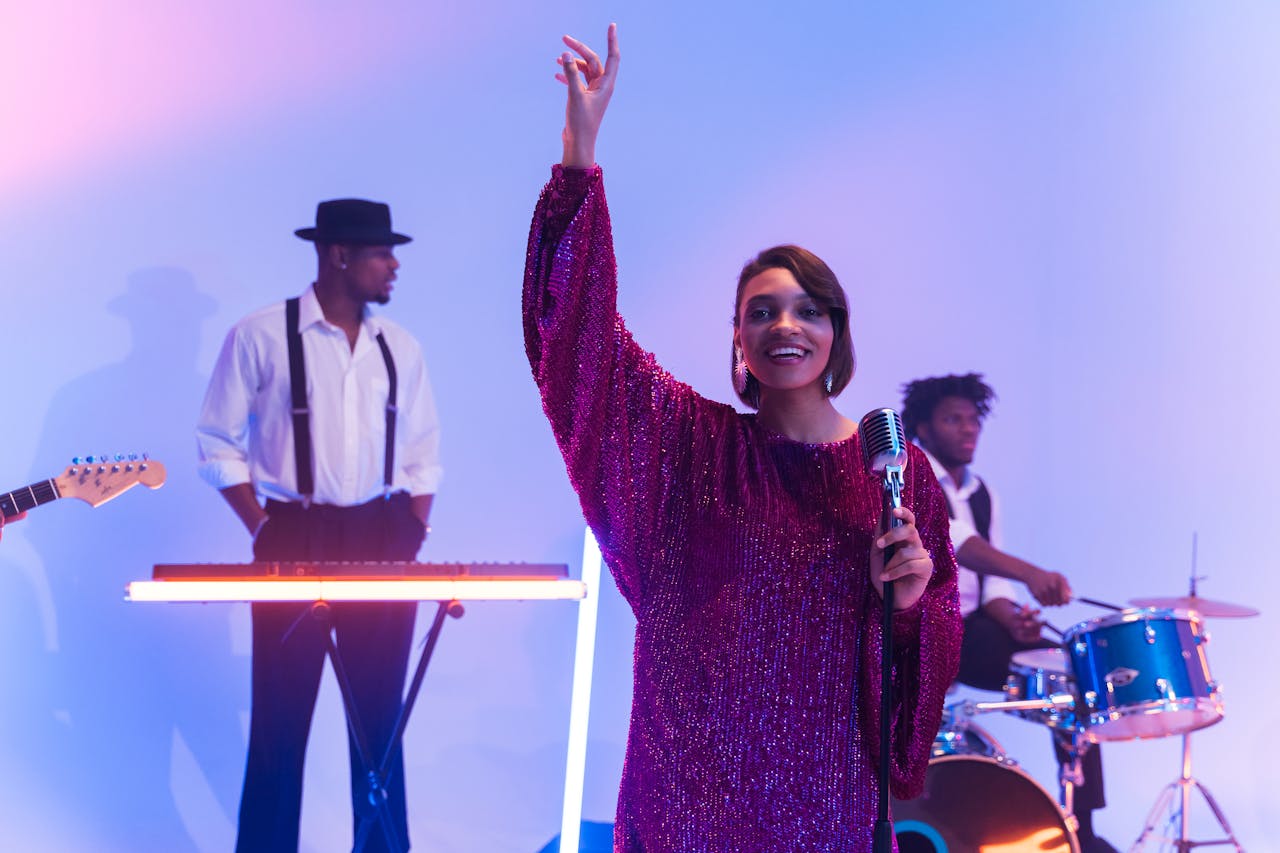
The Roaring Twenties brought more than flashy fashion, lively music, and speakeasy culture—it introduced a vibrant lexicon that shaped American slang. Many of these words captured the carefree spirit and rebellious creativity of the era. Surprisingly, several expressions from this period still feel fresh and stylish even a century later. Their enduring charm reflects how language evolves but never loses its rhythm.
Bee’s Knees

The phrase “bee’s knees” was one of the biggest compliments of the era. It meant something was outstanding, excellent, or top-tier. People used it to describe everything from jazz bands to fashionable outfits. Even today, it carries a charming vintage flair when used to compliment someone or something exceptional.
Cat’s Pajamas
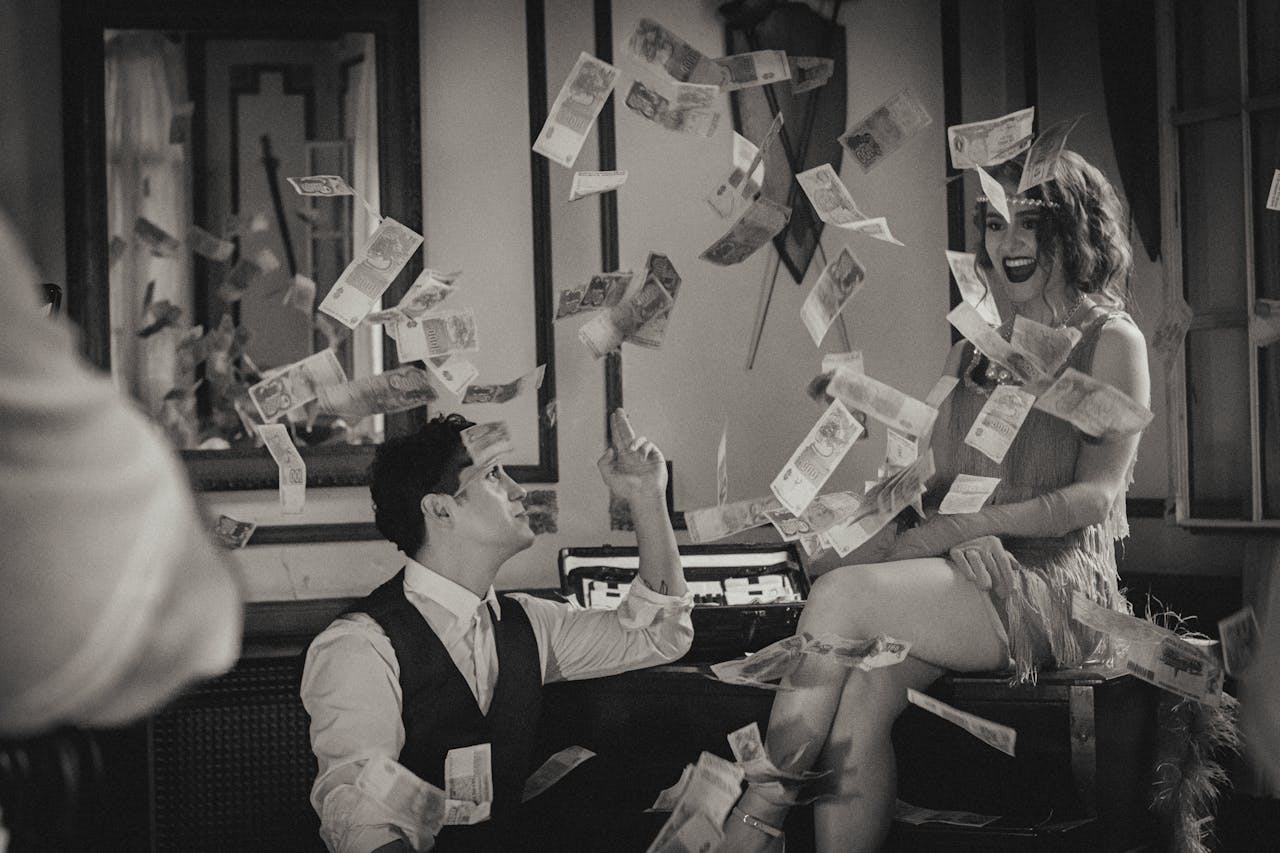
This quirky expression described someone who was stylish, confident, or impressive. It became part of the playful language associated with the lively nightlife of the Jazz Age. The phrase still sounds fun and brings a sense of humor to modern conversations. Its whimsical nature keeps it memorable even after decades.
Hotsy-Totsy
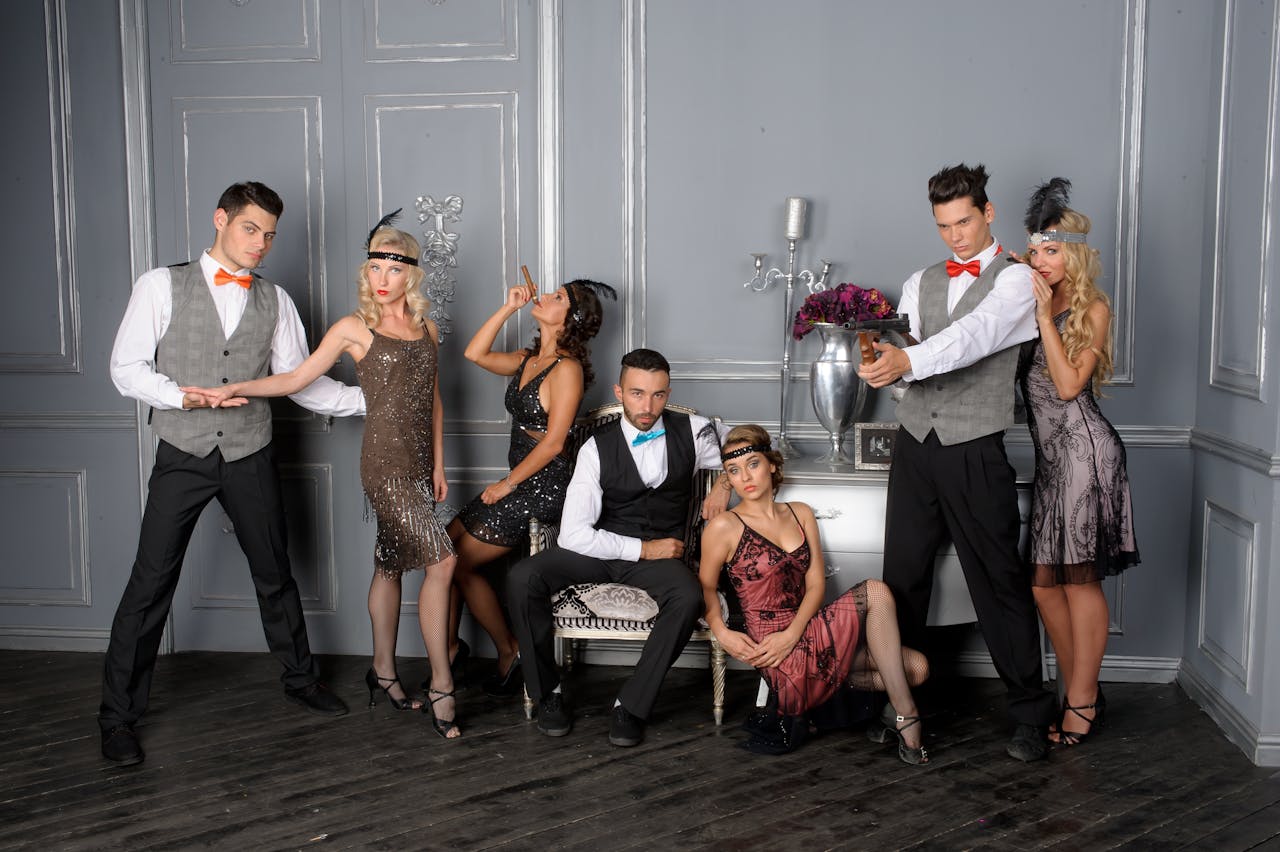
“Hotsy-totsy” meant that everything was perfect or going smoothly. It embodied a cheerful, upbeat attitude typical of the 1920s social scene. The phrase still works today to describe a pleasant or ideal situation. Its upbeat rhythm adds charm whenever it’s used in casual conversation.
Giggle Water
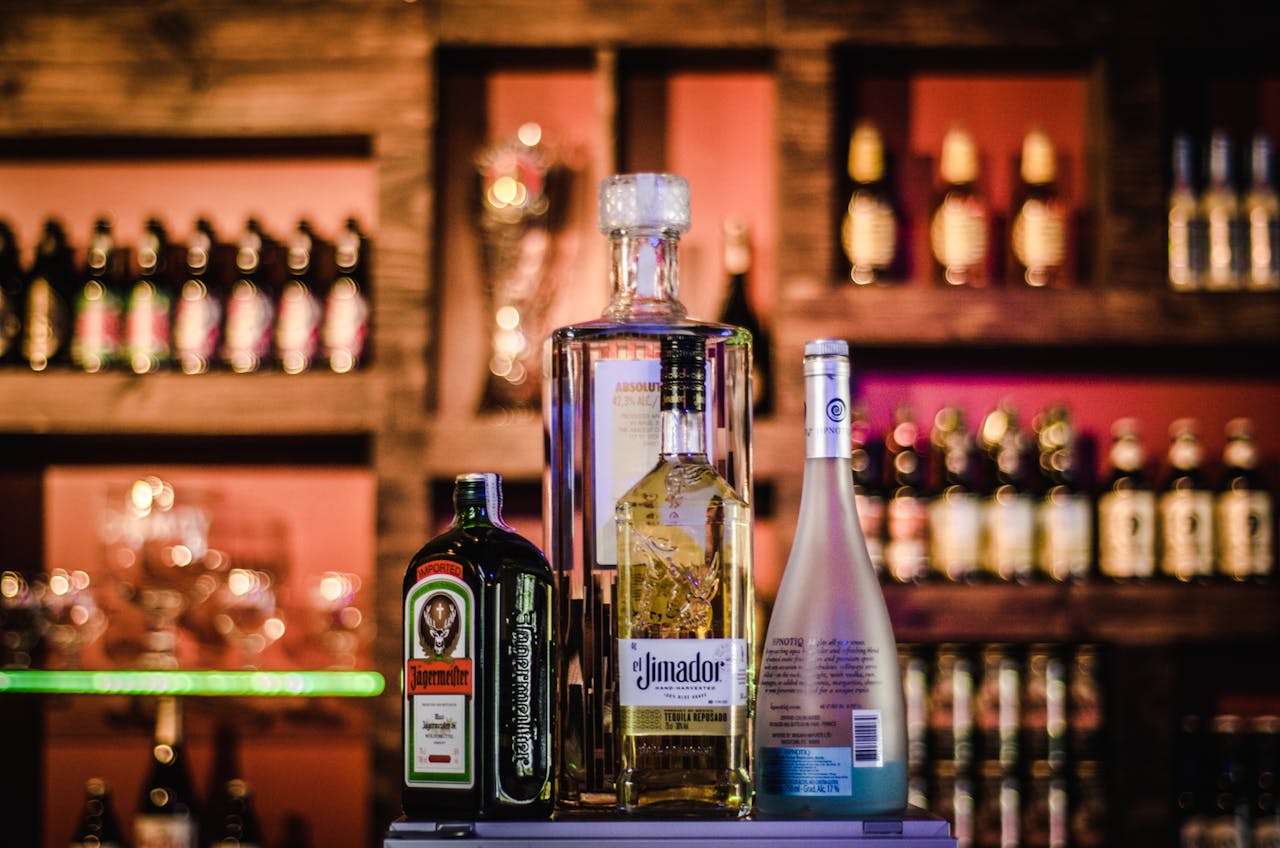
This slang referred to alcoholic beverages, especially those enjoyed secretly in speakeasies. It reflected the era’s rebellious spirit and creative workarounds during Prohibition. The phrase remains a humorous way to refer to drinks at a party. Its playful tone brings a sense of nostalgia to modern gatherings.
Big Cheese
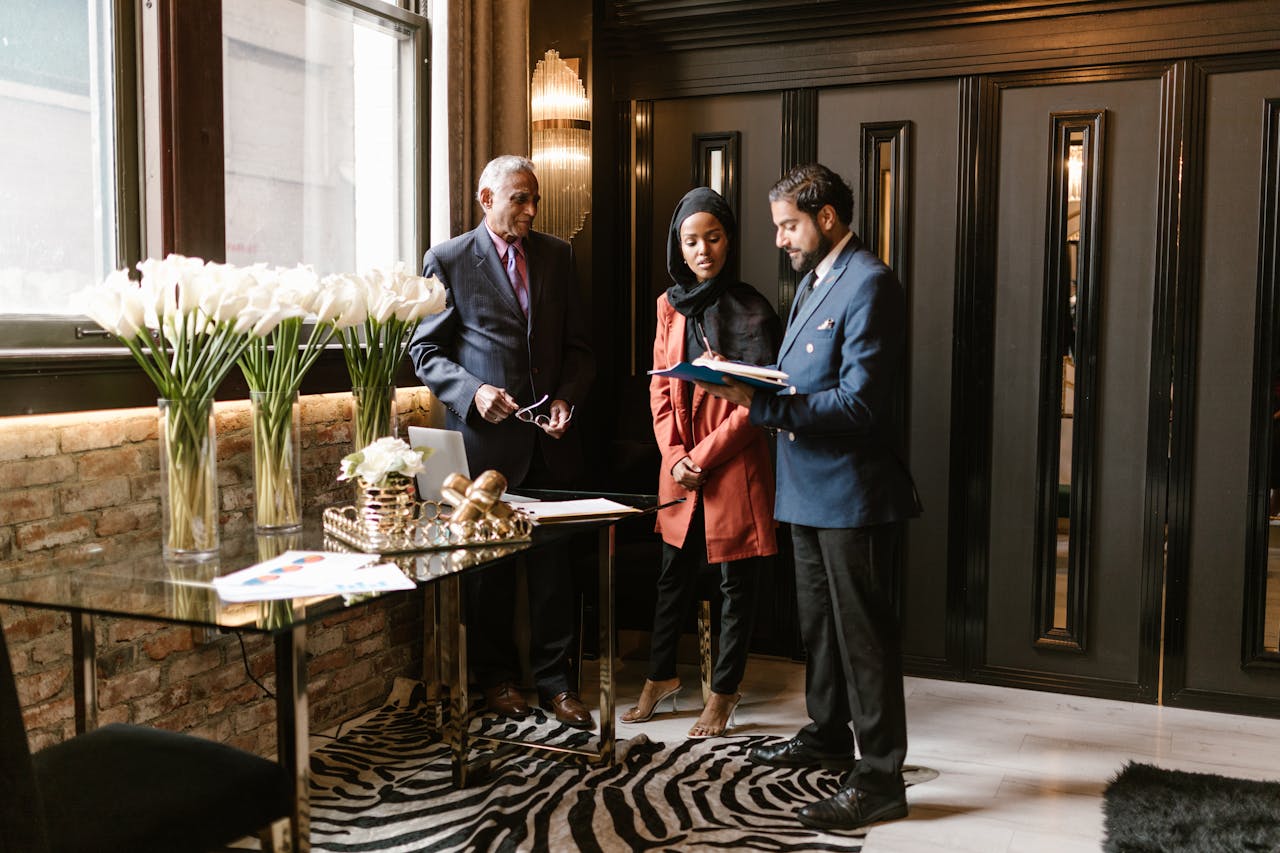
Calling someone a “big cheese” meant they held influence or high status. It was often used for business leaders, gangsters, or community trendsetters. The phrase remains widely recognized and still pops up in contemporary conversations. Its simplicity and humor help it maintain popularity.
Putting on the Ritz
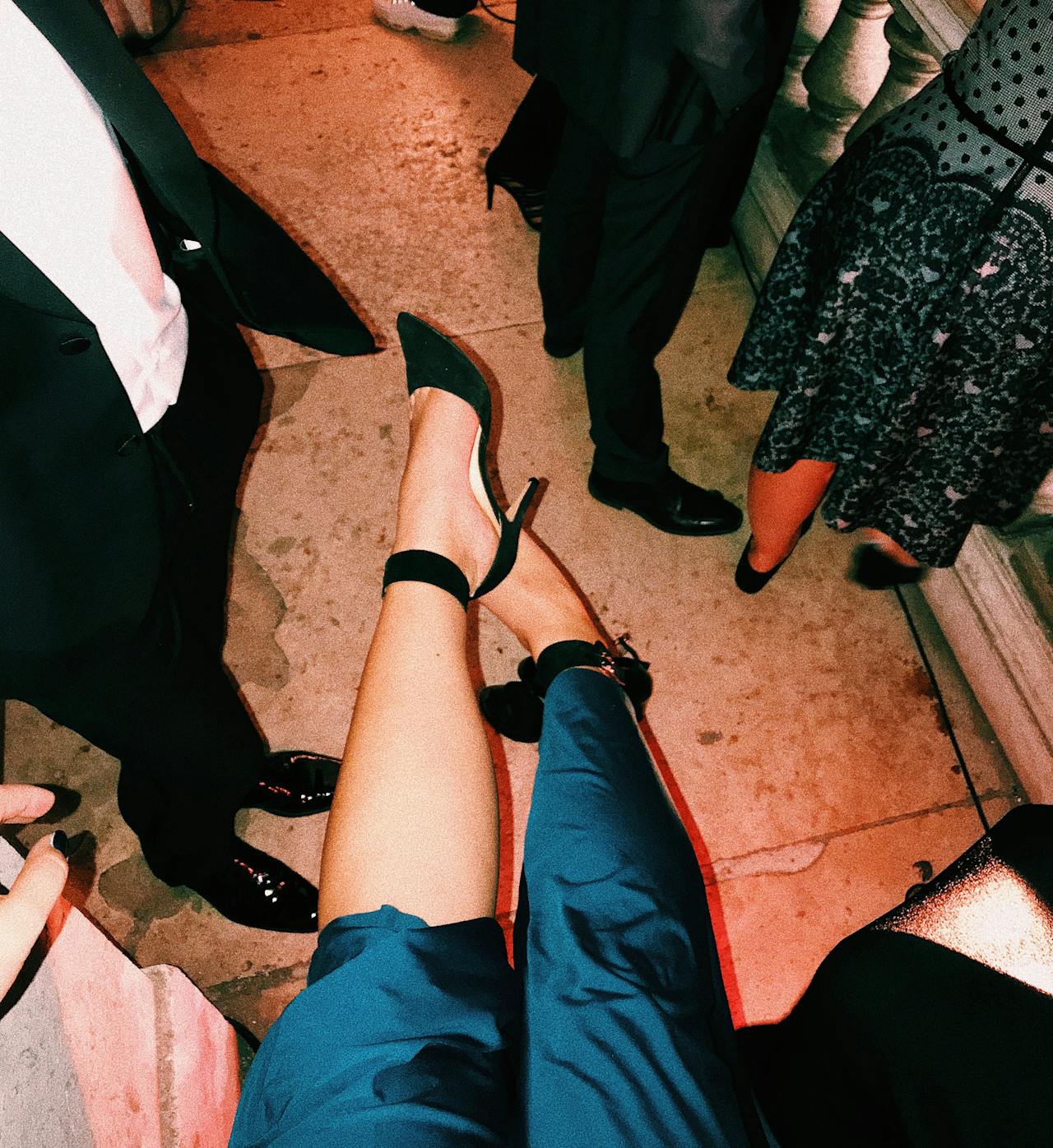
To “put on the ritz” meant dressing up stylishly or behaving in a fancy manner. It reflected the glamorous side of the 1920s, inspired partly by high-end hotels and glittering nightlife. The phrase still resonates because people love describing occasions where everyone dresses to impress. It captures a timeless sense of elegance.
Whoopee
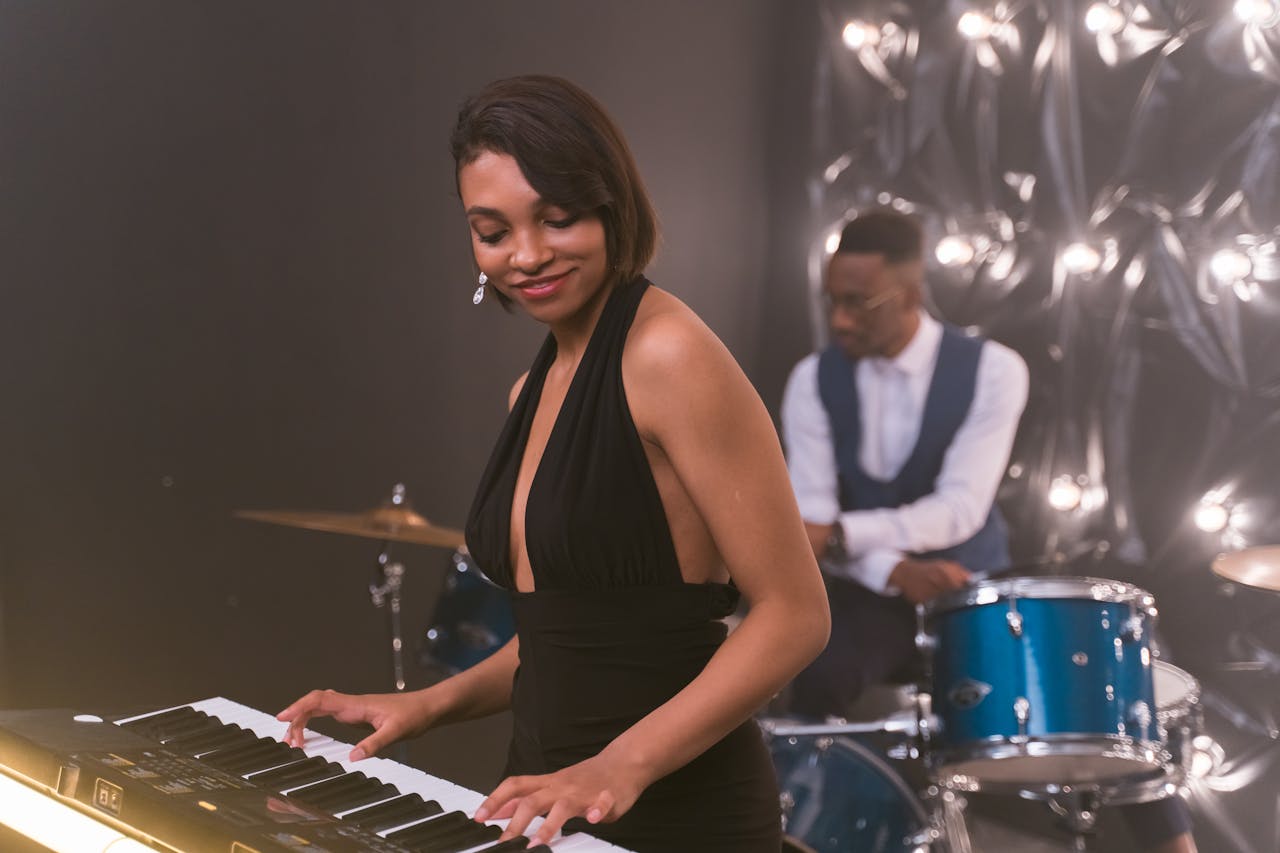
“Making whoopee” referred to having a lively, fun-filled time. The term was used for parties, celebrations, and nights out. Its exuberant sound makes it enjoyable to say even today. It adds a vintage feel to descriptions of joyous festivities.
Spiffed Up
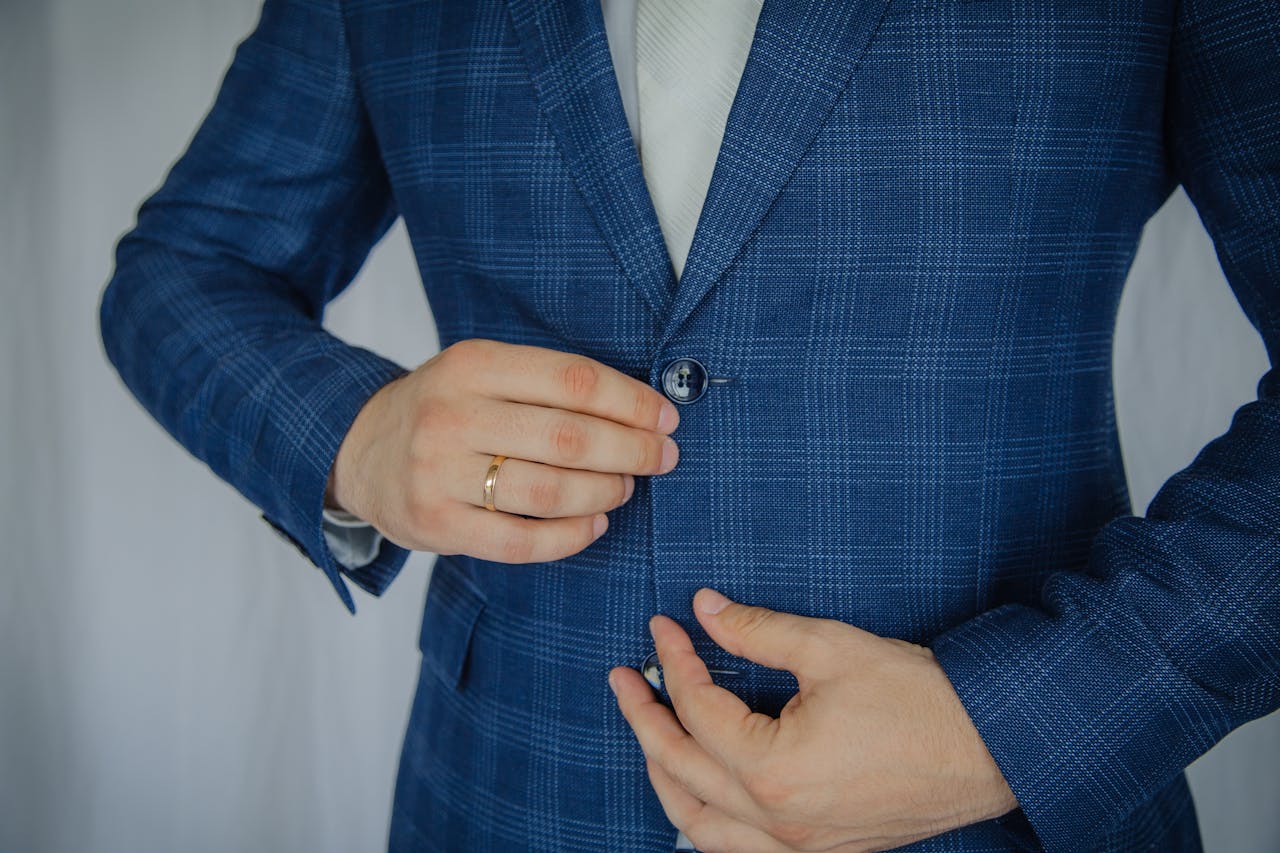
To get “spiffed up” meant dressing neatly or preparing for a special outing. This phrase may be old-fashioned, but it still rolls off the tongue smoothly. Many people still use it when getting ready for formal events. Its versatility keeps it relevant across generations.
Lounge Lizard

A “lounge lizard” was someone who frequented nightclubs and flirted with patrons. The term often described suave characters with smooth-talking charm. Today, it still carries humor when referring to overly flirtatious individuals. Its vivid imagery makes it a standout expression.
Torpedo
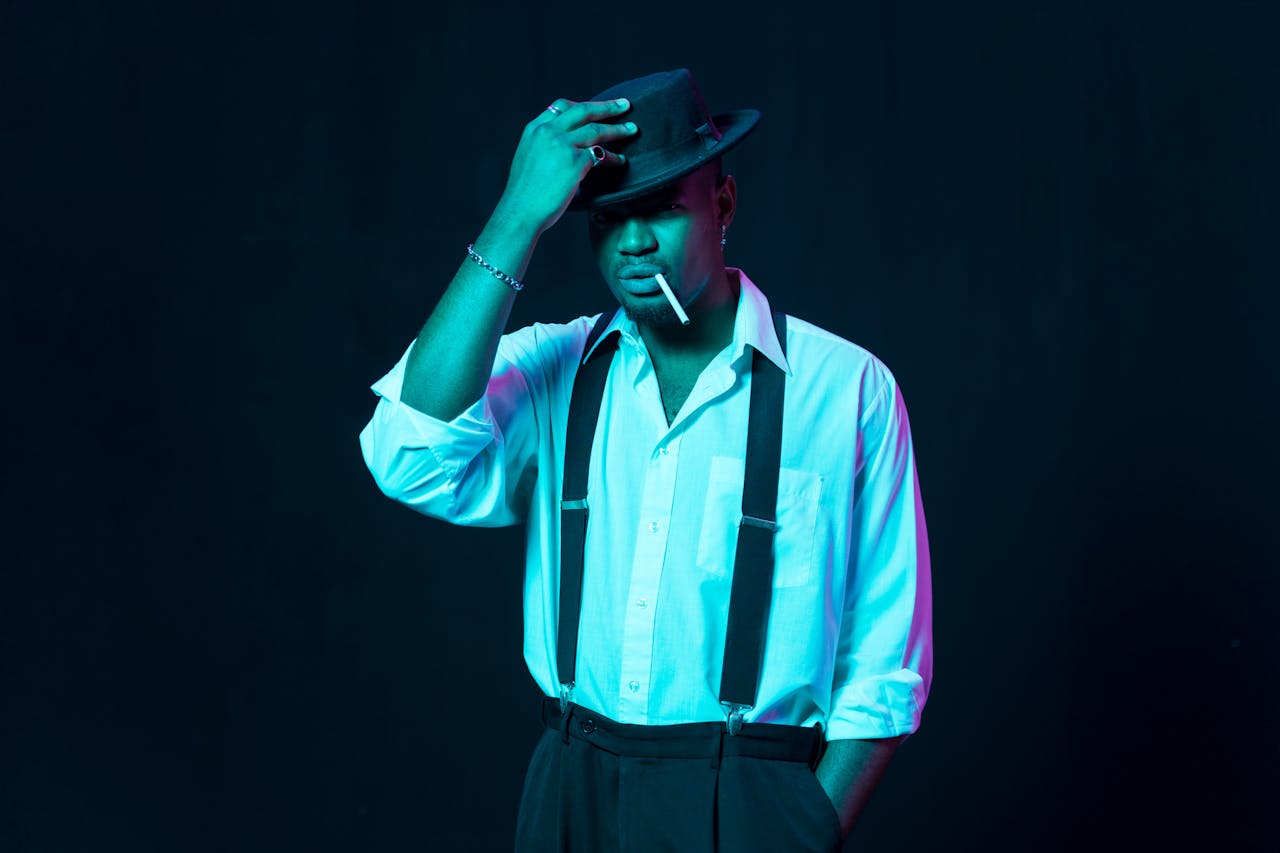
“Torpedo” served as slang for a hired gangster or tough enforcer. It reflected the raw, gritty underworld of the Jazz Age. While the meaning has evolved, the term’s boldness remains appealing. It still appears in crime novels or films inspired by 1920s culture.
Daddy-O

This casual nickname was used among musicians and hip crowd members. It communicated a sense of camaraderie and coolness. The term continues to appear in retro-themed pop culture references today. Its jazzy rhythm makes it hard to forget.
Goofy
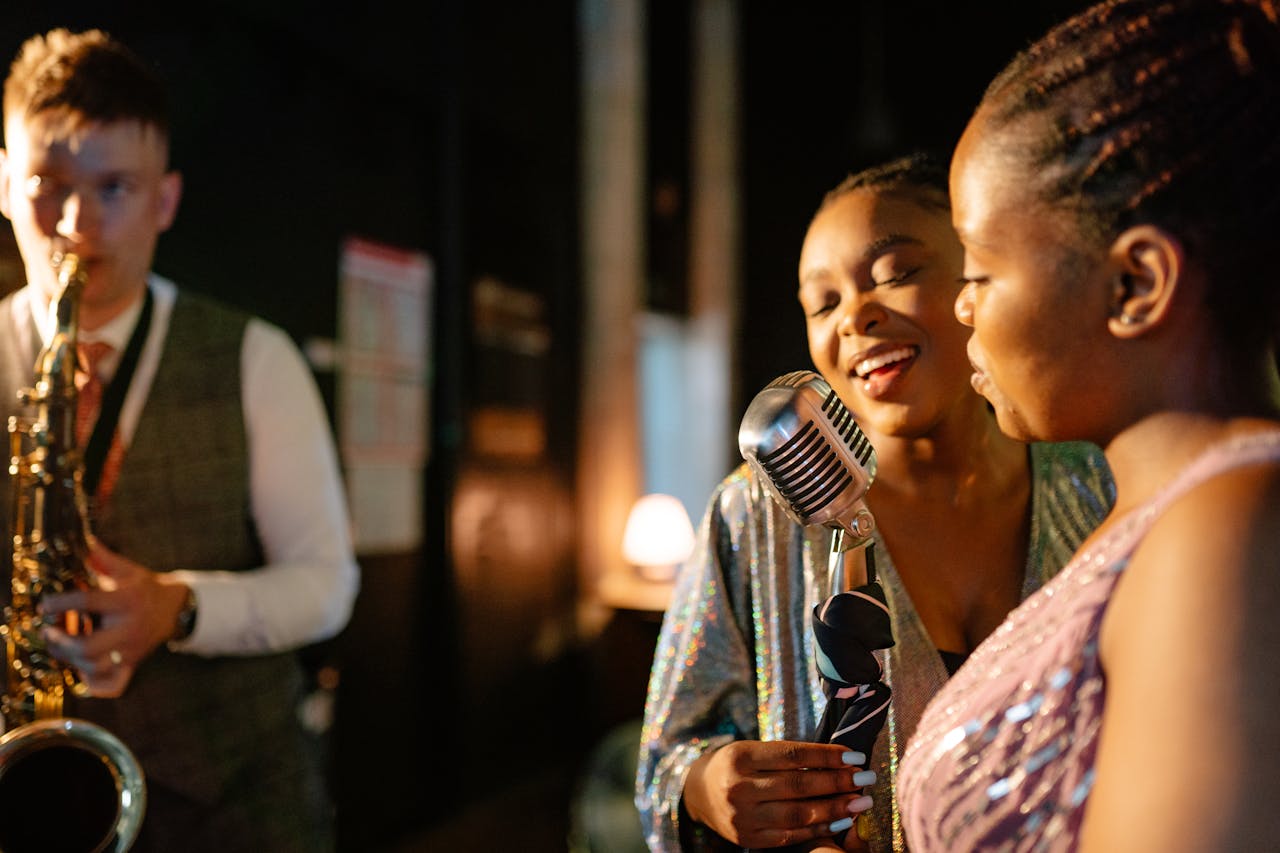
“Goofy” meant silly or amusing, often used lovingly among friends. It gained popularity thanks to the fun-loving vibe of the era. Today, it is still one of the most common playful insults or compliments. Its staying power proves how enduring Jazz Age slang can be.
Keen
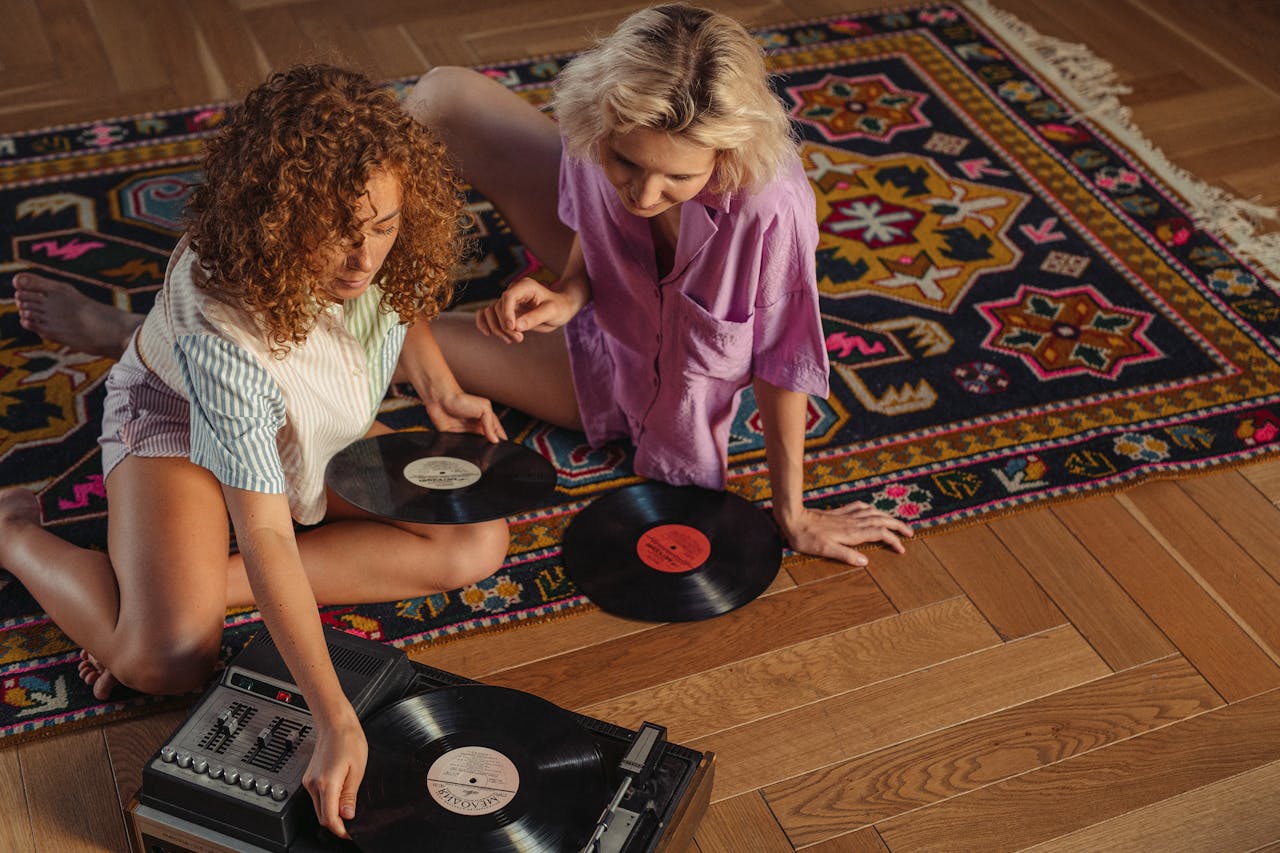
“Keen” meant something was excellent, attractive, or highly appealing. It appeared often in conversation when describing music, style, or exciting plans. Although it sounds slightly retro, people still use it in a positive sense. Its crisp sound contributes to its longevity.
Real McCoy
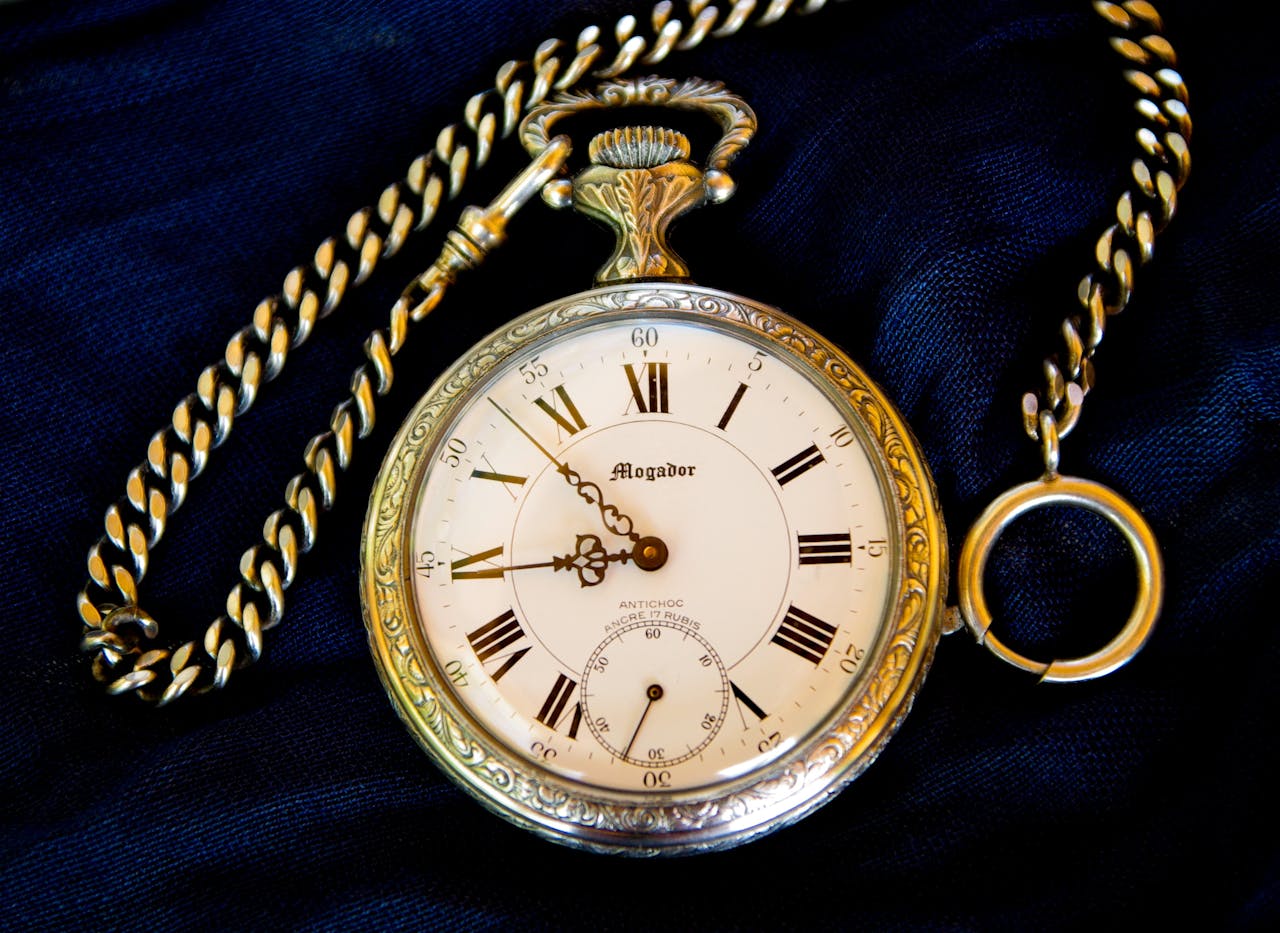
The “real McCoy” meant something genuine or authentic. It was particularly popular when distinguishing quality items from imitations. The phrase remains widely recognized today and appears in both casual and professional settings. Its enduring appeal lies in its clear, confident tone.