
Power can be intoxicating, especially for those who gain it through crime and fear. But history shows that every rise comes with an inevitable fall. These once-feared figures built empires on intimidation, manipulation, and money, only to watch it all crumble in shocking and often dramatic ways. From crime lords to con artists, their downfalls became the ultimate reminder that no one stays untouchable forever. Here are fourteen infamous criminals who met their spectacular undoing.
Al Capone
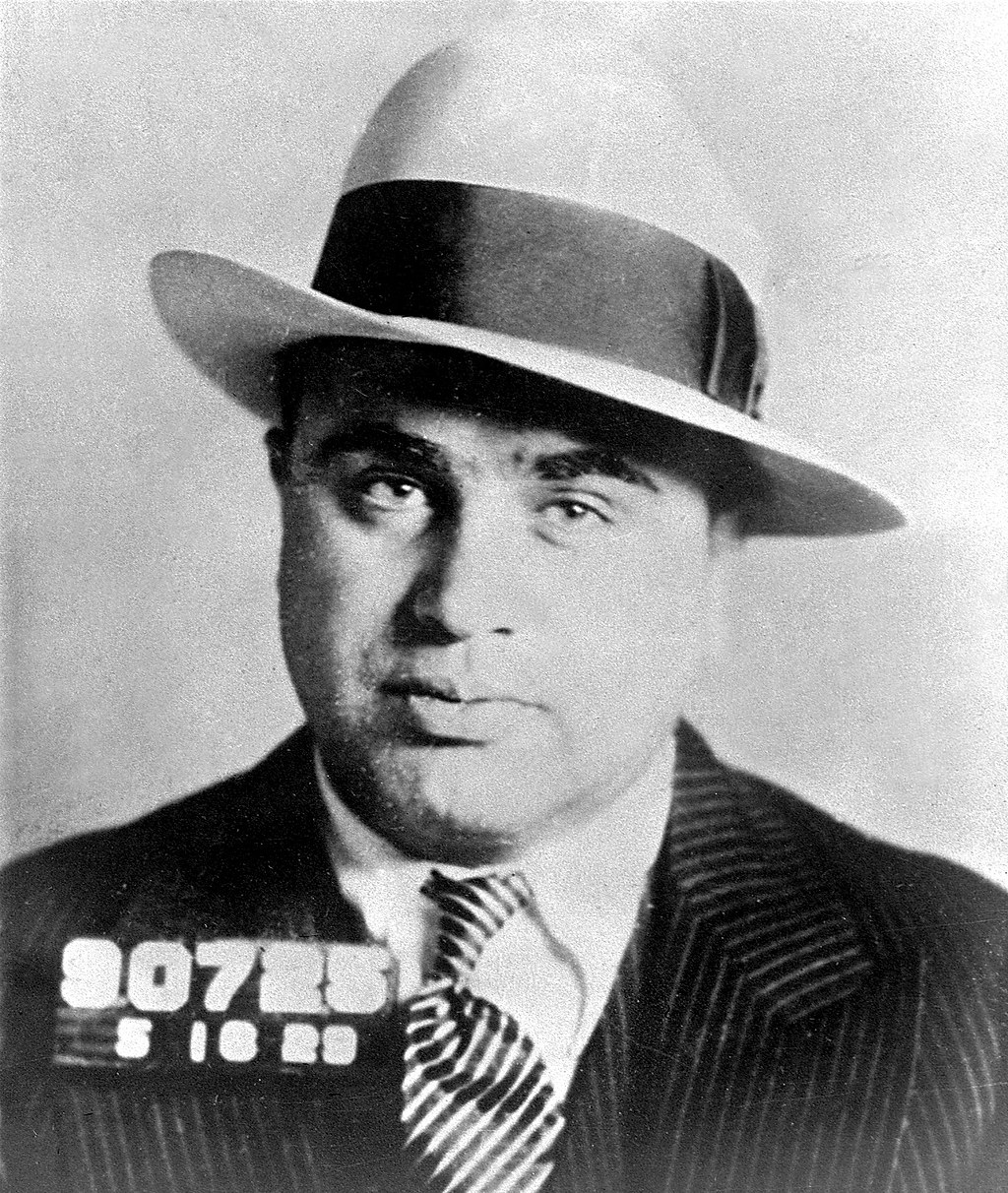
Chicago’s most notorious gangster built his empire on bootlegging and bribery during Prohibition. Al Capone’s charisma made him a folk legend, but his greed and arrogance proved his undoing. Law enforcement could never catch him for murder or racketeering, but his lavish lifestyle drew attention from tax investigators. In 1931, he was convicted of tax evasion, ending his reign at just 33 years old. Capone’s fall was as symbolic as it was swift, showing how even the most powerful criminal can be brought down by something as mundane as paperwork.
Pablo Escobar
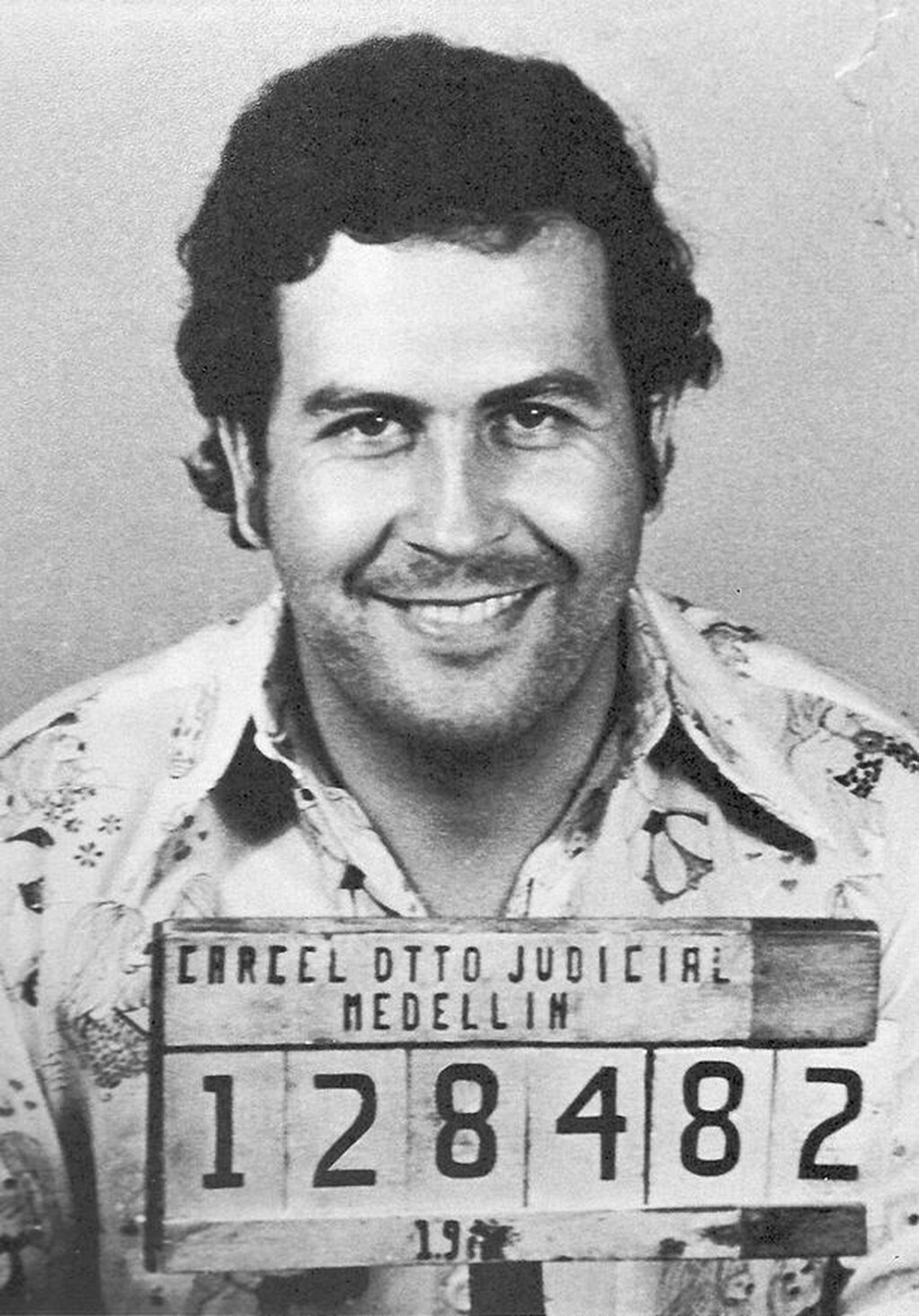
The Colombian drug lord who once controlled nearly 80 percent of the global cocaine trade became one of the richest and most dangerous men in the world. Pablo Escobar ruled through fear and violence, funding entire neighborhoods to earn loyalty while assassinating politicians and judges. His empire collapsed when the Colombian government, aided by the United States, turned against him. After years on the run, he was killed in 1993 during a rooftop shootout. The man who once considered himself untouchable met a cinematic end that marked the fall of an empire built on blood and cocaine.
Bernie Madoff
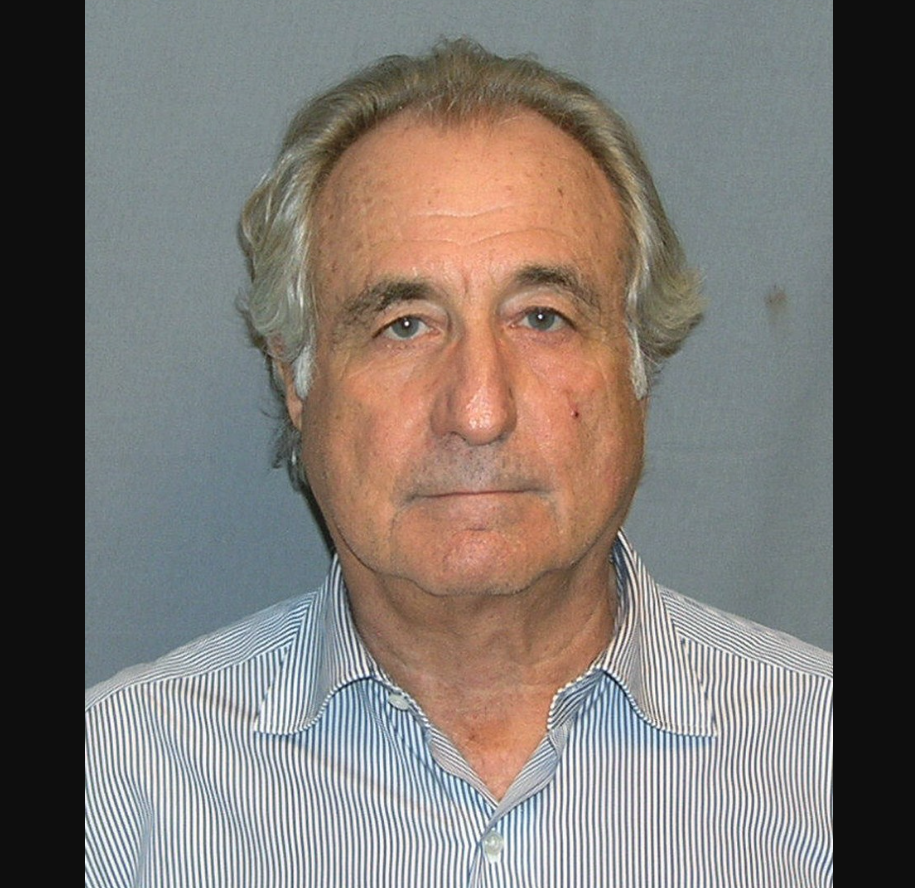
Bernie Madoff went from Wall Street wizard to the mastermind of the largest Ponzi scheme in history. For decades, he fooled investors, banks, and regulators with fake returns and falsified records. When the truth finally came out in 2008, the collapse wiped out billions of dollars in savings and pensions. Madoff’s empire of deceit came crashing down almost overnight, and he was sentenced to 150 years in prison. The man once trusted by financial elites spent his final days behind bars, a stark symbol of greed disguised as success.
John Gotti
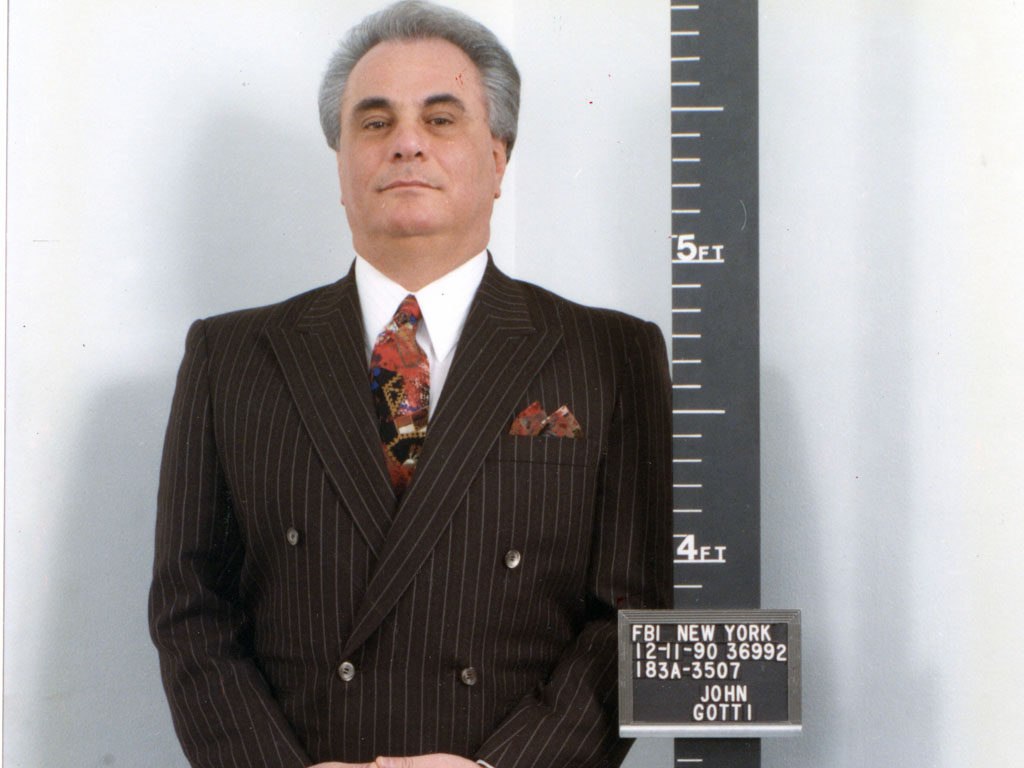
Known as “The Dapper Don” for his stylish suits and bold public image, John Gotti ruled the Gambino crime family with a mix of charm and ruthlessness. For years, he escaped conviction thanks to witness intimidation and bribed juries, making him a media sensation. But his arrogance eventually caught up with him when his underboss, Sammy “The Bull” Gravano, turned government witness. In 1992, Gotti was sentenced to life in prison, marking the end of New York’s last great mob boss. His rise and fall were pure American crime mythology, brought to an unglamorous end.
Bonnie and Clyde
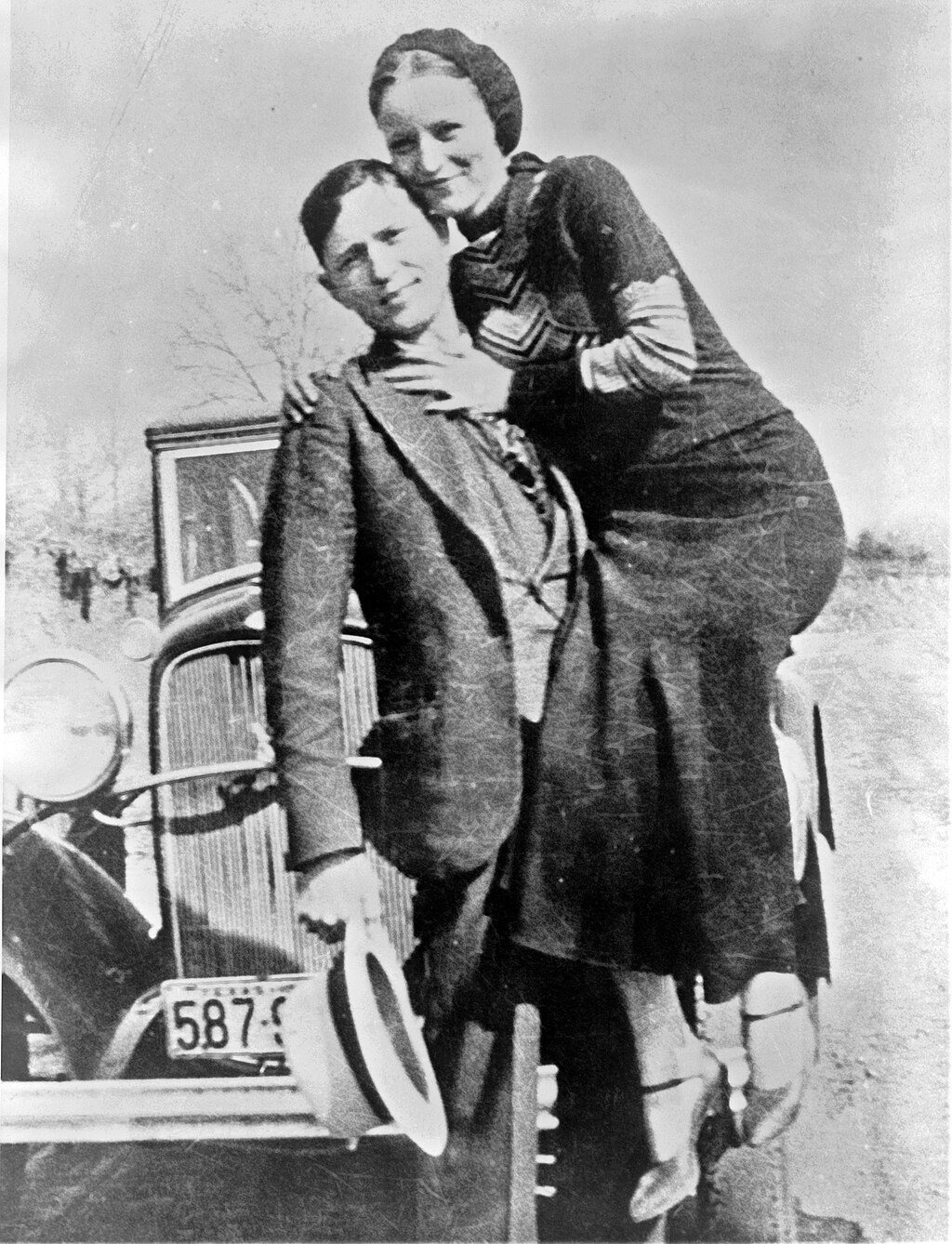
The legendary outlaw couple became folk heroes during the Great Depression, known for robbing banks and fleeing police in dramatic shootouts. But the glamorized version of their story hides a violent reality. Bonnie Parker and Clyde Barrow’s string of robberies and murders made them national targets. Their downfall came in 1934 when lawmen ambushed their car in Louisiana, killing them instantly. The ambush ended their crime spree but also sealed their legend in history. Their short, chaotic lives remain a cautionary tale of rebellion turned tragedy.
Whitey Bulger
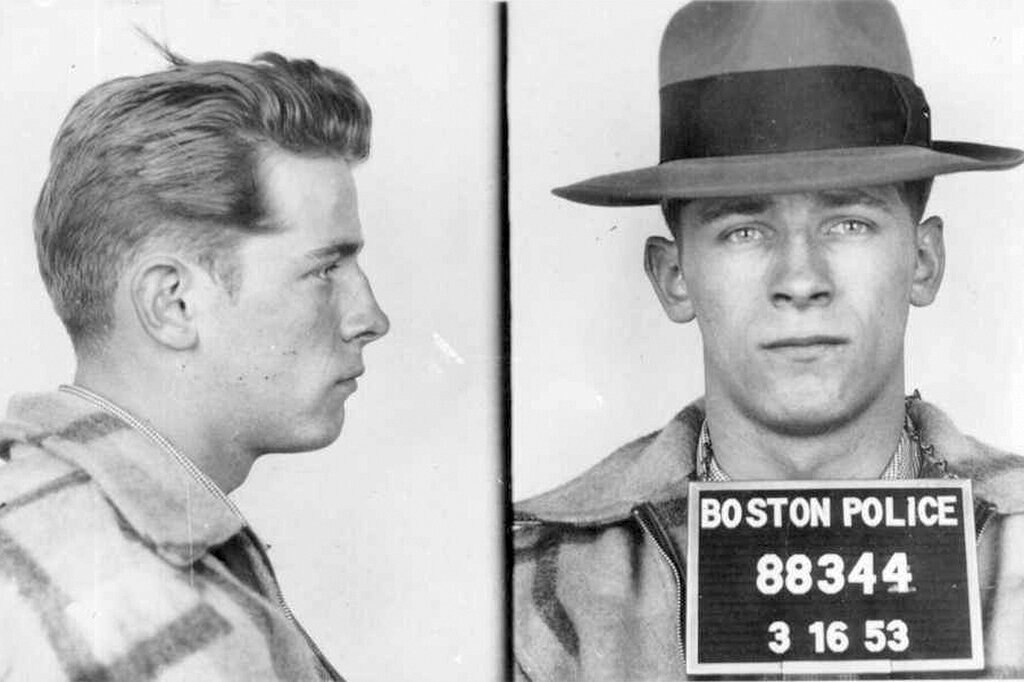
James “Whitey” Bulger was the feared crime boss of Boston, running a criminal empire built on drugs, extortion, and murder while secretly acting as an FBI informant. For years, he manipulated law enforcement, eliminating rivals and staying out of prison. His luck ran out in 1994 when his double life was exposed, and he fled the country. After sixteen years on the run, he was captured in California and later convicted on multiple murder charges. His brutal death in prison at age 89 closed one of the darkest chapters in Boston’s criminal history.
Charles Manson
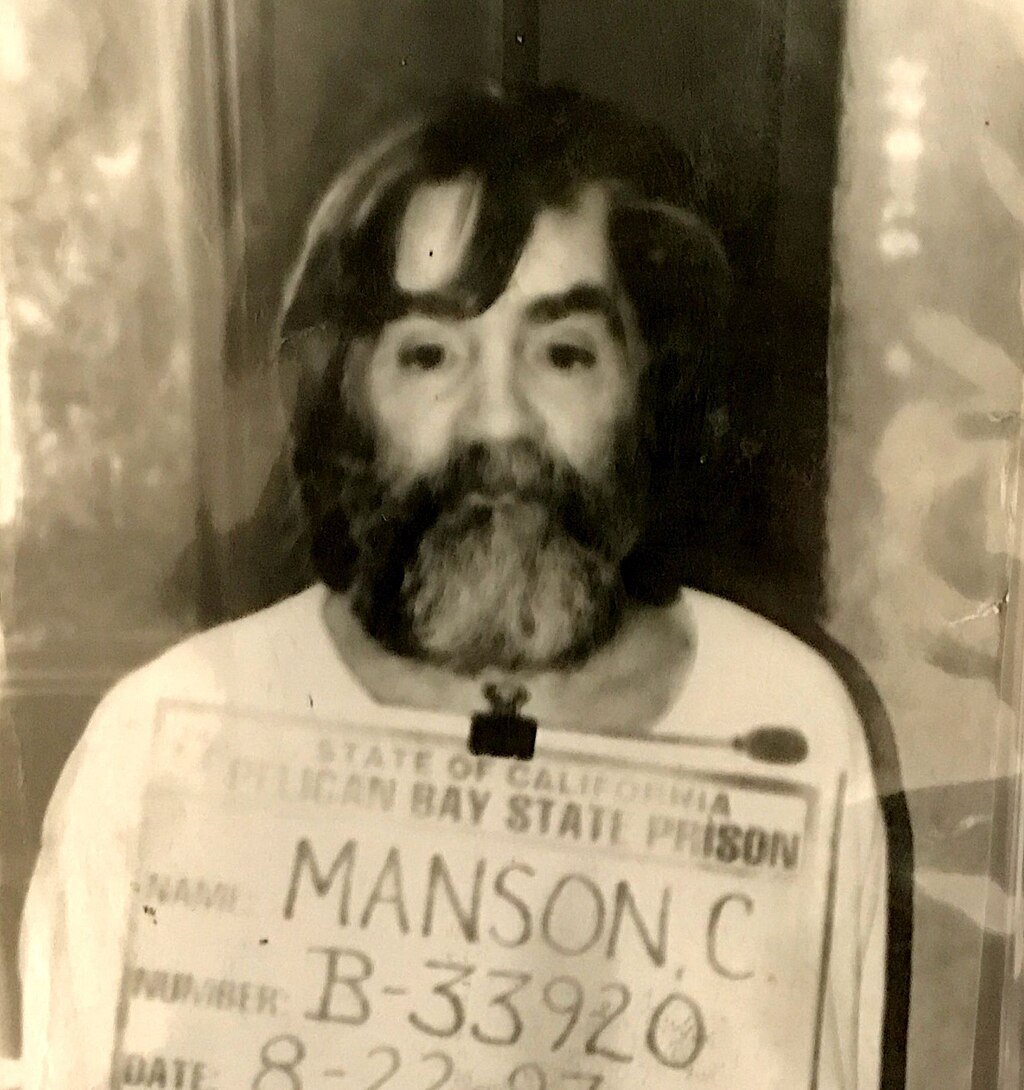
Charles Manson turned a group of young followers into his personal cult, convincing them to carry out gruesome murders that shocked America in 1969. Believing he was starting a race war, Manson manipulated his “family” into acts of horrific violence. His delusions of power and control led to life imprisonment, where he remained a symbol of evil for decades. Despite his claims of enlightenment, Manson’s name became synonymous with madness and manipulation. His downfall was inevitable, fueled by the chaos he himself created and the terror that defined an era.
Frank Abagnale Jr.
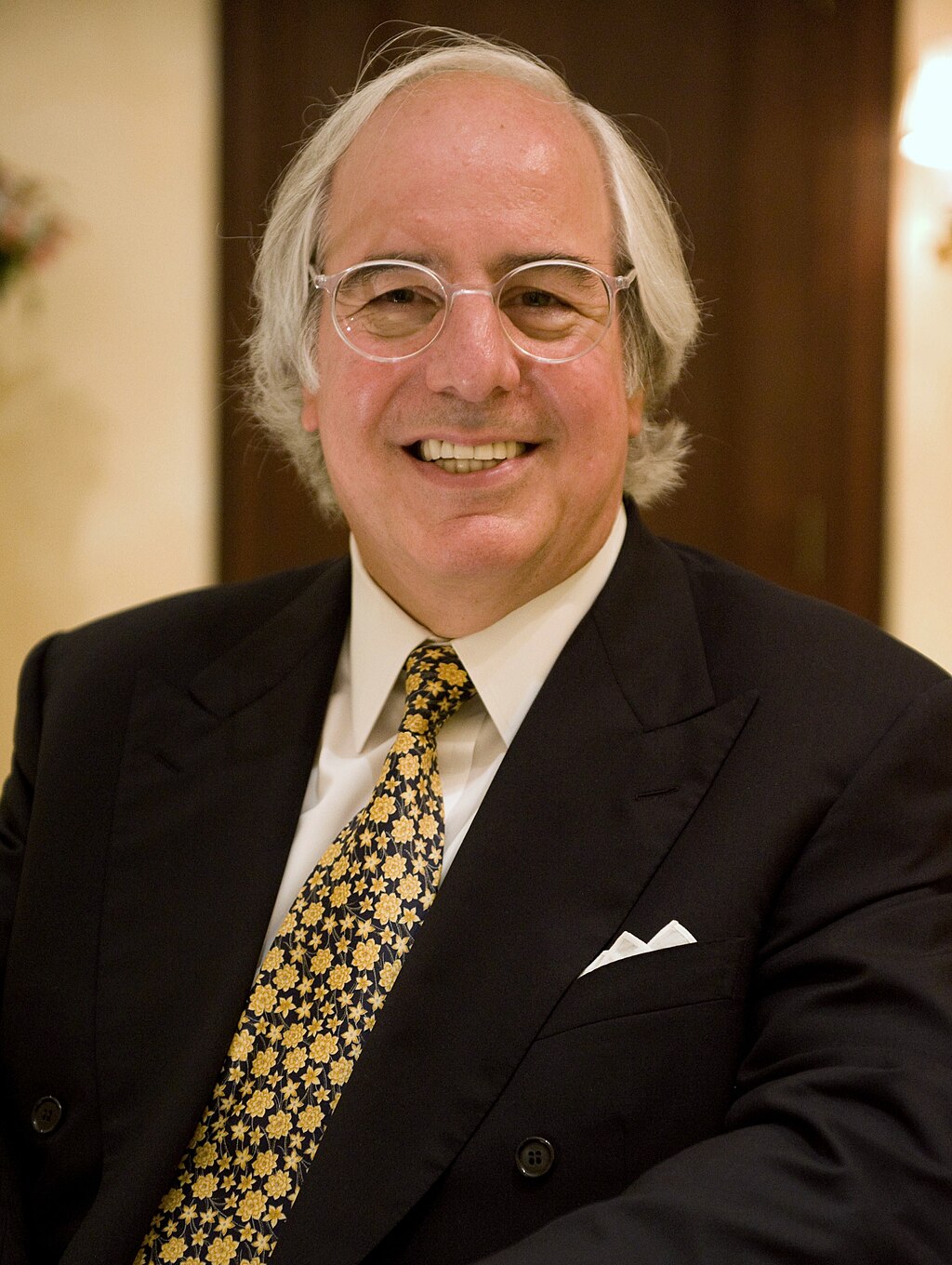
Long before he became the subject of the film “Catch Me If You Can,” Frank Abagnale Jr. was a teenage con artist who impersonated pilots, doctors, and lawyers while forging checks across the globe. His audacious crimes embarrassed banks and airlines, but his downfall came when French authorities arrested him in 1969. After serving time in multiple countries, Abagnale turned his expertise toward fraud prevention, helping the same institutions he once deceived. His story remains one of the most fascinating transformations from criminal genius to reformed consultant.
Griselda Blanco

Nicknamed “The Black Widow,” Griselda Blanco was one of the most ruthless figures in the Miami cocaine trade during the 1970s and 1980s. Known for her brutal tactics and lavish lifestyle, she ordered assassinations without hesitation. Her reign of terror eventually ended when she was arrested and imprisoned for drug trafficking and murder. After her release, Blanco tried to live quietly in Colombia but was killed in 2012 in a motorcycle drive-by. Her violent end mirrored the empire she built, proving that the world she created rarely offers peaceful retirements.
Richard Nixon
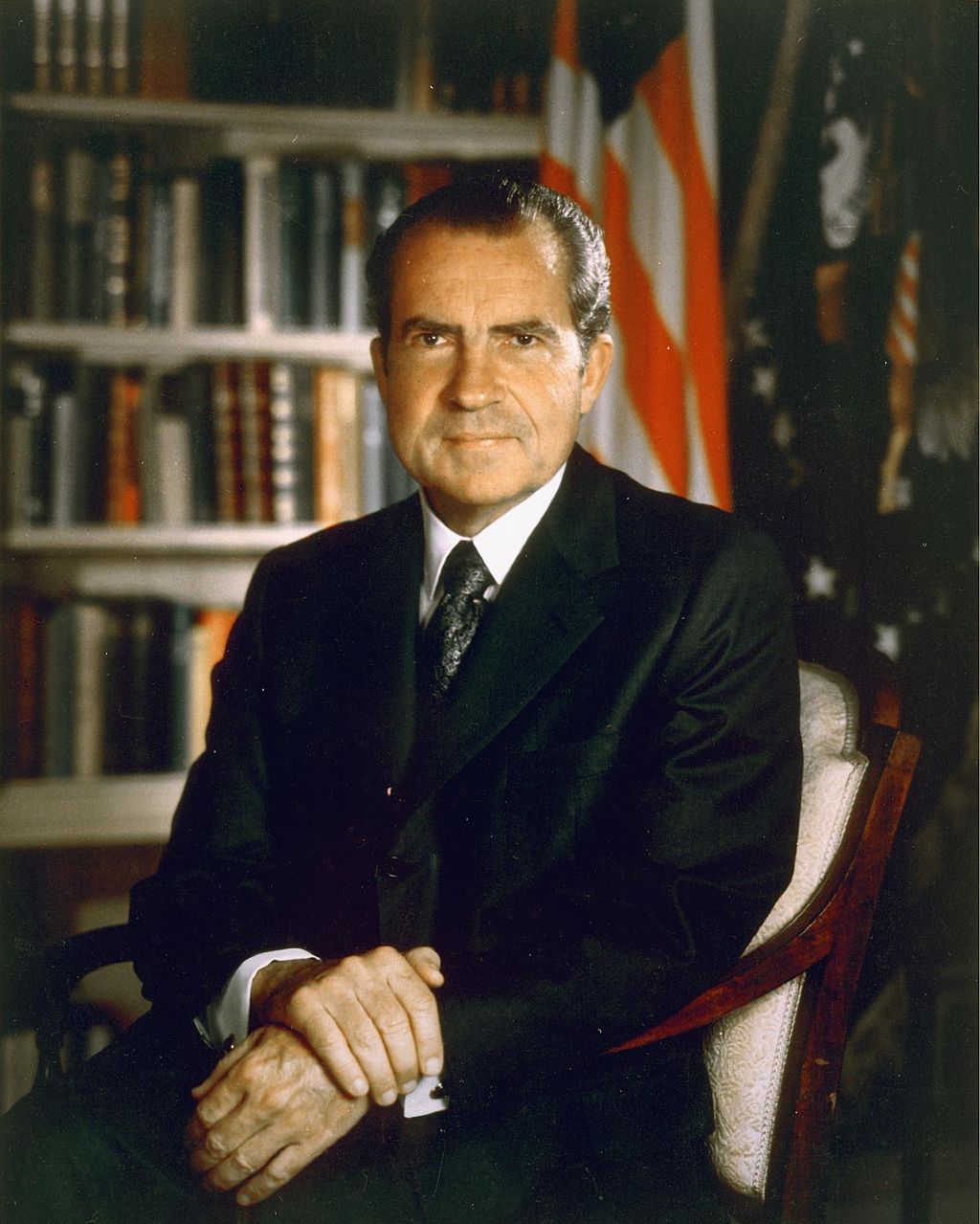
Though not a criminal in the traditional sense, Richard Nixon’s political downfall after the Watergate scandal remains one of the most infamous in history. Once a powerful U.S. president, he became ensnared in a web of lies, espionage, and cover-ups that destroyed his career. Faced with impeachment, Nixon resigned in 1974, the first U.S. president ever to do so. His dramatic fall from the highest office in the nation to public disgrace redefined political accountability and remains one of the most studied examples of power’s corrupting influence.
Enron Executives
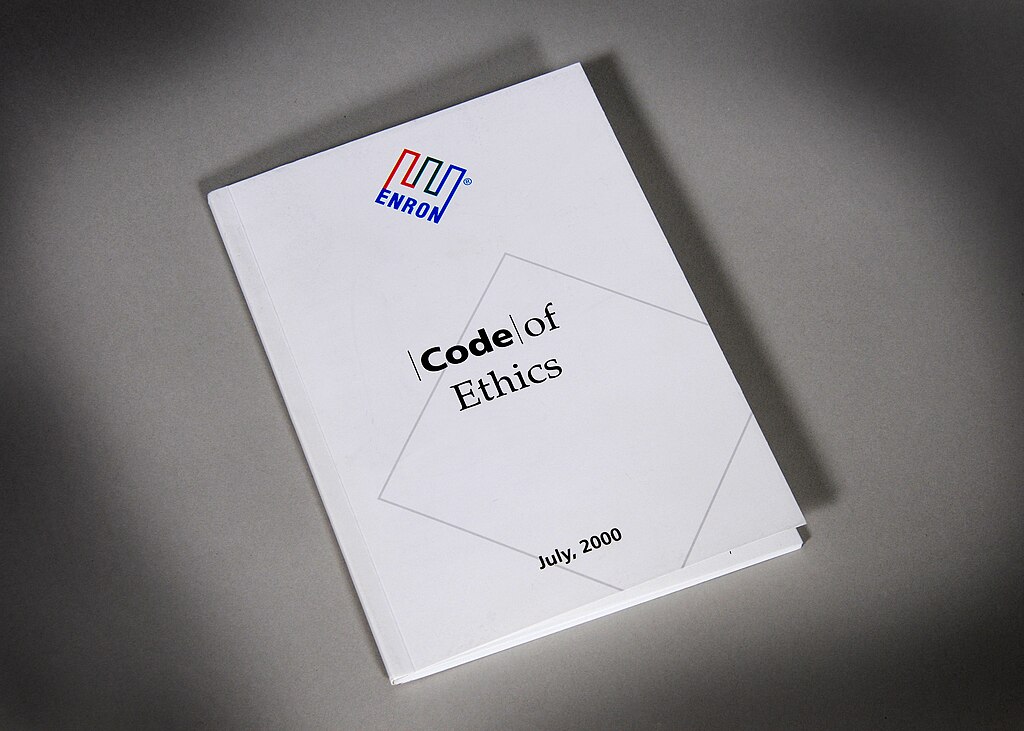
Enron was once a symbol of American innovation and financial success, led by executives who manipulated energy markets and hid debt through fraudulent accounting. When the truth surfaced in 2001, the company imploded, taking employees’ pensions and investor confidence with it. CEO Jeffrey Skilling and founder Kenneth Lay faced criminal charges, and the scandal led to sweeping reforms in corporate accountability. The fall of Enron became a modern parable about greed, deception, and the fragility of corporate power built on lies.
Jeffrey Epstein
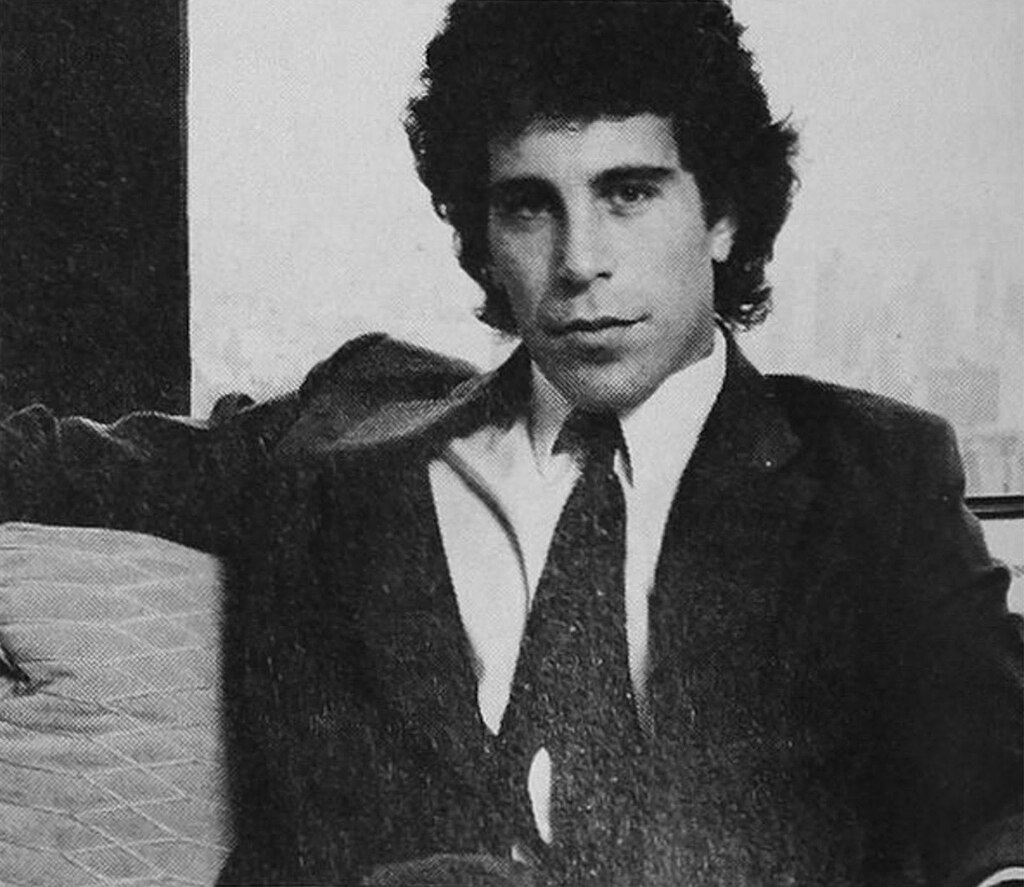
Financier Jeffrey Epstein maintained influence through wealth, connections, and secrecy, running an international network of exploitation that ensnared countless victims. His downfall came when years of allegations caught up with him, leading to his 2019 arrest. Epstein’s death in custody sparked outrage and endless speculation, cementing his name in infamy. The scandal revealed how power and privilege can shield crimes for decades, but also how public awareness and persistence can bring even the most protected figures to justice.
Elizabeth Holmes

Once hailed as a visionary in Silicon Valley, Elizabeth Holmes built her company, Theranos, on promises of revolutionary blood-testing technology. Investors poured millions into her startup, only to discover it was built on deception. When the truth emerged, her empire crumbled, leading to fraud convictions and the collapse of her reputation. Holmes went from being the youngest self-made female billionaire to a symbol of ambition gone wrong. Her story illustrates how charisma and confidence can dazzle the world, but facts and ethics ultimately decide success.
Sam Bankman-Fried

The founder of cryptocurrency exchange FTX was once praised as a financial prodigy shaping the future of digital money. Sam Bankman-Fried built a billion-dollar empire that appeared unstoppable until it collapsed in 2022 amid allegations of fraud and misused funds. The downfall shocked the tech and finance worlds, revealing a web of mismanagement and misplaced trust. Bankman-Fried’s rapid fall from hero to headline villain shows how even modern financial empires can crumble overnight when greed overtakes integrity.
The stories of these criminals and fraudsters reveal a timeless truth about power: it can crumble as quickly as it rises. Whether through arrogance, greed, or pure recklessness, each downfall serves as a stark reminder that deceit always carries an expiration date. Their spectacular falls from power prove that no matter how untouchable someone appears, justice and consequences eventually catch up.