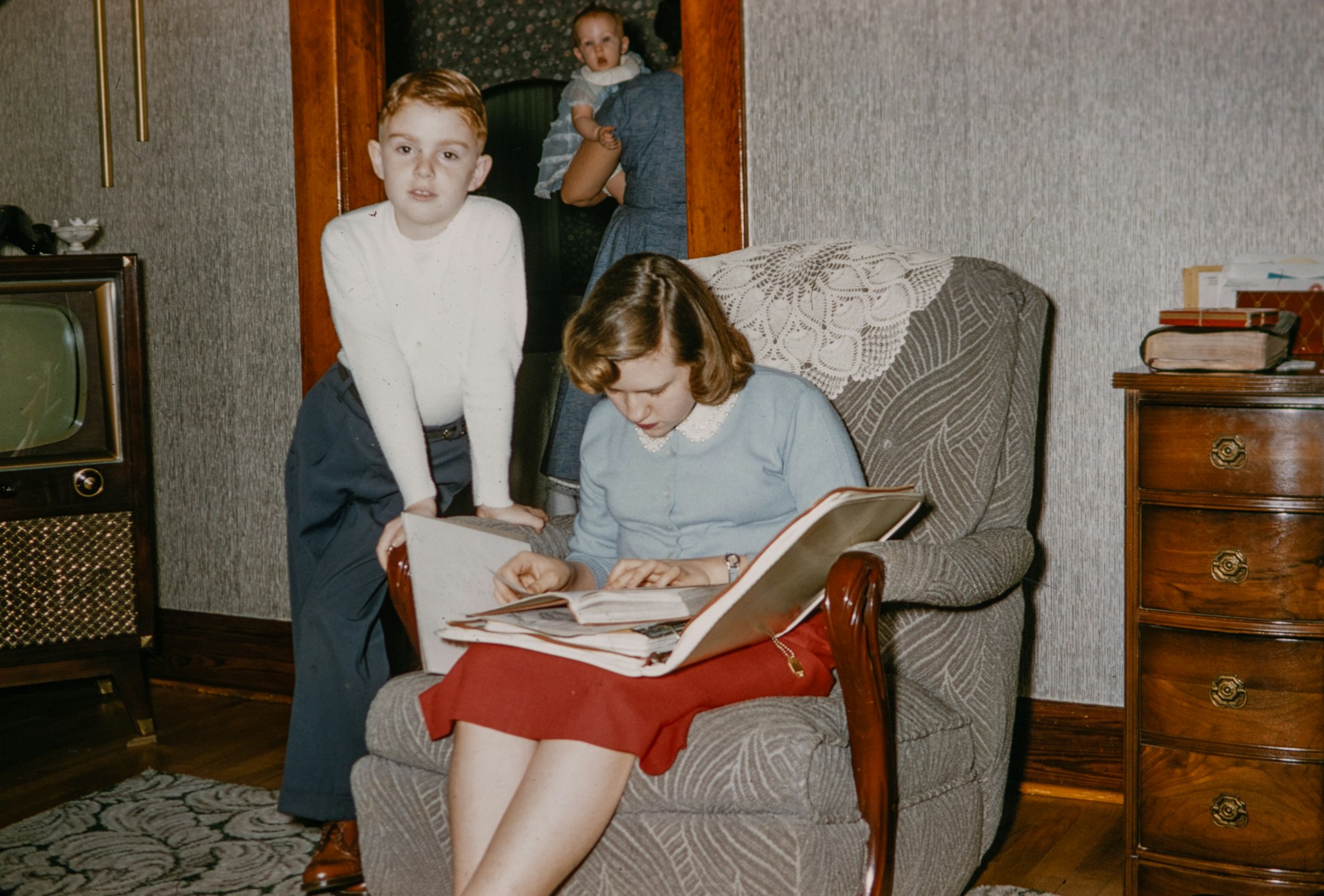
The 1960s were a time of transformation, from the cultural revolution to the rise of the feminist movement. While many of the world’s social changes were taking place, mothers in the 1960s were raising children with a focus on independence, responsibility, and resilience. The household rules of that time, while seemingly strict, were designed to instill life skills that would serve kids throughout their lives. Let’s take a look at 14 key household rules that helped shape a generation of self-sufficient adults.
Chores Were a Family Responsibility
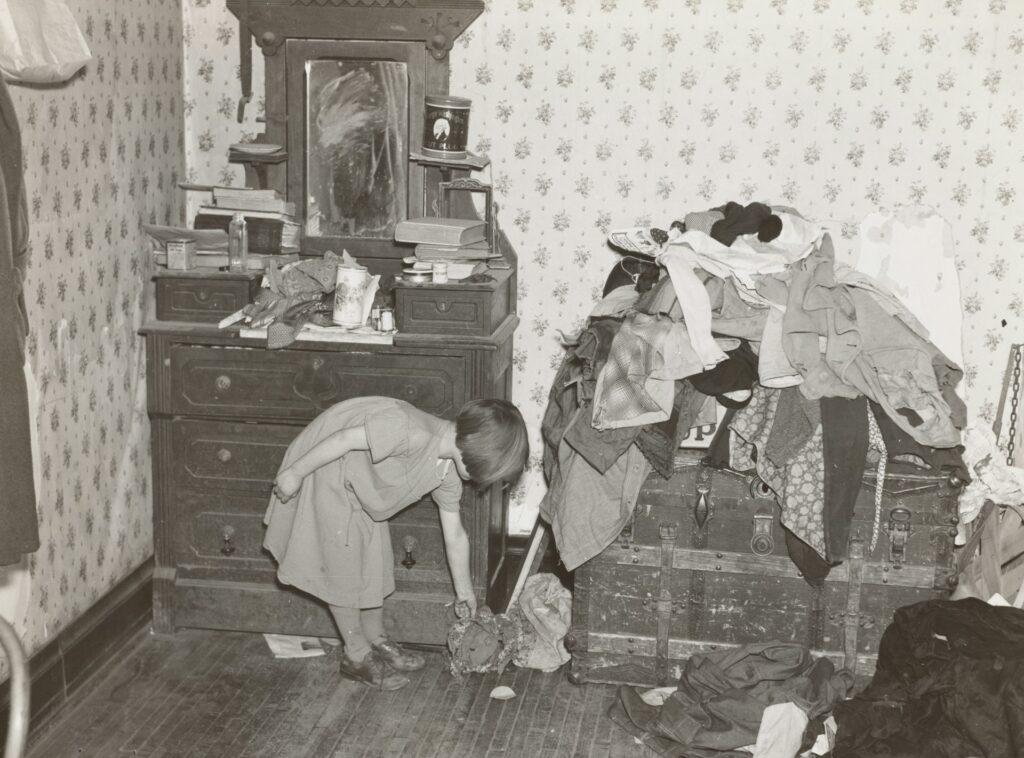
One of the fundamental rules in most households during the 1960s was that chores were a family responsibility. Children, regardless of age, were expected to pitch in around the house—whether it was washing dishes, vacuuming, or folding laundry. This wasn’t just about maintaining the household, but about teaching kids how to take responsibility for their environment. Moms made sure that chores were divided among family members and that everyone did their part. This rule built a strong work ethic and helped kids learn the value of contributing to the family unit.
You Don’t Get Everything You Want

Parents in the 1960s believed in the importance of teaching their children the value of money and the concept of delayed gratification. Whether it was toys, candy, or the latest fashion trends, kids were often told no when they asked for things that weren’t deemed necessary. This rule instilled a sense of appreciation and helped children understand that having things required effort and sometimes sacrifice. Kids grew up knowing that they couldn’t always have what they wanted, but that didn’t mean they couldn’t work toward earning it.
Television Time Was Limited
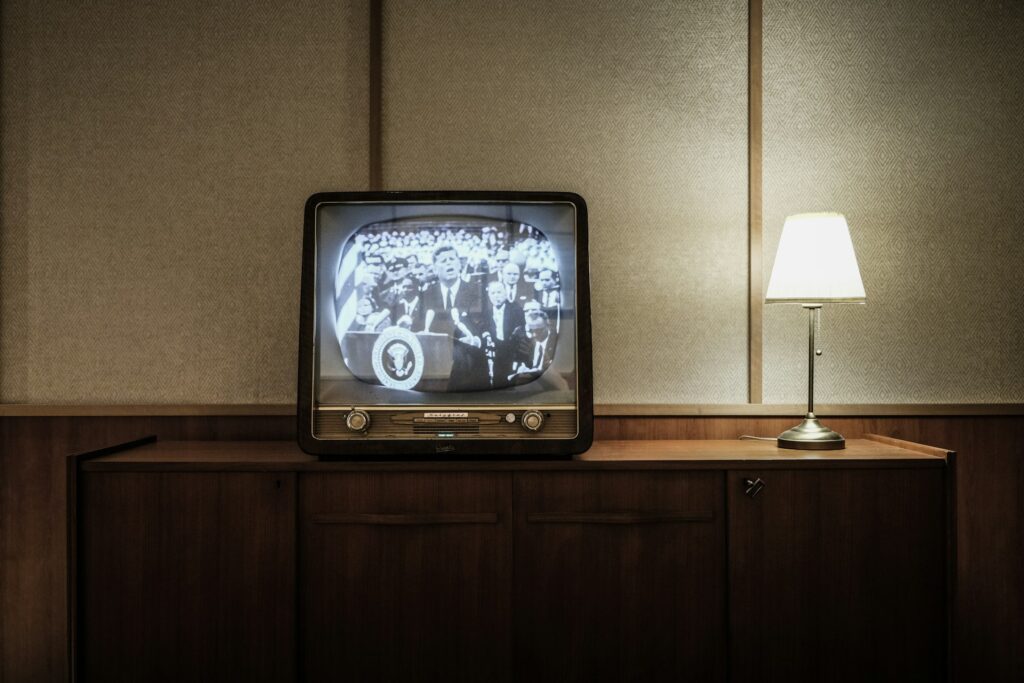
Television, while still a new and exciting form of entertainment, was strictly regulated in many households during the ’60s. Moms would set strict limits on how much TV their children could watch. Shows like “The Andy Griffith Show” and “I Love Lucy” were the highlights, but kids knew that television was a privilege, not a right. This rule encouraged kids to spend their time more wisely, often engaging in other activities like reading, playing outside, or helping with household tasks. It was all about balance, teaching children to value other forms of entertainment beyond the screen.
You Are Expected to Be on Time

In the ’60s, punctuality was not just a suggestion—it was a requirement. Whether it was for school, family dinners, or social events, children were expected to be on time. This rule taught kids the importance of time management and the respect for other people’s schedules. Being late was not tolerated and could result in consequences, like missing out on a fun family outing or a treat. Over time, this emphasis on punctuality helped kids develop strong time management skills that benefited them later in life.
Respect Your Elders

Respecting elders was a cornerstone of 1960s household rules. Children were taught to always say “please” and “thank you” and to never interrupt when an adult was speaking. This rule wasn’t just about manners—it was about understanding hierarchy, empathy, and communication. Kids grew up with a deep sense of respect for authority figures, but it also gave them a solid foundation in understanding social cues and interacting respectfully with others. Respecting elders became an essential part of the culture and the values taught in the home.
Outdoor Play Was a Must
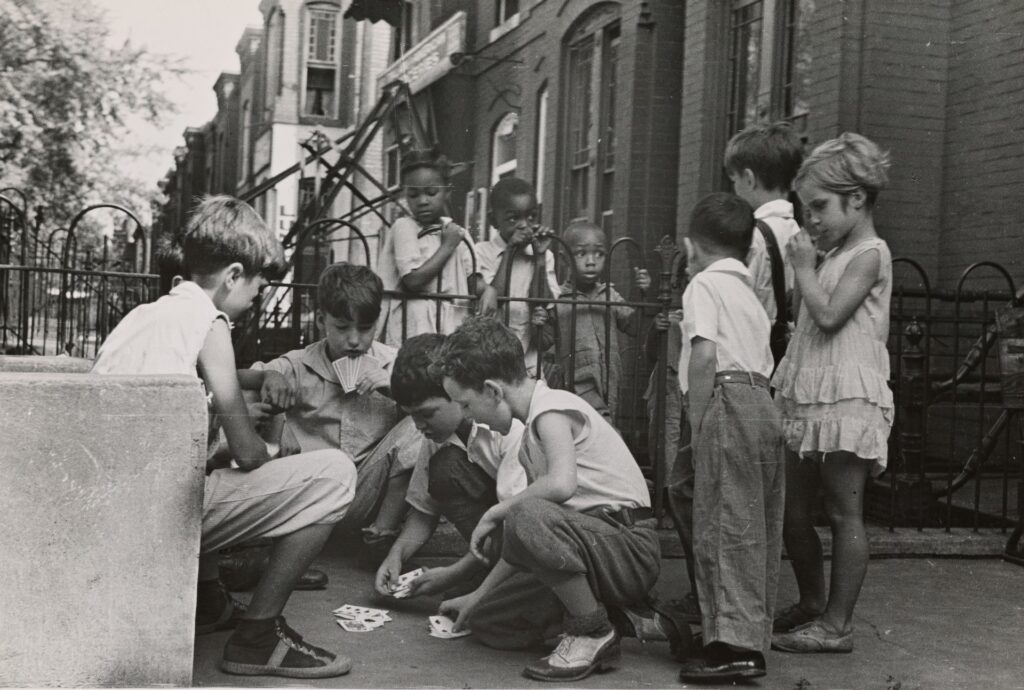
In the ’60s, kids spent a significant amount of time outdoors, and moms enforced this rule rigorously. After school, kids were expected to go outside and play, whether it was riding bikes, playing tag, or building tree forts. Outdoor play wasn’t just for fun—it was an essential part of a child’s physical and mental development. Being outdoors helped kids develop independence by figuring out how to play and resolve conflicts without adult interference. It also helped foster creativity, problem-solving, and social skills.
Schoolwork Comes First
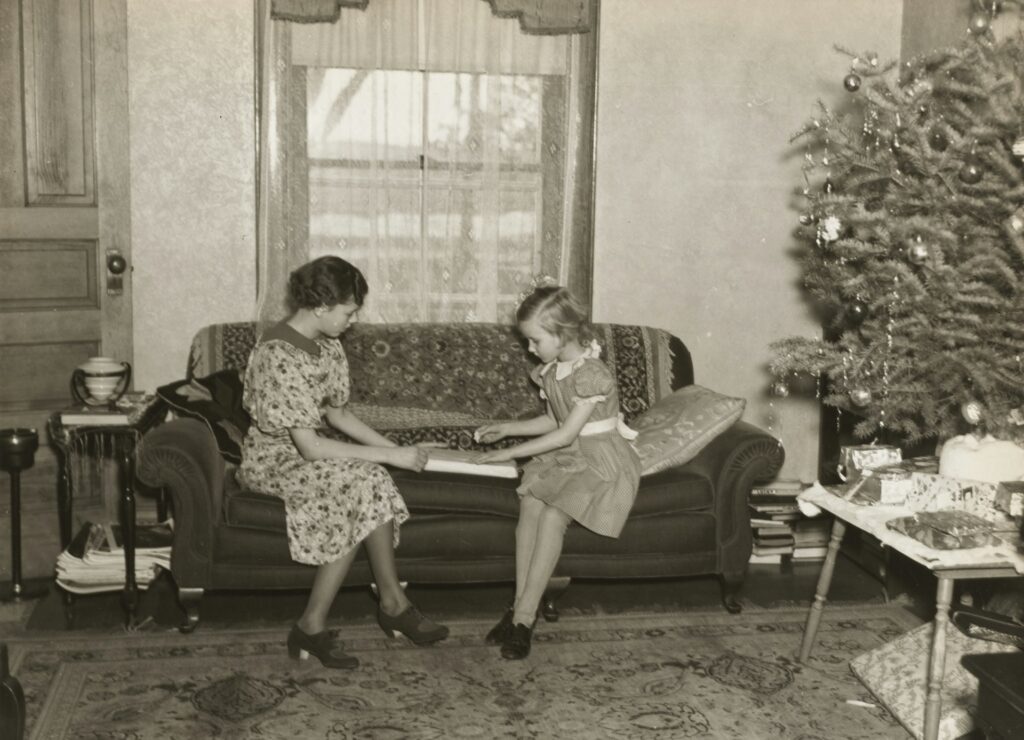
In many households, education was viewed as the key to success, and schoolwork was the top priority. Moms enforced a rule that school assignments and studying always came before fun. Kids knew that no TV, no playing with friends, and no distractions were allowed until their homework was completed. This rule helped build responsibility and time management skills while teaching the importance of discipline. It also instilled a strong academic foundation, which paid off as kids grew older and transitioned into adulthood.
No Yelling or Fighting at the Table
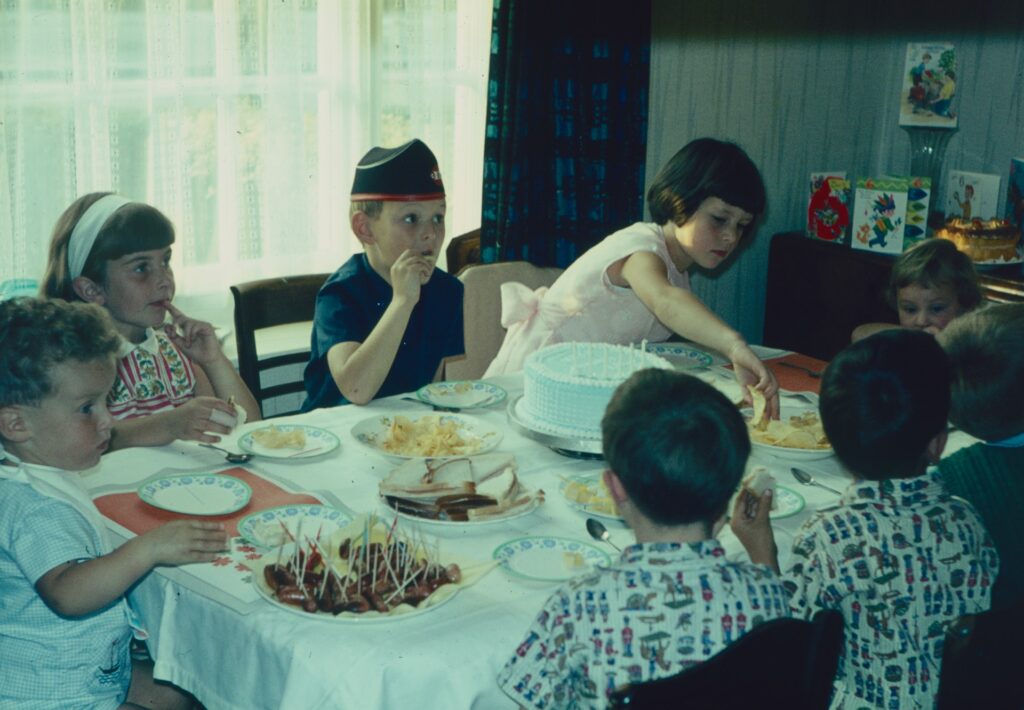
Mealtime was a sacred time in many households, and one rule that moms strongly enforced was no arguing or yelling at the table. Dinner time was a time for family connection, and maintaining a calm, respectful environment was essential. This rule helped foster better communication and taught kids to engage in polite conversation. It also gave children the opportunity to learn how to have respectful discussions, even when they disagreed with others—a vital life skill that helped them in school, friendships, and later in the workplace.
You Need to Help Your Siblings

In many families, helping siblings was not an optional activity—it was expected. Whether it was sharing toys, doing chores together, or simply supporting one another during difficult times, the idea of helping each other was central. Moms in the ’60s made sure their children knew the importance of family solidarity and mutual support. This rule cultivated a sense of empathy, teamwork, and problem-solving. It helped children understand the importance of being a responsible, dependable member of the family.
No Complaining

Complaining was strongly discouraged in the ’60s, and children were often told that they should be thankful for what they had. While this may seem strict by today’s standards, it was meant to build resilience and gratitude. Kids learned to cope with disappointments, to adapt to difficult situations, and to focus on solutions instead of problems. This mindset helped them face life’s challenges head-on, making them more capable and independent as they grew older.
Learning to Cook Was Part of Growing Up
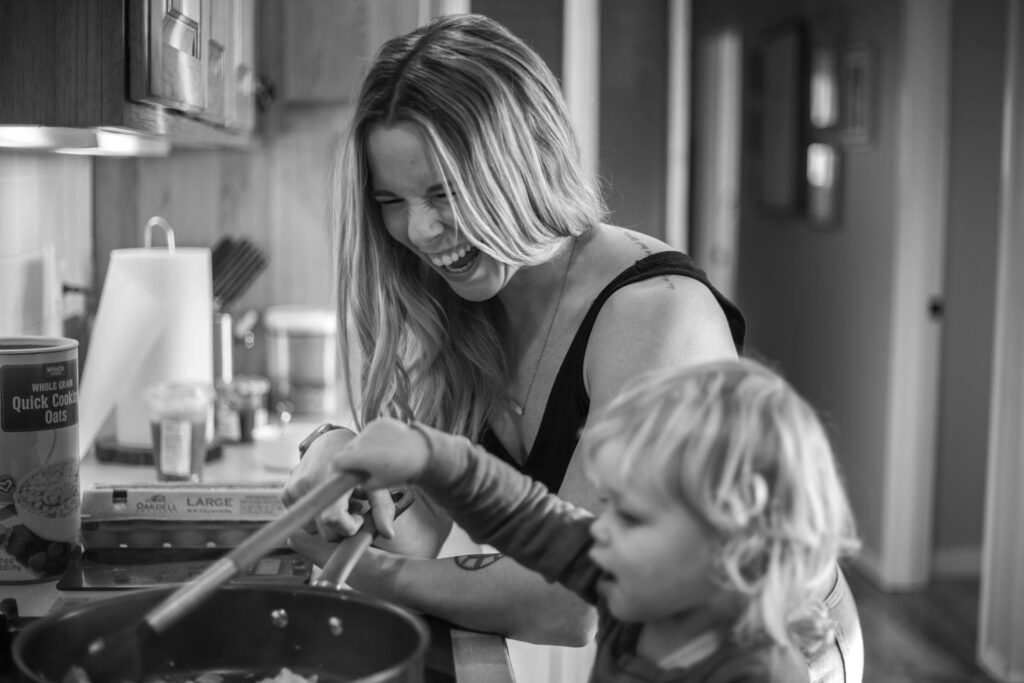
In the ’60s, kids, especially girls, were expected to learn how to cook. Cooking wasn’t just about preparing meals—it was about learning life skills and contributing to the family. Moms would often teach their children basic cooking techniques, from making a sandwich to baking cookies. This rule instilled a sense of accomplishment and independence, as children learned the practical skills they would need later in life, whether for their own households or for helping others.
Respect the Household Rules
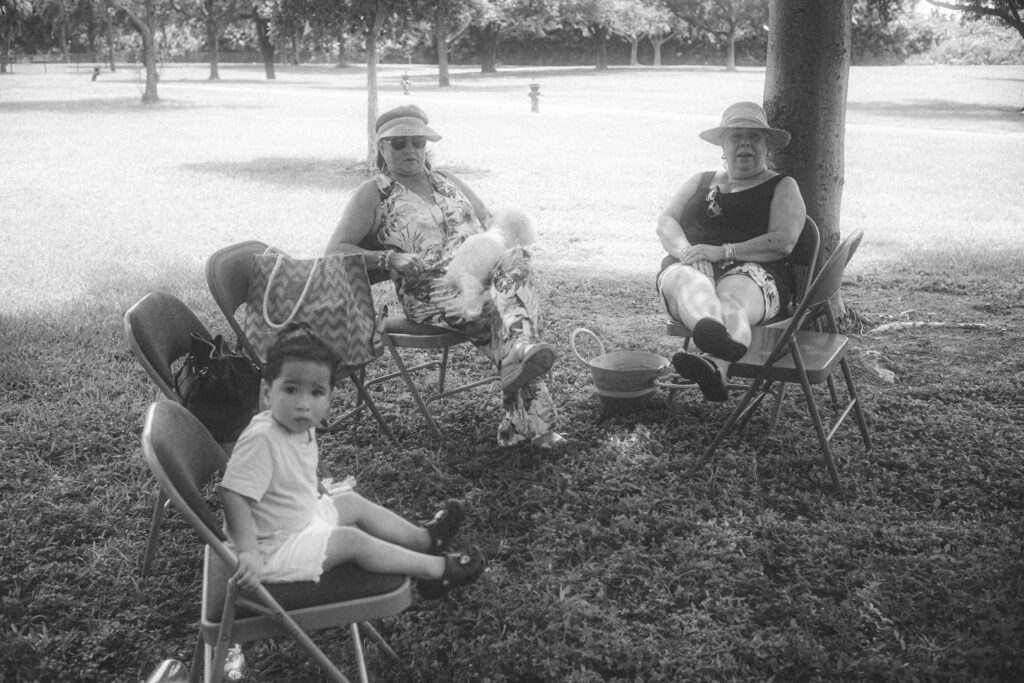
Adhering to the house rules was a non-negotiable part of family life in the 1960s. Whether it was curfew times, no eating in the living room, or no friends over without permission, children were expected to follow the rules set by their parents. This rule taught kids the importance of structure, boundaries, and the consequences of not following expectations. Learning to respect household rules helped children develop discipline, which translated into other areas of life as they matured.
You’re Not Always Going to Get Your Way
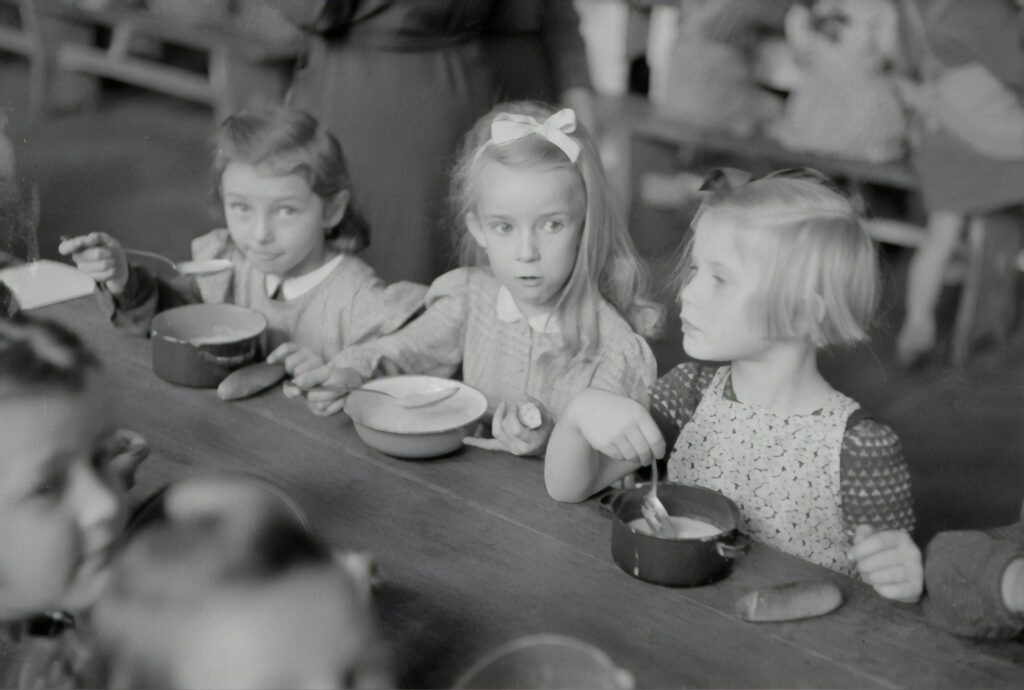
While modern parenting tends to be more accommodating, the ’60s were a time when kids were expected to understand that they didn’t always get what they wanted. Whether it was a special treat or a day out, children were taught that life was full of compromises. Moms used this rule to teach children about patience, negotiation, and the realities of life. Kids grew up understanding that they needed to work for things, sometimes wait for them, and often make sacrifices to get what they wanted.
Technology Was Not a Distraction
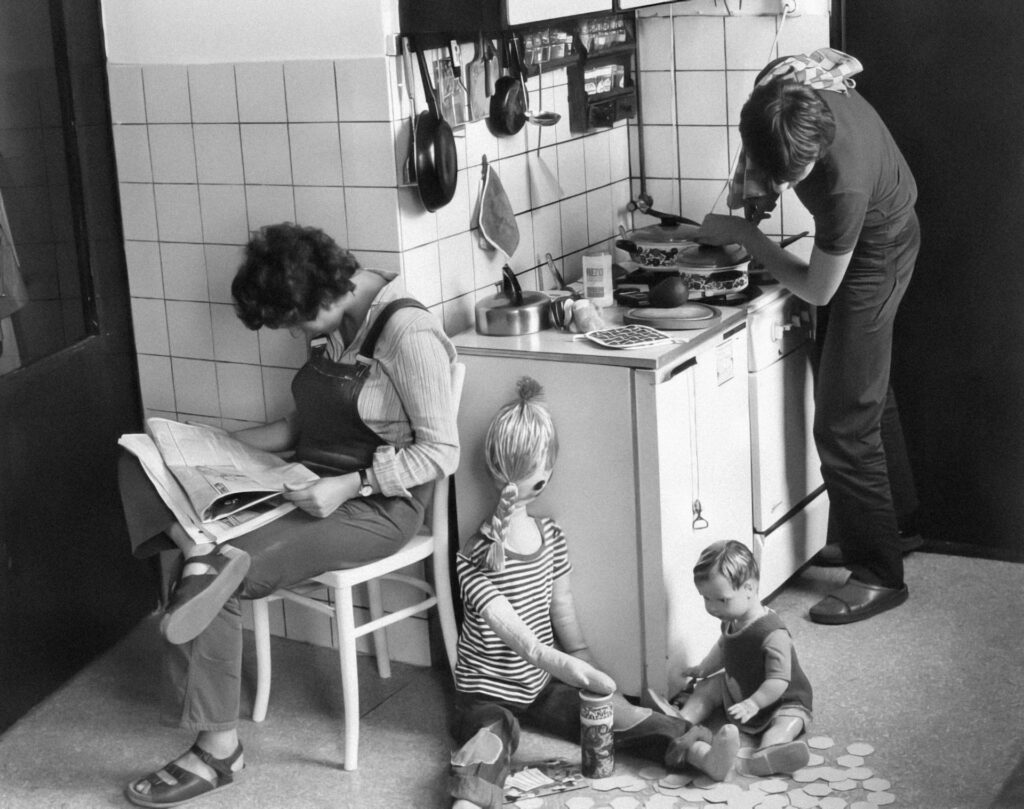
With the television being a primary form of entertainment in the ’60s, there was little time for digital distractions. Moms enforced a rule that children were not allowed to be glued to the screen for hours on end. This restriction encouraged kids to engage in more creative, interactive play—whether it was drawing, reading, or playing outside. The absence of technology created an environment where children could use their imagination, communicate face-to-face, and build real-life connections.
The 1960s were a formative decade that shaped many of the skills and qualities we value today, like independence, self-reliance, and discipline. While these household rules might seem old-fashioned, they played a significant role in helping children develop important life skills. These rules empowered kids to become strong, resilient adults capable of handling the complexities of the world. Today, looking back at these traditions, it’s clear that the lessons taught in the 1960s helped form a generation of independent thinkers and doers.