Fixing up a home can feel exciting and empowering, but one wrong move can turn a small project into an expensive headache. From skipping permits to misjudging budgets, many homeowners learn the hard way that enthusiasm alone does not equal expertise. The key to great home improvement is knowing what not to do. These common mistakes will help you steer clear of costly blunders and keep your home upgrades running smoothly from start to finish.
1. Ignoring Building Permits
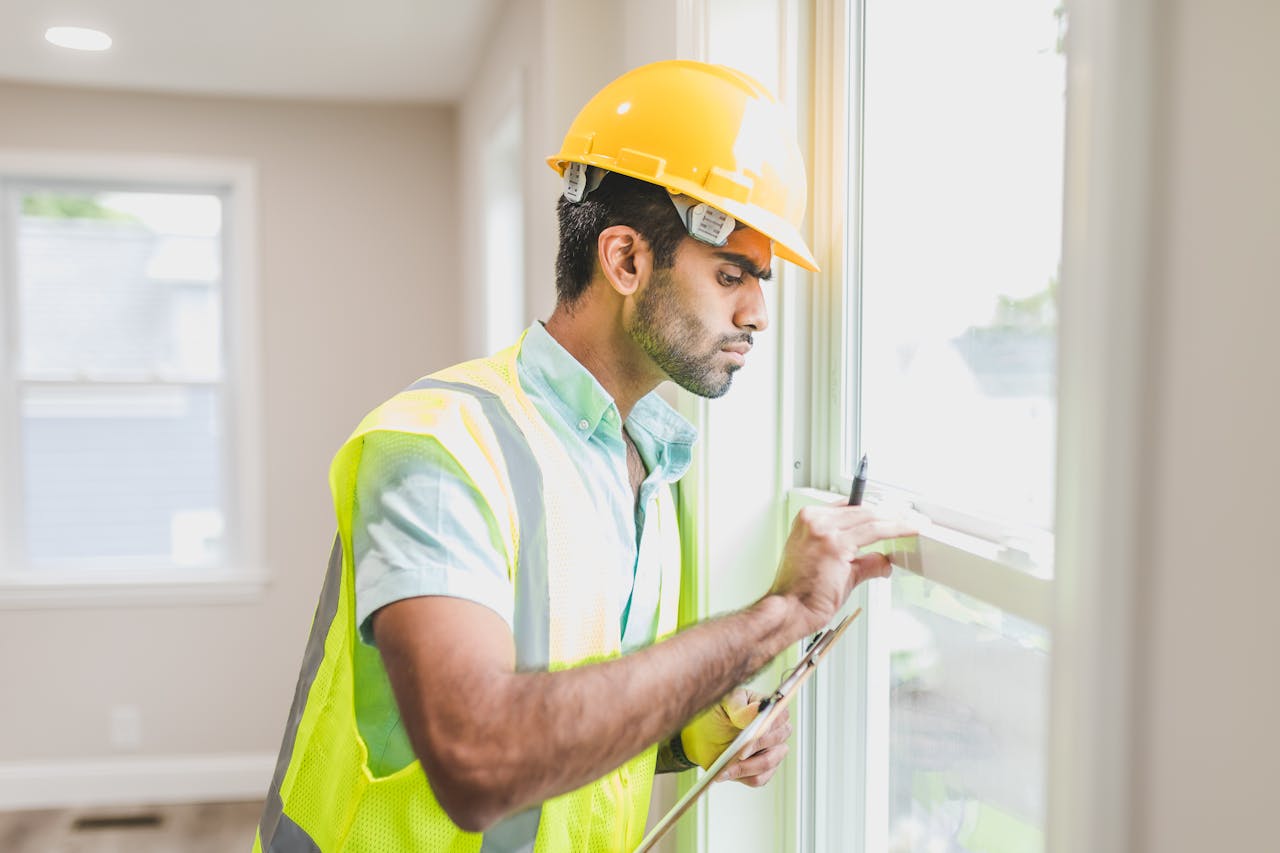
Skipping permits might save time at first, but it can lead to fines and safety issues later. Permits ensure your project meets local codes and protects you if you sell your home. Without them, you may have to redo work or lose insurance coverage. Always check with your city before major renovations. The paperwork might feel like a hassle, but it can save you from future nightmares that cost far more than a little patience upfront.
2. Underestimating the Budget

Many homeowners make the mistake of underestimating costs, forgetting that surprises always come up once a project starts. Materials, labor, and unexpected repairs can quickly drain funds. It is wise to add an extra twenty percent to your estimated budget for safety. A financial cushion allows you to handle setbacks without panic. Planning ahead with realistic expectations helps your project stay on track and keeps your stress levels in check.
3. Using Cheap Materials
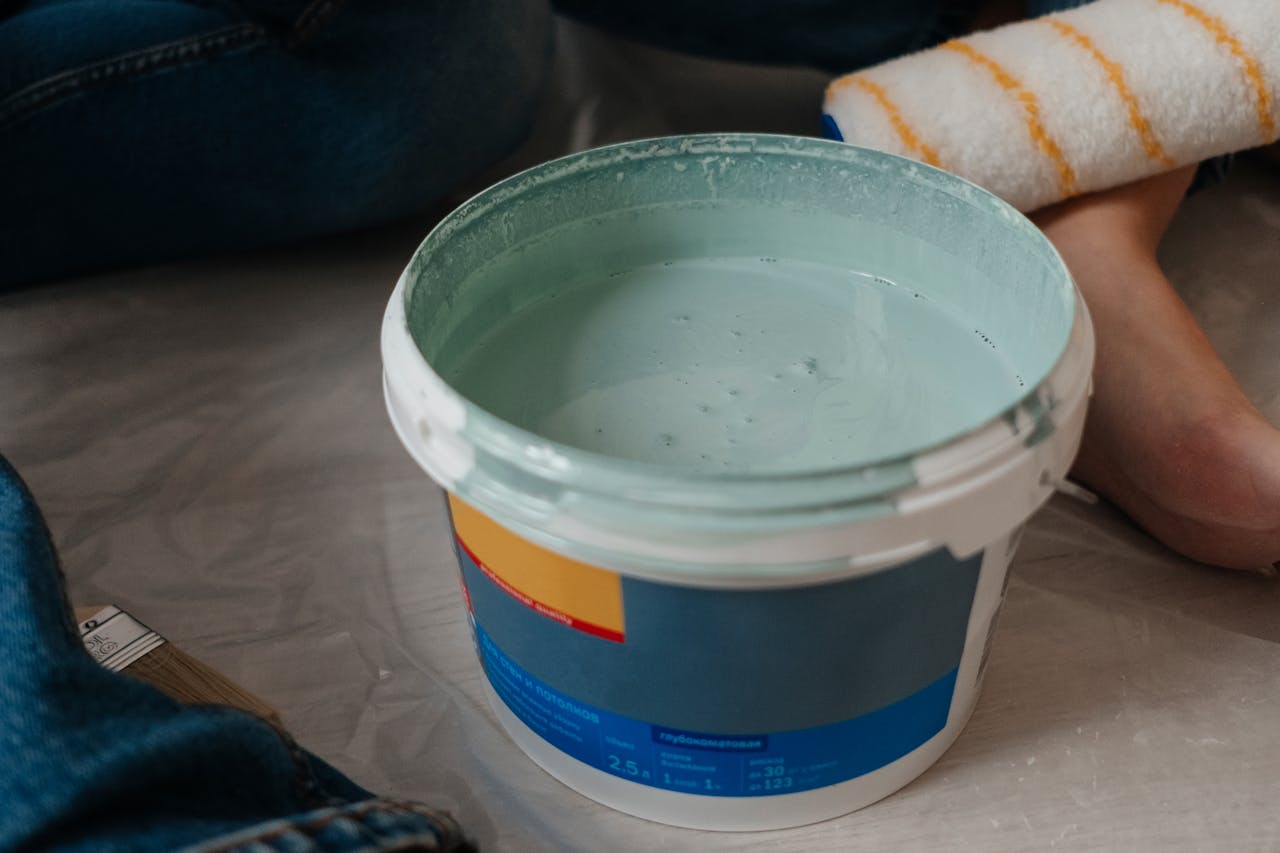
Going for the lowest-priced materials might seem smart, but poor quality often leads to faster wear and higher repair costs. Cheap flooring, paint, or hardware rarely hold up over time. Investing in better materials ensures your home looks great longer and resists damage. Durable products can actually save money in the long run. Remember, your home deserves more than a temporary fix that falls apart after one tough season.
4. Doing Everything Yourself
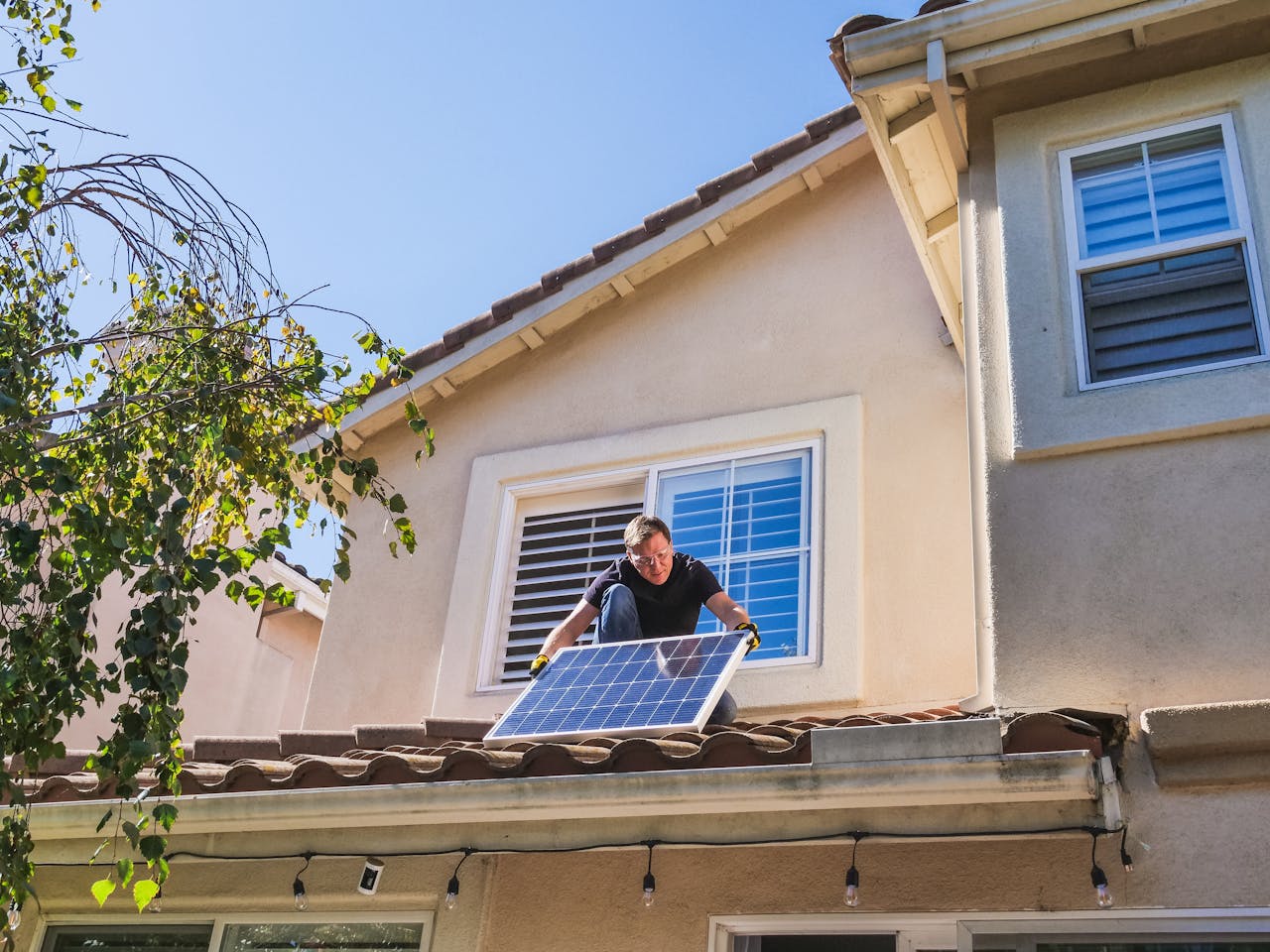
DIY can be rewarding, but not every task is meant for amateurs. Electrical wiring, roofing, and plumbing work require skill and precision. Taking them on without expertise can lead to safety hazards and costly mistakes. Hiring professionals for complex jobs protects your home and your wallet. It is better to spend a bit more on qualified help than to pay double later when repairs or corrections become necessary.
5. Ignoring Proper Measurements
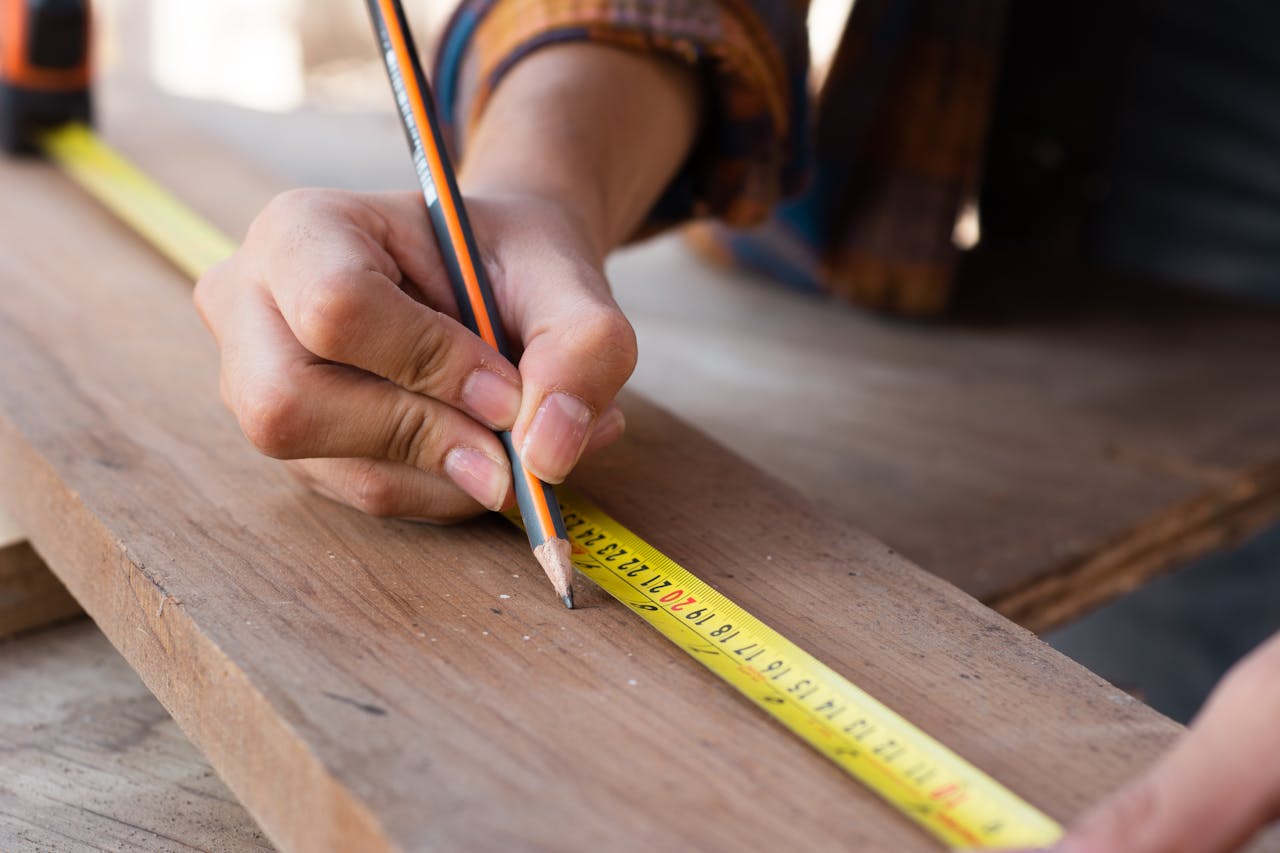
“Measure twice, cut once” is a golden rule that too many homeowners ignore. Misjudged measurements can ruin cabinets, tiles, or countertops in seconds. Precision saves money, time, and frustration. Always recheck before cutting or ordering materials. Even small measurement errors can throw off entire designs. Taking the time to double-check ensures that your finished project fits perfectly and looks as polished as you imagined.
6. Overlooking Lighting

Lighting can make or break a space, yet many people treat it as an afterthought. A poorly lit room can feel small and lifeless, while good lighting can highlight design and comfort. Combining natural, ambient, and task lighting creates balance and warmth. Plan your lighting from the start instead of adding it at the end. You will be amazed at how the right brightness transforms your home’s atmosphere completely.
7. Neglecting Energy Efficiency
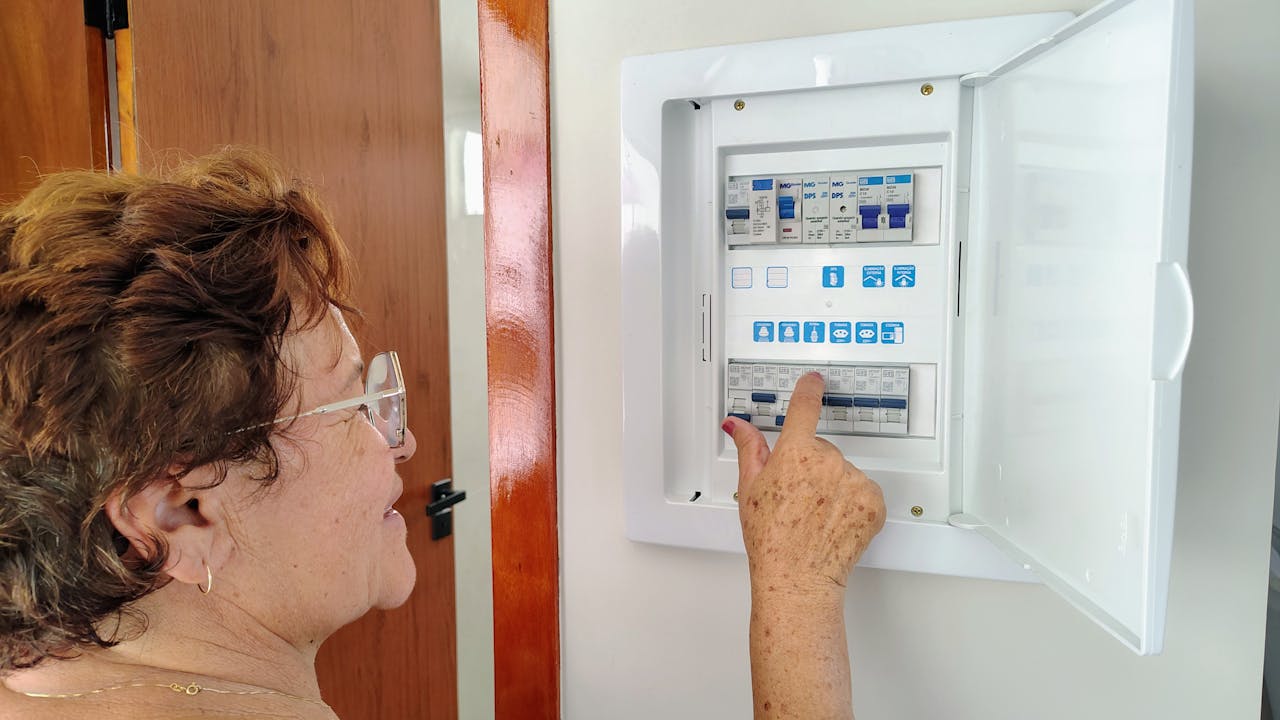
Skipping energy-efficient upgrades is a mistake that hits both your wallet and the planet. Old windows, poor insulation, and outdated appliances waste electricity and money. Replacing them with modern, energy-saving options reduces bills and increases comfort. Many upgrades even qualify for tax credits or rebates. Thinking green during renovation not only helps the environment but also boosts your home’s long-term value and livability.
8. Forgetting About Functionality
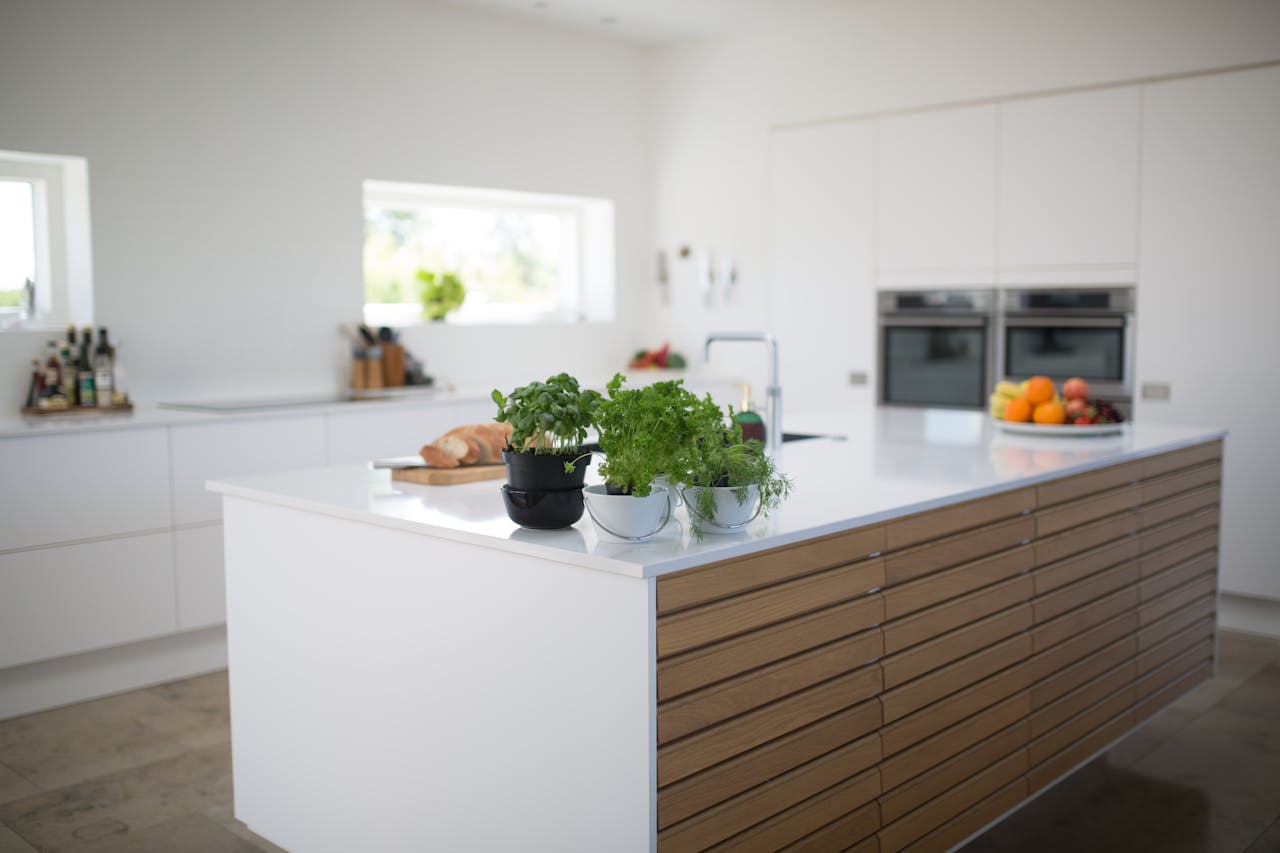
It is easy to get swept away by style, but function should always come first. A gorgeous kitchen means little if drawers hit each other or there is no counter space. Plan layouts that work for your lifestyle before picking colors and finishes. A home should be both beautiful and practical. Balancing design and function ensures your upgrades truly improve how you live day to day.
9. Ignoring Water Issues
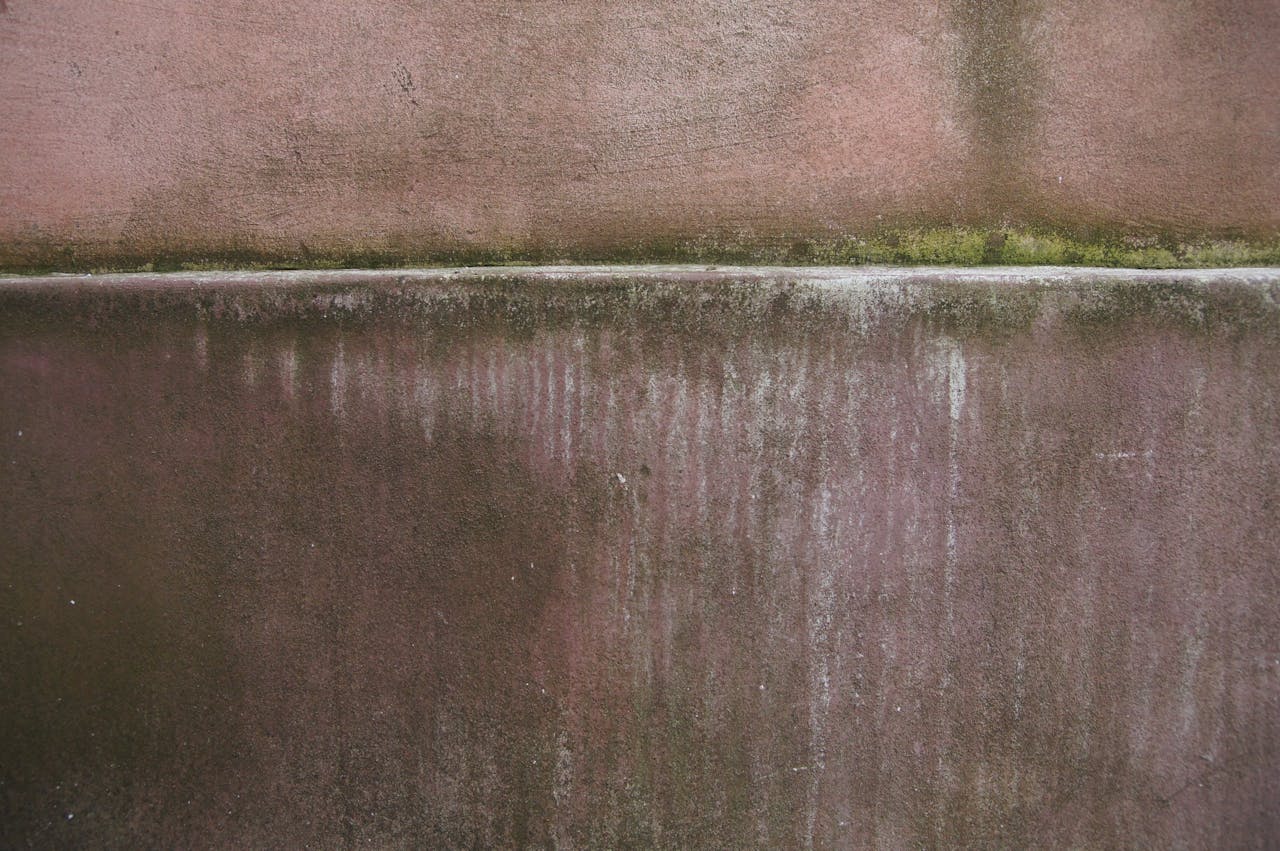
Many homeowners start remodeling without checking for leaks, dampness, or drainage issues. Water damage hides behind walls and under floors, ready to ruin your new investment. Before painting or installing anything, fix plumbing and waterproofing. A small leak now can turn into a major structural problem later. Paying attention to moisture control keeps your home solid and prevents mold, rot, and other costly disasters.
10. Over-Customizing the Space

Personal style makes a home unique, but going overboard with customization can backfire when it is time to sell. Wild tile patterns or ultra-specific built-ins may not appeal to future buyers. Try blending creativity with broad appeal by choosing flexible, neutral designs. You can still add personality through art or décor. A balanced approach lets you enjoy your home now while protecting resale value later.
11. Skipping Surface Preparation
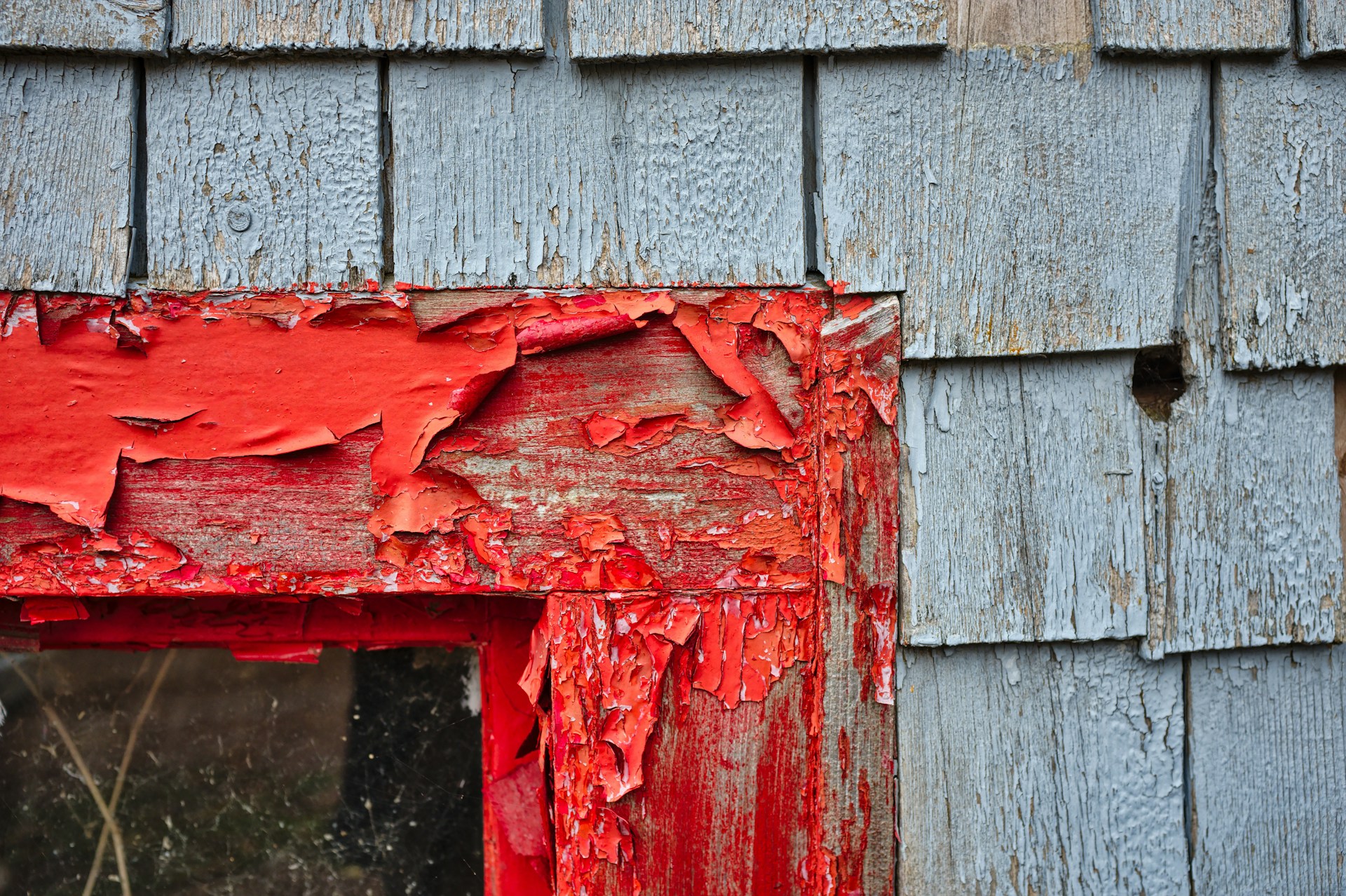
Painting over dirt, skipping primer, or laying flooring on uneven ground are shortcuts that cause regret. Proper preparation ensures professional-looking results that last. Clean, sand, and prime surfaces carefully before applying finishes. The time you spend preparing pays off in durability and smoothness. Rushing this step may seem like progress, but it only guarantees frustration and rework down the road.
12. Not Ventilating Properly
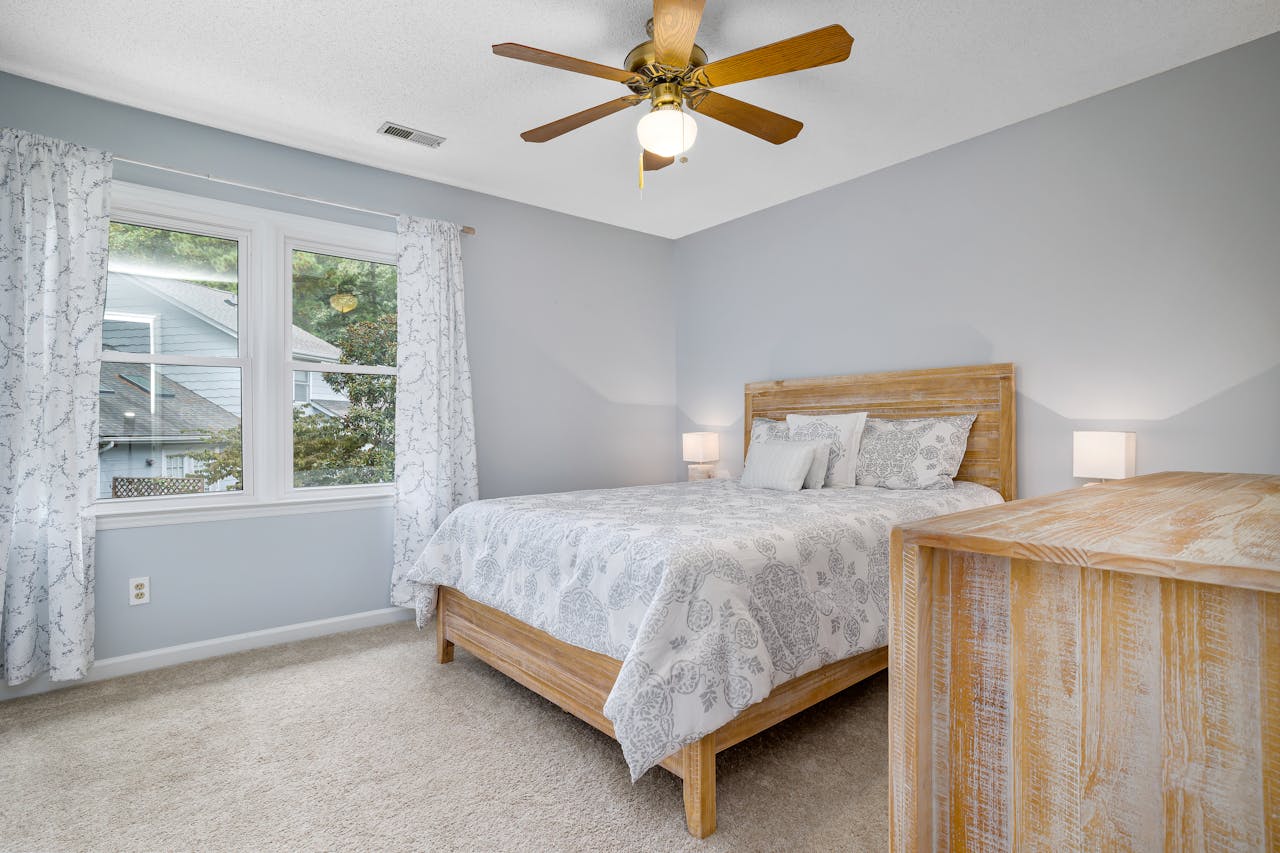
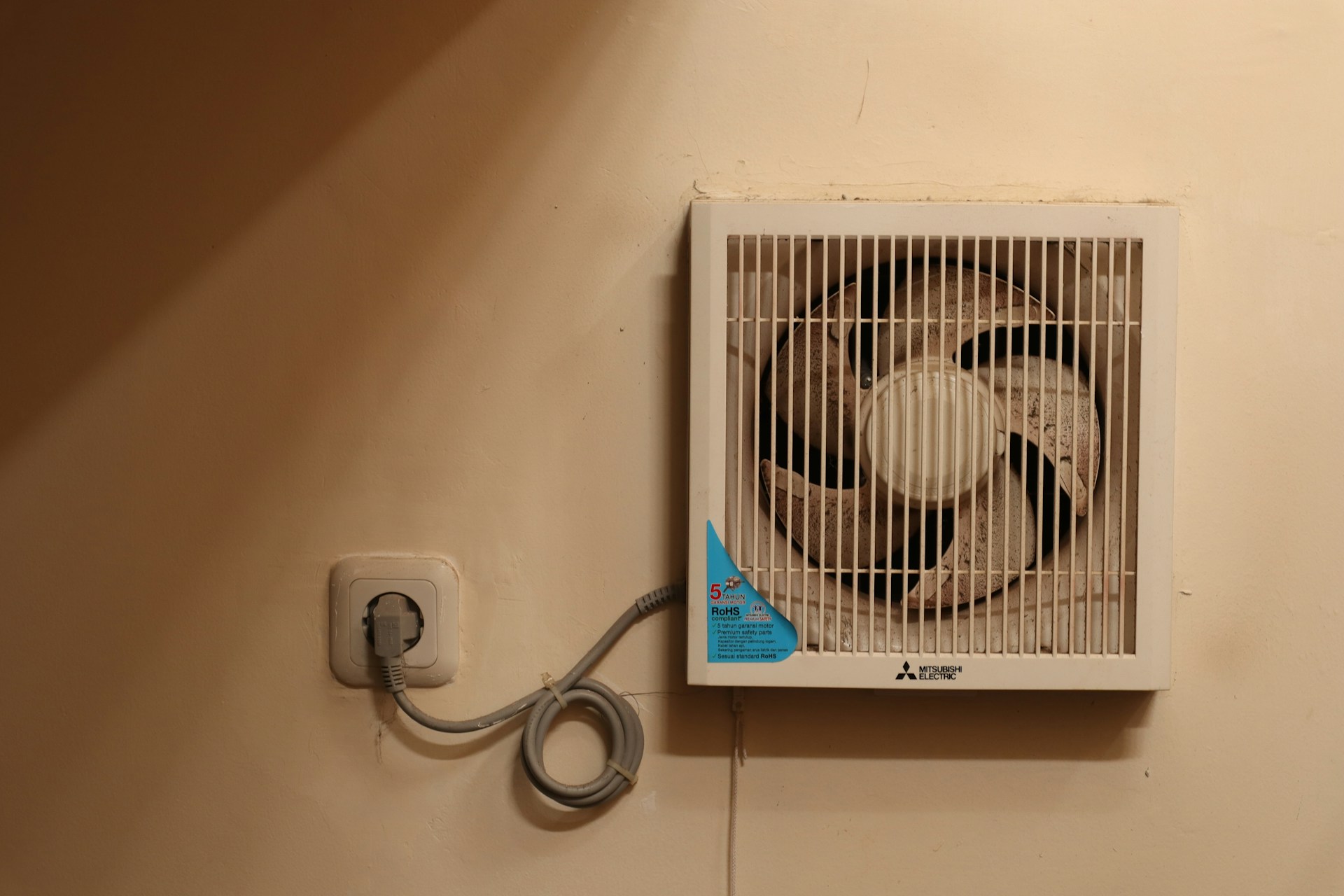
Good airflow keeps your home healthy and prevents mold, especially in bathrooms and kitchens. Many people forget to add proper vents or fans during remodeling, leading to trapped moisture and odors. Ventilation also improves air quality and extends the life of paint and materials. Including this step in your plan ensures a fresher, safer living environment that feels as good as it looks.
13. Forgetting Maintenance After Renovation
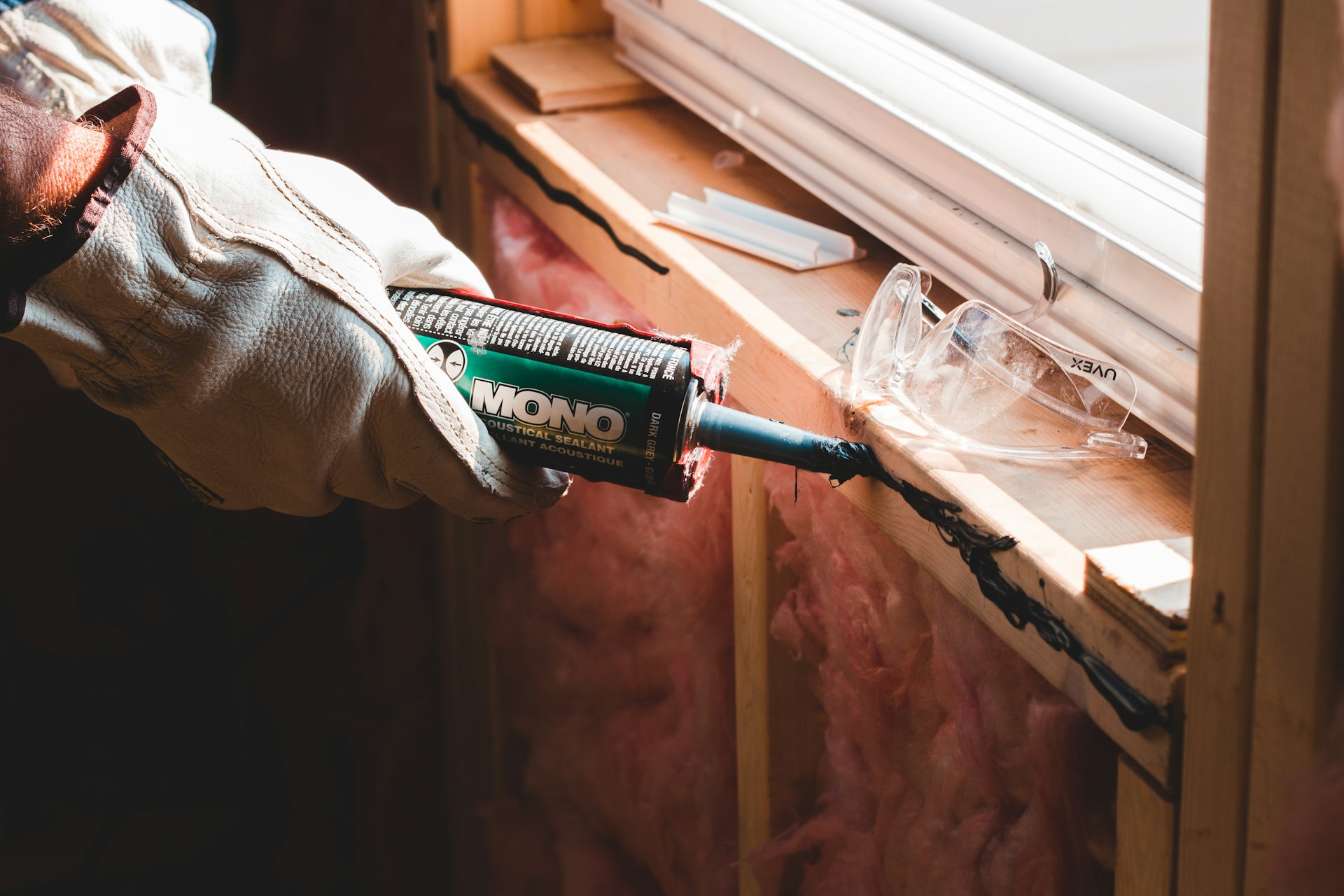
Once the work is done, it is easy to relax and stop paying attention. But every new fixture, surface, or system needs regular maintenance. Skipping care can shorten the life of your upgrades and cause small problems to grow big fast. Create a checklist to keep everything in shape year-round. Consistent upkeep ensures your investment continues to shine long after the tools are put away.
14. Ignoring Professional Advice

Sometimes homeowners dismiss expert opinions in favor of online tutorials or personal instincts. While research helps, professionals bring experience that can prevent errors and save money. Listening to contractors, inspectors, or designers early can reveal risks you never considered. Collaboration is key to successful results. Trusting expert input ensures that your dream project becomes a lasting improvement, not an expensive regret.
Every home improvement journey has surprises, but knowing what to avoid gives you a head start. By planning carefully, budgeting wisely, and seeking help when needed, you can transform your space without costly missteps. The best projects come from patience and smart choices, not shortcuts. Keep these lessons in mind, and your next renovation will feel less like a gamble and more like a triumph you can enjoy for years.