Looking back at history, it is hard to believe some laws that once governed women were considered normal. From dress codes to voting restrictions, these rules controlled almost every aspect of daily life. Many of these laws seem outrageous today, but at the time they were enforced in the name of morality, public order, or social norms. Understanding these laws shows how much society has evolved and highlights the struggles women had to endure for basic rights and freedoms.
Married Women Could Not Own Property

For centuries, laws in many states prevented married women from owning property in their own name. Land, houses, and even money often legally belonged to their husbands. Women were treated almost like minors, with little say over family finances. Any inheritance or earnings they acquired typically became the husband’s property. This legal restriction limited independence and financial security, forcing women to rely entirely on their spouses for stability, a situation that seems shocking today.
Women Could Not Keep Their Wages
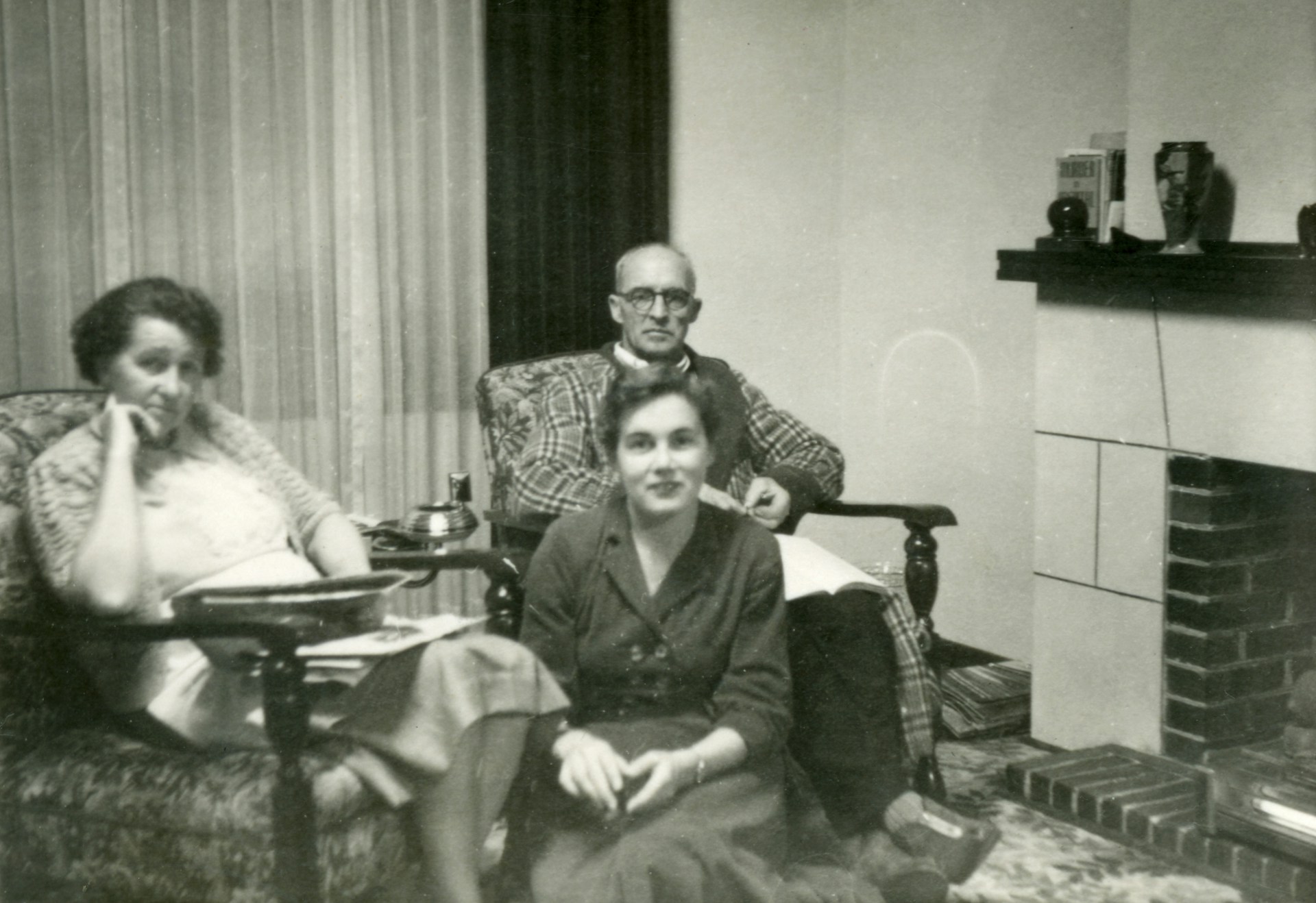
Even when women were allowed to work, some laws required that their wages go directly to their husband or father. Women had little control over their own earnings, which reinforced financial dependence and limited personal freedom. Today, it seems shocking that legal rules once dictated how women could spend the money they earned, a basic right we take for granted now. This meant that even hard work and professional success could not translate into independence, highlighting how deeply legal restrictions controlled women’s lives.
Women Could Not Serve on Juries
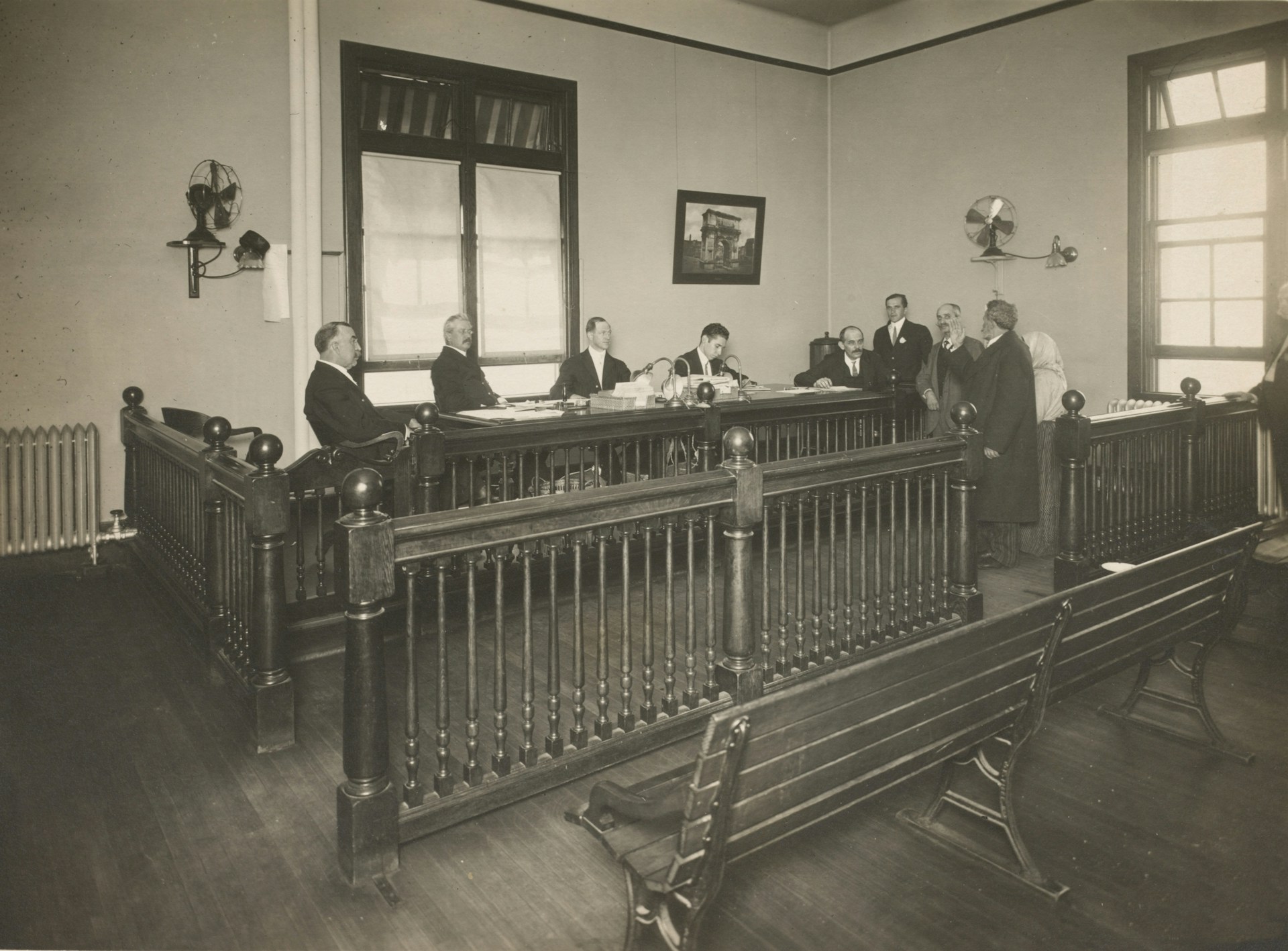
Even after some women gained the vote, many states barred them from serving on juries. Lawmakers argued that women might be too delicate or morally compromised to handle legal matters. This restriction denied women the ability to participate fully in the justice system and influence decisions affecting their communities. It wasn’t until the mid-20th century that most states allowed women to serve as jurors, and the thought of being excluded from this civic duty now seems unimaginable.
Women Required Permission to Work
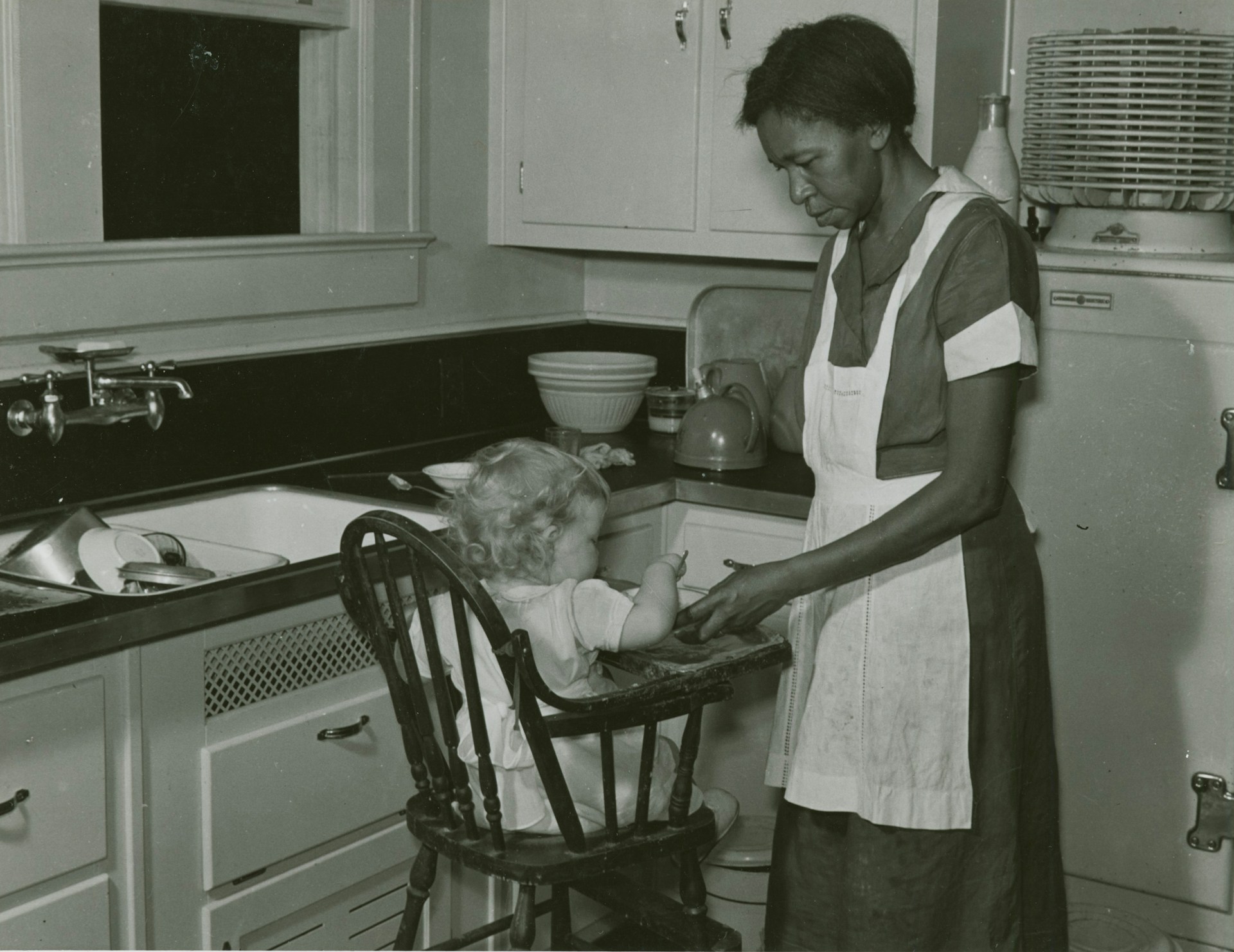
In many regions, women needed a husband’s or father’s permission to take on paid work, especially outside the home. Employers could legally refuse to hire women who were married or had children. This law limited independence, forced reliance on male family members, and reinforced the idea that a woman’s place was solely in domestic life. Today, such legal control over employment would be considered discriminatory and a blatant violation of basic rights.
Women Could Not Open Bank Accounts

Until the mid-20th century, some banks required women to have a husband or male relative co-sign for loans or open an account. This restriction made women financially dependent and blocked their ability to save, invest, or manage money independently. It reinforced the idea that men were the default decision-makers. Modern banking treats everyone equally, so it is shocking to think that women were once barred from basic financial autonomy by law.
Dress Codes Were Strictly Enforced
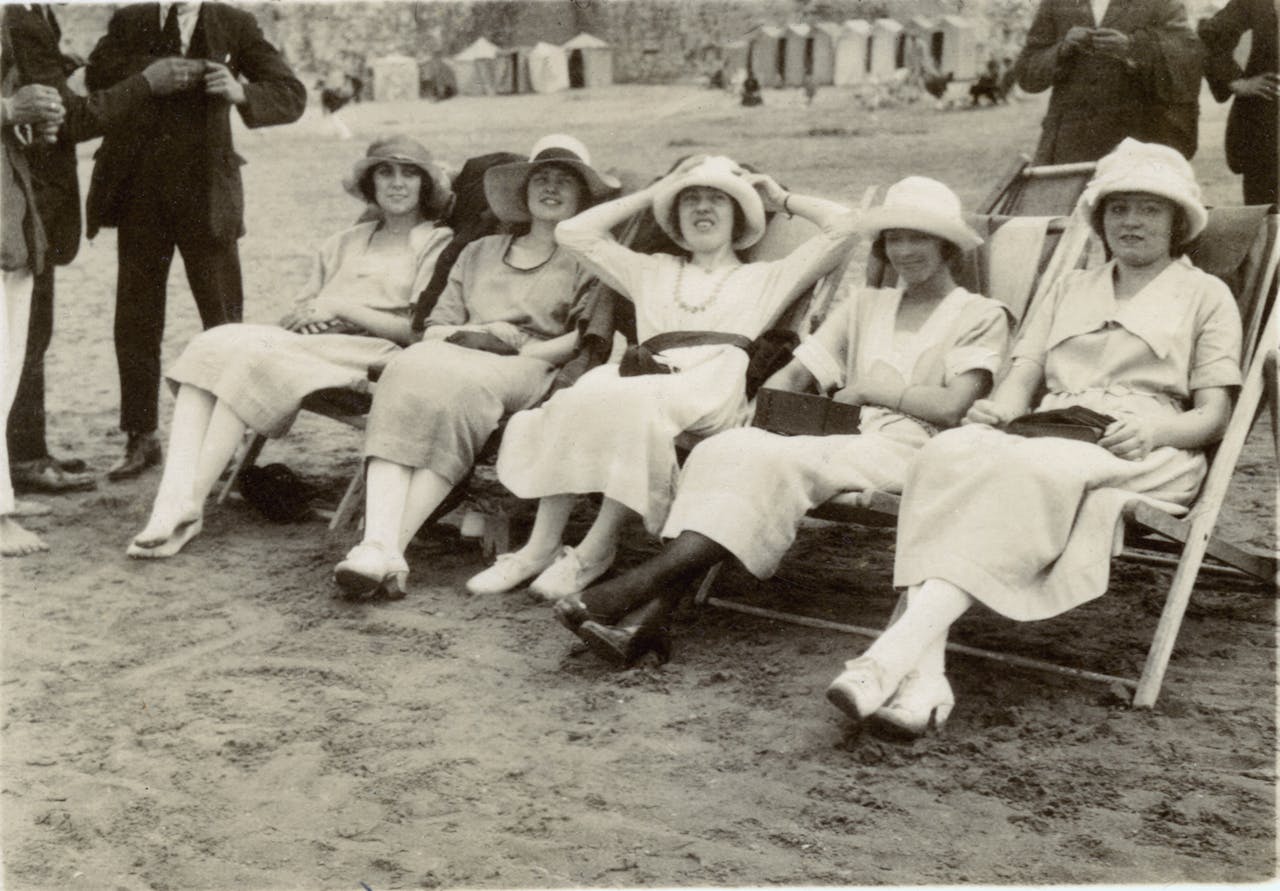
Laws in several cities dictated what women could and could not wear in public. Hemlines, sleeve lengths, and even necklines were regulated, and women could face fines for “improper” clothing. These restrictions aimed to enforce modesty and social norms but severely limited personal expression. Today, the idea of being legally penalized for fashion choices seems absurd, yet for generations, women were expected to follow strict public dress codes or face legal consequences.
Women Could Not Drive
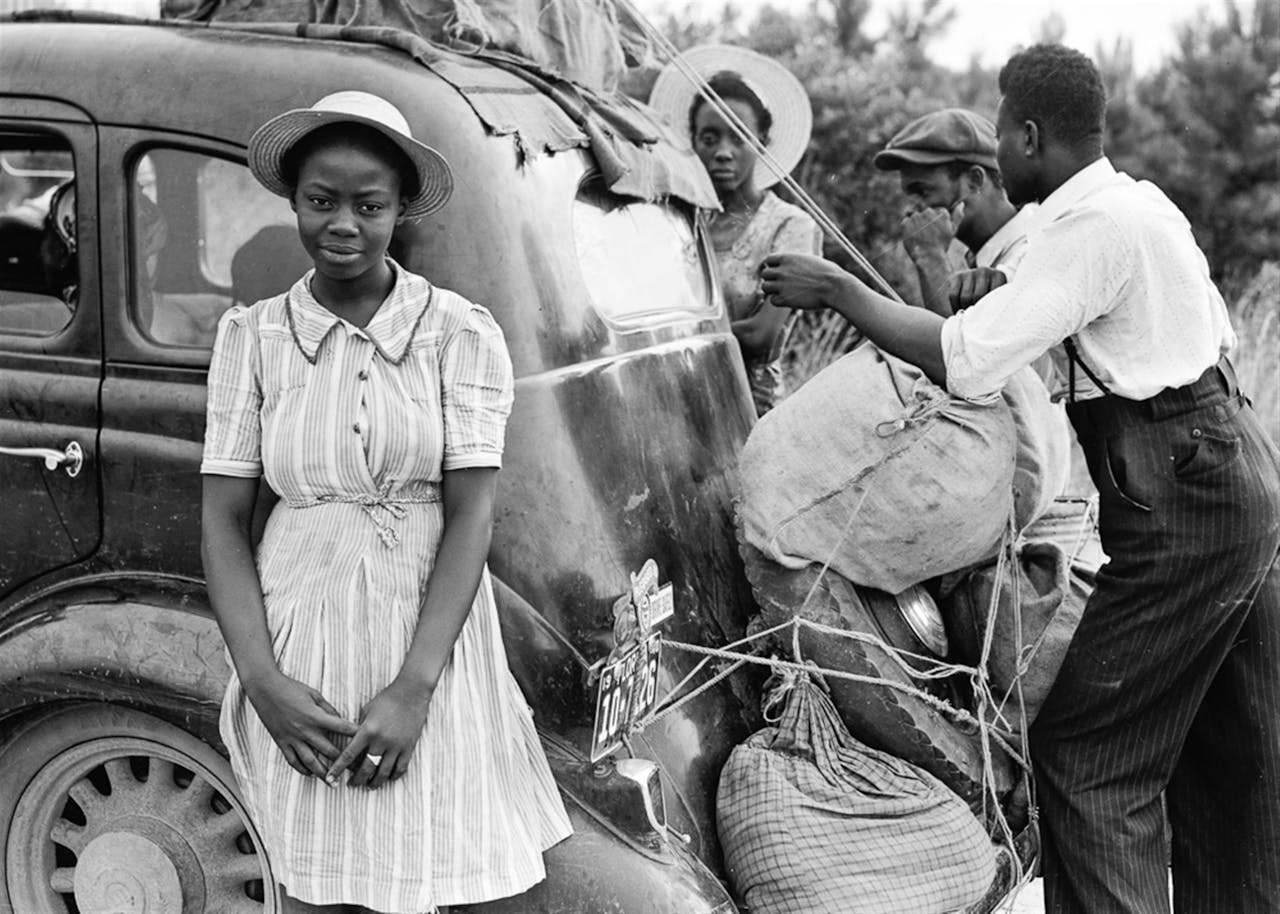
In certain U.S. towns and some territories, women were discouraged or outright banned from driving. The justification was often that driving was too dangerous or unladylike. These restrictions limited mobility and independence, keeping women reliant on male family members for transportation. Today, driving is a basic right and necessity, making it hard to imagine laws that legally prevented half the population from getting behind the wheel.
Women Could Not Hold Public Office

Even in places where women could vote, they were often barred from running for or holding public office. The assumption was that politics was a male domain, and women lacked the capability or authority to lead. This denied women influence in government and policymaking. Today, women serve at all levels of government, but at the time, legal barriers reinforced the idea that leadership was only for men, an idea that seems shocking and unfair now.
Women Could Not Initiate Divorce
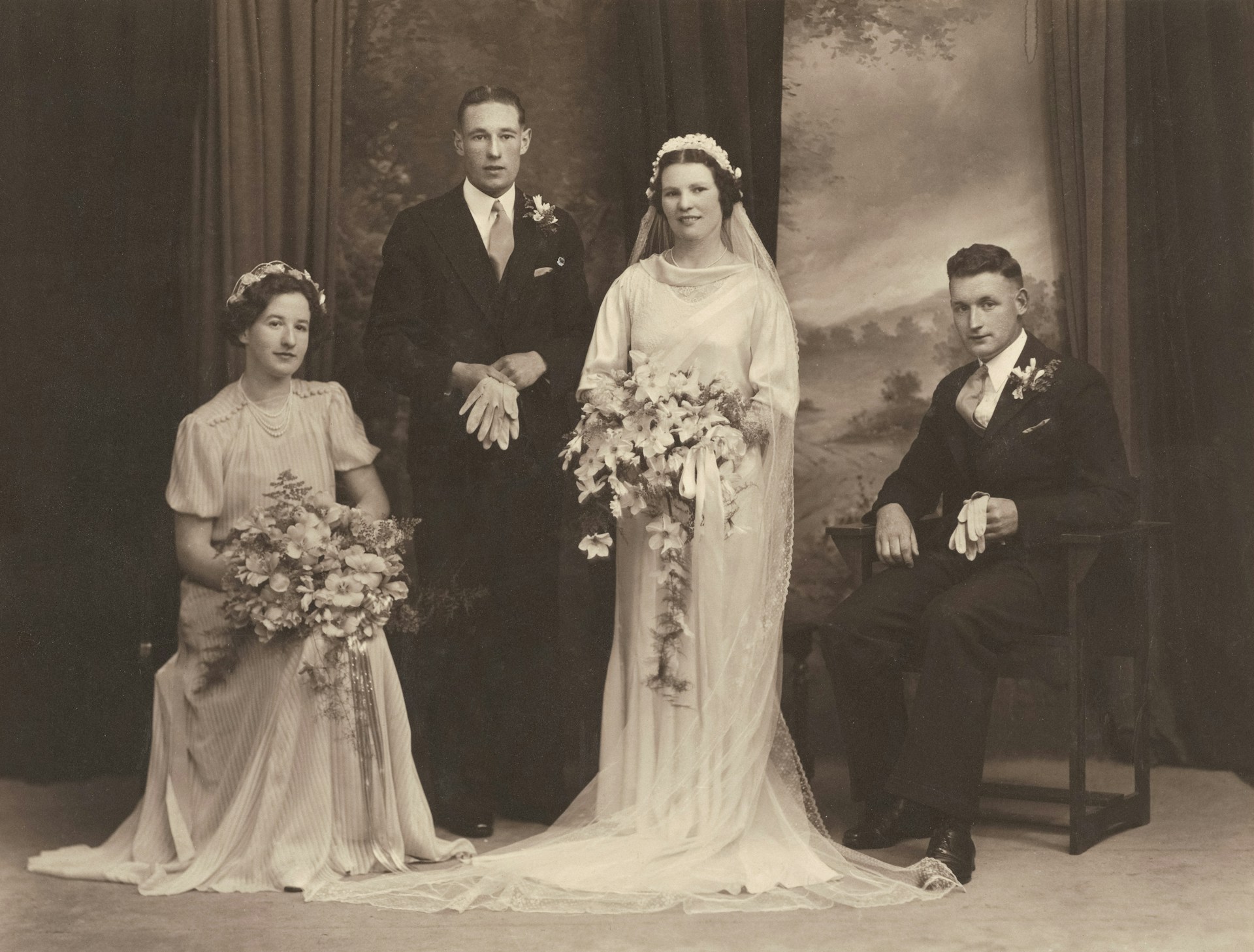
In many states, divorce laws were biased against women. A wife often needed to prove serious wrongdoing, like adultery or abuse, to separate legally. Husbands could file for divorce more easily and retain control of property or children. Women were trapped in marriages with little legal recourse. Modern divorce laws strive for equality and fairness, making it hard to imagine a time when a woman could not leave a marriage without extreme difficulty.
Women Could Not Serve in the Military

Women were excluded from most branches of the military except in limited nursing or clerical roles. Combat and leadership positions were off-limits by law. Even when the nation needed manpower, women were largely sidelined. Today, women serve in combat roles, command positions, and nearly all branches, making the past legal restrictions seem archaic and unfair. Military service was once legally a male-only arena, a concept that seems unbelievable now.
Women Could Not Inherit Equally

Inheritance laws often favored male heirs. Daughters were excluded or received smaller shares of family property. This legal bias reinforced gender inequality and limited women’s economic security. Sons were considered primary successors, leaving women dependent on brothers or husbands for financial stability. Today, inheritance laws are generally equal, and it is hard to believe that legal frameworks once treated women as secondary heirs.
Women Could Not Own Guns

In some areas, laws restricted women from owning firearms, citing safety and societal norms. The legal restrictions limited women’s ability to protect themselves and reinforced dependence on men for security. Today, women have the same right to bear arms as men in most states, making these historical restrictions seem outdated and discriminatory. It is shocking to realize that basic self-protection was once legally controlled based on gender.
Women Could Not Attend Certain Colleges
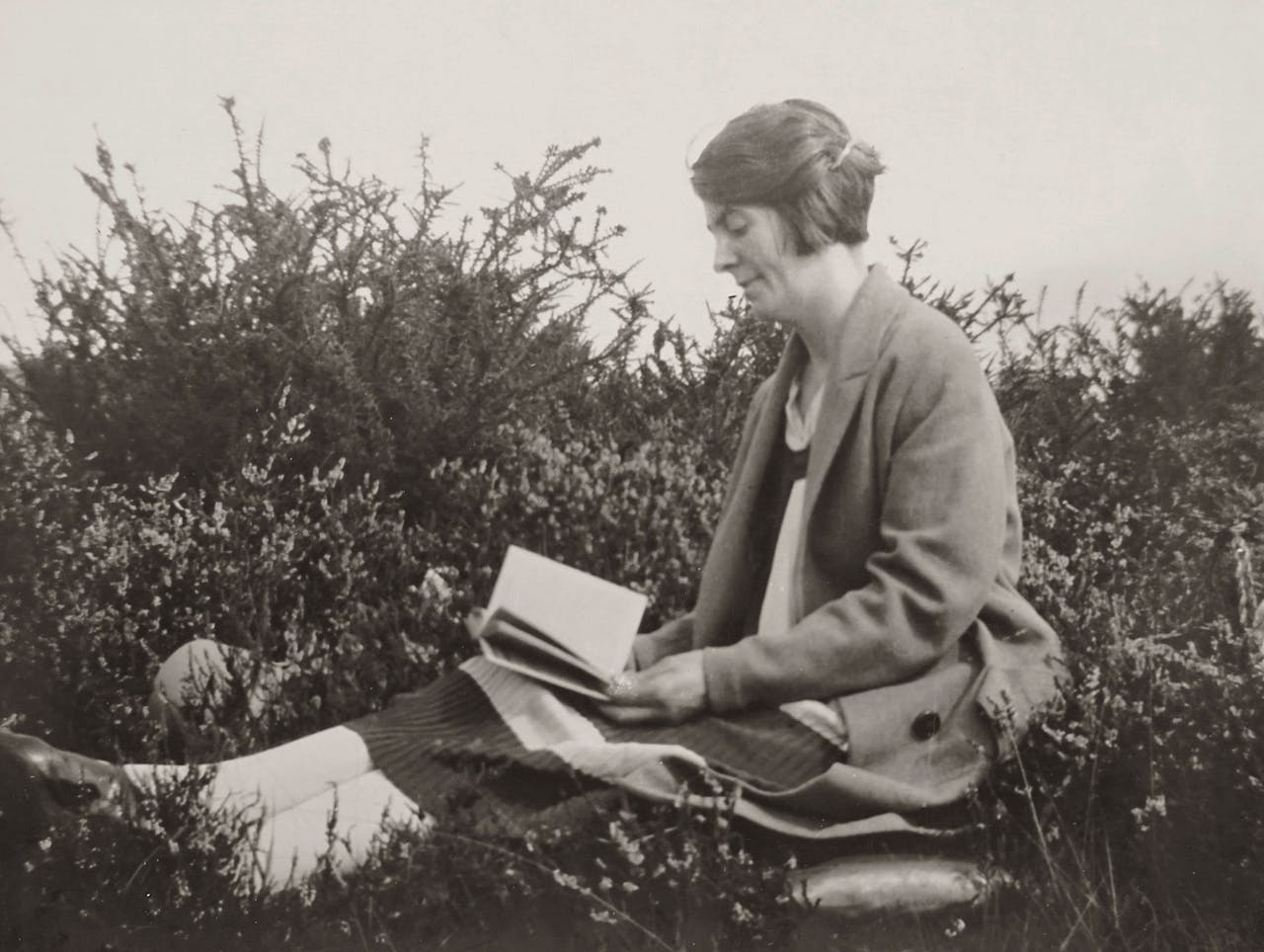
Higher education opportunities for women were limited by law or custom. Many prestigious colleges and universities were closed to women, or enrollment was severely restricted. Women seeking advanced education faced legal and societal barriers, limiting career options and professional growth. Today, coeducation is standard, and women outnumber men in many fields of study, making it hard to imagine a time when attending college legally depended on gender.
Women Could Not Vote in Federal Elections

Before the 19th Amendment, women were barred from voting in federal elections. Their voices were excluded from shaping national policies and choosing leaders. While some states allowed limited voting, the federal ban meant women had no influence over Congress or the presidency. Today, universal suffrage is a given, and it is shocking to consider that women were once legally excluded from participating in the most basic democratic process.
These historic laws show just how much women’s rights have evolved in the United States. Many of these restrictions would be unimaginable today, highlighting the struggles and progress that have shaped modern society. Remembering these laws reminds us why equal rights are essential and how far legal and social change has come.