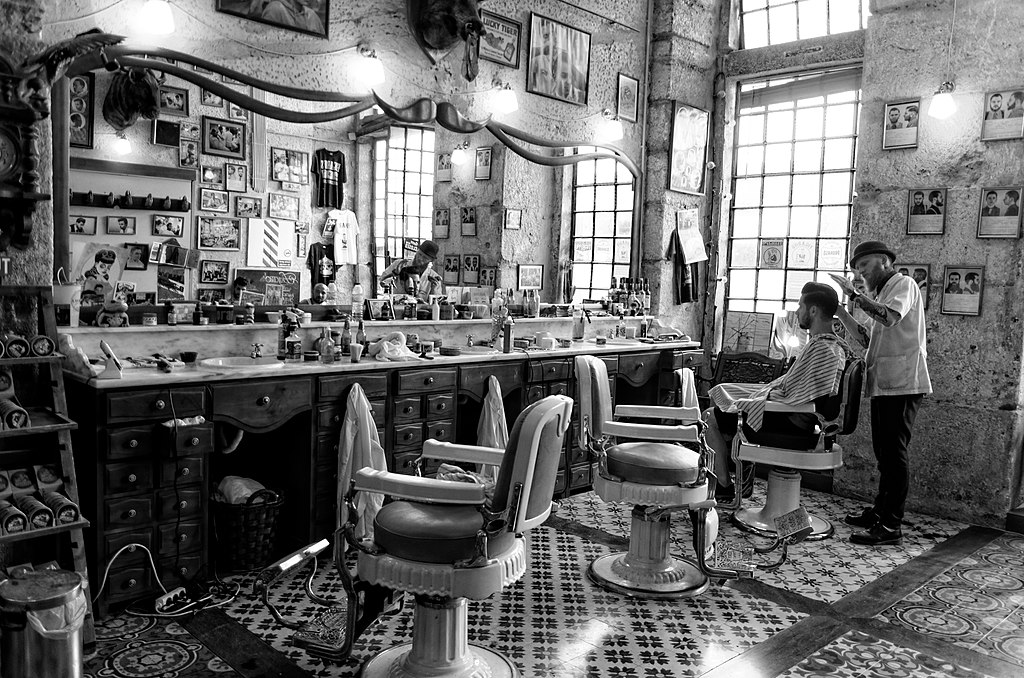
The 19th century saw millions of immigrants arrive in the United States seeking freedom, work, and opportunity. However, their experience was far from easy. Immigrants faced poverty, prejudice, and dangerous working conditions. They often lived in overcrowded neighborhoods, endured long hours in hazardous jobs, and struggled with language and cultural barriers. Understanding these harsh realities highlights the resilience and determination of those who laid the foundation for modern American society, often overcoming immense personal and social challenges.
Poor Living Conditions

Immigrants frequently settled in overcrowded tenements in cities such as New York, Boston, and Chicago. Families sometimes shared a single small room, leading to limited privacy, poor ventilation, and a heightened risk of disease. Water supplies were often contaminated, and sanitation systems were inadequate. With multiple families living close together, illnesses such as cholera, typhoid, and tuberculosis spread rapidly. Despite these conditions, immigrants formed strong community ties, creating mutual aid societies and social networks that helped them survive and maintain cultural traditions in difficult environments.
Long Working Hours and Low Wages
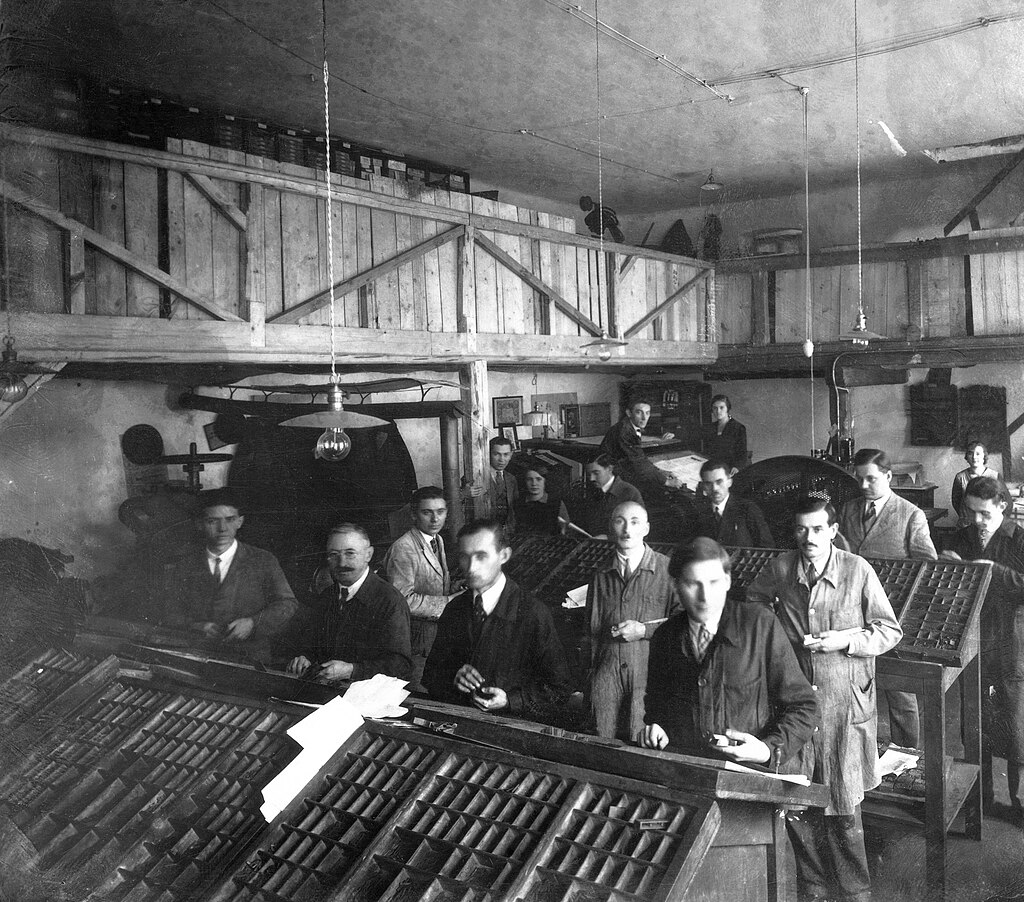
Many immigrants worked in factories, mines, docks, and sweatshops under grueling conditions for very low pay. Labor laws were minimal, and children often joined the workforce to help their families survive. Working hours frequently exceeded twelve or fourteen hours a day, with few breaks and unsafe conditions that led to frequent accidents. The combination of extreme labor and low wages trapped families in cycles of poverty. Nevertheless, their work contributed to America’s rapid industrialization and economic growth, illustrating the sacrifices and perseverance of immigrant communities.
Discrimination and Prejudice
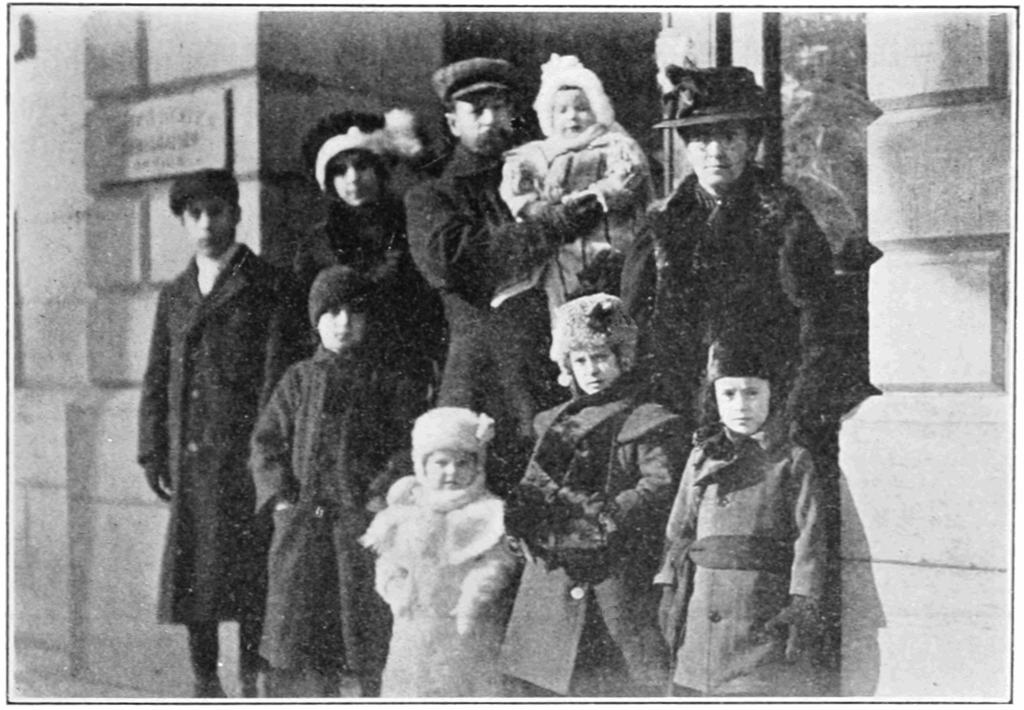
Immigrants faced discrimination based on nationality, religion, or ethnicity. Irish, Italian, Chinese, and Jewish newcomers often encountered hostility and were segregated socially and economically. They were excluded from certain jobs, denied housing in some neighborhoods, and subjected to verbal and physical attacks. Laws and policies sometimes reinforced this prejudice, limiting opportunities for education and advancement. Despite these challenges, immigrants developed resilience, preserving their cultural identities while gradually integrating into broader American society and advocating for social reforms that benefited future generations.
Language and Cultural Barriers

Arriving in a country where English was not their first language, many immigrants struggled to communicate effectively in schools, workplaces, and public institutions. Language barriers limited economic opportunities, hindered education for children, and isolated families socially. Communities often created schools, religious institutions, and clubs to teach English while preserving cultural practices. These efforts fostered a sense of community, helped with adaptation, and allowed immigrant families to navigate American society more effectively despite the challenges of assimilation.
Exploitative Housing Practices
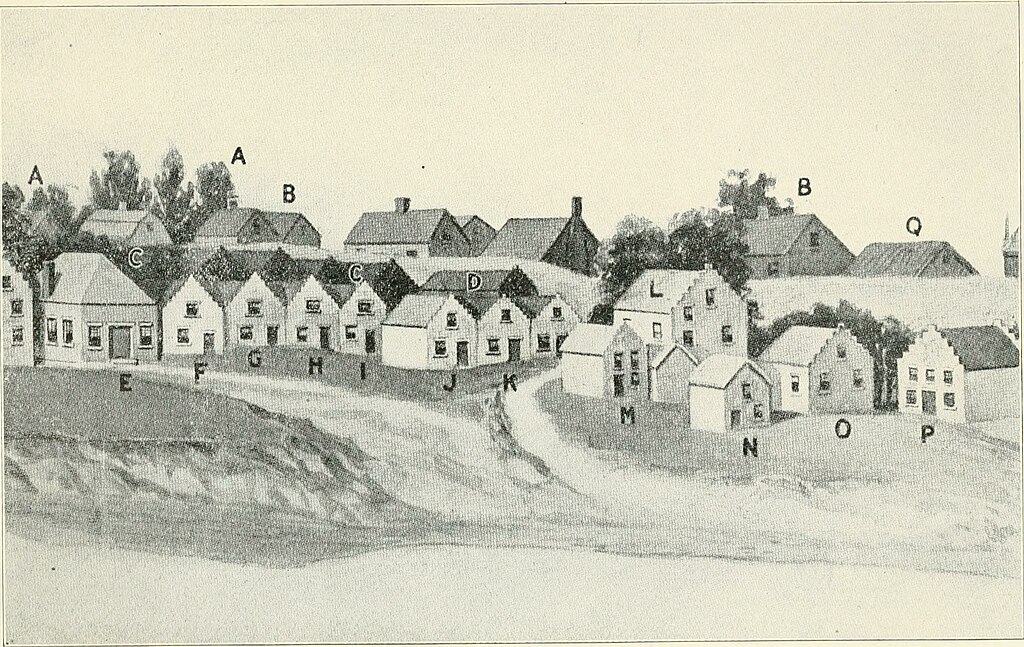
Immigrants were frequently at the mercy of unscrupulous landlords who charged exorbitant rent for substandard housing. Buildings often lacked proper heating, plumbing, and structural safety. Tenants had little legal recourse and were vulnerable to eviction or harassment. Many families had to share space with multiple other families just to afford rent. In response, immigrants organized tenant associations, fought for better conditions, and worked collectively to improve housing standards. These efforts marked early steps toward housing reform and community advocacy.
Limited Access to Education
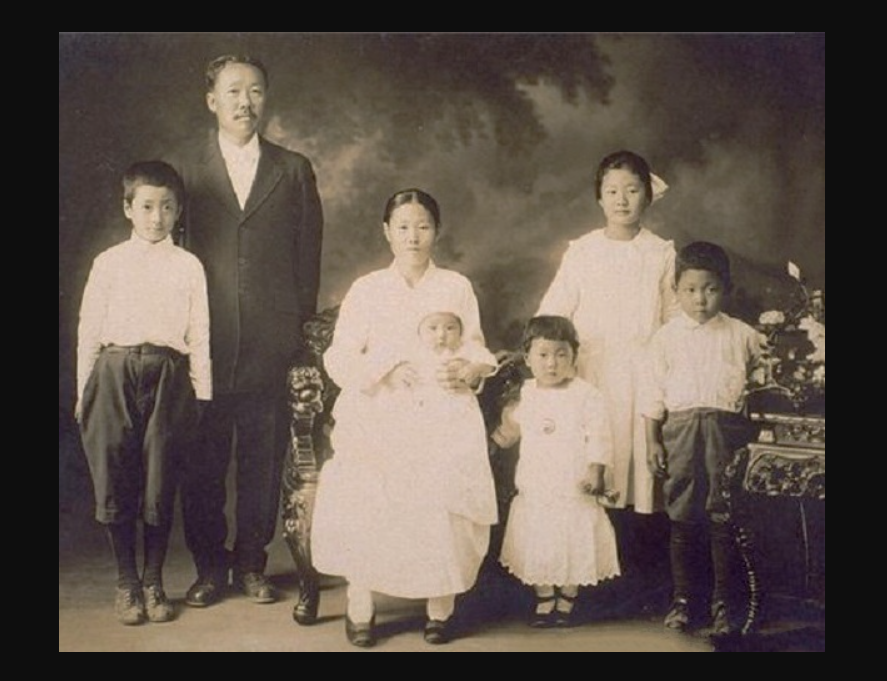
Immigrant children often had restricted access to education due to work obligations or overcrowded, underfunded schools. Classes were large, language differences impeded learning, and educational materials were scarce. Despite these obstacles, families and communities placed high value on education as a pathway to upward mobility. They established parochial schools, evening classes, and literacy programs to ensure children could learn English and gain skills necessary to improve their future prospects while maintaining cultural identity.
Health Risks and Disease
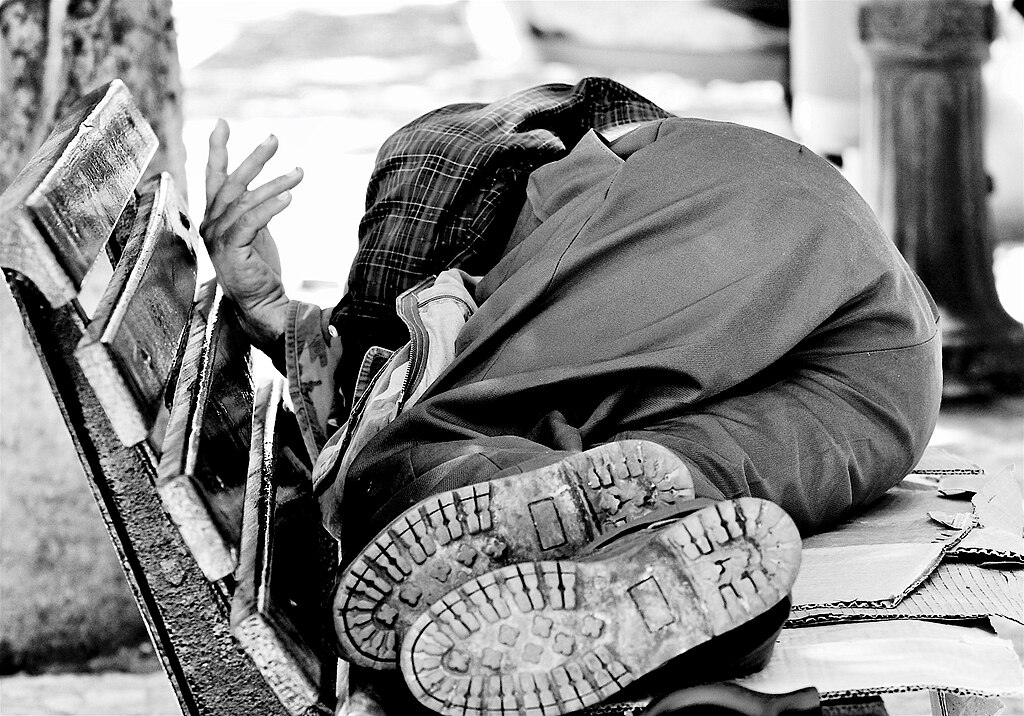
Overcrowding, poor nutrition, and lack of medical access left immigrants vulnerable to deadly diseases. Epidemics of cholera, influenza, and tuberculosis were common, especially in dense urban tenements. Medical care was expensive and often inaccessible, forcing families to rely on home remedies and community support. Despite these health risks, immigrant communities developed informal networks to care for the sick, share resources, and educate residents on hygiene and preventive measures, fostering resilience and community solidarity in harsh living conditions.
Gender Inequality
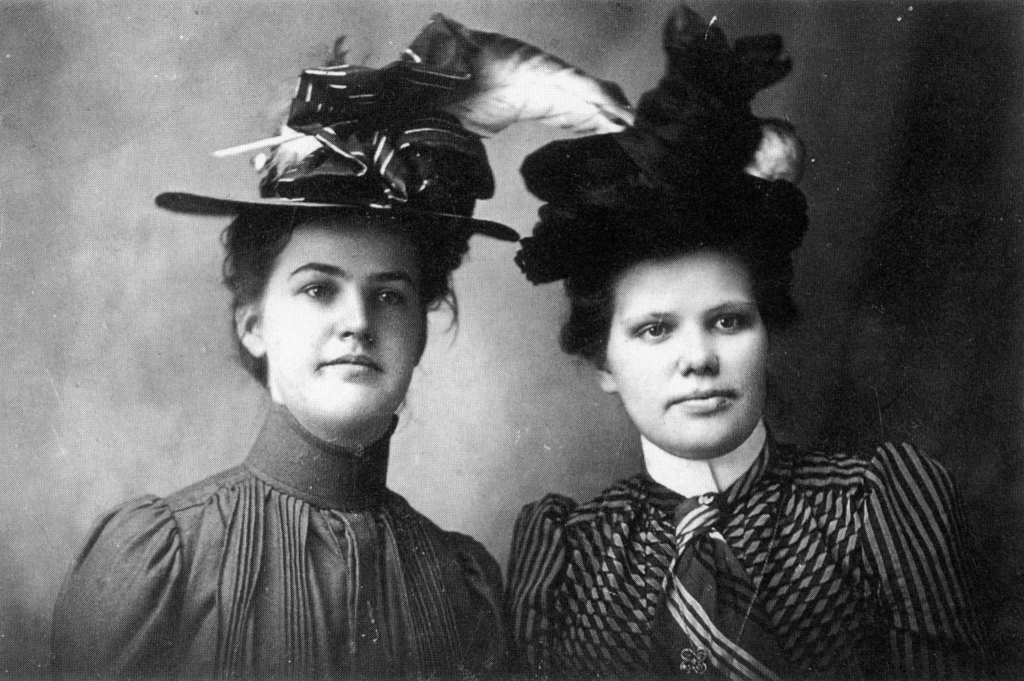
Immigrant women often faced dual burdens of domestic responsibilities and economic work. Many labored in factories, laundries, or as domestic servants while managing households and raising children. Social norms and legal restrictions limited women’s rights and opportunities for social advancement. Despite these challenges, women played critical roles in sustaining families, preserving cultural practices, and supporting community networks, contributing to both the survival and growth of immigrant populations in the United States.
Legal Barriers and Restrictions
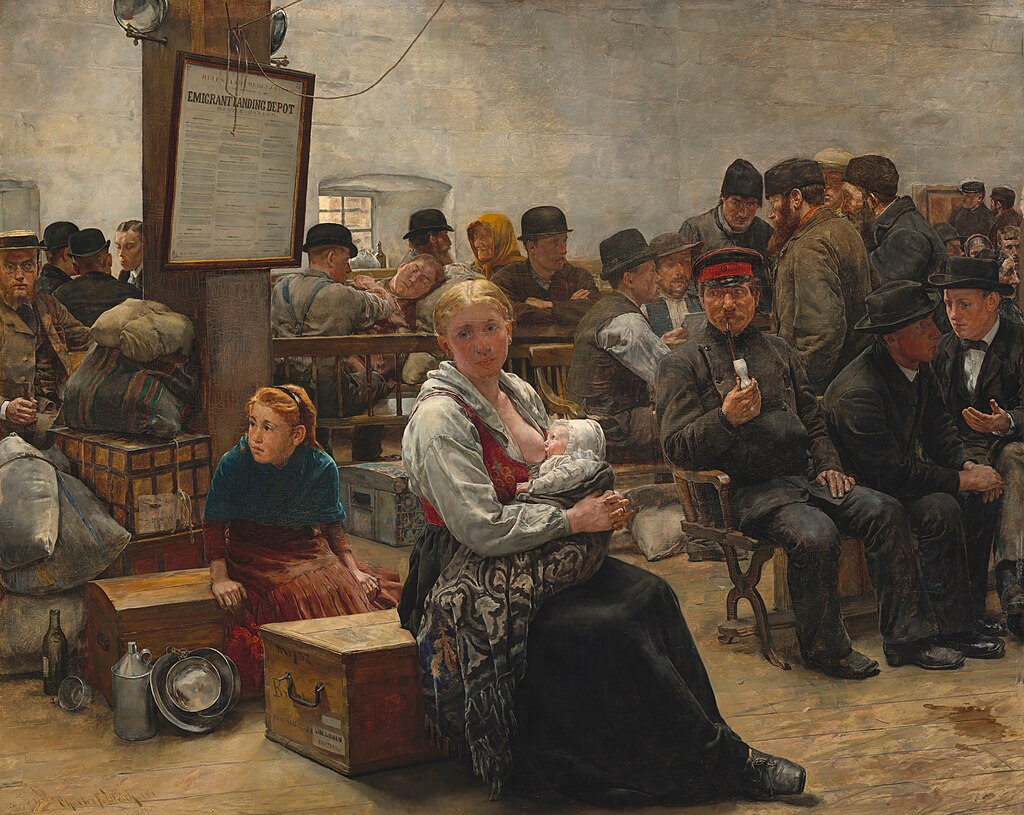
Immigrants faced legal obstacles that limited their rights, restricted citizenship, and imposed discriminatory policies. For example, laws like the Chinese Exclusion Act severely limited migration and naturalization for certain groups. Understanding and navigating these legal restrictions required knowledge, community support, and sometimes creative strategies to secure residency or work permits. Despite these barriers, immigrant communities actively sought legal protections and advocated for reforms, demonstrating determination to claim their place in American society.
Labor Exploitation and Unsafe Conditions
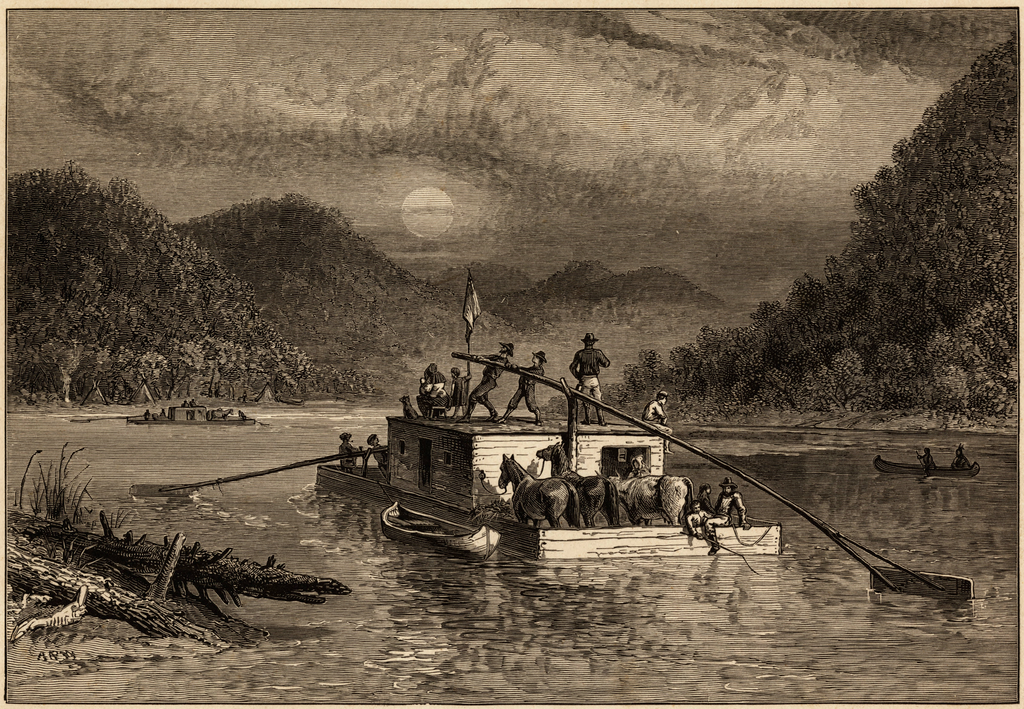
Many immigrants worked in industries with hazardous conditions, such as mining, construction, and manufacturing. Safety standards were minimal, and workplace injuries were common. Employers often took advantage of immigrants’ lack of options and willingness to accept low wages. These conditions prompted participation in early labor movements, strikes, and union formation, laying the groundwork for labor protections and workplace safety regulations. Immigrant labor was essential to America’s industrial growth despite the severe physical risks involved.
Religious Discrimination
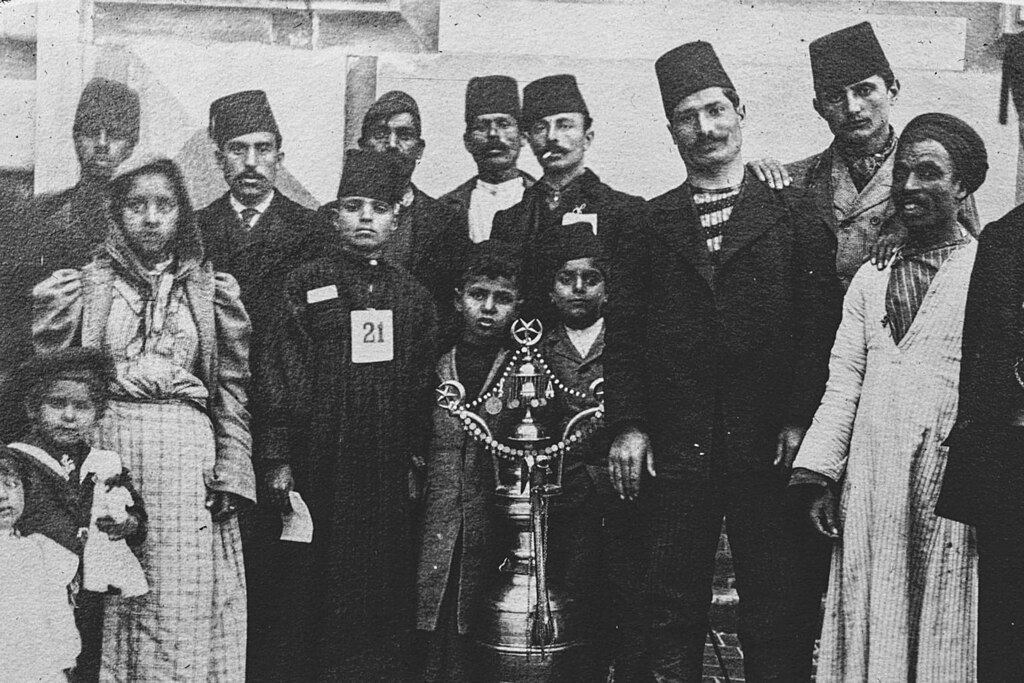
Immigrant communities frequently faced religious intolerance. Catholics, Jews, and other non-Protestant groups encountered obstacles in education, employment, and public life. Religious practices were sometimes restricted or discriminated against, forcing immigrants to establish their own churches, synagogues, and schools. These institutions provided spiritual support, social services, and education, fostering community cohesion and resilience. Religion helped immigrant families maintain identity and survive in an often-hostile social environment, while contributing to the nation’s cultural diversity.
Political Exclusion
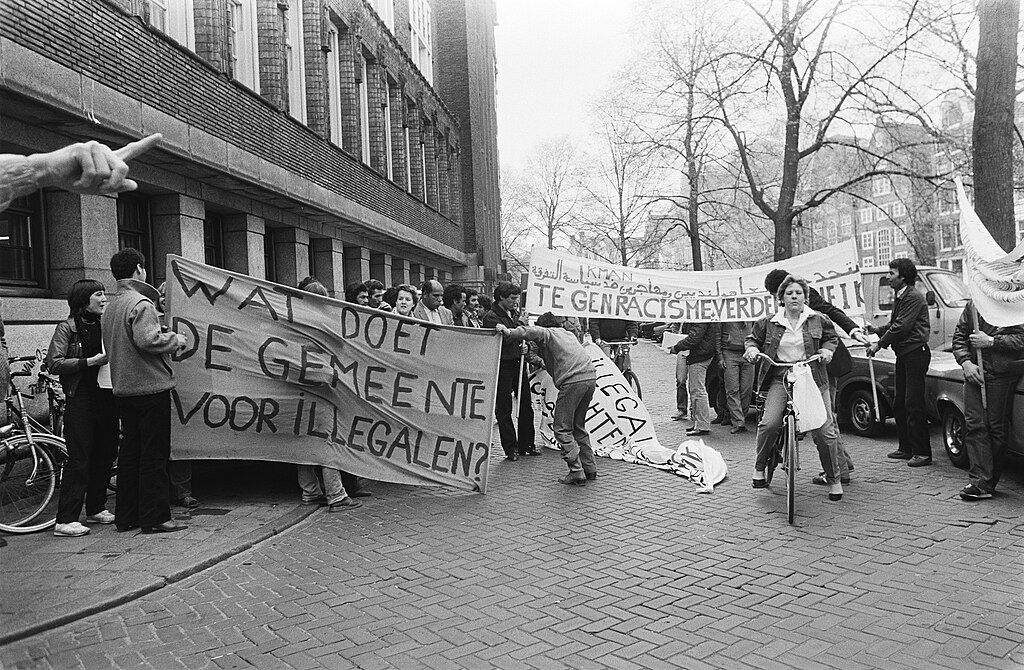
Many immigrants were initially denied the right to vote or participate in political processes due to nationality, residency, or legal status. This exclusion limited their ability to influence laws, advocate for fair working conditions, or improve living standards. Immigrant communities organized politically, forming associations and lobbying for change. Over time, these efforts helped achieve local reforms and gradual integration into civic life. Political engagement became a tool for immigrants to protect interests and contribute to shaping American democracy.
Social Isolation
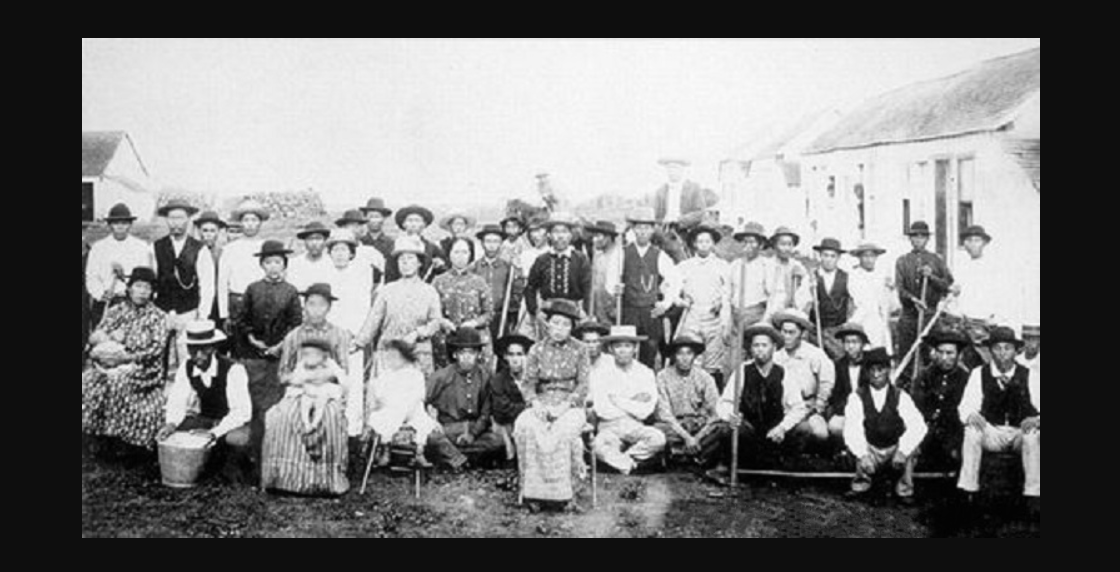
Newcomers often felt socially isolated due to unfamiliar language, culture, and customs. They were separated from extended family and support networks, making adaptation difficult. Immigrant communities created clubs, cultural centers, and religious institutions to provide social interaction, mutual aid, and opportunities to celebrate traditions. These networks reduced isolation, helped maintain cultural identity, and provided practical assistance in employment, housing, and education, fostering solidarity and resilience in a challenging environment.
Economic Vulnerability
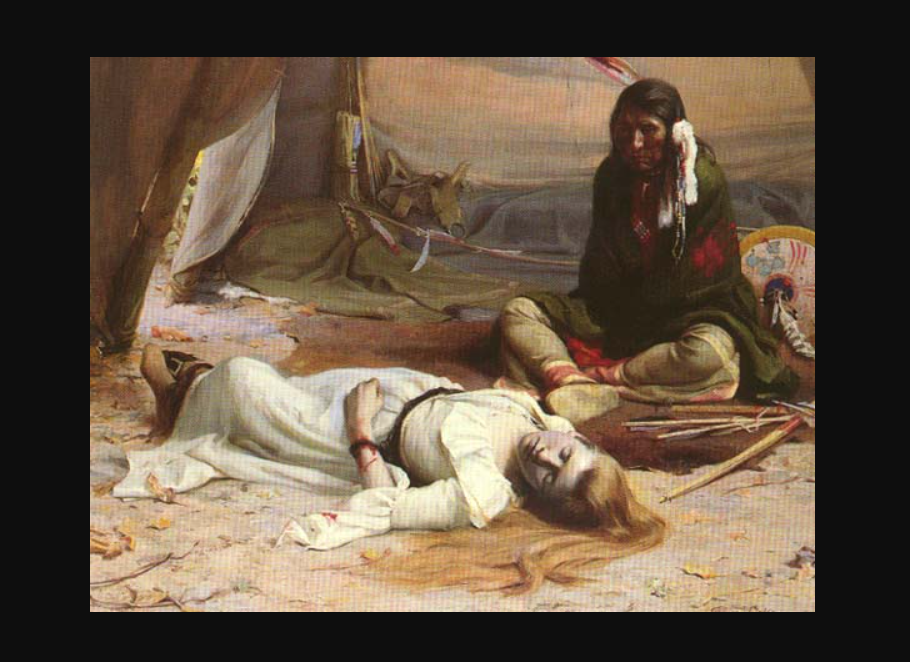
Immigrants often arrived with few resources, leaving them financially vulnerable. Employment was often precarious, seasonal, or poorly paid, making it difficult to escape poverty. Families relied on communal support, shared housing, and savings strategies to survive. Despite economic hardship, immigrants contributed labor and skills essential to American industry and infrastructure. Their perseverance in overcoming financial insecurity demonstrates the resilience and determination required to build new lives in an unfamiliar country.
Immigrants in 19th-century America endured extreme hardships including poverty, discrimination, dangerous work, and limited rights. Their resilience, determination, and communal support shaped both their own destinies and the social, economic, and cultural development of the nation, leaving a lasting legacy that continues to influence America today.