Life during the American colonial era is often romanticized in textbooks, with images of tidy log cabins, hearty meals cooked over a fire, and brave settlers forging a new world. While these images have become part of national identity, they leave out the hardship, deprivation, and daily grind that shaped early colonial existence. For the average colonial family, life was far from idyllic. It was hard, physically demanding, and bound by strict social norms. Understanding what daily life was really like can give us greater appreciation for the comforts we enjoy today—and the resilience of those who came before us.
Most Children Didn’t Attend School

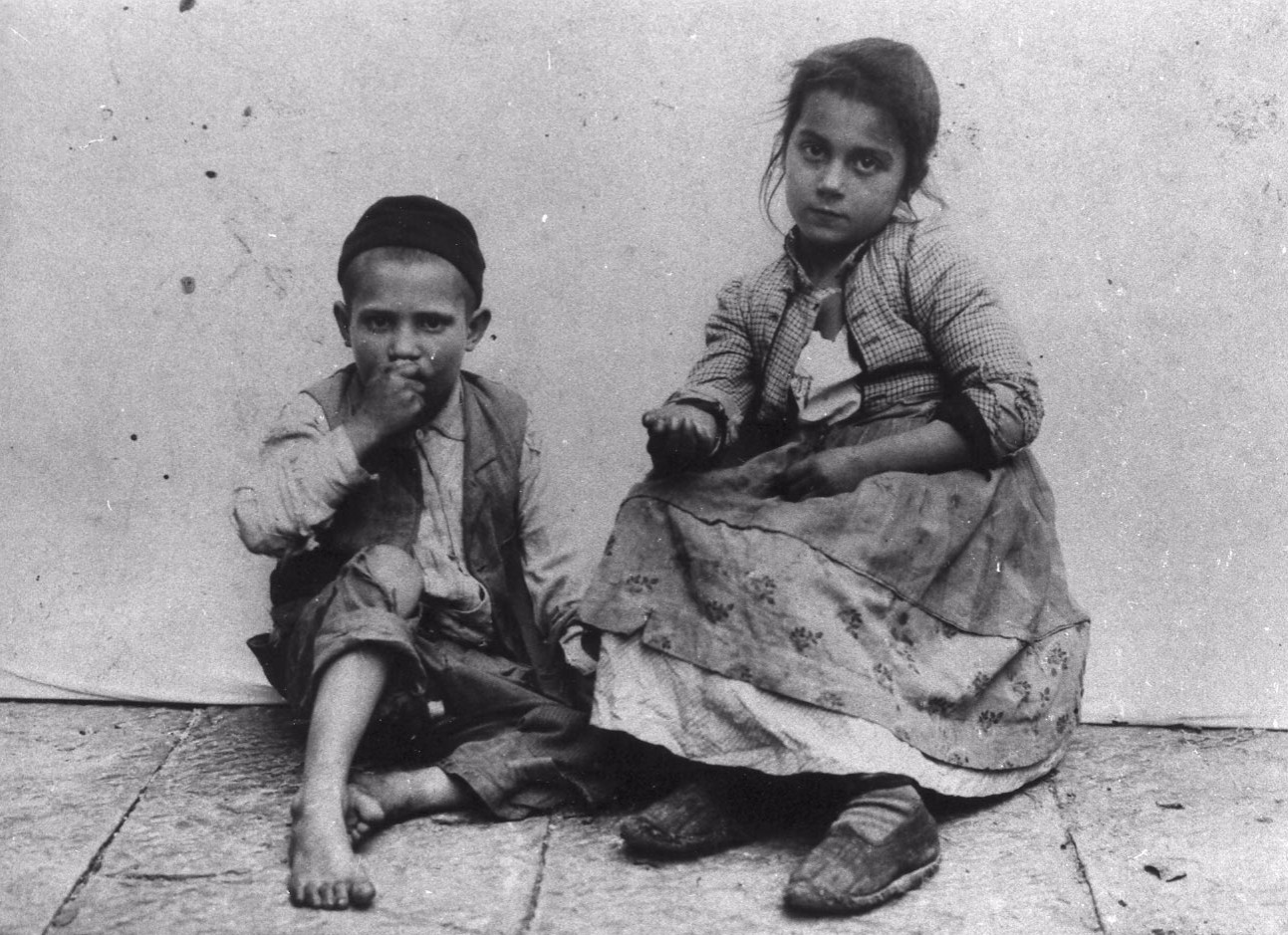
For many colonial families, education was a rare privilege rather than a daily routine. Schools were few and far between, especially in rural areas, and many children never had the opportunity to attend. Girls, in particular, were often excluded from formal education entirely, as their roles were expected to center around domestic life. Boys were sometimes taught basic reading and arithmetic, mostly to read the Bible and handle trade. Instead of sitting at desks, most children learned skills by working alongside their parents from a very young age. Childhood was brief and filled with responsibility.
Medical Care Was Primitive and Dangerous

Healthcare in colonial times was more superstition than science. Germ theory was unknown, and most treatments involved outdated practices like bloodletting, leeches, or purging. Home remedies included mixtures of herbs and roots, and “cures” were passed down through generations rather than based on empirical knowledge. There were few trained physicians, and many who practiced medicine had little formal training. Even minor injuries or common illnesses could turn deadly. Women were typically responsible for medical care in the home, and childbirth was especially risky, with high maternal and infant mortality rates.
Winters Were Brutal
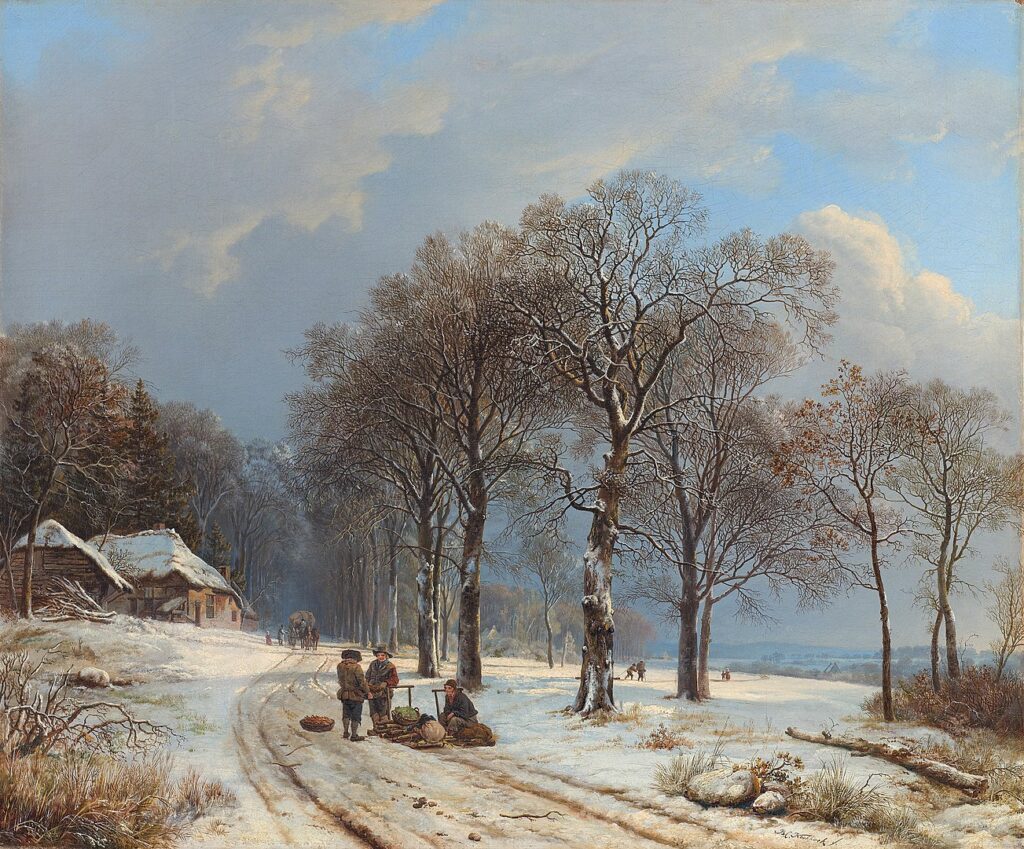
Surviving winter in the colonies required endurance and preparation. Insulated homes didn’t exist—walls were drafty, windows leaked cold air, and heat came only from the hearth. Firewood had to be chopped and hauled constantly, and even then, most rooms stayed cold. Families slept in their clothes, under heavy quilts, often huddled together for warmth. In some regions, livestock were brought inside to help heat the space. Frostbite, pneumonia, and malnutrition were common. Unlike today, where indoor heating provides comfort at the push of a button, colonial winters were a test of survival.
Everyone Worked from Dawn to Dusk

Leisure time was a foreign concept for most colonial families. Life was a continuous cycle of work: tending crops, chopping wood, sewing clothes, cooking, and maintaining livestock. Children worked alongside adults, learning skills not through play, but through labor. Sunday was considered a day of rest only in religious terms—many families still performed essential chores. There were no vacations, and the idea of a work-life balance didn’t exist. Productivity was directly tied to survival, and each family member was expected to contribute from a young age.
Hygiene Was Rudimentary

Maintaining cleanliness in colonial times was a challenge. Bathing was a cumbersome process that involved hauling water, heating it over a fire, and sharing it with other family members. As a result, people bathed infrequently—sometimes only a few times a year. Toothbrushes were handmade, if used at all, and soap was often a luxury. Chamber pots were used indoors, and outhouses were exposed to the elements. Diseases such as dysentery and cholera were common due to poor sanitation. Today’s hygiene routines would have seemed extravagant to the average colonist.
Most Homes Were One-Room Cabins

Unlike modern homes with individual bedrooms and private spaces, colonial houses were often just a single room. This one space functioned as kitchen, bedroom, and living room for the entire family. Privacy was nearly nonexistent. Large families squeezed into small spaces, often sleeping in shifts or sharing beds. Furnishings were sparse, typically consisting of a table, benches, and maybe one bed. Wealthier families might have multiple rooms, but for most settlers, simplicity and practicality defined their living space.
Women Had Few Rights

In colonial society, women were considered the legal property of their husbands. They could not vote, own land independently, or sign contracts. Their primary role was to bear children, manage the household, and obey their husbands. Girls were raised to be wives and mothers, and their education—if any—focused on domestic skills like sewing, cooking, and cleaning. Widows had slightly more legal autonomy, but only under limited circumstances. The idea of gender equality was far beyond the imagination of the colonial era.
Travel Was Difficult and Dangerous

Traveling between towns or colonies was time-consuming, expensive, and often perilous. Roads were rough, unpaved paths filled with rocks and mud. Journeys that would take an hour today could take days by horseback or carriage. Bad weather, wild animals, and the threat of theft made travel a serious undertaking. Many colonists rarely left their immediate communities. Visiting relatives, attending church in another town, or trading goods required careful planning and considerable effort.
Food Scarcity Was Common

Colonists largely depended on what they could grow, hunt, or trade. If crops failed or the winter was long, hunger was inevitable. There were no grocery stores to fall back on—everything had to be preserved, stored, or hunted. Salted meats, dried herbs, and root vegetables sustained families through the colder months. Fresh fruit and vegetables were rare in winter, and meat was a luxury for many. Malnutrition was common, especially among children. Food security was a daily concern.
Religious Rules Dominated Daily Life

Religion was not just a personal matter—it was built into the laws and culture of most colonies. Church attendance was often mandatory, and failure to comply could result in fines or punishment. Puritan communities, for example, had strict moral codes and enforced conformity. Dissenting views were met with intolerance or exile. Religious leaders held immense power, and their influence extended into personal behavior, dress, and even thoughts. Freedom of religion was not a guarantee until much later in American history.
Illiteracy Was Widespread

Books were expensive, hand-bound items, and many families owned only a Bible. Schools were limited, and few had access to libraries or tutors. Education was prioritized for wealthy white males, while women, enslaved people, and the poor were often excluded. Reading and writing were practical skills rather than cultural pastimes. Without widespread education, many colonists relied on oral traditions and communal storytelling to pass on knowledge and culture.
Child Mortality Was Extremely High

Raising children in the colonial era was a heartbreaking gamble. Due to widespread disease, lack of medical knowledge, and poor nutrition, many children didn’t live past infancy. Families often had six or more children, knowing that some might not survive to adulthood. The grief of losing a child was a familiar sorrow, and yet life had to go on. High mortality shaped how families viewed birth, illness, and the value of large households.
Crime and Punishment Were Harsh

Colonial justice was swift and public. Minor offenses like theft or gossip could lead to public whipping, branding, or time spent in the stocks. Serious crimes were punished by execution or banishment. Punishment was meant to shame the offender and deter others. The concept of rehabilitation or legal representation for the accused was almost nonexistent. Justice was harsh, visible, and deeply moralistic.
Entertainment Was Minimal

Leisure activities were simple, often limited to storytelling, music, or church events. Toys were handmade from scraps, and games required no equipment. Reading aloud was a family pastime—if someone in the household could read. Most entertainment had to be created, not consumed. There were no theaters, televisions, or digital distractions. While this encouraged creativity, it also meant that amusement was rare and highly valued.