Living close to others often requires patience and compromise, but everyday disagreements can escalate faster than many people realize. What begins as a minor inconvenience may cross legal boundaries when emotions rise or communication fails. Local ordinances, civil laws, and property regulations frequently govern these conflicts. Understanding how common disputes turn into legal issues can help homeowners and renters protect themselves from costly consequences.
Noise Complaints

Noise disputes are one of the most common causes of neighbor conflict nationwide. Loud music, barking dogs, construction sounds, or frequent gatherings may violate municipal noise ordinances. Repeated complaints can lead to warnings, fines, or civil lawsuits. Courts typically consider volume, duration, frequency, and time of day when determining whether noise rises to a legal nuisance.
Property Line Disputes
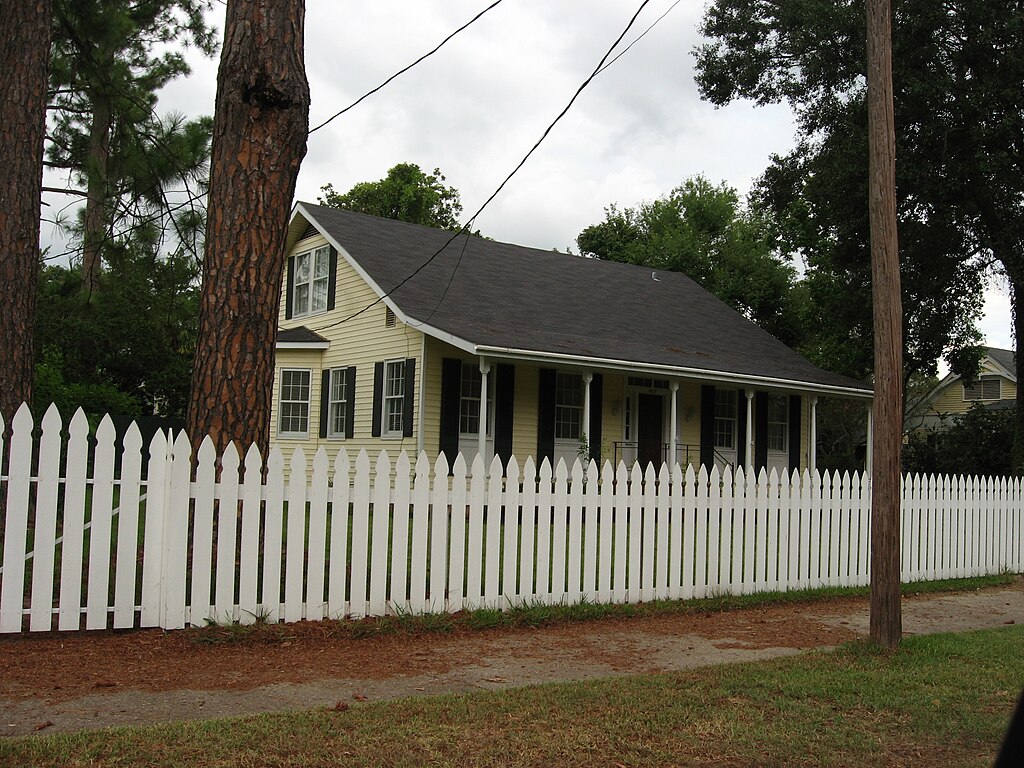
Unclear or disputed property boundaries often lead to long-term neighbor conflicts. Disagreements may involve fences, driveways, landscaping, or building placement. Surveys, title records, and historical documents usually become critical evidence. If unresolved, property line disputes can escalate into lawsuits that are costly and emotionally draining for both parties.
Tree and Fence Issues
Trees and fences frequently spark legal disputes when branches cross property lines or roots cause damage. Responsibility for trimming and repairs varies depending on local laws. Fence height, placement, and materials are often regulated by municipal codes. Violations may result in enforcement actions, fines, or civil liability for property damage.
Parking Conflicts

Parking disputes are common in dense neighborhoods and shared streets. Blocking driveways, parking in restricted zones, or occupying designated spaces may violate local regulations. Repeat offenses can lead to tickets, towing, or civil penalties. In planned communities, homeowners’ associations often enforce parking rules more strictly than municipalities.
Shared Driveways
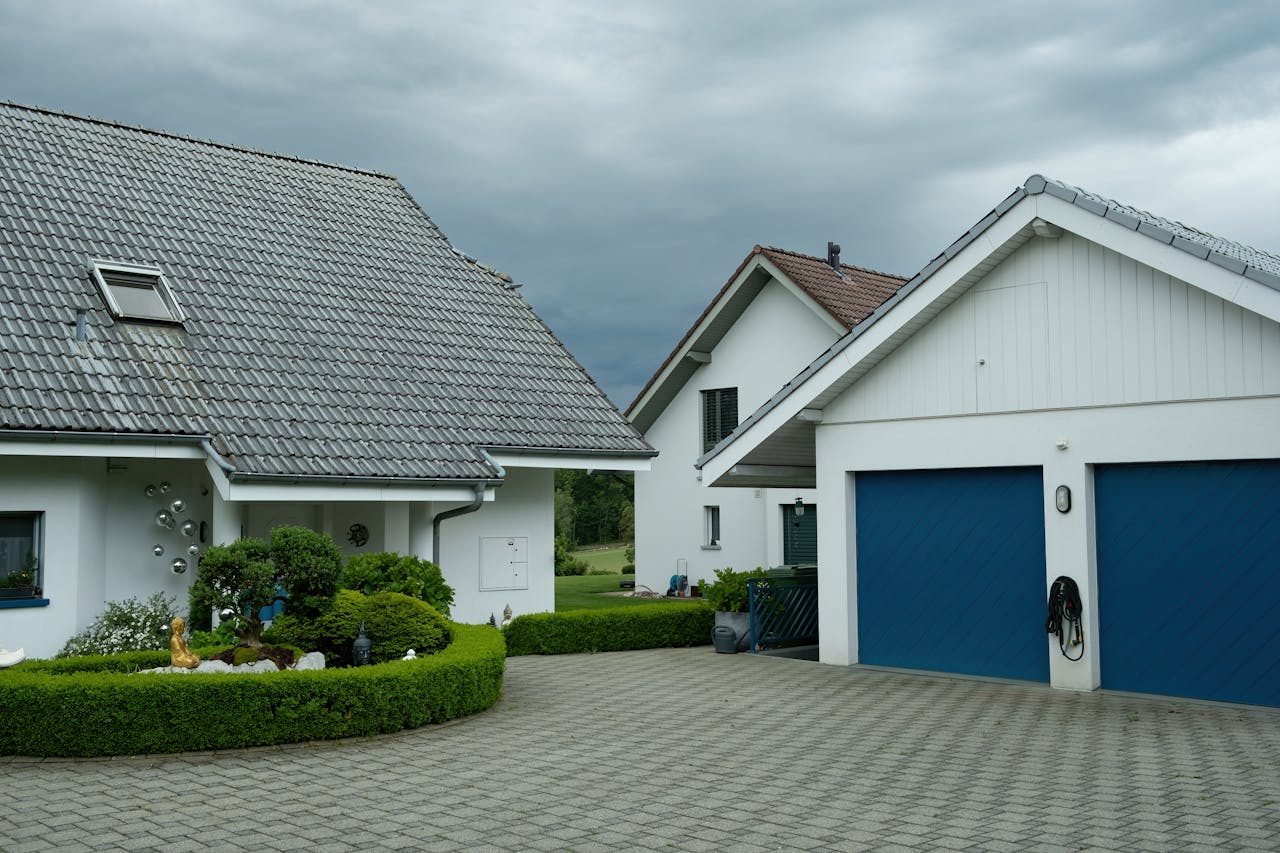
Shared driveways often create friction when usage expectations differ. Disputes may involve maintenance responsibilities, access rights, or parking restrictions. Legal easements usually define how shared driveways can be used. Ignoring these agreements can result in mediation, arbitration, or court action to enforce access rights.
Pets and Animal Control

Uncontrolled pets can raise safety, noise, and sanitation concerns. Excessive barking, aggressive behavior, or unattended waste often violate animal control ordinances. Repeated violations may result in fines, mandatory training, or removal orders. Courts typically prioritize public safety and neighborhood health in pet-related disputes.
Boundary Encroachments

Encroachments occur when structures cross property lines without permission. Common examples include sheds, fences, decks, or extensions built without proper surveys. Property owners may be legally required to remove encroachments even if built unintentionally. Courts consider factors such as duration, intent, and impact on property rights.
Drainage and Water Runoff

Landscaping changes can unintentionally redirect water onto neighboring properties. Improper drainage may cause flooding, erosion, or foundation damage. Many jurisdictions prohibit altering natural water flow. Property owners responsible for runoff damage may face liability and be required to restore proper drainage conditions.
Harassment Claims

Ongoing hostile behavior between neighbors can escalate into harassment claims. Threats, intimidation, stalking, or repeated confrontations may cross legal thresholds. Documentation such as messages, recordings, or witness statements often becomes essential evidence. Courts may issue restraining orders or impose penalties when harassment is proven.
HOA Rule Violations
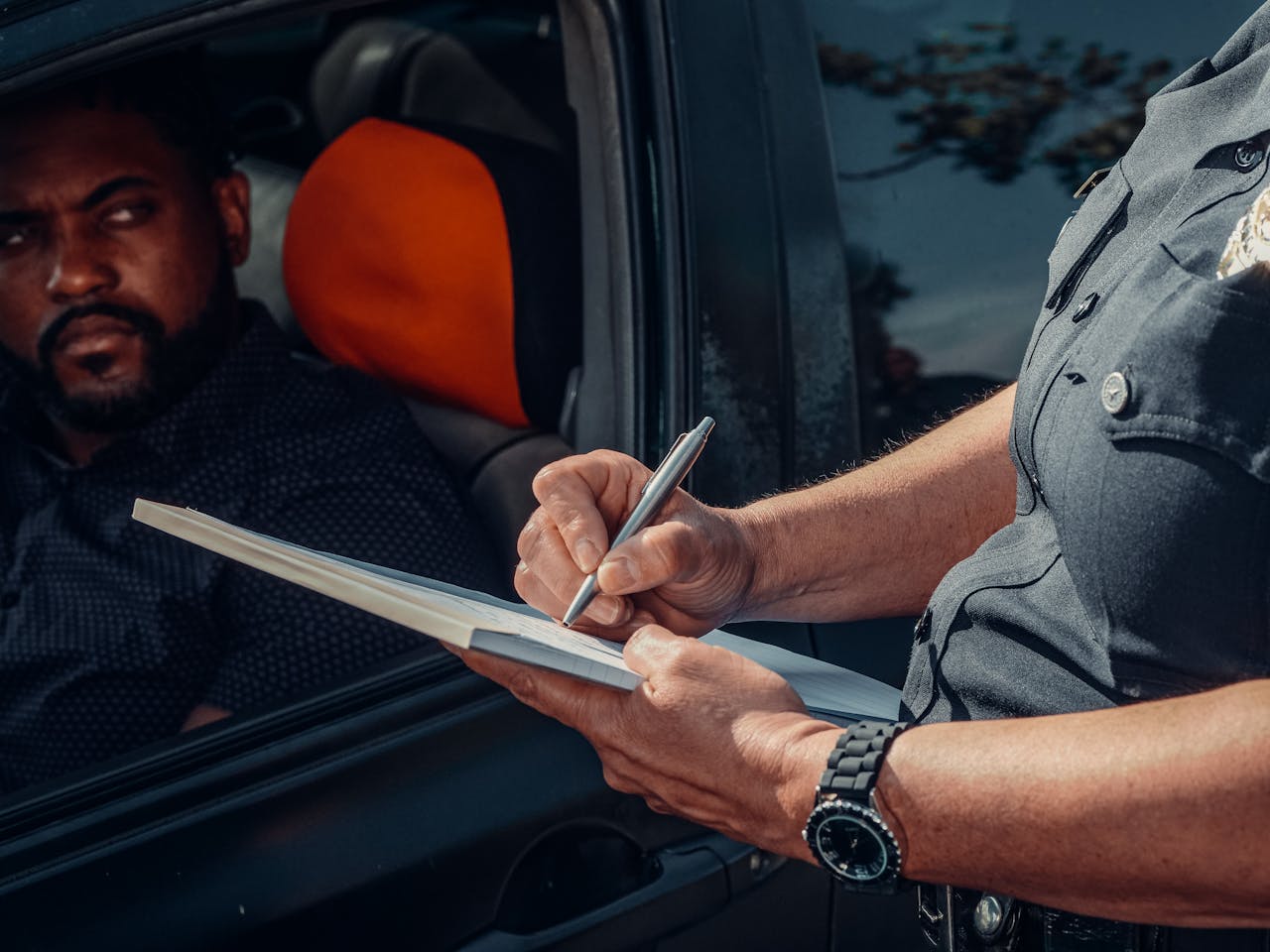
Homeowners’ associations enforce community standards through legally binding rules. Violations related to property appearance, noise, or usage may escalate quickly. Continued noncompliance can lead to fines, liens, or legal action. HOAs generally have broad authority, making disputes particularly challenging for homeowners.
Construction Without Permits

Unpermitted construction can affect neighboring properties through noise, debris, or structural risk. Municipal authorities may issue stop-work orders or fines. If damage occurs, legal disputes between neighbors may follow. Courts often rule against property owners who bypass permit requirements.
Shared Utility Disputes
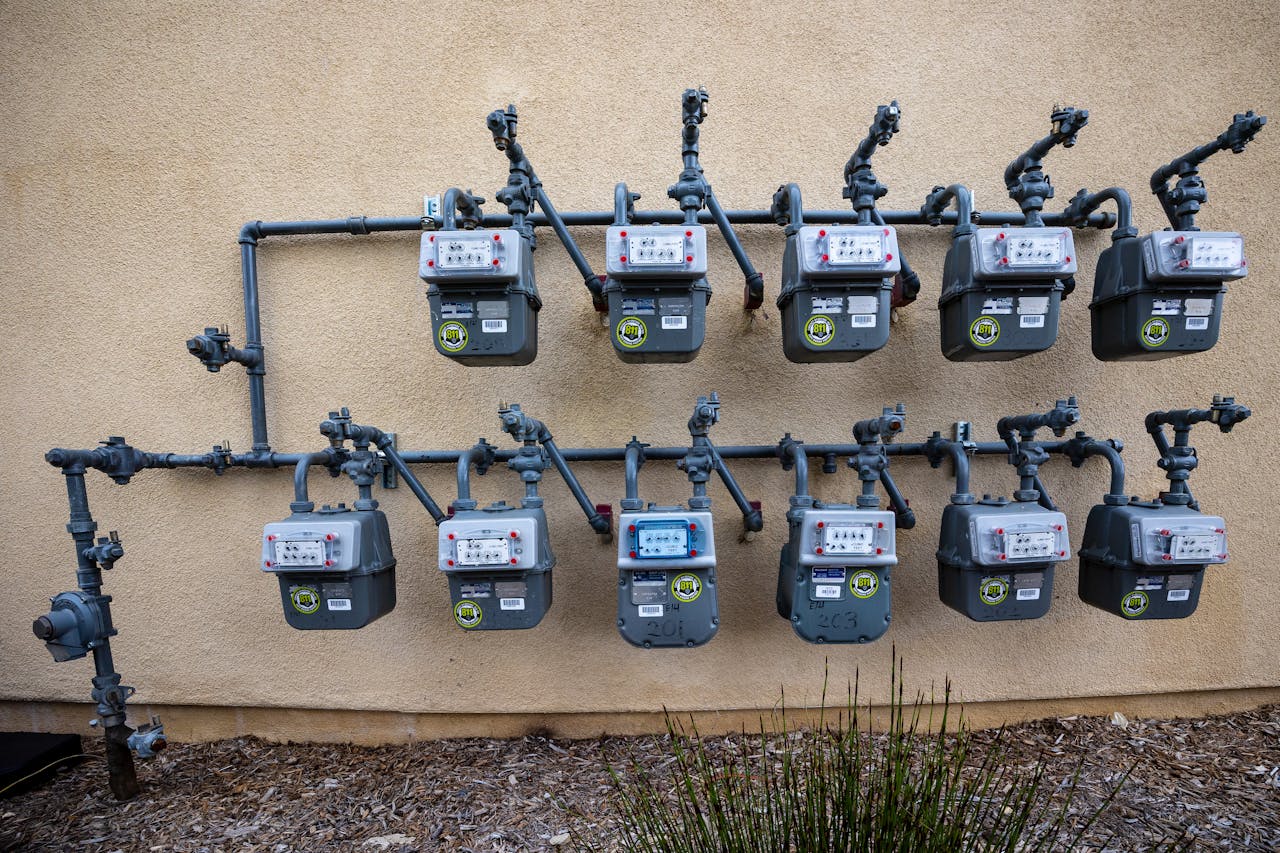
Shared utility lines or meters can create billing and access conflicts. Unauthorized modifications or usage may violate regulations. Utility companies often become involved to resolve responsibility issues. When disputes persist, legal intervention may be required to determine financial and maintenance obligations.
Privacy Invasions

Surveillance cameras, lighting, or window placement can raise privacy concerns. Laws vary by jurisdiction regarding reasonable expectations of privacy. Improper camera placement may violate civil or criminal statutes. Courts typically balance security needs against an individual’s right to privacy.
Property Maintenance Neglect
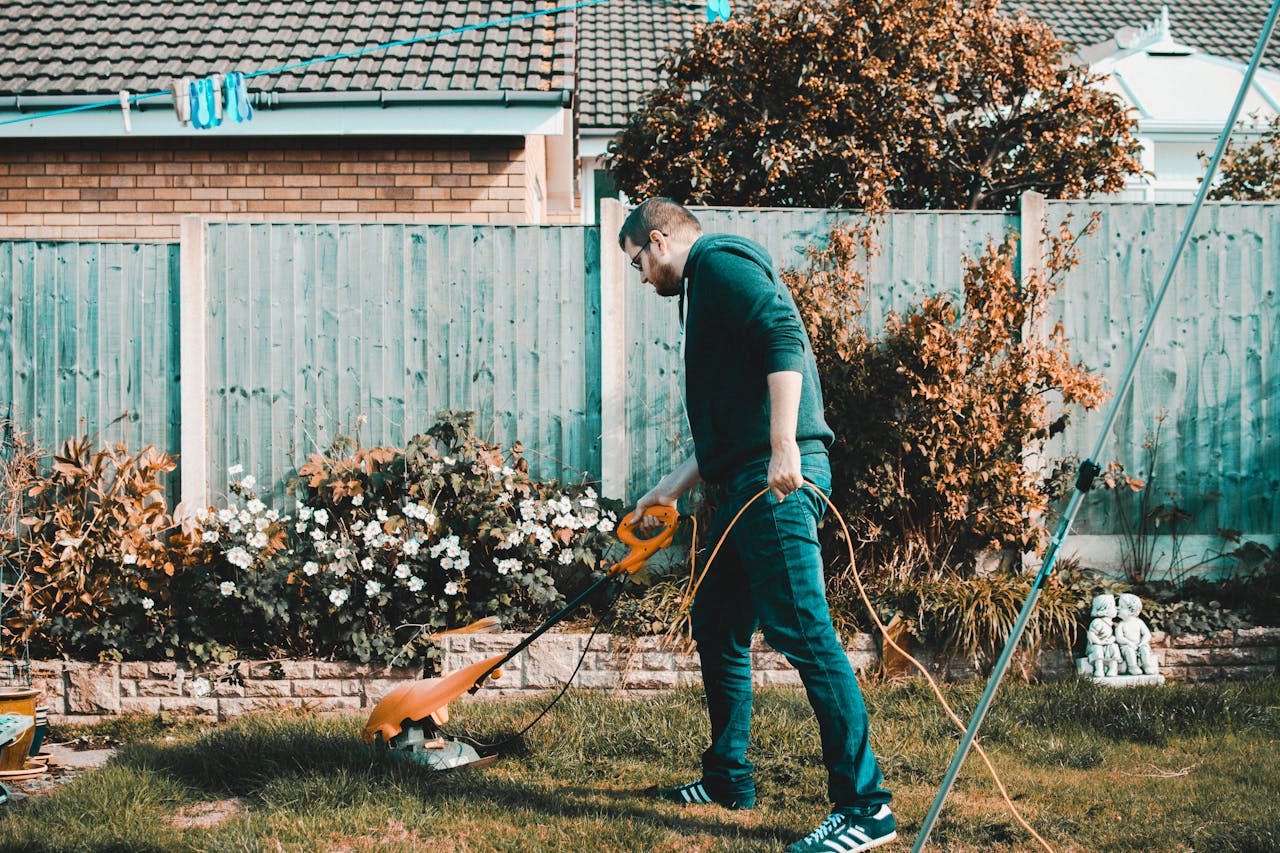
Neglected properties can negatively affect neighboring safety and property values. Overgrown yards, debris, or structural hazards often violate local codes. Authorities may issue notices or fines to compel compliance. Continued neglect can result in legal action or government intervention.