
Life as a mom is a constant balancing act, between kids, work, household tasks, and personal time. A few clever everyday strategies can transform a hectic day into something smoother and more manageable. We dug into research and real-mom advice to uncover fourteen solid life hacks that working moms (and stay-at-home moms) swear by. These aren’t just trends, they’re practical habits that make the day flow better.
Time-Block Your Mornings and Evenings

Many busy moms find that time-blocking specific parts of the day brings rhythm and calm. By assigning clear time slots for key routines, such as 15 minutes before school for check-in, or 45 minutes after dinner for family connection, mornings and evenings flow more smoothly. Experts suggest using timers to stay focused, like a 15-minute timer for laundry or 45 minutes of uninterrupted work. This method reduces the mental chaos of multitasking and creates intentional structure.
Use a Family Command Center Wall or Board
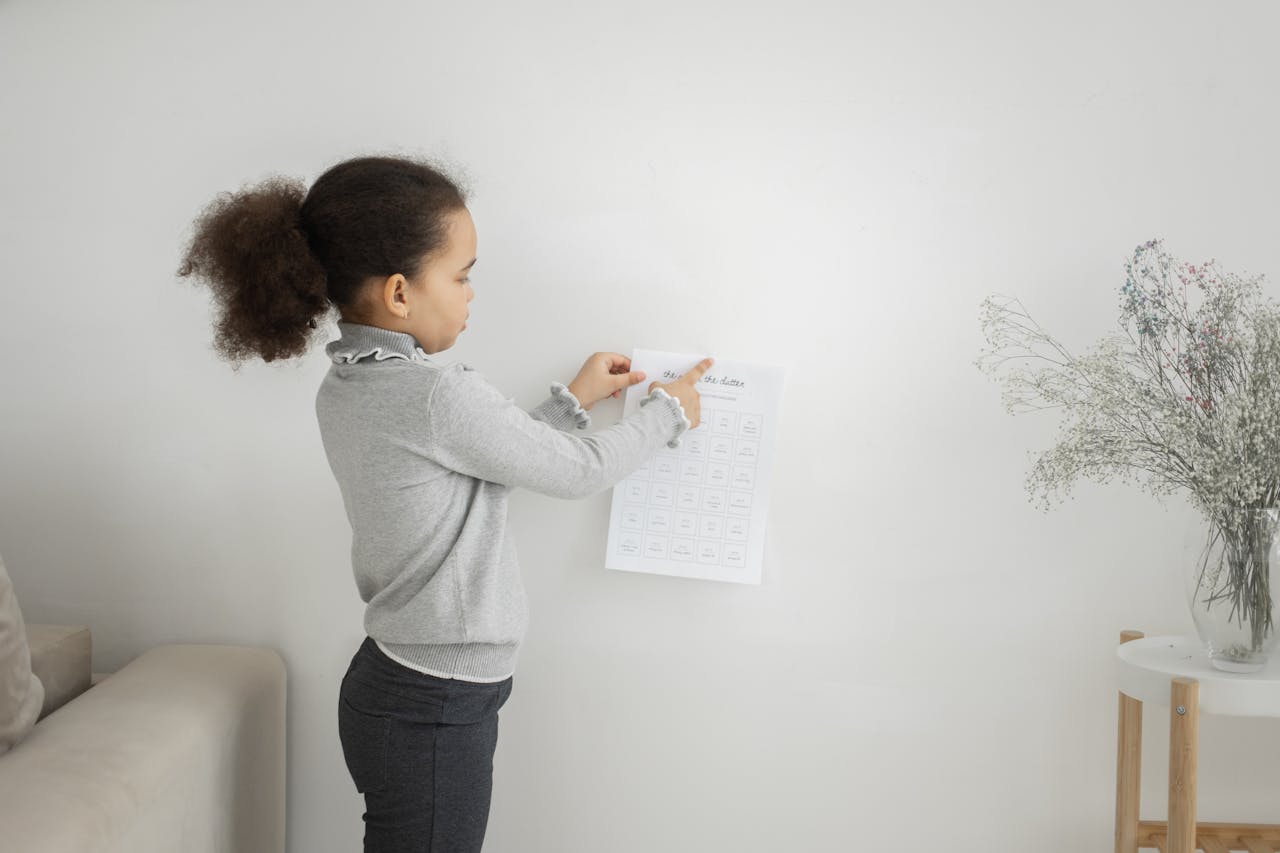
A family command center acts as the central hub for household organization. Featuring a wall calendar, hooks, and a bulletin board, it keeps everyone aware of schedules, meals, and activities. Parents find that when the family can see what’s coming, the mental load eases, and last-minute scrambles decline. This visual anchor transforms family logistics from chaos into coordination.
Pre-Pack Meals and Snacks Ahead of Time

Meal and snack preparation are major daily time sinks, but prepping ahead can change everything. Setting aside 30 minutes on Sunday to portion snacks or chop ingredients saves hours later in the week. Some moms pack extra snacks in lunches, repurposing leftovers for car rides or quick bites at home. Planning in advance removes mealtime stress and keeps kids fed without frantic last-minute effort.
Rotate Toys to Reduce Mess and Maintain Interest
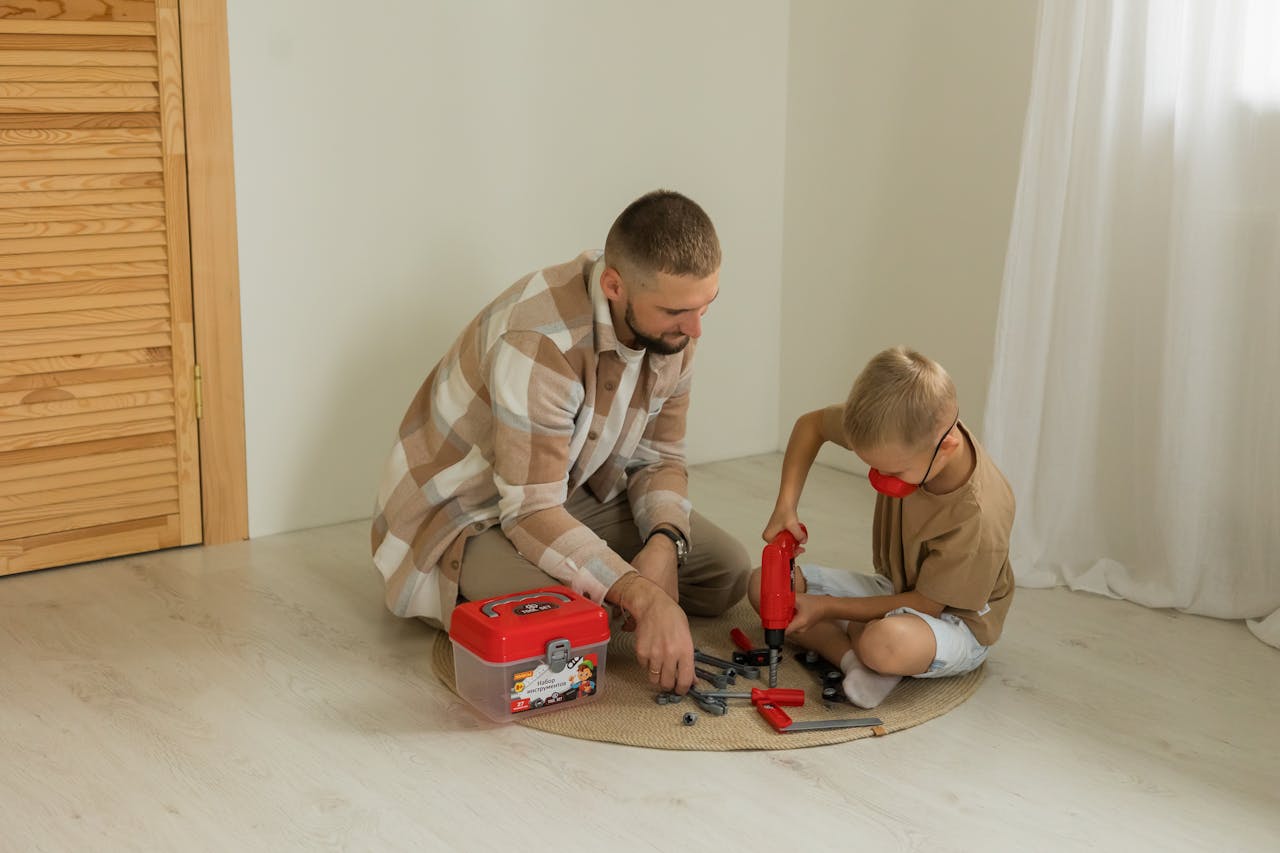
Rotating toys helps control clutter and keeps playtime exciting. By storing part of the toy collection and swapping sets every week or month, children stay engaged without feeling overwhelmed. This approach also simplifies cleaning and maintains a sense of novelty. Families with multiple children often rely on this method to maintain a tidy, functional play space.
Use Night-Before Prep for Smoother Mornings

Moms often say the calmest mornings start the night before. Prepping lunches, laying out clothes, and setting breakfast items ahead of time cuts down on morning chaos. Even 10–15 minutes of preparation at night can save double that time during the morning rush. This simple shift transforms mornings from stressful to steady.
Incorporate Family “Non-Negotiable” Time

Defining non-negotiable family time ensures that connection doesn’t get lost in the busyness of life. Whether it’s a nightly bedtime story, a weekend walk, or shared dinner, these consistent rituals ground the household. By making these activities untouchable on the schedule, families build resilience and balance. It’s a reminder that structure isn’t just about chores—it’s also about love.
Build Habit Chains Rather Than One-Off Tasks
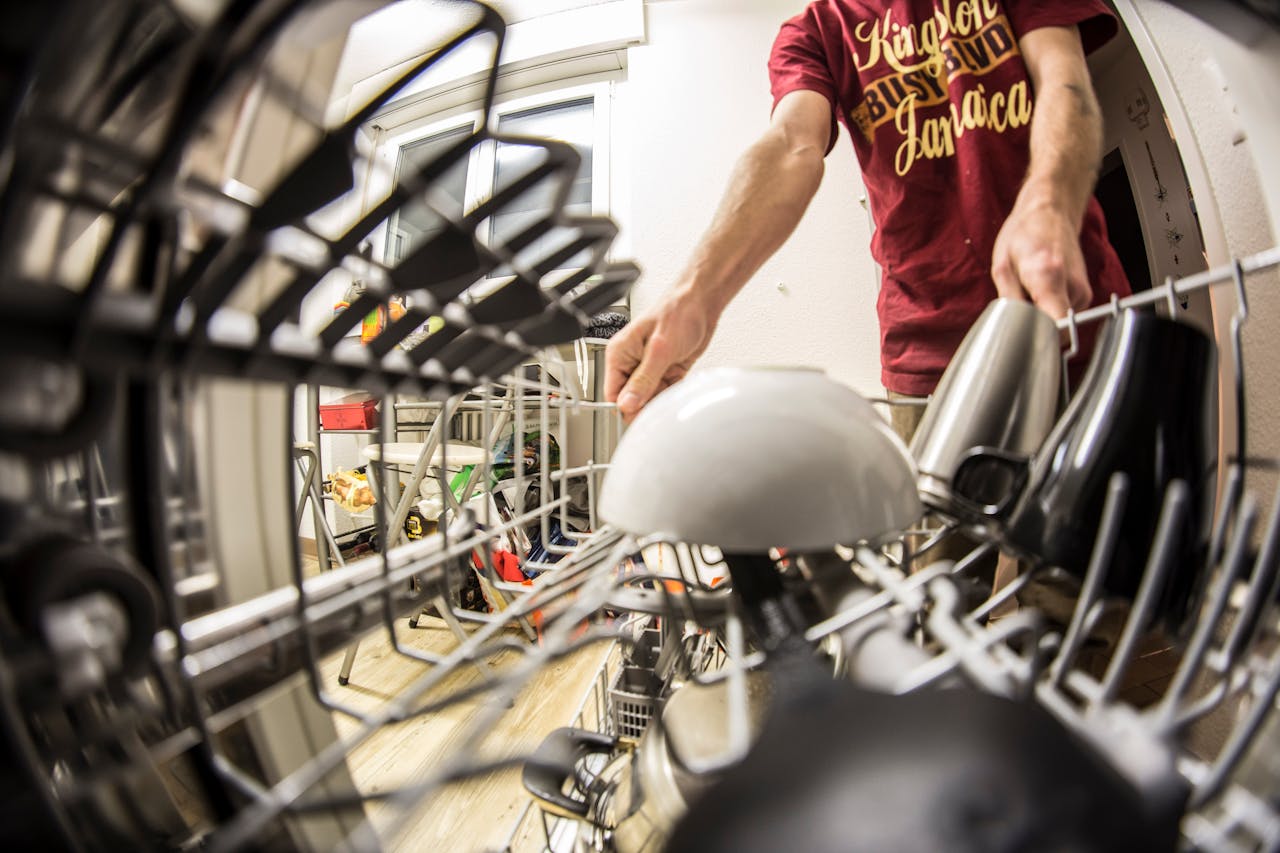
Instead of treating every task separately, link them into repeatable sequences. For instance, after breakfast everyone clears dishes and packs lunches; after dinner, the dishwasher is started and counters wiped. These habit chains create momentum and make routines nearly automatic. Over time, they minimize decision fatigue and keep the day flowing effortlessly.
Batch Tasks to Reduce Context Switching

Batching similar tasks—like errands, emails, or calls—reduces mental clutter and boosts productivity. Many moms report feeling calmer and more efficient when they complete similar activities in one session. It limits the constant switching that drains focus and energy. This technique is a cornerstone of productivity research and real-world parent organization.
Cut the “Perfect Home” Pressure and Embrace ‘Good Enough’

Letting go of perfection is a powerful time and stress saver. Many parents have learned that a lived-in home can still be a happy one. Embracing “good enough” frees mental energy for what truly matters, connection, not control. It’s a mindset shift that replaces guilt with gratitude.
Enlist the Family in Small Tasks and Chores

Sharing the household workload fosters teamwork and independence. Kids can handle small, age-appropriate chores such as setting the table, folding towels, or feeding pets. A simple chart or nightly cleanup routine helps everyone contribute. Moms benefit from less pressure, and kids learn responsibility through participation.
Use “Launch” Routines for Transitions

Transitions, like ending playtime or starting homework, can derail even the best day. A “launch” routine gives children a heads-up and structure to shift gears. Setting a five-minute timer, signaling cleanup, and moving together helps prevent meltdowns. Over time, these cues create predictable flow through the day.
Practice Micro Self-Care, Even in Five Minutes

Even short bursts of self-care can recharge a busy mom. Whether it’s five minutes of deep breathing, stretching, or reading, these moments act as mental resets. Regular small breaks reduce burnout and improve overall energy. Moms who consistently take brief pauses find themselves more patient and balanced.
Digitally Declutter and Automate

Modern parenting benefits from technology when used wisely. Automating grocery orders, setting recurring deliveries, or unsubscribing from unnecessary emails can save hours. Shared digital calendars keep families synced without extra effort. These systems declutter not only devices but also mental bandwidth.
Review and Reset on Sunday Nights

A weekly Sunday reset session helps families start strong. Taking 20–30 minutes to review the past week, adjust plans, and prepare for what’s ahead gives a sense of control. It’s a simple but powerful habit that shifts the household from reactive to proactive. This planning ritual anchors the week in calm, intentional structure.