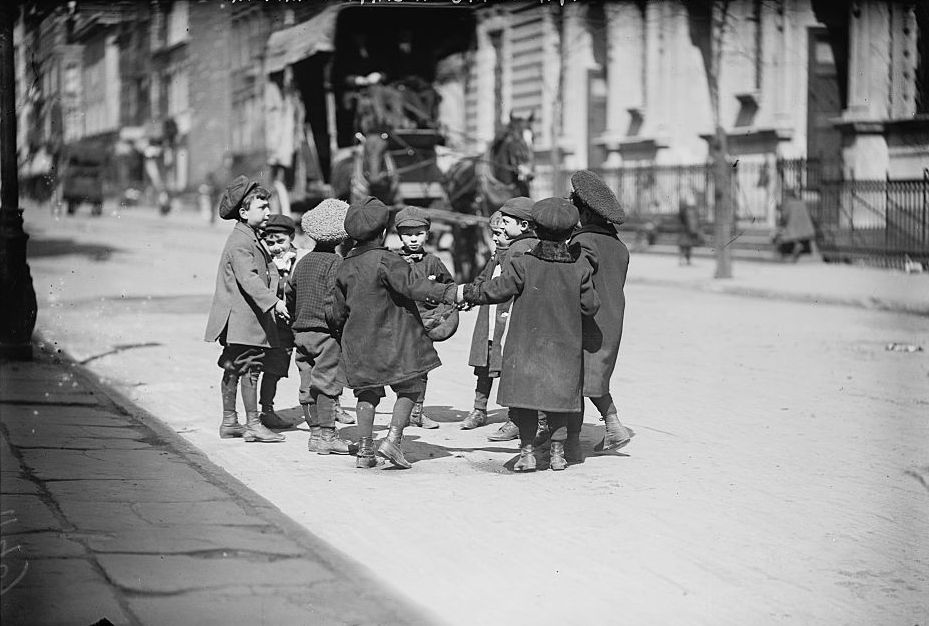
In the 1960s and 1970s, childhood was a far cry from the hyper-scheduled, safety-first world many families know today. Kids roamed freely, made their own rules, and learned by doing—often without adult supervision. While not all of it was safe by modern standards, this era fostered resilience and independence. These 14 everyday freedoms would likely surprise today’s parents.
Walking or Biking Miles Alone
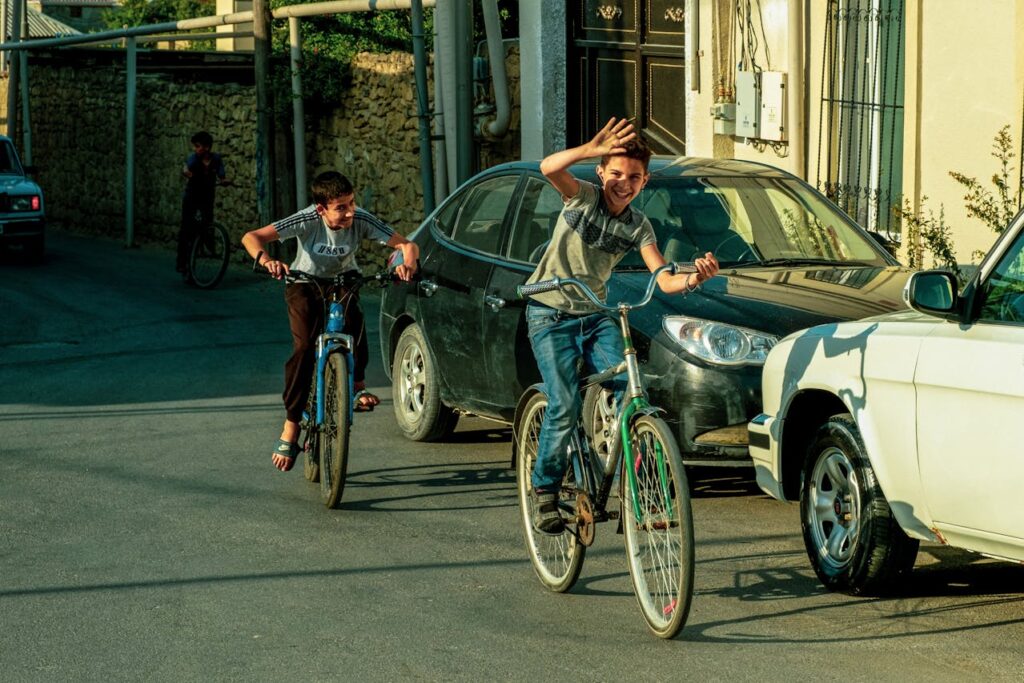
Many kids in the ’60s and ’70s walked or biked to school, the park, or a friend’s house without an adult. Helmets were rarely worn, and routes were memorized by trial and error. They were expected to find their way home by dinner. Today’s parents often prefer supervised drop-offs.
Drinking from Garden Hoses
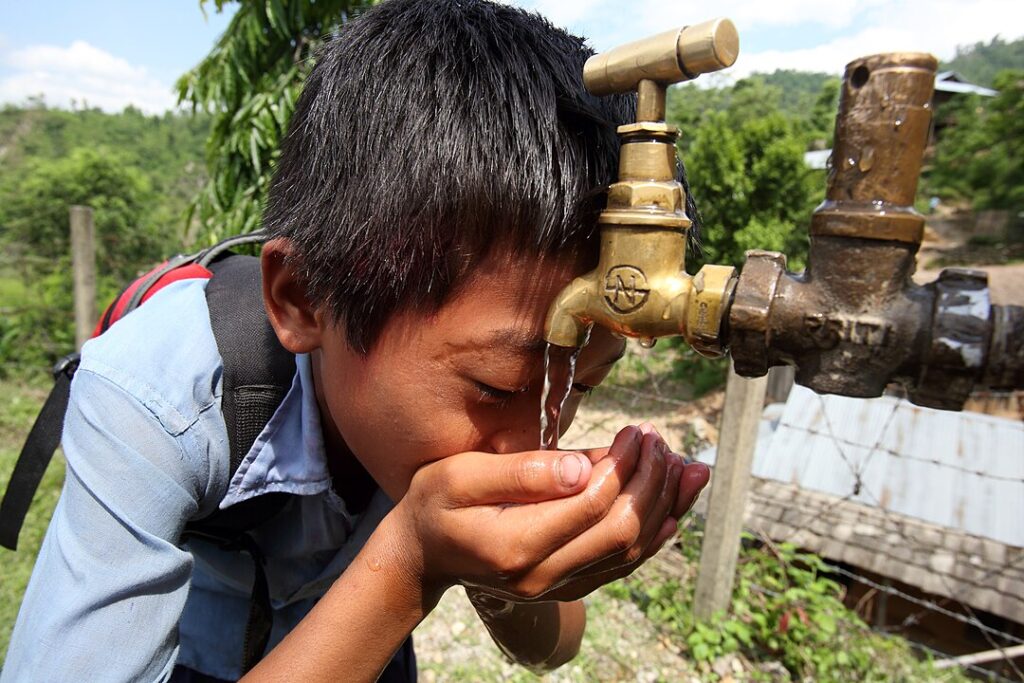
It was perfectly normal for kids to grab a quick drink from the nearest garden hose during playtime. No one worried about water quality or bacteria. It was just part of summer fun. Now, parents think twice before allowing unsanitized sources.
Riding in Cars Without Seatbelts
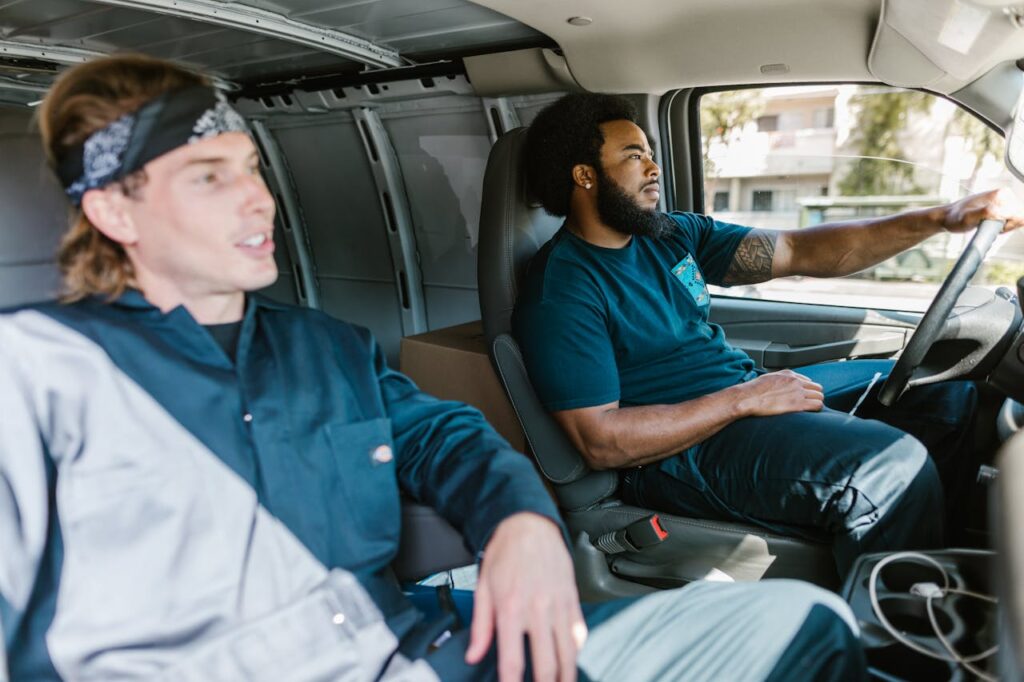
Seatbelt laws didn’t exist in most places, and few cars had rear restraints. Kids bounced around in the back seat or even sat in the front without booster seats. Road safety wasn’t top of mind like it is now. Today’s laws would make those rides unthinkable.
Playing Outside Until Dark
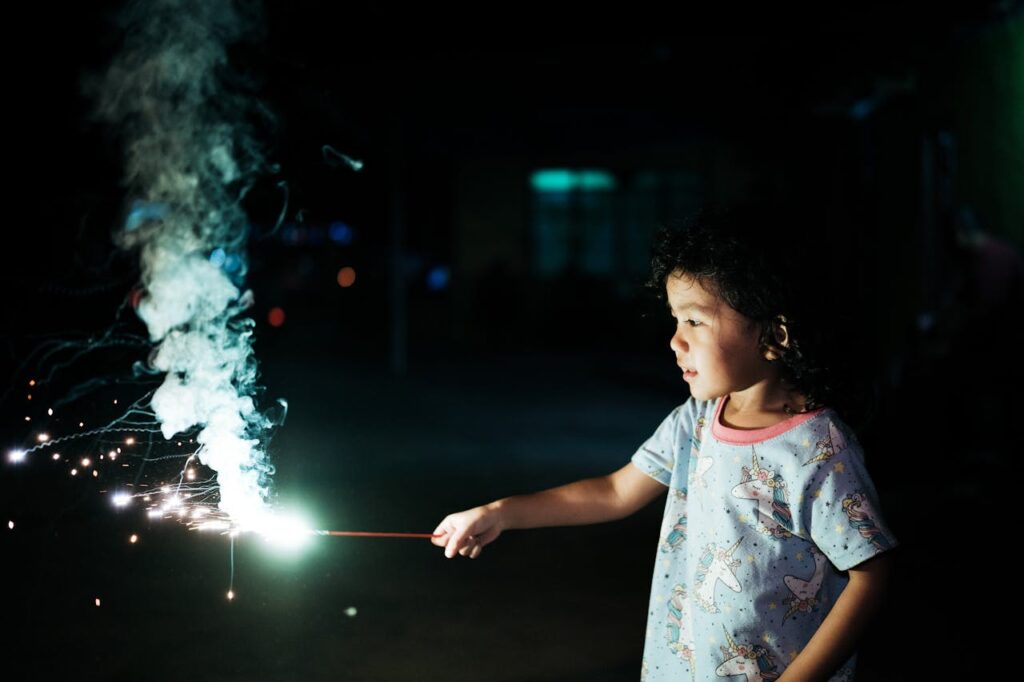
Children were often told to “go outside and don’t come back until the streetlights turn on.” Parents trusted neighbors to keep a collective eye on everyone. Kids learned to entertain themselves for hours. This level of freedom is rare today.
Climbing Tall Trees Without Supervision
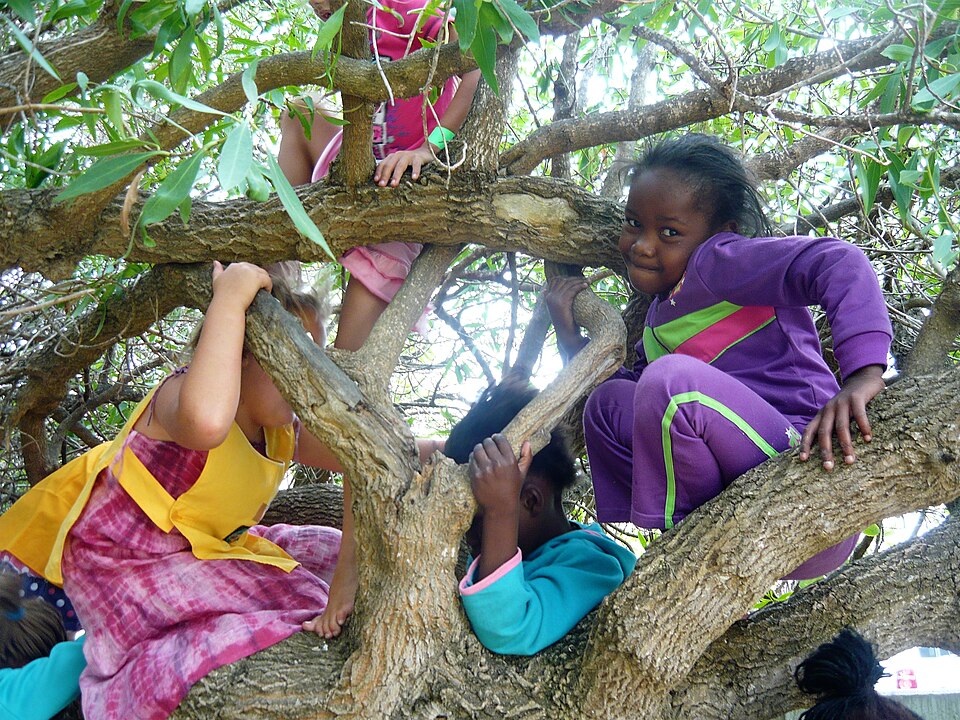
Tree climbing was a rite of passage, with no helmets, spotters, or climbing ropes in sight. Scraped knees and bruises were just part of the adventure. Falling was seen as a learning experience. Today, many would worry about liability.
Exploring Creeks, Forests, and Abandoned Lots
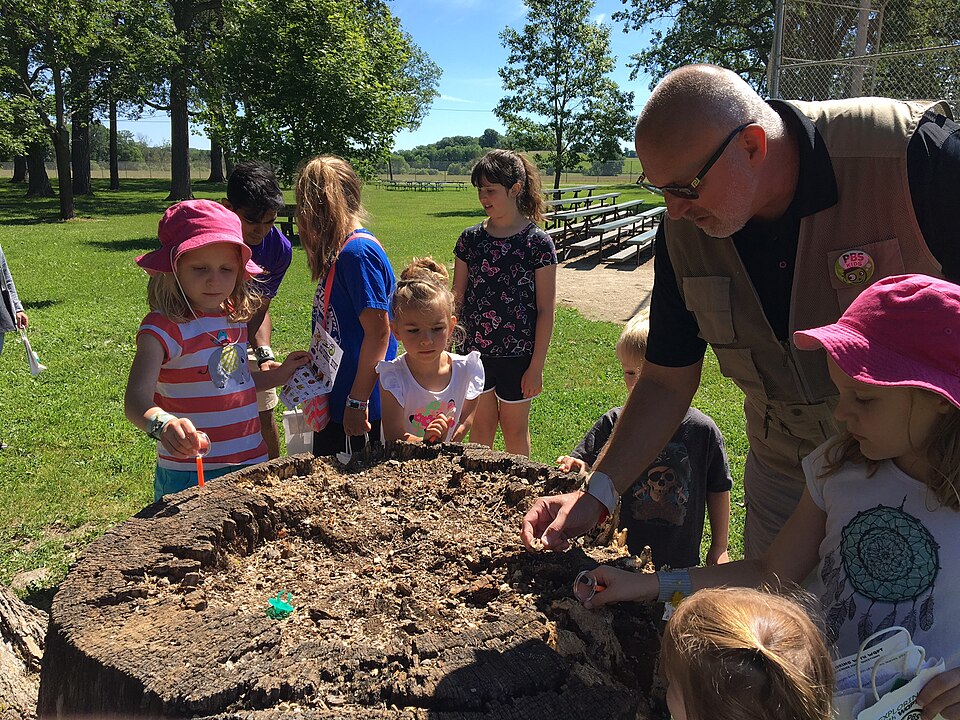
Back then, any stretch of wilderness—or even an empty lot—became a playground. Kids waded through streams, built forts, and imagined entire worlds with no adults present. It built creativity and problem-solving skills. Today, many parents might view it as dangerous or unsanitary.
Making and Playing With Homemade Toys

Children crafted slingshots, go-karts, and even makeshift fireworks out of household items. There were few safety warnings or parental controls. Kids learned by experimenting. Modern parents tend to supervise or avoid such risky creativity.
Babysitting at a Young Age
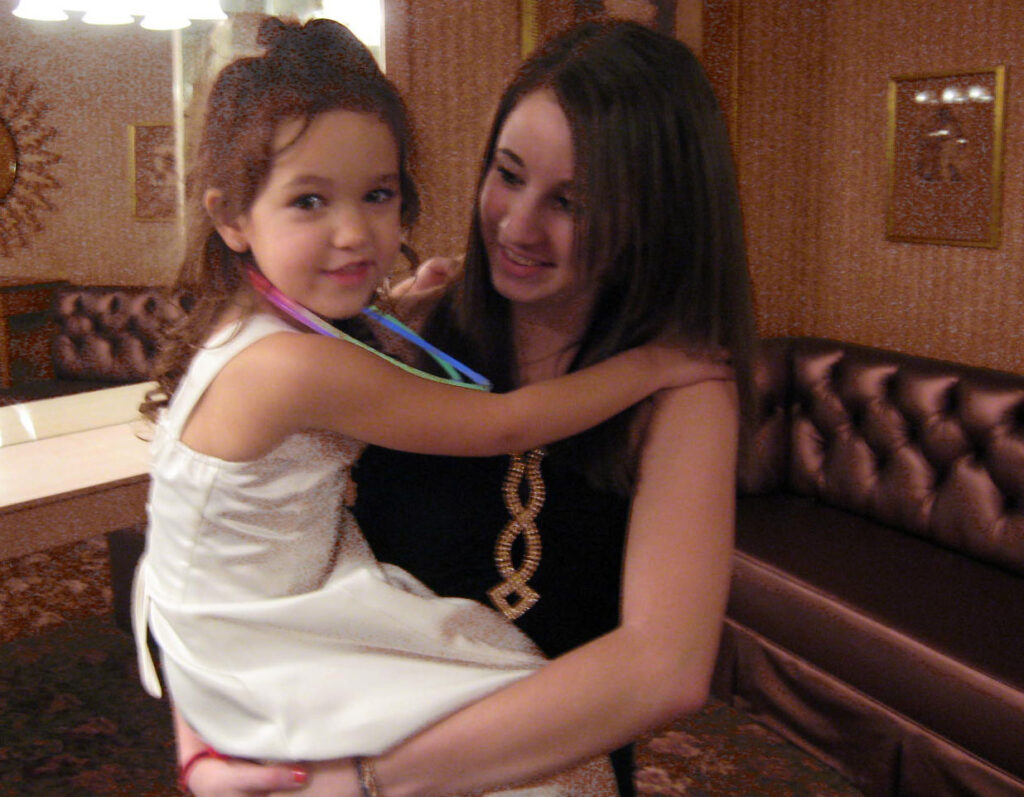
Teens—and sometimes even preteens—regularly babysat for neighbors and siblings. It was considered part of growing up and earning responsibility. Today, many parents hesitate to leave young teens alone, let alone in charge. Trust came earlier in past generations.
Riding in the Back of Pickup Trucks
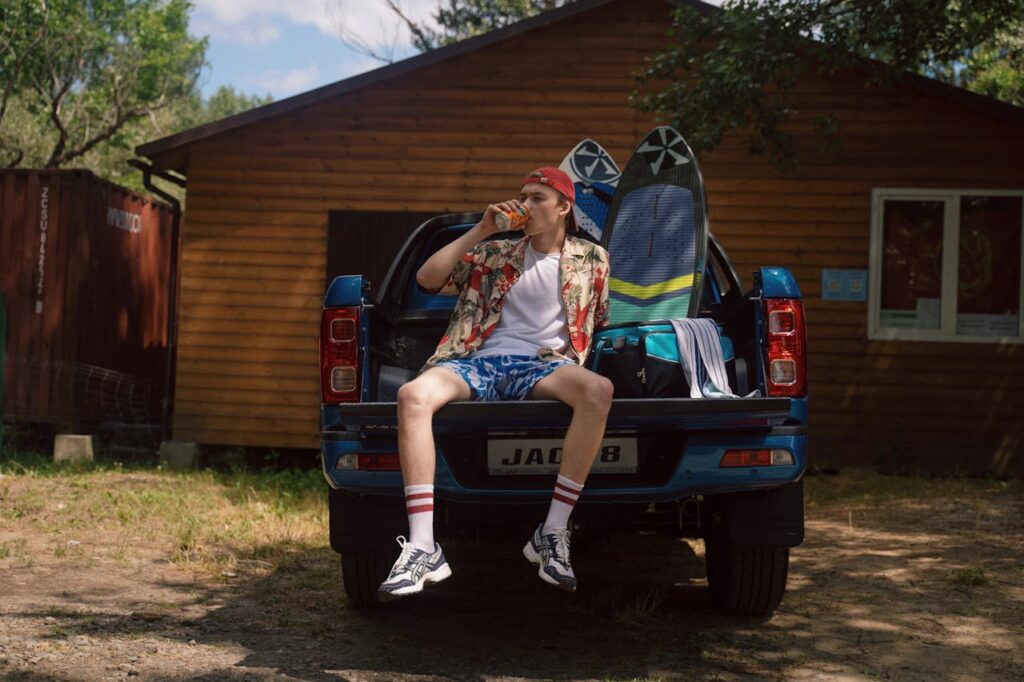
For country kids especially, riding in the bed of a pickup was a treat. They felt the wind in their faces and waved to other drivers. It was carefree, if not exactly safe. Laws now prohibit this in most places for good reason.
Going to the Store Alone

Whether it was to grab milk, candy, or a loaf of bread, kids were trusted with errands. They handled cash, made decisions, and interacted with strangers. It built confidence and life skills early on. Many parents today wouldn’t allow such freedom before high school.
Using Fireworks or Firecrackers

Even small children were handed sparklers and firecrackers during holidays. Safety instructions were minimal, and injuries were surprisingly common. It was all part of the thrill. Today’s parents often prefer supervised, community-run displays.
Making Phone Calls on Rotary Phones

Using a home phone meant learning how to dial, ask for someone politely, and leave messages. Kids practiced social skills and independence through these simple tasks. Now, communication is mostly through screens or monitored apps. The art of the phone call has faded.
Being Left Home Alone

Many latchkey kids came home to an empty house after school and managed just fine. They knew how to use the microwave, entertain themselves, and stay out of trouble. This taught self-reliance early. These days, leaving kids home alone is more regulated and stigmatized.
Riding Bikes Without Helmets
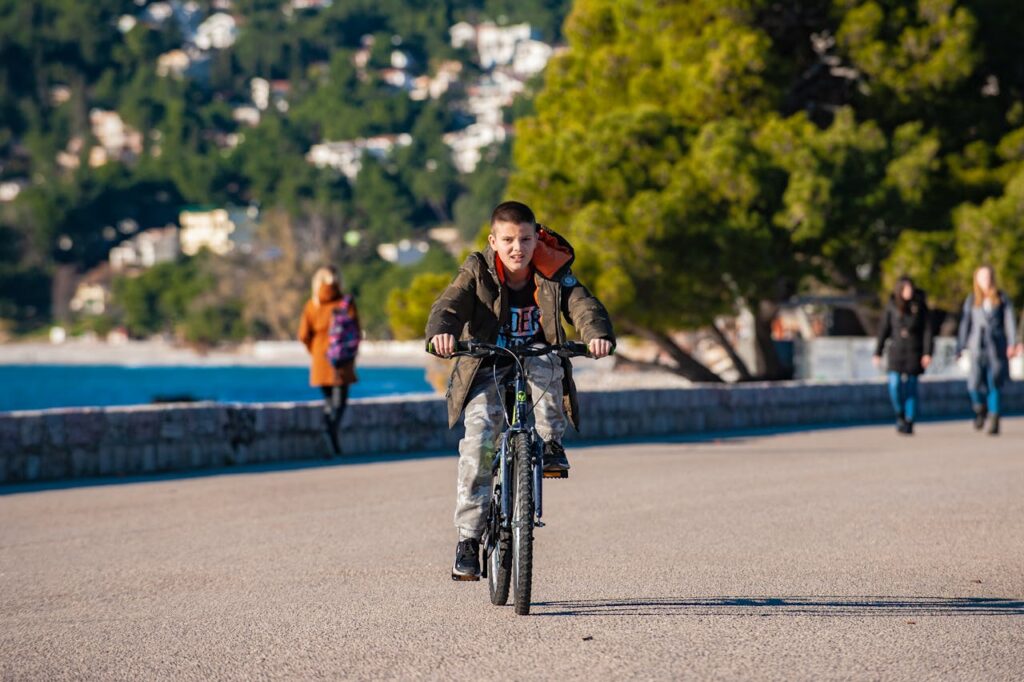
Biking was a main form of transportation and entertainment, but helmets weren’t common until the 1990s. Most kids learned balance and caution through trial and error. Head injuries were more frequent, but risk was part of the culture. Helmet laws have changed that outlook.