
As we age, the little irritations of life seem to multiply. What once was barely noticeable now feels exhausting or frustrating. Our tolerance decreases, our patience thins, and even minor inconveniences can feel like major obstacles. From technology glitches to physical discomfort, the ordinary challenges of daily life take on new weight with age. Here are 14 everyday annoyances that tend to feel worse as we get older and why they hit differently than they used to.
1. Slow or Unresponsive Technology

When computers freeze, apps crash, or smartphones lag, it can trigger intense frustration. While younger people might shrug it off or restart devices quickly, older adults often feel stressed by the time wasted or the added complexity. Technology evolves rapidly, and keeping up with updates, new interfaces, and constantly changing software can feel overwhelming. Tasks that once seemed simple now require extra patience and focus, making minor glitches in devices feel disproportionately irritating and exhausting.
2. Traffic Jams and Long Commutes

Traffic has always been annoying, but as we get older, long commutes and standstill traffic can feel unbearable. Physical discomfort, aches from sitting, and the mental drain of navigating congestion make it worse. Younger adults may tolerate delays with music or social media, but older adults often notice the lost time and stress on their body. Daily traffic becomes less of a minor nuisance and more of a significant source of fatigue, making what used to be routine feel like a real test of patience.
3. Loud or Sudden Noises

Sudden alarms, construction sounds, or loud neighbors can feel far more intrusive as we age. Sensory sensitivity can increase, making previously ignorable noises feel jarring and stressful. This heightened awareness can impact mood and concentration, turning small disturbances into bigger sources of annoyance. What once might have been background noise now demands attention, interrupts relaxation, or disrupts sleep. Older adults often find themselves seeking quiet spaces more frequently to counteract the constant bombardment of sound.
4. Misplacing Everyday Items

Losing your keys, wallet, or glasses is frustrating at any age, but it becomes more aggravating as we get older. Memory lapses feel like a personal failing, and retracing steps can become physically tiring. Frequent misplacements disrupt routines and create small yet repeated stress. Over time, these minor losses add up, making daily life feel more chaotic than it once did. For many, the simple act of keeping track of possessions becomes an ongoing challenge, making organization feel increasingly critical.
5. Slow Service or Waiting in Lines
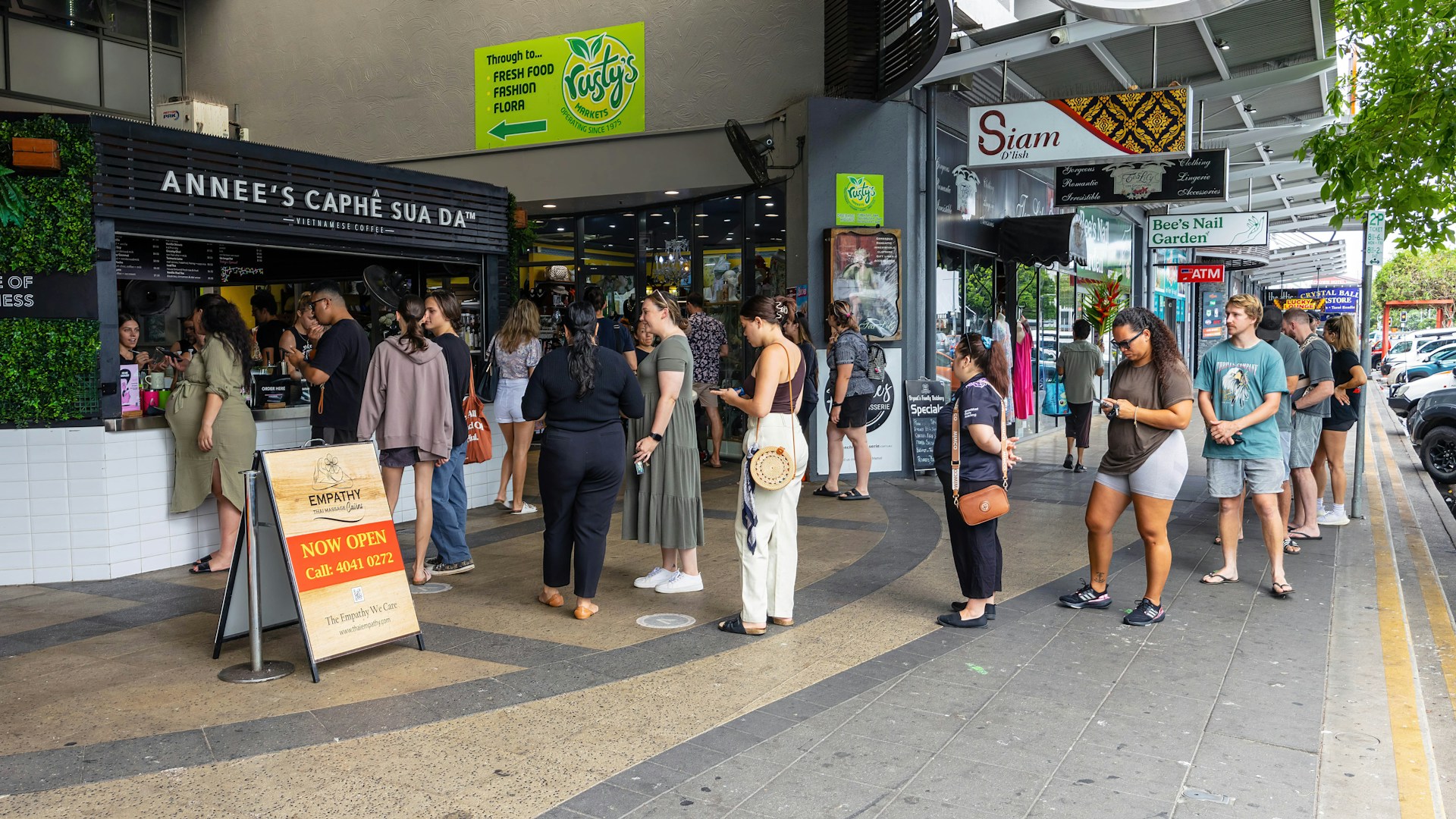
Waiting in long lines or receiving slow service at stores, banks, or restaurants can feel much worse with age. Younger adults may tolerate delays casually, but older adults often experience discomfort, fatigue, or impatience. Time feels more precious as responsibilities mount, and standing for extended periods can be physically taxing. Even brief waits that were once tolerable can now seem interminable. Everyday errands can become sources of irritation, especially when efficiency feels out of reach or respect is not shown.
6. Miscommunication or Being Misunderstood

Older adults often feel more frustrated when people fail to listen or misunderstand them. Whether on the phone, in emails, or face-to-face, miscommunication can create tension and stress. Younger individuals may brush it off, but with experience comes the expectation that interactions should be clear and respectful. When repeated explanations are needed or instructions are ignored, the annoyance feels magnified. This can affect relationships, work, and social interactions, making seemingly small communication issues feel far larger than they used to.
7. Household Chores That Take Longer

Tasks like cleaning, laundry, and home maintenance can feel disproportionately tiring with age. Physical exertion, stiffness, or slower reflexes make chores more labor-intensive. What once was completed quickly may now require planning, breaks, or assistance. The accumulation of small tasks can create a sense of ongoing burden. Even simple activities, like changing a lightbulb or moving furniture, can provoke irritation. The effort required for ordinary chores turns minor responsibilities into sources of frustration and stress.
8. Poor Customer Service or Rude People

Encounters with unhelpful or rude individuals are irritating at any age, but as we grow older, patience often runs thinner. Younger adults may shrug off a brusque comment, while older adults are more likely to be affected emotionally. Repeated experiences with poor service or discourteous behavior can feel disrespectful and exhausting. These interactions disrupt daily life and can linger mentally longer than before. Social expectations change over time, making kindness and courtesy feel more essential and rudeness more jarring.
9. Noisy or Crowded Public Spaces

Restaurants, shopping centers, and public transport can feel overwhelming with age. The combination of noise, crowds, and sensory overload is harder to tolerate. Younger adults often thrive in busy environments, but older adults may feel stressed, fatigued, or anxious. Navigating crowded spaces takes more effort and patience, turning routine errands into draining experiences. Over time, these common public annoyances become sources of frustration that were once barely noticeable, making quiet and calm increasingly appealing.
10. Slow or Unreliable Internet
A lagging connection or dropped video call can feel unbearable when we get older. Technology is increasingly central to work, communication, and entertainment. Delays disrupt meetings, frustration builds quickly, and repeated interruptions can make tasks seem impossible. Younger users may tolerate glitches or quickly troubleshoot, but older adults often find slow connections taxing both mentally and emotionally. Every pause or buffering icon highlights the difference between expectations and reality, turning a minor inconvenience into a major annoyance.
11. Physical Discomforts That Accumulate

Minor aches and stiffness are part of daily life as we age. Sitting too long, standing for brief periods, or sleeping poorly can amplify the impact of small irritations. Tasks that were once effortless now involve careful movements or adjustments. Ordinary discomforts, like tight shoes, cold floors, or heavy doors, can feel intolerable. This ongoing physical awareness magnifies other annoyances, making previously trivial experiences feel significantly worse than when we were younger.
12. Spam, Telemarketing, and Unwanted Messages

Unsolicited calls, emails, or texts have always been annoying, but they become more aggravating with age. Older adults are often more protective of their time and privacy, making repeated interruptions more stressful. Navigating filters, blocking numbers, or ignoring persistent outreach can become a mental chore. What once was merely an irritation now triggers frustration and anxiety. Constant interruptions disrupt focus and leisure, reminding us how digital intrusions can increasingly dominate daily life as we grow older.
13. Complicated Instructions or Manuals

Whether it is assembling furniture, setting up electronics, or understanding medical instructions, complex directions can feel overwhelming. With age, patience for deciphering small print, confusing diagrams, or ambiguous steps decreases. Tasks that require mental effort for understanding and following instructions become tedious. Mistakes can be costly, leading to frustration that lingers longer than it once did. Simple tasks can suddenly require planning and focus, making everyday instructions a repeated source of irritation.
14. Forgetting or Losing Track of Time

Losing track of appointments, deadlines, or schedules is irritating at any age, but it feels more consequential as we get older. Responsibilities accumulate, and forgetting can have real-life repercussions. This common annoyance creates stress, anxiety, and a sense of disorganization. While younger adults may brush it off or double-book with minimal consequence, older adults often feel the burden of time slipping away. Everyday routines can feel disrupted by these minor lapses, magnifying the sense that small mistakes carry greater weight.
As we age, life’s small irritations often feel larger and more exhausting. From technology glitches to traffic jams, each annoyance tests patience and energy in ways they never did before. Recognizing that these feelings are normal can help us approach daily life with humor, perspective, and a little extra patience. Understanding why these frustrations feel worse allows us to adapt, plan, and perhaps even find small ways to ease the impact, making the daily grind a little more manageable as we grow older.