Across the United States, a growing number of ordinary habits once taken for granted are slowly shifting into the category of luxury. As economic conditions, lifestyle changes, and cultural pressures evolve, many simple routines that defined American life in previous decades are no longer universally accessible. What once felt like small comforts, owning a home, relaxing weekends, or even buying fresh groceries, now require more time, money, or stability than many families can consistently manage. This shift reflects broader social trends that highlight how cherished elements of daily living have transformed into privileges for fewer households.
Uninterrupted Weekends Free from Work

The ability to enjoy a full weekend without job-related tasks is becoming rare for many Americans. With constant connectivity and expanding remote expectations, work emails and responsibilities often spill into Saturday and Sunday. This erosion of boundary time makes true rest feel like a luxury reserved for those with stable careers or supportive work cultures. Families who do achieve work-free weekends often protect them fiercely because they’ve become essential for mental well-being. As schedules intensify, uninterrupted weekends increasingly symbolize balance and economic security.
Grocery Shopping Without Budget Stress

A routine grocery trip, once a simple errand, has become a careful exercise in budgeting for many families. Rising food prices mean people must compare brands, seek discounts, and plan strategically rather than shop freely. Access to fresh produce and specialty items is now associated with disposable income rather than everyday convenience. Many Americans find they must prioritize essentials, making formerly normal items feel extravagant. Grocery shopping without anxiety is becoming a subtle mark of financial stability.
Taking a Long, Scenic Drive

Casual drives used to be a cherished American pastime, offering relaxation, exploration, and family bonding. Today, high fuel costs and maintenance expenses make spontaneous road trips less accessible. What was once a carefree habit is becoming something families plan carefully due to rising transportation costs. Scenic drives still hold emotional value, but they now feel more like a treat than a routine pleasure. This shift highlights how simple pleasures increasingly depend on financial flexibility.
Visiting a Doctor Without Delay

Timely medical appointments, once considered a basic necessity, now require navigating limited availability, high costs, and long wait times. Many Americans postpone care due to insurance barriers or expensive out-of-pocket fees. Access to preventative health services has become uneven across communities, turning routine checkups into privileges. Families with reliable insurance and flexible schedules find it easier to maintain regular care. This divide underscores growing disparities in healthcare accessibility.
Enjoying a Sit-Down Family Dinner
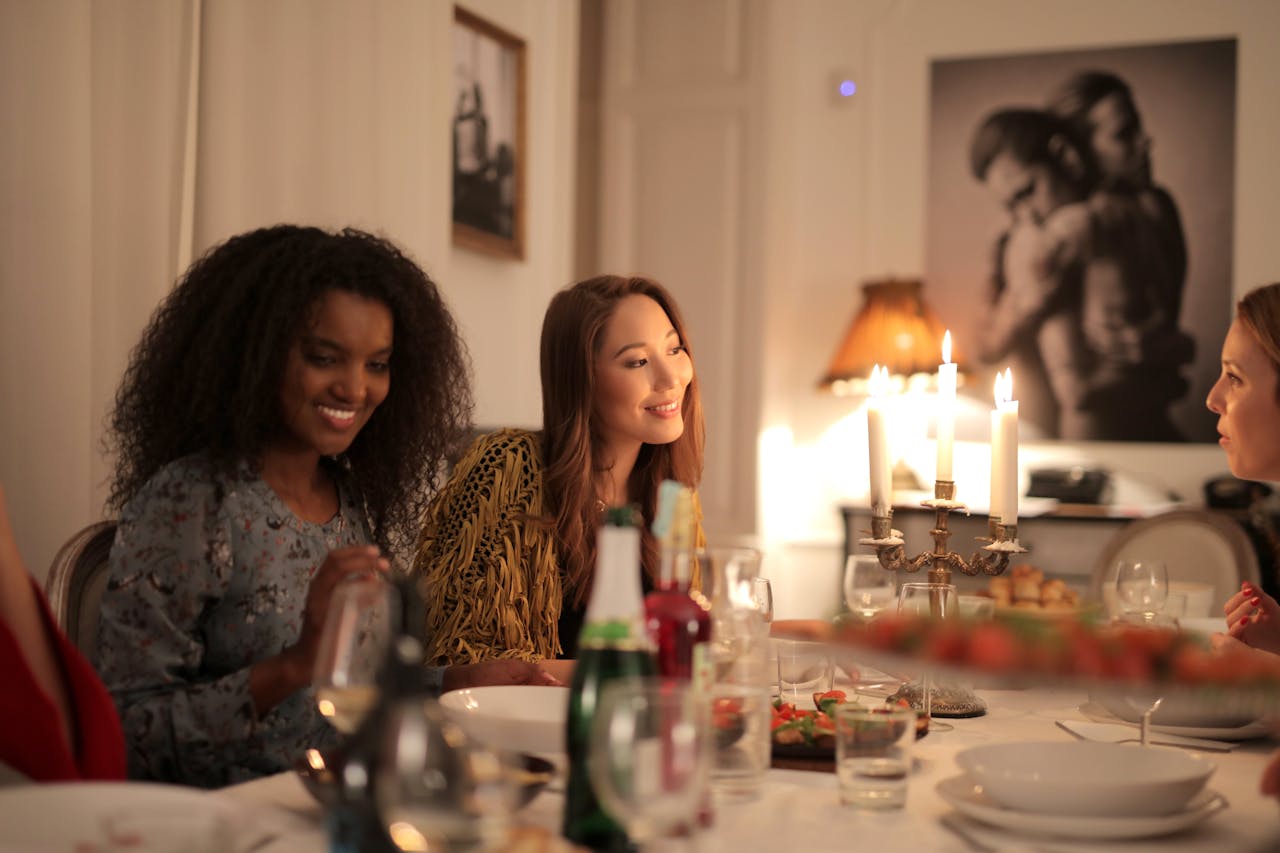
Family dinners, once a daily ritual in many American homes, have become harder to maintain. Irregular work hours, long commutes, and extracurricular activities often push meals into rushed or separate schedules. As a result, the traditional shared meal now feels special rather than standard. Families who consistently manage sit-down dinners often credit intentional planning or reduced work pressure. The nostalgic idea of a nightly shared dinner reflects the changing pace of modern life.
Having a Quiet, Peaceful Home Environment

A peaceful home setting is becoming harder to maintain as neighborhoods change, households grow, and remote work increases. Many families now share limited space with multiple occupants juggling work, school, and personal needs simultaneously. Noise, interruptions, and cramped environments are common challenges that make quiet time a luxury. Those with larger homes or designated work areas often experience far lower stress levels. The simple experience of calm at home has become an undervalued privilege.
Access to Clean Outdoor Recreation

Outdoor recreation, parks, trails, and green spaces, has become highly uneven across the country. Many urban neighborhoods lack safe, well-maintained public areas for walking, cycling, or relaxing. Communities with abundant green spaces tend to reflect higher property values and stronger local investment. As a result, a refreshing walk in a clean, scenic environment is no longer universal. This makes nature access feel like a luxury that depends heavily on geography and income.
Owning a Home with a Backyard
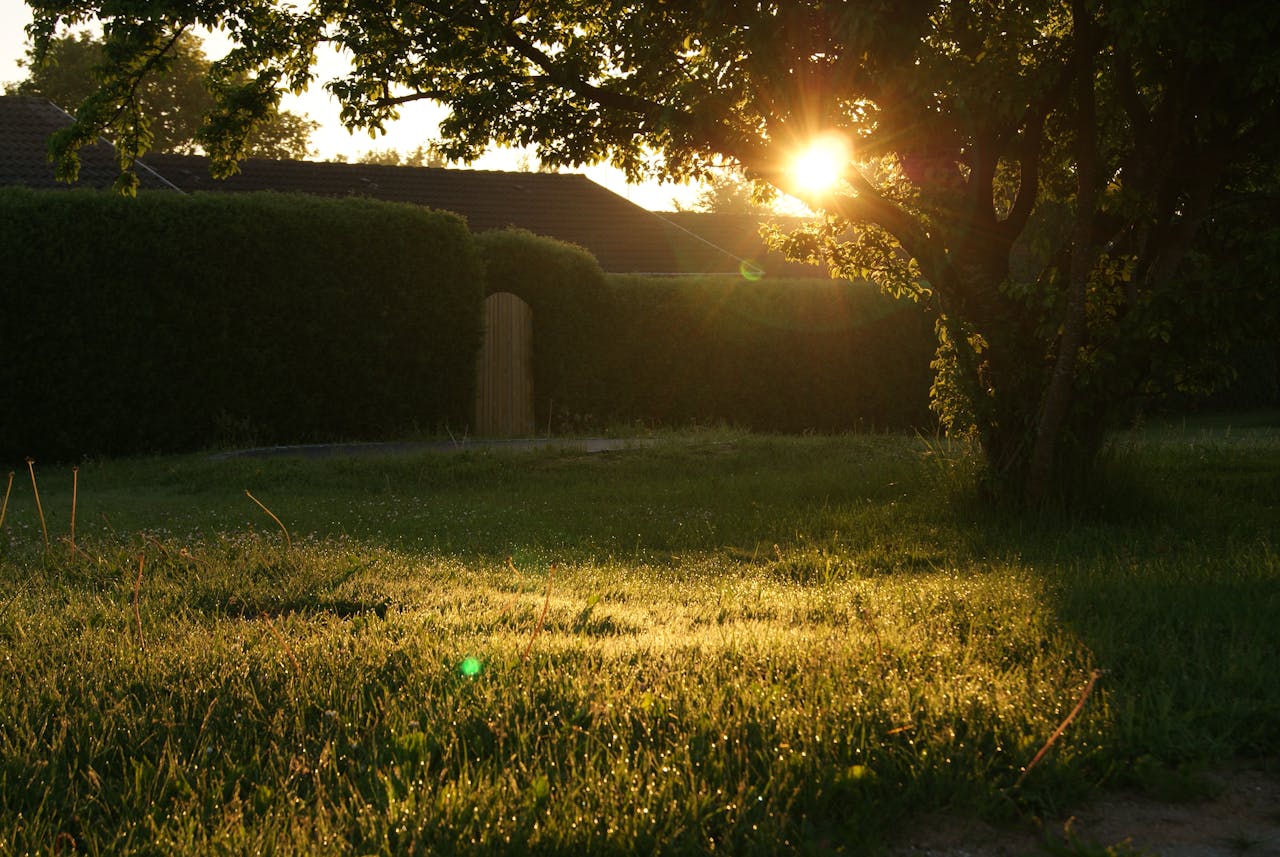
Homeownership was once a defining element of the American Dream, yet it has become increasingly out of reach for many families. Rising real estate prices and limited inventory have made backyards a rare commodity, especially in urban regions. Families with private outdoor space enjoy advantages in relaxation, gardening, and outdoor play that others cannot easily replicate. This shift marks a significant cultural change from past generations. A backyard has become a symbol of comfort, stability, and financial privilege.
Taking Time for a Hobby

Hobbies require time, mental energy, and often some financial investment, resources many Americans struggle to spare. As living costs rise and work demands intensify, leisure activities are frequently sidelined. Those who regularly engage in hobbies often benefit from flexible schedules or financial cushioning. Creative pursuits like painting, woodworking, or gardening now feel like cherished escapes rather than everyday routines. This change reflects broader pressures affecting mental health and quality of life.
Buying New Clothing Without Waiting for Sales

Purchasing new clothing spontaneously was once a normal errand for many households. Today, inflation and rising living expenses push buyers to wait for discounts, coupons, or seasonal sales. This shift has made effortless clothing purchases feel like a financial luxury. Individuals who can buy items at full price often enjoy more financial comfort and time efficiency. The once-simple act of replacing a wardrobe has become a calculated decision.
Keeping a One-Job Household

A single-income household was once typical, but rising costs of living now require multiple streams of income for many families. The ability to rely on one salary often indicates higher earnings, stable employment, or a lower cost of living. Households with this structure typically have more time for childcare, home management, and personal well-being. The one-job lifestyle, once ordinary, has transformed into a symbol of economic advantage. This shift highlights changing expectations around financial survival.
Reading for Pleasure Regularly

Reading as a leisurely habit requires both time and mental bandwidth, two resources in short supply for many Americans. Long workdays and digital distractions often push books aside. People who read regularly often do so because they have quieter environments, flexible schedules, or strong personal discipline. What used to be a daily ritual for many households now feels like a small luxury. This shift underscores how modern life reshapes even simple intellectual pleasures.
Keeping a Well-Stocked Pantry
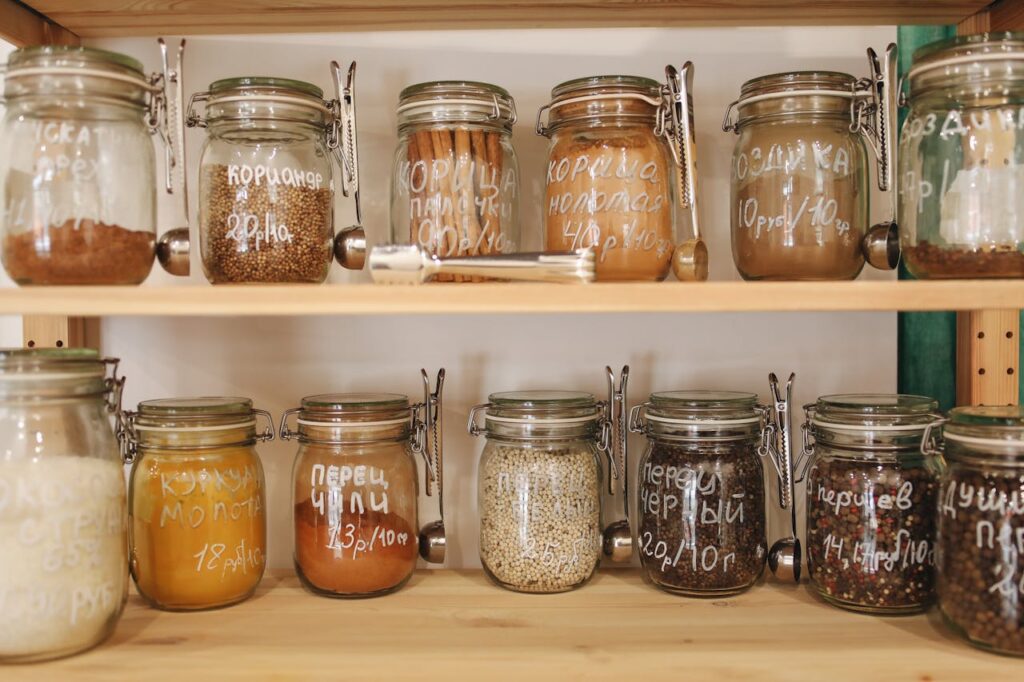
Maintaining a pantry filled with staples, snacks, and fresh ingredients was once relatively easy. Today, fluctuating food prices and supply chain inconsistencies make it harder for families to stock up. A fully supplied pantry offers comfort, convenience, and meal flexibility, but increasingly depends on stable income. Families who achieve it often do so through careful budgeting and strategic shopping. This everyday convenience has quietly evolved into a sign of financial resilience.
Taking a Vacation Without Stress

Vacations, once considered a periodic break for many households, are now often associated with financial worry and scheduling hurdles. Travel costs, limited paid time off, and unpredictable expenses make getaways less accessible. Families who can travel freely often enjoy higher economic stability or strong work benefits. As a result, stress-free vacations feel like a luxury rather than a norm. This shift reflects changes in both workplace culture and economic pressures.