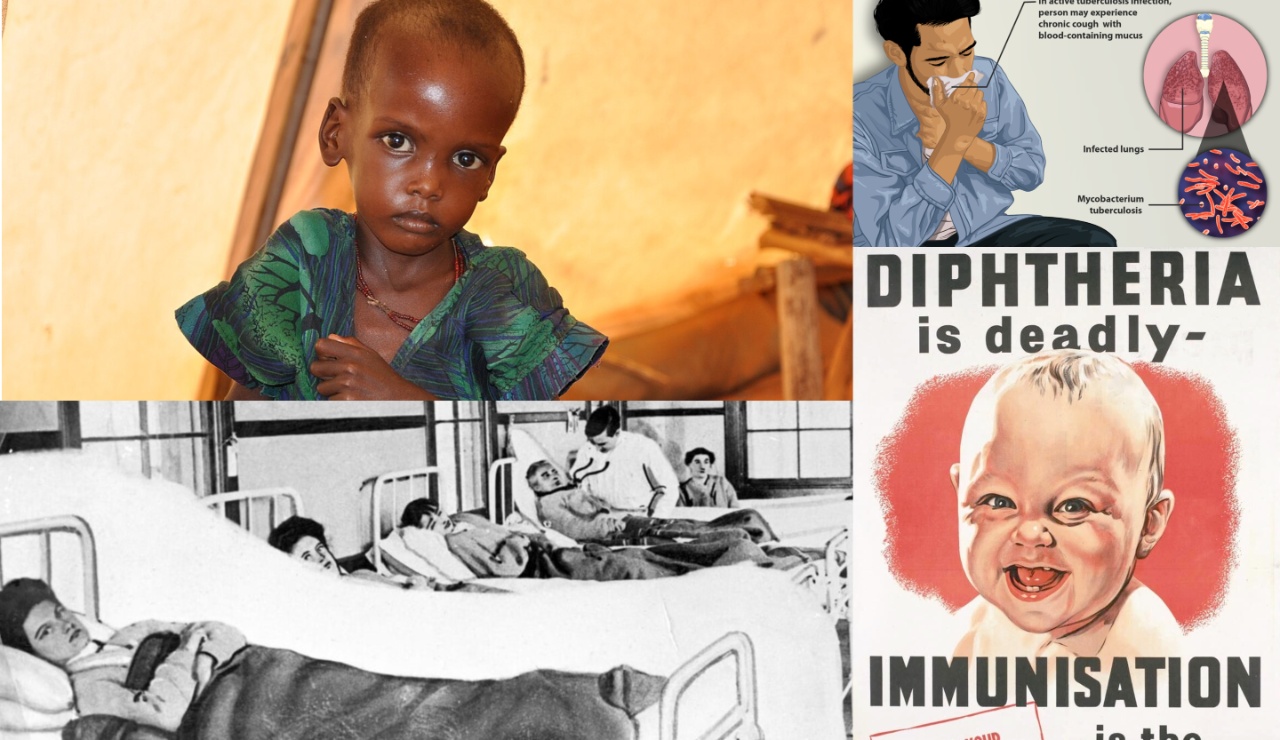
Life in early American cities carried opportunities, but it also exposed residents to conditions that are shocking by today’s standards. Crowded neighborhoods, poor sanitation, and limited medical knowledge contributed to a host of health issues. Many diseases and hazards that once plagued urban dwellers have since been eliminated or controlled, but they reveal how difficult city living once was. Here are fourteen disturbing health problems that early Americans endured in their growing cities.
Outbreaks of Cholera
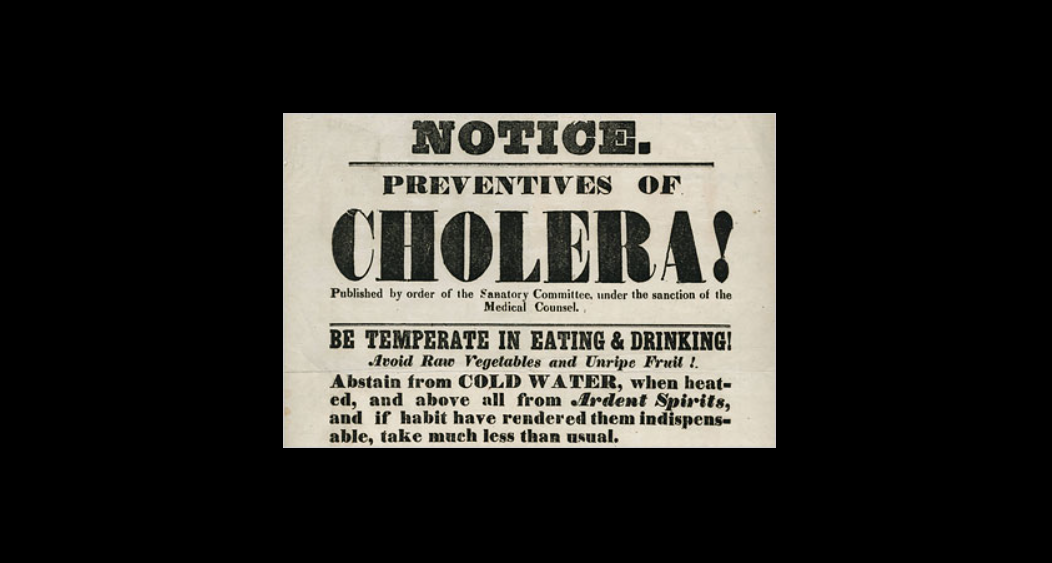
Cholera was one of the deadliest diseases in 19th-century American cities. Spread through contaminated water, it caused severe dehydration and death within hours. Poor sewage systems made outbreaks nearly unavoidable in rapidly growing towns. Thousands perished during major epidemics in New York and other large cities. The fear of cholera haunted communities well into the late 1800s.
Rampant Tuberculosis
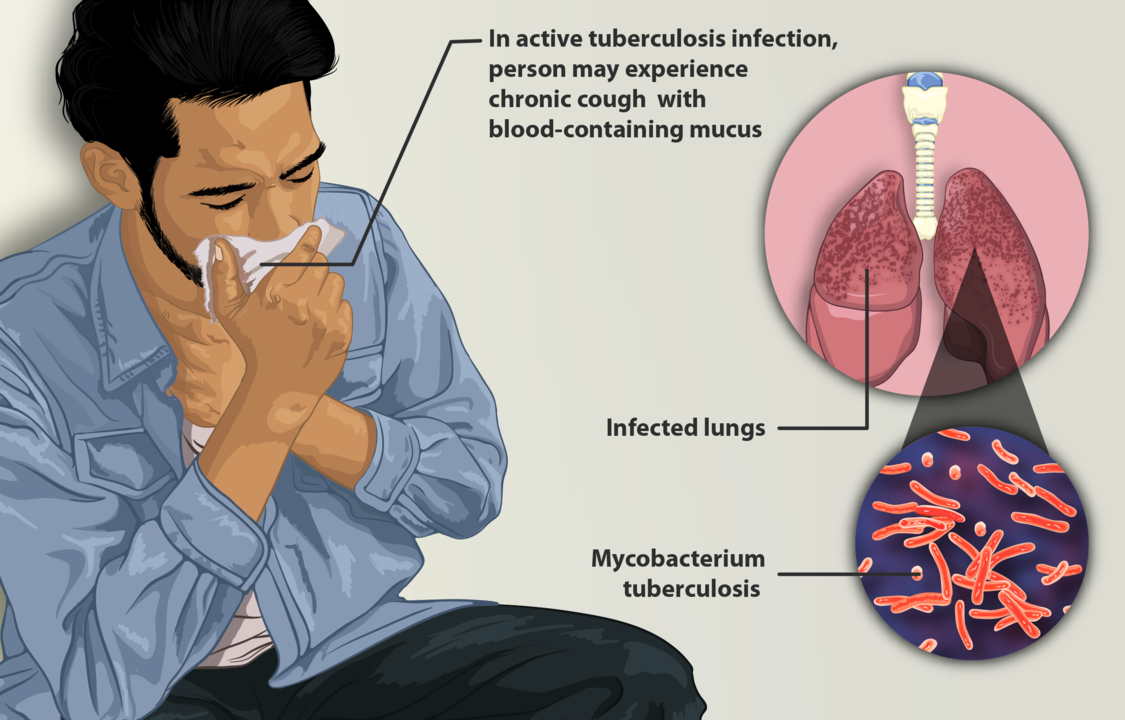
Known as “consumption,” tuberculosis spread easily in crowded, poorly ventilated housing. Families sharing small apartments made transmission nearly inevitable. At the time, little was understood about its bacterial cause, so treatments were often ineffective. Sanatoriums eventually became common, isolating patients in attempts to slow spread. The disease was both feared and stigmatized in early cities.
Typhoid Fever From Contaminated Water
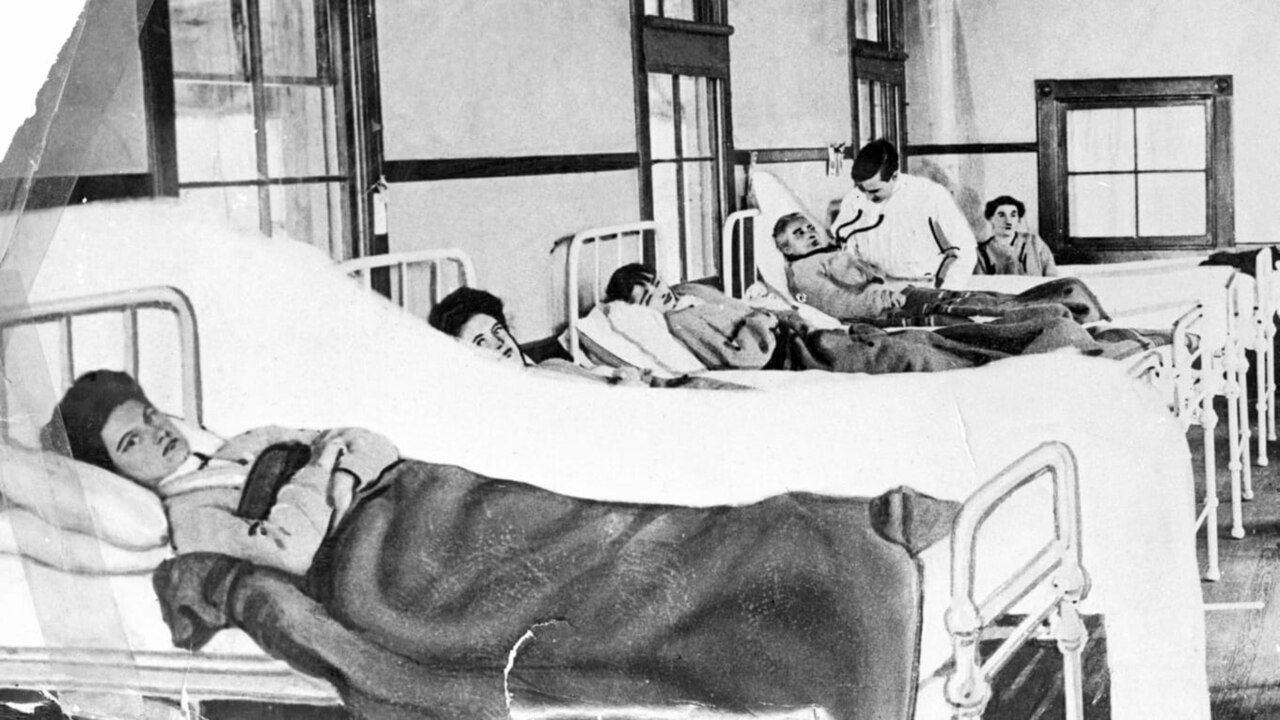
Typhoid fever spread through unsanitary water and food supplies in many American cities. The lack of modern plumbing allowed waste to mix with drinking sources. Symptoms included high fever, stomach pain, and often death. Outbreaks frequently coincided with rapid urban growth, when infrastructure lagged behind population needs. Typhoid was one of the key motivators for early public health reforms.
Lead Poisoning From Water Pipes

Early city plumbing often used lead pipes, unknowingly poisoning residents. Children were especially vulnerable, suffering developmental delays and illness. Adults experienced chronic health problems that were rarely traced to water quality at the time. The connection between lead and health issues was not widely recognized for decades. Urban families endured long-term harm without realizing its source.
High Infant Mortality
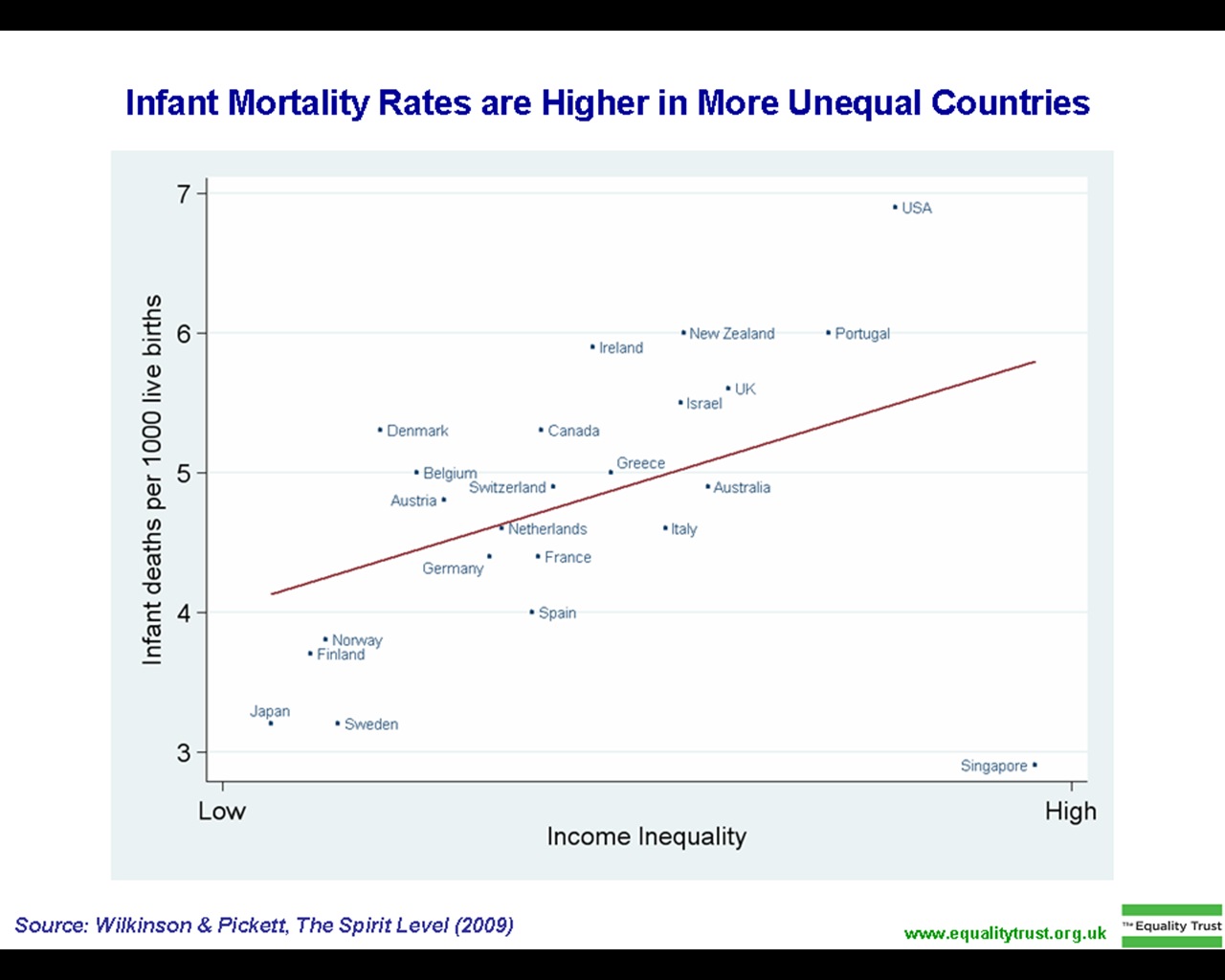
Infant mortality rates in early cities were alarmingly high due to poor sanitation and inadequate medical care. Contaminated milk, lack of refrigeration, and unsanitary living conditions all contributed. Many families lost multiple children before their first birthdays. Epidemics often hit infants hardest, with parents powerless to intervene. This harsh reality underscored the fragility of early urban life.
Deadly Smallpox Epidemics
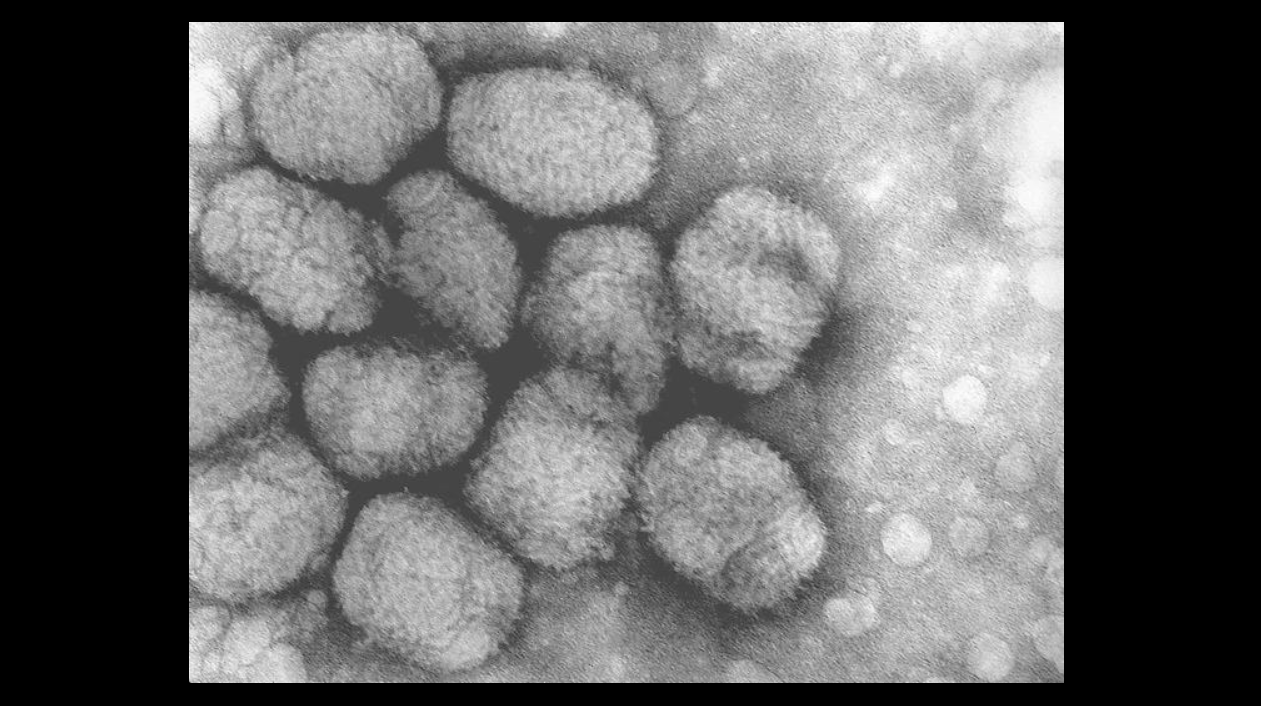
Smallpox swept through American cities repeatedly before widespread vaccination campaigns. Entire neighborhoods could be devastated during outbreaks. Survivors were often left scarred or blinded, while many others died. Vaccination efforts faced resistance but ultimately proved crucial in controlling the disease. Smallpox symbolized the devastation of infectious illness in urban environments.
Pollution-Related Respiratory Illnesses
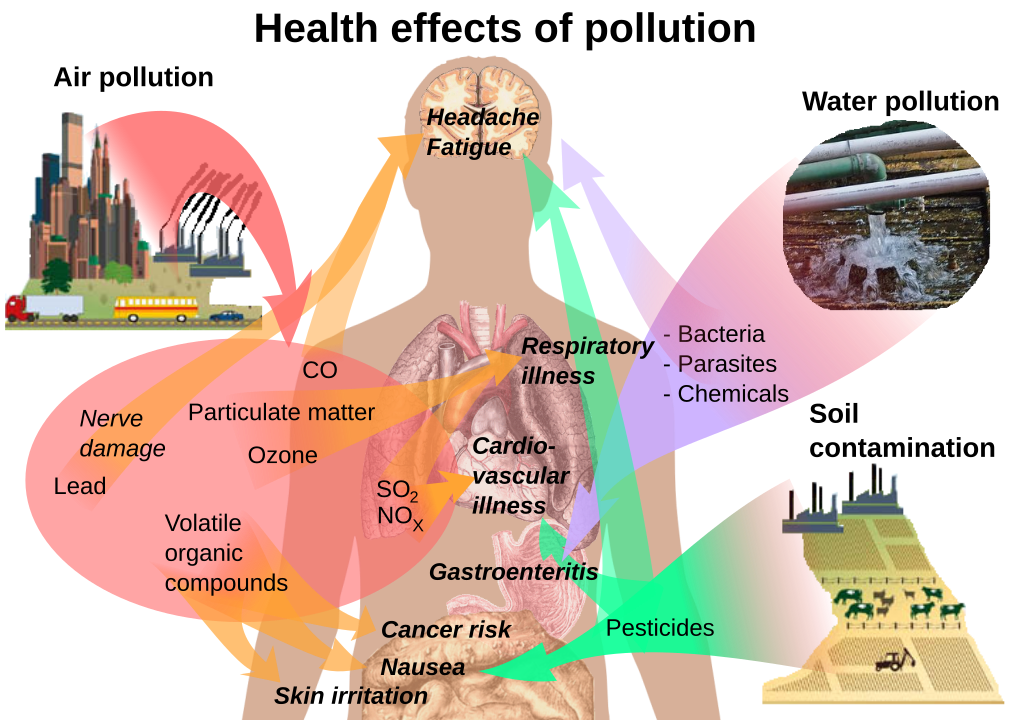
Smoke from coal-burning factories and homes filled early city air. Children and adults alike developed chronic coughs and lung problems. Industrial workers were particularly vulnerable to respiratory damage. Cities often appeared shrouded in smog, with health consequences poorly understood at the time. Air pollution became one of the defining hazards of industrialized urban life.
Malnutrition in Poor Districts
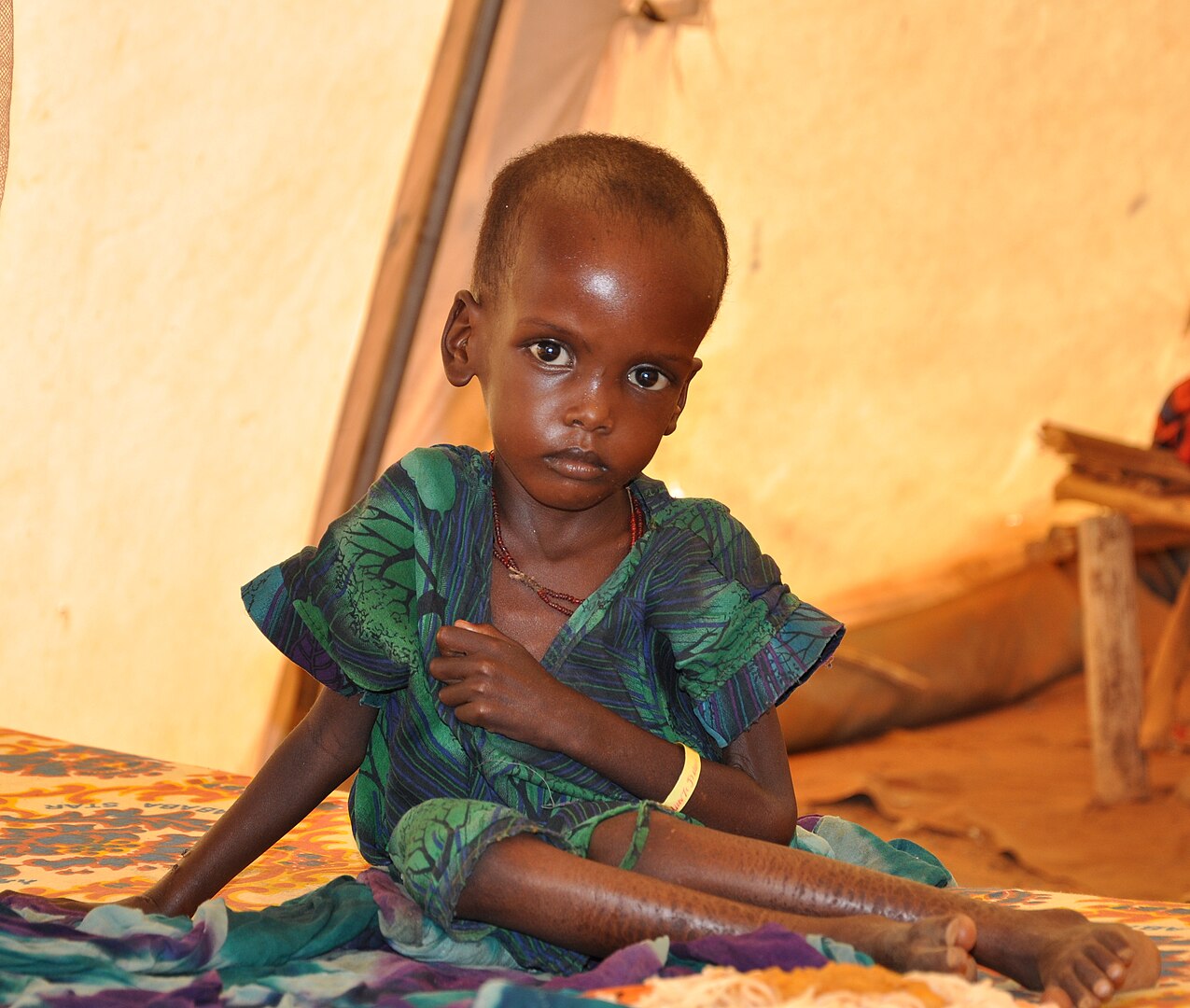
Despite food availability, many working-class families in cities suffered malnutrition. Low wages made fresh produce and quality meats unaffordable. Diets heavy in bread and starchy foods left people vulnerable to illness. Rickets and scurvy, caused by vitamin deficiencies, were common among children. Poverty translated directly into poor health outcomes.
Diphtheria in Children
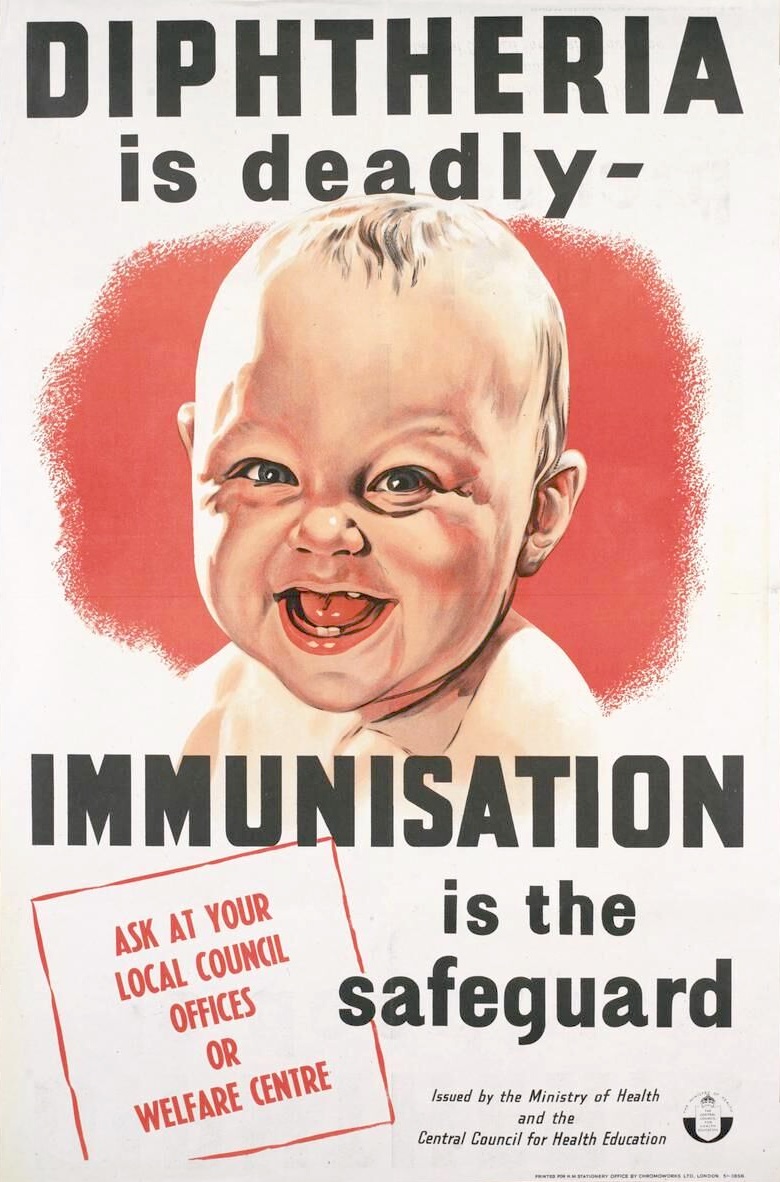
Diphtheria was one of the most feared childhood diseases in the 1800s. It caused severe throat infections that could block airways, leading to suffocation. Crowded city schools and tenement living spread the illness quickly. Families lived in constant fear of losing young children to sudden outbreaks. The eventual development of a vaccine brought much-needed relief.
Unsafe Drinking Water

Before filtration and treatment systems, city water supplies were riddled with contaminants. Residents unknowingly consumed waste, chemicals, and bacteria daily. Diarrheal diseases became leading causes of death, particularly among children. Access to safe water was not guaranteed in urban environments. The push for modern water systems transformed city health.
Industrial Injuries
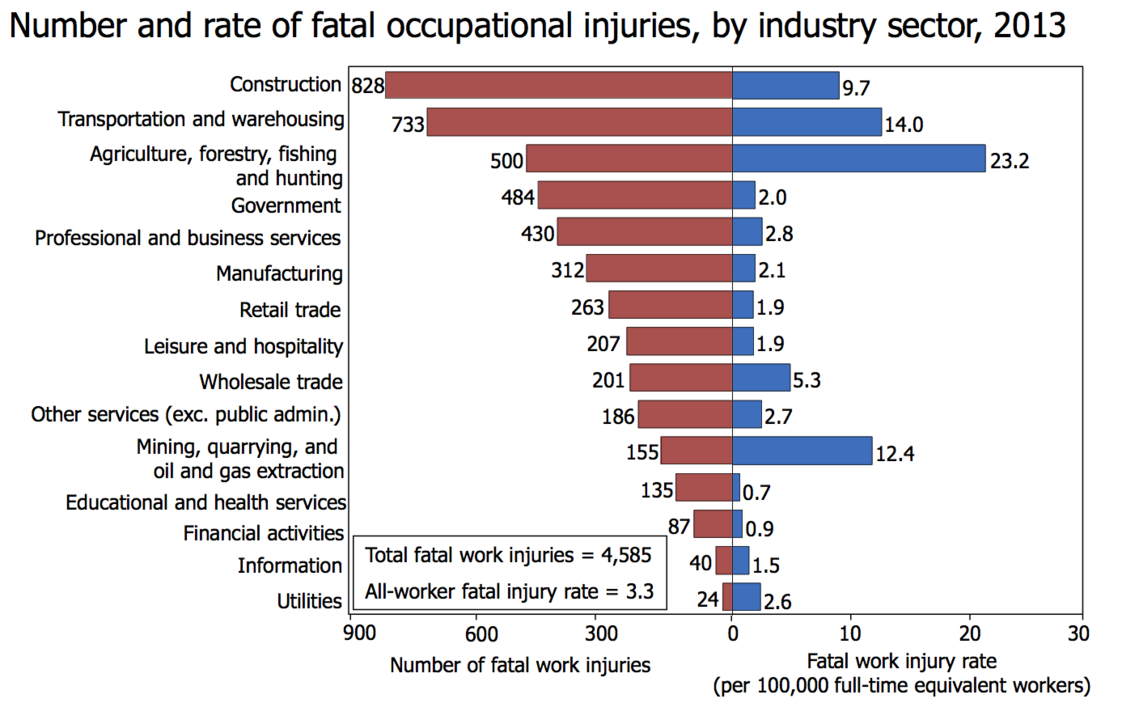
Factory workers in early cities faced frequent injuries from unsafe machinery. Burns, amputations, and lung damage were common in poorly regulated industries. Child laborers were especially vulnerable to dangerous conditions. With limited medical care, many injuries resulted in permanent disability or death. Urban industry brought prosperity but exacted a heavy human toll.
Rat-Infested Neighborhoods

Poor sanitation meant rats thrived in early American cities. They spread diseases, including plague and typhus, by contaminating food and water. Families living in tenements often shared their living spaces with rodents. Rat infestations highlighted the deep connection between poverty and public health hazards. These conditions fueled campaigns for urban cleanliness.
Scarlet Fever Outbreaks
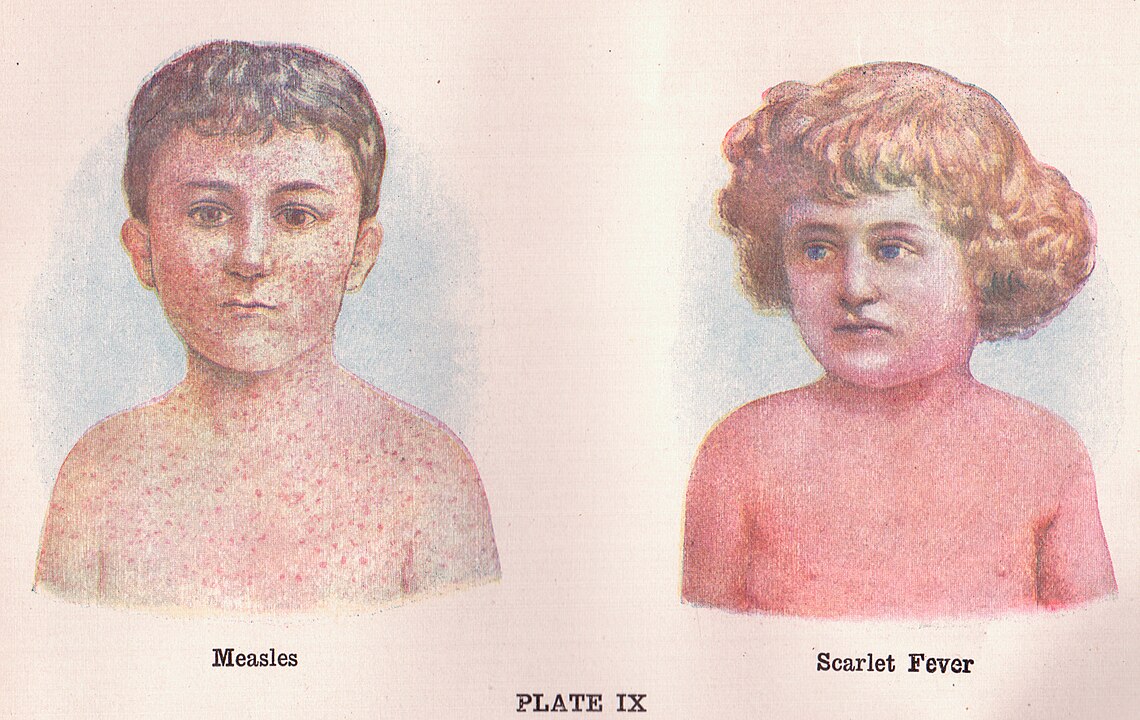
Scarlet fever, caused by a bacterial infection, spread widely among children. It often swept through entire schools and households. With limited treatments, many children died from complications. Even survivors were sometimes left with long-term heart or kidney problems. Scarlet fever was another reminder of the precariousness of child health in early cities.
Overcrowding-Driven Epidemics
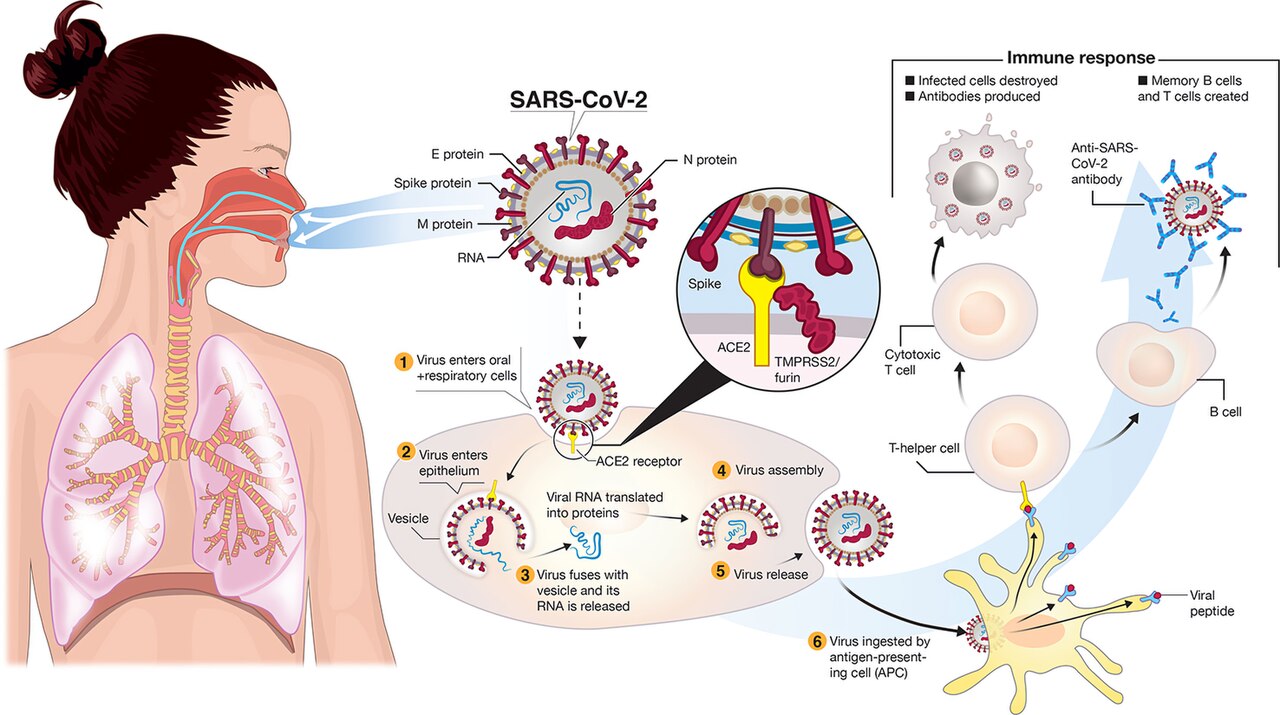
Above all, overcrowding itself magnified every health crisis in early American cities. Families crammed into small apartments created perfect environments for disease transmission. Shared water sources and inadequate waste removal worsened the problem. Tenement districts became symbols of poverty and illness. Overcrowding turned otherwise manageable issues into recurring urban disasters.