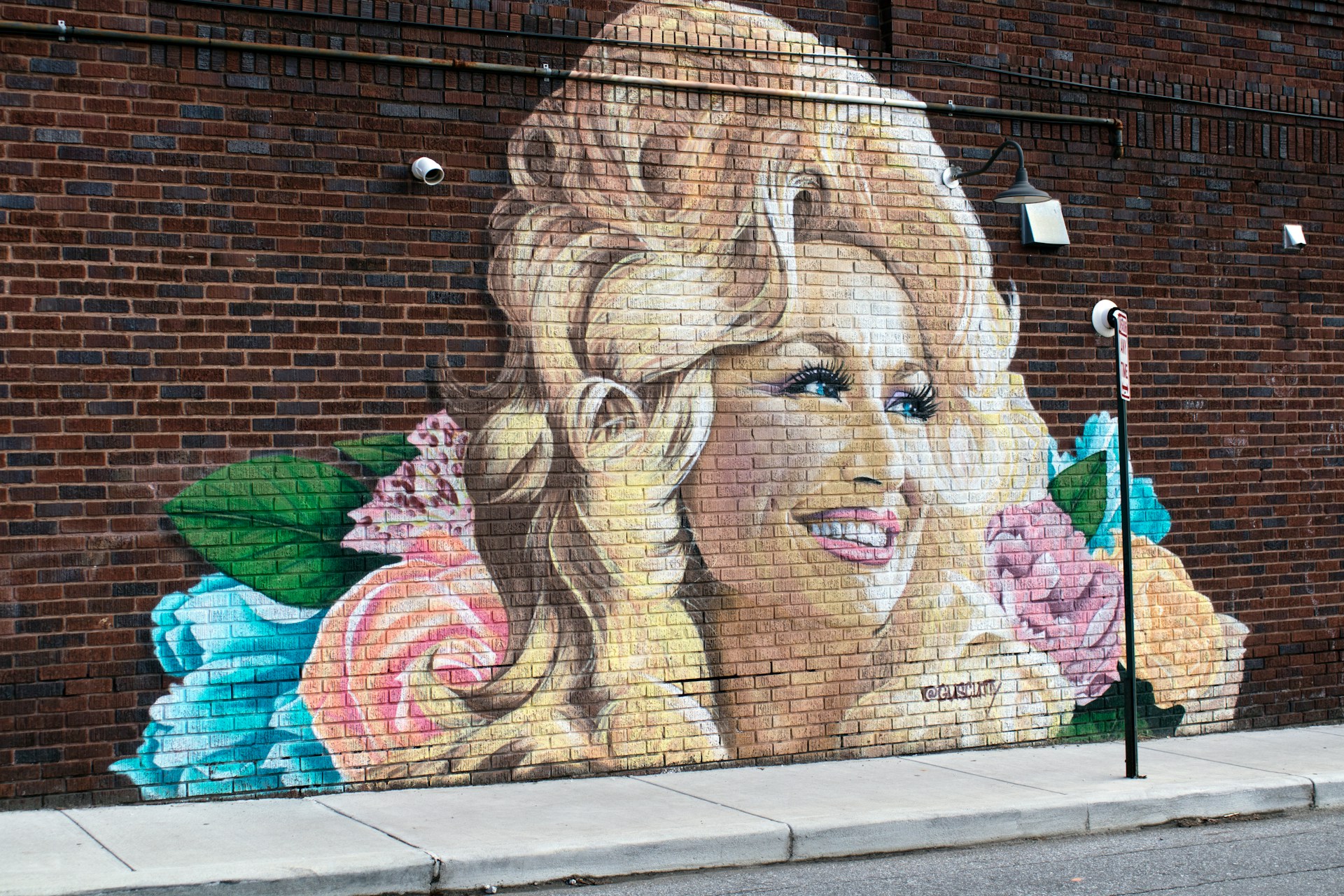
Country music has always celebrated authenticity, but even the most iconic legends sometimes had stories that didn’t match their public image. Behind the twang, boots, and heartfelt lyrics were complicated lives, clever reinventions, and a few surprising secrets. From outlaws who weren’t that wild to wholesome stars with stormy pasts, these country legends remind us that even the most genuine voices can have unexpected layers just waiting to be uncovered.
Johnny Cash Wasn’t Always the Outlaw
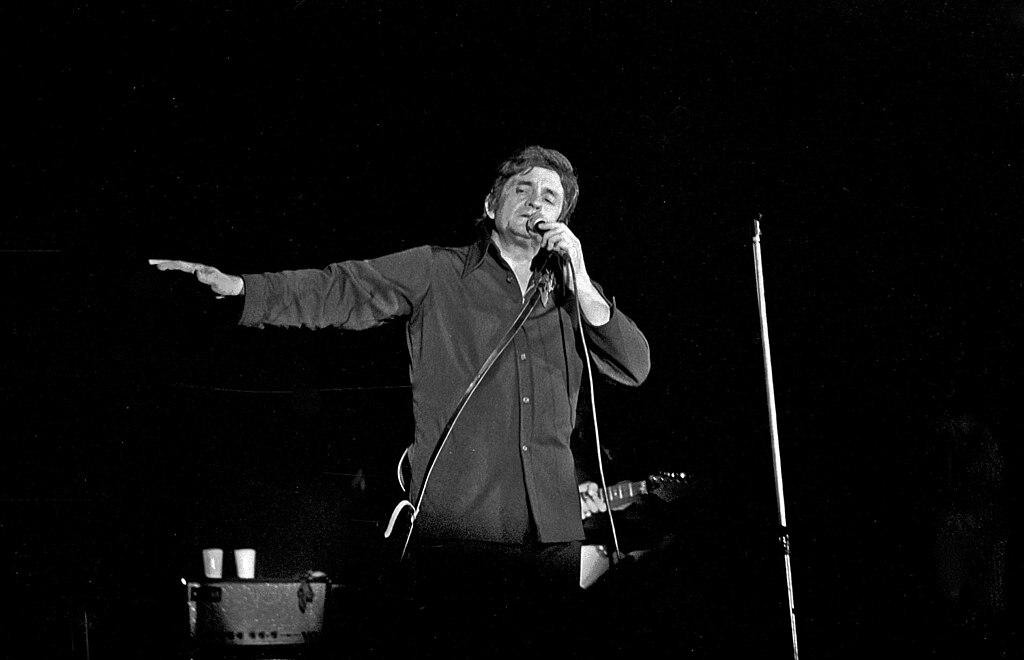
Johnny Cash built his image on rebellion, black clothes, and prison concerts, but his real story was more about redemption than crime. He never spent long stints in jail, only short detentions for minor offenses. His “outlaw” persona came from songs and symbolism rather than a criminal life. In truth, Cash was a devout man searching for meaning through music, using his rough edges to tell stories of faith, guilt, and grace that fans still feel deep down today.
Dolly Parton Was a Master of Reinvention
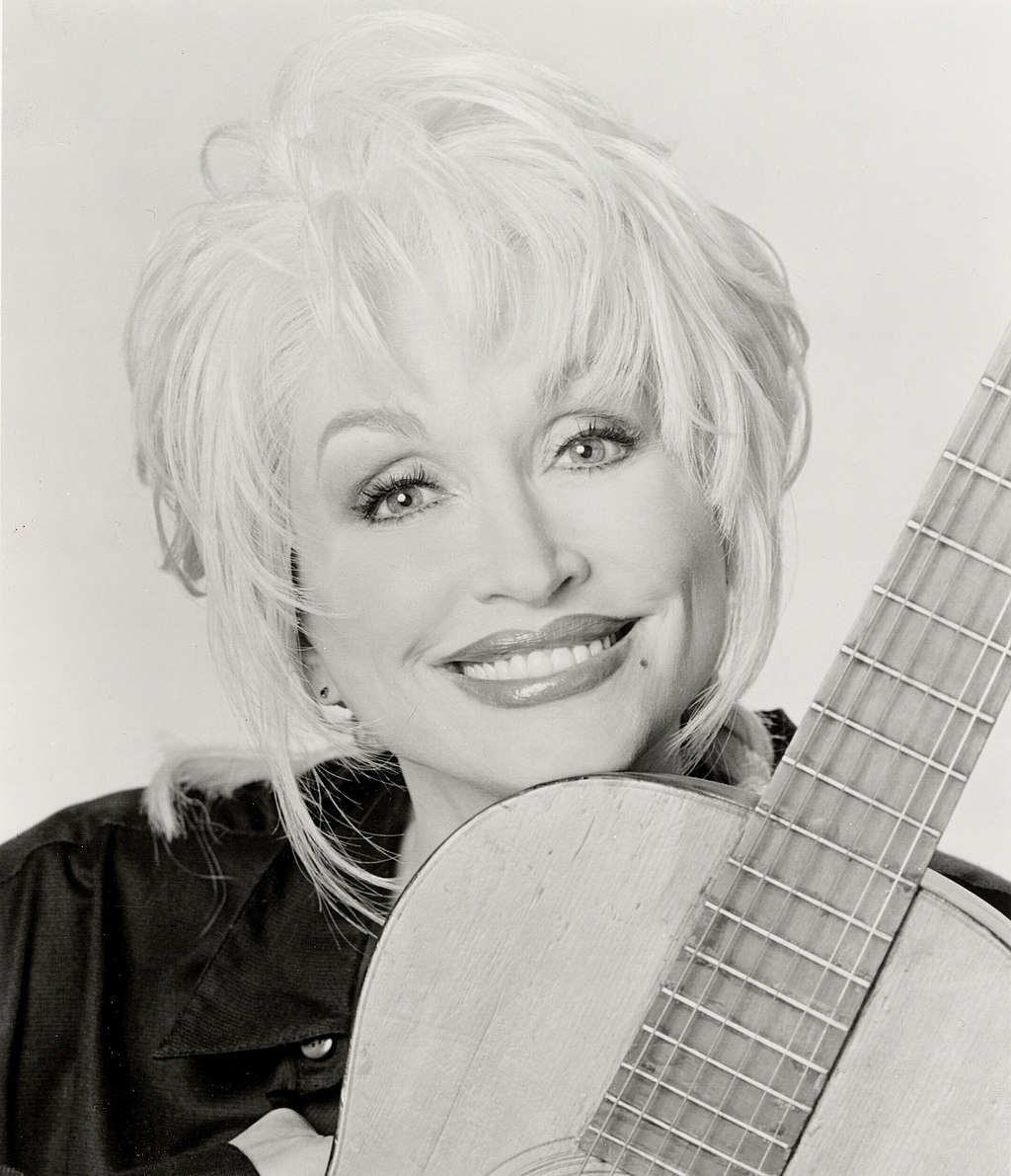
Dolly Parton’s glittery outfits and big hair might suggest simple glamour, but she’s always been one of country’s sharpest business minds. She carefully crafted her persona while writing over 3,000 songs, producing shows, and building Dollywood. Beneath the rhinestones was a woman who controlled her image with precision. People underestimated her charm, not realizing how she turned humor and humility into power. Her sparkle wasn’t a mask but a mirror reflecting ambition and brilliance.
Willie Nelson’s “Outlaw” Brand Was Pure Strategy
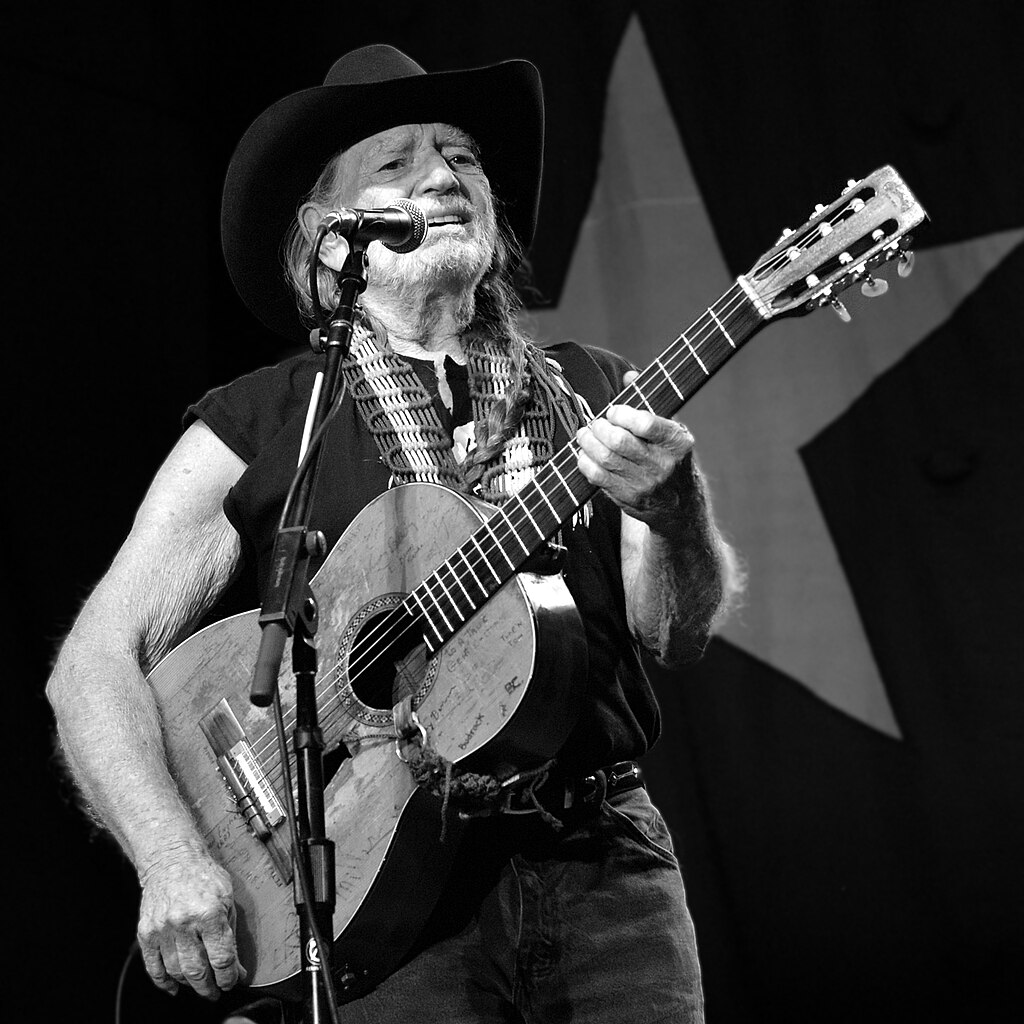
Willie Nelson’s laid-back outlaw style made him a hero of the 70s, but it was part calculated rebellion, part artistic survival. When Nashville’s clean-cut scene rejected his raw sound, he moved to Texas, growing his hair long and smoking freely. What looked like rebellion was actually independence. He wasn’t breaking rules for chaos but rewriting them for creativity. Willie turned a career slump into an enduring symbol of freedom that fans still idolize today.
Reba McEntire Balanced Fame and Tragedy
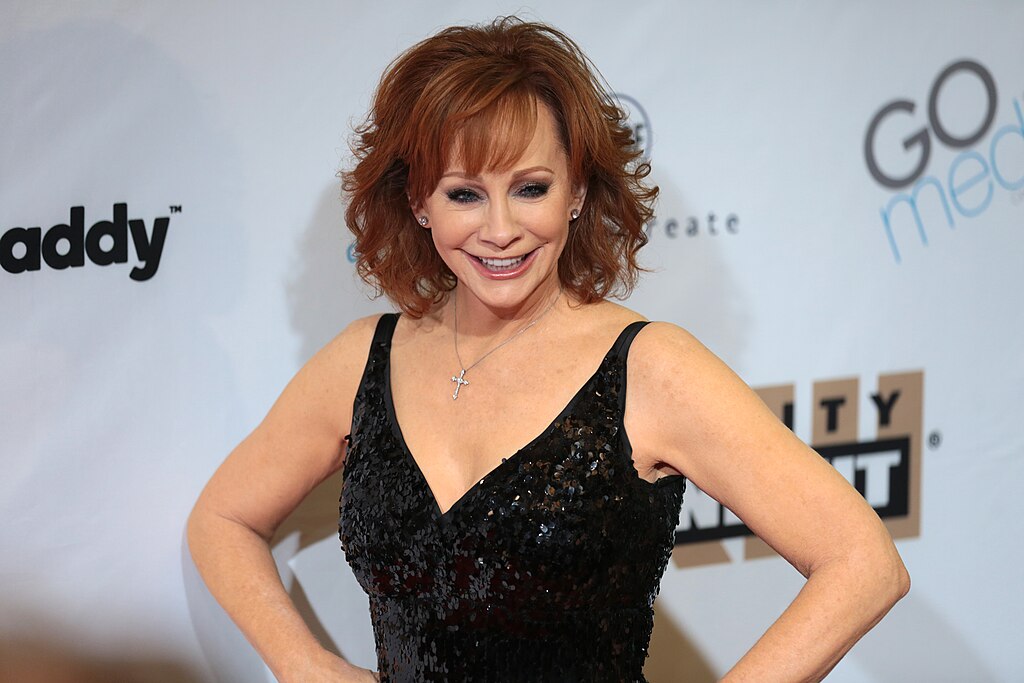
Reba McEntire’s image as a fiery redhead with unstoppable drive hides deep heartbreak. In 1991, she lost her band in a tragic plane crash, an event that nearly ended her career. Yet Reba rebuilt herself with grit, grace, and a new sound. Her upbeat persona often concealed how she turned grief into purpose. The country diva who sings about strength knows exactly what it costs to keep smiling on stage while healing behind closed doors.
Garth Brooks Wasn’t the Everyman He Claimed
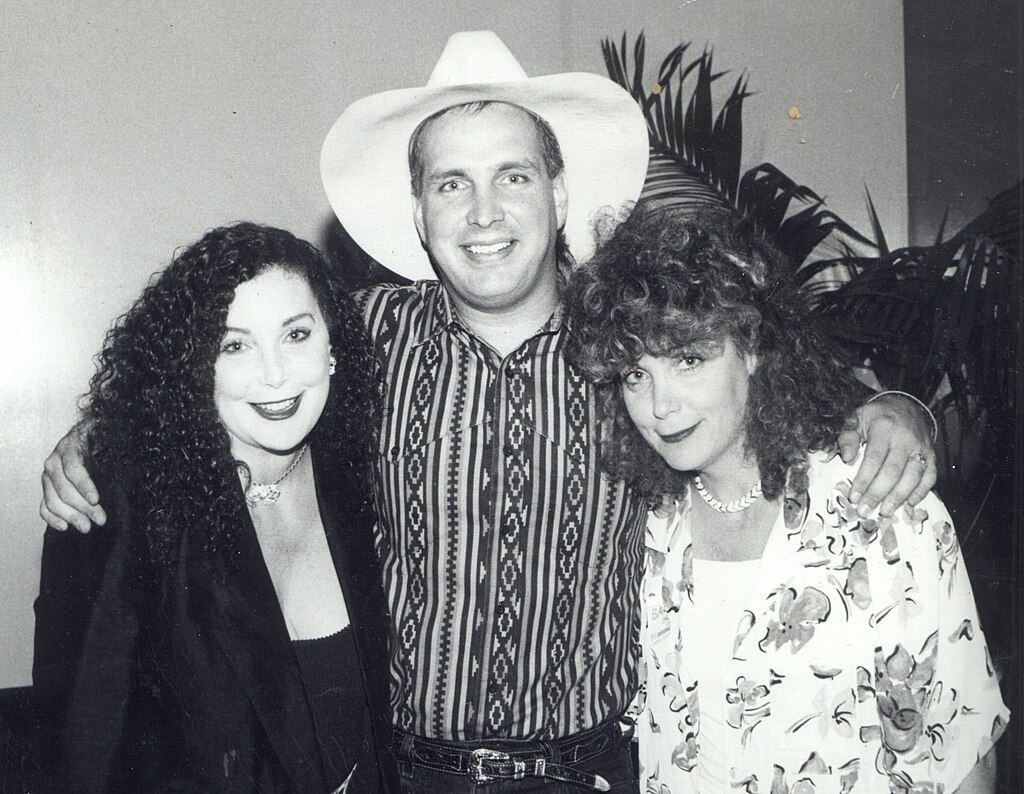
Garth Brooks built his fame as the friendly, humble cowboy next door, but behind the curtain, he was one of country’s most strategic showmen. His live performances borrowed the drama of rock concerts, and his alter ego Chris Gaines proved how experimental he could be. The “average guy” image was smart branding for a marketing genius who studied fan psychology. Garth’s sincerity is real, but it’s mixed with a sharp understanding of how to keep the spotlight glowing.
Loretta Lynn’s Simplicity Hid Sharp Savvy
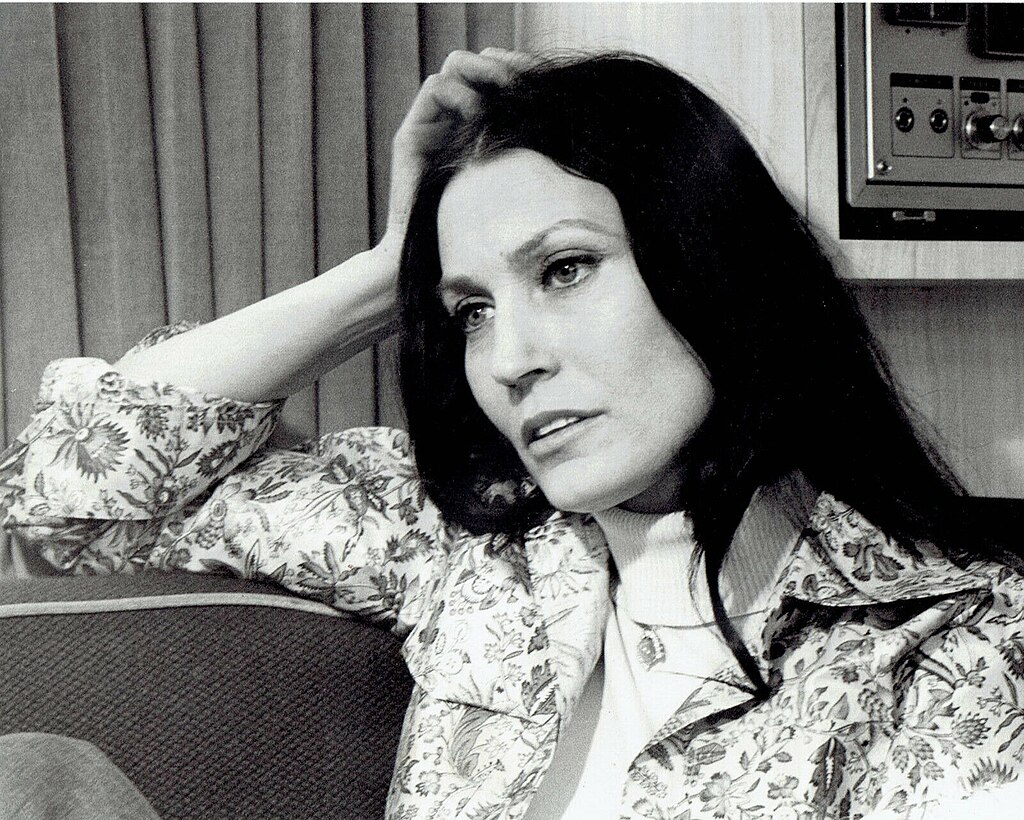
Loretta Lynn’s songs painted her as a small-town girl with a plain heart, but she was one of country music’s boldest pioneers. Writing about birth control, cheating, and women’s rights in the 60s took guts few others had. She may have sung like a simple coal miner’s daughter, but her lyrics broke barriers and made Nashville rethink its rules. Loretta wasn’t naïve; she was fearless, using her voice to tell truths others were too scared to touch.
George Jones Was Both Rebel and Romantic
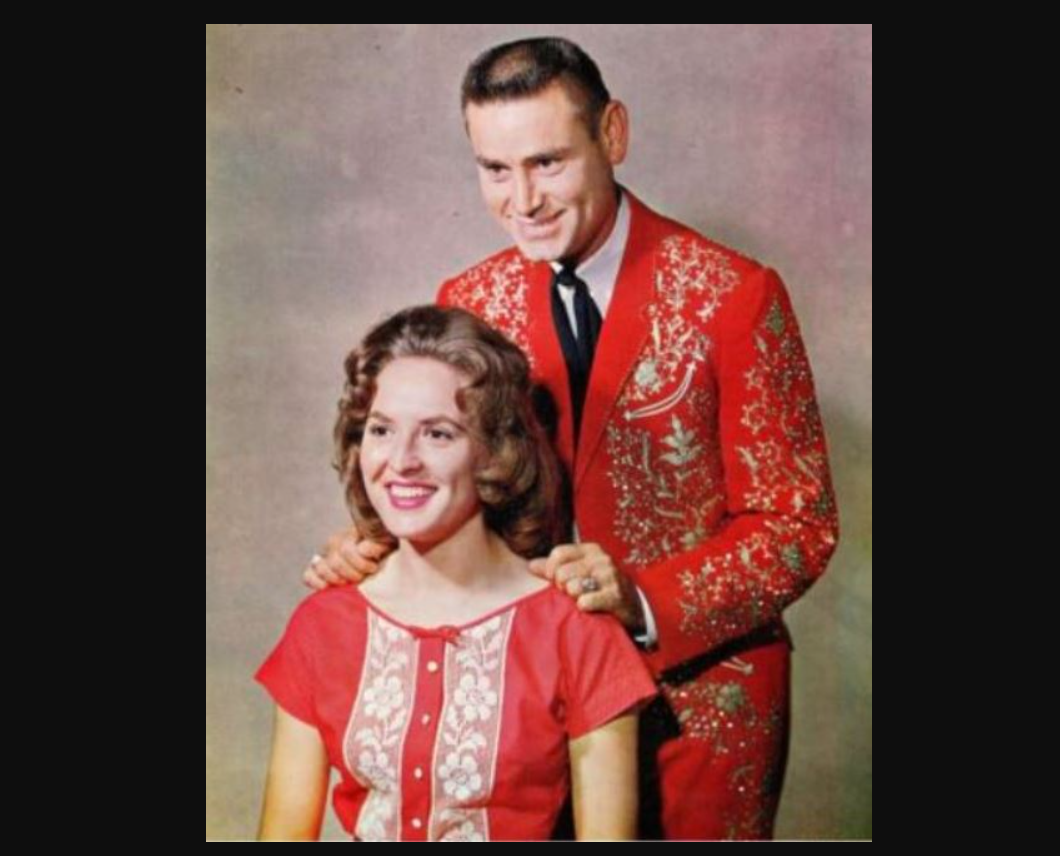
George Jones became famous for his voice and wild drinking tales, but behind the chaos was a tender heart. His self-destructive side nearly ended his career, yet his songs about heartbreak and regret came from real pain. “He Stopped Loving Her Today” wasn’t just a performance; it was a confession from a man torn between love and demons. George wasn’t simply the “Possum”; he was proof that broken souls can still make beautiful art.
Tammy Wynette’s Heartache Was Carefully Framed
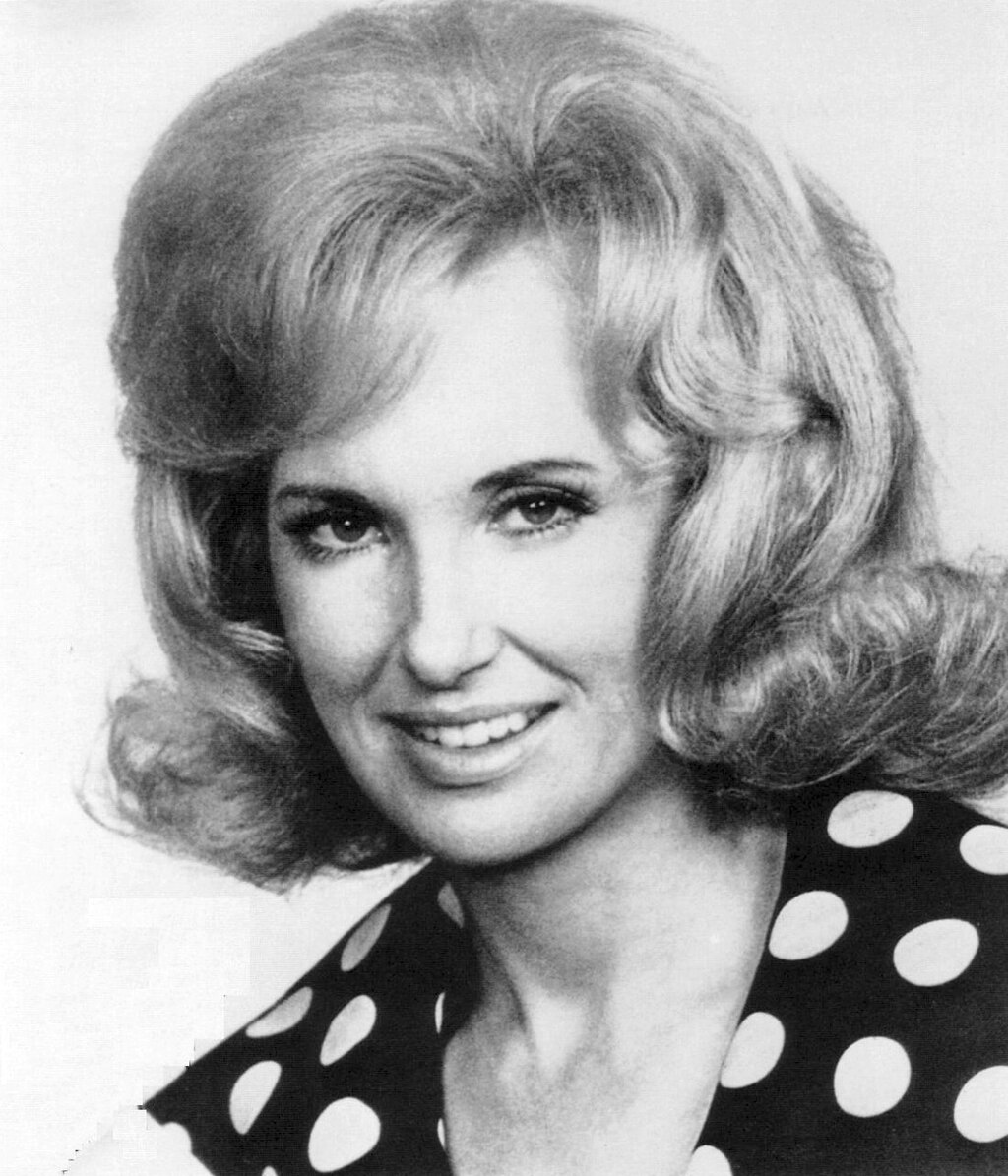
Known as the “First Lady of Country Music,” Tammy Wynette sang about standing by your man, yet her life was full of turmoil and independence. Multiple marriages, health struggles, and industry pressures shaped her story. While her songs sounded submissive, Tammy herself fought fiercely for control of her career. The heartbreak she sang about wasn’t weakness; it was survival, wrapped in melody. She gave the world vulnerability that came with hard-earned wisdom.
Merle Haggard’s Prison Past Became His Persona
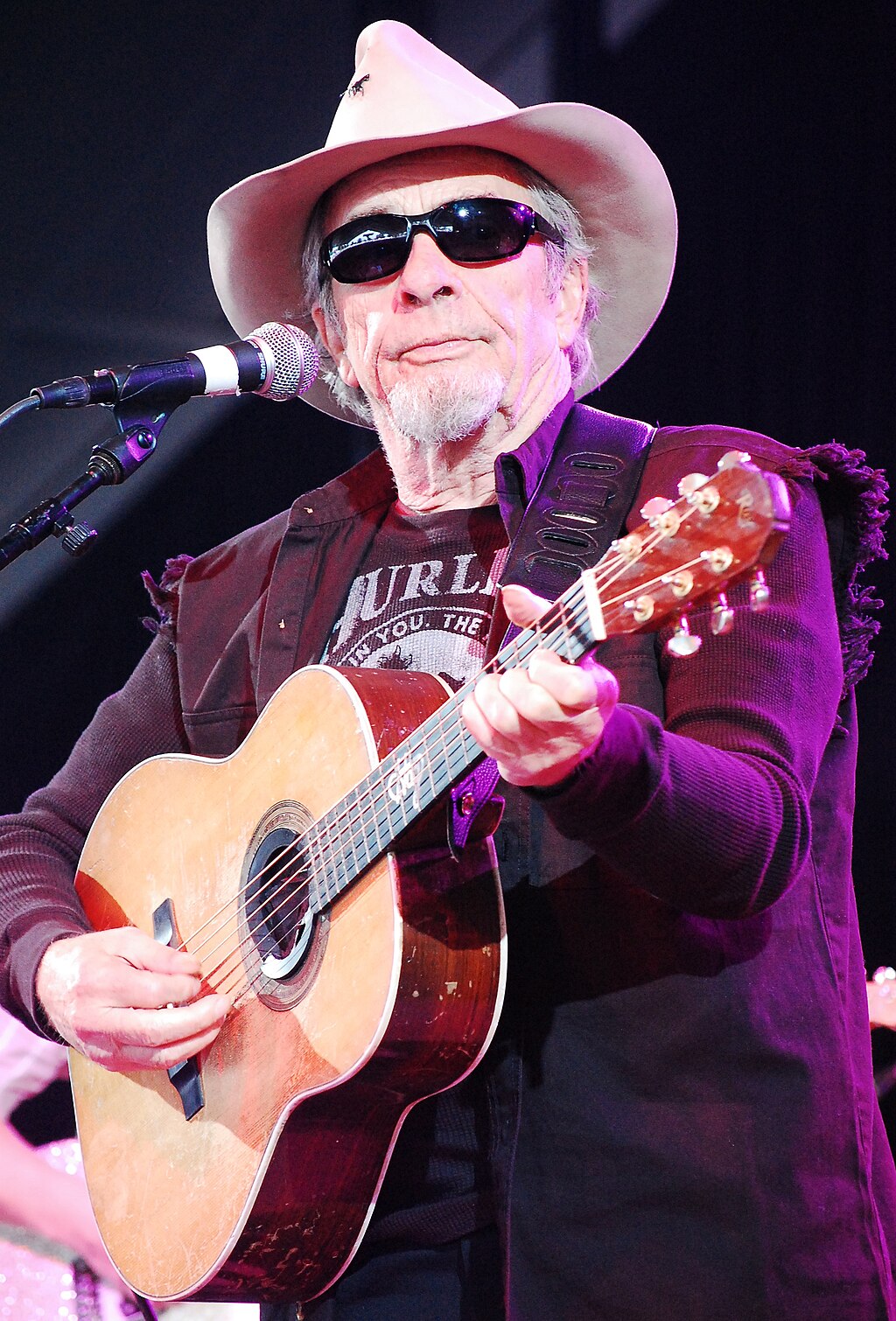
Merle Haggard did time in San Quentin, but after his release, he turned that history into legend. Songs like “Mama Tried” and “Branded Man” blurred truth and performance until the outlaw became myth. He didn’t glorify prison; he used it as a mirror to show how mistakes shape men. Merle’s life proved that redemption stories could sell records and heal hearts at the same time. His rough image was both real and masterfully told.
Shania Twain Was a Pop Pioneer in Disguise
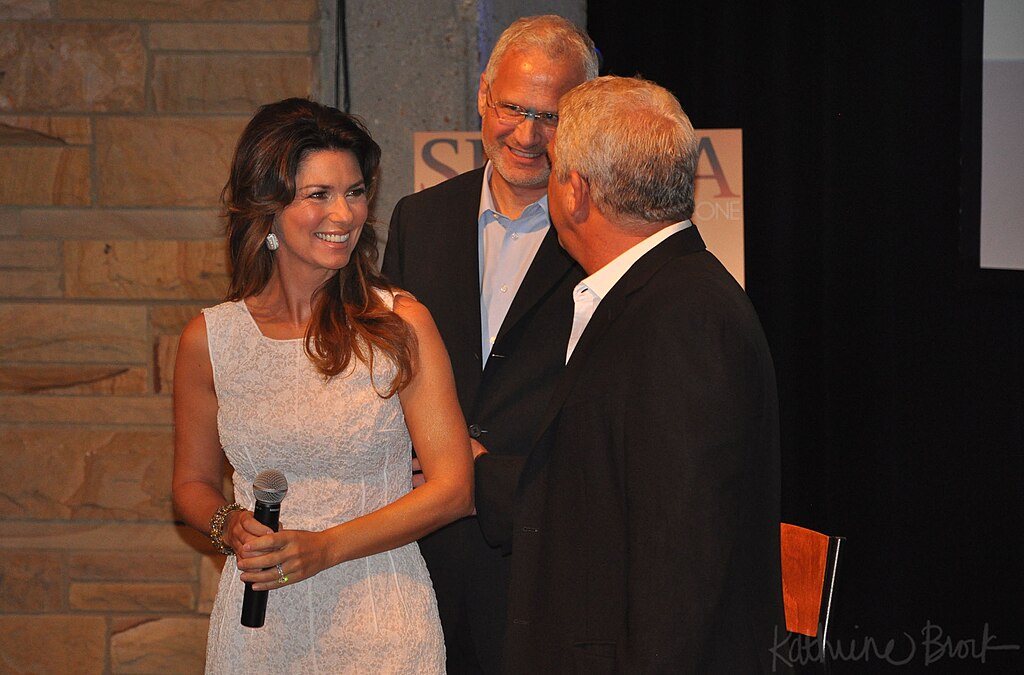
Shania Twain shook up country music with her glam style and crossover sound, but she wasn’t trying to abandon her roots; she was expanding them. Critics called her too pop, yet she turned that fusion into a global movement. Behind the confidence was a shy Canadian kid who survived poverty and tragedy. Shania’s glitter was armor, not vanity, and her songs about strength and independence inspired a generation to take control of their stories too.
Hank Williams’ Legend Hid Fragile Reality
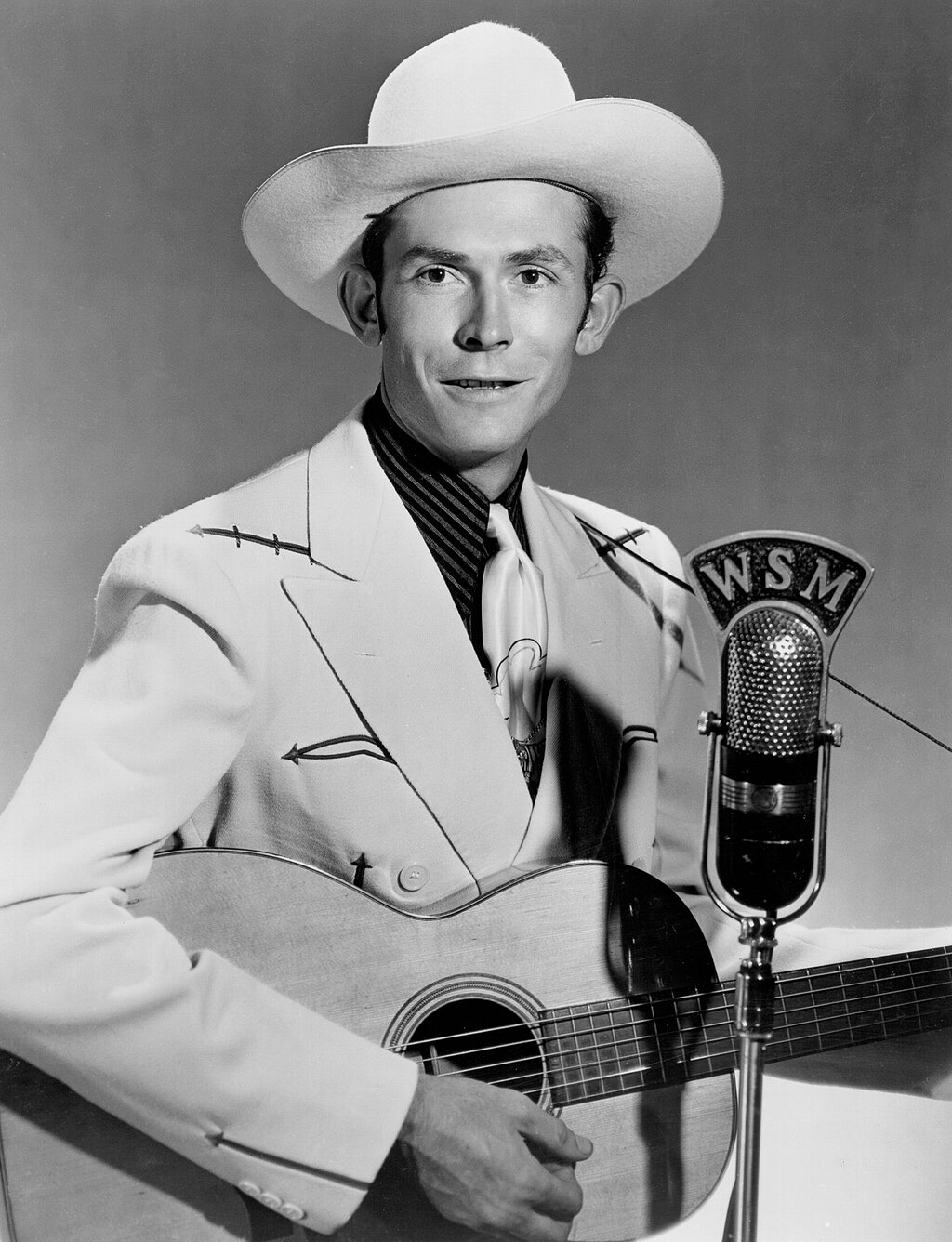
Hank Williams defined country’s heartbreak sound, yet behind his swagger and smile was constant pain. His short life was marked by health issues, addiction, and loneliness. The myth of the rowdy cowboy masked a man who could barely walk some nights but still performed. Hank’s genius came from that tension between suffering and showmanship. The world saw a star burning bright, but the truth was a fragile artist trying to outsing his own sadness.
Patsy Cline’s Confidence Was Hard-Won
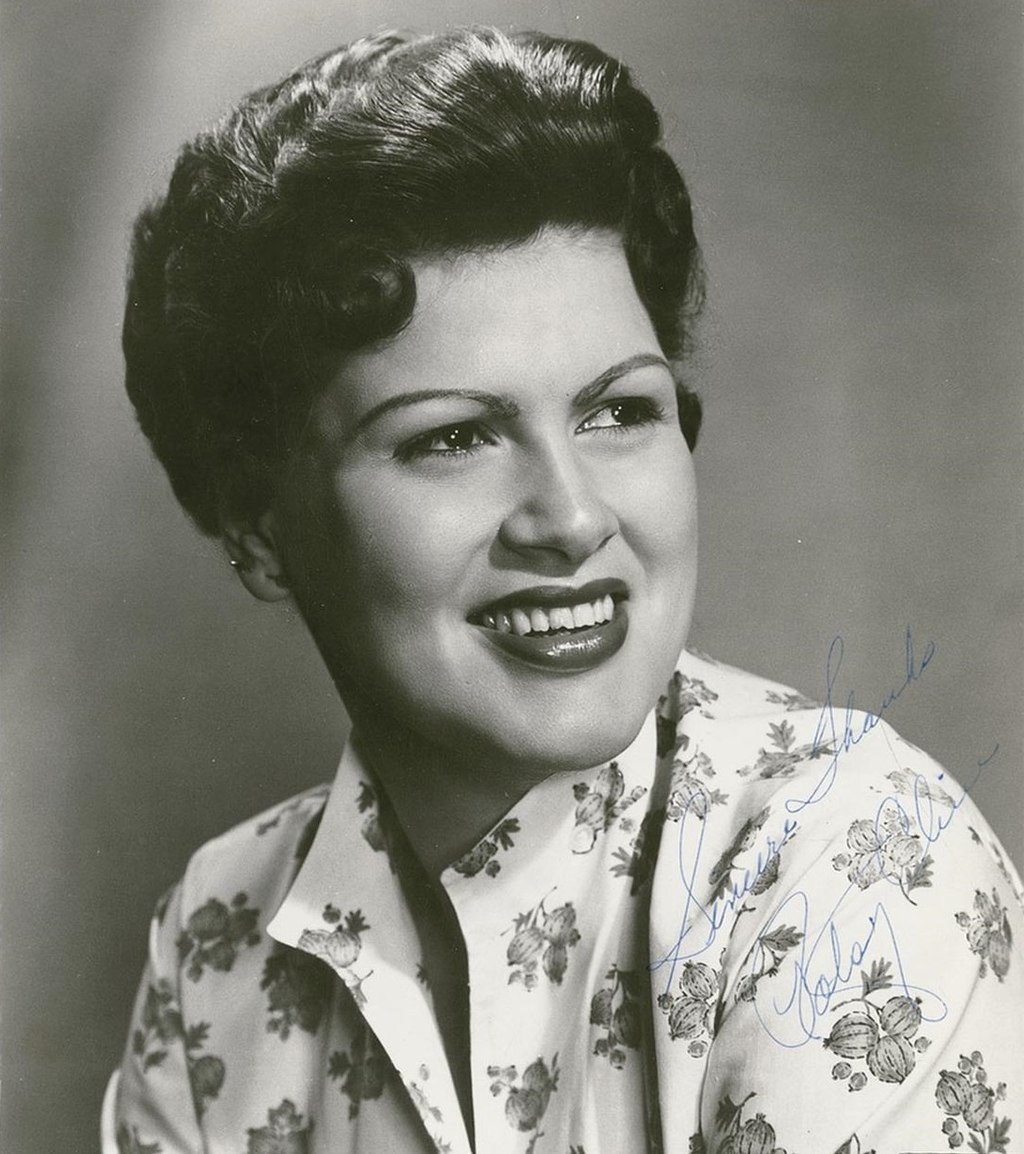
Patsy Cline’s smooth voice and fearless attitude made her seem unshakable, but early in her career, she faced rejection after rejection. She fought her way through the male-dominated 1950s Nashville scene, often standing up to producers who wanted to control her sound. The charm that fans loved was built on resilience and risk. Patsy’s confidence wasn’t natural; it was earned, forged from years of struggle and an unbreakable belief in her worth.
Kenny Rogers Wasn’t Pure Country
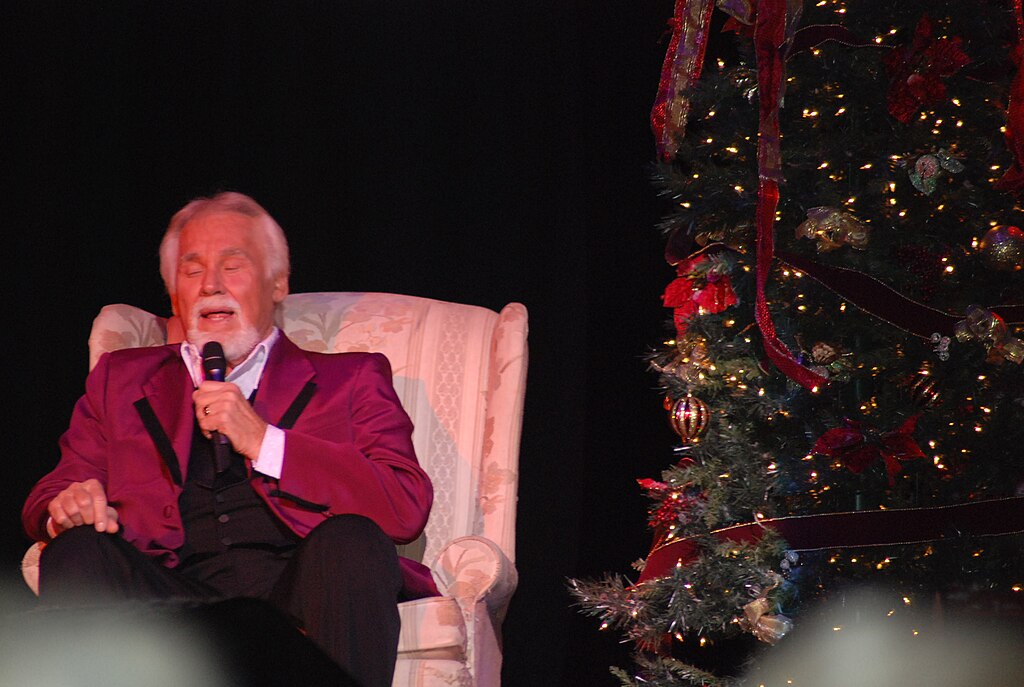
Kenny Rogers became one of country’s most beloved voices, yet his roots were more pop and rock than honky-tonk. “The Gambler” turned him into a storytelling icon, but he spent years in psychedelic and folk bands before Nashville embraced him. His crossover appeal wasn’t luck: it was versatility. Kenny knew how to adapt, mixing smoothness with sincerity. Fans thought they were hearing a cowboy, but they were really hearing one of music’s best chameleons.
Emmylou Harris Hid Her Fire Beneath Grace
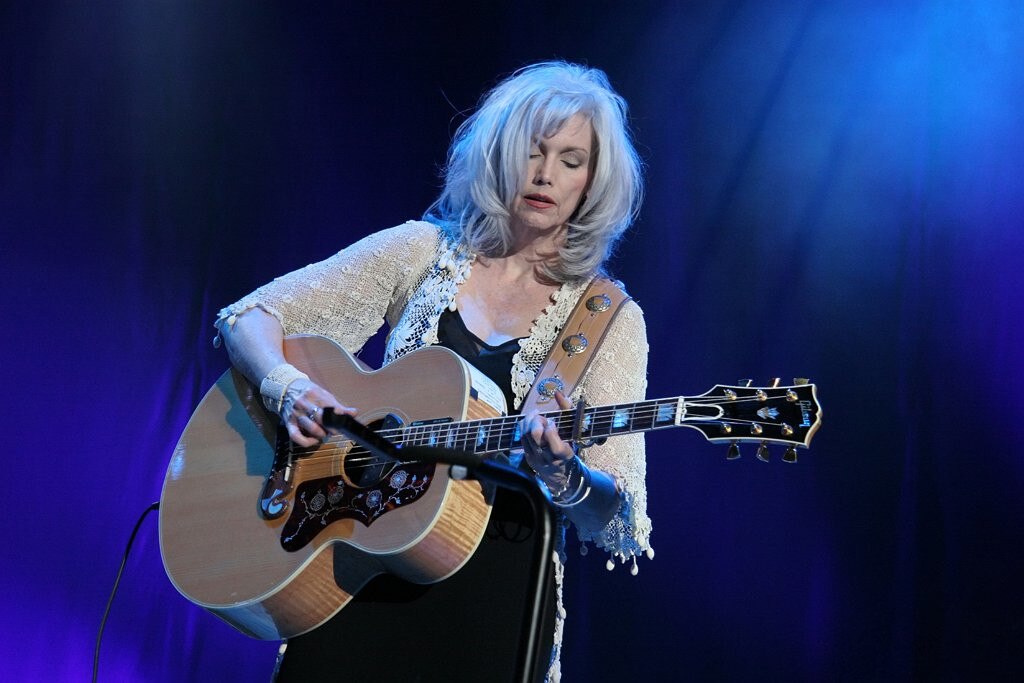
Emmylou Harris is often remembered for her angelic voice and elegance, but beneath that gentle image is a fiercely independent artist. She refused to be boxed in by genre, moving from traditional country to folk and rock collaborations. Her poise sometimes masked how daring she really was, constantly evolving while others stayed safe. Emmylou’s grace wasn’t meekness: it was quiet strength. Her beauty was in how she changed without ever losing her soul.
Country music’s legends have always been larger than life, but their true stories show they were as human as their songs. Behind the glitter, heartbreak, and cowboy boots were clever minds, deep emotions, and brave choices. Their myths may have sold records, yet their truths are what keep fans listening generations later. The next time a country star belts out a ballad, remember: what you hear might be art, but what they lived was real.