
Traveling has become easier in many ways, yet Americans are still losing money on preventable mistakes. Hidden fees, rushed bookings, and outdated assumptions continue to drain budgets long before trips even begin. In 2026, travel requires more awareness than ever, because prices shift quickly and modern tools cut costs only if used correctly. Travelers who rely on old habits often discover surprise expenses that ruin their plans. Understanding where money quietly disappears helps families stretch their funds and enjoy vacations without regret, proving that preparation matters as much as destination.
1. Booking Flights During Peak Event Weeks Without Checking Local Calendars

Many travelers compare prices but forget to check local events happening at their destination. Festivals, sporting events, and conventions raise everything from airfare to lodging costs. Hotels sell out or double their prices, leaving last minute travelers with fewer choices and higher bills. By not understanding the timing of local demand, families end up paying premium prices for ordinary weekends. A simple calendar search before booking can avoid sticker shock and allow travelers to choose quieter weeks that offer lower prices, better availability, and a more enjoyable experience.
2. Ignoring Airline Baggage Policies And Paying Surprise Overweight Fees

Airlines constantly adjust baggage rules, and travelers who assume old limits apply face costly surprises at the airport. Overweight suitcases, oversized carry ons, and checked bag fees add up quickly, turning an affordable flight into an expensive one. Many travelers pack without checking restrictions, believing they can negotiate at the counter. Instead, they end up repacking on the floor or paying steep penalties. Knowing weight limits ahead of time and using a luggage scale at home prevents frustration and saves money. Small preparation avoids big airport regrets.
3. Choosing Trendy Destinations Without Researching Seasonal Weather Patterns

Social media makes destinations look perfect year round, but weather rarely matches online pictures. Travelers who follow trends instead of seasons arrive during storms, heat waves, or off season closures. Beach vacations can become windy disappointments and mountain trips can lack snow or visibility. Without weather research, travelers pay full price for experiences they cannot enjoy. Understanding local seasons helps align expectations with reality and protects budgets from wasted activities. Proper planning ensures the scenery and the experience match the investment.
4. Relying On Airport Currency Exchange Instead Of Digital Travel Wallets
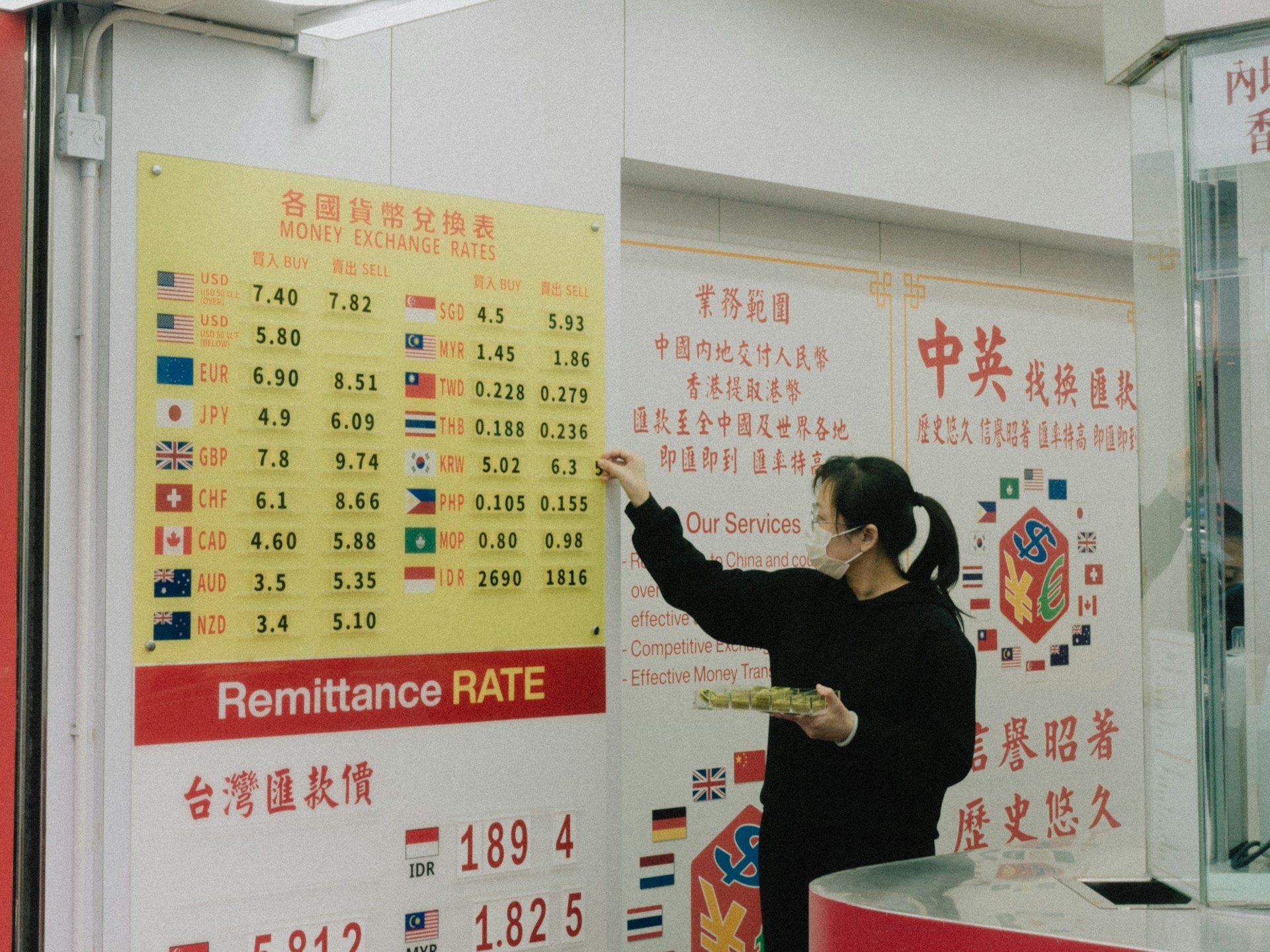
Airport currency kiosks still tempt travelers who want quick cash, yet these exchanges offer some of the worst rates available. Fees quietly stack on top of marked up conversions, turning simple transactions into costly mistakes. Digital travel wallets and no fee cards offer better rates and easier tracking. Travelers who skip modern tools lose money before leaving the terminal. Knowing financial options and preparing digital payment methods saves dollars that can be spent on actual experiences rather than unnecessary charges imposed by airport vendors.
5. Skipping Travel Insurance And Paying Out Of Pocket For Disruptions

Many travelers assume nothing will go wrong and view travel insurance as unnecessary. Yet delays, cancellations, medical emergencies, and lost luggage remain common disruptions. Without coverage, families are left scrambling to replace items or rebook flights at full cost. Insurance protects against unpredictable events that ruin budgets and memories. It is not about expecting problems but avoiding financial setbacks that linger long after the trip ends. Peace of mind has become a practical expense, not an optional add on, especially with unpredictable travel conditions.
6. Overpacking And Paying Extra For Checked Bags They Do Not Need

Travelers often pack for hypothetical scenarios rather than real plans, filling suitcases with items they never use. Overpacking leads to overweight fees, extra checked bags, and airport stress. Light packing allows easier movement, saves money, and reduces lost luggage risks. Thoughtful wardrobes and versatile outfits eliminate unnecessary weight. When travelers bring only what they need, they enjoy more freedom and flexibility. The habit of stuffing bags for every possible moment drains budgets and complicates travel, turning preparation into a costly burden instead of a convenience.
7. Trusting Influencer Itineraries That Do Not Match Real Budgets

Influencers showcase beautiful destinations, yet their experiences often depend on sponsored perks and hidden expenses. Travelers who copy these itineraries quickly discover prices that do not match their budgets. Luxury hotels, exclusive tours, and curated meals become unrealistic goals. Blindly following online inspiration leads to disappointment and overspending. Realistic planning requires understanding personal needs, not replicating someone else’s vacation. Without adjusting recommendations to actual funds, travelers invest in an image rather than an experience, making social media the most expensive guidebook of all.
8. Booking Nonrefundable Stays Too Far In Advance

Nonrefundable bookings seem cheaper, but they leave no room for life changes, weather disruptions, or pricing shifts. Travelers commit months ahead, only to face cheaper deals later or unforeseen conflicts that prevent the trip entirely. Transparent cancellation options provide flexibility and protect budgets. Savings disappear when money remains tied to unused reservations. Travel deals appear constantly, and locking in too early can eliminate better opportunities. Smart travelers pay slightly more for adaptable options that safeguard their plans and wallets.
9. Renting Cars Without Confirming Insurance Coverage Or Hidden Fees

Rental counters often add costly fees for insurance, mileage, tolls, and upgrades that travelers did not expect. Many assume personal auto insurance covers everything, only to learn of exclusions later. Without reading terms, travelers pay premiums on protections they already own. Car rentals should simplify trips, not inflate budgets. Confirming details beforehand prevents last minute confusion and pressure at the counter. Transparency saves money and ensures travelers understand what they are paying for before accepting the keys.
10. Underestimating Tourist Taxes And Mandatory Resort Fees

Hotel prices appear affordable online, but hidden fees arrive at checkout. Resort charges, city taxes, and destination fees add unexpected expenses that increase total costs. Travelers who overlook fine print believe they secured bargains, only to face inflated bills that shift the value of the entire trip. Understanding all charges upfront prevents frustration and ensures comparisons reflect reality. Modern travel requires looking beyond nightly rates and knowing the full cost of comfort. Transparency allows travelers to choose destinations that respect their budgets rather than punish them.
11. Traveling Without Downloading Offline Maps Or Essential Apps

Relying entirely on cell service leads to confusion when signals disappear or international plans fail. Offline maps, reservation apps, and itinerary tools simplify travel and eliminate panic. Without them, travelers waste time, pay for emergency data plans, or get lost. Modern travel demands digital preparedness. A few minutes of downloading prevents hours of stress. Technology should support adventure, not sabotage it. Missing essential tools creates unnecessary expenses and turns simple navigation into expensive problem solving.
12. Assuming Free Wi-Fi Everywhere And Paying Premium Data Charges
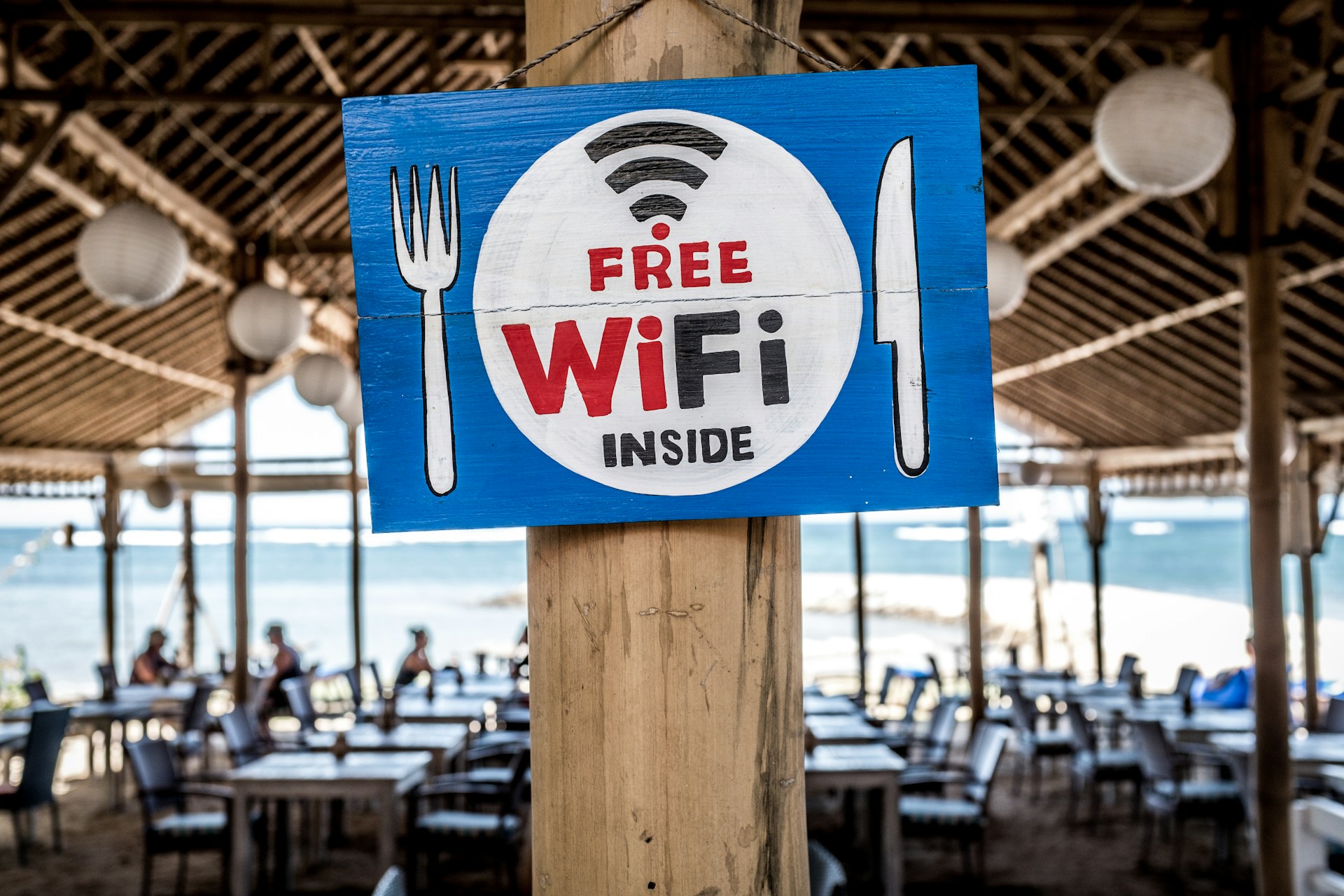
Many travelers assume hotels, airports, and cafes offer reliable free Wi Fi, only to discover slow speeds or daily charges. When connections fail, travelers purchase premium data plans that inflate budgets. Streaming, uploading photos, and navigation consume more bandwidth than expected. Understanding data needs before departure prevents bill shock. Planning connectivity, not guessing it, saves money. Modern travel relies on digital access, and assuming it appears everywhere leaves travelers unprepared and overspending.
13. Eating Only In Tourist Zones And Overspending On Basic Meals

Tourist districts charge premium prices for average food because travelers rarely explore beyond central areas. Eating steps away from attractions increases costs without improving experience. Local neighborhoods offer authentic meals at fair prices, yet visitors stick to familiar paths. Learning where residents dine turns meals into memorable moments without inflated tabs. Food is part of culture, not just convenience, and skipping exploration wastes money and opportunity. Value lies in curiosity, not proximity.
14. Using Outdated Passport Timelines And Missing Travel Windows
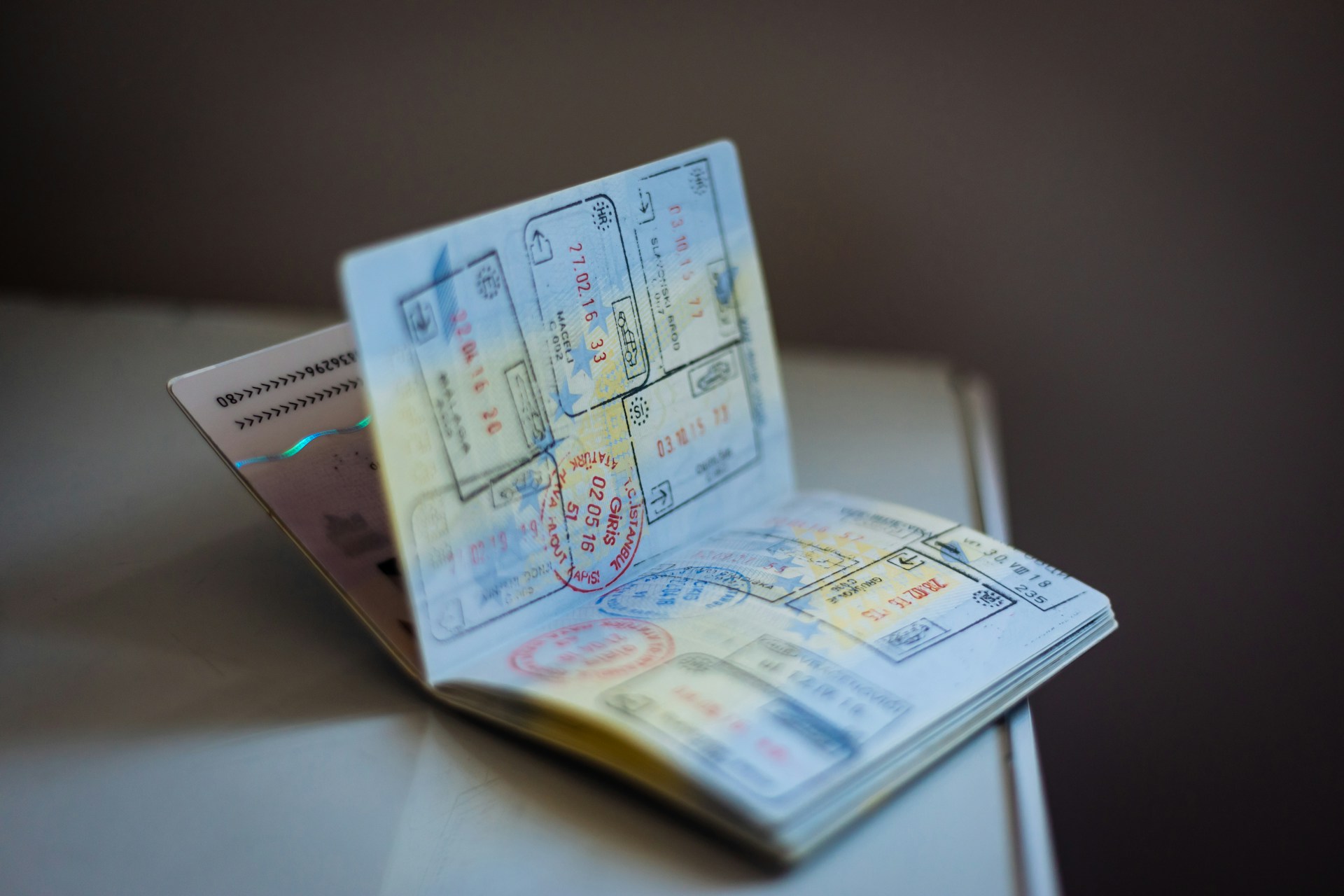
Passport processing has changed, and old timelines no longer apply. Travelers assume renewals take weeks, not realizing delays vary by season and demand. Missing this detail ruins entire trips when airlines deny boarding for passports near expiration. Updated rules protect both borders and budgets. Renewal planning should begin months ahead, not weeks. A passport is the most important travel document, and treating it casually invites costly cancellations. Awareness ensures trips begin with excitement, not disappointment.
Traveling in 2026 rewards those who prepare and punishes those who rely on outdated assumptions. Costs rise when travelers trust trends more than facts or convenience more than planning. Avoiding these mistakes frees money for meaningful experiences instead of unnecessary fees. Smart travel does not require more spending, only more awareness. The best trips begin long before boarding a plane, with decisions that respect time, budgets, and reality.