Across the world exist places where architecture was never just a matter of need or beauty, but of spiritual obedience. These communities were not simply constructed with stone and timber, but with fear, reverence, and devotion to stories believed to govern fate. Shrines were placed to block unseen forces, doorways were carved with symbols to fool wandering spirits, and entire town layouts followed divine geometry rather than logic. In these places, myth did not sit in books or oral lore; it shaped street plans, rooflines, and the souls of those who walked beneath them.
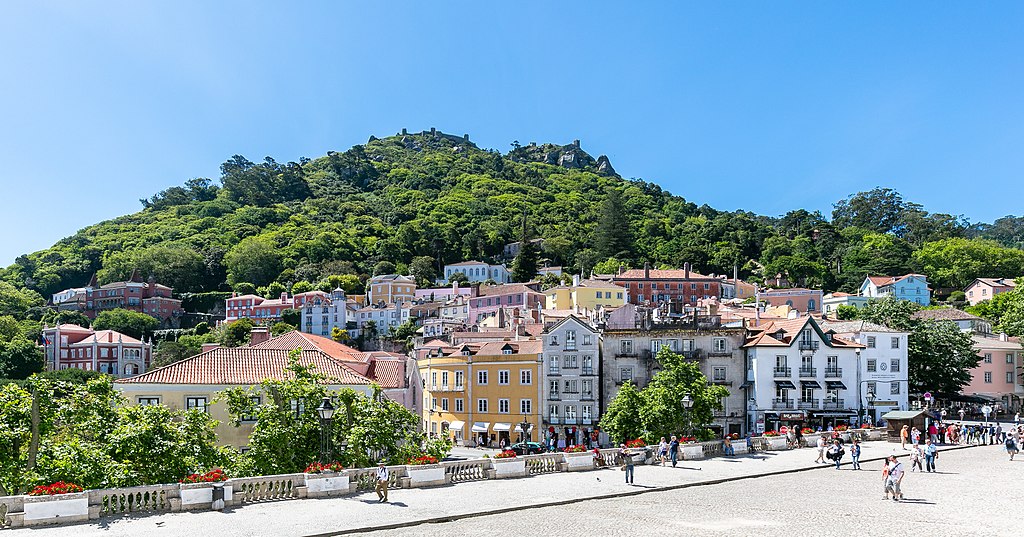
Sintra, Portugal
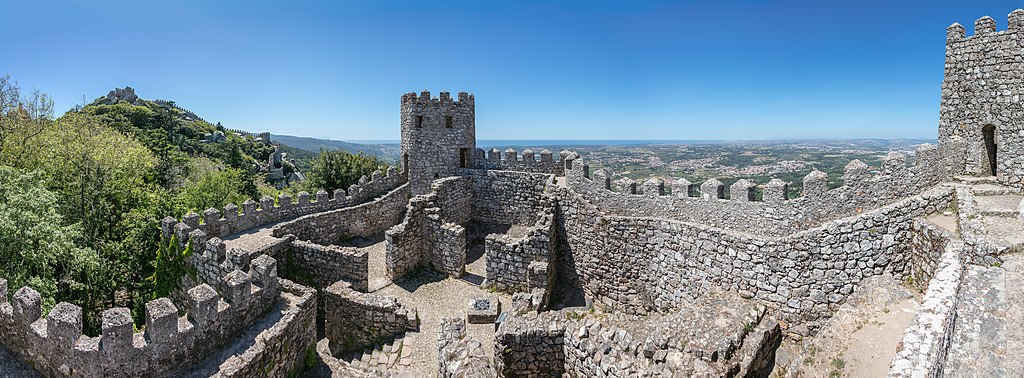
Sintra’s mystical estates were designed under the influence of alchemical symbolism, Templar whispers, and secret ritual orders. At sites like Quinta da Regaleira, underground tunnels, inverted towers, and perfectly aligned courtyards formed a spiritual training ground rather than a residence. Every turn is intentional, meant to test the inner seeker, not entertain a guest. Local builders followed esoteric geometry that placed spirit above utility, giving Sintra a silent presence that feels aware, as though the architecture itself is listening to whoever enters.
Varanasi, India
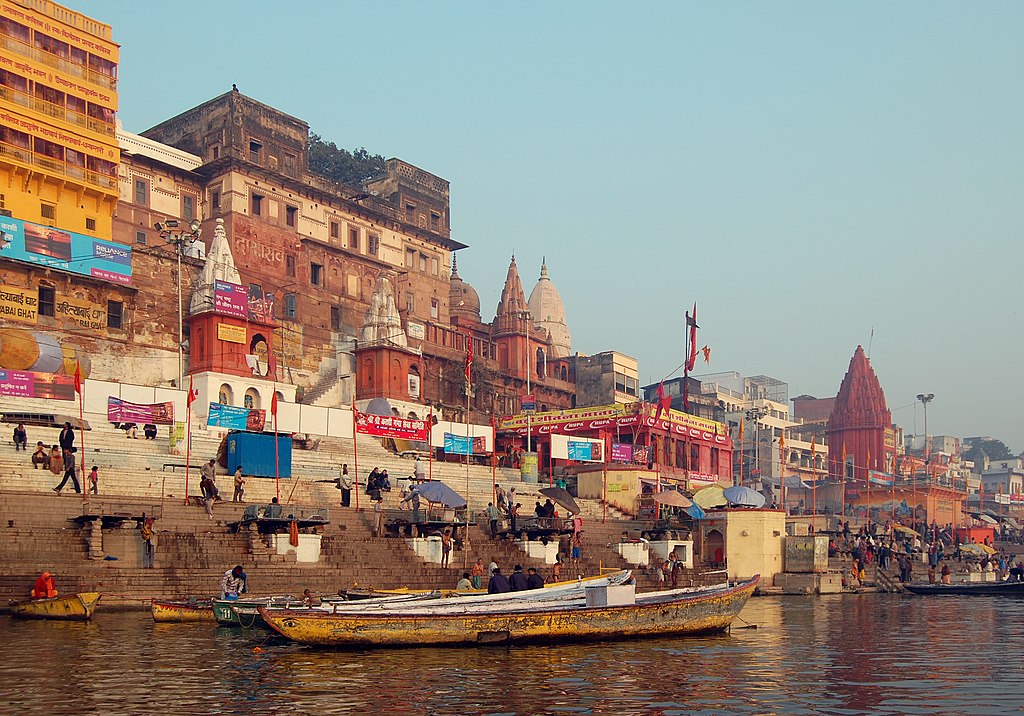
Varanasi was built not as a city first, but as a spiritual gateway between life and liberation. Its architecture follows Hindu beliefs about the sacred Ganges river and the soul’s journey toward freedom. Ghats descend like ceremonial stairways guiding mortals to release earthly ties, while temples are placed in cosmic alignment rather than civic logic. Ritual movement shaped urban planning more than trade or defense. To live here is to live inside a prayer — the city itself is a script for transcendence, every stone accepting that existence ends at the river it faces.
Kyoto, Japan
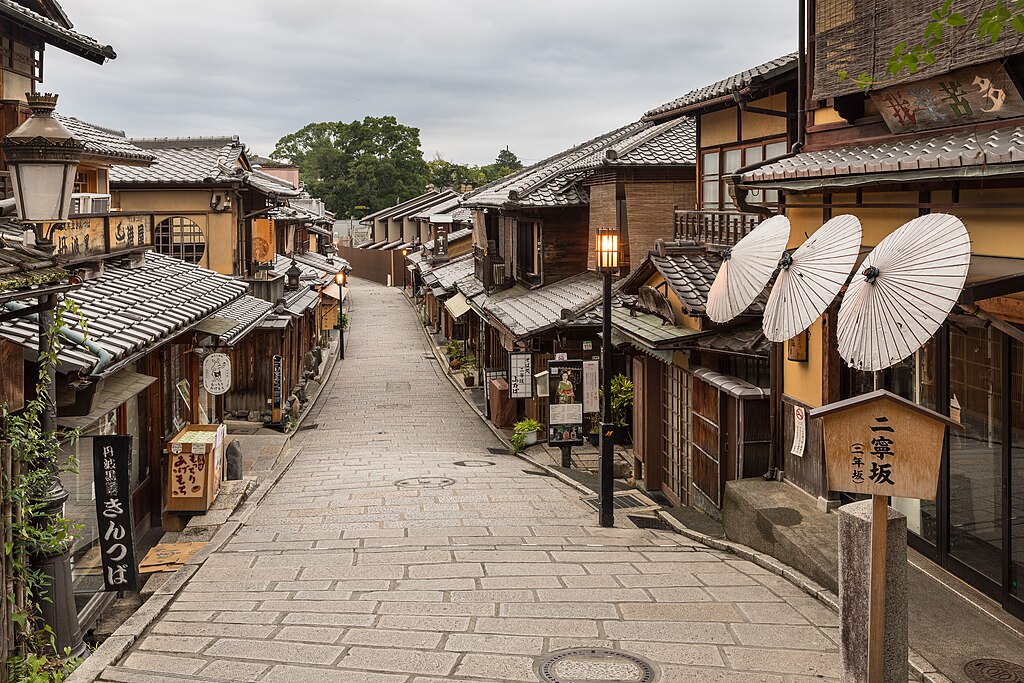
Kyoto’s traditional layout obeys ancient geomancy, which taught that energy flows in divine patterns invisible to ordinary perception. Temples and shrines are placed not for visibility or convenience, but at spiritual nodes believed to host protective forces. Streets curve subtly to confuse negative spirits, while gates and courtyards follow rules that honor unseen entities before human preference. Even common homes once positioned altars and doorways according to celestial direction. Kyoto is a living reminder that structure, when done correctly, is not arrangement but negotiation with the invisible.
Čičmany, Slovakia
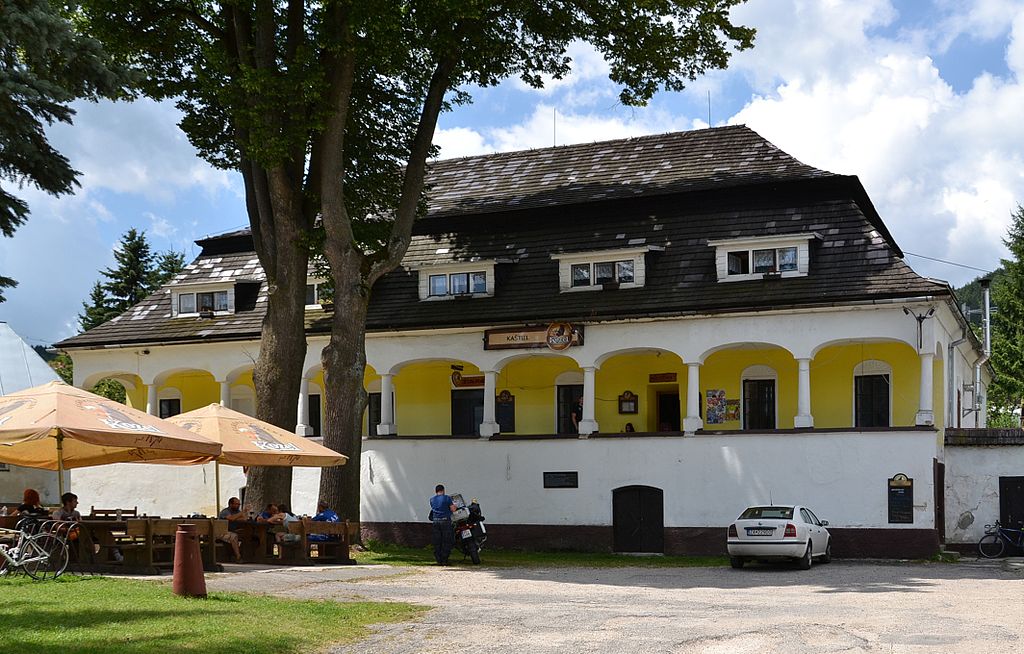
The wooden homes of Čičmany are covered in white geometric markings that serve as active spiritual protection rather than decoration. Each symbol traces back to folk beliefs calling for prosperity, fertility, or defense against misfortune. The patterns were painted not artistically, but ritually, treating each wall as a shield. Local families once refreshed these markings as acts of spiritual maintenance, equal to tending crops. Surrounded by mountains that villagers believed held guardians, Čičmany is a rare place where architecture still openly wears its prayers on its exterior skin.
Matera, Italy
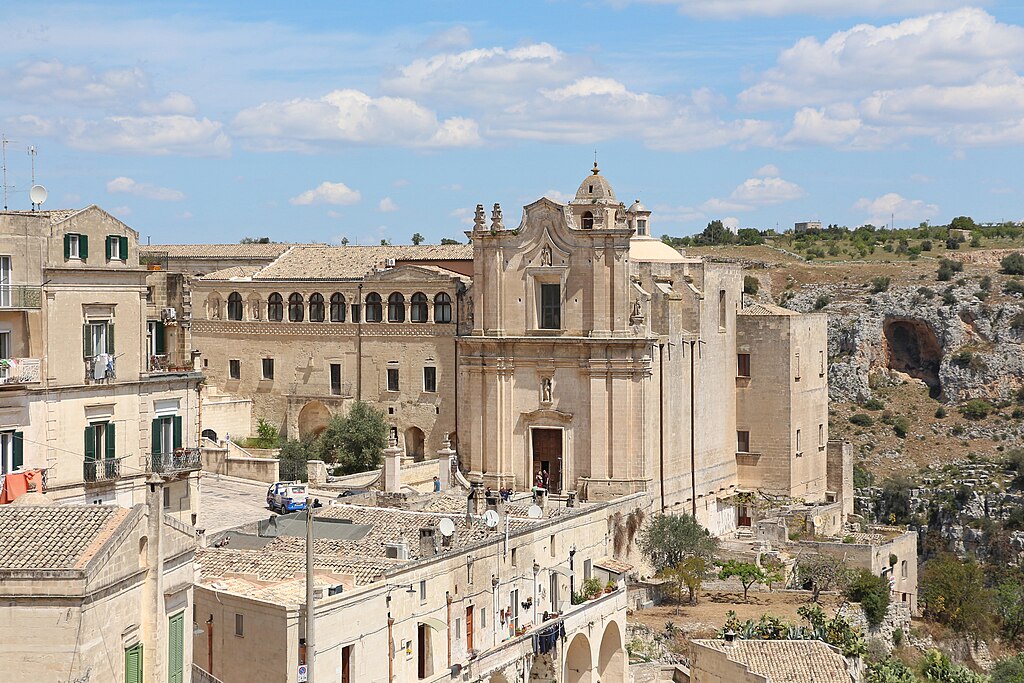
Matera’s ancient cave dwellings were carved directly into stone according to beliefs that the earth’s womb offered sacred protection. Rather than build upward, residents chose to return inward, aligning their homes with religious grotto traditions that predated Christianity. Living within rock was seen as both humble and holy. Light was channeled in purposeful shafts, mimicking divine presence rather than mere utility. The city’s layered tunnels and chambers resemble devotional architecture more than urban engineering, preserving Matera as a spiritual echo of ancient trust in protective geology.
New Orleans, Louisiana
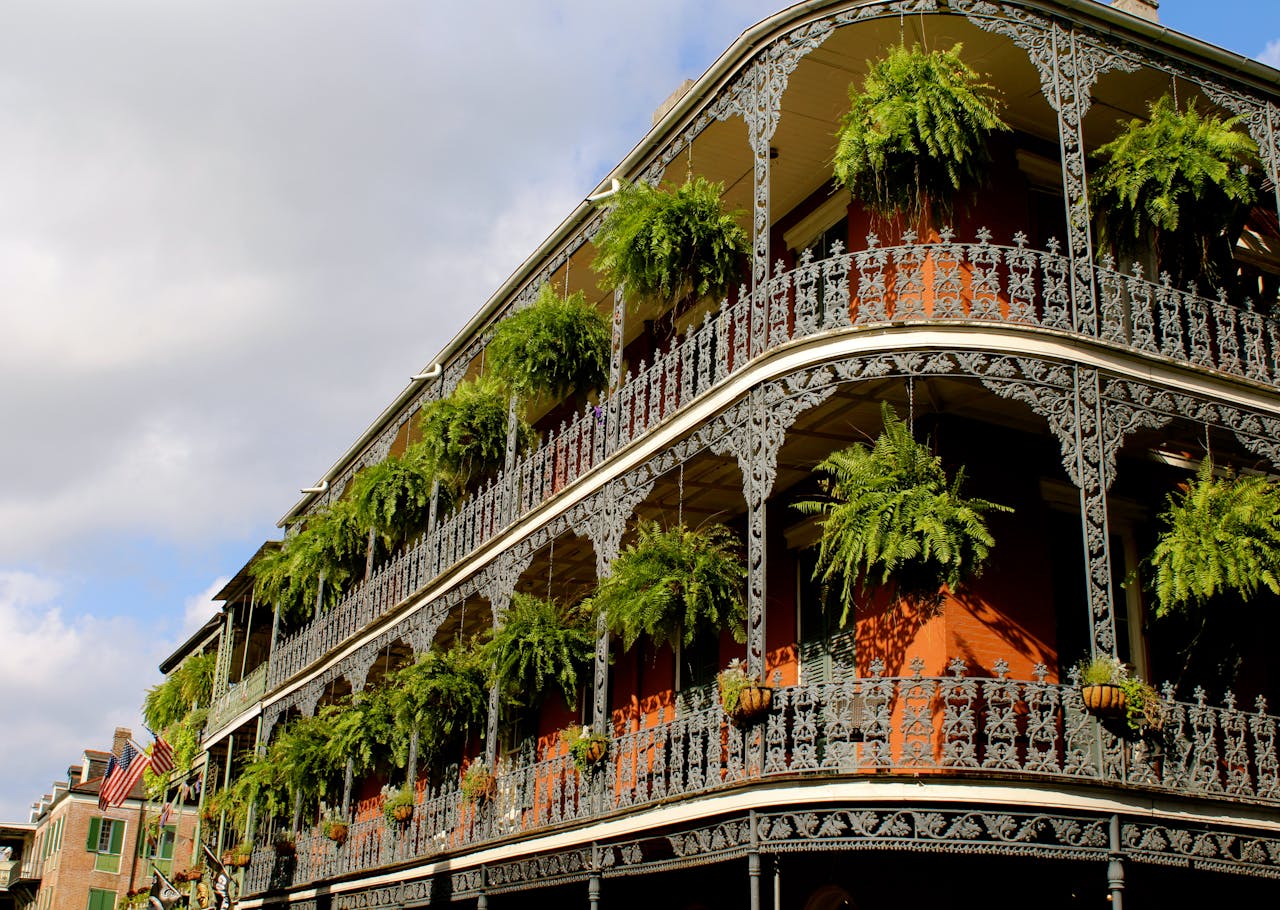
New Orleans architecture reflects a profound belief in the spirit world, shaped by voodoo, African ancestral reverence, and European superstition. Many homes include hidden symbols to mislead unwanted entities, while cemeteries are raised above ground to prevent souls from returning. Ironwork on balconies often holds coded protection patterns. Even street layouts and ritual crossroads were chosen for spiritual significance rather than traffic flow. This is a city designed not only for the living, but for equal negotiation with the dead, ensuring restless forces are respected rather than angered.
Bali, Indonesia
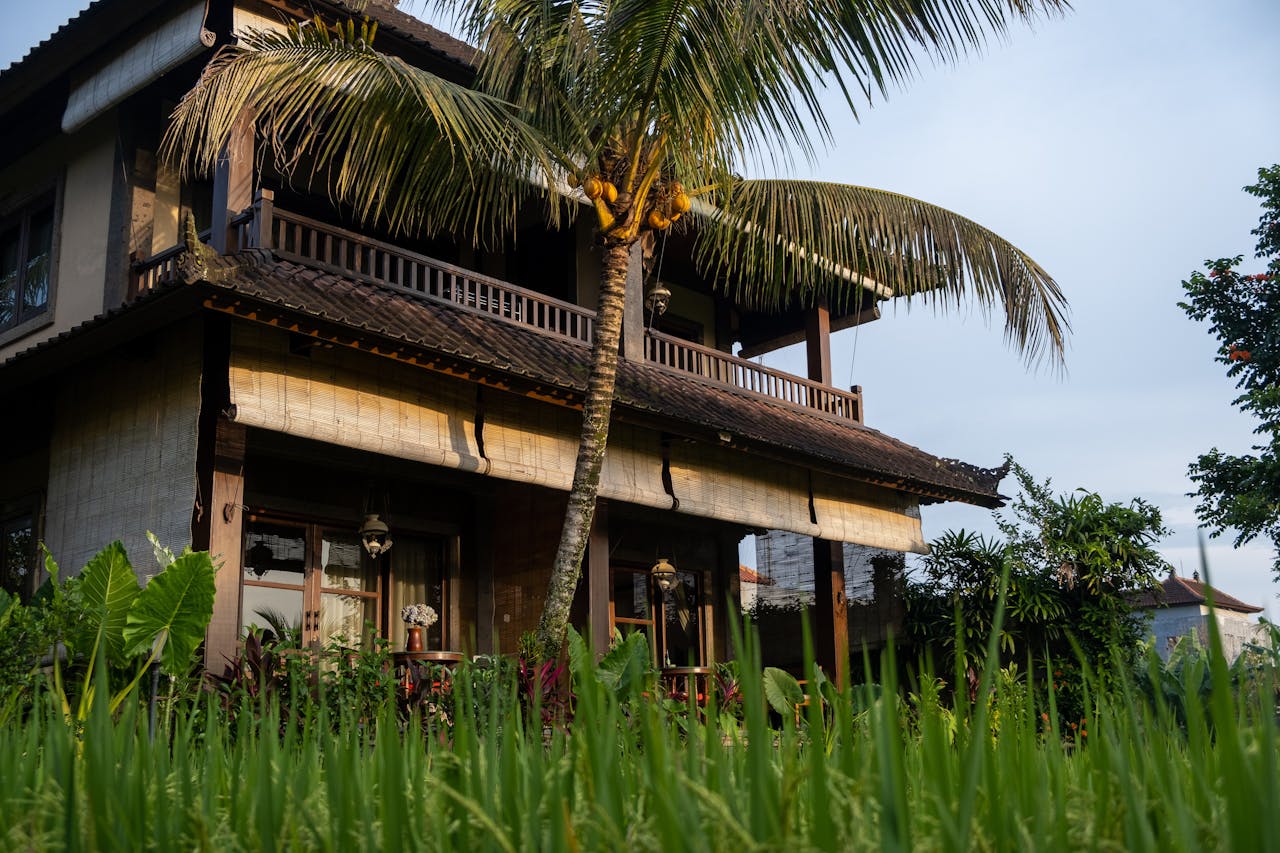
Balinese homes and temples are built through a spiritual blueprint known as Tri Hita Karana, which dictates harmony between humans, nature, and the divine. Every compound is oriented toward sacred mountains and away from darker sea spirits, with spaces assigned by rank of cosmic importance. Gates are carved as guardian beings rather than mere entrances. The kitchen, shrine, sleeping quarters, and livestock areas follow ritual hierarchy. Nothing is arranged for comfort first: instead, all structure serves cosmic etiquette, honoring spirits that are treated as permanent residents.
Ouro Preto, Brazil
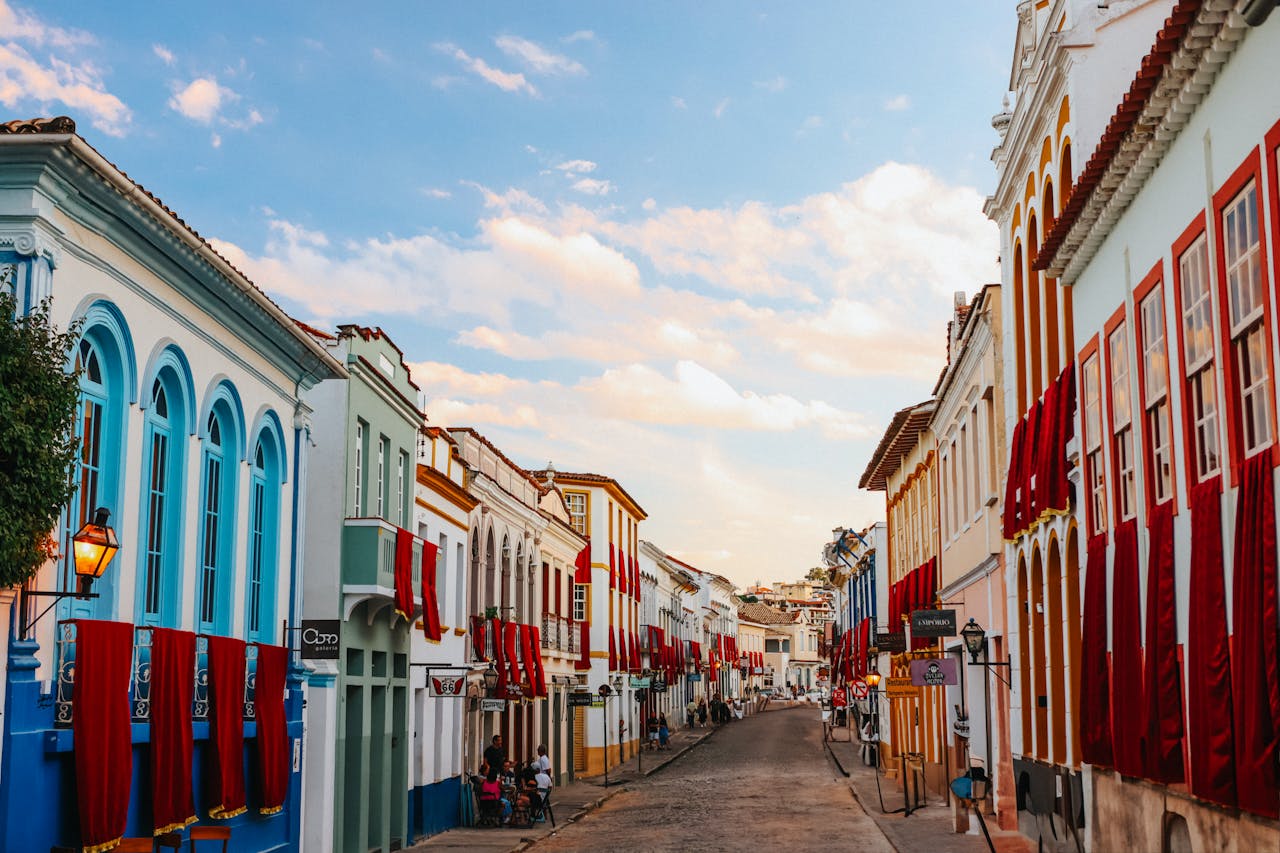
Ouro Preto’s colonial streets and churches were shaped using Masonic and Marian symbolism, guided by legends linking gold to divine revelation. Buildings were intentionally aligned to mimic celestial constellations rather than geographical convenience. Church facades contain coded references to sacred light, and steep pathways rise like spiritual ascents. Miners and architects believed that certain alignments attracted divine favor and protection. Even today, the town feels more like a constructed prayer than a settlement, as if its architecture was meant to call heaven’s attention rather than human praise.
Acoma Pueblo, New Mexico
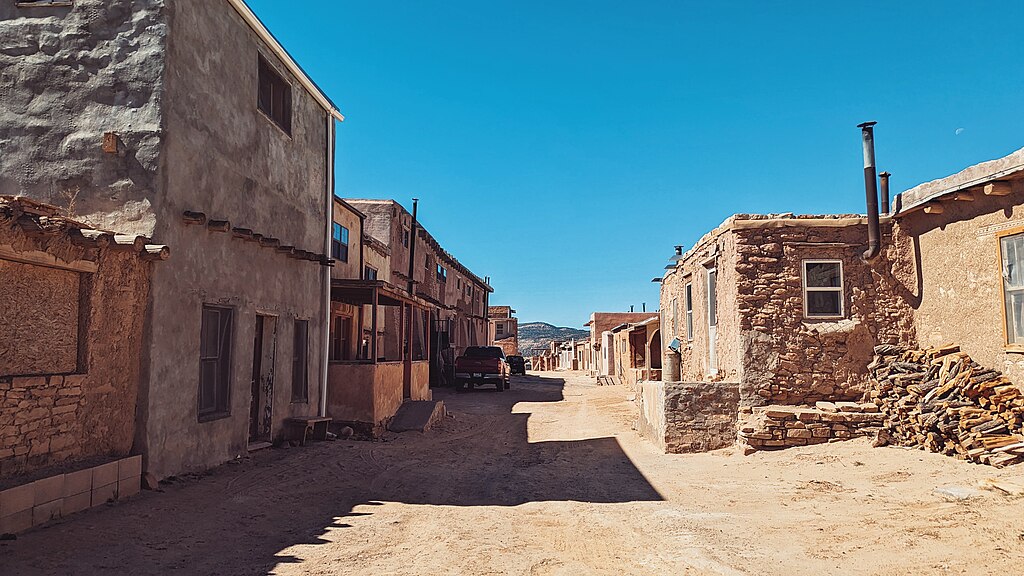
Acoma Pueblo was built atop a high sandstone mesa chosen through prophecy, believed to be designated by spiritual messengers. Its adobe homes are layered vertically to echo the structure of the universe — sky, earth, and ancestral underworld. No home faces the west, which is associated with the direction of death. Doors, ladders, and terraces follow ceremonial logic rather than comfort. The community did not build with dominance in mind, but in obedience to messages believed to arrive from a realm beyond the visible, ensuring survival through spiritual alignment.
Glastonbury, England
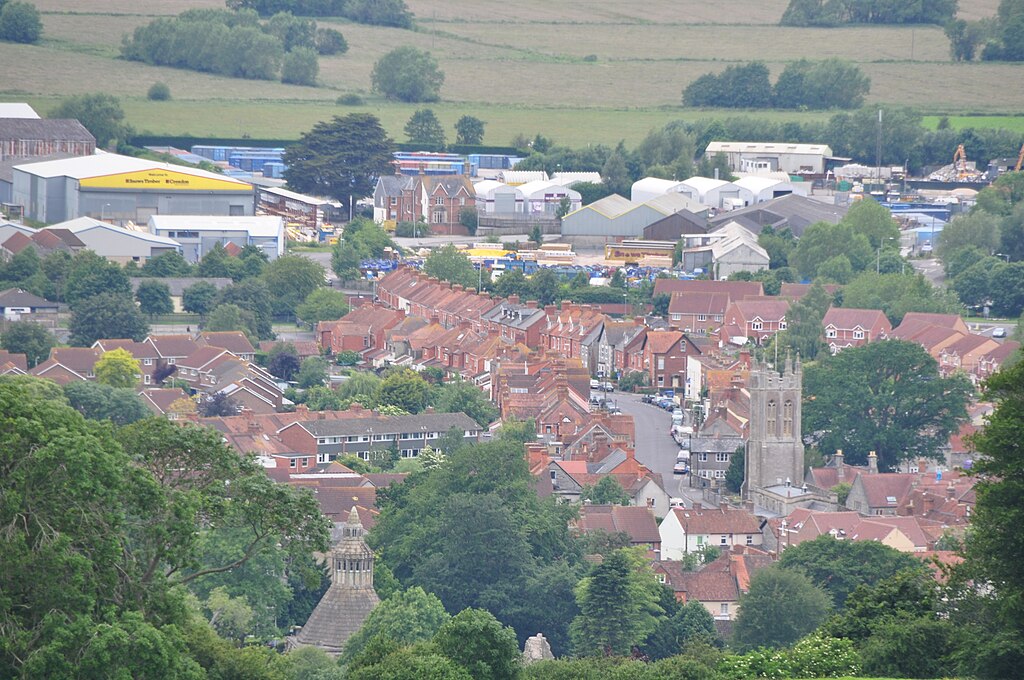
Glastonbury has long been tied to legends of King Arthur and the mythical Isle of Avalon. Its churches, wells, and hill pathways were built on intentional alignment with supposed ley lines: mystical currents believed to carry earth’s sacred power. Builders positioned structures to activate these intersections rather than follow practical mapping. Spiral walking routes to the Tor hill were designed as meditative ascents mirroring spiritual rebirth. Whether or not the myths are believed, Glastonbury functions architecturally as a doorway, not a town, structured in welcome to other realms.
Fez, Morocco
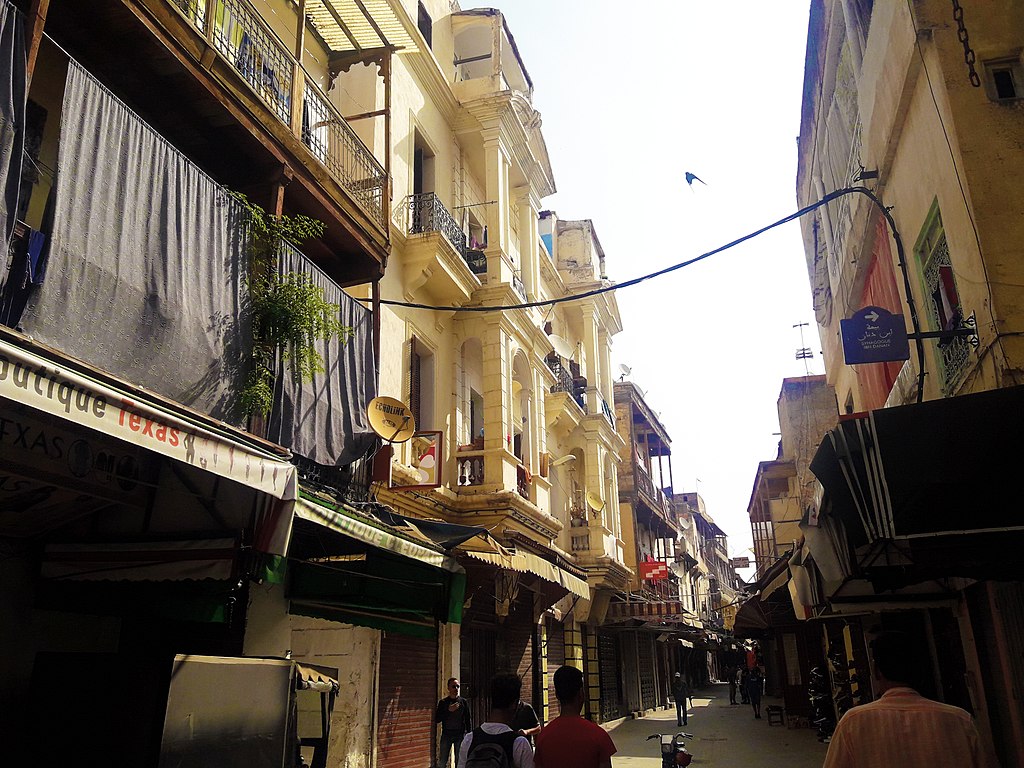
Fez was engineered as a spiritual labyrinth, with its medina intentionally disorienting to purify the intentions of travelers. Streets spiral inward rather than outward, directing wanderers symbolically toward enlightenment. Decorative tiles and fountains are embedded with scriptural verses that bless rather than simply adorn. Doors conceal more than they reveal, protecting the soul of the home. The city layout acts as a test; only those who enter with patience and humility navigate it with peace. Fez is not merely lived in; it is journeyed through as devotion.
Tana Toraja, Indonesia
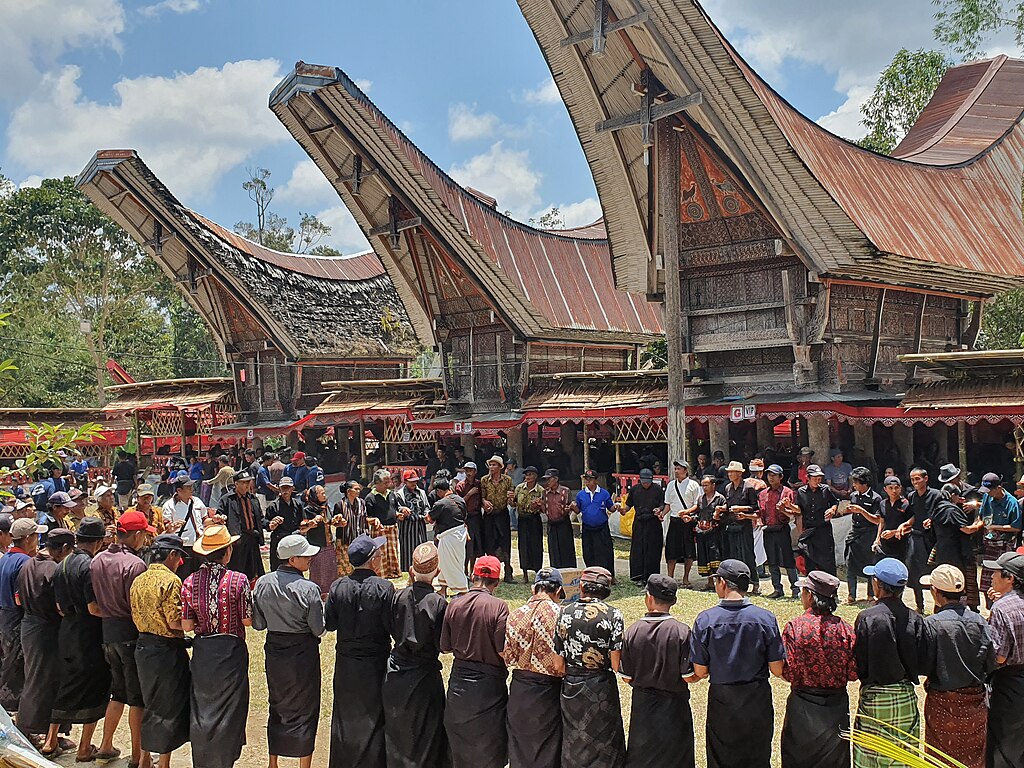
The boat shaped roofs of Tana Toraja homes trace back to a legend that ancestors descended from the sky in celestial vessels. Every house faces north to honor the direction of origin spirits, while buffalos, believed to carry souls, are carved prominently in the design. Architecture here is less shelter than continuation of ancestry. Death rituals shape the village more than daily commerce. Even newer structures follow the same sacred alignment, preserving an unbroken dialogue between architecture and the myth that began the first generation.
Český Krumlov, Czech Republic
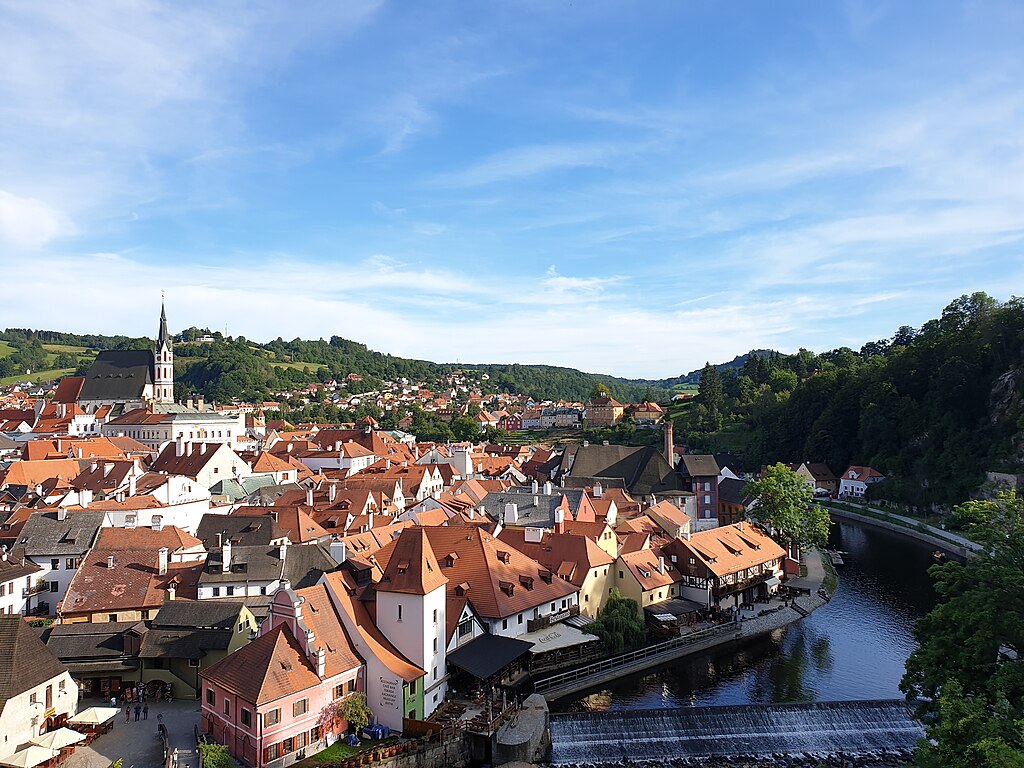
Český Krumlov was constructed according to ancient beliefs regarding the Vltava River’s magical serpentine energy. Its castle and town streets are curved to flow with this supposed dragon shaped current, which locals believed safeguarded prosperity when honored correctly. Alchemical symbols appear subtly in facades, bridges, and wells. Builders did not challenge the river’s bends but amplified them, working with its mythic body rather than controlling it. The town feels choreographed by water spirit logic, preserving the belief that fortune only remains when legend is obeyed.
These communities prove that architecture is not always guided by convenience or economy. It can be shaped by reverence, superstition, or a direct attempt to communicate with the unseen. In these places, buildings are more than shelter; they are testimonies, protections, and spiritual contracts written in stone. They remind us that the world was once built not to please the eye, but to answer a story believed bigger than human authority.