

Owning a home comes with a lot of freedom, but it also comes with rules—many of which homeowners break without even realizing it. From minor renovations to seemingly harmless yard projects, some common habits could land you in legal trouble or hit you with fines. Understanding what’s allowed (and what isn’t) can save you stress, money, and conflict with neighbors or your local government. Here are 14 things homeowners often do that are actually against the law
Building a Fence Without a Permit

It might seem harmless to put up a new fence to boost privacy, but many cities require a permit first. There are often strict rules about the height, material, and placement of fencing. Skipping the permit process can result in hefty fines or an order to tear it down. Always check local codes before starting any fencing project.
Planting Trees Too Close to Property Lines

Planting a row of trees for shade or privacy is common, but if they’re too close to your neighbor’s property, you could be violating local ordinances. Overhanging branches or invasive roots can create legal disputes. Some municipalities have minimum distance requirements for planting. Ignoring these rules could mean you’re responsible for removal and damages.
Converting a Garage Into Living Space
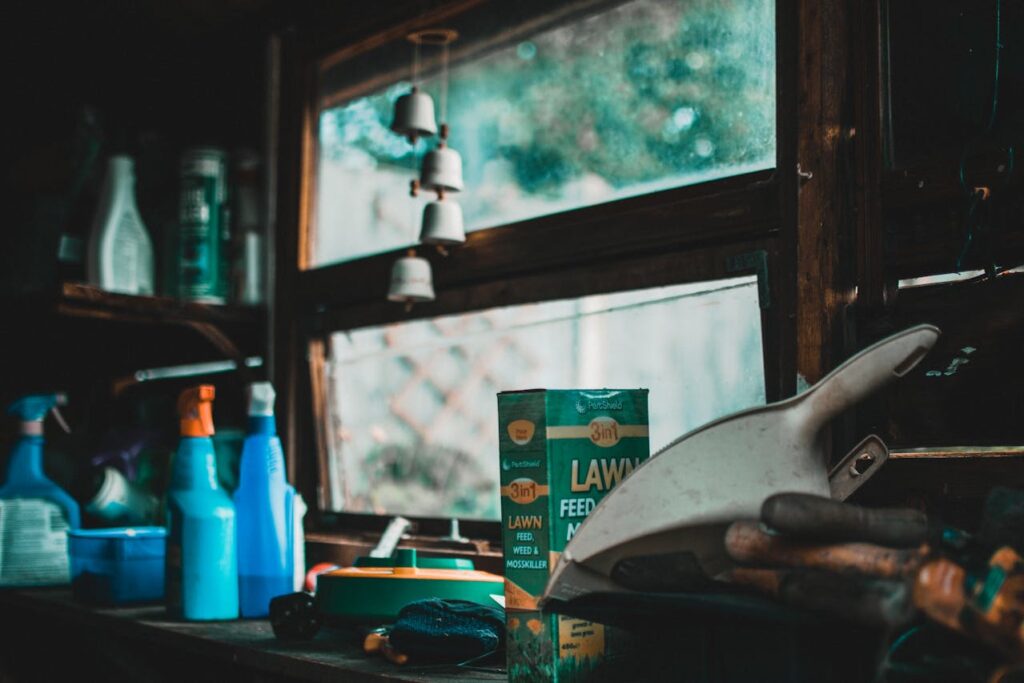
Transforming your garage into a spare bedroom or rental unit might seem like a smart idea, but it often requires zoning approval and inspections. Unpermitted conversions can impact property value and violate safety codes. If discovered, you may face fines or be forced to revert the space. Always secure the proper permits before starting a garage remodel.
Using Illegal Building Materials
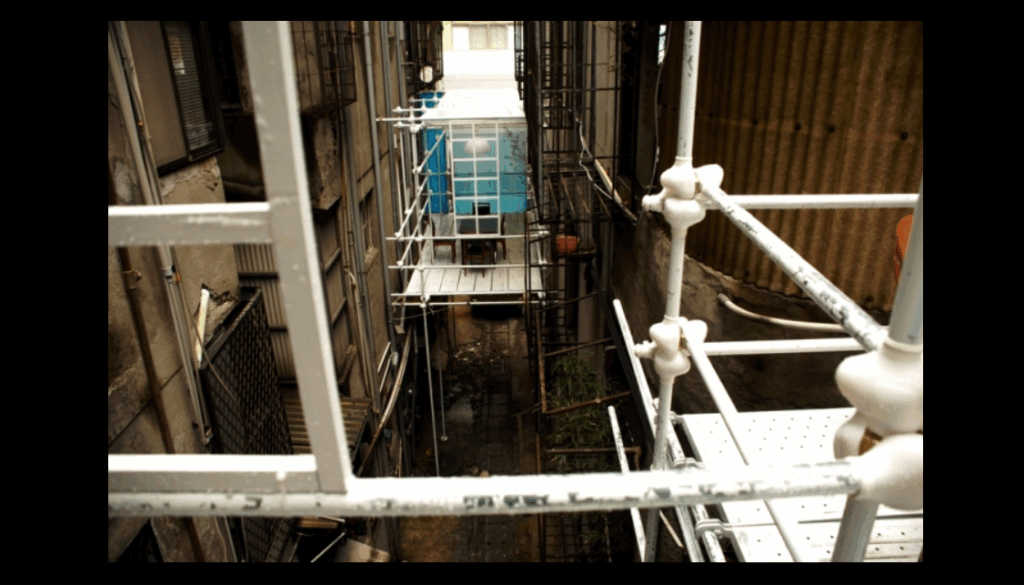
When renovating, it’s tempting to cut costs by using cheaper or reclaimed materials. However, certain materials like asbestos insulation or outdated wiring are banned in most places. Installing them can violate health and safety codes. If inspectors find illegal materials, you’ll likely have to remove and replace them at your own expense.
Operating a Home-Based Business Without Approval

Running a small business out of your house—like a hair salon, daycare, or catering service—usually requires special permits. Zoning laws often restrict business activities in residential neighborhoods. Neighbors can file complaints if they notice increased traffic or noise. Operating without approval can result in fines or shutdown orders.
Installing Plumbing or Electrical Work Yourself

DIY repairs can save money, but major plumbing or electrical projects typically require licensed professionals and permits. Unpermitted work can be dangerous and may void your insurance coverage. If something goes wrong, you could be held liable. It’s safer—and often legally required—to hire qualified contractors for these jobs.
Renting Out Your Home Without Following Regulations

Short-term rentals through platforms like Airbnb are popular, but many cities regulate them tightly. You may need a business license, inspections, and to pay occupancy taxes. Failing to comply can lead to stiff penalties. Always research your local laws before listing your property for rent.
Disposing of Hazardous Waste Improperly

Getting rid of old paint, motor oil, or cleaning chemicals in your regular trash may seem harmless. But improper disposal is illegal and can harm the environment. Most communities have special collection days or drop-off sites for hazardous waste. Fines for improper disposal can be steep, so always follow the rules.
Blocking Sidewalks or Right-of-Ways

Parking your car across the sidewalk or placing large planters that block public access might violate municipal codes. These areas must remain clear for pedestrians and emergency services. Neighbors or passersby can report the obstruction. Repeated violations can lead to tickets or mandatory removal.
Building Structures Too Close to the Property Line
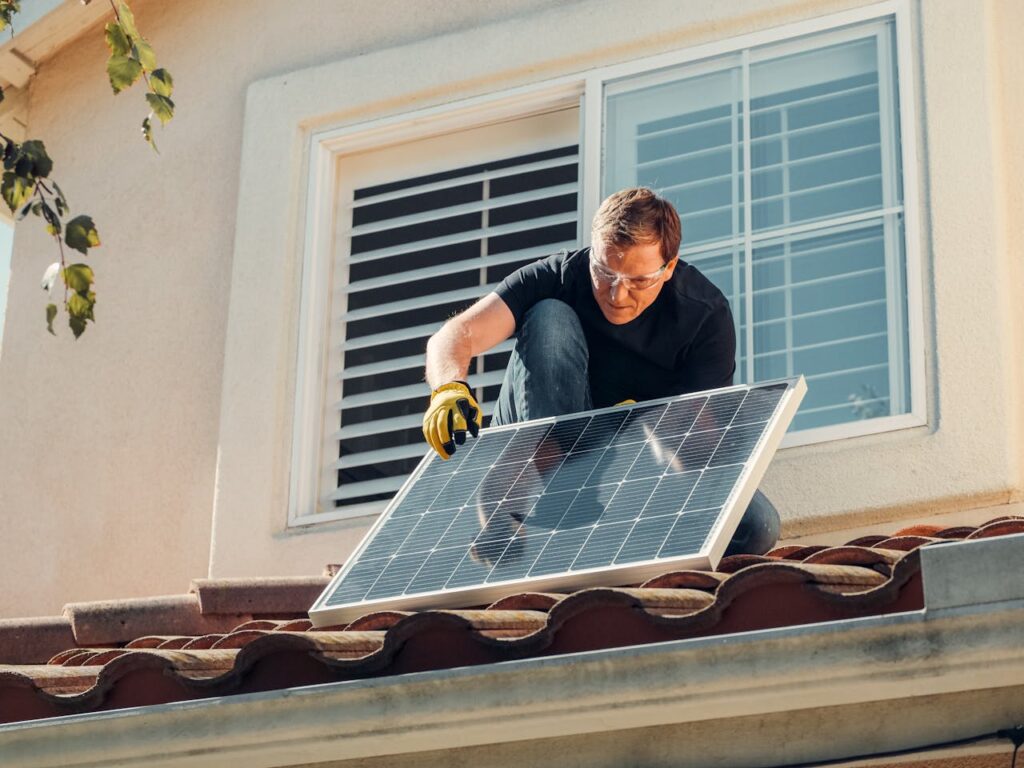
Adding a shed, deck, or patio extension without checking setback requirements is a common mistake. Local zoning laws dictate how far structures must be from property lines. If you build too close, you could be forced to tear down or relocate the addition. Always confirm measurements before construction begins.
Ignoring Noise Ordinances

Hosting loud parties, using power tools late at night, or blasting music can violate noise ordinances. While occasional noise is expected, repeated disturbances can lead to complaints. Fines or citations can follow if you ignore warnings. Respect quiet hours to stay on good terms with neighbors and the law.
Installing Surveillance Cameras That Invade Privacy
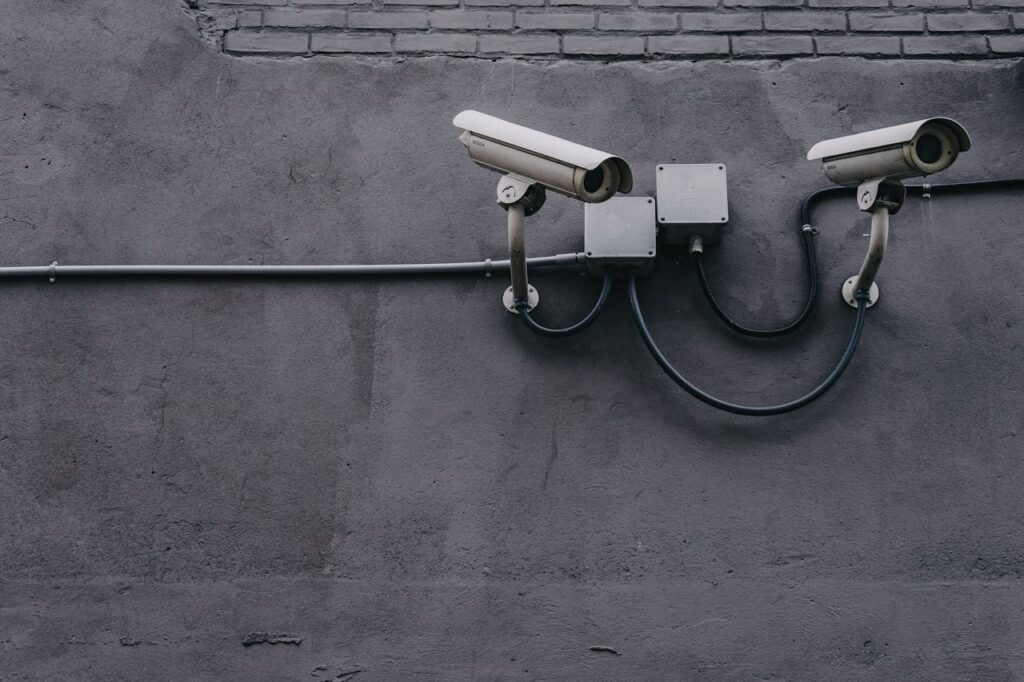
Security cameras are helpful, but pointing them directly into a neighbor’s home or yard can cross legal lines. Many states have laws protecting residents’ reasonable expectation of privacy. Improper camera placement can result in lawsuits or demands to remove the devices. Be mindful of where your cameras are aimed.
Removing Protected Trees

Some trees are protected due to their size, age, or species. Cutting them down without permission—even on your own property—can lead to severe penalties. You may be required to plant replacements or pay large fines. Always consult your city’s arborist or planning department before removing any mature tree.
Using Pesticides or Herbicides Illegally

Treating your lawn or garden with banned chemicals can violate environmental regulations. Overuse or improper application may also contaminate water sources or harm wildlife. There are often strict rules on which products you can use and how they must be applied. Read labels carefully and follow all local guidelines.