The Civil War was not only fought by soldiers on the battlefield but also shaped by courageous women who refused to stay silent or still. They nursed the wounded, spied on the enemy, and even disguised themselves as men to fight. Their bravery changed the course of history and redefined what women were capable of. These remarkable stories prove that courage comes in many forms and often from those history almost forgot.
1. Harriet Tubman
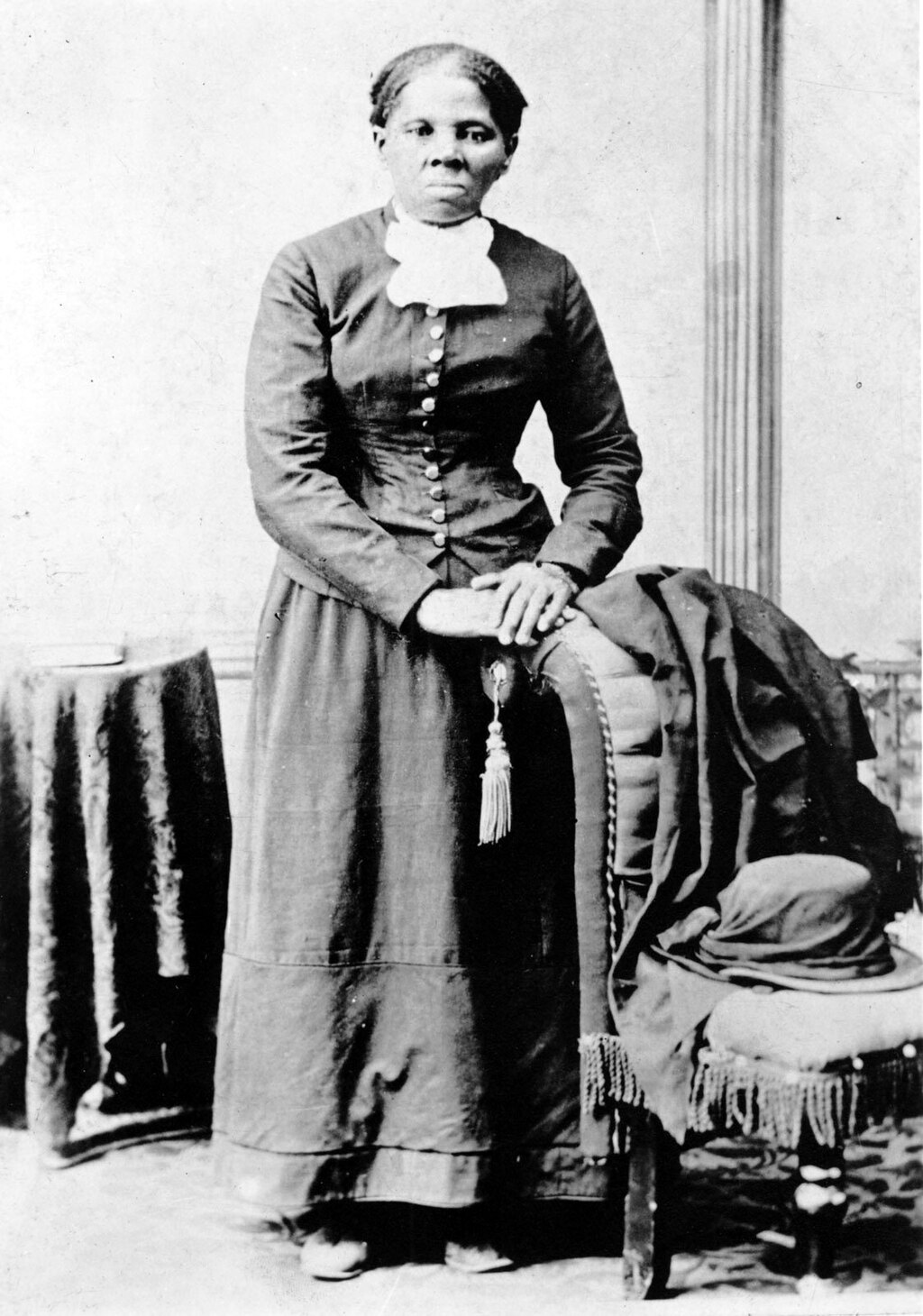
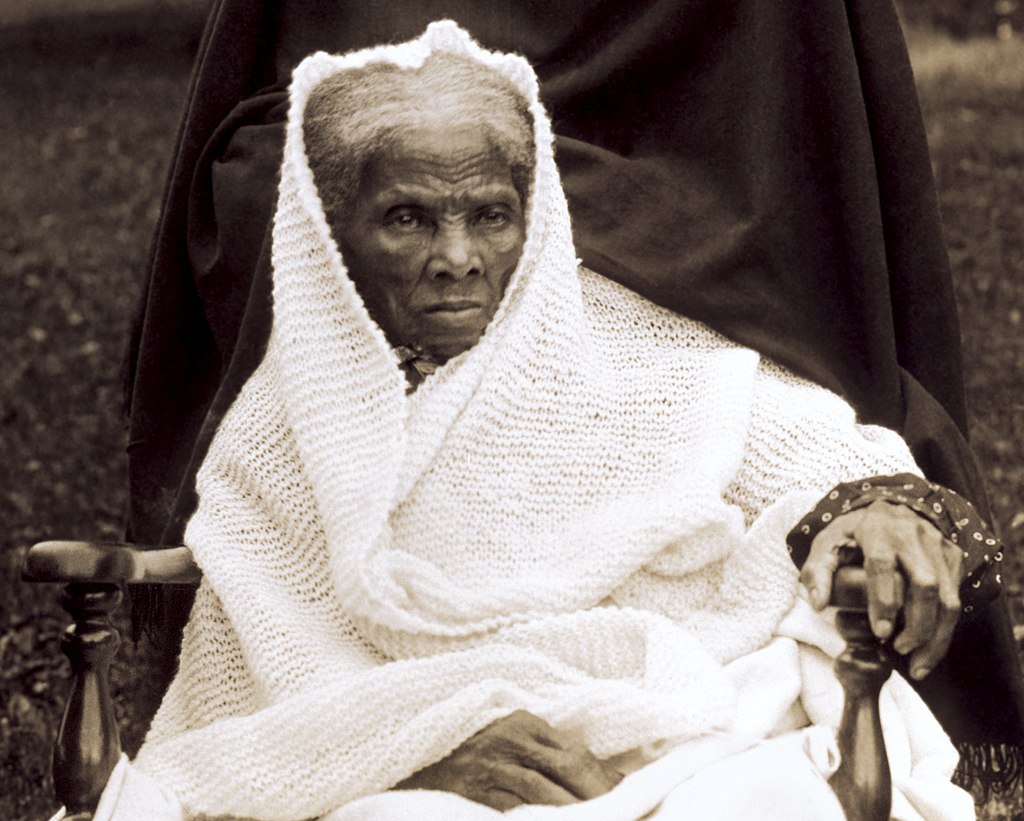
Best known for leading enslaved people to freedom through the Underground Railroad, Harriet Tubman also served as a Union spy and nurse during the Civil War. She led an armed raid in South Carolina that freed more than seven hundred enslaved people, making her the first woman to command a U.S. military operation. Tubman’s leadership, courage, and deep compassion made her one of the most remarkable figures of the era and an enduring symbol of freedom.
2. Clara Barton
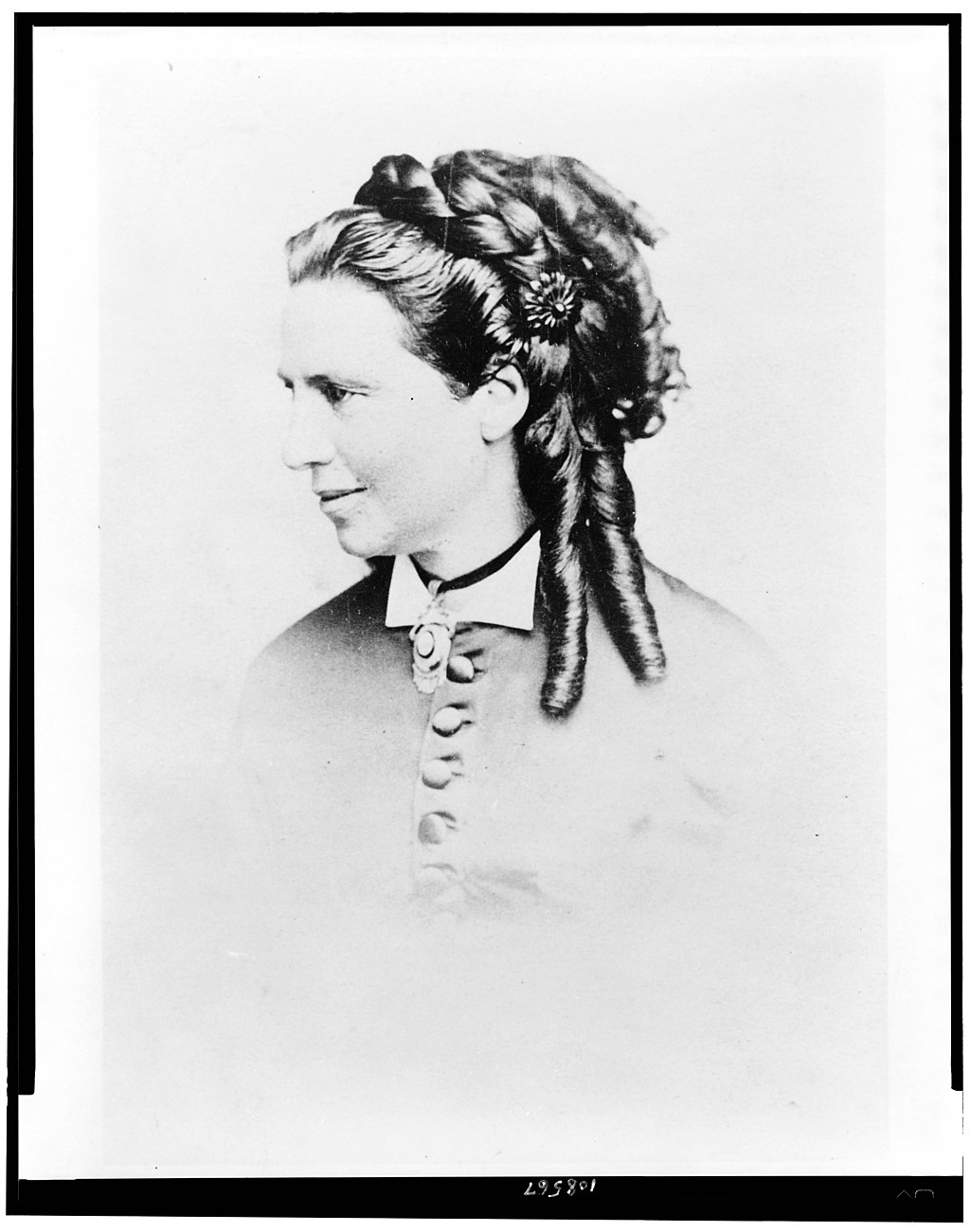
Clara Barton risked her life on the front lines to deliver medical supplies and care to wounded soldiers. Known as the “Angel of the Battlefield,” her tireless efforts led to the founding of the American Red Cross. Barton’s compassion and organization helped modernize battlefield medicine, saving countless lives. Her legacy continues every time disaster relief teams respond to emergencies, proving that her bravery reached far beyond the war itself.
3. Mary Edwards Walker
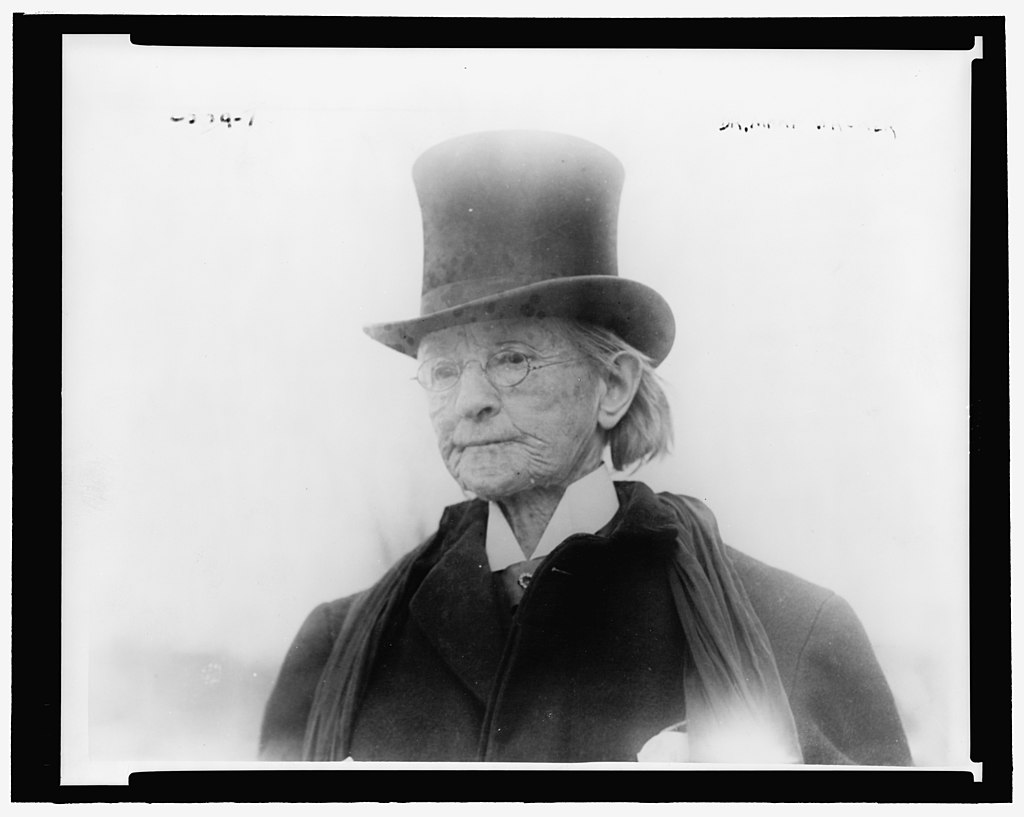
Dr. Mary Edwards Walker was one of the first female surgeons in the U.S. and worked fearlessly near active combat zones. She treated soldiers on both sides and was captured by Confederate forces before being released. For her extraordinary service, she became the only woman to ever receive the Medal of Honor. Walker defied expectations, proving that skill and dedication know no gender in the face of suffering and need.
4. Rose O’Neal Greenhow
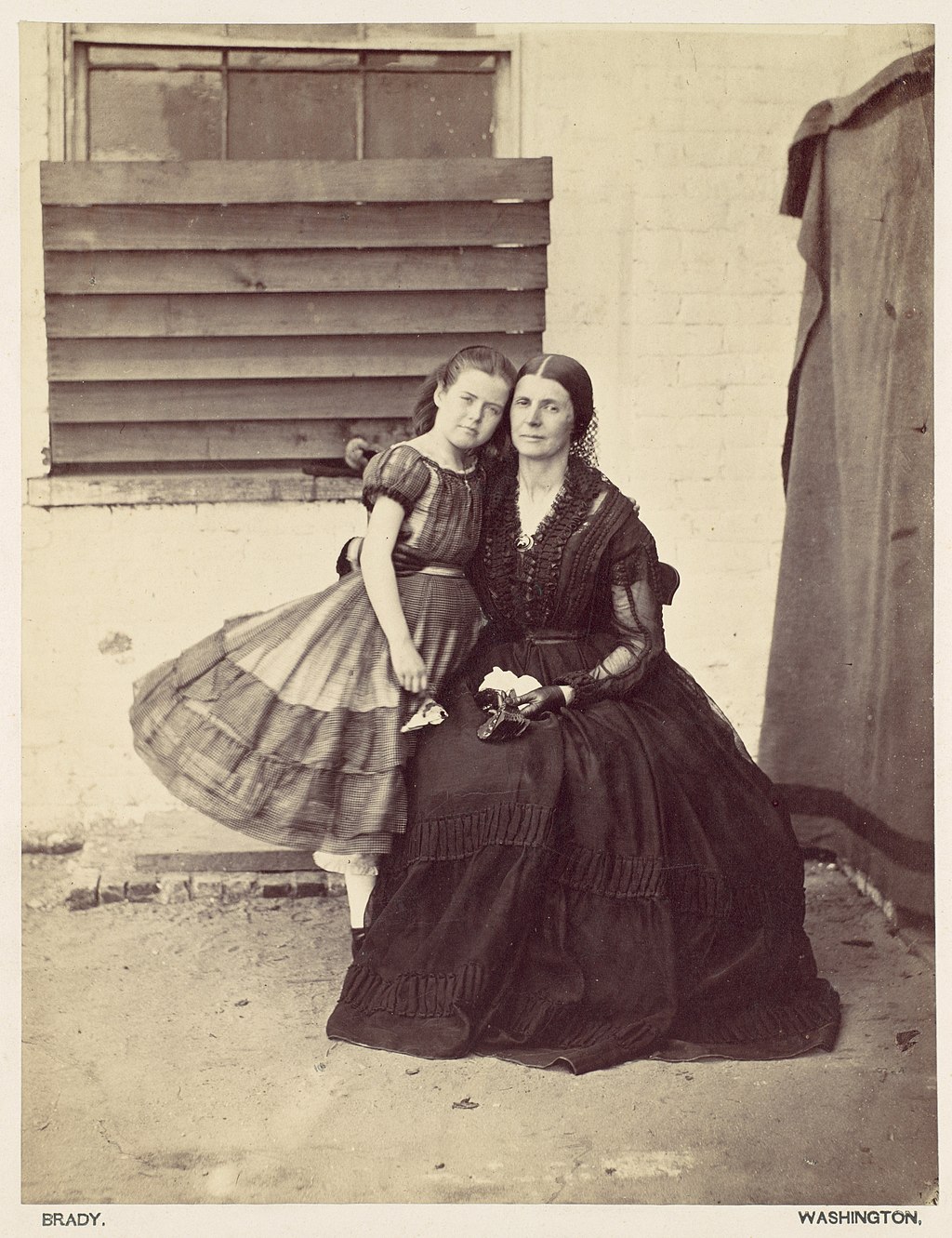
Rose O’Neal Greenhow was a prominent Confederate spy in Washington, D.C., who used her social connections to pass crucial intelligence to the South. Her efforts reportedly helped the Confederacy win the First Battle of Bull Run. Though eventually arrested, her bravery and cunning left a deep mark on espionage history. Greenhow’s story shows how information could be just as powerful as armies in shaping the course of war.
5. Susie King Taylor
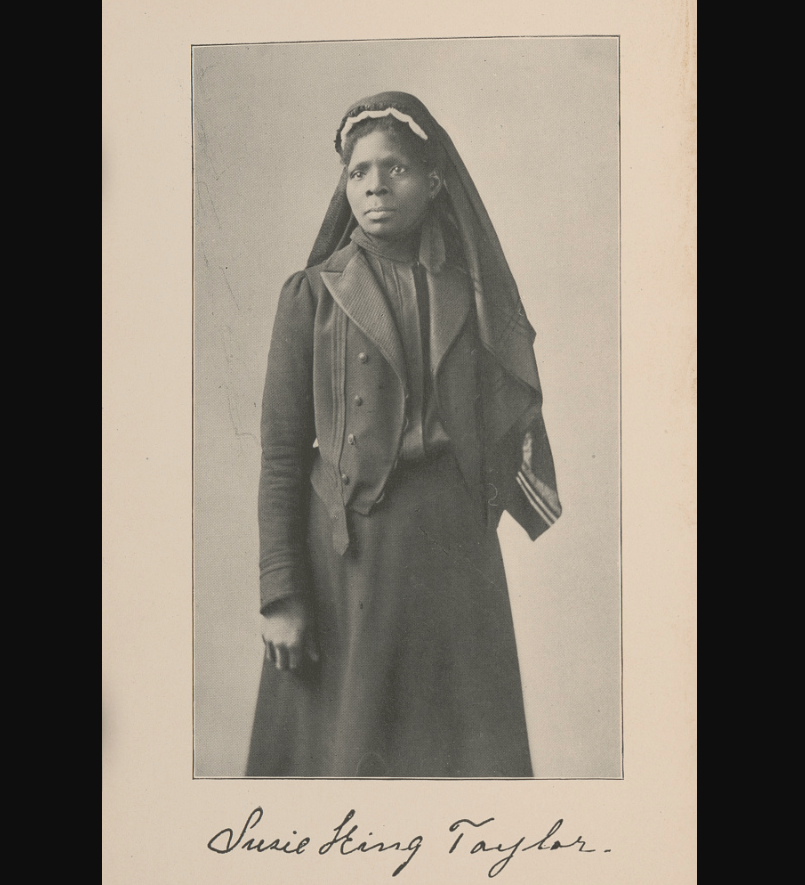
Born into slavery, Susie King Taylor became the first African American nurse to serve openly with an all-Black regiment. She treated soldiers, taught them to read, and chronicled her experiences in one of the only memoirs written by a Black woman from the war. Her courage to serve, teach, and document made her story a vital part of Civil War history and a testament to the power of education and resilience.
6. Sarah Emma Edmonds
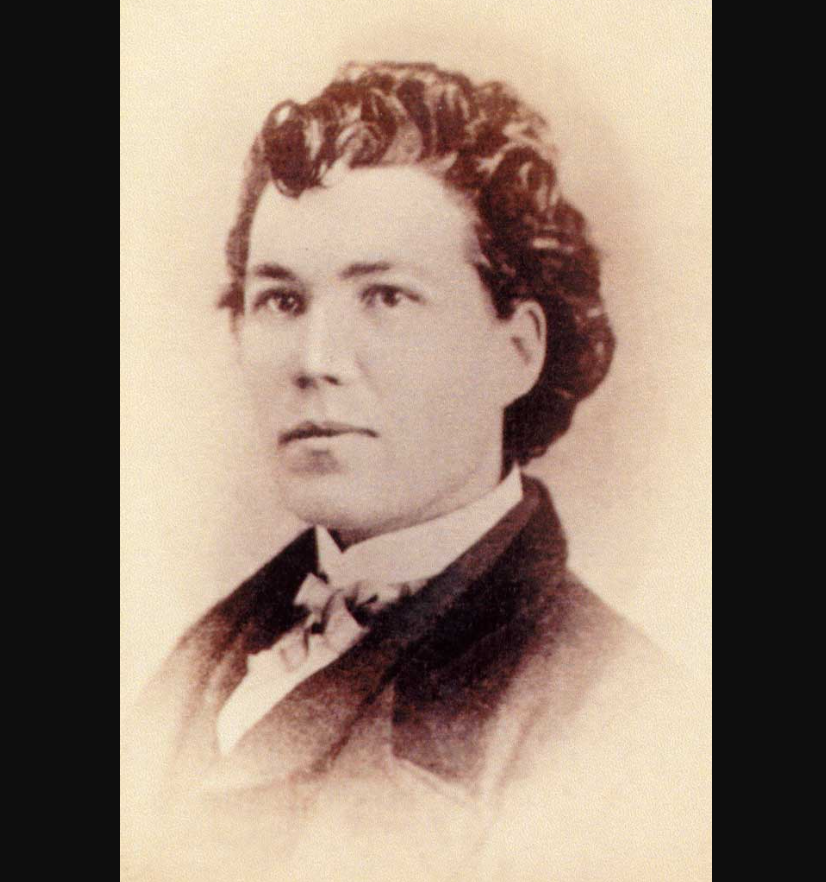
Disguised as a man named Franklin Thompson, Sarah Emma Edmonds enlisted in the Union Army and served as a nurse, soldier, and spy. She maintained her disguise for years, risking death if discovered. After the war, she received an honorable discharge and a veteran’s pension. Edmonds’ story highlights the lengths women went to serve their country, breaking gender barriers long before equality was even discussed.
7. Elizabeth Van Lew
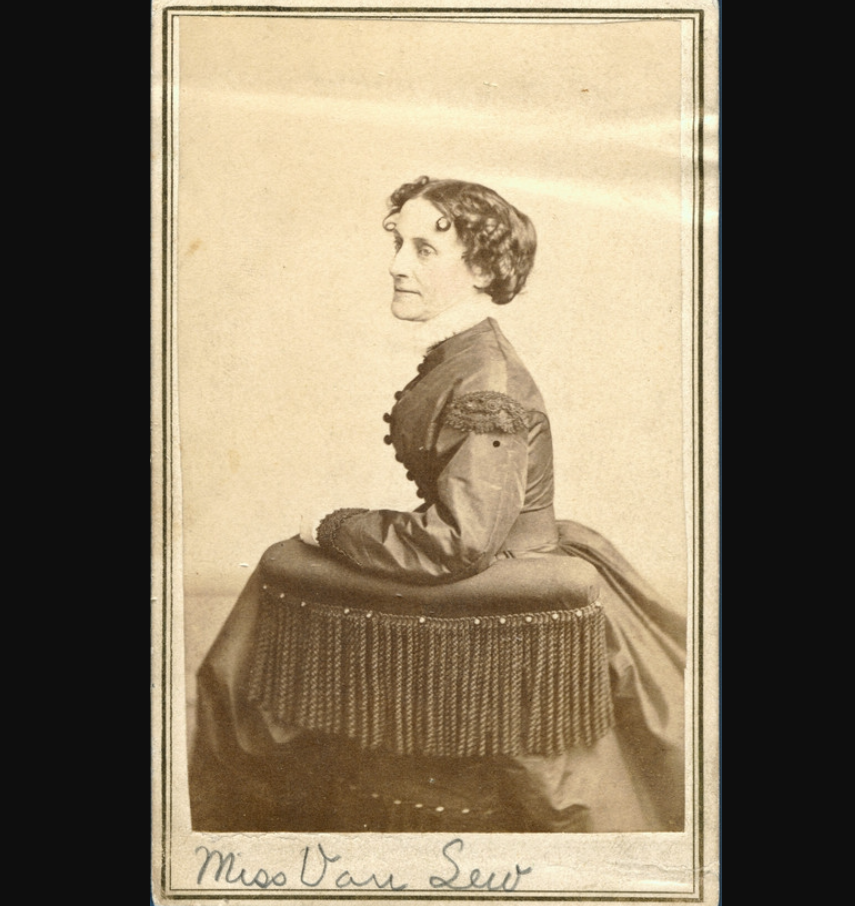
Elizabeth Van Lew was a wealthy Richmond woman who secretly ran a Union spy ring from the heart of the Confederacy. Posing as an eccentric to avoid suspicion, she gathered intelligence that reached Union generals. Her courage to operate in enemy territory under constant threat of execution made her one of the most effective spies of the war. Her quiet defiance proved that bravery often hides in plain sight.
8. Mary Ann Bickerdyke
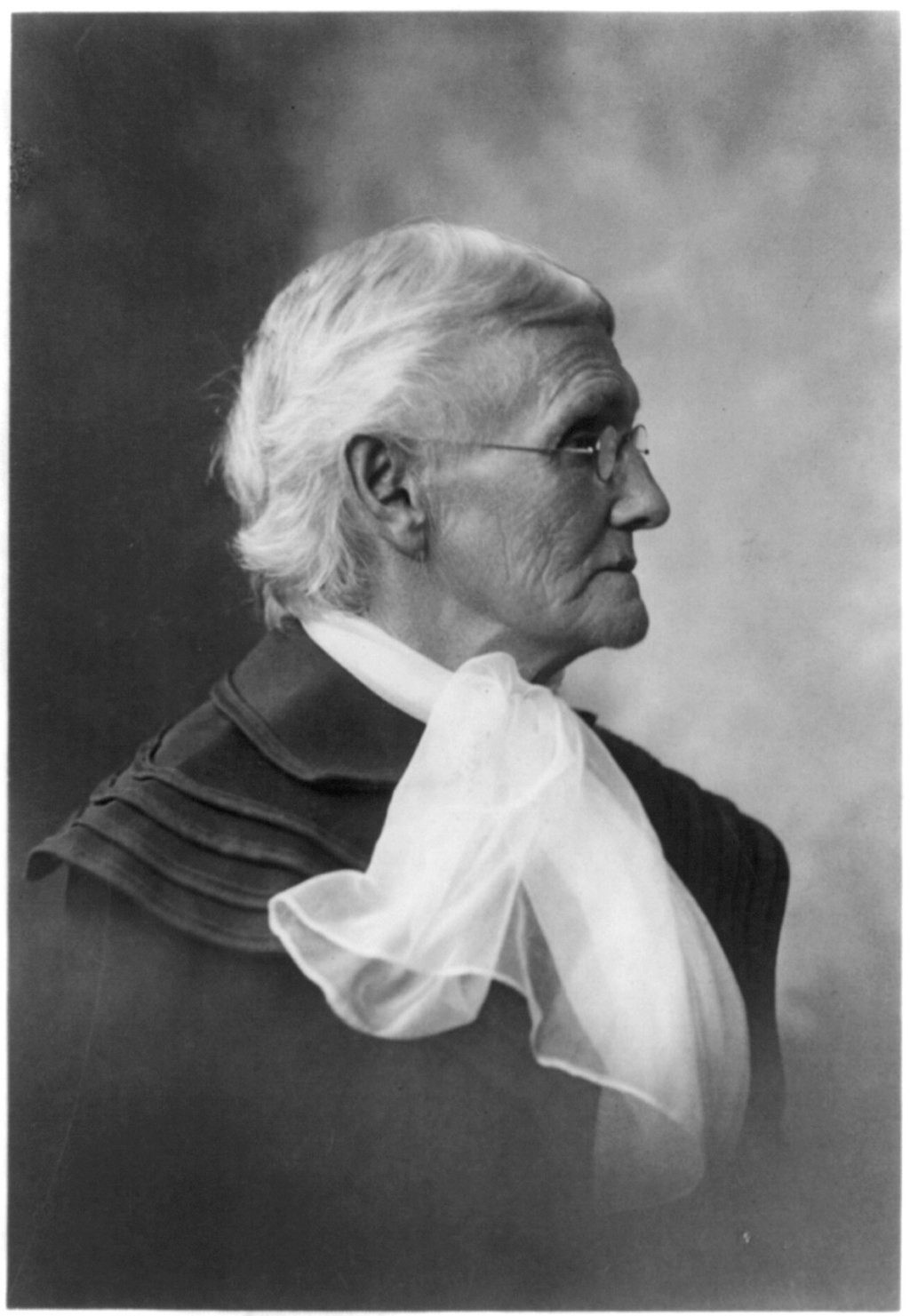
Mary Ann Bickerdyke followed Union troops into battle to nurse the wounded, clean makeshift hospitals, and demand better conditions for soldiers. Her fierce advocacy earned her the nickname “Mother Bickerdyke” among troops. She worked tirelessly without official rank but commanded respect wherever she went. Her fearless dedication to care and justice changed how military medicine was delivered, one wounded soldier at a time.
9. Pauline Cushman
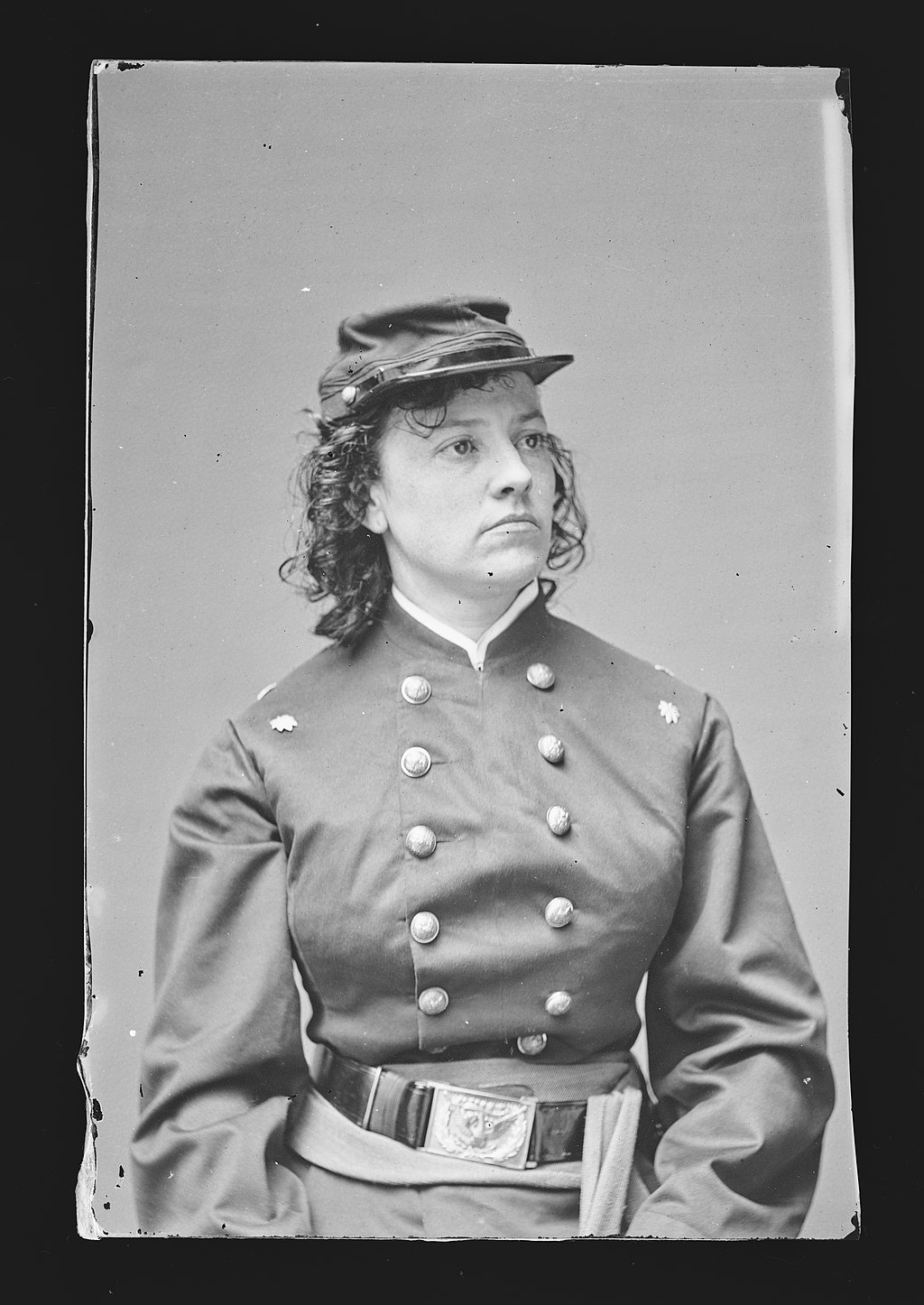
Pauline Cushman was an actress turned Union spy who used her stage skills to gather intelligence from Confederate officers. Captured and nearly executed, she managed to escape and became a national hero for her daring exploits. After the war, she toured as a symbol of female patriotism. Cushman’s fearless spirit proved that bravery wasn’t confined to the battlefield but also thrived behind enemy lines.
10. Louisa May Alcott
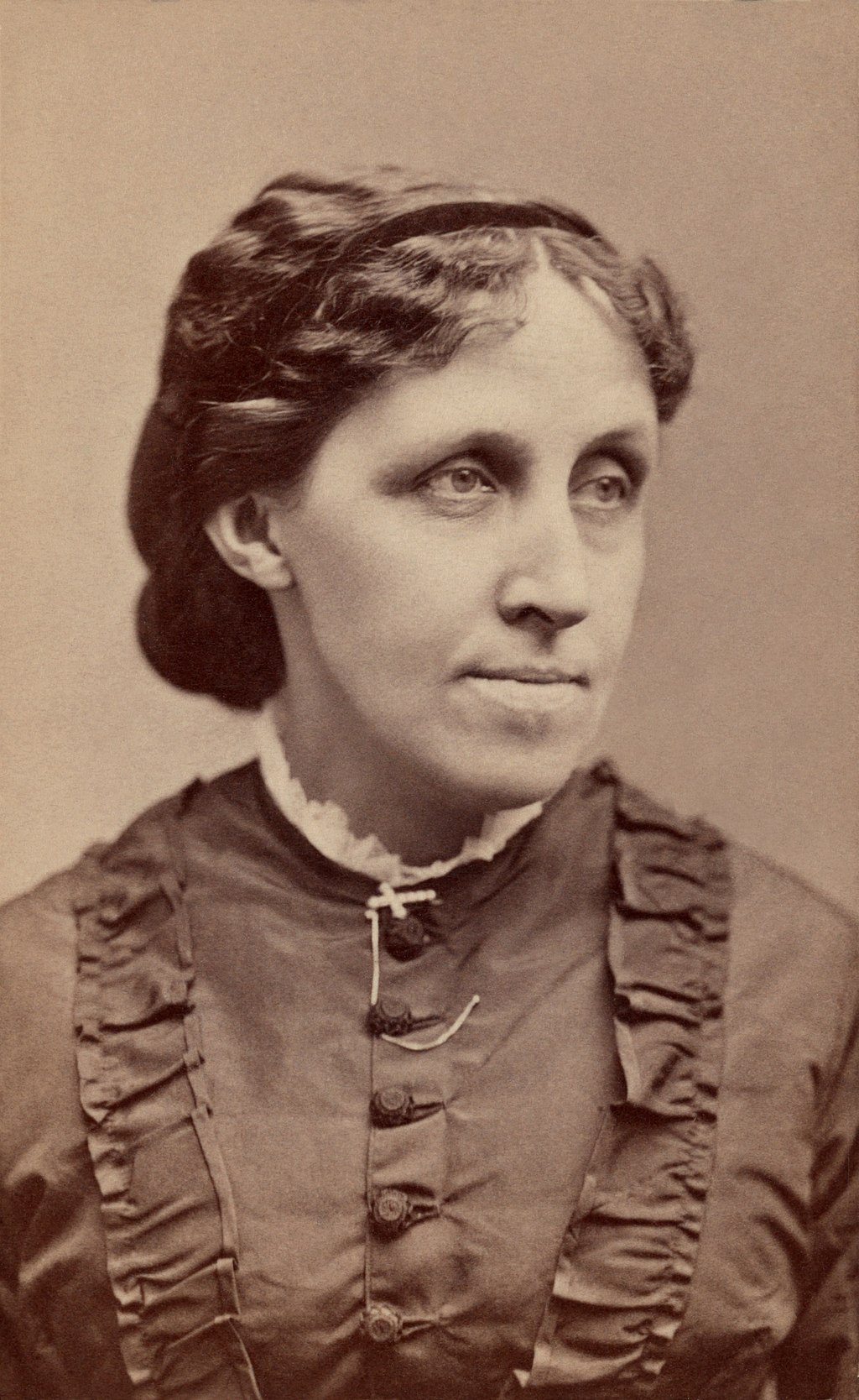
Before becoming the beloved author of Little Women, Louisa May Alcott served as a nurse during the Civil War. Her letters and experiences caring for soldiers became the basis for her book Hospital Sketches, which brought public awareness to the harsh realities of wartime medicine. Alcott’s compassion and storytelling not only comforted soldiers but also humanized the war for readers across the nation, blending art with empathy.
11. Frances Clayton
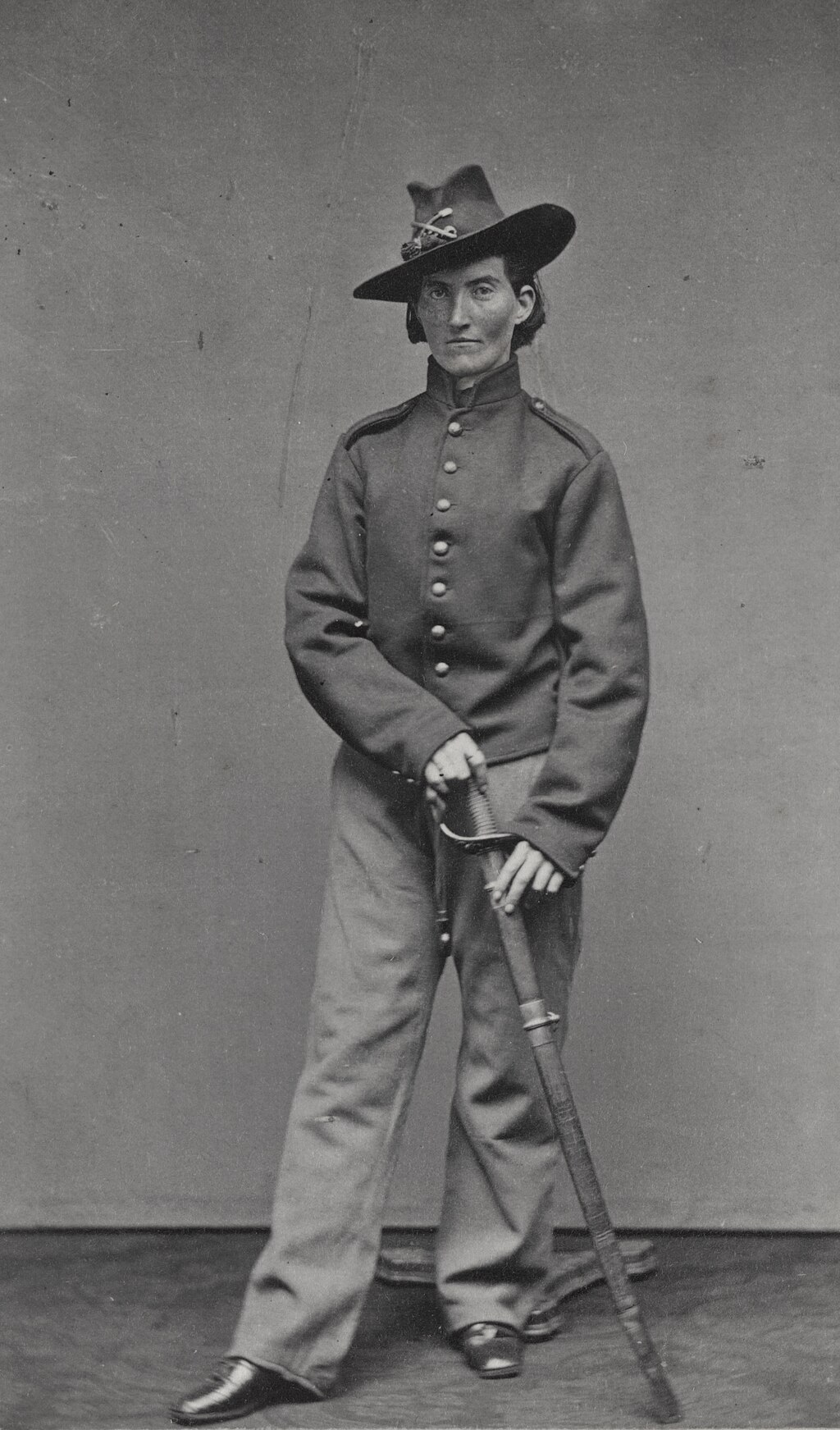
Frances Clayton disguised herself as a man named Jack Williams to fight alongside her husband in the Union Army. After his death in battle, she continued to serve in his place. Her secret remained hidden until after the war, when her story shocked the public. Clayton’s bravery and devotion showed how far women were willing to go for love and duty, rewriting what loyalty and courage looked like on the front lines.
12. Loreta Janeta Velázquez
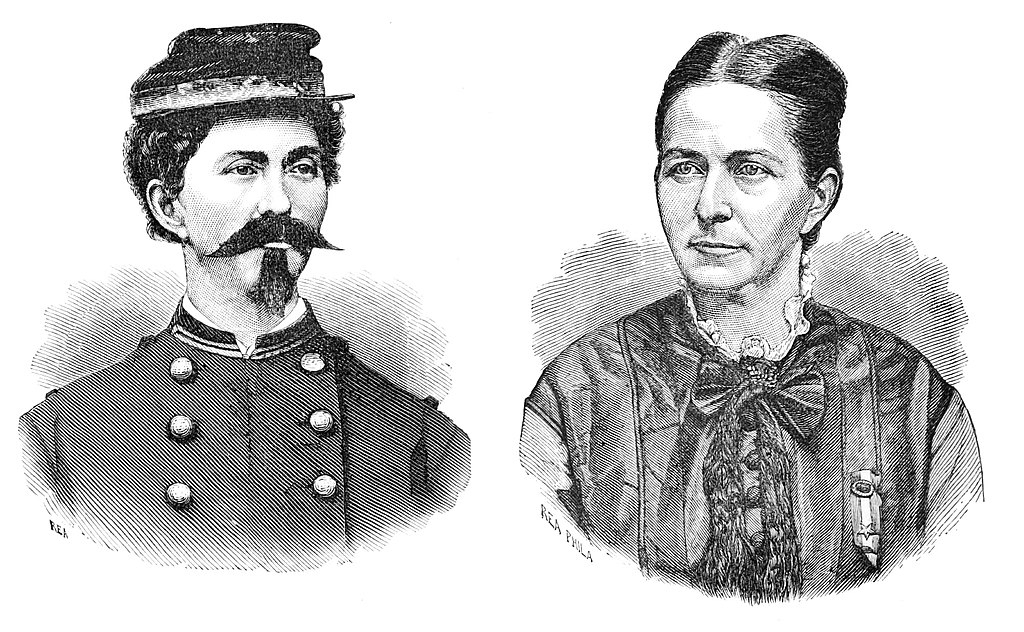
Loreta Janeta Velázquez posed as a Confederate soldier named Harry T. Buford and fought in several battles before becoming a spy. Her remarkable memoir later revealed her double life, which many historians confirmed through military records. Velázquez’s story of disguise, bravery, and deception challenged expectations of women’s roles in wartime. Her courage showed that identity could be both armor and weapon in the struggle for purpose.
13. Mary Chesnut
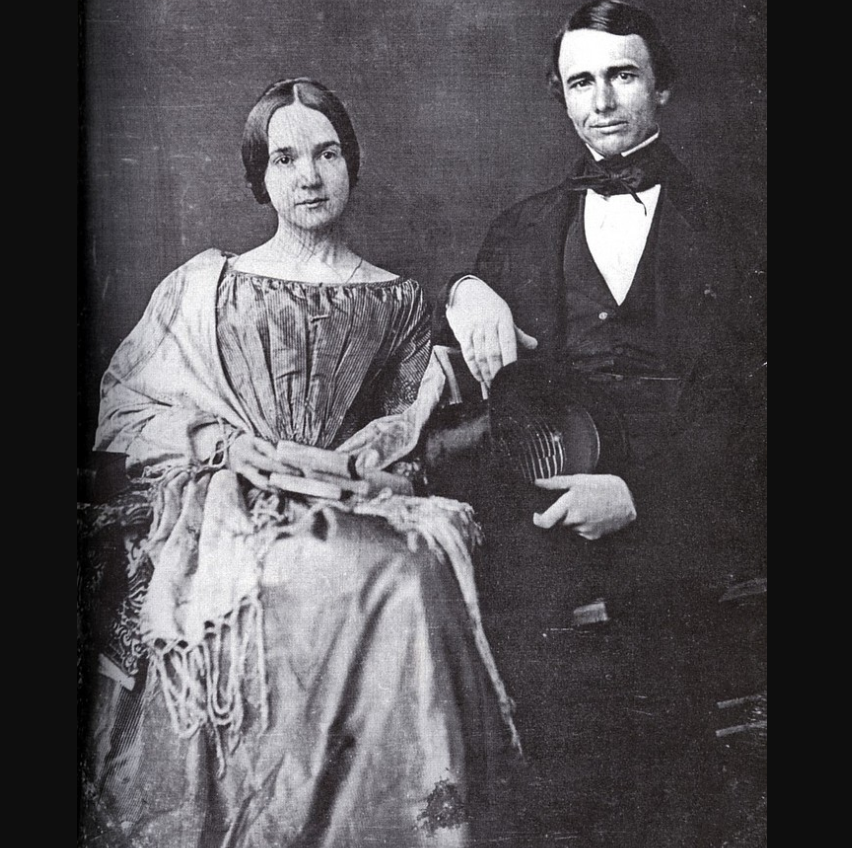
Mary Chesnut didn’t fight or spy, but her detailed diary of life in the Confederate South became one of the most important firsthand records of the Civil War. She chronicled the fears, losses, and politics of the era with honesty and depth. Her writings helped future generations understand the human cost of the conflict. Chesnut’s pen became her weapon, preserving truth where history often stayed silent.
14. Lavinia Lloyd Dock
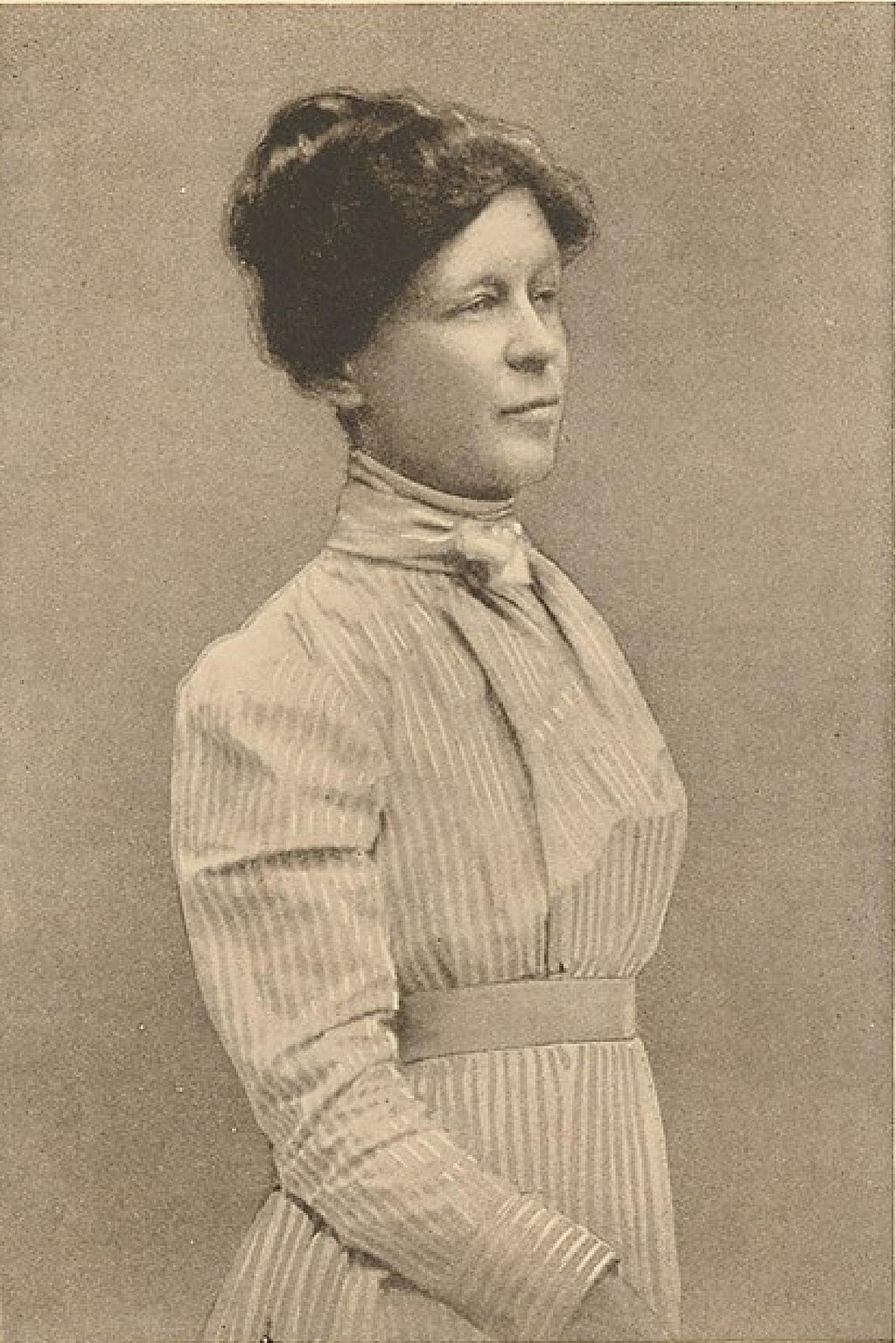
Though young during the war, Lavinia Lloyd Dock began her nursing career treating Union soldiers and later became a leading advocate for nursing reform and women’s rights. Her early experiences shaped her lifelong fight for equality and better healthcare. Dock’s courage to challenge norms and demand respect for women in medicine helped open the door for future generations of female healthcare professionals.
The Civil War’s heroes weren’t only found on battlefields but in hospitals, homes, and secret networks led by women who refused to stay unseen. Their courage and conviction changed both the war and the world that followed. Each of these women helped redefine what strength and patriotism meant, leaving legacies that still inspire those who believe in the power of courage, conviction, and compassion.