Board games have quietly evolved from rainy-day entertainment into tools that sharpen thinking, decision-making, and social intelligence. The best ones do not feel educational while you play them. Instead, they train skills like pattern recognition, strategic planning, probability assessment, and communication almost accidentally. Families return to these games not because they promise improvement, but because they are genuinely enjoyable. The mental benefits arrive as a side effect of engagement. These fourteen board games stand out for balancing fun with subtle cognitive challenge, making players sharper without turning play into work.
Ticket to Ride
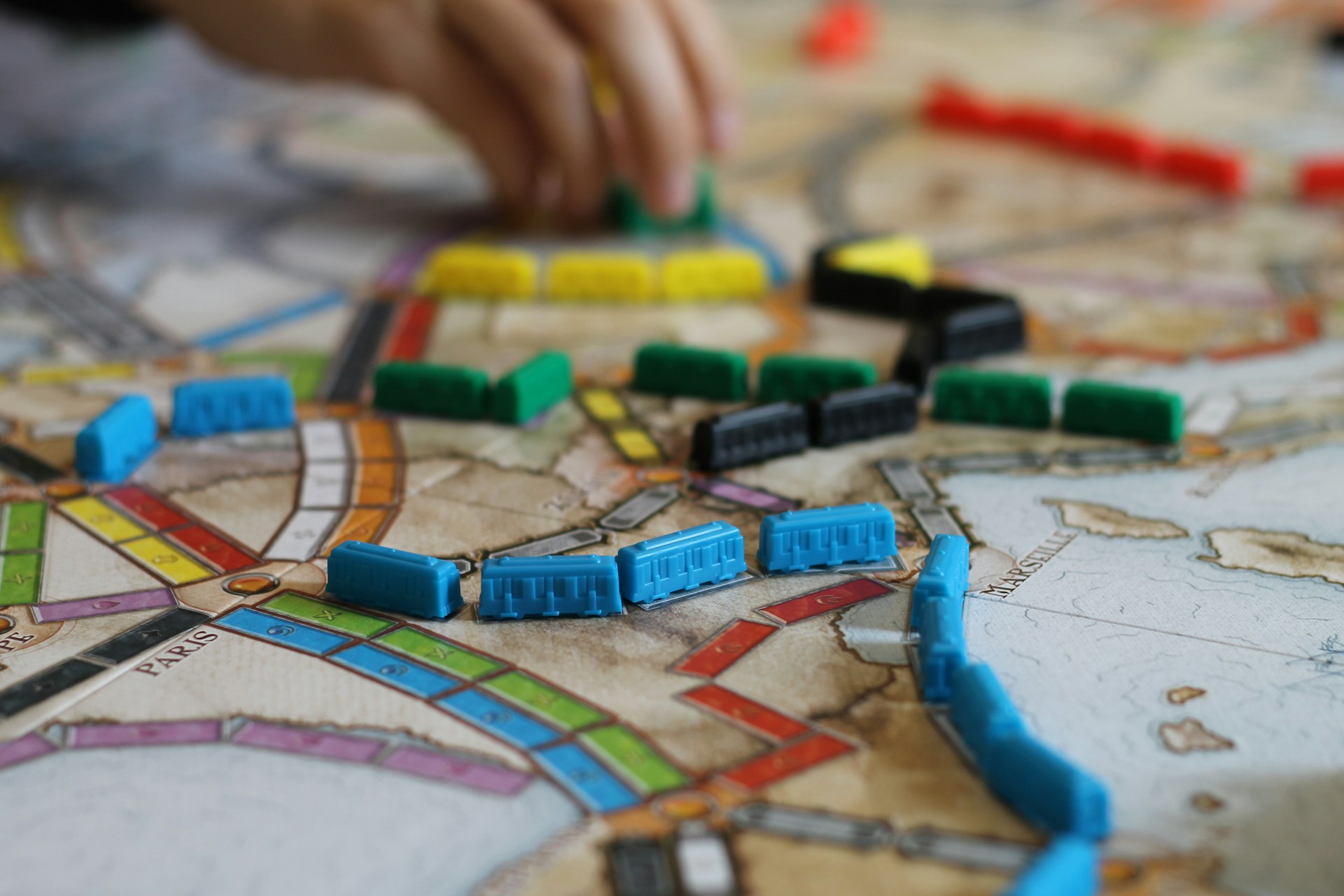
Ticket to Ride looks simple on the surface, but it quietly builds strategic planning and risk assessment skills. Players must decide when to expand routes, when to block opponents, and when to hold information. The game rewards long-term planning while punishing impatience. Because rules are easy to learn, families can start quickly, yet deeper strategy emerges over repeated plays. Children learn geography and sequencing, while adults practice probability and resource management. The fun lies in tension rather than complexity, making it an accessible way to train strategic foresight.
Catan
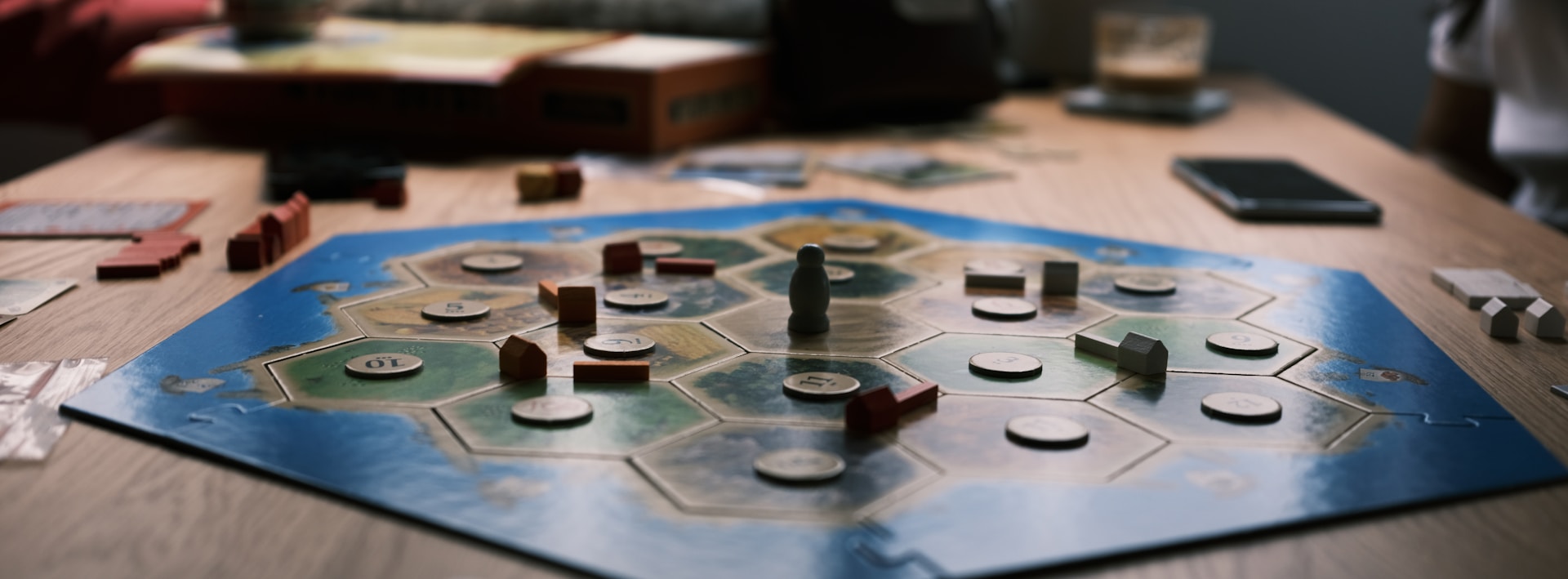
Catan teaches resource management, negotiation, and adaptability without ever feeling instructional. Players must balance expansion with diplomacy, learning when to trade, when to cooperate, and when to compete. The board changes each game, forcing flexible thinking rather than memorization. Children develop arithmetic and planning skills, while adults sharpen negotiation and long-term strategy. The game’s social element makes intelligence visible through interaction, not isolation. Catan remains engaging because it mirrors real-world decision making under uncertainty.
Carcassonne
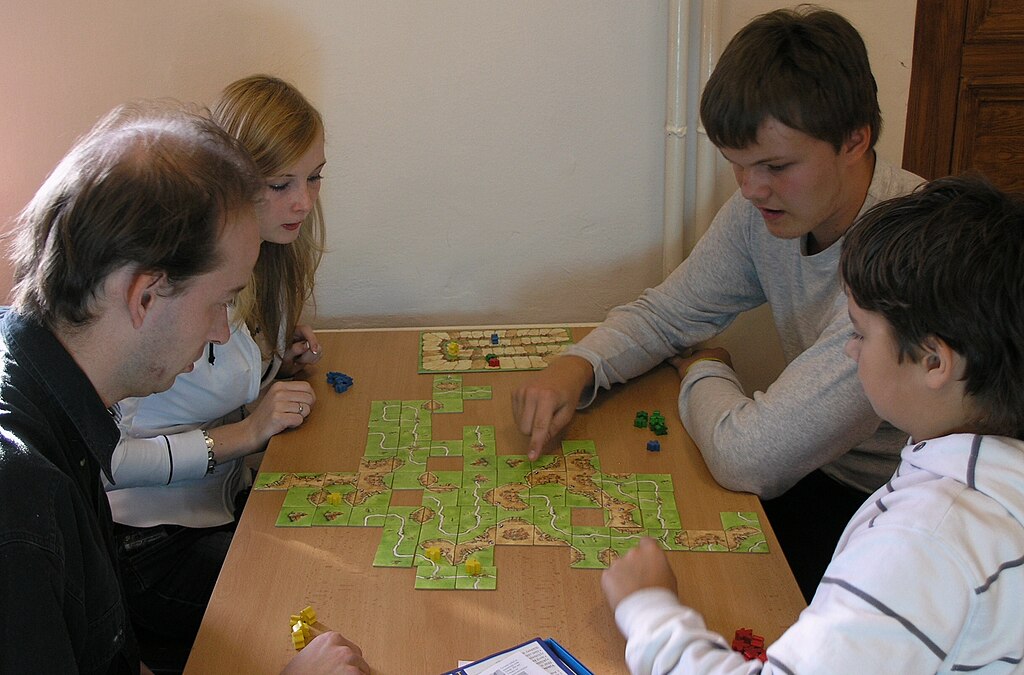
Carcassonne strengthens spatial reasoning and pattern recognition through tile placement. Players build landscapes piece by piece, learning to anticipate future outcomes from current choices. The game rewards patience, timing, and awareness of opponents’ plans. Because turns are quick, players stay mentally engaged without fatigue. Children develop visual planning skills, while adults refine strategic restraint. The satisfaction comes from creating something coherent from randomness. Carcassonne proves that intelligence can be trained through calm, thoughtful play rather than constant competition.
Scrabble
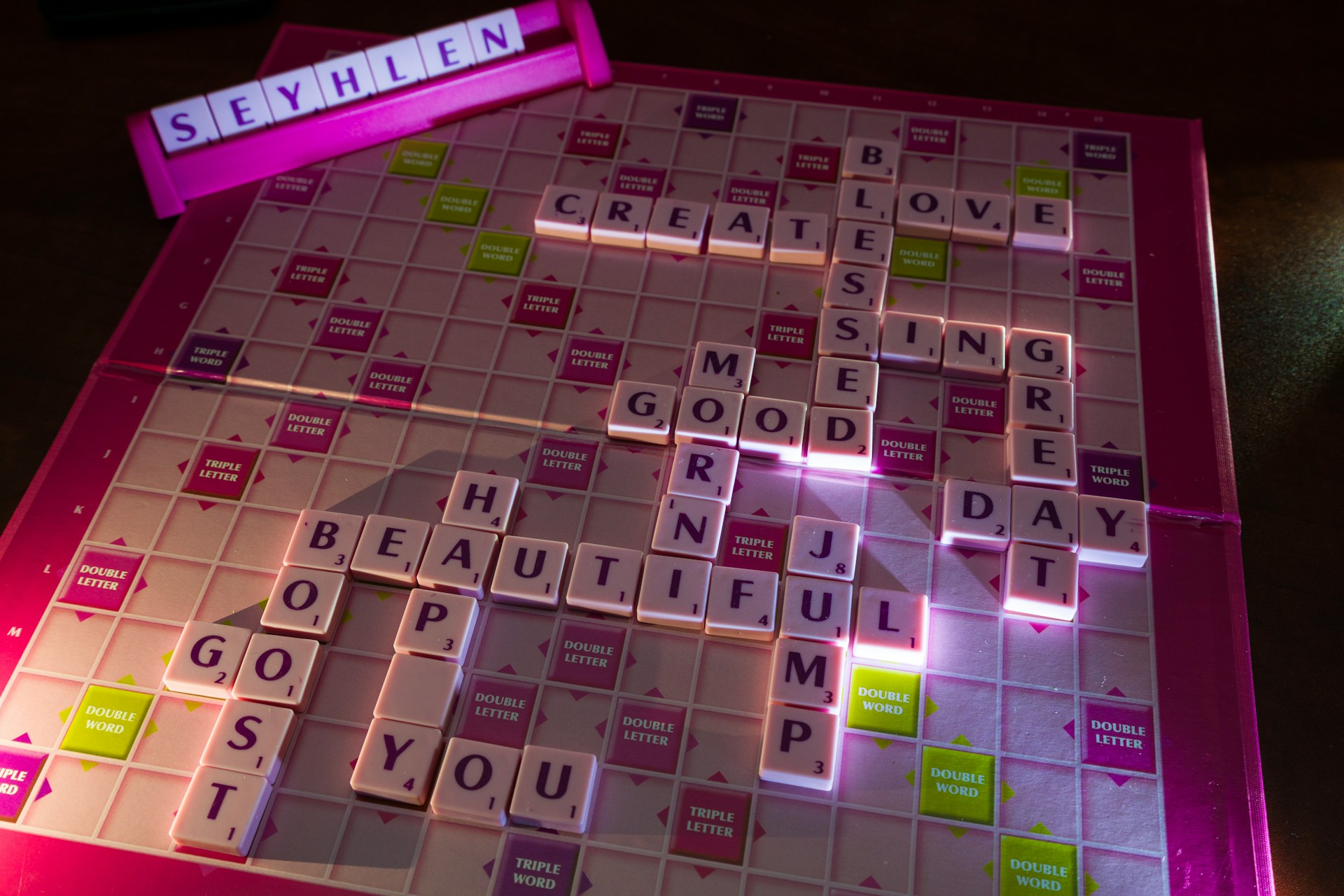
Scrabble remains one of the most effective ways to strengthen vocabulary, spelling, and pattern recognition across generations. Players must balance word knowledge with board awareness, maximizing value from limited letters. Strategic placement often matters more than rare vocabulary. Children build confidence with language, while adults exercise memory and adaptability. The game encourages flexible thinking, especially when players must work around difficult letters. Scrabble stays fun because language feels like play, not practice, and improvement happens naturally over time.
Chess

Chess develops deep strategic thinking, foresight, and consequence evaluation. Each move forces players to consider multiple outcomes and long-term positioning. While the rules are simple, mastery requires patience and pattern recognition. Children learn planning and discipline, while adults refine focus and mental endurance. Chess rewards calm thinking over impulsive action. Its enduring appeal lies in its clarity. There are no hidden elements, only decisions. That transparency makes improvement measurable and deeply satisfying.
Azul
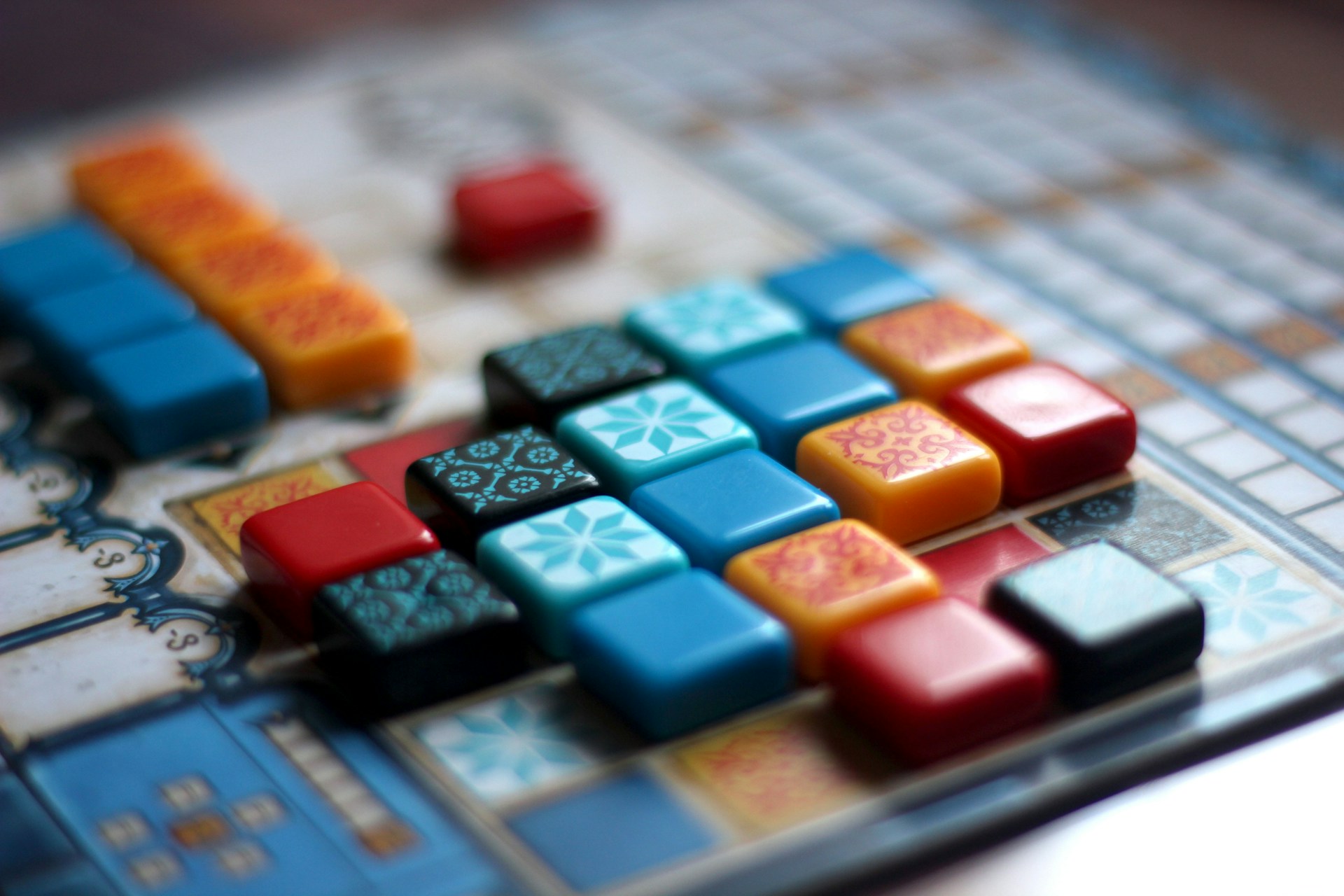
Azul trains visual planning, sequencing, and decision timing through elegant design. Players must plan ahead while adapting to changing options. Mistakes are not catastrophic, but they accumulate, teaching consequence awareness. The game encourages thinking several moves ahead without overwhelming complexity. Children benefit from pattern recognition and counting, while adults sharpen optimization skills. Azul’s beauty lowers intimidation, making intellectual engagement feel relaxing rather than demanding. The pleasure comes from balance and restraint.
Sequence
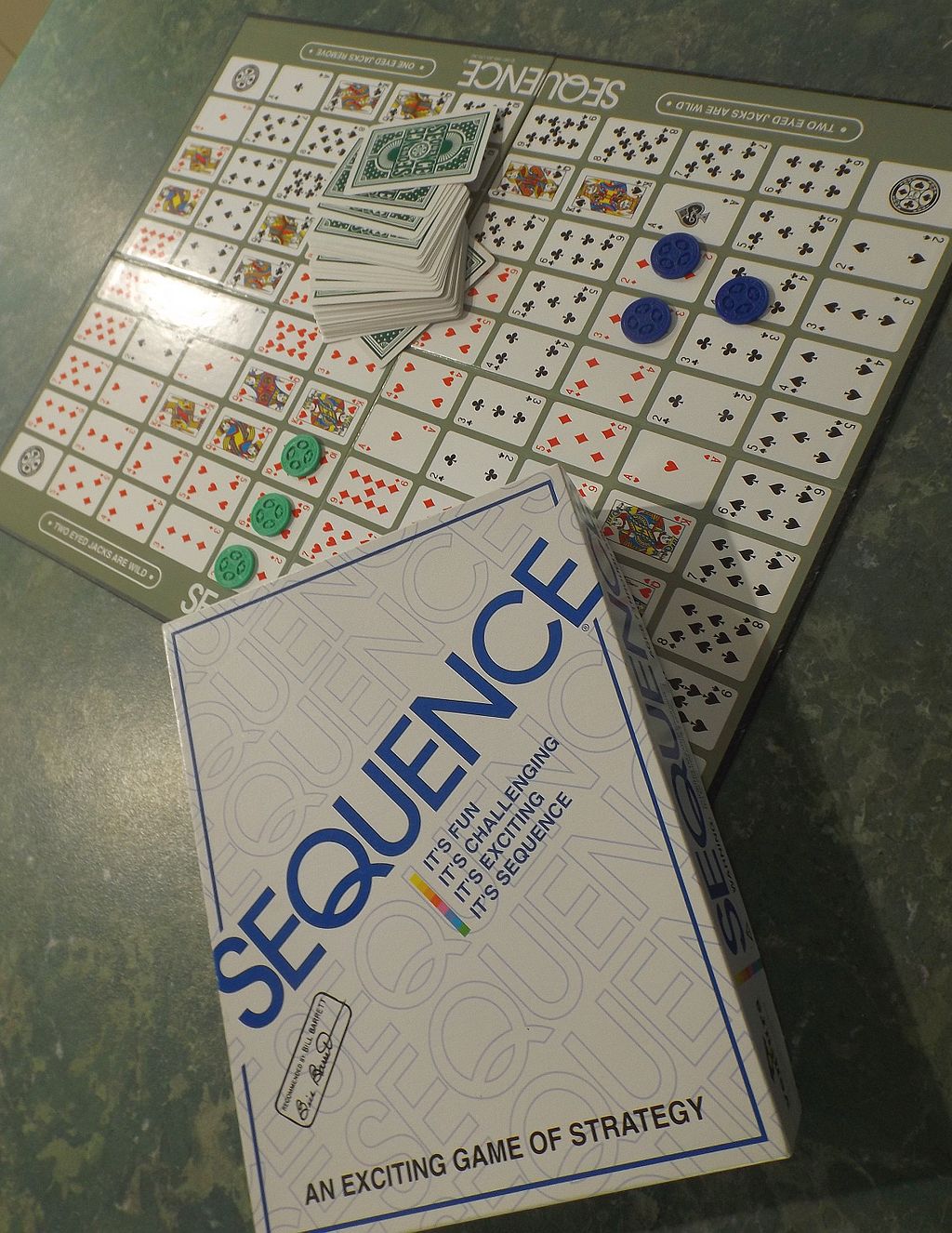
Sequence blends luck and strategy in a way that rewards attention and probability awareness. Players must recognize emerging patterns while adjusting to unpredictable card draws. The game trains anticipation and situational awareness without heavy rules. Children practice sequencing and pattern spotting, while adults evaluate risk and timing. Because luck is present, losing feels fair, encouraging repeated play. Sequence works well for mixed-age groups, building cognitive skills through relaxed competition rather than intense calculation.
Wingspan
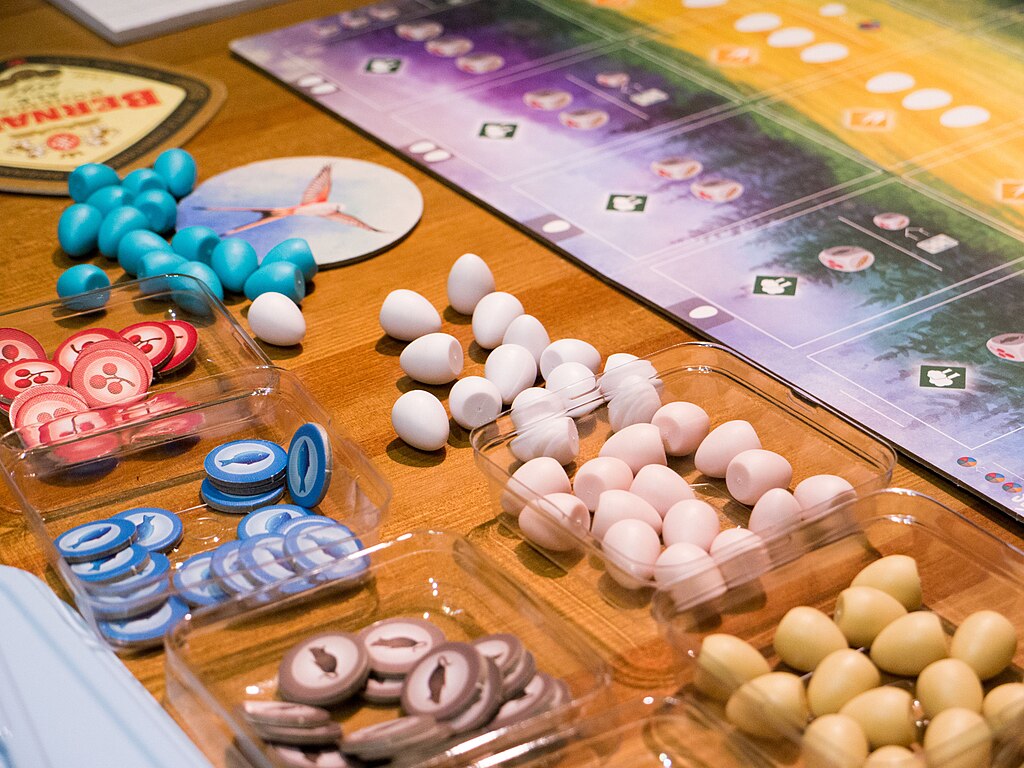
Wingspan develops strategic sequencing, long-term planning, and systems thinking through a calm, nature-themed design. Players build engines by layering actions that grow more efficient over time. The game rewards foresight rather than aggression, encouraging players to think in stages instead of single moves. Children learn categorization and cause-and-effect relationships, while adults refine optimization and resource balancing. Because interaction is indirect, thinking remains focused rather than reactive. Wingspan proves that intellectual challenge can coexist with a relaxing, visually pleasing experience.
Pandemic
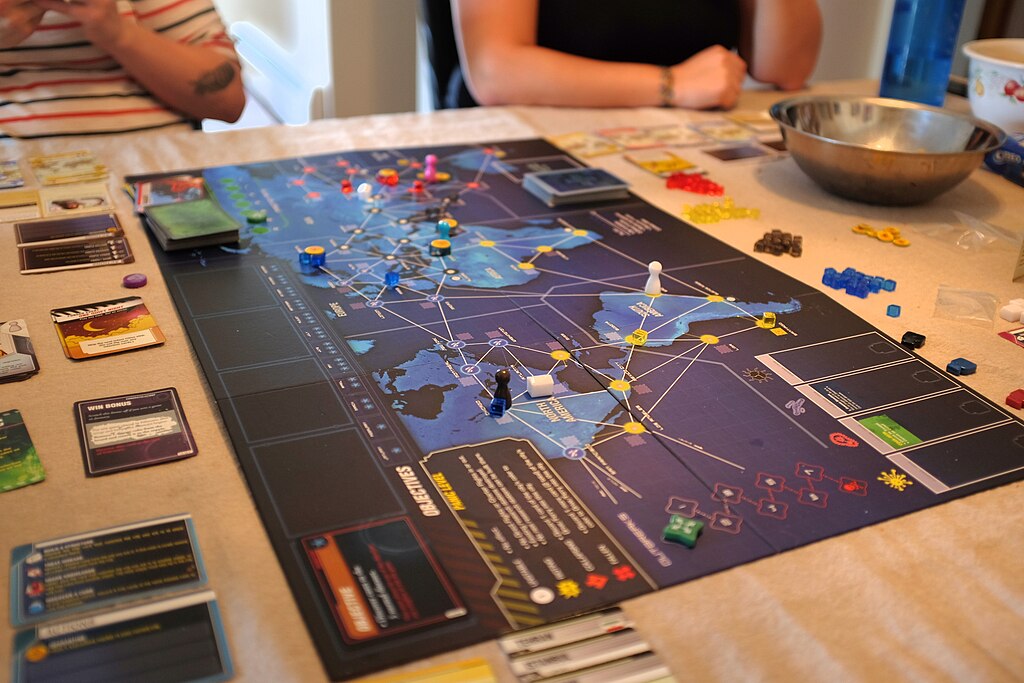
Pandemic strengthens cooperative problem-solving and collective strategy. Players must communicate, prioritize threats, and manage limited resources under pressure. Unlike competitive games, success depends on shared planning rather than individual dominance. Children learn teamwork and systems awareness, while adults practice decision-making under constraints. The game rewards anticipation and coordination over speed. Pandemic is mentally demanding without being stressful, teaching players how small decisions cascade across systems. Its appeal lies in shared victory, reinforcing cognitive skills through collaboration.
Splendor
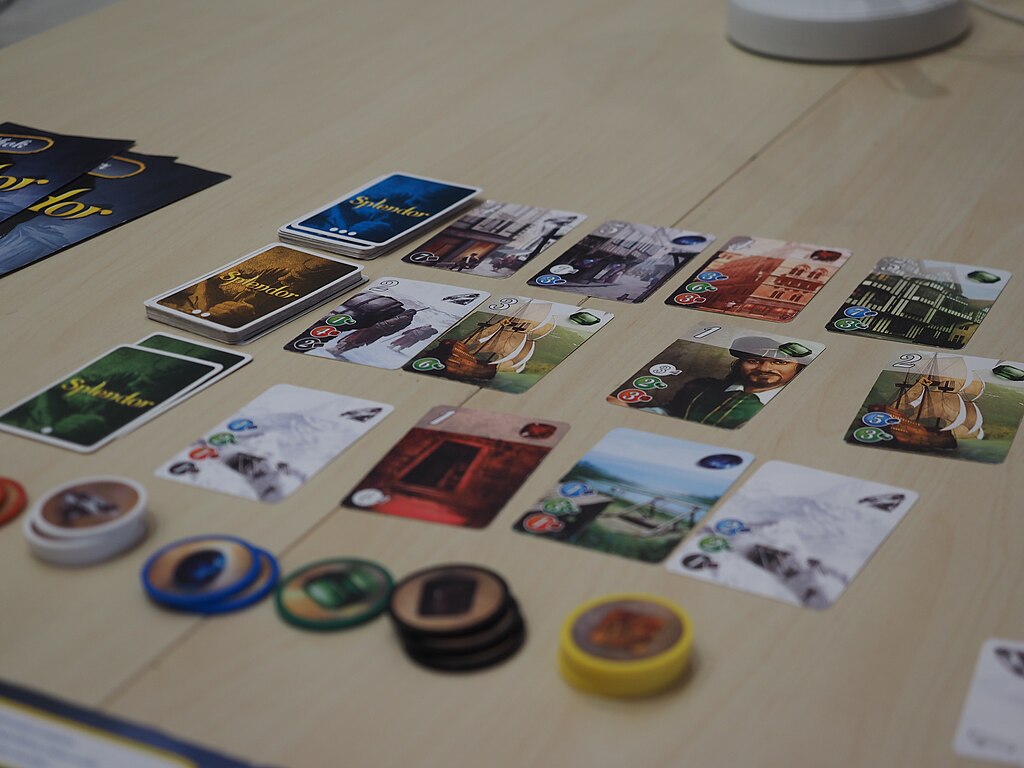
Splendor trains economic thinking, sequencing, and delayed gratification. Players collect resources not for immediate reward, but to unlock future opportunities. The game encourages patience and efficient planning rather than impulse decisions. Children learn counting and accumulation logic, while adults sharpen valuation and timing instincts. Because the rules are minimal, mental energy goes into strategy rather than mechanics. Splendor feels elegant because every move has weight. The satisfaction comes from watching long-term planning quietly pay off.
Cluedo (Clue)
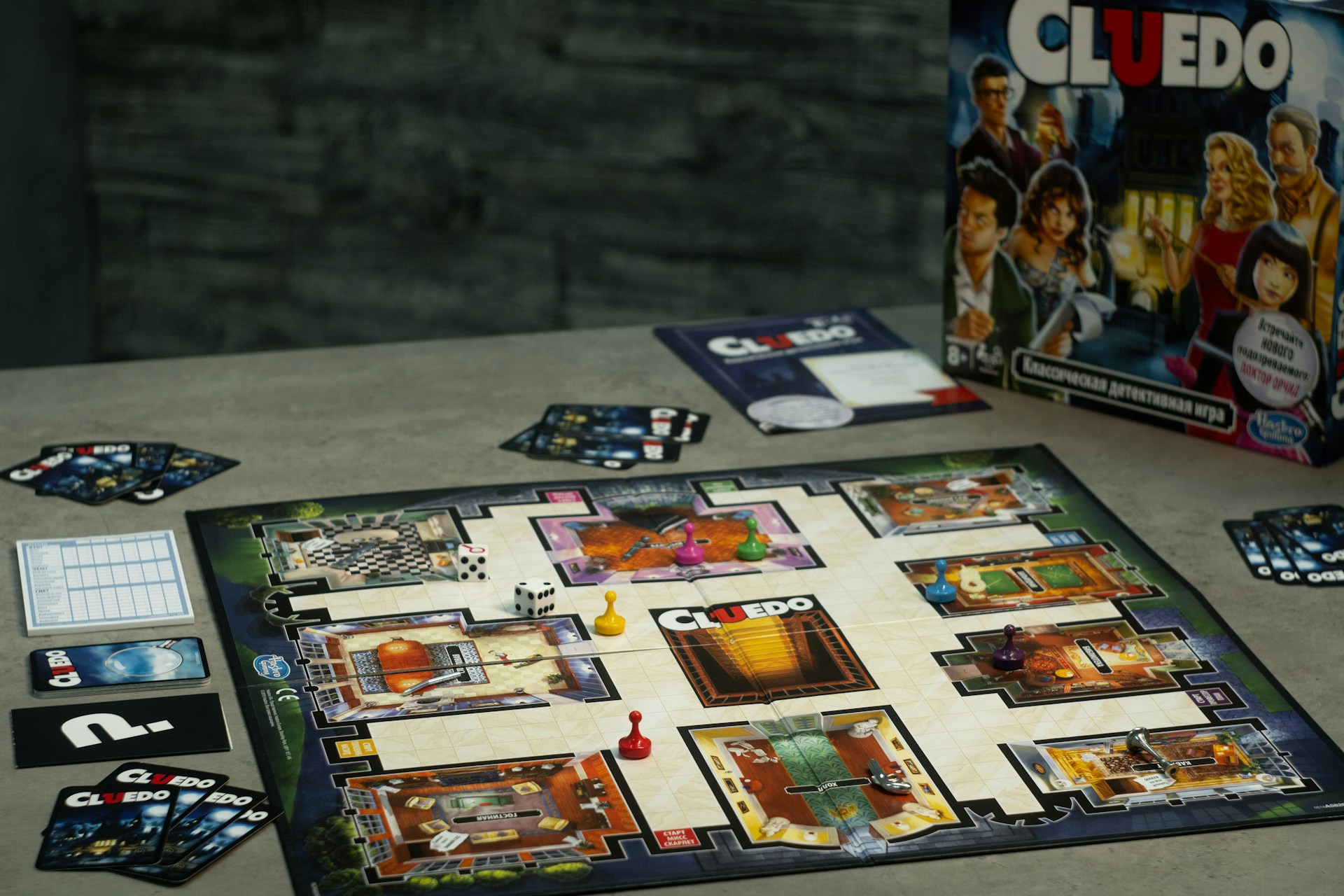
Cluedo, known as Clue in the United States, strengthens deductive reasoning, memory, and logical elimination through structured investigation. Cluedo combines the word “clue” with “ludo,” meaning play, while the American version shortened it for simplicity. Players gather information, track possibilities, and rule out false conclusions using evidence rather than guesswork. Children practice hypothesis testing and recall, while adults refine inference and probability judgment. By turning logic into narrative, Cluedo makes reasoning feel playful instead of academic, keeping families engaged across generations.
7 Wonders
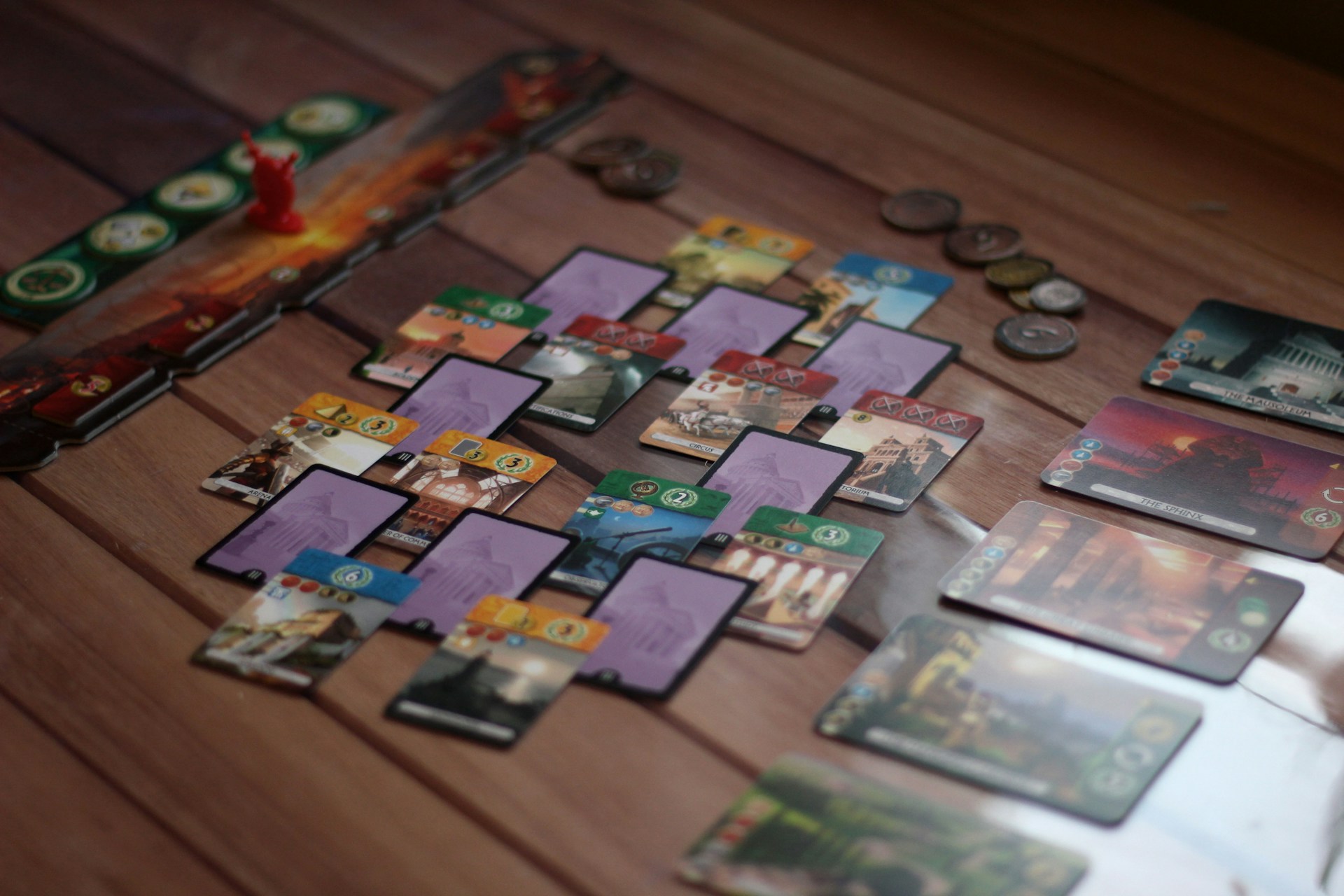
7 Wonders trains strategic planning, simultaneous decision-making, and adaptability. Players must choose actions while anticipating opponents’ choices without full visibility. The game rewards balance across multiple systems, including economy, science, and military. Children learn sequencing and tradeoffs, while adults practice prioritization under constraint. Because rounds move quickly, players stay mentally engaged throughout. 7 Wonders excels at teaching big-picture thinking within a limited timeframe, making strategic awareness feel intuitive rather than forced.
Blokus
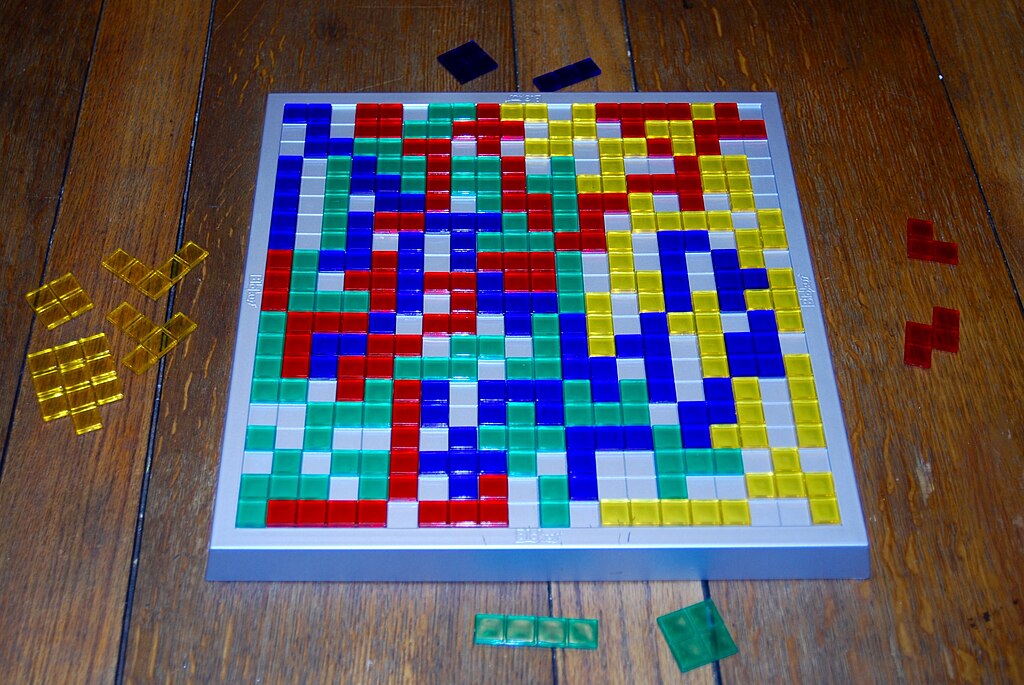
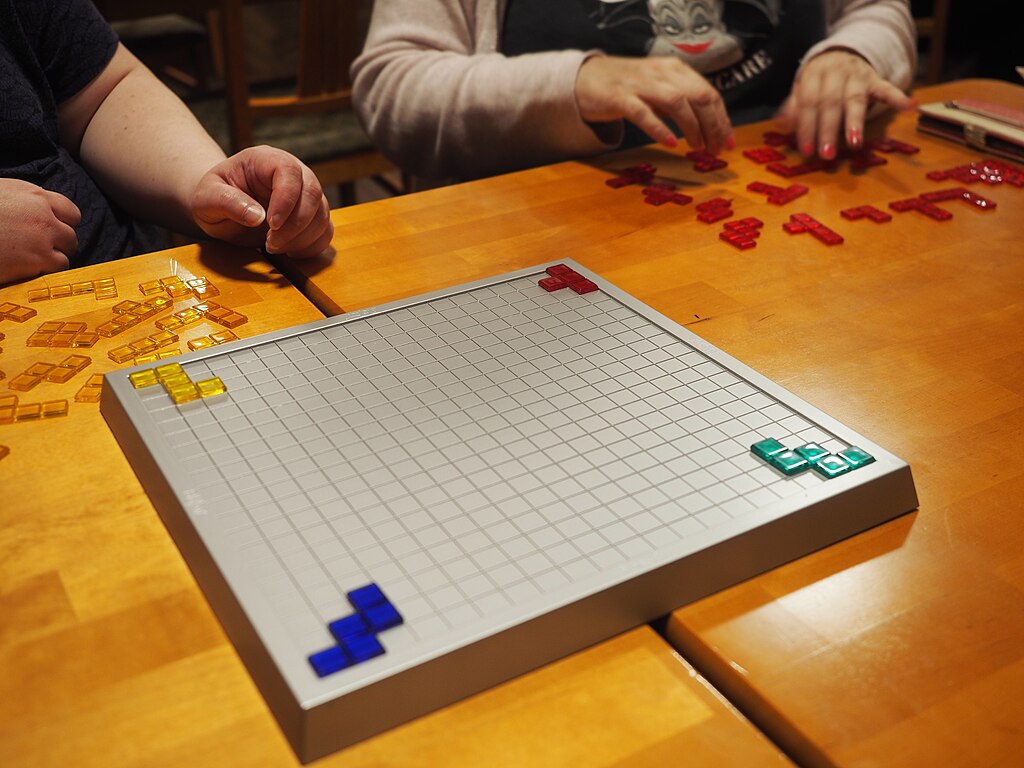
Blokus strengthens spatial reasoning and foresight through deceptively simple rules. Players must visualize how shapes interact on a shared board while planning future placement. Children develop geometry intuition and planning skills, while adults refine spatial optimization. The game discourages impulsive moves by limiting options quickly. Because communication is minimal, thinking happens internally and continuously. Blokus proves that deep cognitive engagement does not require complexity, only constraints that reward careful thought.
Risk
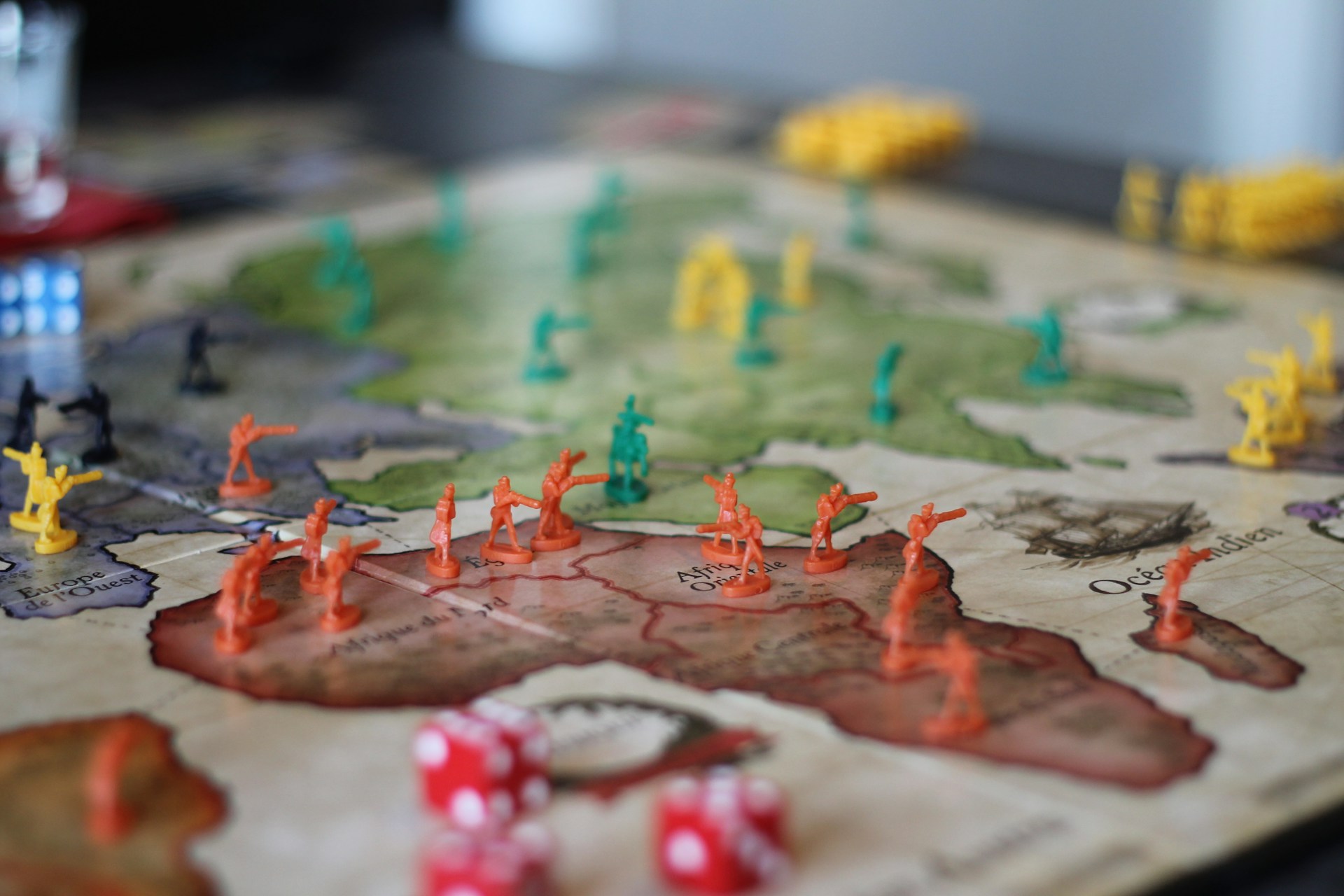
Risk teaches long-term strategy, probability assessment, and emotional regulation. Players learn that expansion carries cost and overextension leads to collapse. Children gain exposure to cause and effect across extended timelines, while adults practice restraint and negotiation. The game’s length encourages patience and adaptability as circumstances change. Risk remains engaging because outcomes depend on both planning and chance. It trains players to accept uncertainty while still thinking strategically.
The best board games never announce their educational value. They invite players in through fun, tension, and shared experience. Intelligence develops quietly through repetition, interaction, and decision-making. These games succeed because they respect players at every age, offering depth without pressure. When families return to the same games repeatedly, improvement happens naturally. Play becomes practice without effort, and thinking becomes part of enjoyment rather than a separate goal.