America’s legal history is filled with peculiar relics, rules created for a different era that somehow never vanished. These laws, though rarely enforced, reveal how cultural norms, superstition, and humor have shaped local governance. From Bigfoot protection to bathtub bans, they stand as reminders that legislation often outlives logic, offering a quirky window into the nation’s evolving identity.
The Sunday Domino Law

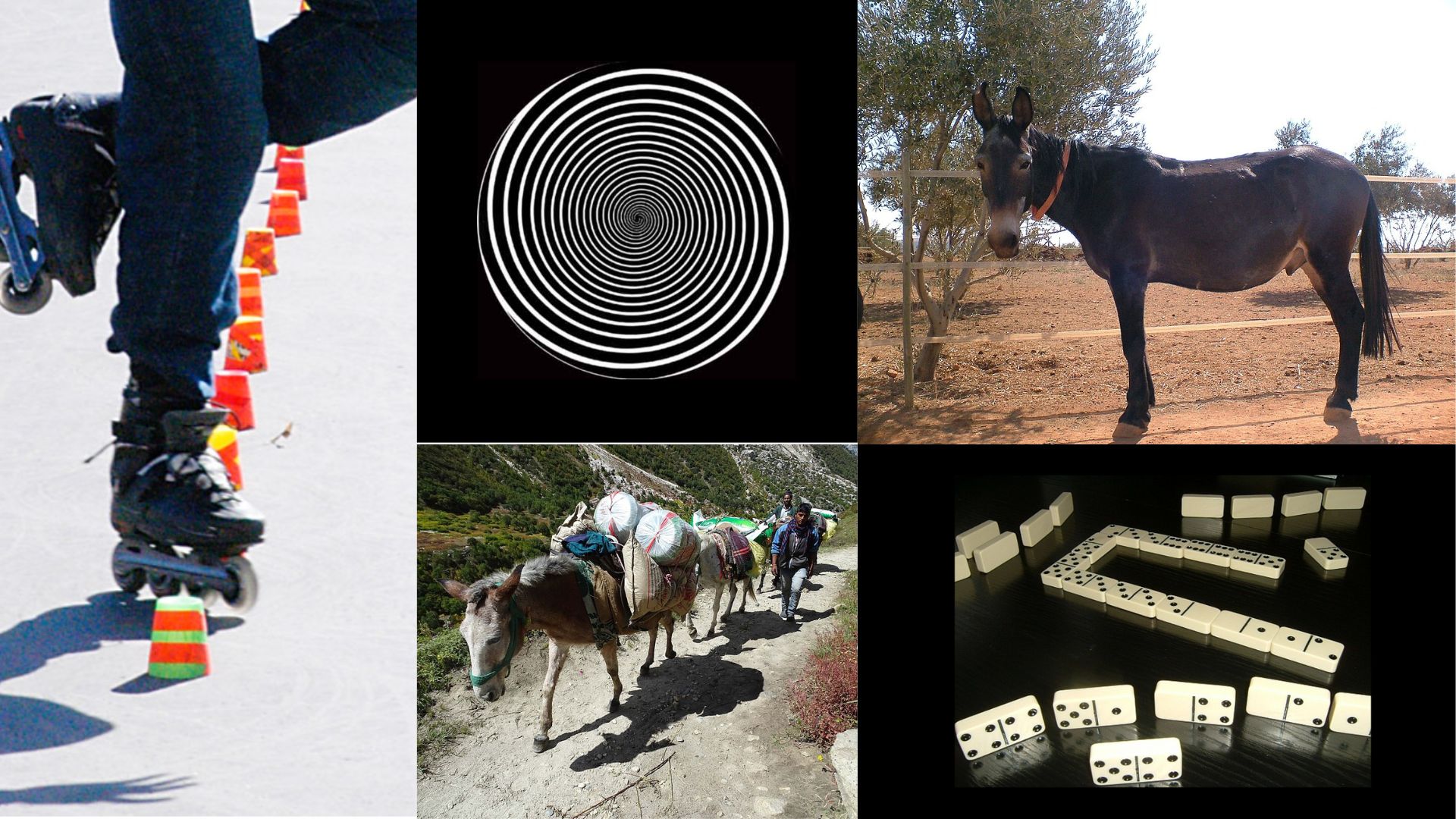
In several southern states, laws still forbid playing dominoes on Sundays. These “blue laws” were enacted to ensure Sabbath observance, restricting work and leisure on what was considered a holy day. Once intended to preserve morality, such laws now seem like quaint echoes of a more rigidly religious past. While unenforced, they remain in legal codes as curious artifacts of America’s Puritan roots.
The Bigfoot Protection Act
In Skamania County, Washington, killing Bigfoot remains illegal under a 1969 ordinance. Initially passed after local sightings, it served both as a safety measure and a tongue-in-cheek nod to folklore. Over time, the law transformed into a tourist attraction, symbolizing the blend of myth and local pride. What began as satire now endures as a testament to America’s fascination with legends.
Women in Pants Laws

Several U.S. cities once banned women from wearing pants in public, reflecting strict 19th-century standards of femininity. These ordinances, born from outdated notions of decorum, remain technically active in some areas. Though ignored today, their persistence illustrates how societal progress often moves faster than legal reform. They remind us that even attire once carried the weight of moral judgment.
Ice Cream Cone Ban in Public Pockets

In Kentucky, it’s still illegal to carry an ice cream cone in your pocket. The law’s origin dates back to the 19th century, when tricksters used this method to lure other people’s horses home. While absurd today, the rule reflects a time when rural communities crafted highly specific measures to deter petty crime. It’s one of those delightful quirks that make legal archives worth reading.
Whistling for a Lost Canary
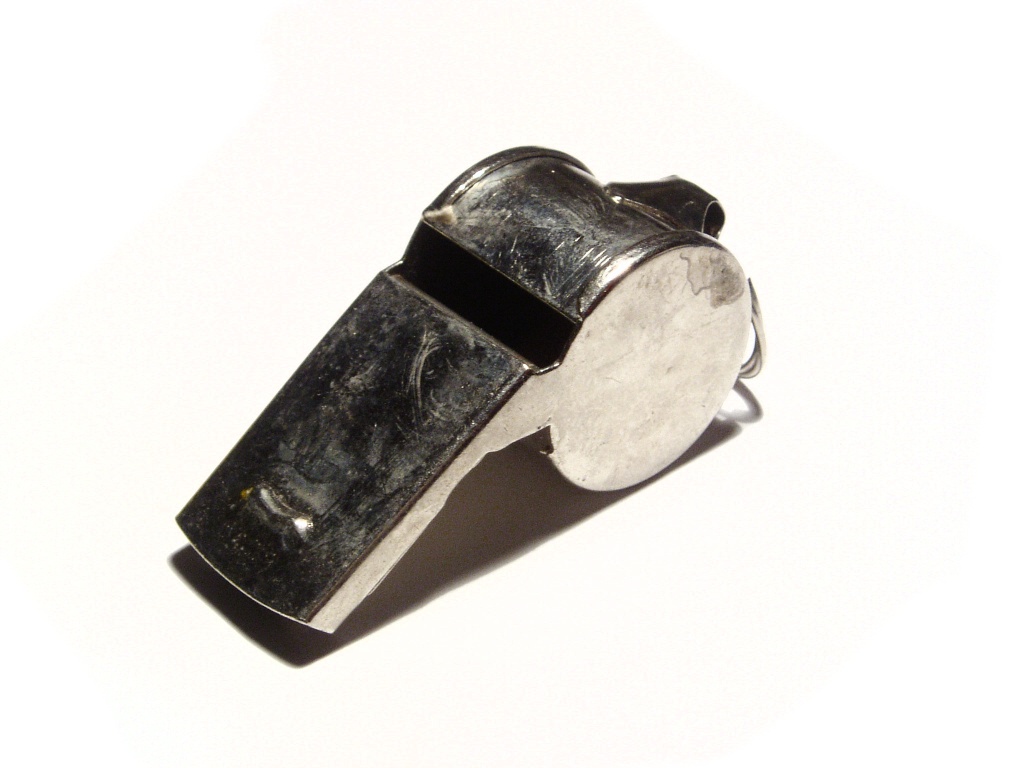
Some old city ordinances forbid whistling for lost canaries before 7 a.m. These early noise-control measures reflected an era when densely populated towns sought peace and quiet. Though now obsolete, such laws offer a charming glimpse into early urban living, where compassion for pets met the community’s need for morning silence.
No Fake Mustaches in Church
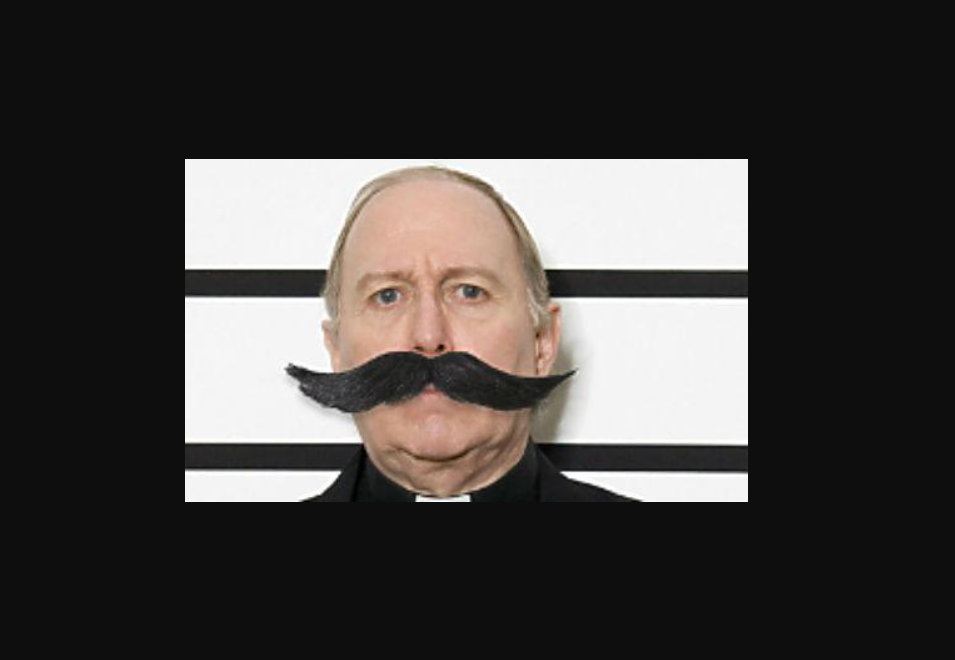
An Alabama statute still prohibits wearing fake mustaches in church if they cause laughter. The rule emerged during a time when reverence in public worship was strictly enforced. It’s a humorous reminder of how lawmakers once legislated morality down to the smallest detail. While it may sound like a joke, it reflects a society that believed dignity could be mandated.
Mule on the Second Floor

Oklahoma once banned keeping mules on the second floor of any building unless two exits were provided. Likely inspired by circus stunts or fairground acts, the law remains on record despite its absurdity. It captures the practical yet comical nature of early municipal codes, where even livestock management found its way into civic law.
The Dog Hair Prohibition

Some states still prohibit the sale of dog or cat fur. Originally passed to prevent disease and cruelty, these laws outlasted their practical use as synthetic materials took over. Though rarely enforced, they highlight early consumer protection efforts and the evolving relationship between humans and their pets.
The Ice-Cream Truck Law of Massachusetts
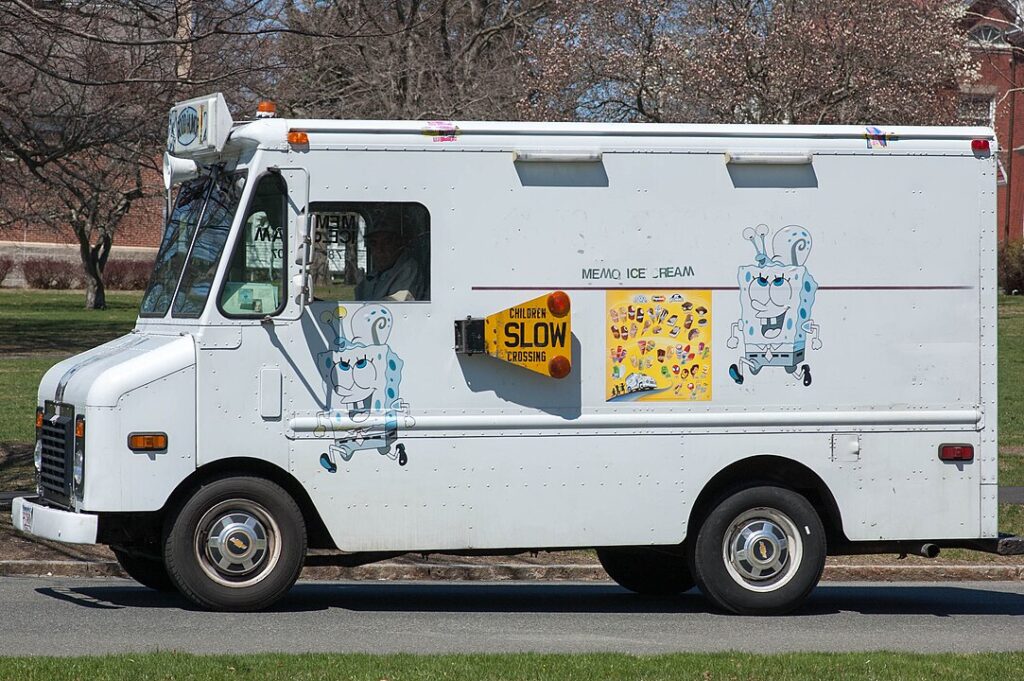
Massachusetts once restricted ice-cream trucks from playing music after dark to curb noise pollution. While the rule may seem harmless, it underscores the tension between urban tranquility and commercial convenience. Today, it exists as a nostalgic reminder of simpler times, when neighborhood quiet hours were codified into law.
The Sleeping Donkey Law
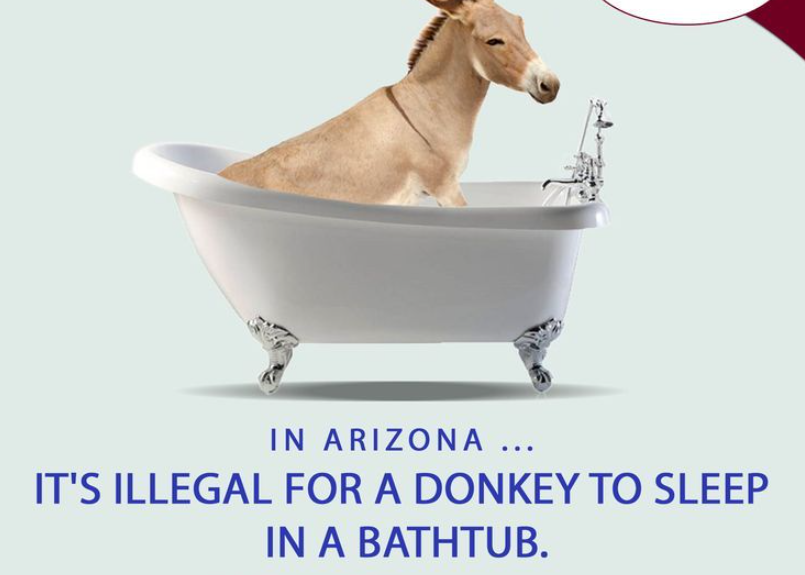
In Arizona, it’s illegal for donkeys to sleep in bathtubs. The law originated after a 1920s flood carried a donkey—resting in a tub—downstream, creating chaos and rescue costs. To prevent future “incidents,” the law was written and never repealed. It stands as a comedic example of how local lawmakers responded literally to one-time mishaps.
Banned Hypnotism for Amusement

Several states outlaw performing hypnosis for entertainment. These rules arose in the early 20th century, when stage hypnosis gained popularity and moral watchdogs feared mental harm or manipulation. Though obsolete, the laws represent a moment when new cultural fads prompted overcautious legislation.
Pig Racing and Roller Skating on Sidewalks

Old municipal codes in multiple states still prohibit pig racing or roller skating on sidewalks without a permit. These laws were practical in their day, preventing injury and property damage in crowded towns. Now they serve as humorous vestiges of a time when public recreation required official approval.
The Lingering Ghosts of Law
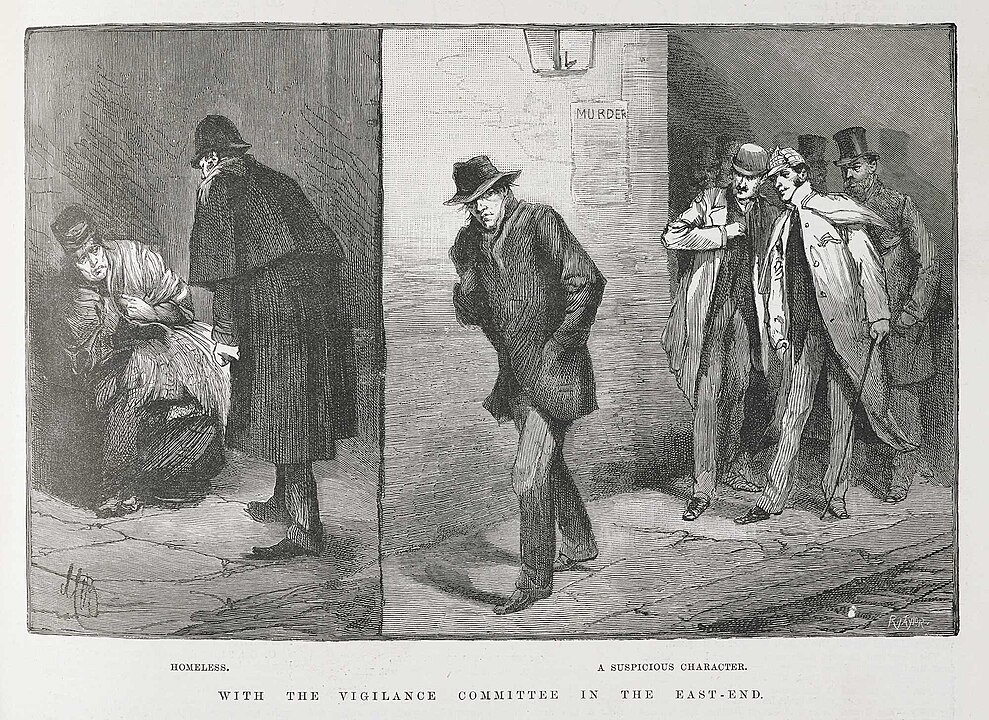
These eccentric laws endure not because they matter, but because they don’t cause harm. Repealing them would take time and money that legislatures prefer to spend elsewhere. Their survival reveals how legal systems accumulate history rather than erase it. In their absurdity, they remind us that law, like culture, is deeply human, full of quirks, caution, and the occasional comedy.