Growing up in 70s America meant playing with toys that felt thrilling, loud, and just a little bit dangerous. Back then, warning labels were tiny and parental supervision was looser, so kids launched projectiles, melted plastic, and swung heavy objects around the yard without thinking twice. Many of those favorites would never survive modern safety testing. Some were officially banned, others recalled or quietly discontinued after too many trips to the ER. Today they live on in memory, attic boxes, and vintage photos, reminding people that childhood once came with sharp edges and real risks.
Lawn Darts Jarts
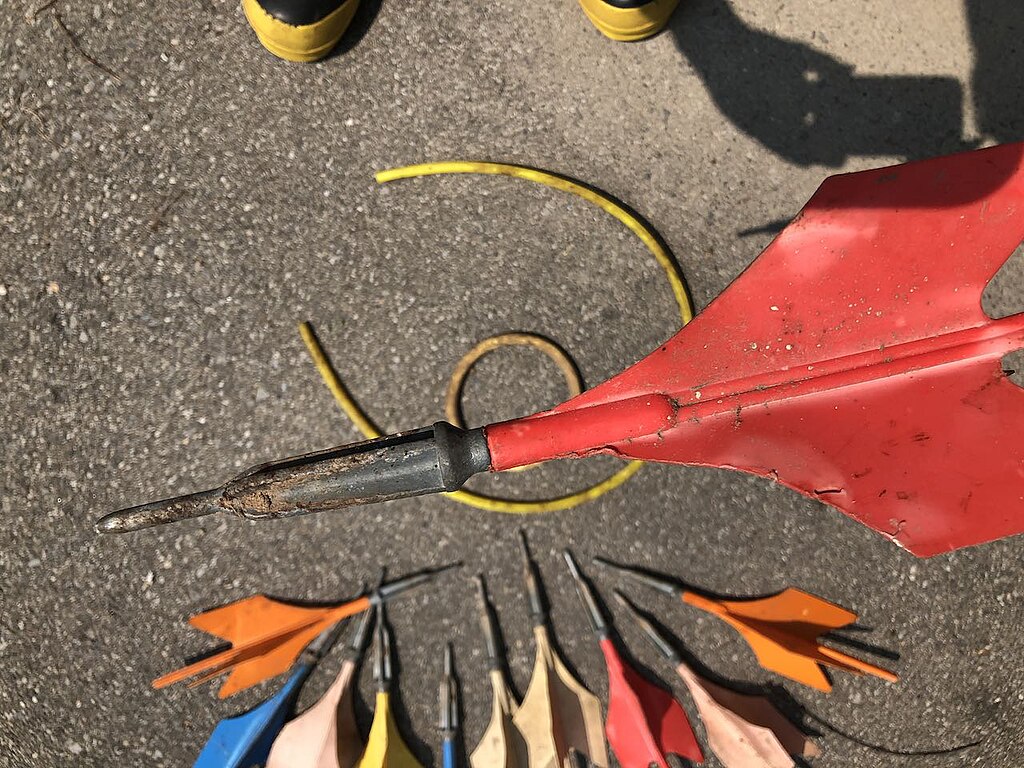
Lawn darts, often sold under the name Jarts, were a backyard staple that combined horseshoes with a flying spike. Kids and adults tossed heavy metal darts toward plastic rings on the grass, trusting aim and luck to keep everyone safe. Unfortunately, those pointed darts could cause serious injuries when they landed wrong, and several tragic accidents pushed regulators to act. The classic version was eventually banned from sale, and modern lawn games are far tamer. For many Americans, Jarts represent the moment when carefree outdoor fun collided with harsh reality and new safety standards.
Clackers Klik Klaks
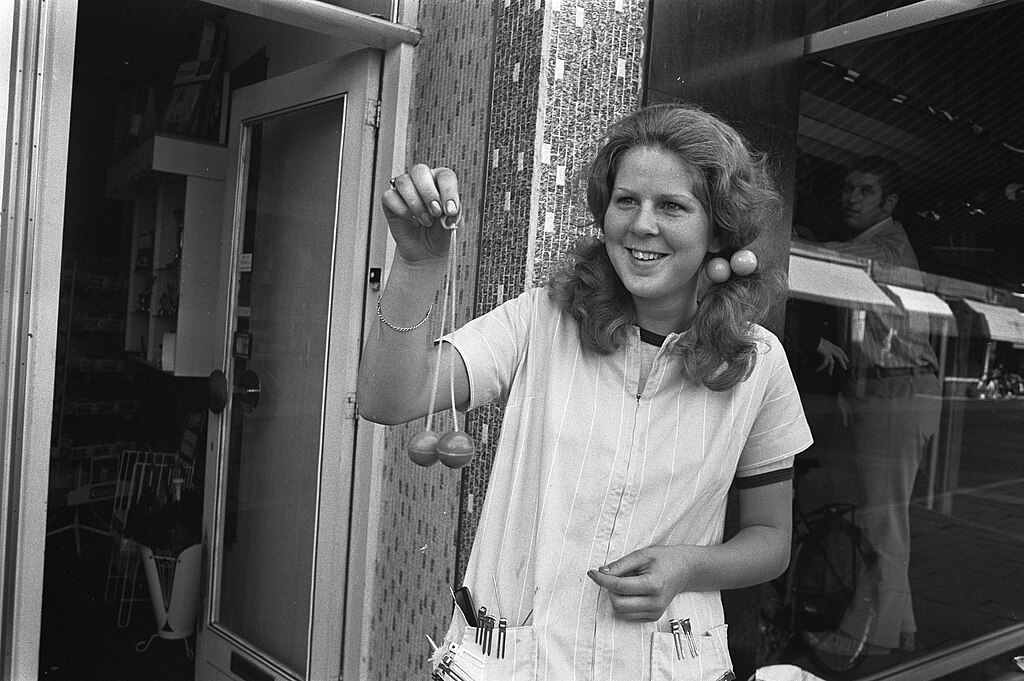
Clackers, also known as Klik Klaks, were simple in design but wild in practice. Two hard acrylic balls were attached to a string, and kids swung them so the balls smacked together above and below their hand, creating a loud clacking rhythm. When the craze peaked, playgrounds sounded like tiny construction sites. The problem came when those balls chipped, cracked, or shattered, sending sharp fragments flying. Eye injuries and bruises turned this fad into a cautionary tale. Eventually, the original hard versions disappeared, replaced by softer, safer alternatives that never felt quite as intense or impressive.
Super Elastic Bubble Plastic
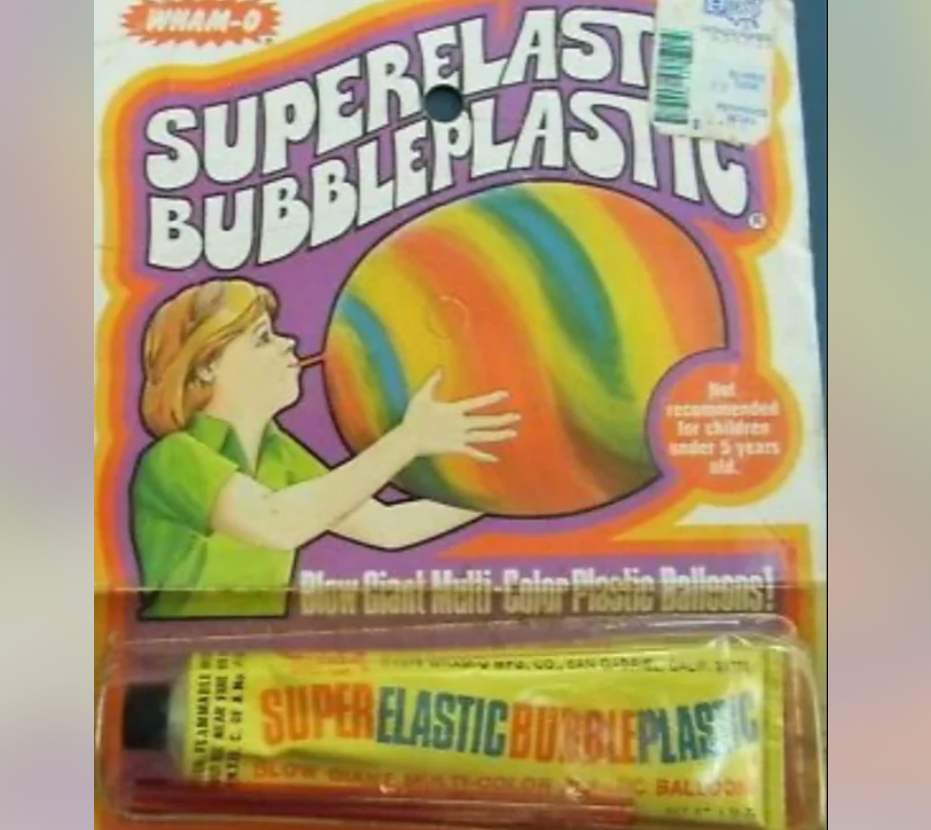
Super Elastic Bubble Plastic looked like pure magic in a tube. Kids squeezed out a blob of colorful goop, stuck it on a straw, and blew huge plastic bubbles that were sturdier than soap but lighter than balloons. The catch was the smell. The goop relied on strong solvents, and the fumes could be harsh, especially when kids inhaled through the straw by mistake. Concerns about dizziness, headaches, and flammability pushed this toy off shelves. Safer bubble toys took its place, but none captured that strange mix of science experiment, craft project, and minor chemistry hazard in a single squeeze.
Battlestar Galactica Missile Toys
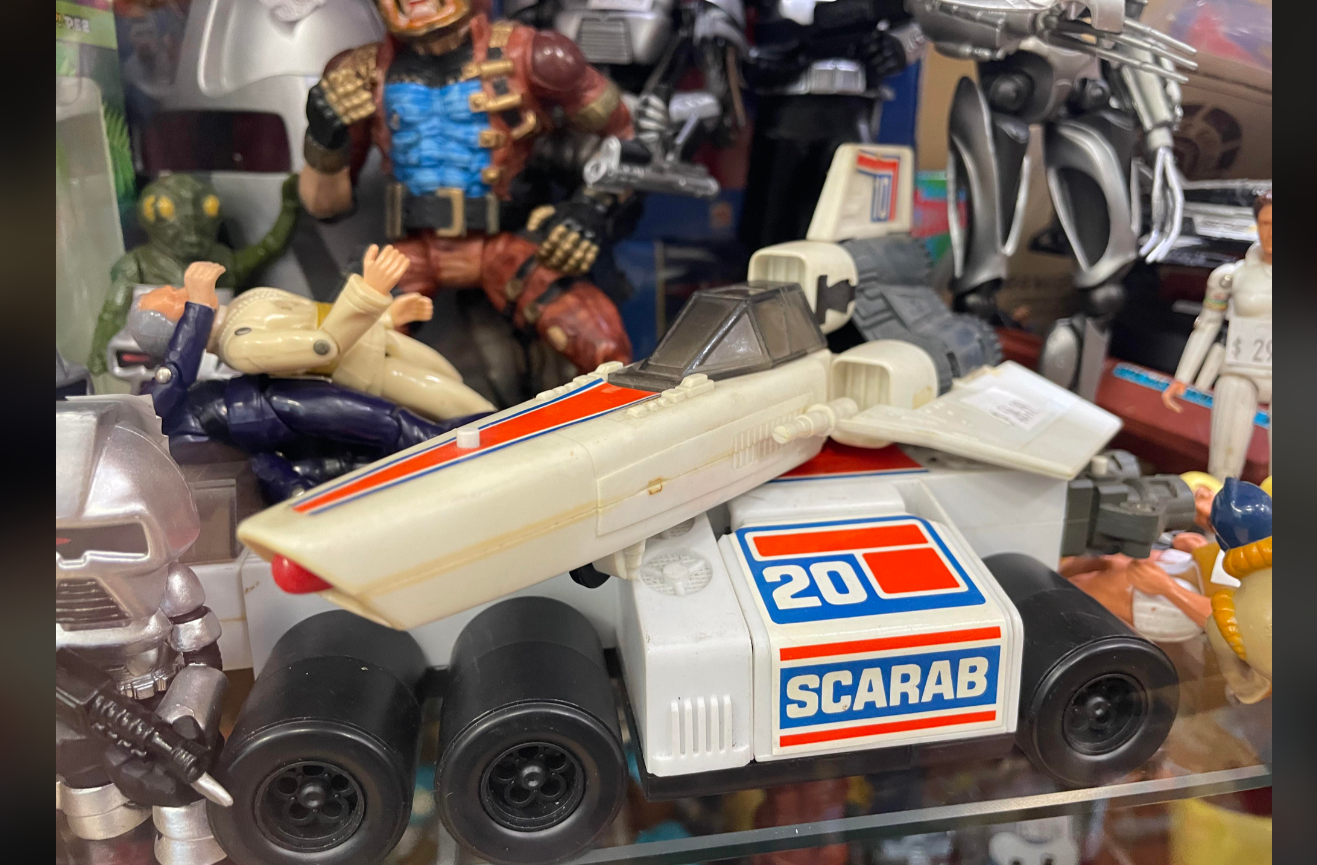
The Battlestar Galactica missile firing ships were a dream toy for space obsessed kids. Sleek plastic starfighters launched small red projectiles with a satisfying click, perfect for living room battles. The problem was that those tiny missiles were just the right size to lodge in a child’s throat. After choking incidents, including a high profile fatality, the toys were recalled and redesigned without the dangerous launch feature. Parents who grew up in that era remember both the excitement of those spring loaded rockets and the shock of seeing their favorite toy suddenly vanish or return with the fun literally removed.
Easy Bake Oven Original Design
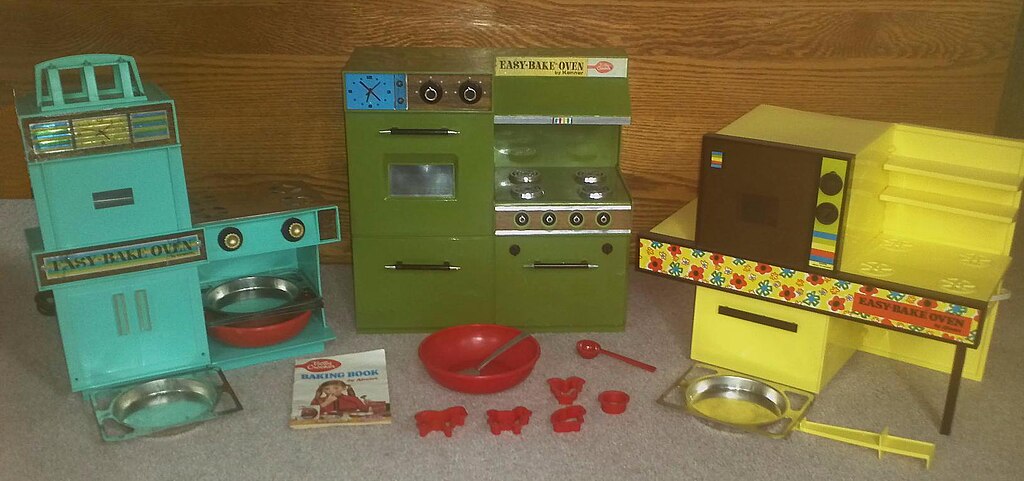
The original Easy Bake Oven felt incredibly grown up. Kids mixed tiny packets of cake mix, slid pans into a miniature oven, and waited for a real dessert to emerge. The heating element, however, got extremely hot, and little fingers sometimes met metal edges or hot surfaces. Later models faced recalls and redesigns as reports of burns and trapped fingers increased. Modern versions are far safer, with lower temperatures and better guards, but many 70s kids remember hovering near that glowing opening, proud of their independence and totally unaware how close they were to a painful lesson in kitchen safety.
Dip A Flower Craft Kits
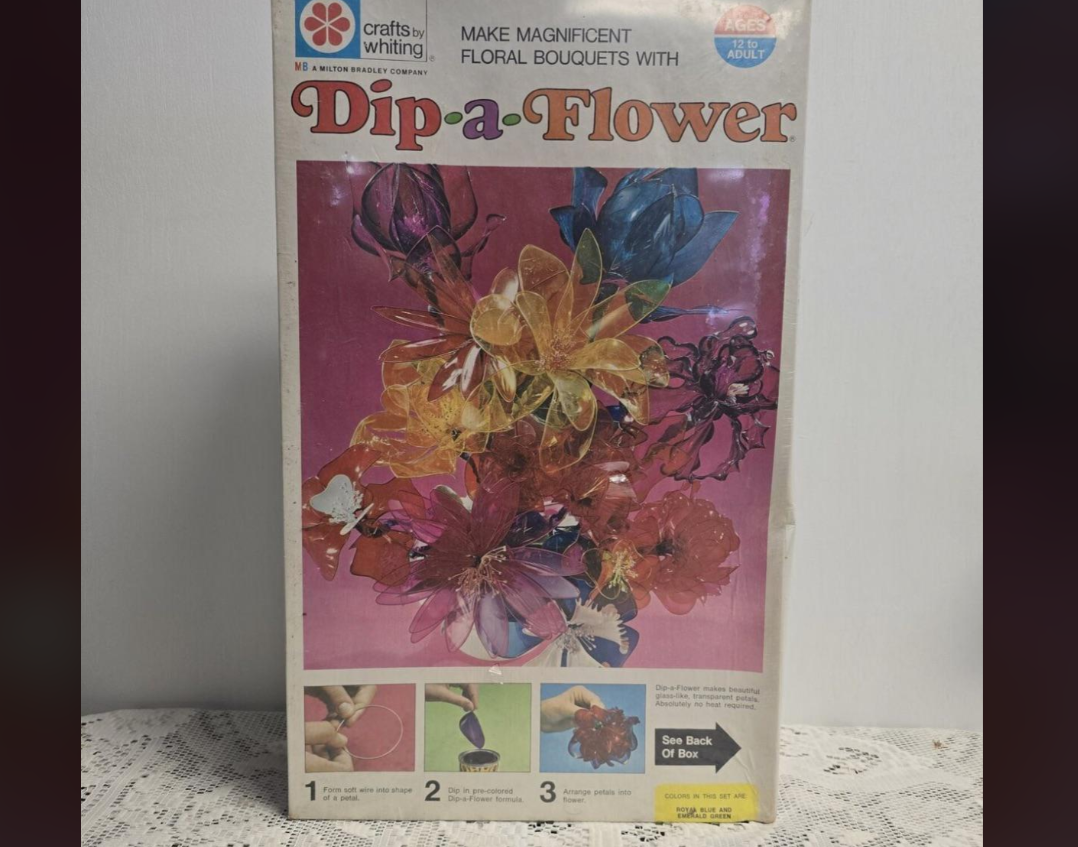
Dip A Flower kits looked innocent on the box. Kids twisted wires into flower shapes, then dipped them into colorful liquid resin to create stained glass style petals. In reality, the kits often involved strong smelling chemicals and open containers of resin that gave off fumes better suited to a workshop than a child’s bedroom. Spills, skin contact, and inhalation risks finally caught up with the product. These kits slowly disappeared or were heavily reformulated. For many families, they now serve as a perfect example of how 70s craft toys blurred the line between creativity and casual exposure to questionable substances.
Disc O Punch Disc Shooters
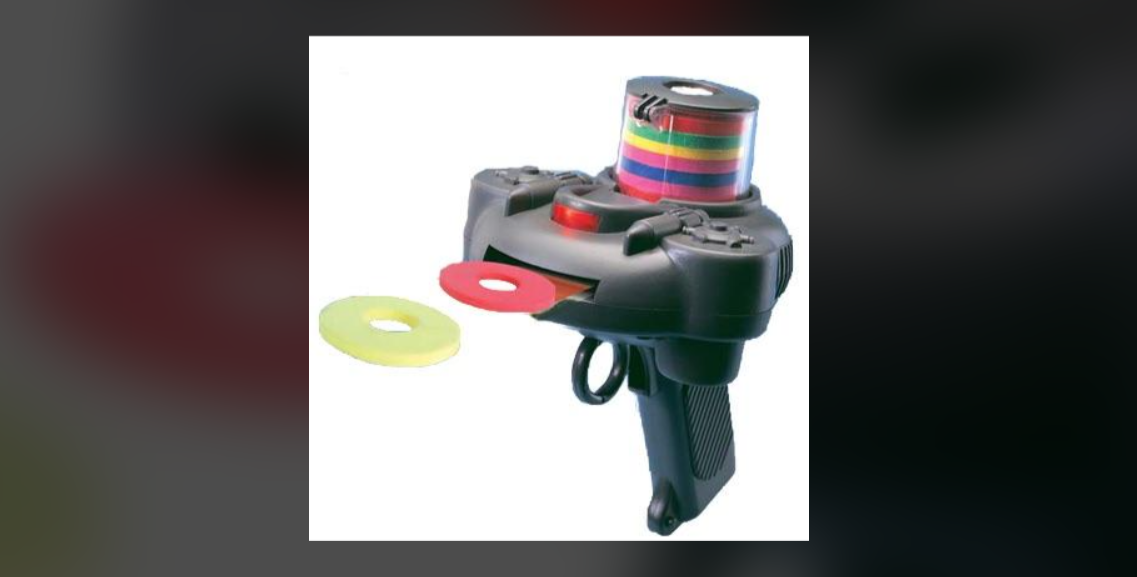
Disc O Punch toys turned small plastic discs into high speed projectiles. The handheld blaster looked harmless, but once kids pulled the trigger, those tiny discs shot across rooms at surprising speeds. They were great for target practice and terrible for unprotected eyes. Siblings learned quickly that getting in the line of fire meant bruises or worse. While toy blasters are still popular today, most use foam darts or soft materials and stricter safety testing. The original Disc O Punch belongs to a different era, when toy guns were expected to sting a little and instructions rarely mentioned goggles.
Lemon Twist Ankle Toy
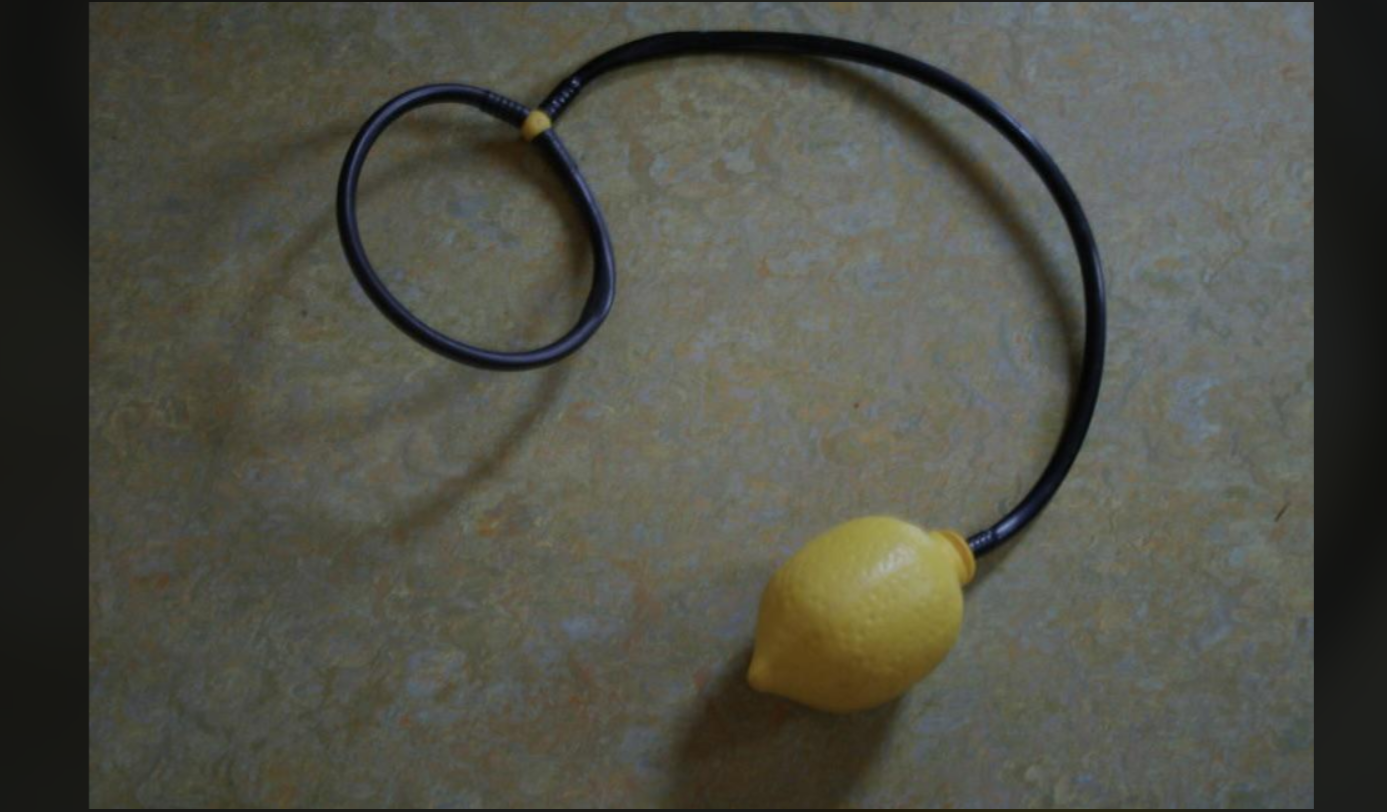
The Lemon Twist ankle toy challenged coordination more than common sense. Kids slipped a plastic loop around one ankle, then swung a weighted lemon shaped ball while hopping over the cord with the other foot. When timed right, it felt like a personal jump rope game. When mistimed, that hard plastic lemon smacked shins and ankles with surprising force. While not officially banned everywhere, the original heavy designs faded as concerns grew about impacts and tripping hazards. Softer, lighter versions and electronic step counters replaced them, but many 70s kids remember the sharp crack of plastic when they missed a jump.
Shrinky Dinks Early Sets
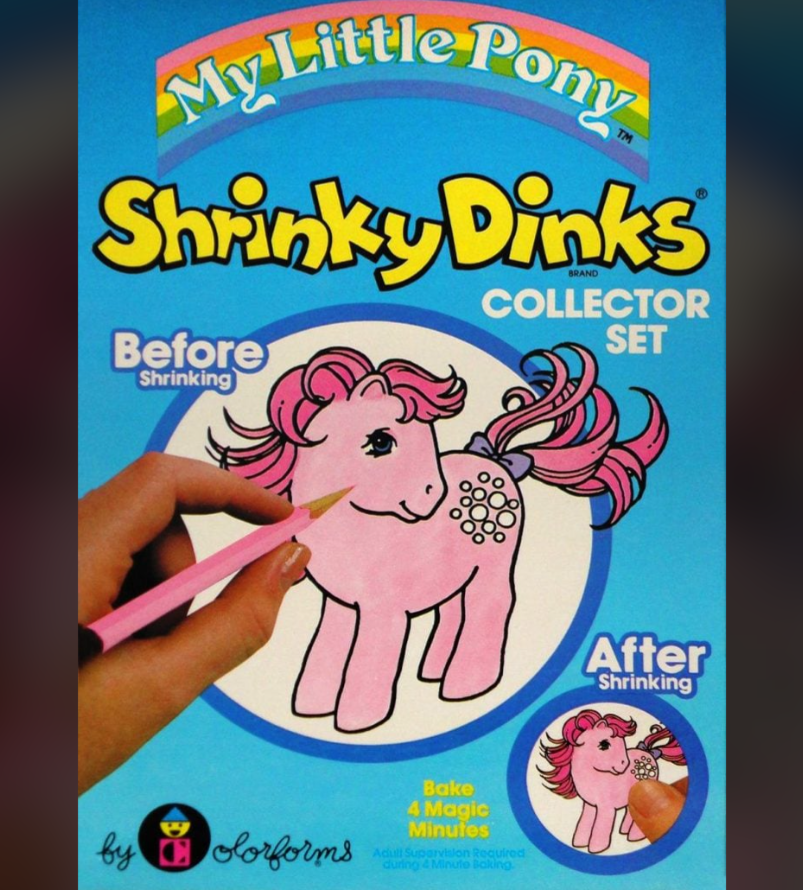
Shrinky Dinks invited kids to color plastic sheets, cut out shapes, and bake them in the oven to watch them shrink into thick charms and tokens. The transformation was genuinely exciting, but it came with hot trays and melting plastic in regular kitchen ovens. Parents worried about fumes, burns, and curious hands reaching into hot spaces. Later versions and similar products became more controlled, but the original sets reflected a time when giving children access to heat and plastic seemed perfectly reasonable. For many, the smell of the oven during a Shrinky Dinks session is a core childhood memory they would never repeat today.
Creepy Crawlers Thingmaker
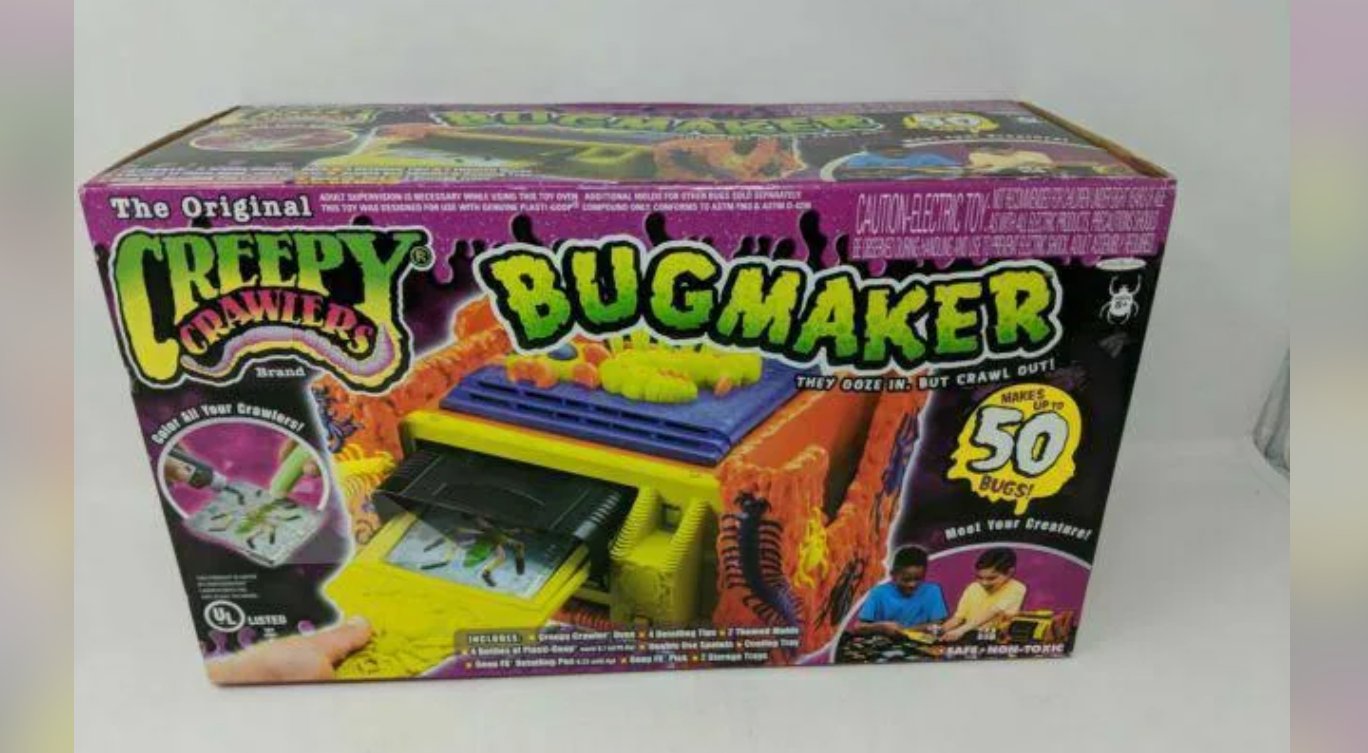
The Creepy Crawlers Thingmaker let kids pour liquid goop into metal molds shaped like bugs, then bake them on a small open hot plate until they cured into rubbery creatures. It felt like running a tiny factory. It also meant children handled sizzling molds and hot liquid plastic with minimal protection. Burns were common, and the combination of heat, cords, and chemicals eventually clashed with modern safety rules. Later versions tried enclosed ovens and safer formulas, but the original metal mold setup vanished. Still, those early sets remain beloved in memory for the thrill of creating something both gross and homemade.
Toy Cannon
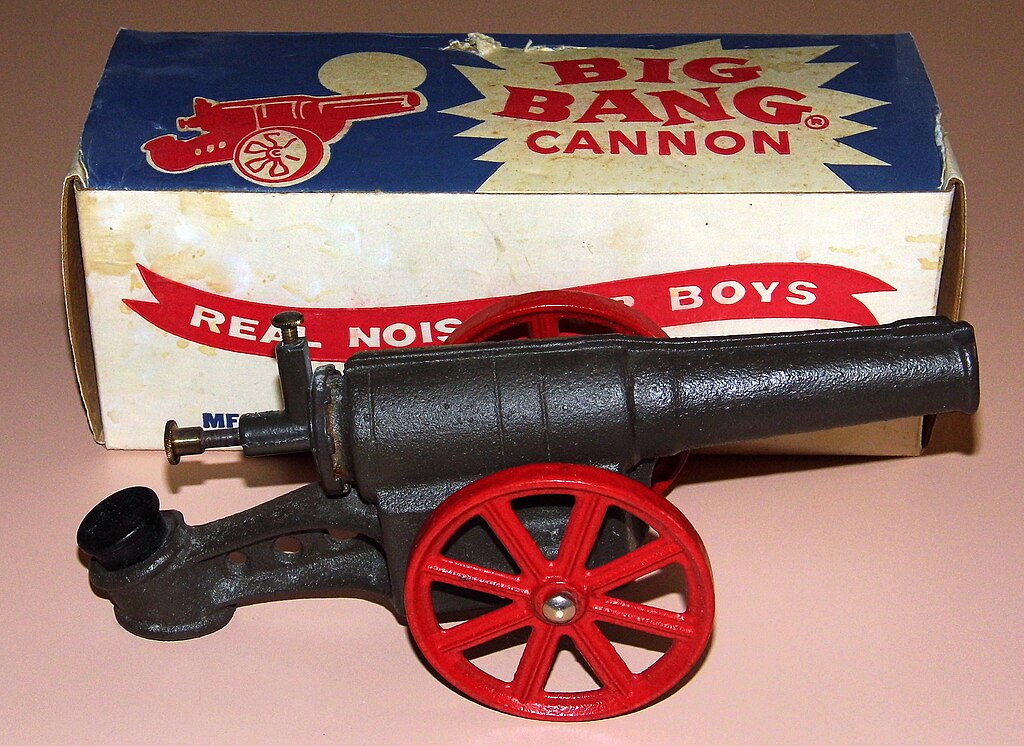
The toy cannon was already controversial for its Civil War theme, but it was also physically risky. The nearly three foot long cannon fired hard plastic balls impressive distances across yards and living rooms. For 70s kids, that meant power, noise, and bragging rights. For parents, it meant broken windows, bruises, and constant worry about eyes and teeth. Over time, shifting cultural attitudes and safety concerns helped push this toy off the market. It now lives mostly in collector circles, where adults marvel that it was once marketed as a standard toy rather than a backyard artillery piece.
Atomic Energy Style Kits
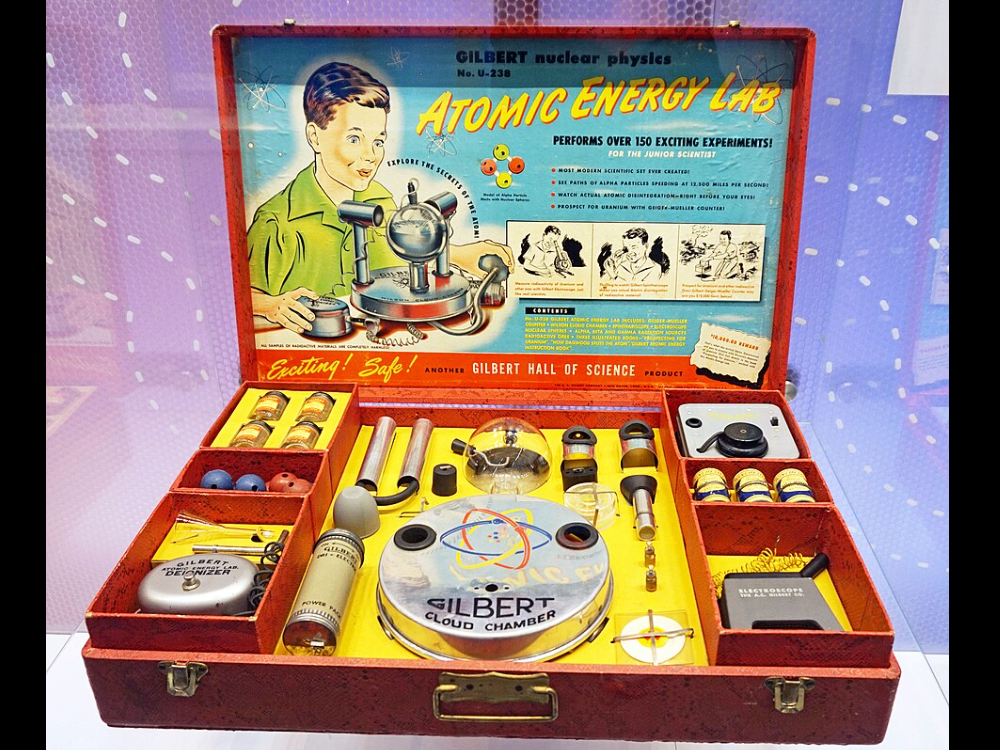
Atomic themed science kits from earlier decades lingered into the 70s in homes and secondhand shops, letting kids experiment with counters, mysterious powders, and sometimes even low level radioactive materials. While not always branded for children by that time, these sets still floated around as educational toys. As awareness grew about radiation and long term exposure, these kits quietly disappeared. Modern science toys use safe substitutes and controlled experiments, but those older atomic sets became legends. Many adults look back stunned that something so serious was packaged with bright graphics and a promise of fun for curious young minds.
Old School Chemistry Sets
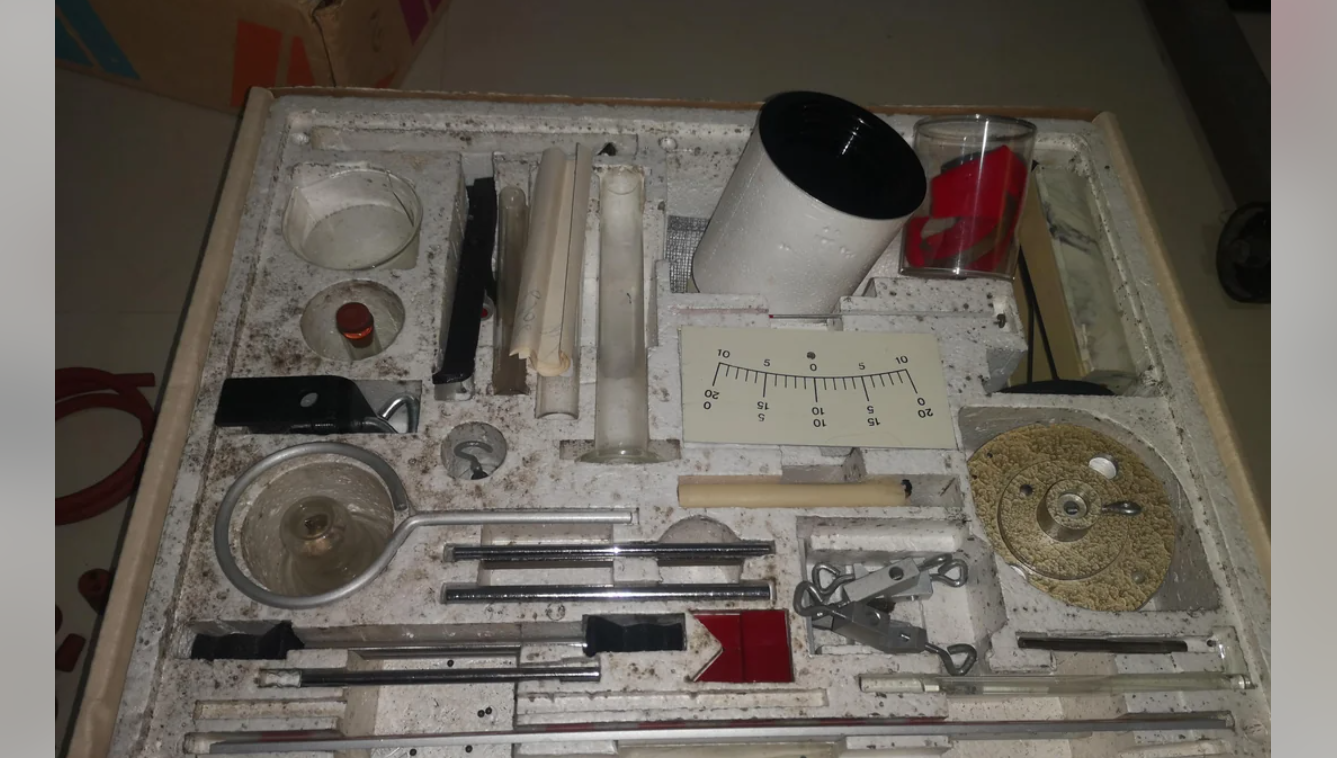
Classic chemistry sets of the 60s and early 70s came with glassware, real reagents, and instruction booklets that encouraged flames, fumes, and reactions that would terrify modern parents. Kids learned to mix acids, burn metals, and create loud pops of gas. It felt like a private laboratory and inspired many future scientists, but it also exposed children to burns, spills, and toxic substances. As regulations tightened, these sets lost their most dangerous ingredients and eventually their wild charm. Today’s kits are safer and gentler, but many people still miss the sense of adventure those older sets offered.
Vac U Form Plastic Molders
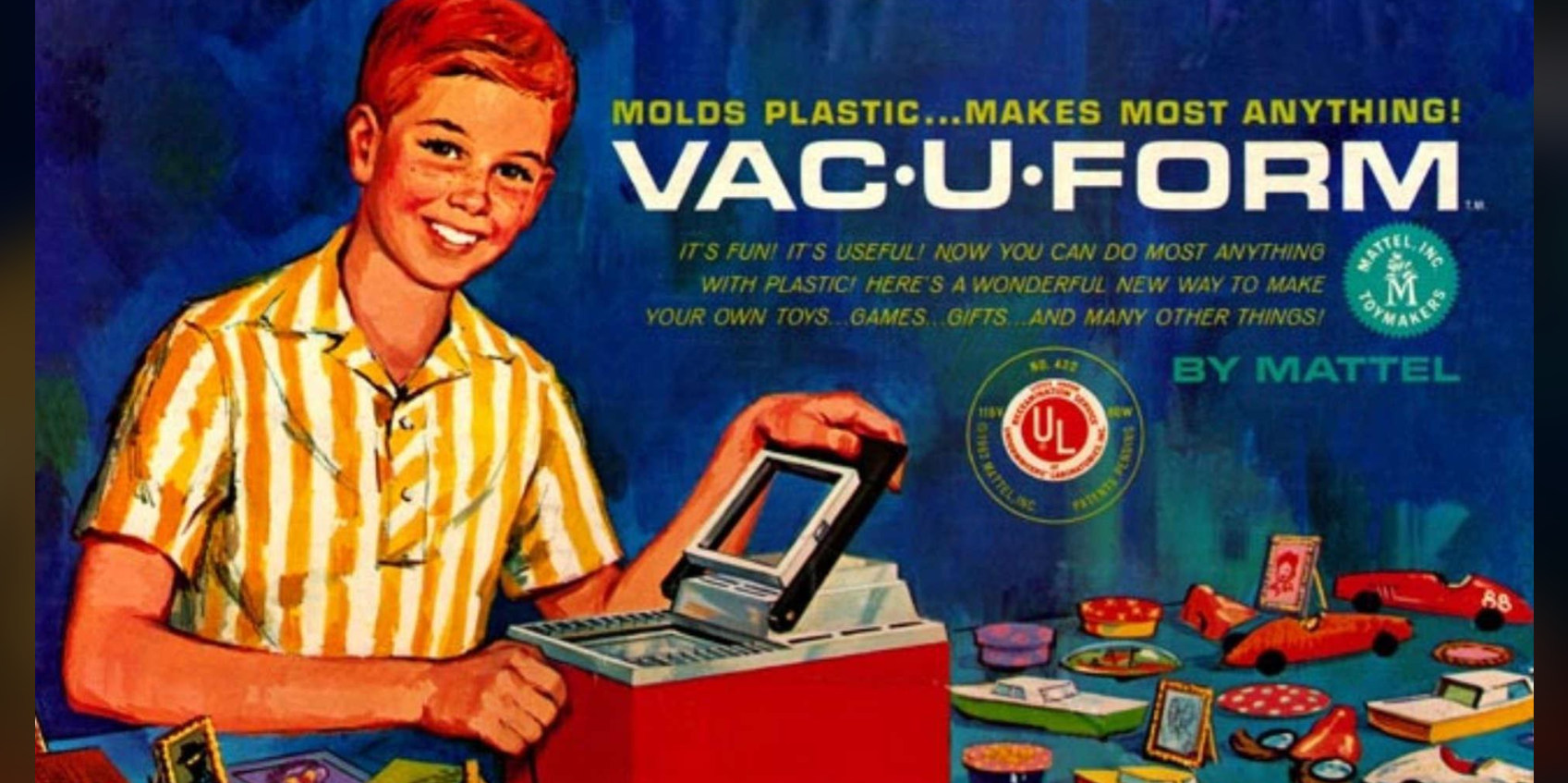
Vac U Form style plastic molding toys let kids heat thin plastic sheets and vacuum form them over molds to create cars, shapes, and custom designs. The process involved heat, soft plastic, and moving parts, all handled by children on kitchen tables. Fingers got close to hot surfaces, and the smell of heated plastic filled the room. Over time, safety concerns and stricter toy regulations pushed these sets aside or forced heavy redesigns. Modern versions hide heat sources and use safer materials, but they lack the raw hands on feel that made the original molding toys unforgettable for 70s hobbyists.
These toys remind Americans that childhood in the 70s came with fewer guardrails and far more hazards. While banning and recalling them protected future generations, their memory still carries warmth and excitement. People who grew up with lawn darts, Clackers, and bubbling plastic often remember not just the risk, but the freedom. The modern toy aisle is safer, but also more cautious and controlled. Looking back at these banned classics is a way to honor both the progress in safety and the wild, inventive spirit of toys that turned ordinary afternoons into unforgettable adventures.