The retail landscape of the 1950s and 1960s was defined by warm customer service, neighborhood charm, and stores that felt like part of the community. Many boomers remember these places not just for what they sold but for how they made shopping feel—personal, relaxed, and full of character. While today’s retail world leans heavily on online convenience, the classic shops of mid-century America remain iconic touchstones of a slower, friendlier era.
Woolworth’s
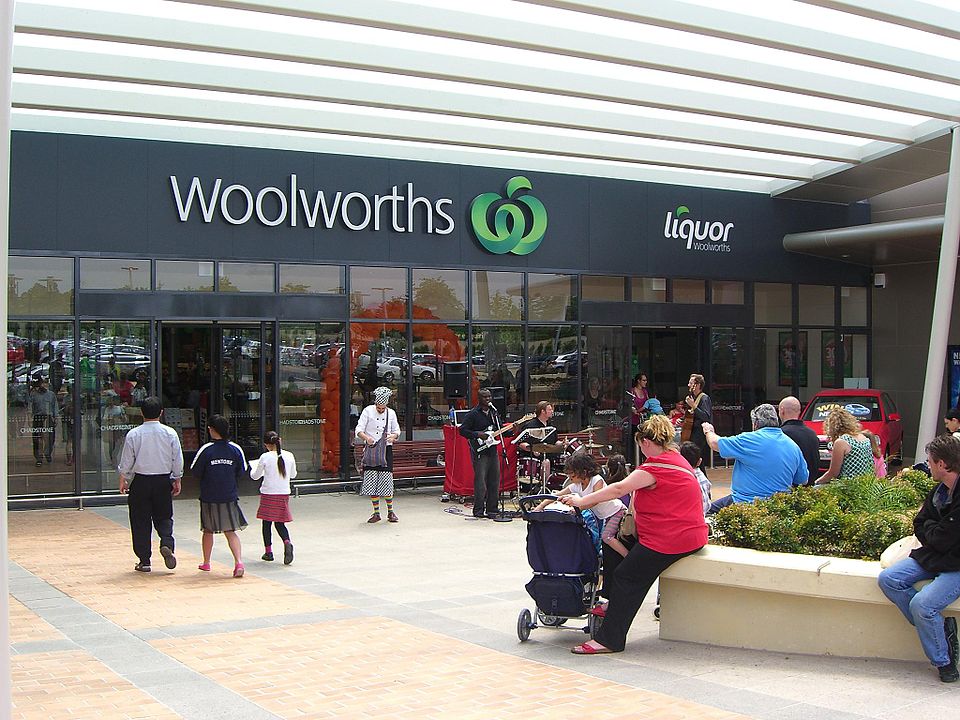
Woolworth’s was one of the most recognizable five-and-dime stores across America during the mid-20th century. Shoppers loved its combination of affordable goods, friendly service, and iconic lunch counters. Families could pick up everyday essentials while enjoying a grilled cheese or milkshake at the classic countertop stools. For many boomers, Woolworth’s represented the heart of Main Street life in an era before malls dominated the landscape.
Sears
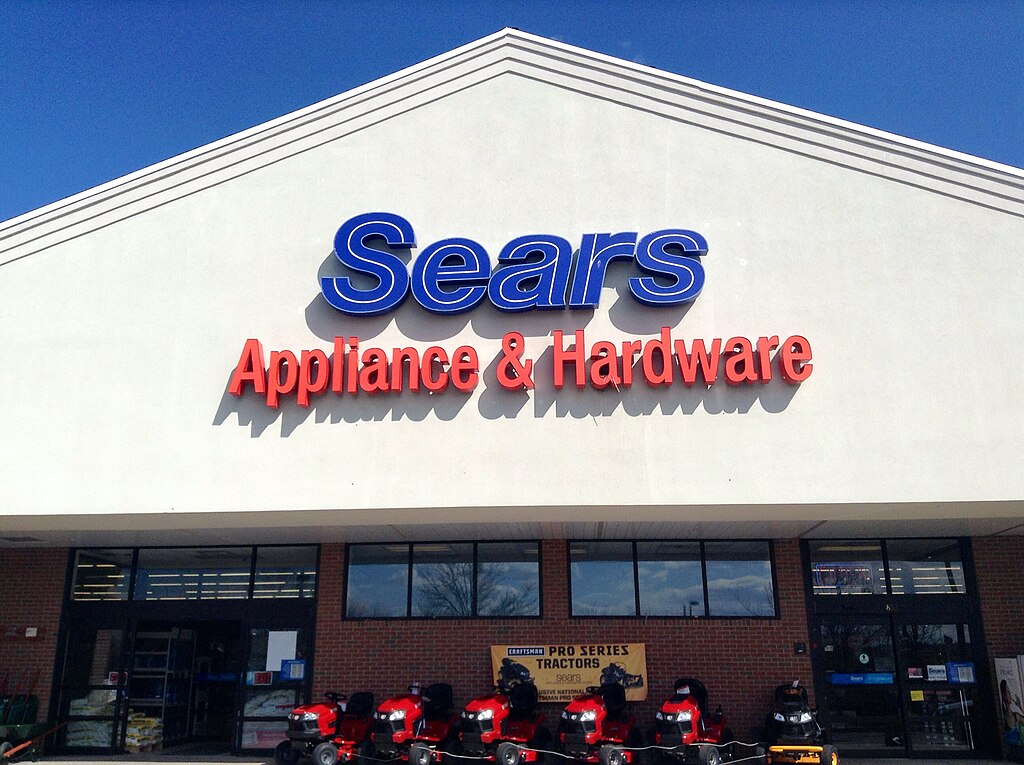
Sears was more than a department store—it was a cultural force known for its catalog, appliances, and dependable service. Families browsed entire lifestyles through its pages, choosing everything from clothing to tools to backyard kits. The in-store experience felt like a giant wonderland full of selections for every family member. Boomers fondly remember Sears as the reliable anchor of countless shopping trips.
Montgomery Ward
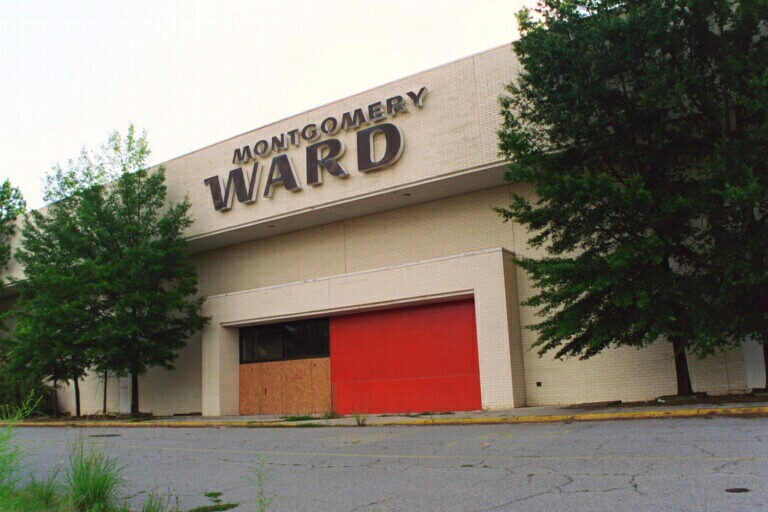
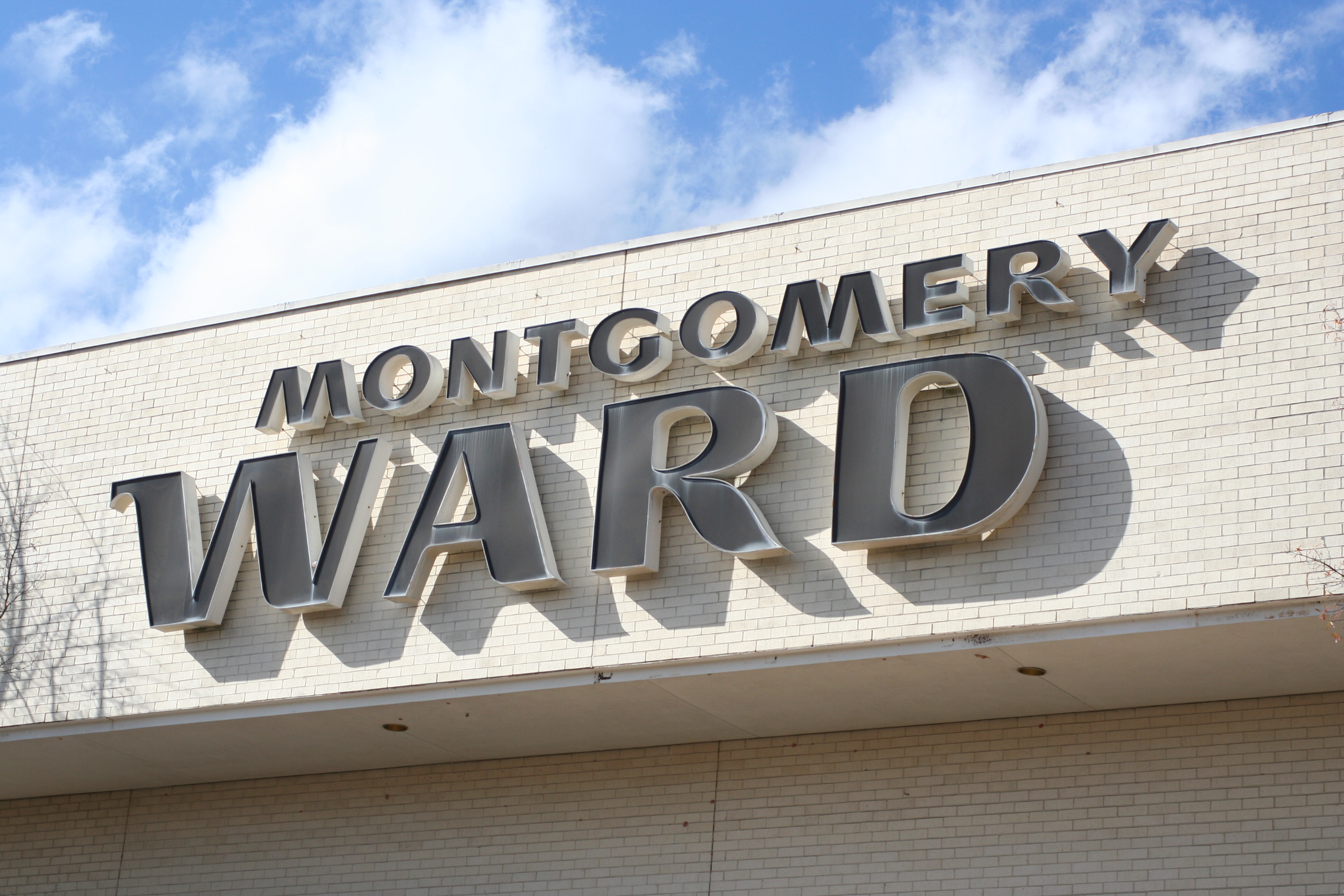
Montgomery Ward rivaled Sears for decades with its wide selection and home delivery catalog. The store offered everything from household goods to fashionable clothing, making it a trusted name for middle-class families. Many remember its annual holiday offerings and dependable customer service. Even after its decline, it still symbolizes mid-century shopping convenience.
A&P Grocery Stores
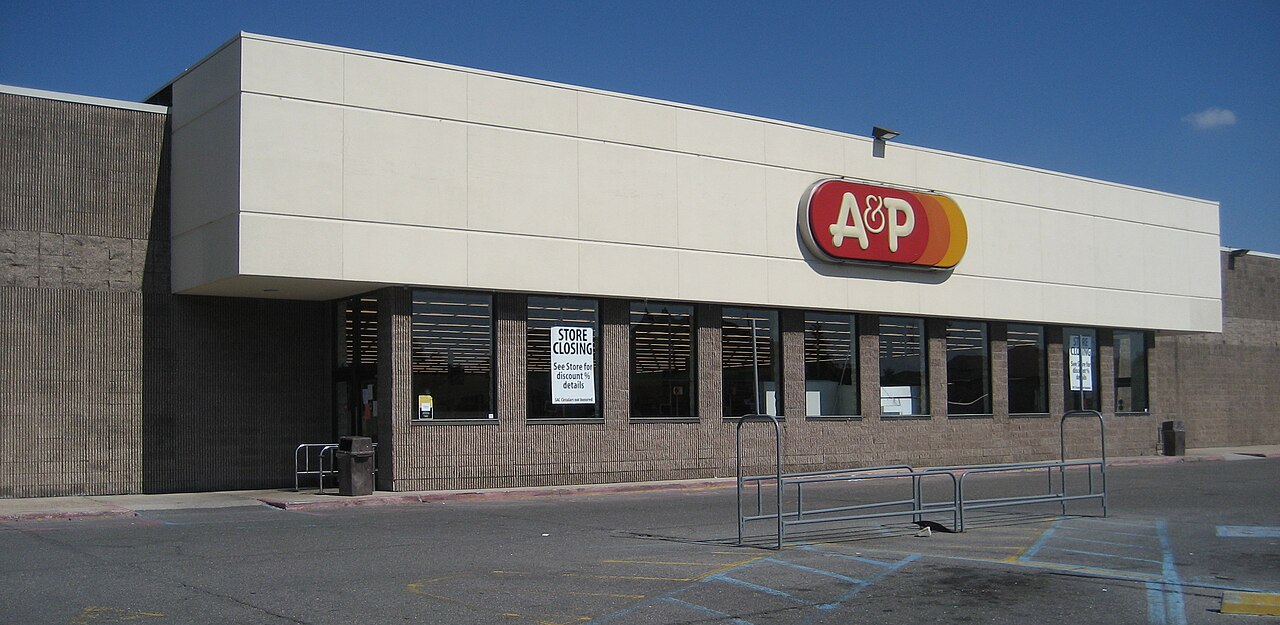
A&P was once the largest grocery chain in America and a staple for families in the ’50s and ’60s. The brand became known for affordable food, friendly cashiers, and a neighborhood atmosphere. Parents often made weekly trips for fresh produce and pantry essentials, creating lifelong memories for younger shoppers. A&P’s rise and fall tells the story of changing grocery habits in America.
J.J. Newberry
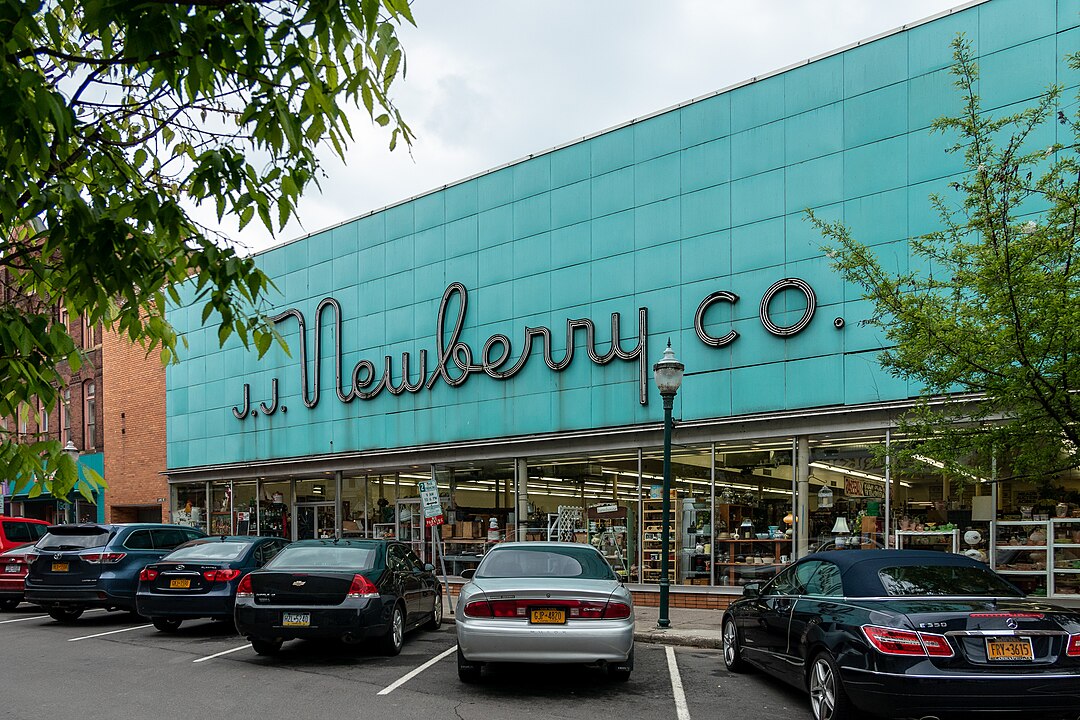
J.J. Newberry stores offered a beloved blend of affordability and variety in the five-and-dime format. Families could browse toys, candies, kitchenware, and clothing all under one roof. The stores felt cozy and accessible, a place where small budgets stretched further. Many boomers remember stopping here after school or during weekend errands.
Kresge’s
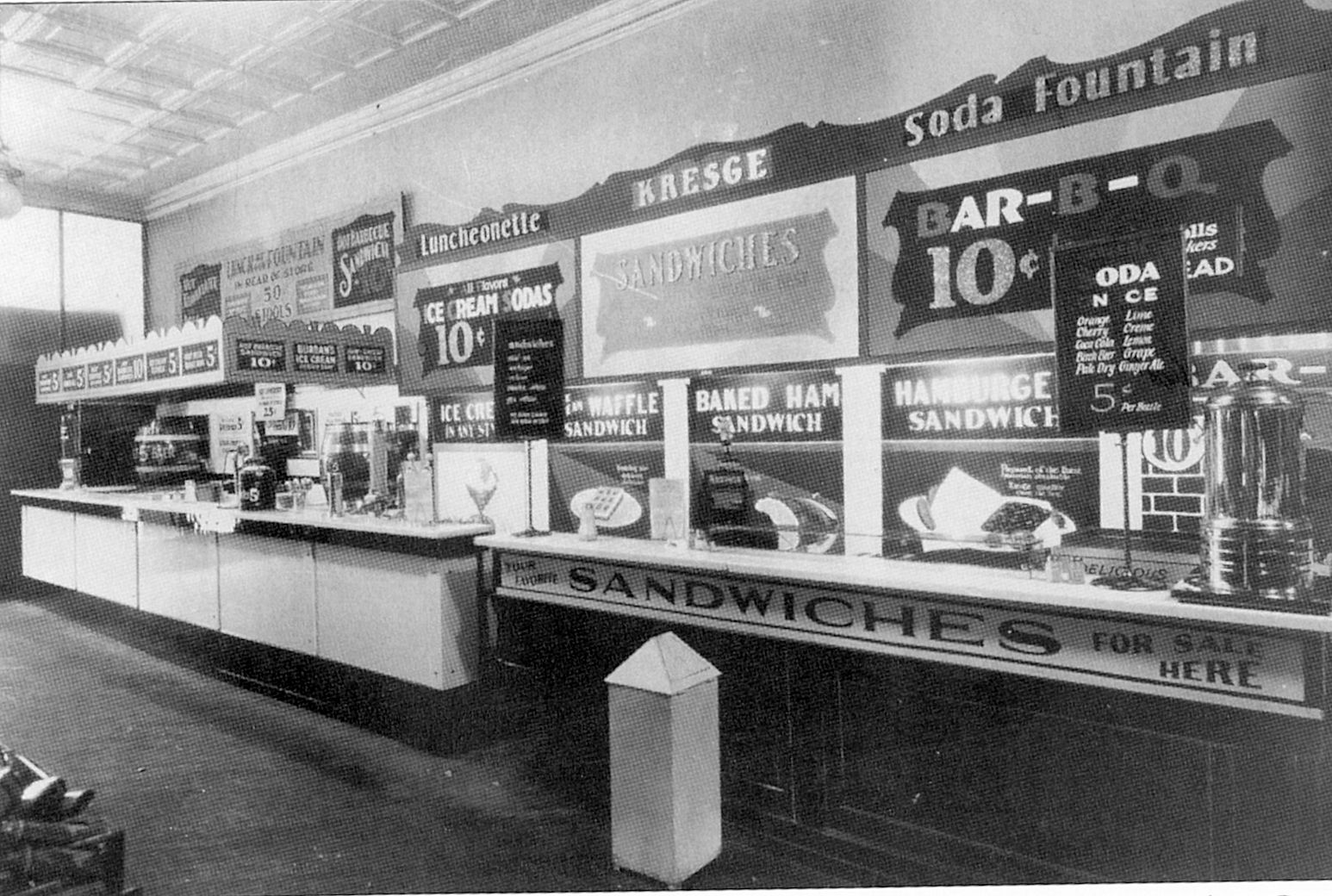
Kresge’s laid the foundation for what eventually became Kmart, but its earlier stores were an institution of their own. The lunch counter, a favorite meeting place, offered simple meals and a welcoming atmosphere. Shoppers appreciated the fair prices and familiar layouts, making it a trusted stop for everyday purchases. For many, Kresge’s represents a lost era of customer-first retail.
Howard Johnson’s Gift Shops
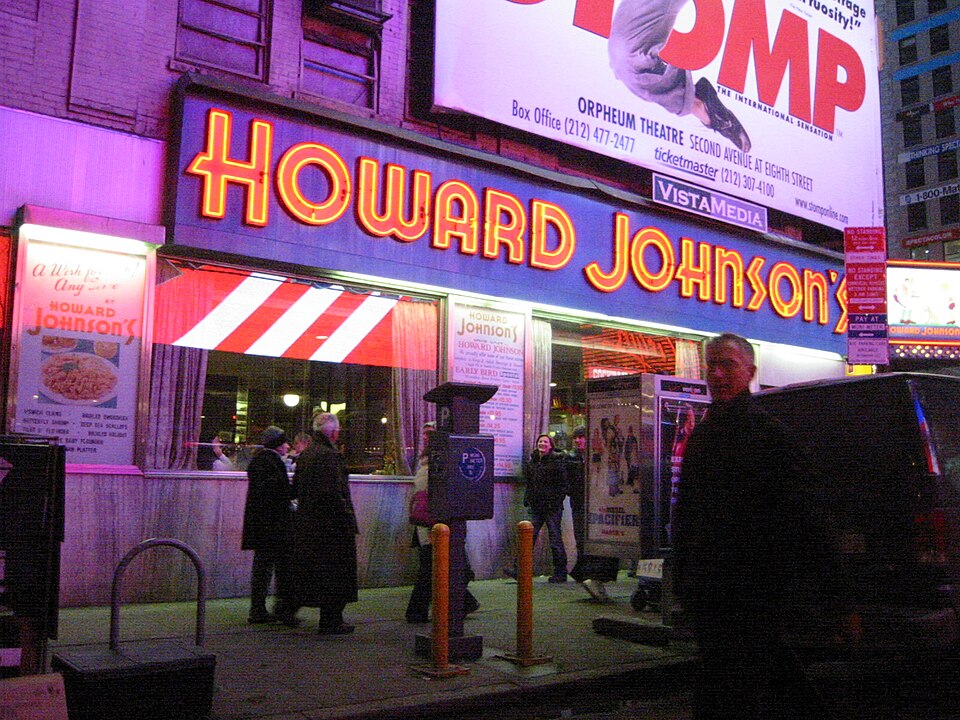
Howard Johnson’s was known not only for its hotels and restaurants but also its charming roadside shops. Travelers loved browsing travel trinkets, novelty toys, and sweets during long car rides. These stores were a symbol of the golden age of road-tripping. Boomers still recall the bright orange roofs and friendly clerks as part of family vacation nostalgia.
Radio Shack
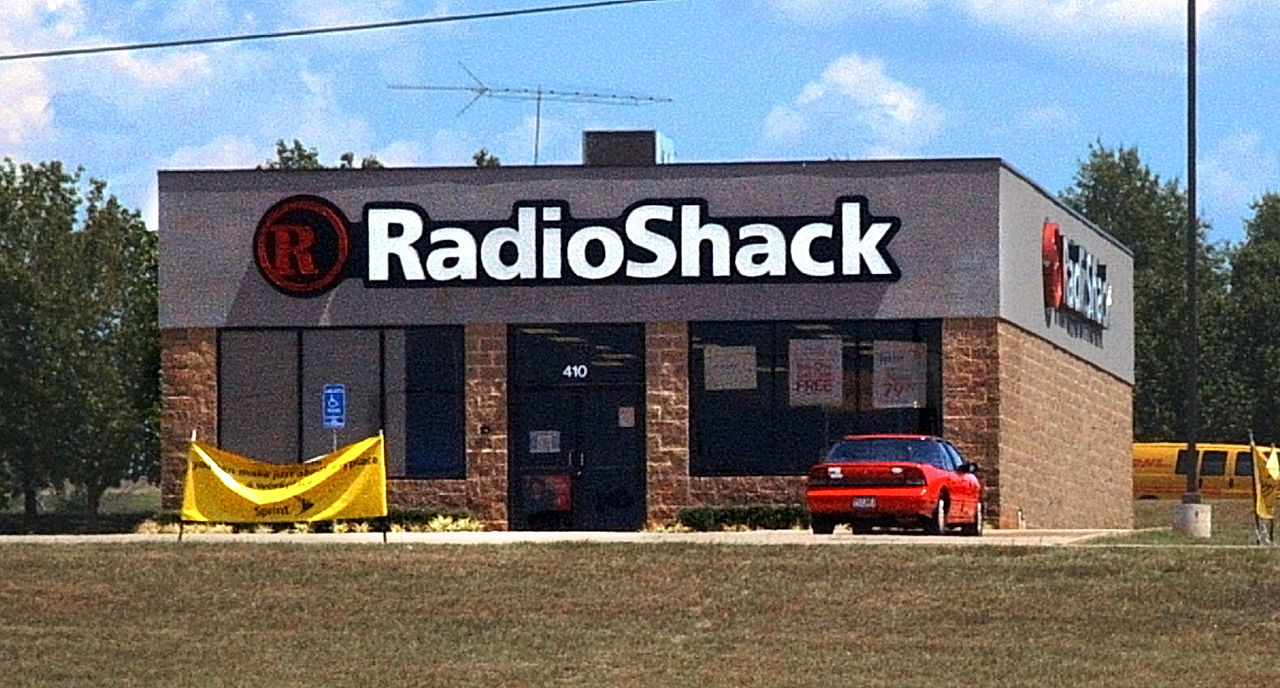
Radio Shack became the go-to place for electronics enthusiasts, long before big-box retailers entered the scene. Kids loved exploring the aisles filled with gadgets, wire kits, and early tech novelties. It was a paradise for hobbyists and curious young tinkerers. Though the store existed for decades after the ’60s, its roots are part of mid-century innovation culture.
Ben Franklin Stores
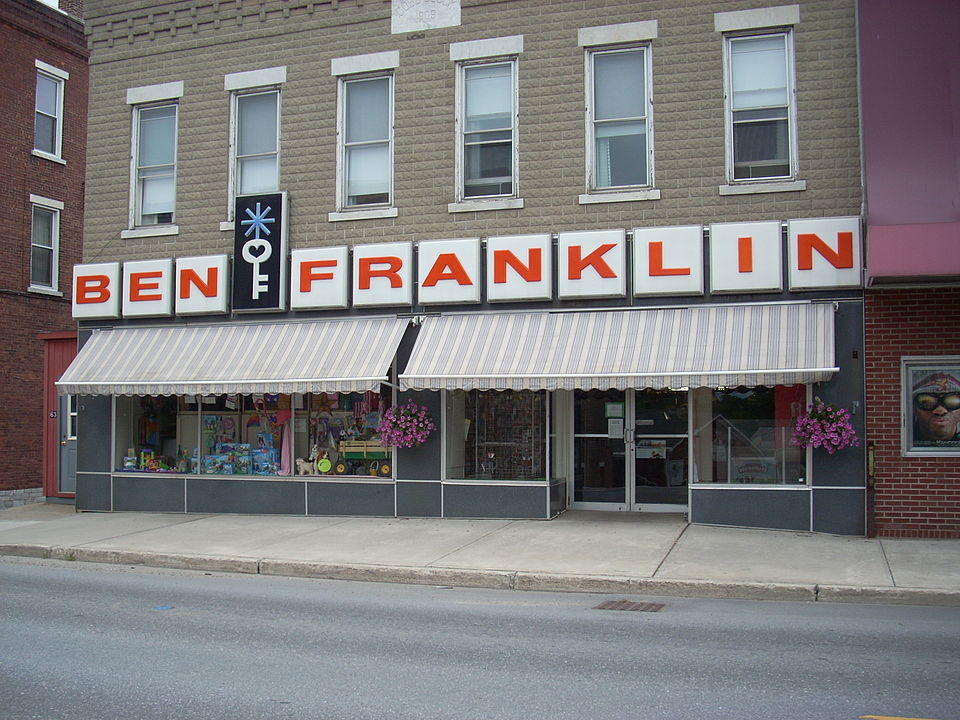
Ben Franklin Stores were community-centered variety shops with a little bit of everything. They felt particularly warm and inviting, often family-owned or locally operated. Their craft supplies and seasonal aisles were especially popular with families. Today, they are remembered as friendly, homegrown alternatives to emerging national chains.
Korvette’s
Korvette’s was a discount store known for surprisingly stylish merchandise at very appealing prices. Shoppers praised its blend of fashion, music, and household goods. The store developed a loyal following among families seeking value without compromising quality. Its sudden disappearance left many communities with a lingering sense of loss.
Rexall Drugstores
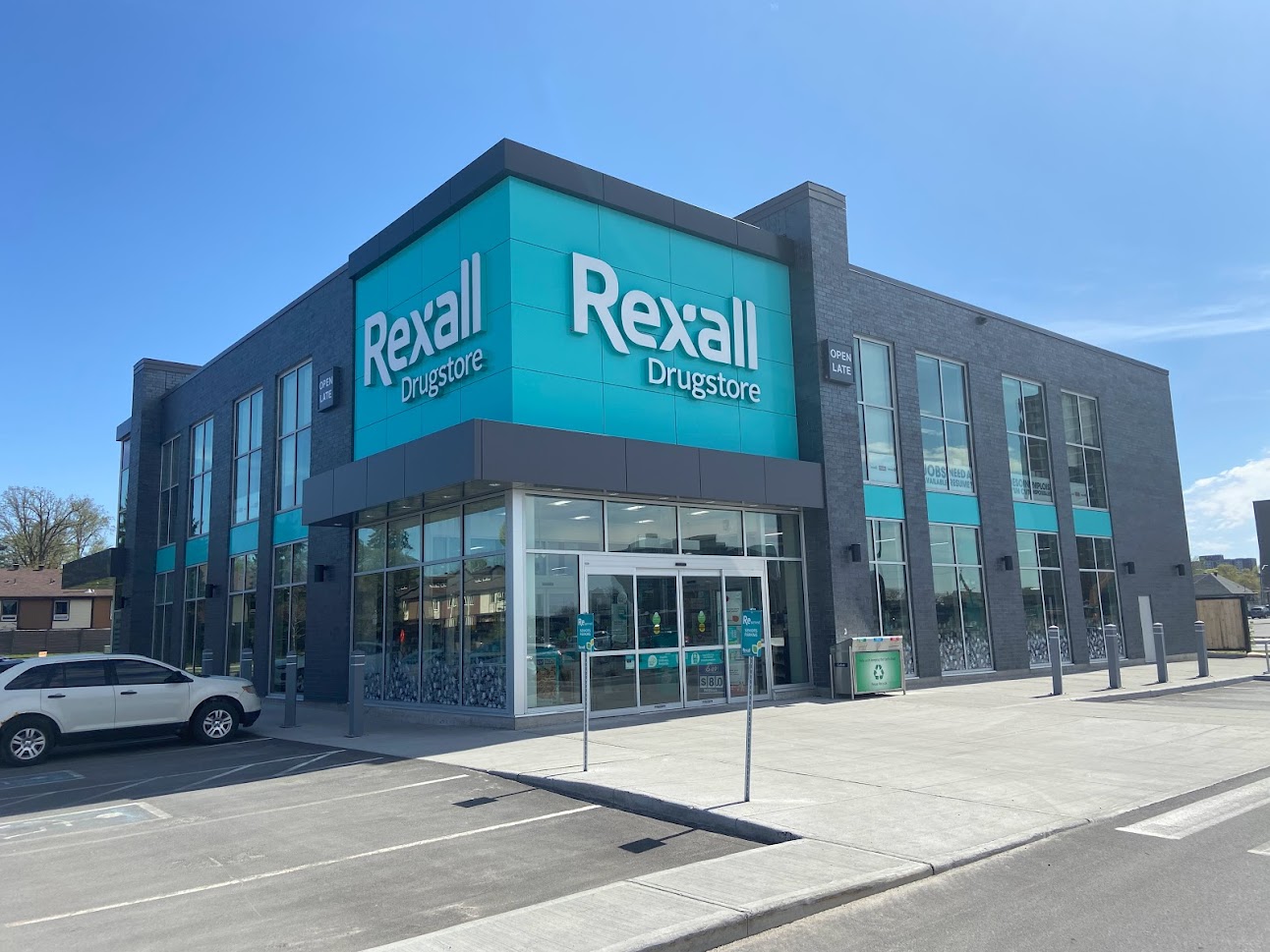
Rexall was once the most prominent chain of drugstores in the nation, with bright orange signs recognized everywhere. Its stores offered friendly pharmacists, household goods, and a comforting local presence. Parents appreciated the reliability, while children gravitated toward the candy counters and toy aisles. Rexall symbolized the trusted neighborhood pharmacy before consolidation reshaped the market.
Mervyn’s
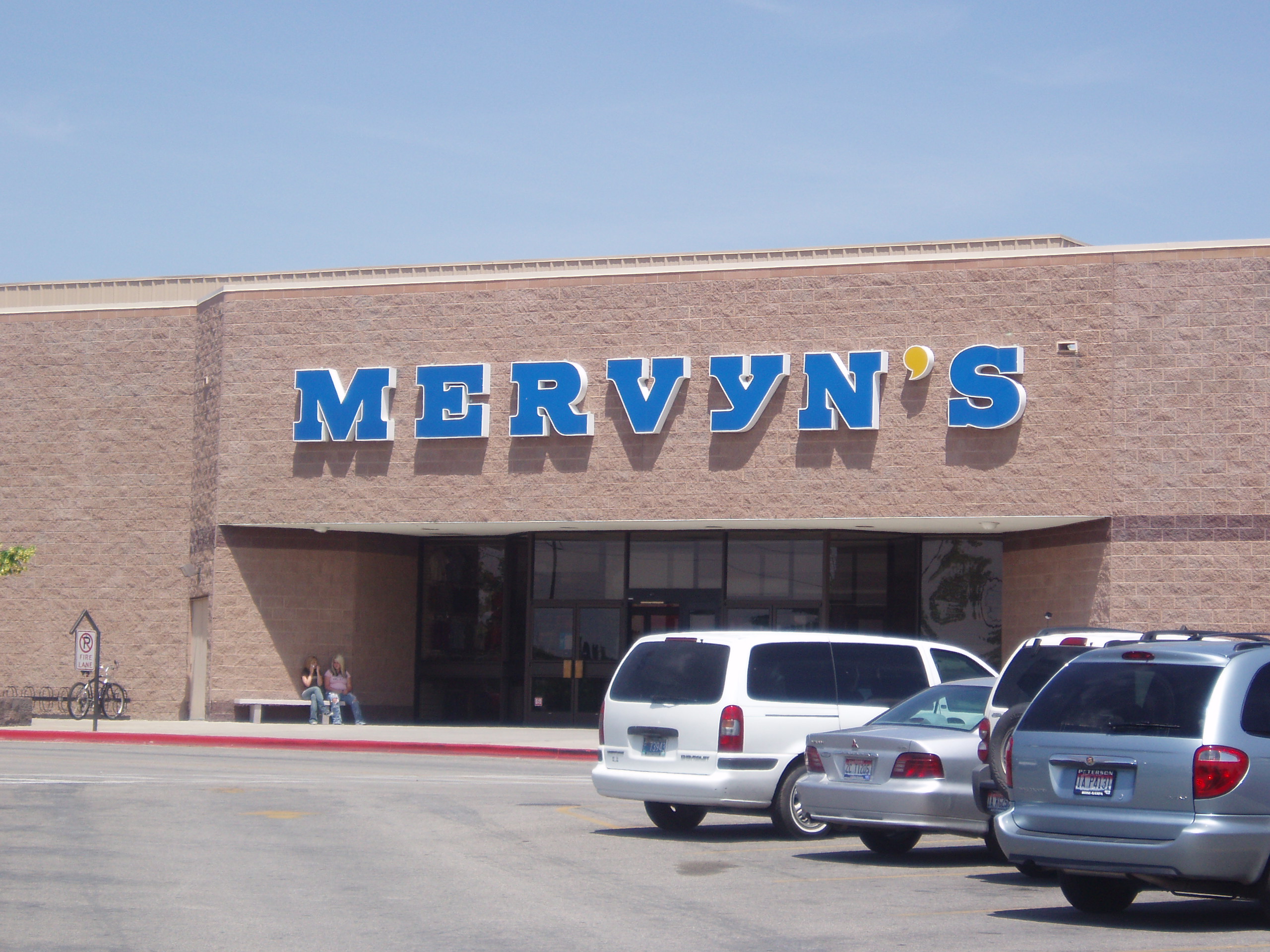
Mervyn’s gained popularity for its affordable clothing and well-organized stores. Families often shopped here for back-to-school outfits and essentials. The store built its reputation on value and simplicity, avoiding the overwhelming layouts of larger chains. Many boomers still recall it as a go-to stop for dependable fashion.
Grant’s
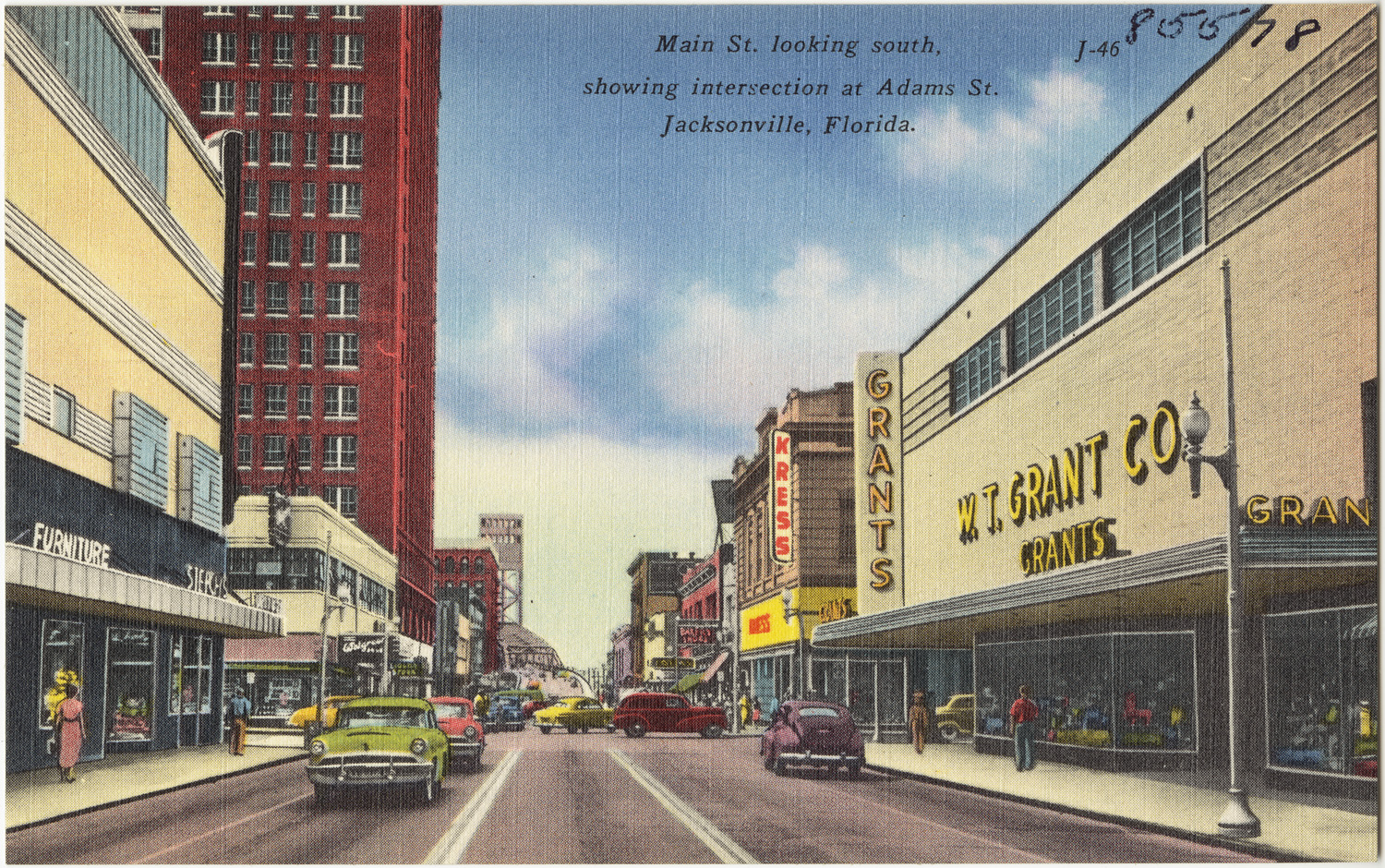
W.T. Grant stores were beloved for everyday essentials and budget-friendly pricing. Families appreciated the reliable quality and approachable layout. They were fixtures of many small towns, creating long-lasting neighborhood bonds. Boomers often remember Grant’s as a dependable, friendly stop during routine errands.
Safeway’s Mid-Century Locations
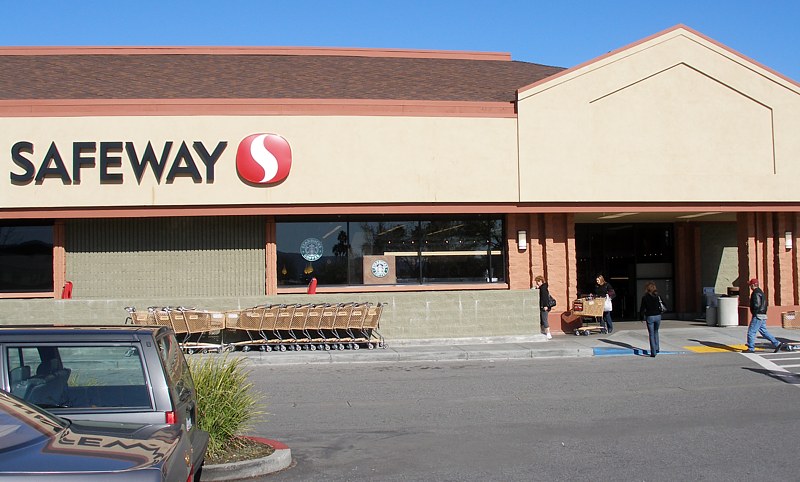
While Safeway still exists, its ’50s and ’60s stores carried a very different charm. Featuring friendly clerks, classic signage, and community-centric service, these early locations left a strong nostalgic impression. Grocery shopping felt personal and familiar, with employees who often knew customers by name. Many boomers associate Safeway’s mid-century era with simpler, more neighborly times.