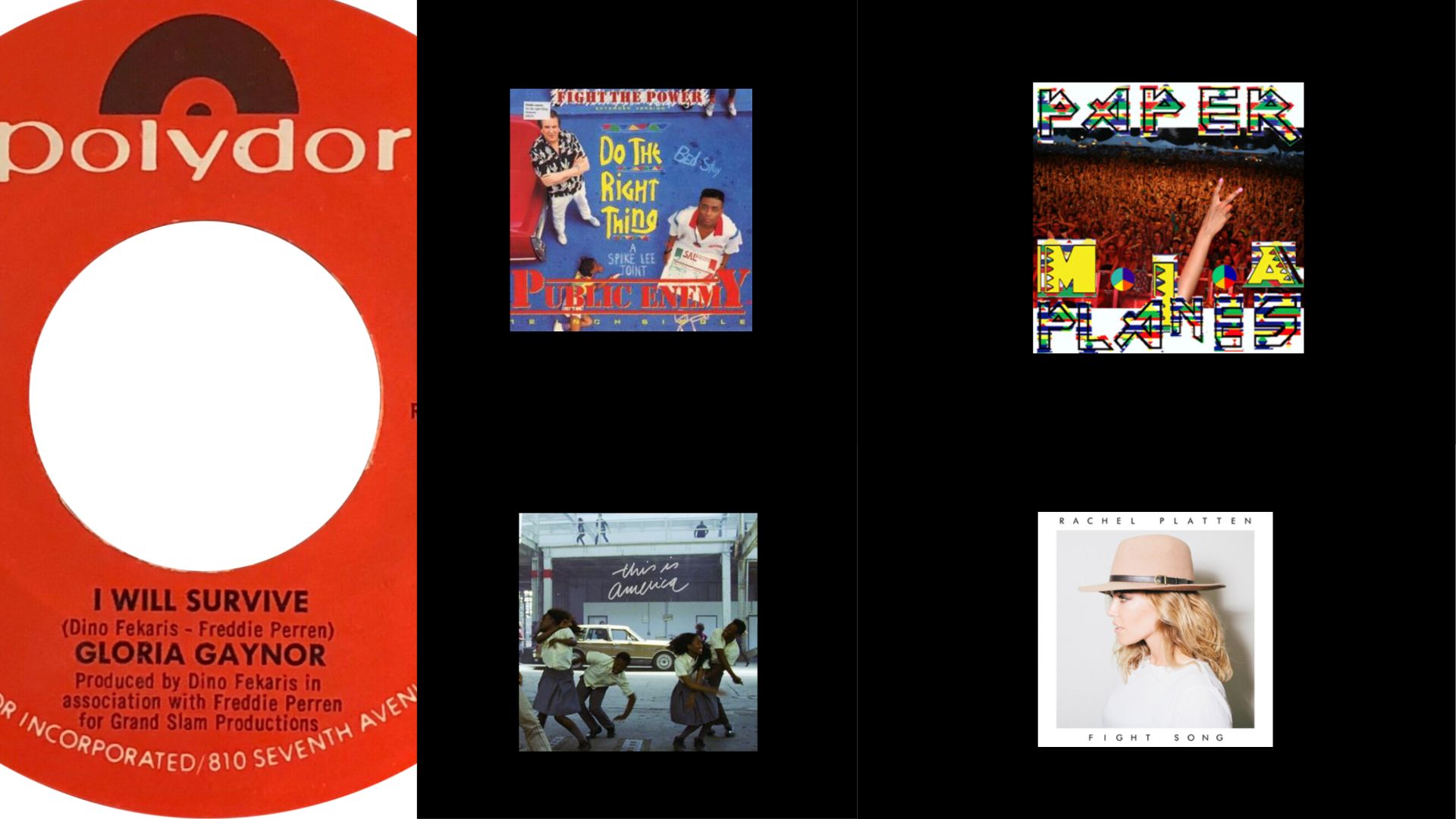
Music has always been more than entertainment; it can challenge societal norms, provoke thought, and spark meaningful conversations. Throughout American history, certain songs dared to push boundaries—whether in musical structure, lyrical content, or social commentary. These fourteen tracks not only broke the rules of their time but reshaped culture, inspiring dialogue around race, politics, identity, and artistic freedom.
Bohemian Rhapsody: Redefining Song Structure
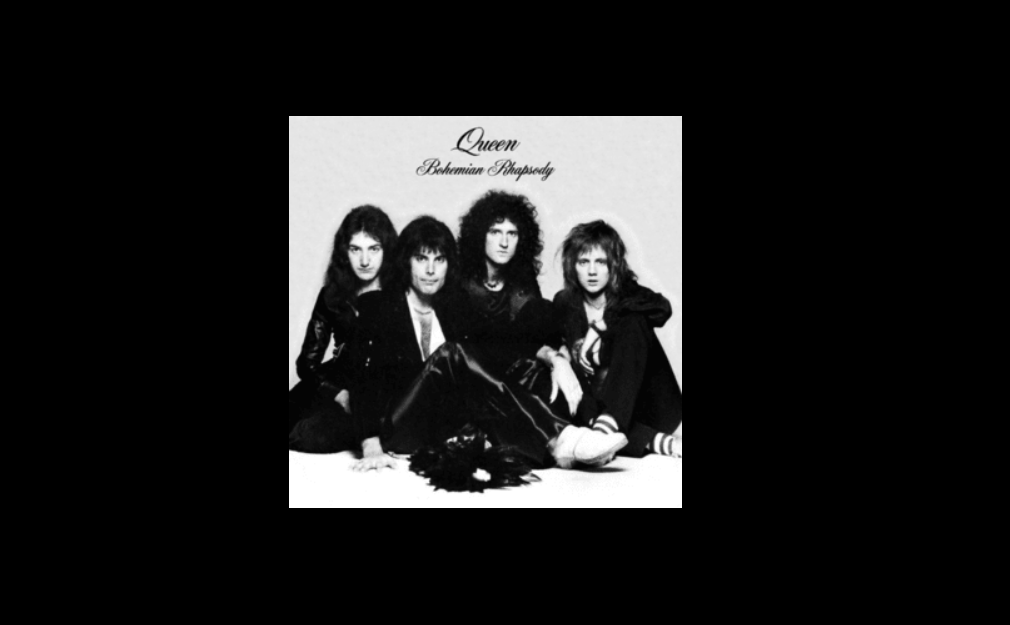
Queen’s Bohemian Rhapsody upended conventional pop and rock expectations with its operatic sections, shifting tempos, and nearly six-minute length. The song ignored the standard verse-chorus format, defying radio-friendly formulas. Its ambition proved that music could transcend commercial constraints, demanding listeners’ full attention. By breaking structural rules, it opened doors for experimentation in mainstream music.
This Is America: Confronting Social Injustice
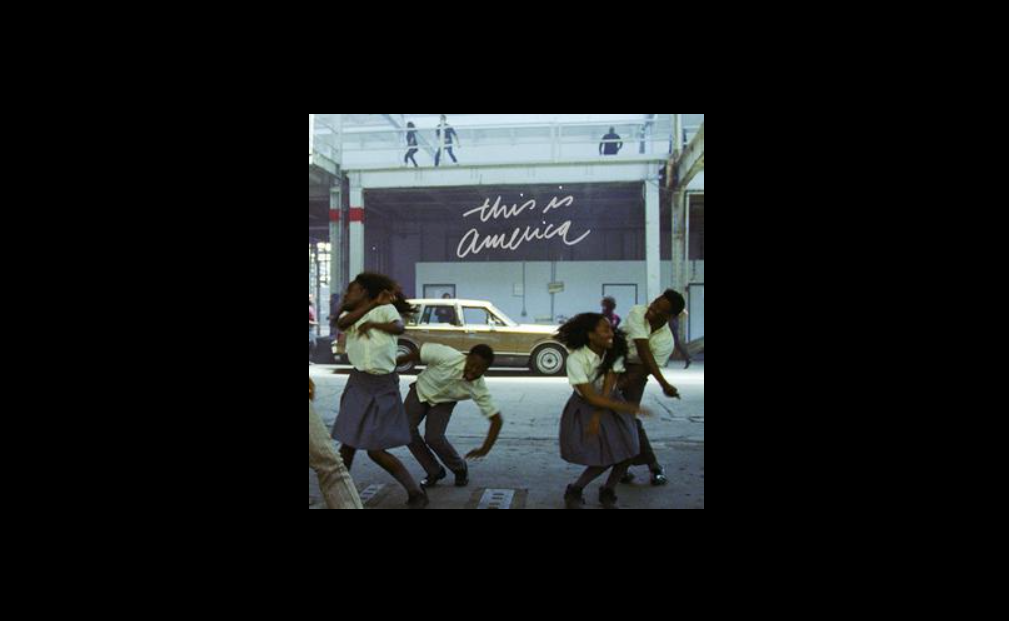
Childish Gambino’s This Is America tackled racial injustice, gun violence, and systemic oppression through both song and video. Its abrupt genre shifts and shocking visuals forced audiences to confront uncomfortable truths. The track broke social and musical norms simultaneously, igniting conversations about race, media, and the responsibility of art to reflect society.
Like a Prayer: Mixing Spirituality and Controversy
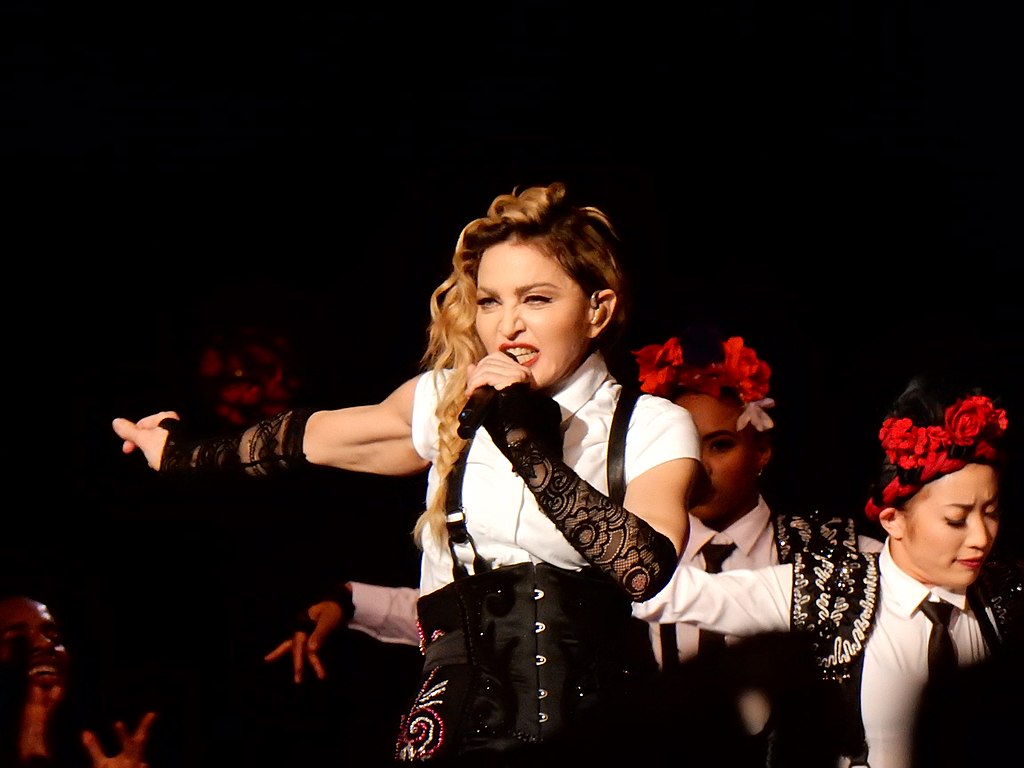
Madonna’s Like a Prayer blended pop with gospel elements while addressing themes of religion and sexuality. The accompanying music video sparked outrage for its provocative imagery, challenging norms of sacred and secular boundaries. The song’s fusion of controversial content with mainstream appeal changed how pop music could address taboo subjects.
Fight the Power: A Call for Resistance
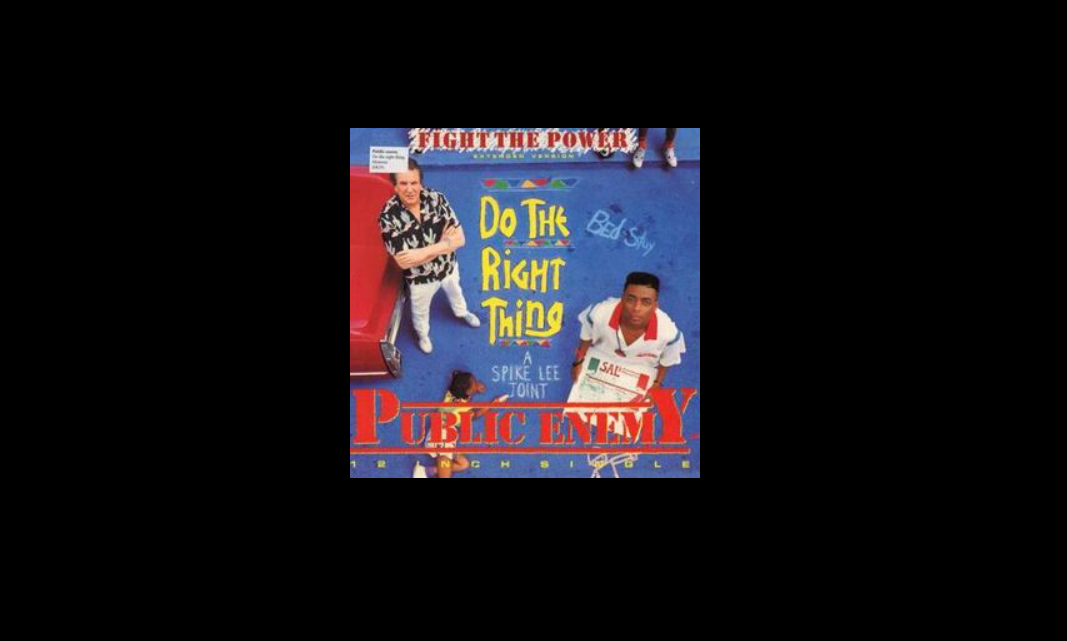
Public Enemy’s Fight the Power became an anthem for racial empowerment and political activism. By directly addressing systemic oppression and injustice, it defied the expectation that rap was purely entertainment. Its lyrics inspired nationwide dialogue on race and civil rights, demonstrating the power of music to mobilize social consciousness.
Strange Fruit: Exposing Racial Violence
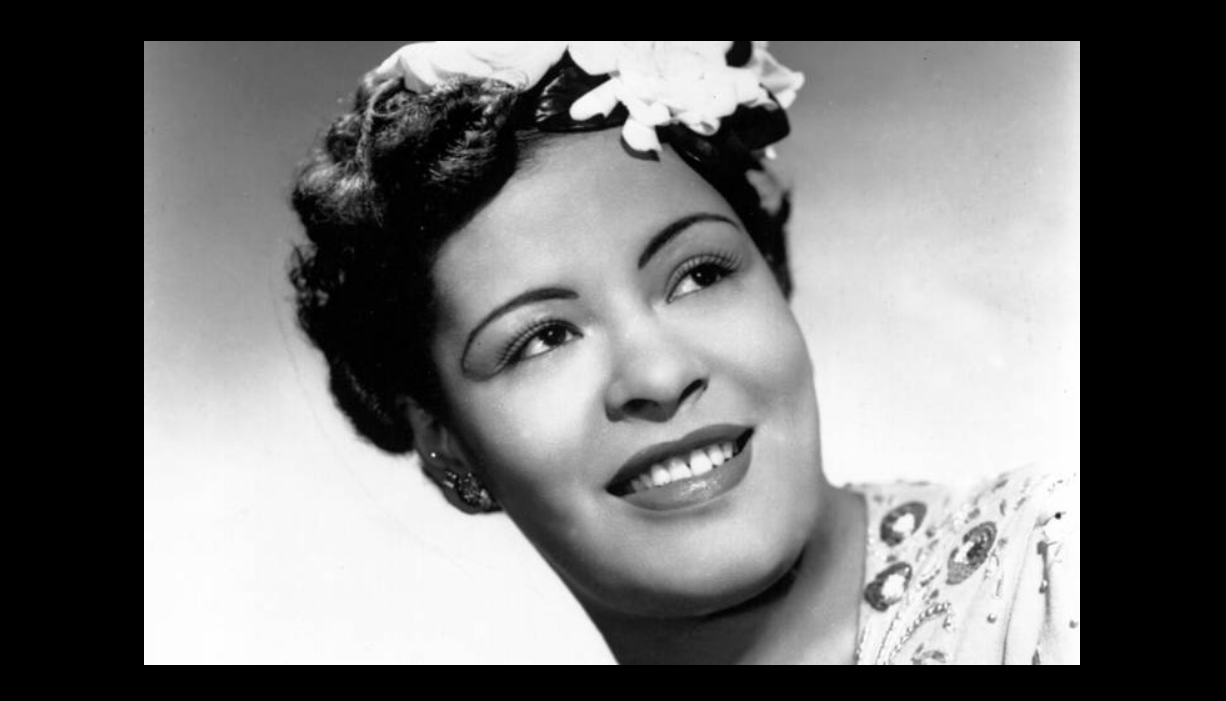
Billie Holiday’s haunting rendition of Strange Fruit confronted the brutality of lynching in the American South. Released in 1939, the song broke the unspoken rule of avoiding racial violence in mainstream music. Its emotional impact forced audiences to grapple with national shame and injustice, proving that music could be a tool for social awareness.
Smells Like Teen Spirit: Punk Meets Mainstream
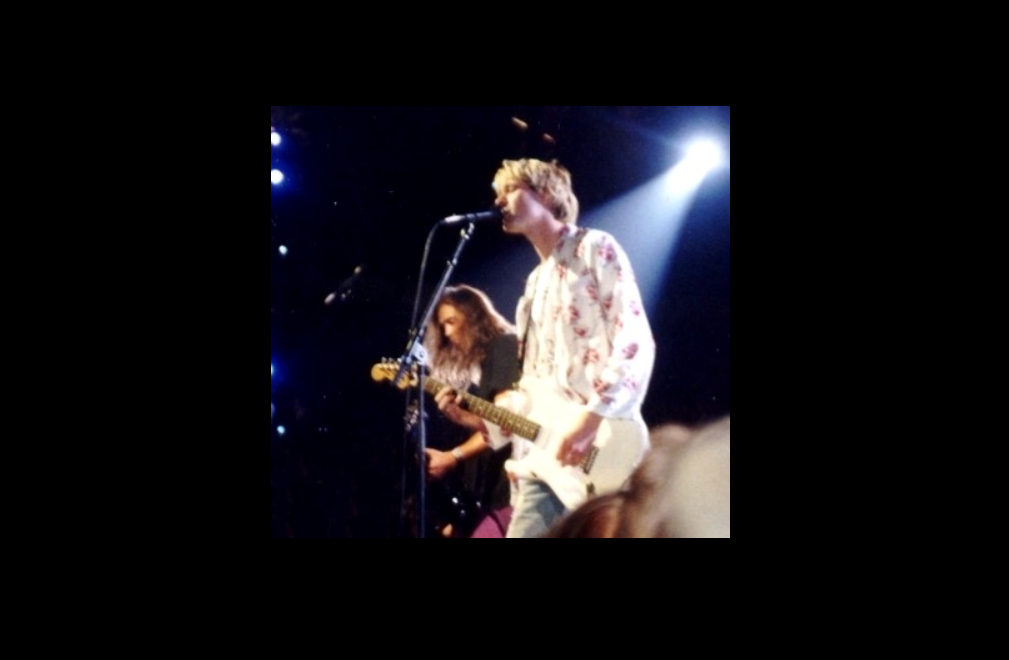
Nirvana’s Smells Like Teen Spirit captured the disaffected youth of the early 1990s while blending punk ethos with grunge sensibilities. Its raw energy and unconventional structure disrupted pop radio norms, bringing alternative music to the forefront. The song challenged mainstream expectations of melody and polish, defining a generation.
Born in the U.S.A.: Hidden Political Critique

Bruce Springsteen’s Born in the U.S.A. was often misinterpreted as patriotic, yet its lyrics critiqued the treatment of Vietnam veterans and working-class struggles. The contrast between upbeat rock production and politically charged words broke the rule that popular songs should convey straightforward messages. It sparked discussions about media interpretation and political messaging in music.
Like a Rolling Stone: Redefining Song Length
Bob Dylan’s Like a Rolling Stone extended over six minutes, defying the three-minute radio standard of the 1960s. Its stream-of-consciousness lyrics and confrontational tone challenged the idea of what a pop song could achieve. The track encouraged artists to experiment with form and narrative, broadening creative possibilities.
The Times They Are A-Changin: Musical Activism
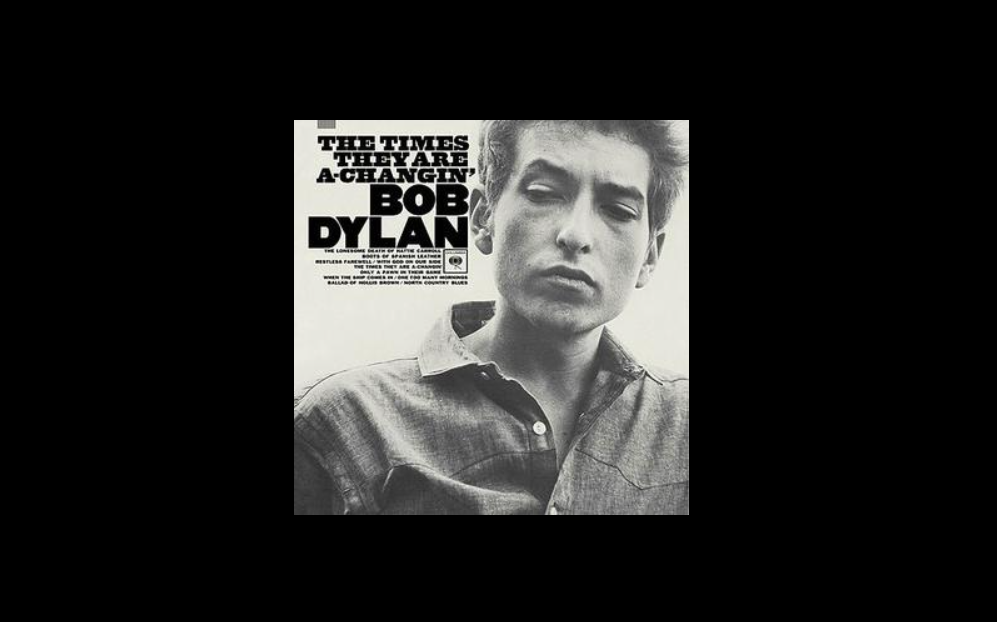
Bob Dylan’s The Times They Are A-Changin’ became an anthem for social movements, addressing civil rights and generational change. The song defied the notion that music should be apolitical or neutral. By using song as a vehicle for activism, it demonstrated the power of melody to influence societal thought.
Louie Louie: Provoking Censorship
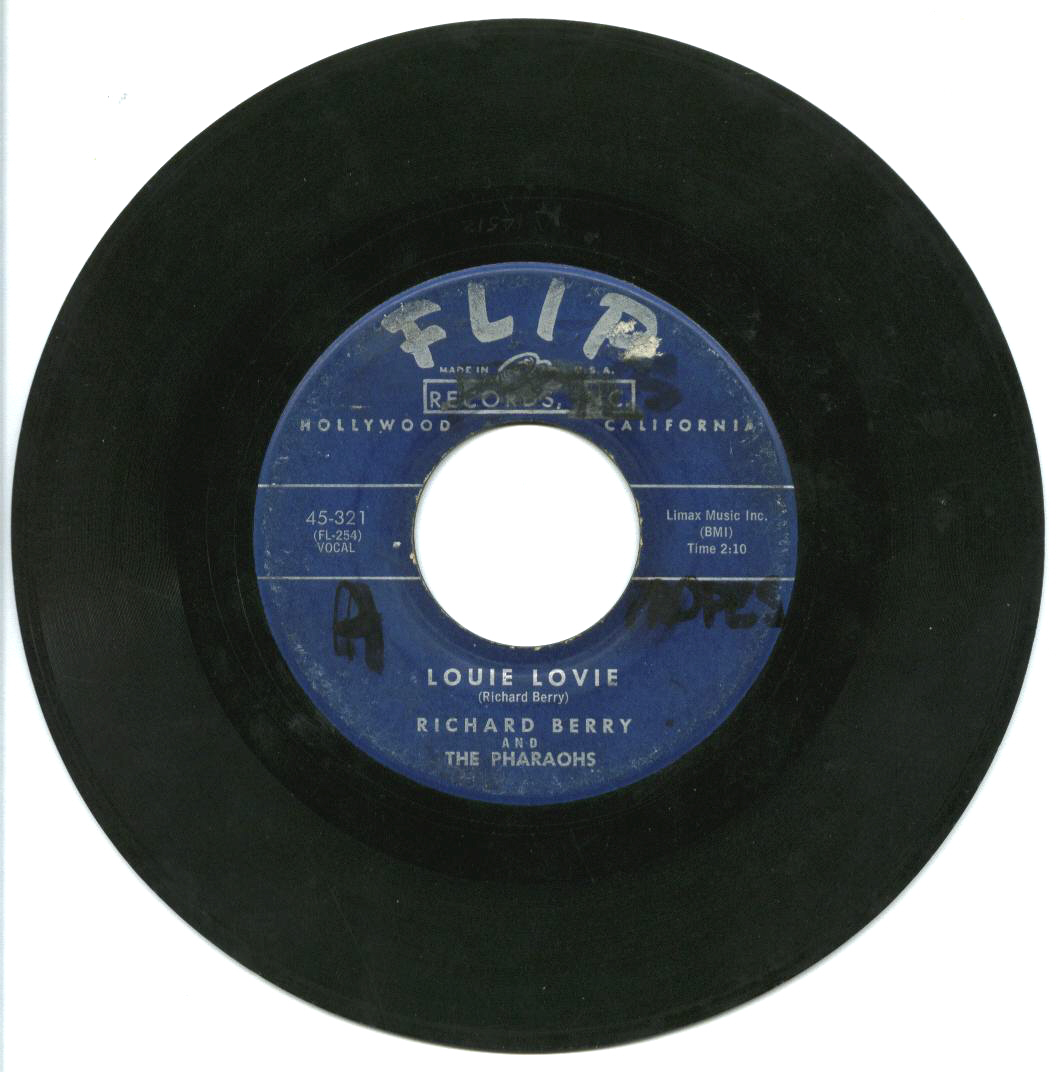
The Kingsmen’s Louie Louie gained notoriety for its allegedly obscene lyrics, sparking FBI investigations despite the words being largely unintelligible. The controversy challenged censorship norms and highlighted generational gaps in music interpretation. Its rule-breaking lay in pushing the boundaries of acceptable content on mainstream radio.
I Will Survive: Empowering Identity
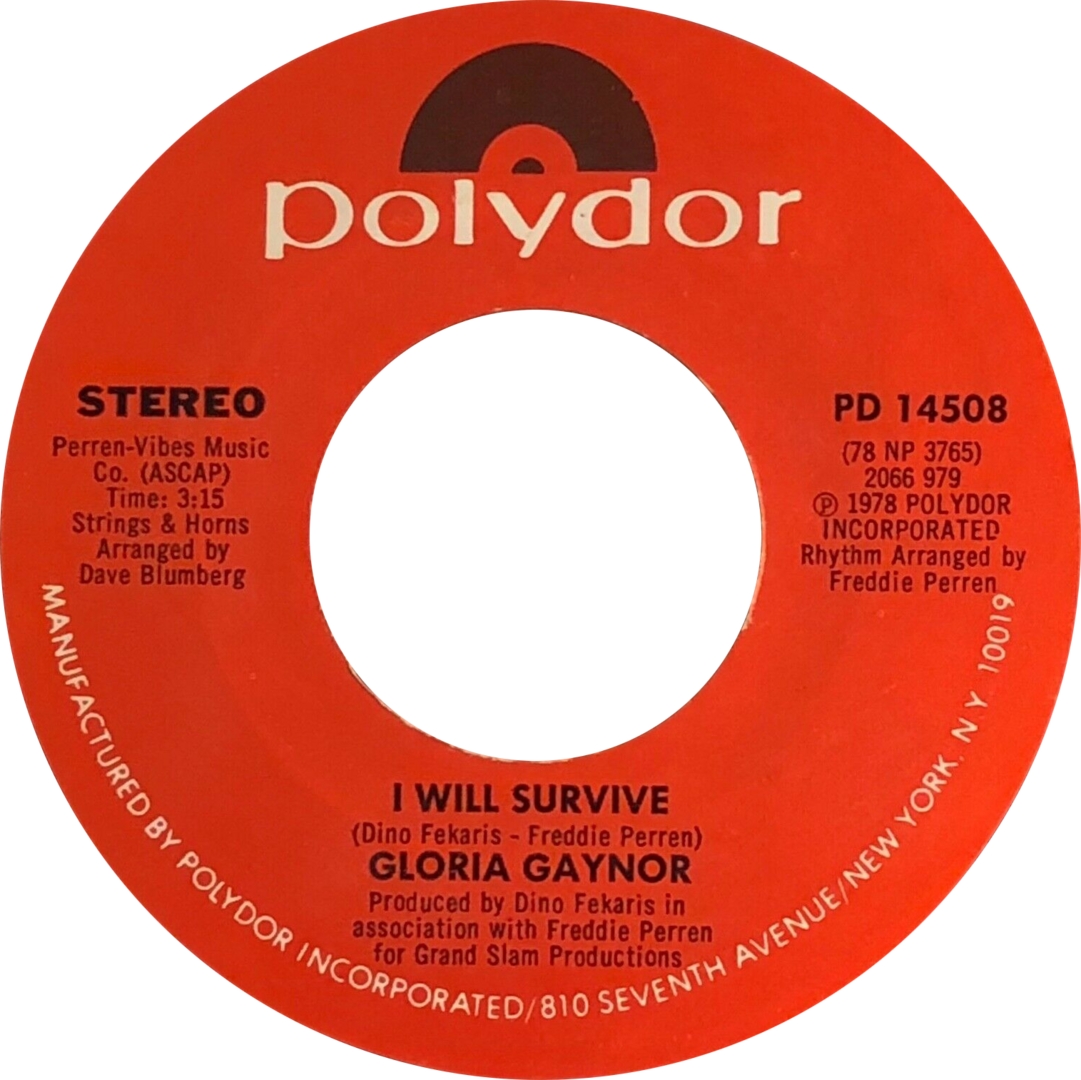
Gloria Gaynor’s I Will Survive became a symbol of empowerment, particularly for women and the LGBTQ+ community. Its unapologetic lyrics and assertive tone defied expectations of female passivity in pop music. The song’s celebration of independence and resilience sparked conversations about identity, self-worth, and social empowerment.
Rocket Man: Exploring Alienation
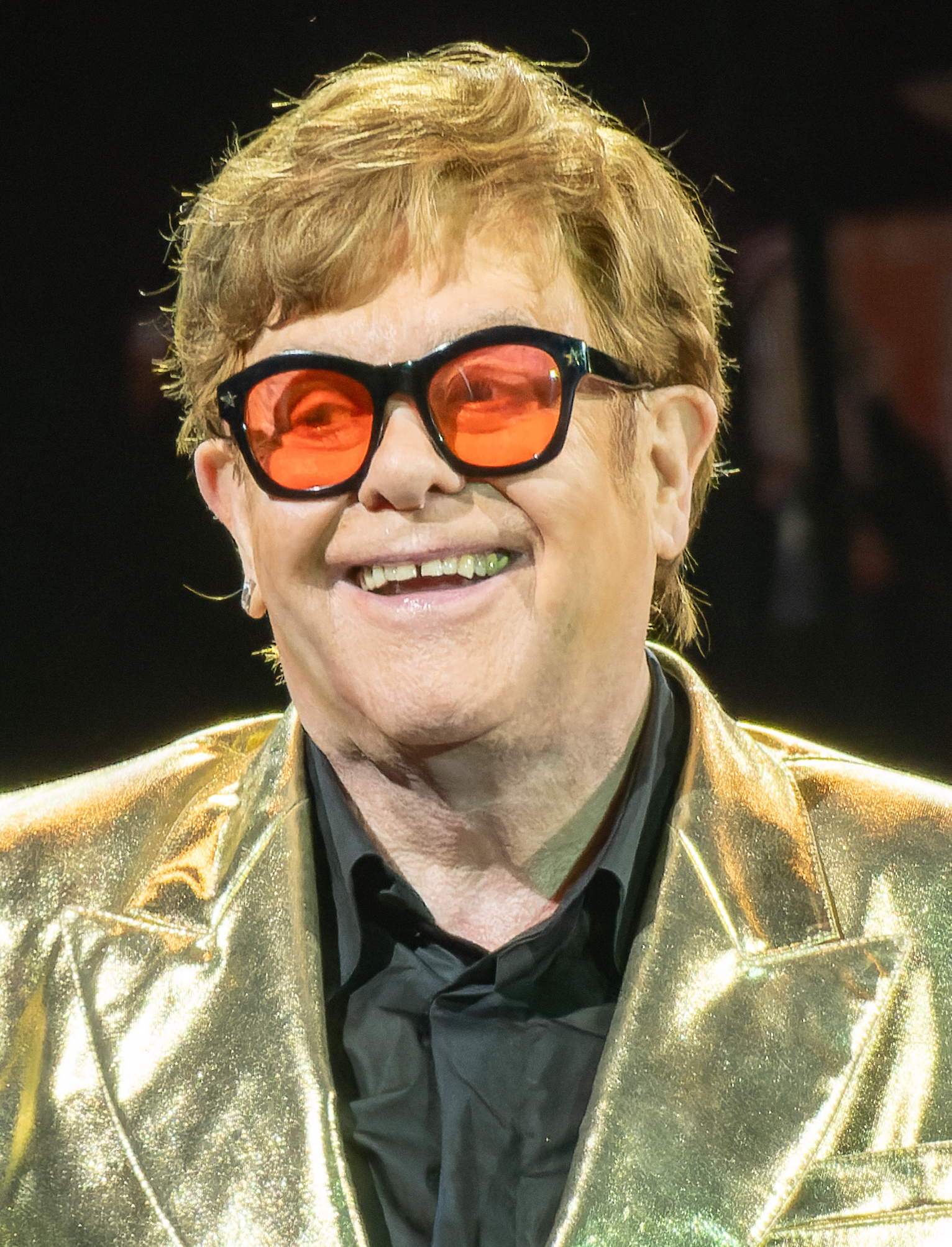
Elton John’s Rocket Man combined pop-rock with introspective storytelling about isolation and existential reflection. Its blending of narrative and emotion challenged the pop norm of superficial themes. The song encouraged listeners to embrace complexity in lyrics and concept, broadening the artistic scope of popular music.
Fight Song: Inspiring Collective Courage

Rachel Platten’s Fight Song broke conventions by turning an intimate, personal message into a universal anthem. Its commercial success demonstrated that vulnerability and determination could resonate widely, challenging the rule that mainstream pop required romance or superficiality. The song sparked discussions on mental health, perseverance, and empowerment.
Paper Planes: Critiquing Society Through Pop
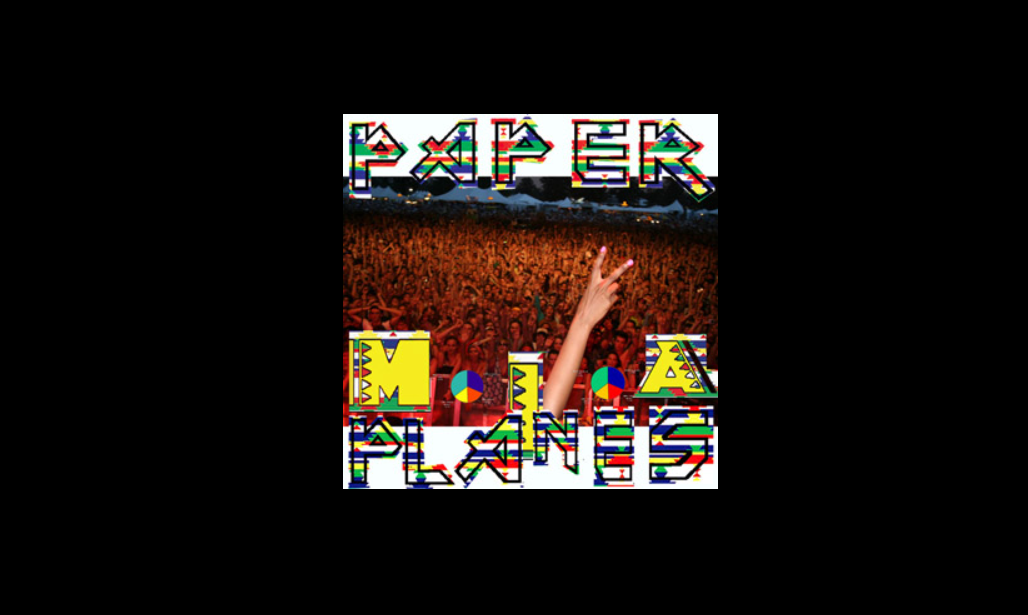
M.I.A.’s Paper Planes combined catchy hooks with commentary on immigration, capitalism, and violence. The juxtaposition of playful sound and critical message broke expectations about what politically charged music could sound like. The song’s viral success illustrated how pop could challenge societal norms while remaining commercially viable.