The Victorian era rewired Christmas into rituals that look familiar to us now, yet many seasonal practices once common in households and towns quietly vanished. Victorians mixed spectacle, superstition and social ritual to make winter meaningful across classes and communities. Some customs endured and evolved, while others faded as technology, urban life and changing tastes made them impractical. This article examines thirteen Victorian Christmas traditions that largely disappeared, explaining why they mattered then and what their loss reveals about how holidays change over time. This tradition persisted in memory and scholarship even after daily practice faded, showing how rituals map social change.
The Candlelit Christmas Tree
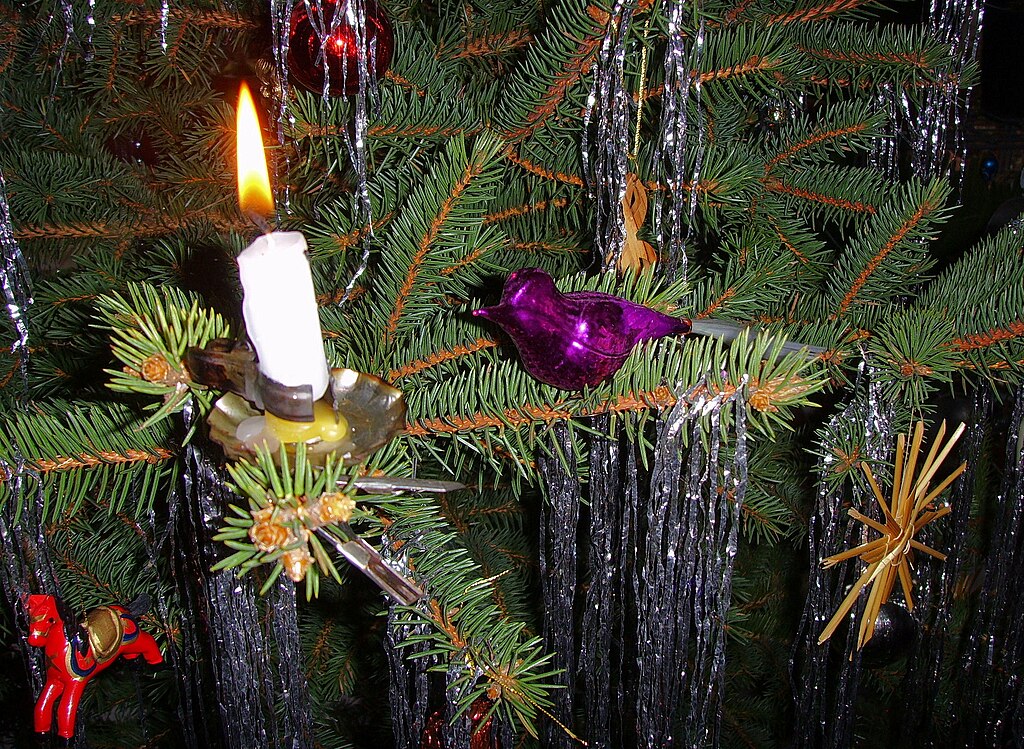
Victorian families preferred the glow of real candles on the Christmas tree, placing them in careful holders and lighting them briefly to admire the effect. The flame created a fragile, intimate spectacle that turned the tree into a living lantern admired by neighbors through frosted windows. Electric lights later offered safety and convenience and transformed that danger into nostalgia. The candlelit tree survived mostly in illustration and memory because modern homes could not justify the risk or the labor that the old ritual required. This tradition persisted in memory and scholarship even after daily practice faded, showing how rituals map social change.
Public Feasts and Boar’s Head Pageants
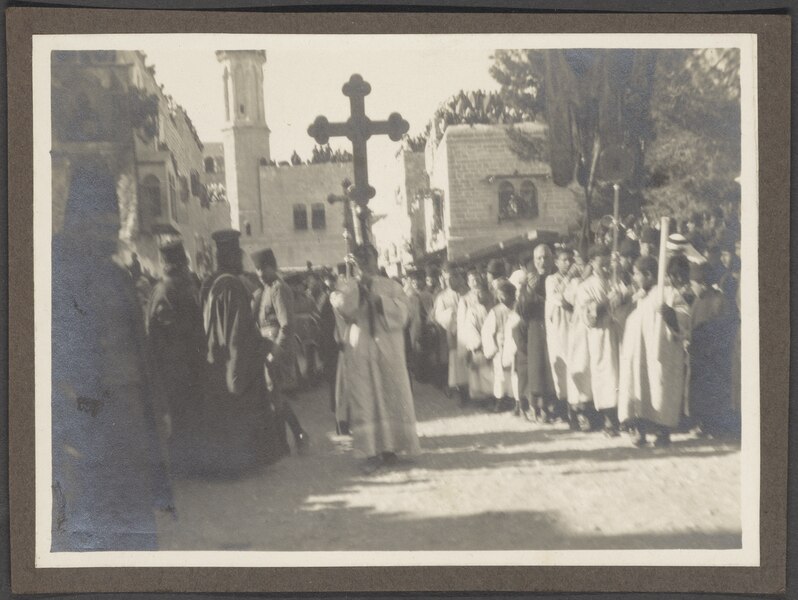
Large public feasts and theatrical boar’s head processions once dramatized communal abundance in towns and institutions, linking charity, theater and seasonal display. The pageant connected medieval symbols with Victorian civic pride: a roasted boar’s head entered to music while an audience watched ritual generosity. As cities modernized and entertainment diversified, these civic spectacles lost centrality, surviving now mainly in historical reenactments and rare ceremonial banquets rather than as routine public life. This tradition persisted in memory and scholarship even after daily practice faded, showing how rituals map social change.
Punch Shows as Holiday Entertainment
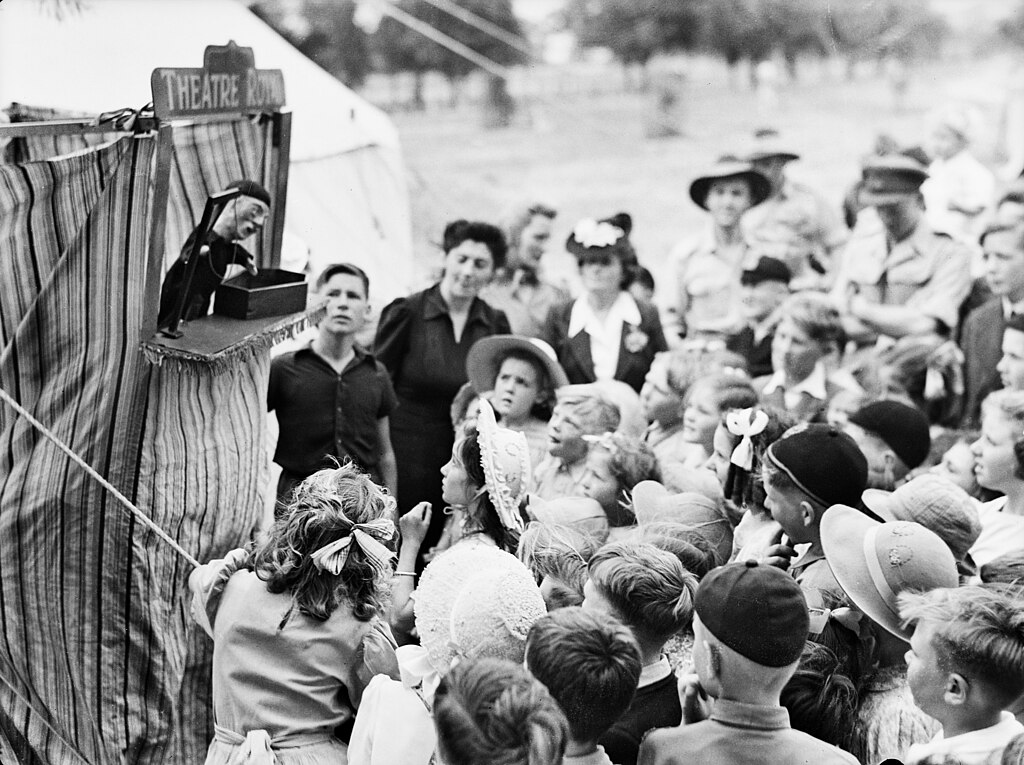
Punch and Judy style puppet shows belonged to Victorian holiday entertainment in streets and private gatherings, mixing rough comedy and topical satire. Audiences expected rowdy voice work and anarchic sketches that relieved formality after meals and services. Changing ideas about child friendly content and public taste moved Punch away from seasonal primacy. The puppet’s sharper edges became unsuitable for mainstream family gatherings, leaving the form to specialist fairs and historical enthusiasts rather than everyday holiday programming. This tradition persisted in memory and scholarship even after daily practice faded, showing how rituals map social change.
Meat Filled Mince Pies and Ritual Stirring
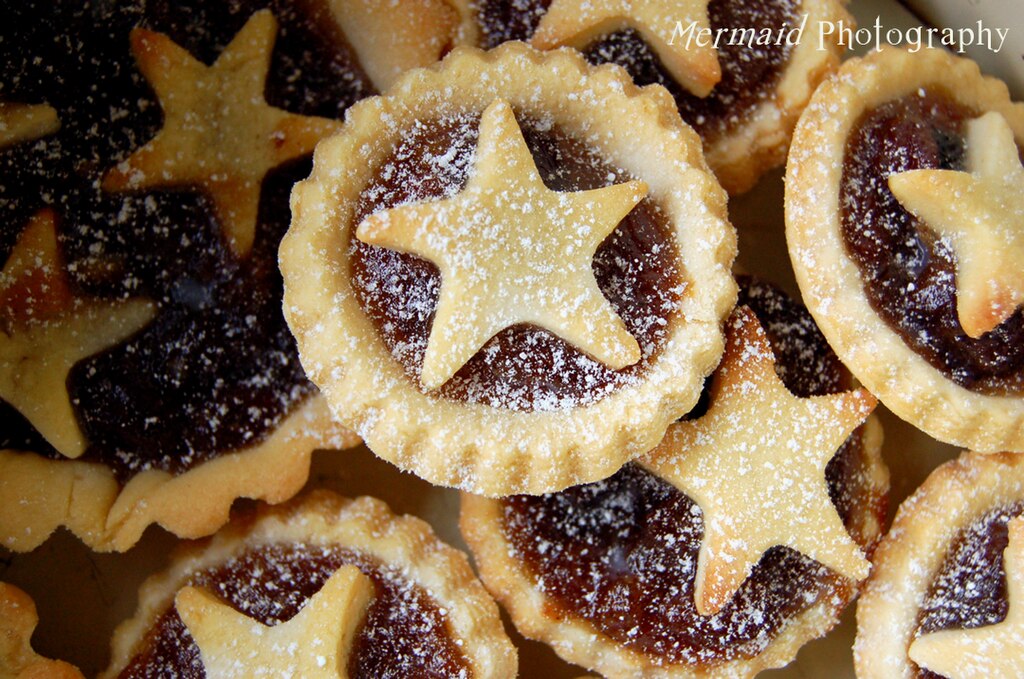
Victorian mince pies retained medieval roots by combining meat with fruit and spice; households treated their preparation as ritual. Families followed customs like stirring the mincemeat clockwise for luck and never cutting pies with a knife to protect fortune. Over time recipes shifted toward sweeter, meatless versions and the ceremonial rules lost their hold. The pie remained, but the dense folklore of handling, stirring, and superstitious practice quietly disappeared from common kitchen routines. This tradition persisted in memory and scholarship even after daily practice faded, showing how rituals map social change.
Morbid and Satirical Christmas Cards
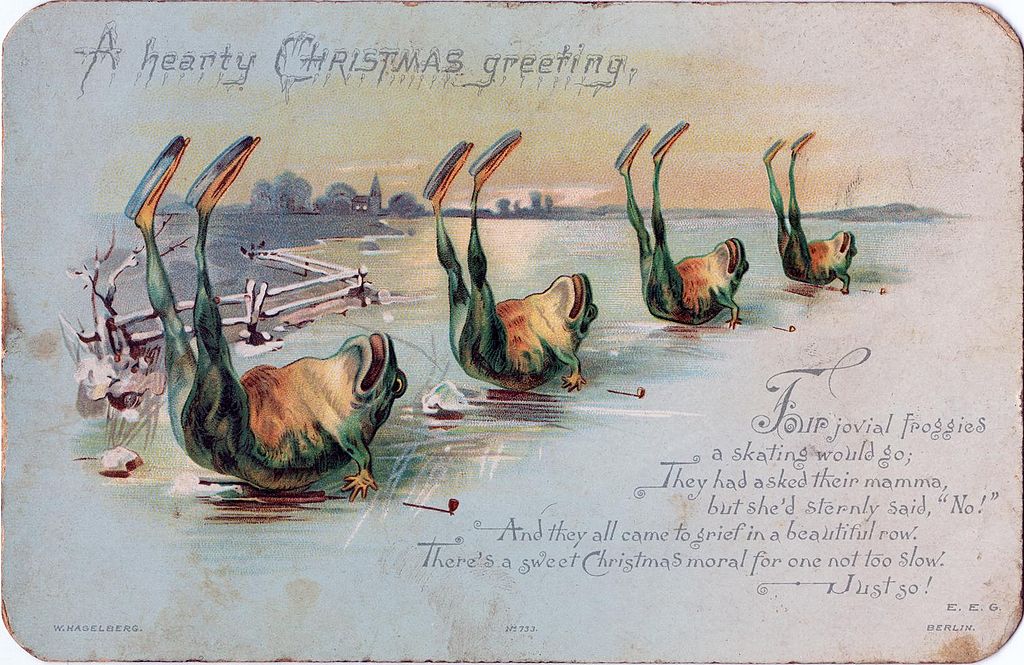
Early Victorian holiday cards ranged from sentimental to macabre, satire and political commentary. Cards could mock, moralize or lampoon public figures, serving as social commentary as much as greeting. As the market expanded and publishers sought wider audiences, imagery softened and mass produced greetings favored safe motifs. Edgier designs retreated into private collections and specialty markets as the mainstream card became primarily a pleasant seasonal gesture. This tradition persisted in memory and scholarship even after daily practice faded, showing how rituals map social change.
Door to Door Charity Collections
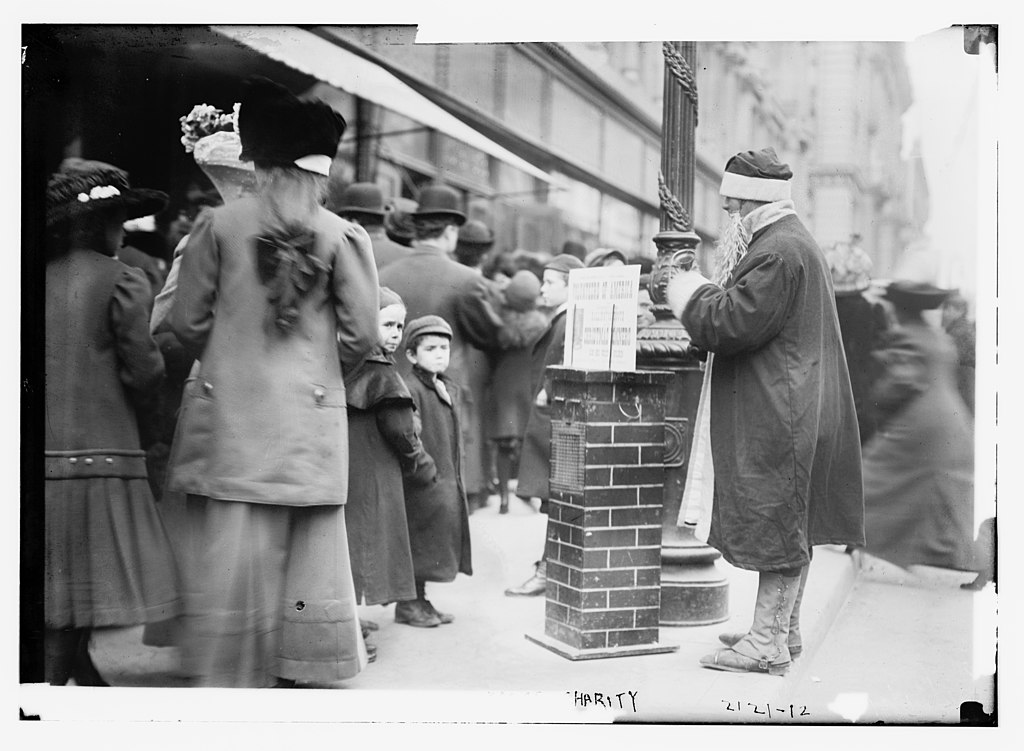
Door to door charity collections and visible parish subscription lists were a public, accountable form of giving in Victorian neighborhoods. Donors signed ledgers and communities tracked contributions as a social record of mutual aid and obligation. Modern welfare systems, anonymous giving and digital fundraising eroded the need for visible ledgers and public naming. The charitable instinct remains but the ritual of public donation and household displays of patronage faded with privacy norms and institutional shifts. This tradition persisted in memory and scholarship even after daily practice faded, showing how rituals map social change.
Formal Community Caroling Rounds
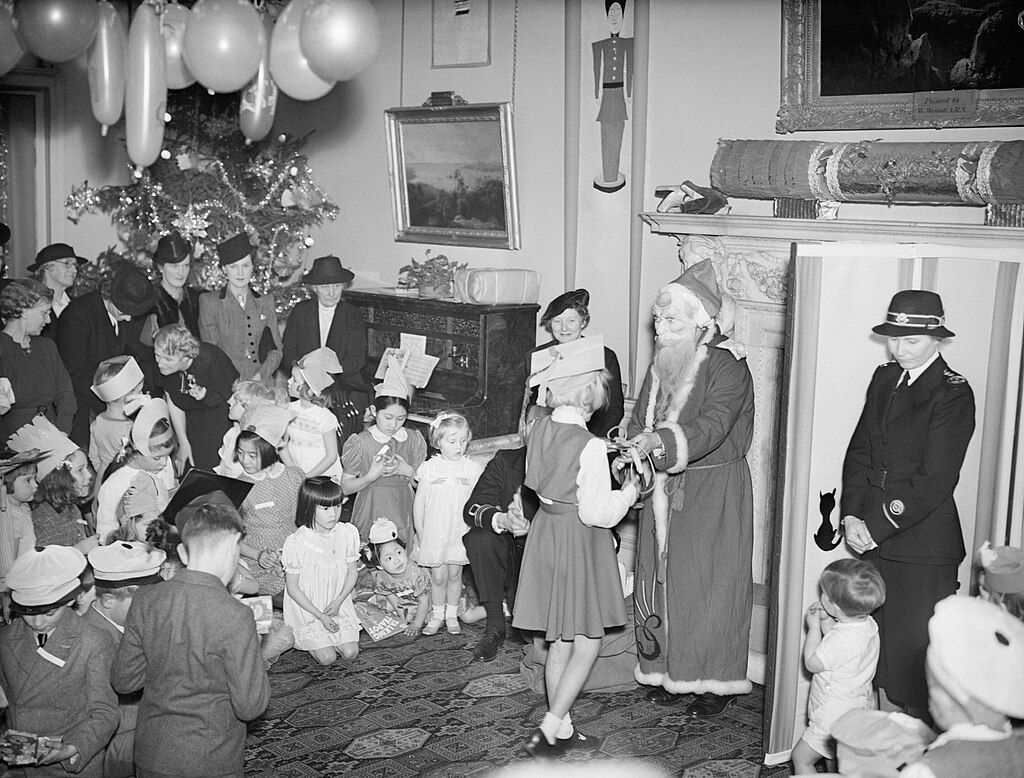
Victorian caroling operated as a formal civic duty in many places: choirs, church groups and organized ensembles moved through neighborhoods on scheduled rounds, often with set repertoires and expected hospitality. Caroling functioned as a public performance that reinforced community bonds and seasonal decorum. As leisure diversified and entertainment options grew, caroling lost its universal civic structure and became more voluntary, commercial, or localized, rather than the near obligatory neighborhood practice it once was. This tradition persisted in memory and scholarship even after daily practice faded, showing how rituals map social change.
The Boisterous Christmas Pudding Ceremony
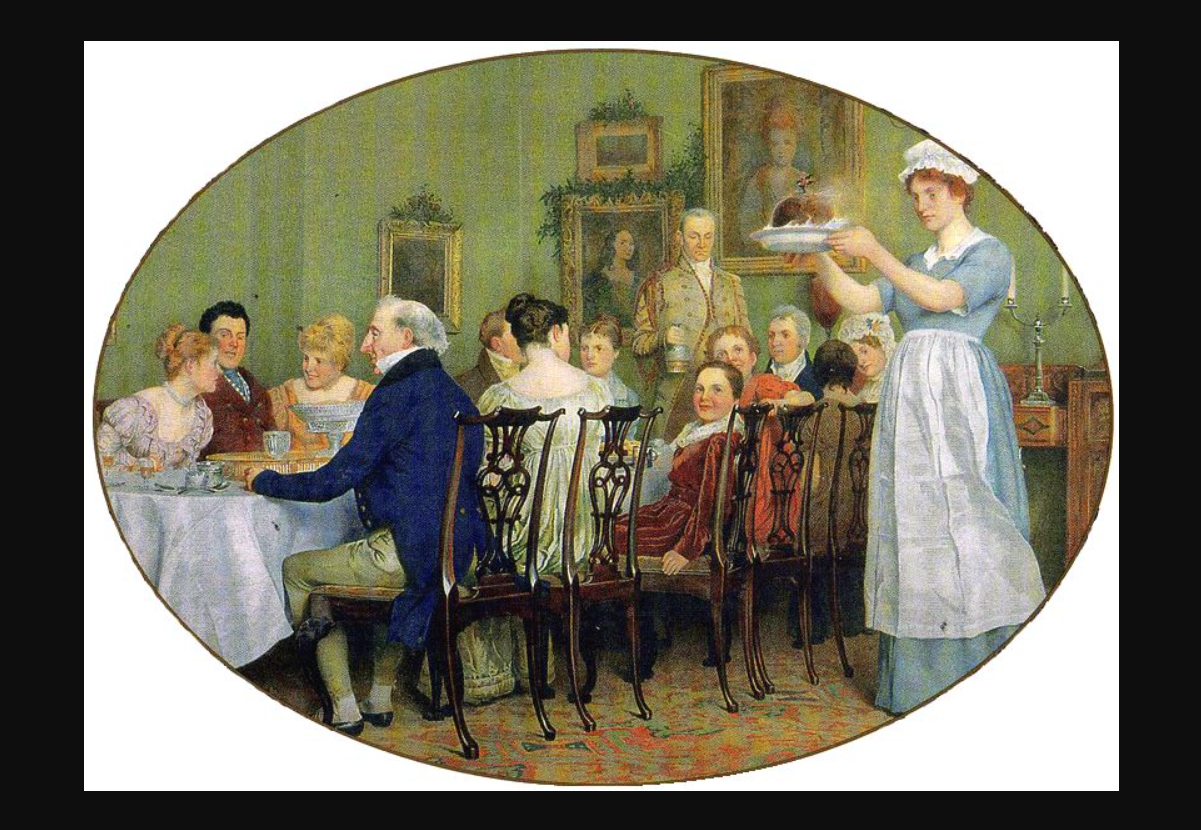
Victorian Christmas pudding carried ritual theater: families hid tokens, recited verses, and lit brandy to pour over the steamed pudding as a dramatic reveal. The dessert functioned as both treat and ceremonial climax of the meal, with each trinket symbolizing fortune, marriage or livelihood. Shorter evenings and simpler entertaining gradually stripped many of those performative elements away. Puddings remained on tables but the elaborate pageant and recitation rarely survive in modern, busy homes. This tradition persisted in memory and scholarship even after daily practice faded, showing how rituals map social change.
Elaborate Gift Lists and the Giving Day Structure
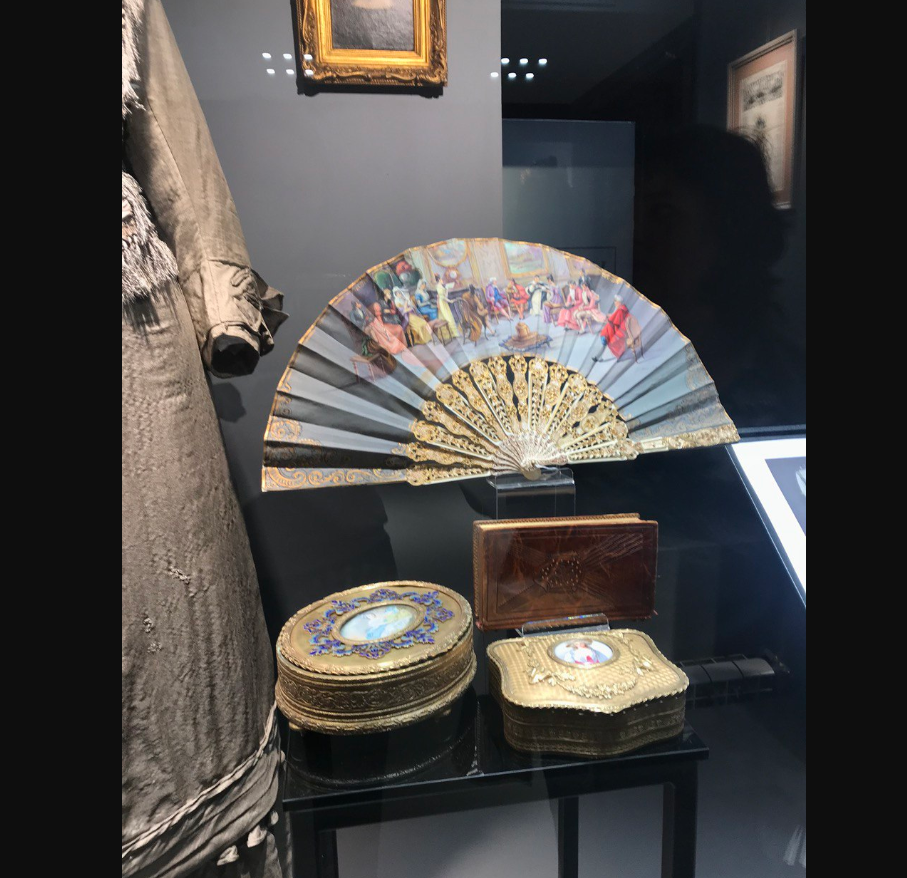
Gift giving in Victorian households followed a structured calendar that differentiated servants, tradespeople and family members, creating an ordered choreography of obligation and patronage. Servants received specific tokens on stipulated days and gifts reflected social roles within the household economy. Mass production and the modern retail calendar simplified these expectations. The ritualized scheduling of presents faded as market convenience replaced class signaling and households adopted more flexible, consumer driven practices. This tradition persisted in memory and scholarship even after daily practice faded, showing how rituals map social change.
Nativity Pageants as the Default Community Christmas Play
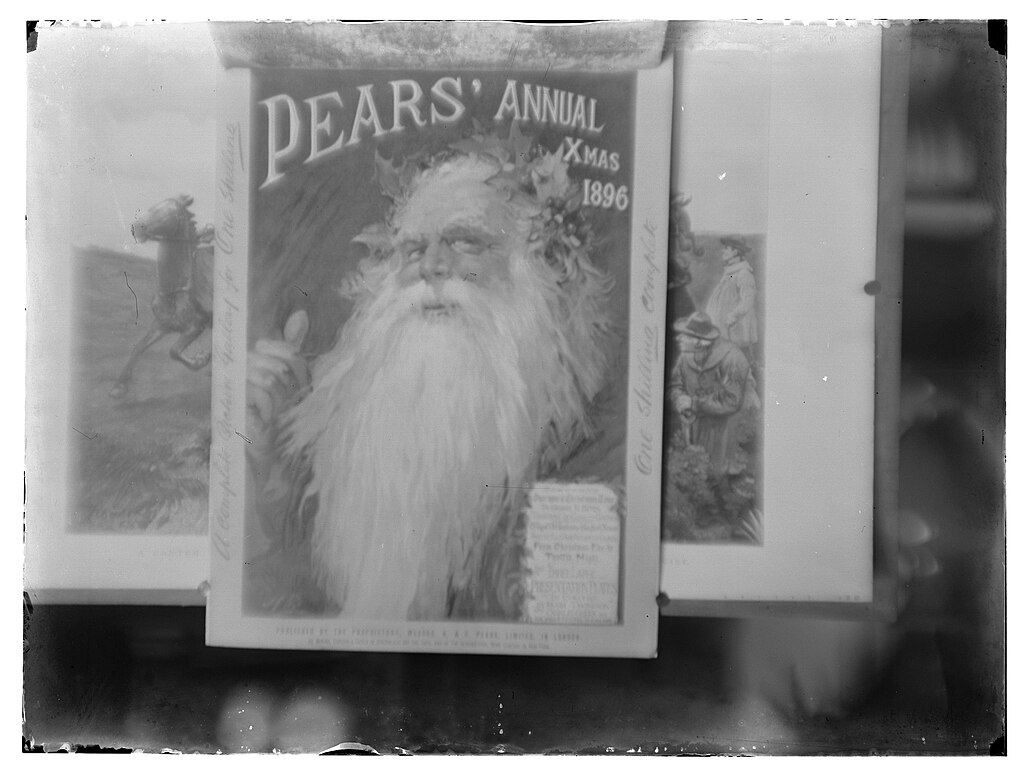
Nativity tableaux and school pageants were often central to Victorian communal celebration, staged by churches and schools as moral theatre that displayed local talent and affirmed seasonal narratives. The performances combined education, devotion and public spectacle into a shared ritual. As community entertainments diversified and secular options expanded, nativity plays lost their uncontested centrality and became one of many seasonal alternatives rather than the default community show. This tradition persisted in memory and scholarship even after daily practice faded, showing how rituals map social change.
Christmas Crackers as an Ubiquitous Household Ritual
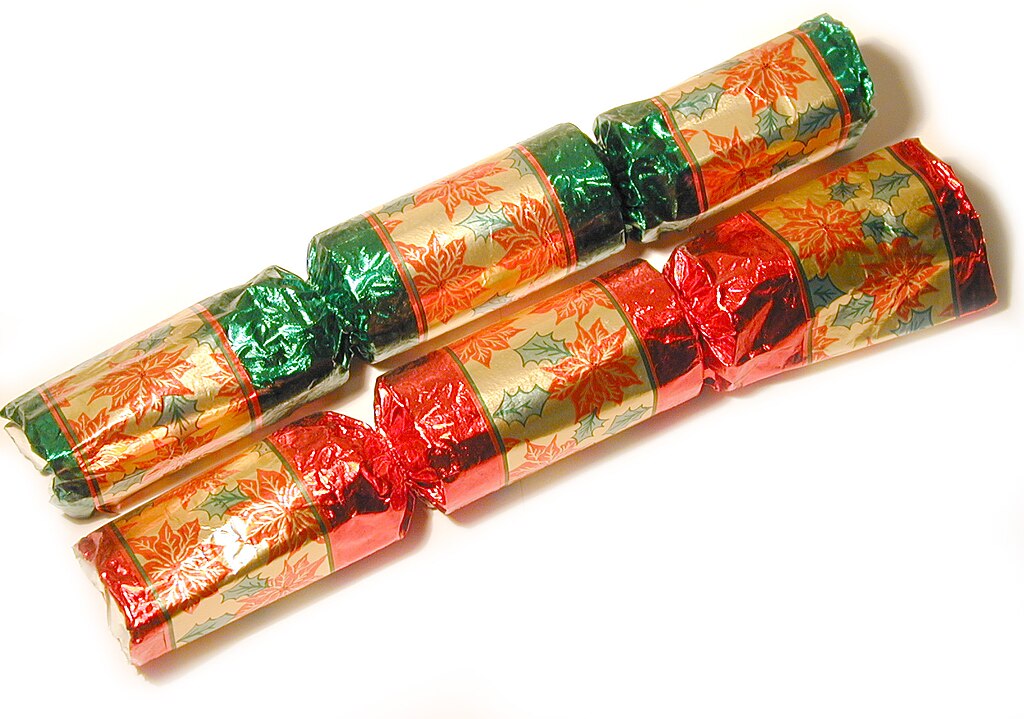
Christmas crackers survived from Victorian times but their broader ritual use changed: once crackers contributed to table protocol, seating arrangements and gifting roles with specific etiquette attached to who opened or received which trinket. The cracker’s small joke and paper crown played into social order at the meal. As family dining relaxed and table formality declined, crackers persisted as playful accessories but their embedded social meanings faded into simple party fun rather than structured household ritual. This tradition persisted in memory and scholarship even after daily practice faded, showing how rituals map social change.
Ritualized New Year’s Remedies and Feedings
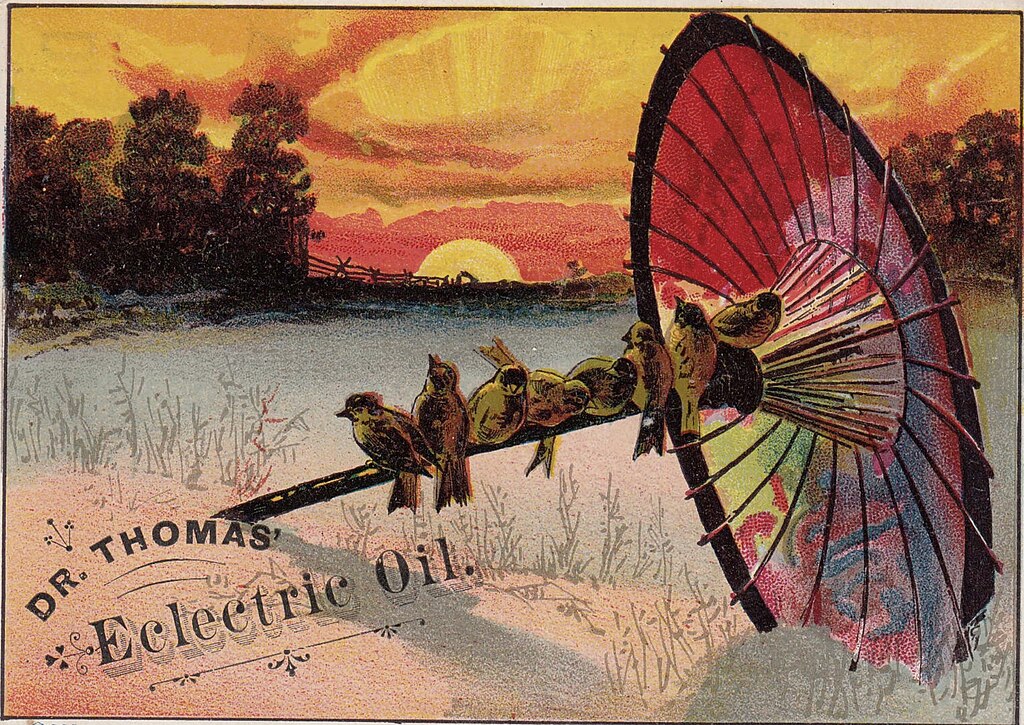
Victorian New Year practices included specific remedies, recipes and feeding acts meant to secure health and prosperity: special breads, spoonfuls of preserved foods, or symbolic toasts carried family lore. These small domestic rituals were both practical and superstitious, handed down across generations. Modern New Year celebrations emphasize parties and public spectacle over household prescriptions, and these intimate protective rituals retreated into folklore and family memory rather than daily practice. This tradition persisted in memory and scholarship even after daily practice faded, showing how rituals map social change.
The Household Display of Seasonal Charity Rolls and Ledgers
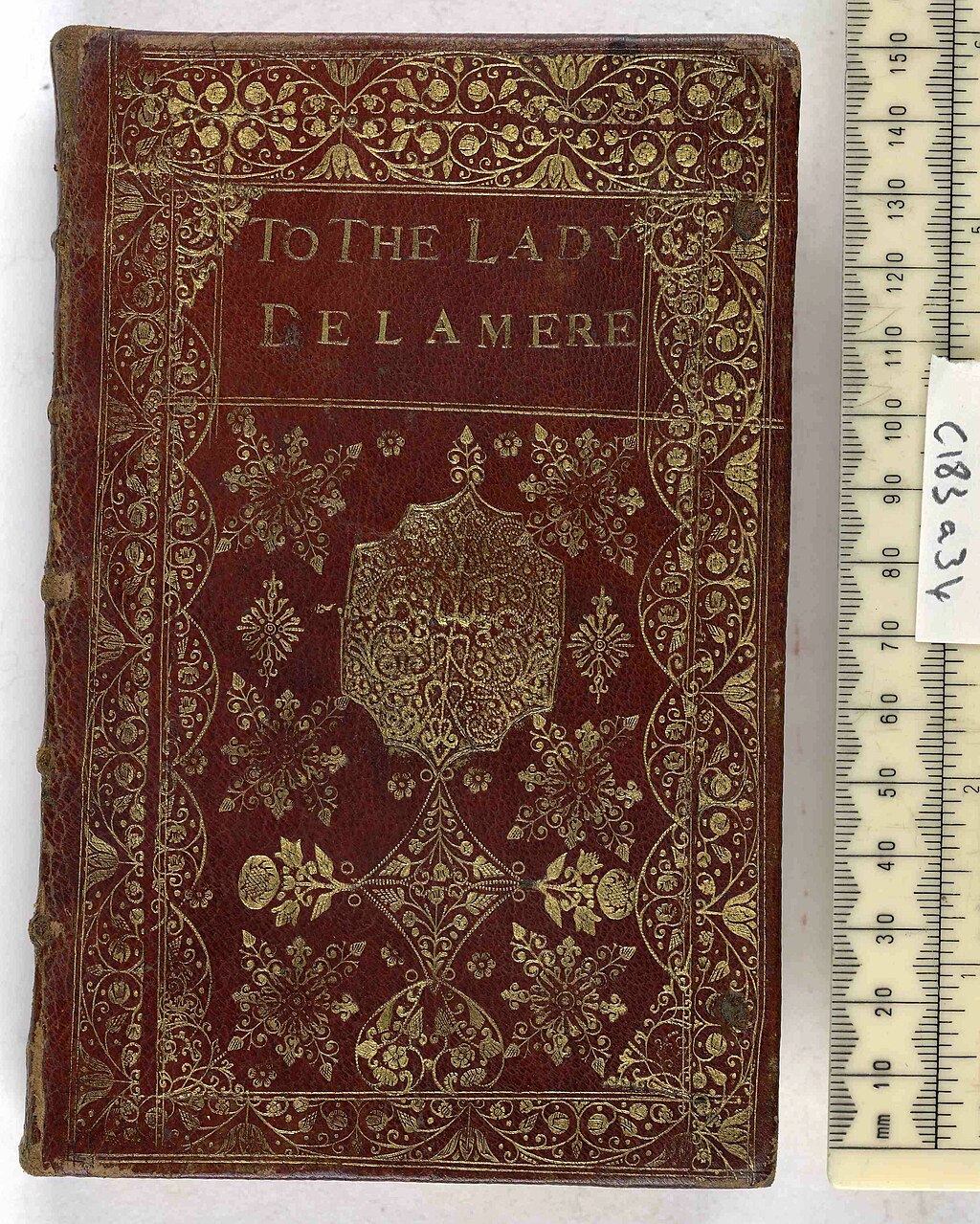
Household displays of charitable rolls recorded donations and obligations during the season, visible proof of participation in local welfare and mutual aid. Families used them to show responsibility and to maintain social networks through recorded acts of giving. With changing attitudes toward privacy and the rise of institutional welfare, such public domestic ledgers no longer fit contemporary norms. The visible ledger became an archival artifact instead of a living household practice. This tradition persisted in memory and scholarship even after daily practice faded, showing how rituals map social change.
Victorian Christmas culture combined spectacle, superstition and civic ritual in ways that shaped modern holiday practice while leaving many customs behind. Some traditions adapted and persisted, others dissolved because homes, economies and technologies changed. Remembering the vanished customs reveals the era’s inventiveness and the social needs those rituals met. The history invites us to consider which modern practices might seem quaint in centuries to come and how holidays continually remake themselves over time. This tradition persisted in memory and scholarship even after daily practice faded, showing how rituals map social change.