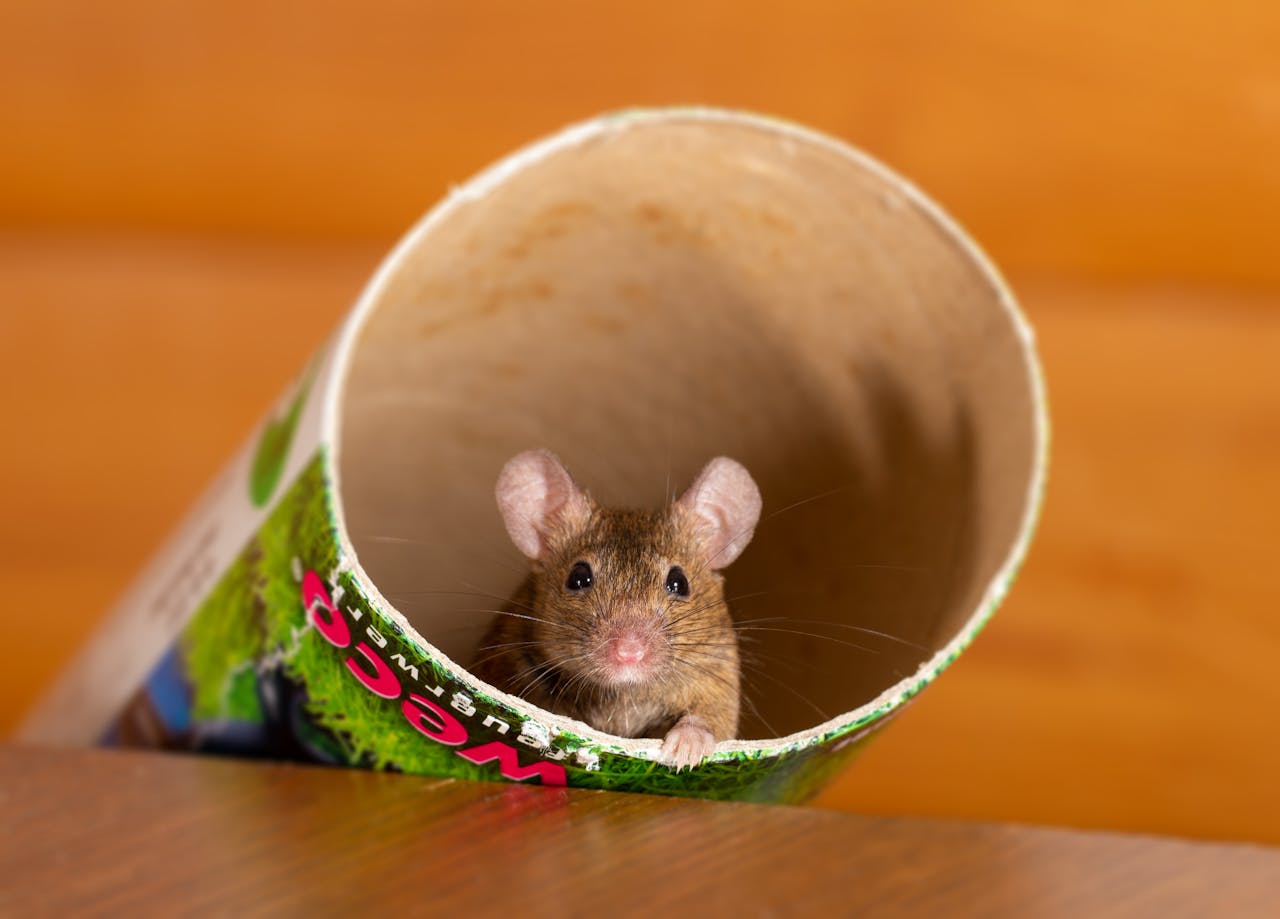
When most people think of pets, they picture dogs, cats, or maybe a goldfish. But for animal lovers looking for something a little different, there’s a surprising variety of unusual pets that are perfectly legal to own in much of the United States. From pocket-sized mammals to exotic reptiles and even mini livestock, these companions bring unique personalities, appearances, and care experiences. Here are 13 unusual pets you can legally keep in the U.S., each with its own charm and quirks.
Pocket-Sized Pincushions: Hedgehogs
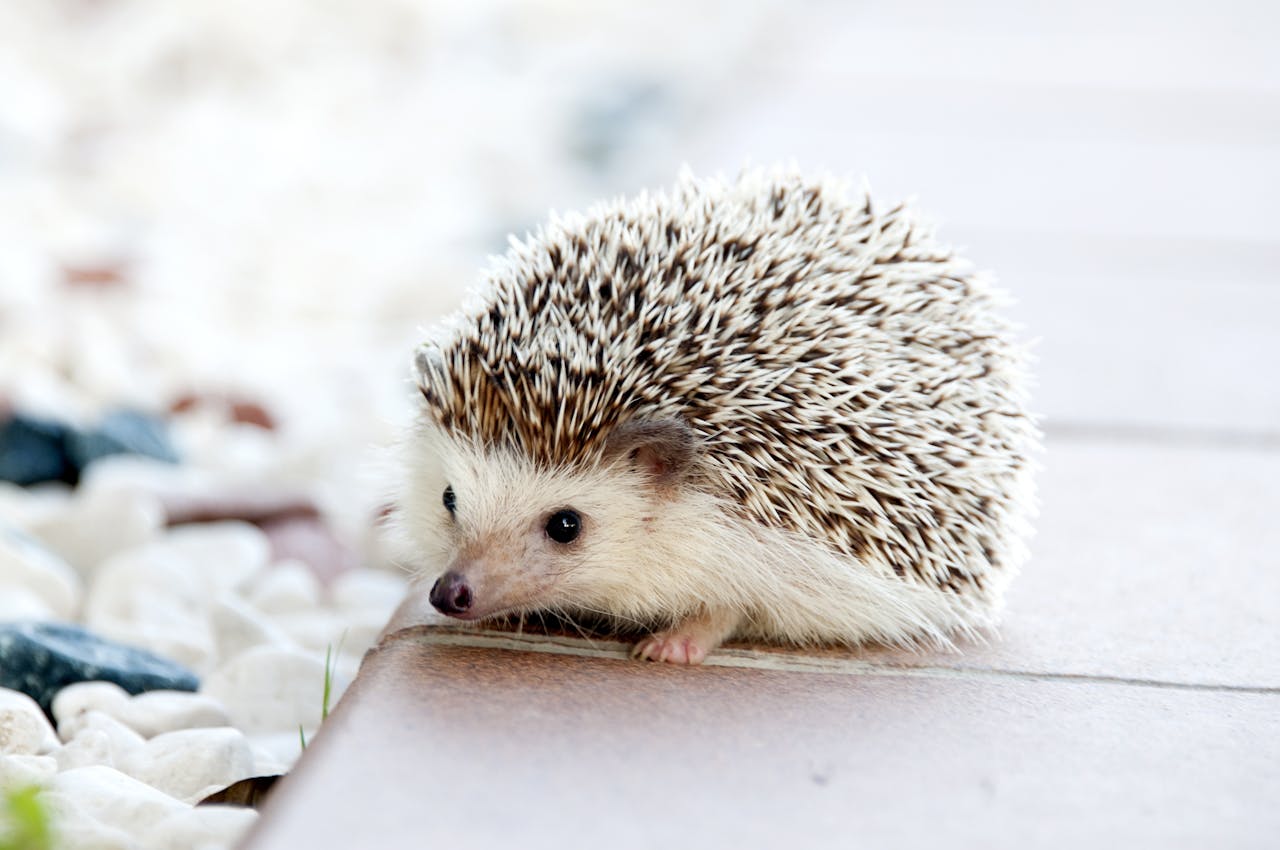
Small, spiny, and irresistibly cute, hedgehogs have become a favorite among exotic pet enthusiasts. These nocturnal creatures prefer quiet environments and need warm enclosures with cozy hiding spots. Their diet should include high-protein food like insects and specially formulated pellets. With patience, they can be socialized to enjoy gentle handling, making them a sweet companion for dedicated owners. Always check local laws before adopting one, as hedgehog ownership is restricted in certain states.
Chirpy, Chatty Companions: Parakeets

Parakeets, also known as budgies, are vibrant little birds known for their playful personalities and impressive mimicking abilities. They thrive on interaction and mental stimulation, making them ideal for households that enjoy engaging with their pets. A balanced diet of seeds, vegetables, and fresh fruits keeps them healthy, while a spacious cage ensures they can flutter and explore. With proper care, parakeets can live up to a decade, filling homes with cheerful chirps and colorful charm.
Tiny Geniuses with Whiskers: Rats
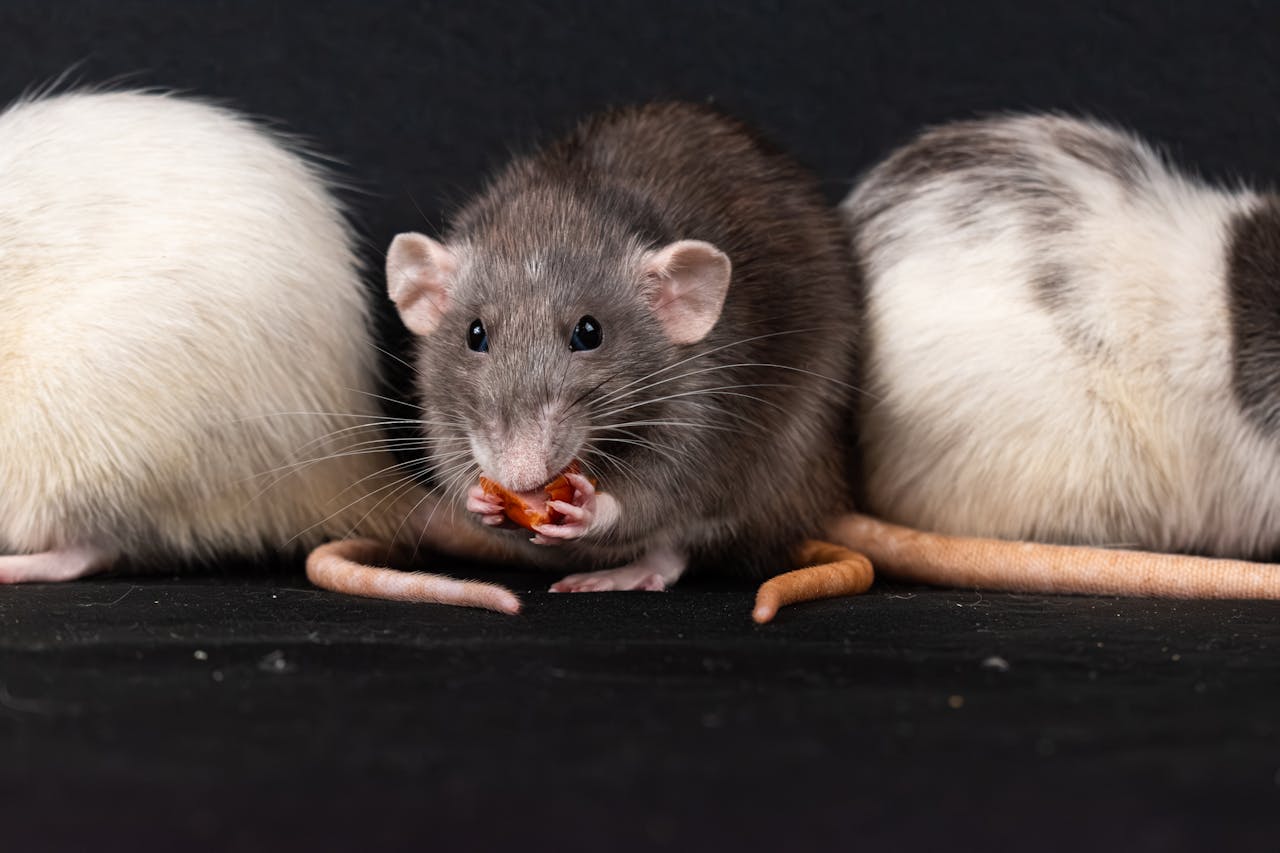
Domestic rats are intelligent, affectionate, and surprisingly clean animals that defy their unfair reputation. They love to play, explore, and even learn tricks, making them fantastic companions for attentive owners. A multi-level cage filled with tunnels, hammocks, and toys keeps them active and happy. They should always be housed with other rats to prevent loneliness. While their lifespan is only two to three years, their bond with humans can be incredibly strong and rewarding.
Spotted Little Smilers: Leopard Geckos
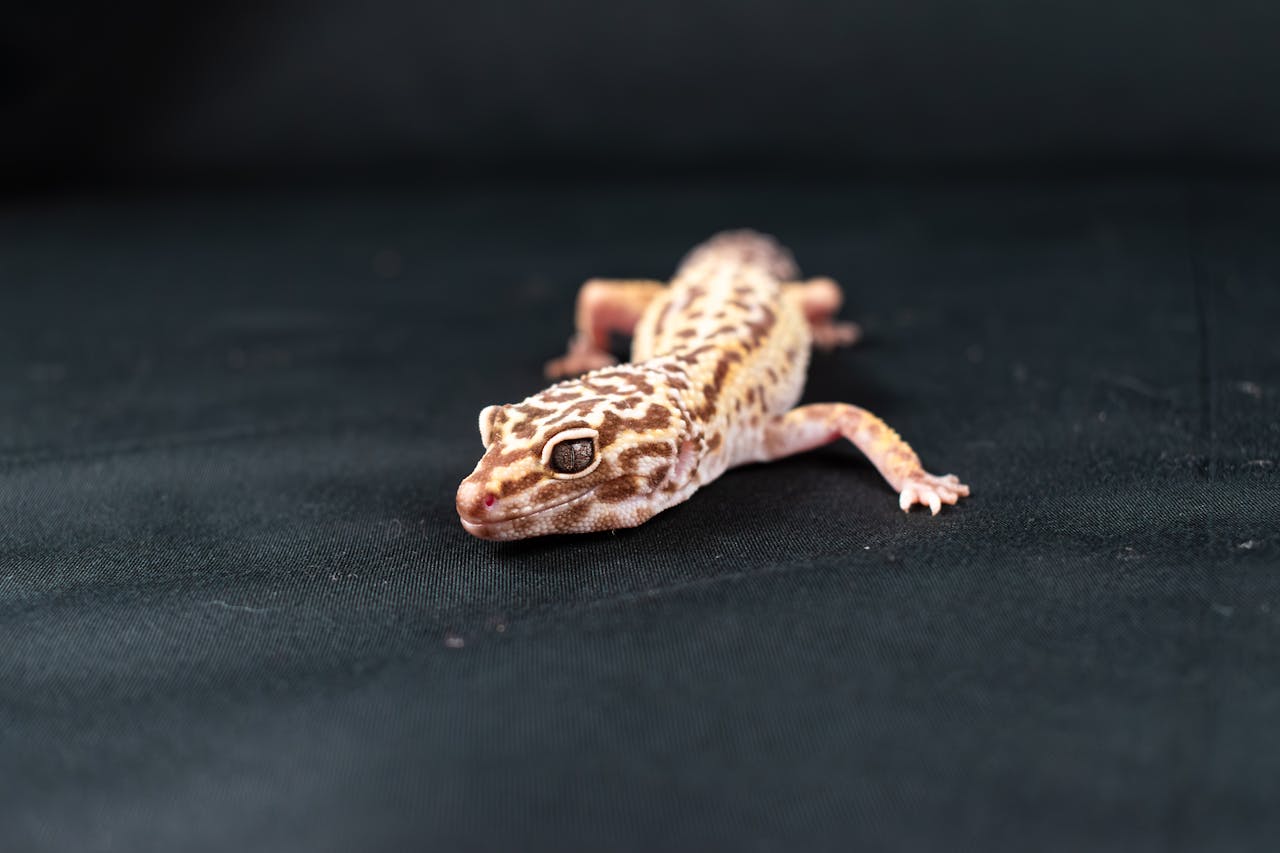
Leopard geckos are hardy reptiles with endearing smiles and unique spotted patterns. They are easy to handle, making them a great choice for beginners in reptile care. These geckos require a warm, dry enclosure with hiding areas and a moist box for shedding. A diet of crickets, mealworms, and occasional waxworms keeps them healthy. With proper care, they can live up to 20 years, offering a long-term and fascinating pet experience.
Glide-and-Seek Acrobat: Sugar Gliders

Sugar gliders are small, social marsupials that can glide from one spot to another using their special skin membranes. They are highly active at night and require lots of stimulation, climbing space, and social interaction. Best kept in pairs or small groups, sugar gliders thrive on a varied diet of fruits, vegetables, and protein sources. Their playful, affectionate nature makes them a joy to own, but they do need a committed owner willing to invest in their care and bonding time.
Underwater Smiling Dragons: Axolotls
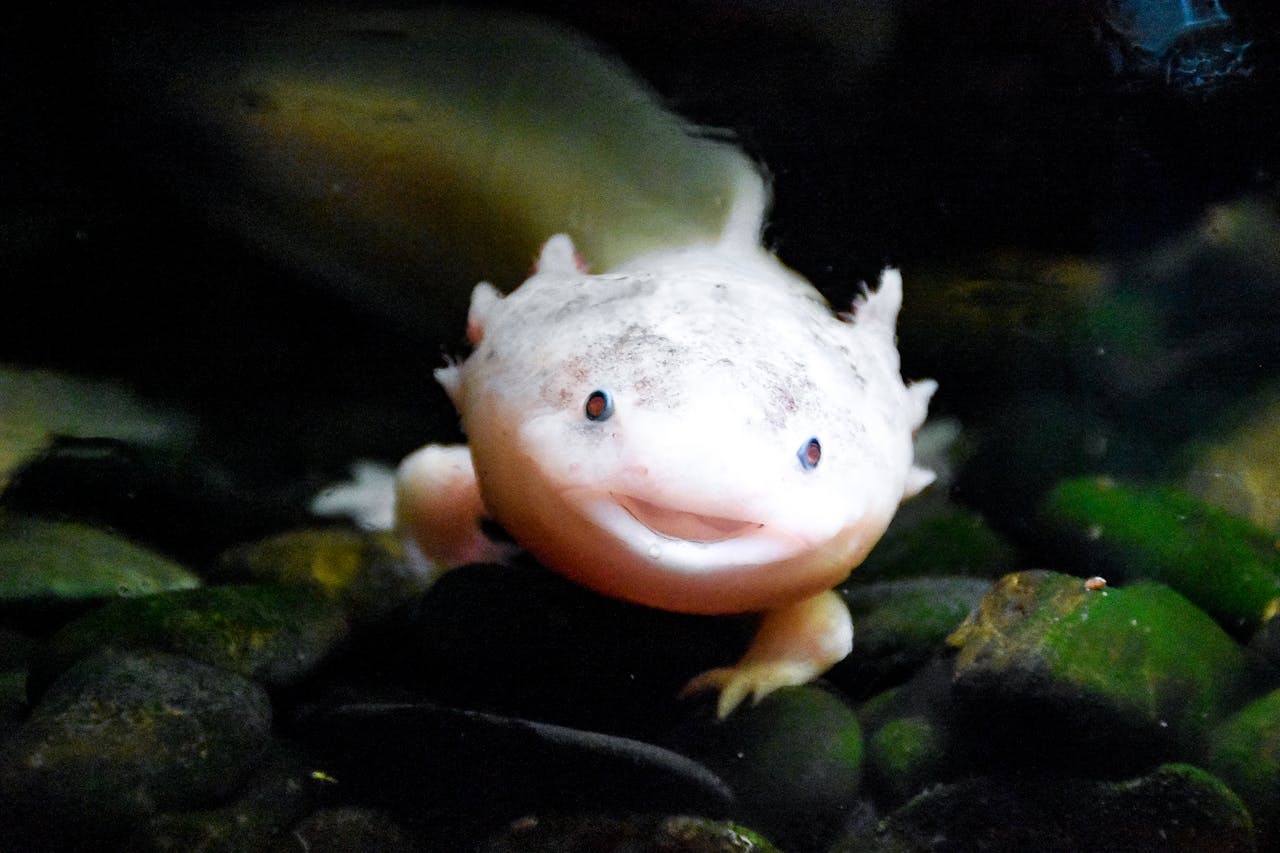
Axolotls are aquatic salamanders that never fully grow up, staying in their juvenile stage for life. With their fringed gills and perpetual “smile,” they’re as fascinating as they are adorable. These pets require cool, clean water and minimal handling, thriving in a spacious aquarium with gentle filtration. Feeding them a diet of worms, pellets, and small feeder fish ensures their health. Axolotls can live over a decade, making them a long-lasting and intriguing pet choice.
Playful Trouble-Makers: Ferrets
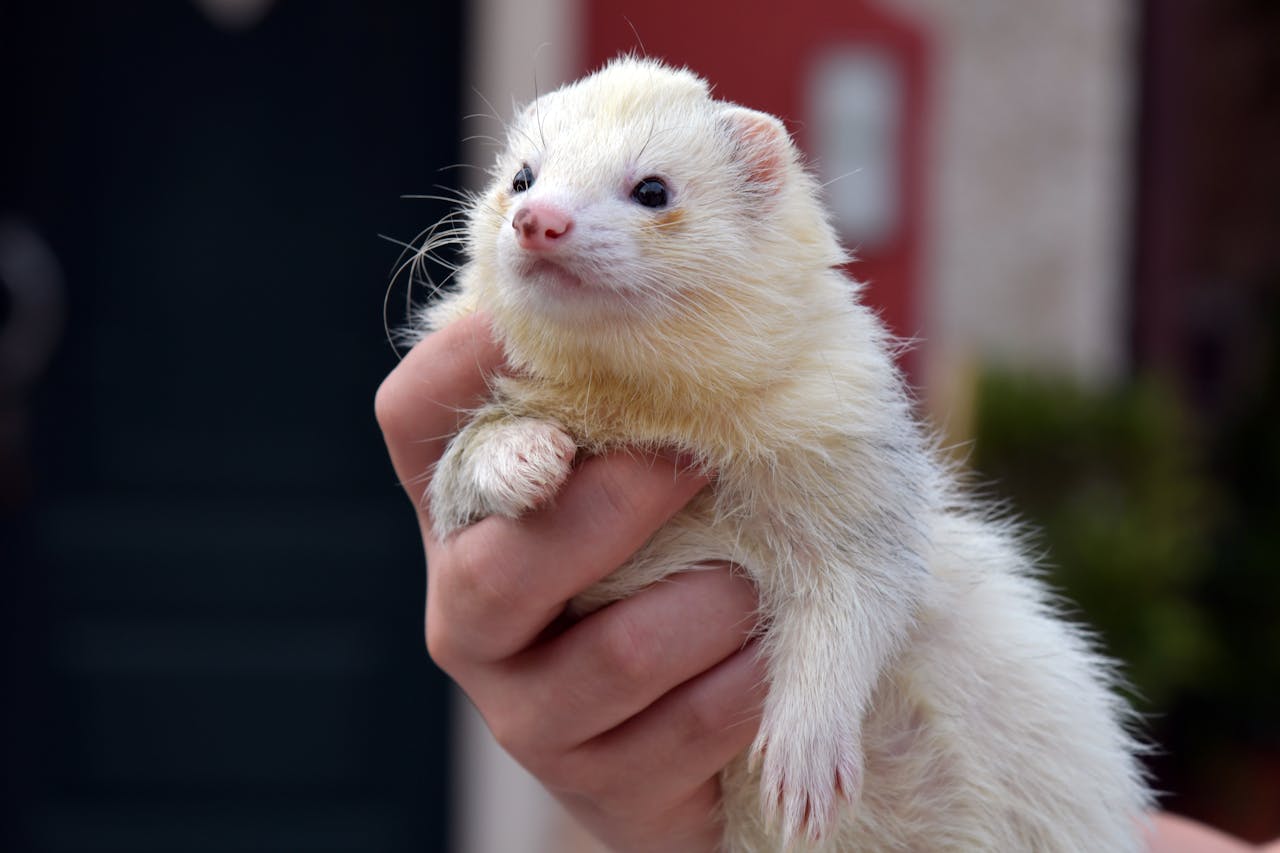
Ferrets are mischievous, curious animals that love to explore and play. Their boundless energy means they need daily out-of-cage time and plenty of enrichment. They thrive on a high-protein, meat-based diet and benefit from regular veterinary checkups. Ferrets form strong bonds with their owners, often following them around the house and engaging in playful antics. While not ideal for everyone, they can be a lively and affectionate addition to the right household.
Eight-Legged Showstoppers: Tarantulas
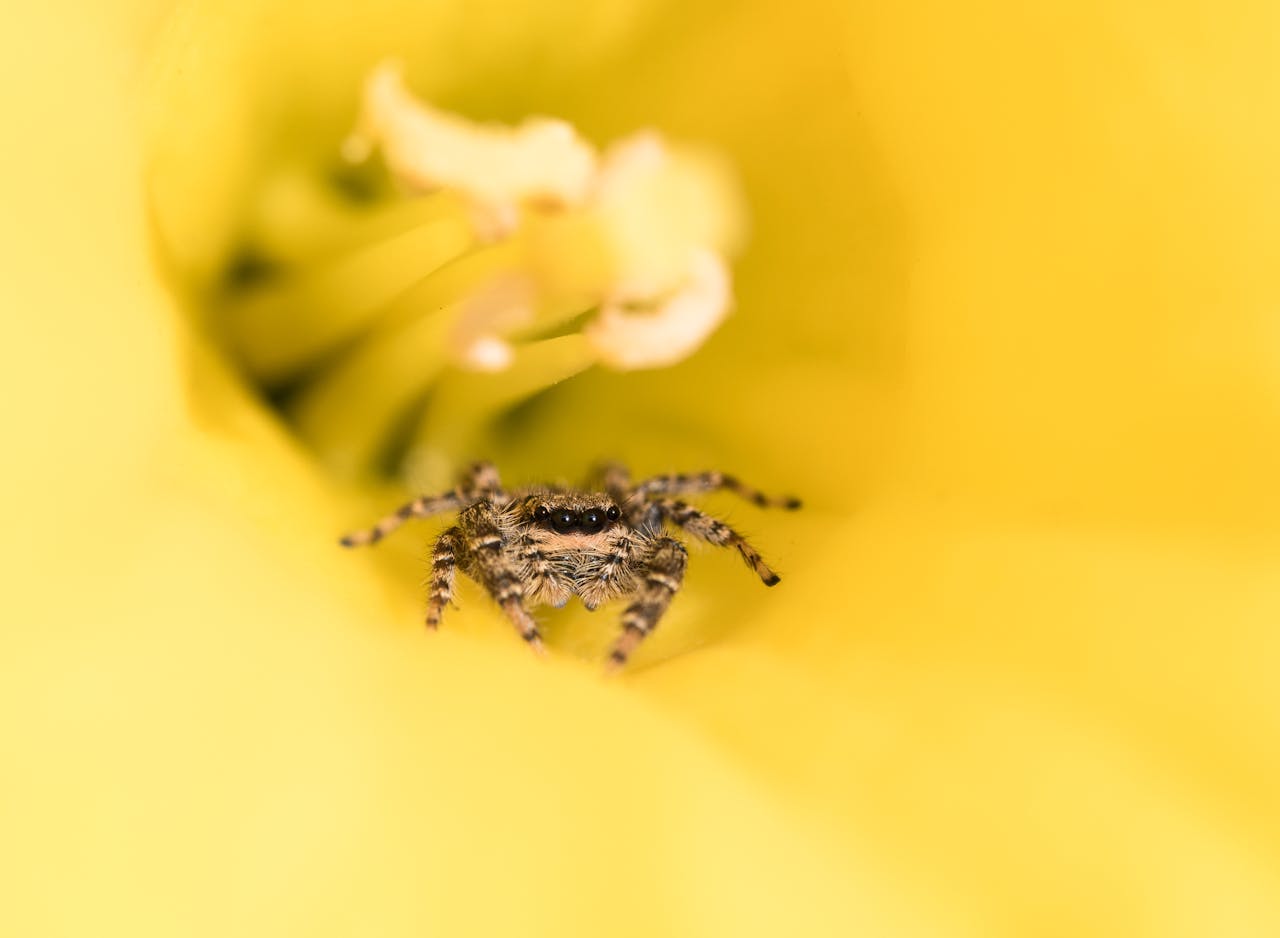
Tarantulas are exotic pets that require minimal maintenance but offer a fascinating presence. Available in a variety of colors and sizes, these spiders need a secure terrarium with proper humidity and a hiding space. Their diet consists mainly of live insects, and they should be handled rarely, if at all. Observing a tarantula’s behaviors—like web-building and molting—can be captivating, and depending on the species, they can live for many years.
Mini Barnyard Buddies: Pygmy Goats
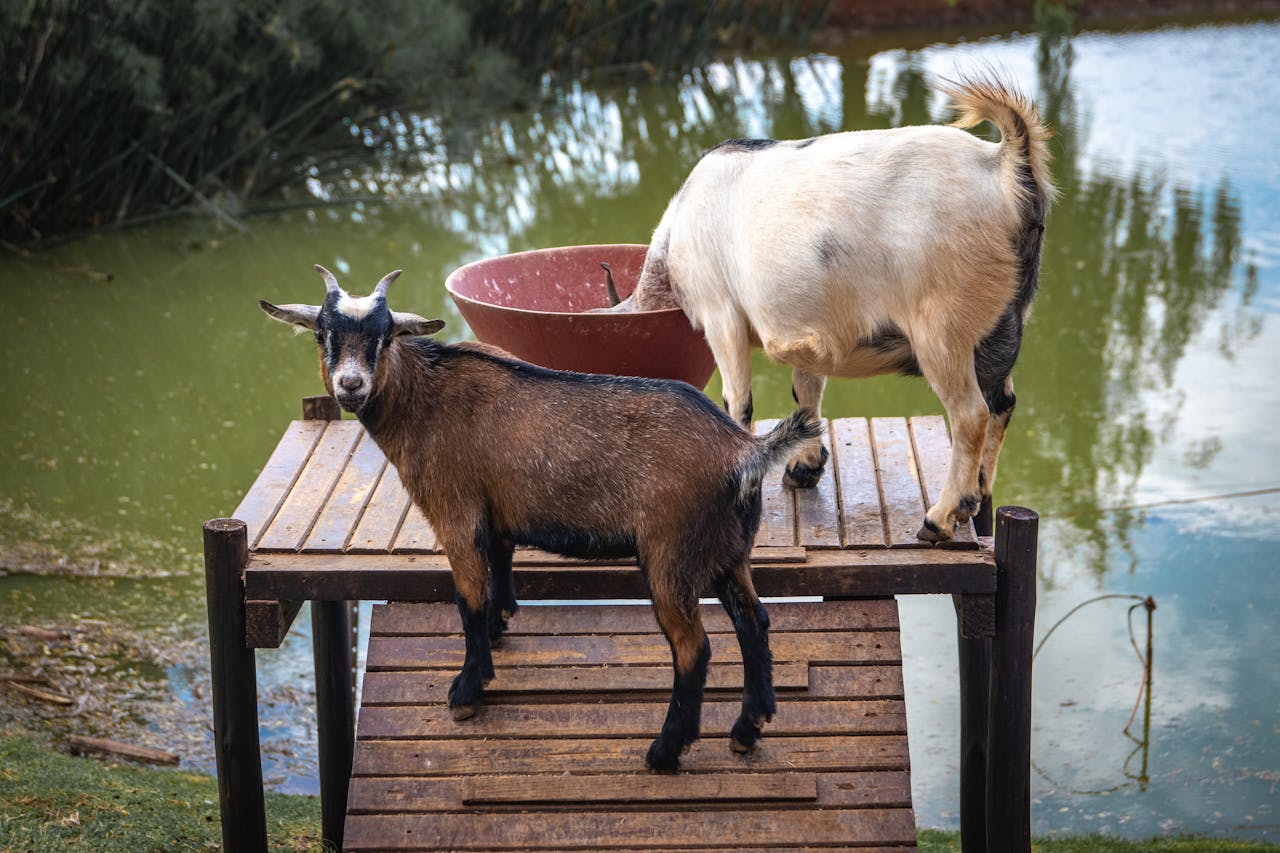
Pygmy goats are small, friendly livestock that can double as charming pets for those with enough outdoor space. They are intelligent, social, and playful, often forming bonds with their human caretakers. Pygmy goats require secure fencing, shelter, and a diet of hay, grains, and fresh greens. They thrive when kept with other goats or animals for companionship. Their quirky personalities and endearing nature make them a hit on hobby farms and large backyards.
Coil and Cuddle (Sort Of): Ball Pythons
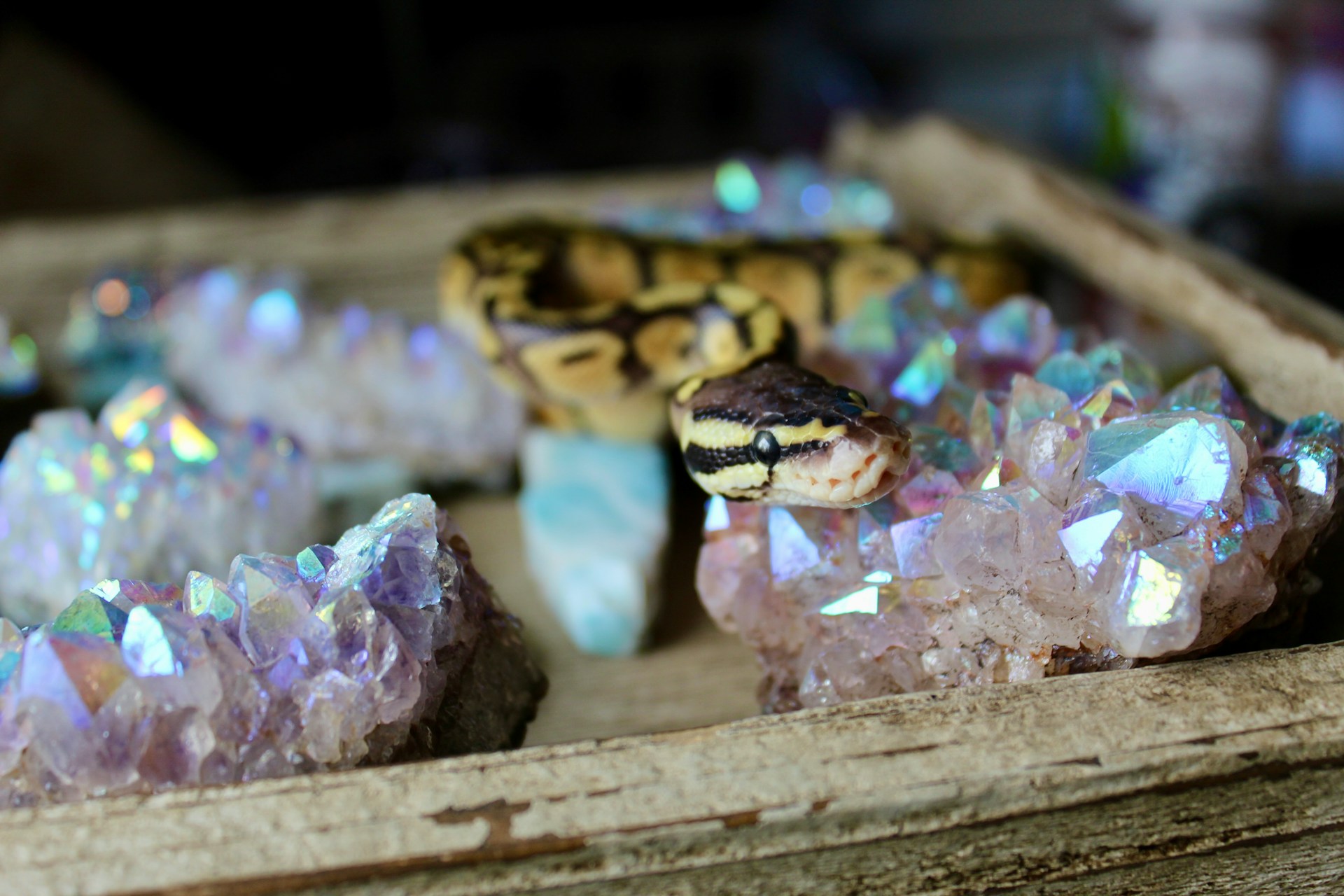
Ball pythons are calm, non-venomous snakes that are popular among reptile enthusiasts. They get their name from their habit of curling into a ball when stressed or shy. These snakes require a warm enclosure with secure hiding spots and a steady diet of appropriately sized rodents. Ball pythons are relatively low-maintenance and can live for 20 to 30 years in captivity, making them a long-term commitment for any reptile lover.
Beachfront Slowpokes: Hermit Crabs

Hermit crabs are quirky crustaceans that carry their homes on their backs and change shells as they grow. They require a warm, humid environment with both fresh and saltwater access. A varied diet of fruits, vegetables, and commercial hermit crab food keeps them healthy. While they may not be the most interactive pets, their behavior—especially during shell changes—can be fascinating to observe. Hermit crabs are best kept in small groups for social enrichment.
The Cutest Spike Redux: African Pygmy Hedgehogs
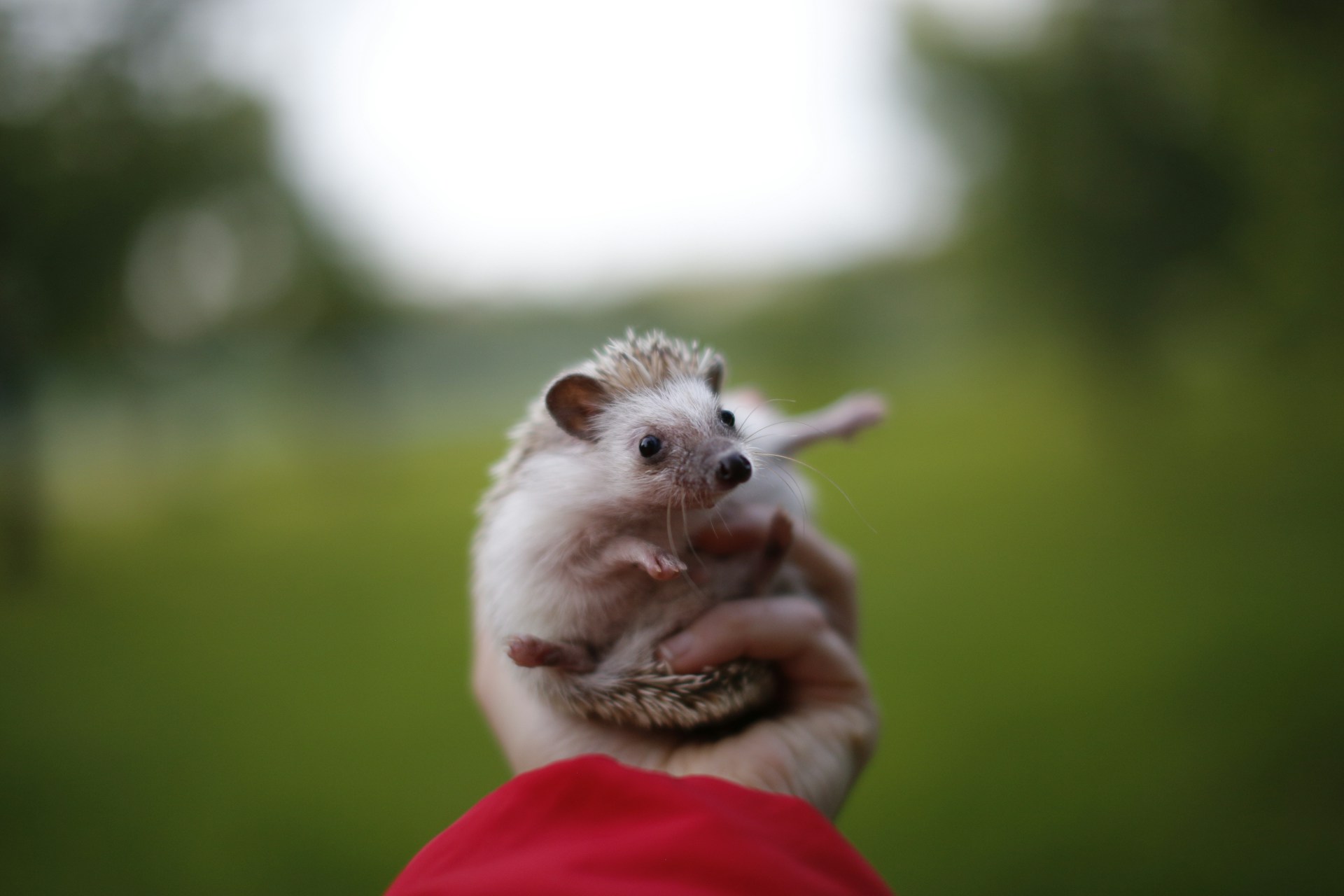
African pygmy hedgehogs are a smaller variety of the common pet hedgehog, making them even more compact and adorable. Like their larger cousins, they are nocturnal, require warmth, and thrive on a protein-rich diet. Their shy nature can give way to affectionate curiosity with gentle, consistent handling. They do best in calm households and can live four to six years with good care, making them a rewarding exotic pet choice.
Tiny Tail-Waggers: Mice

Mice are small, active pets that are easy to care for and fun to watch. They thrive in groups and require a cage filled with tunnels, wheels, and nesting materials for enrichment. A diet of quality pellets, seeds, and occasional treats keeps them healthy. While they don’t have the lifespan of larger pets—usually one to two years—they make up for it with their constant activity and curious personalities. Mice are perfect for those who want a lively but low-maintenance companion.
From scaly reptiles to spiny mammals, these unusual pets prove that companionship comes in all shapes, sizes, and species. Each requires specific care and consideration, but with the right setup and commitment, they can bring endless fascination and joy to their owners.