Around the world, New Year celebrations come with unusual and symbolic rituals meant to invite luck, love, prosperity, or protection. These traditions reflect cultural beliefs and centuries-old practices that different societies continue to honor. From food-based customs to symbolic noise-making, each ritual offers insight into how people view new beginnings. Despite their differences, they all aim to bring hope into the coming year.
Eating Twelve Grapes in Spain

In Spain, people eat twelve grapes at the stroke of midnight, one for each chime of the clock. This ritual represents good luck for each month of the upcoming year. The grapes must be eaten quickly, creating excitement and laughter in households and public squares. The tradition unites families and adds a unique flavor to the celebration.
Wearing Polka Dots in the Philippines

Polka dots symbolize prosperity and good fortune due to their circular shape, reminiscent of coins. Many Filipinos wear polka-dotted clothing to attract wealth and positivity for the coming year. Some even place round fruits around their homes to reinforce the symbolism. This ritual blends fashion and tradition into a festive expression.
Jumping Off Chairs in Denmark

At midnight, Danes leap off chairs to “jump” into the new year with positivity and energy. The act symbolizes leaving behind bad luck and welcoming brighter days ahead. Families and friends often jump together, creating joyful moments. The ritual adds a playful spirit to Denmark’s celebrations.
Smashing Plates in Greece
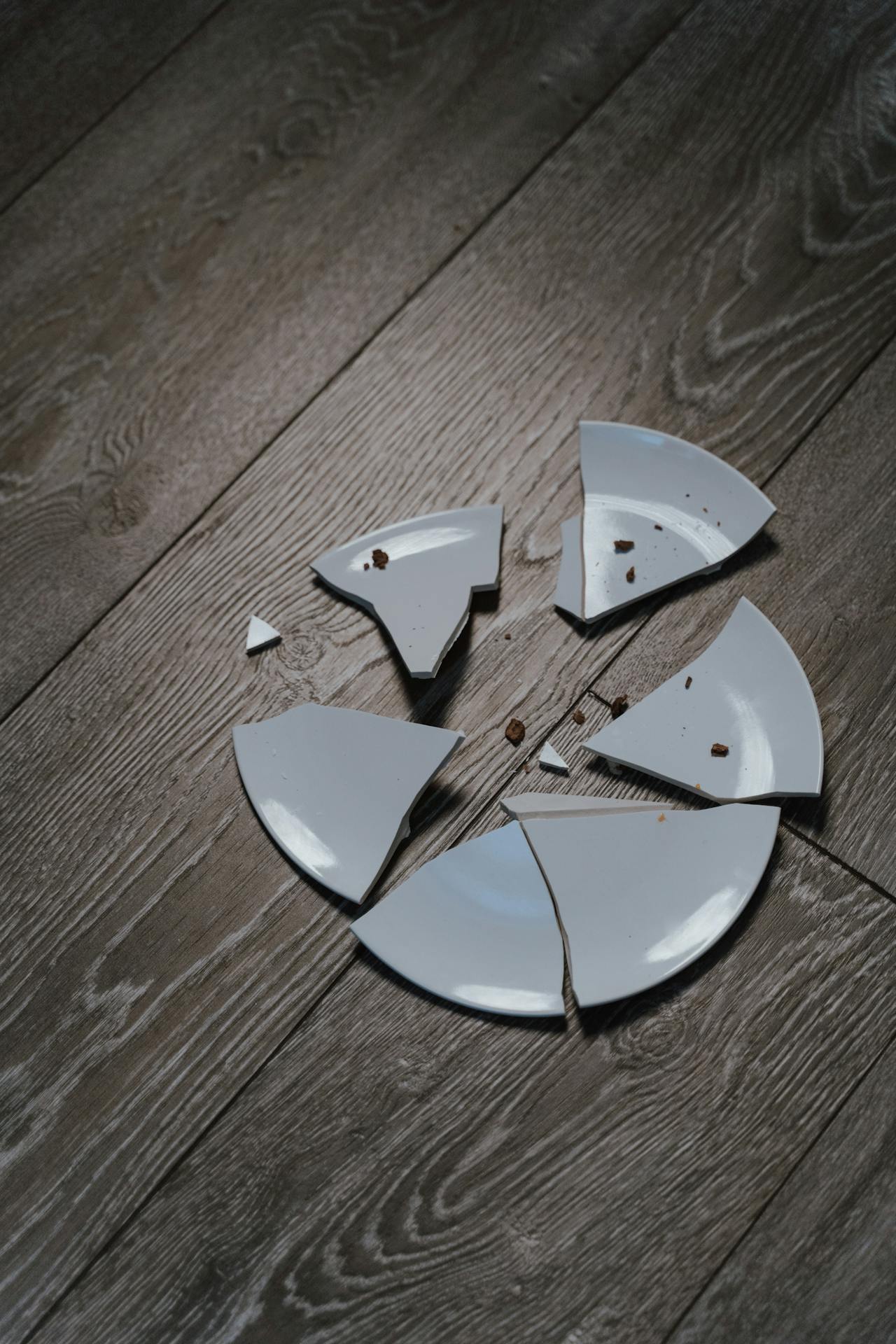
Greek families smash plates—or more commonly pots—on New Year’s Day to symbolize renewal. The breaking represents letting go of past hardships and inviting new beginnings. Many households also hang onions on doors as symbols of growth. This ritual remains one of Greece’s most dramatic traditions.
First-Footing in Scotland
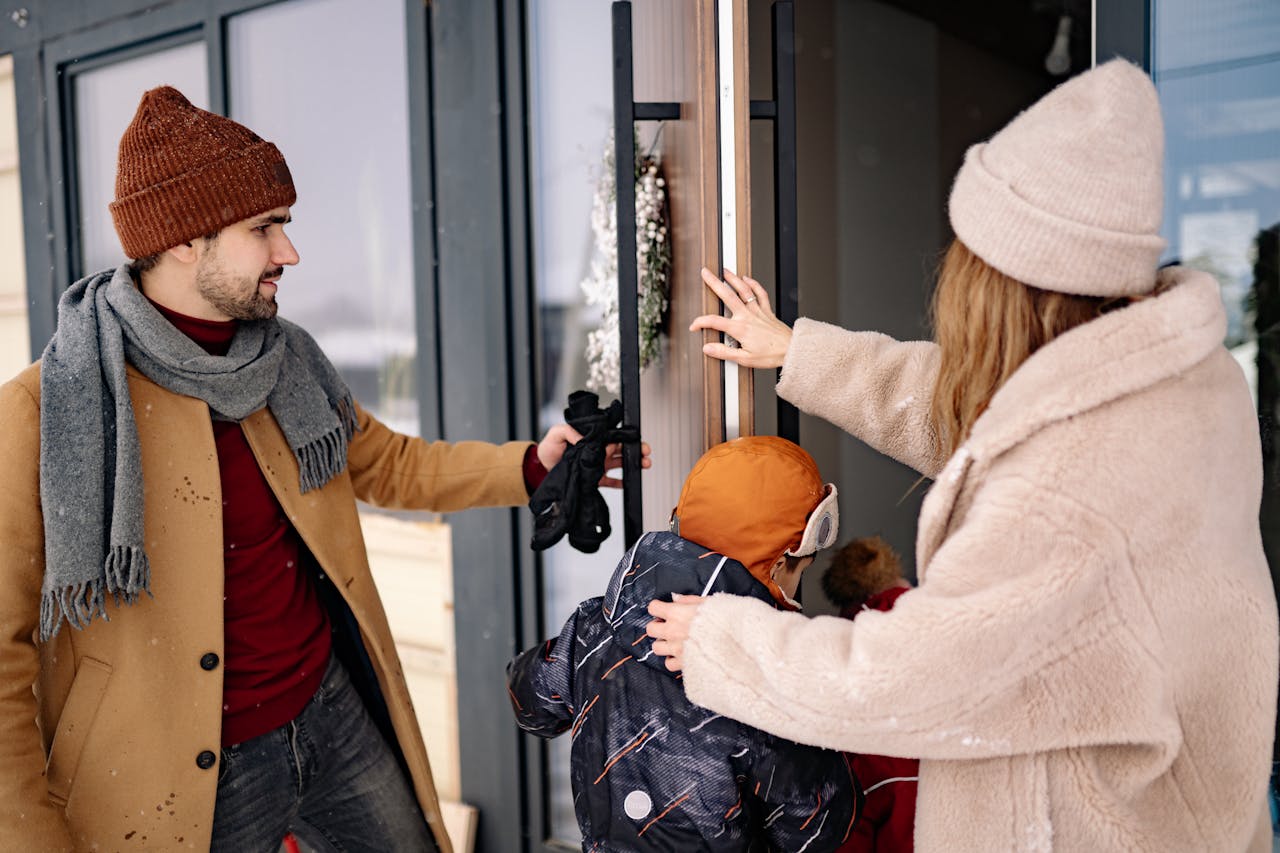
In Scotland, the first person to enter a home after midnight is believed to determine the household’s luck. Ideally, this “first-footer” should bring gifts like coal, bread, or whiskey. The custom originates from ancient hospitality traditions. It remains a cherished part of Hogmanay festivities.
Carrying Empty Suitcases in Latin America

In countries like Colombia and Ecuador, people walk around their neighborhoods carrying empty suitcases at midnight. This symbolizes a year filled with travel and adventure. Families often cheer each other on as they circle the block. The ritual brings fun and encouragement for future journeys.
Eating Lentils in Italy
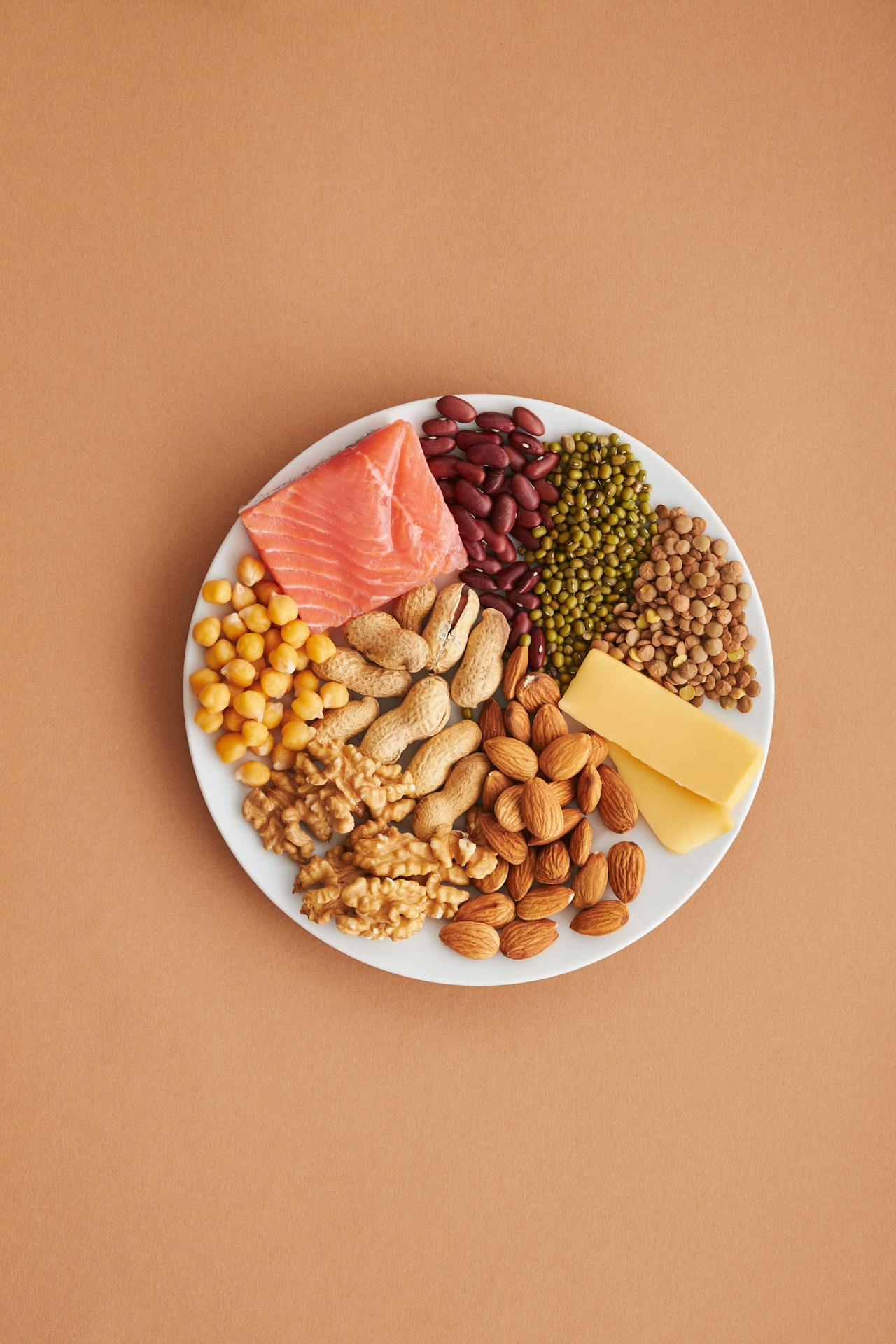
Lentils symbolize wealth because their shape resembles tiny coins. Italians enjoy lentil dishes on New Year’s Eve to invite prosperity. Often served with sausage, the meal also symbolizes abundance and warmth. This culinary ritual blends tradition with comfort food.
Throwing Old Furniture in South Africa

Some South African communities practice a bold ritual of tossing old furniture out windows to signify letting go of the past. This symbolizes emotional and material renewal. While modern safety concerns have toned down the tradition, it still exists in symbolic forms. The idea of clearing out old energy remains powerful.
Ringing Bells at Buddhist Temples in Japan
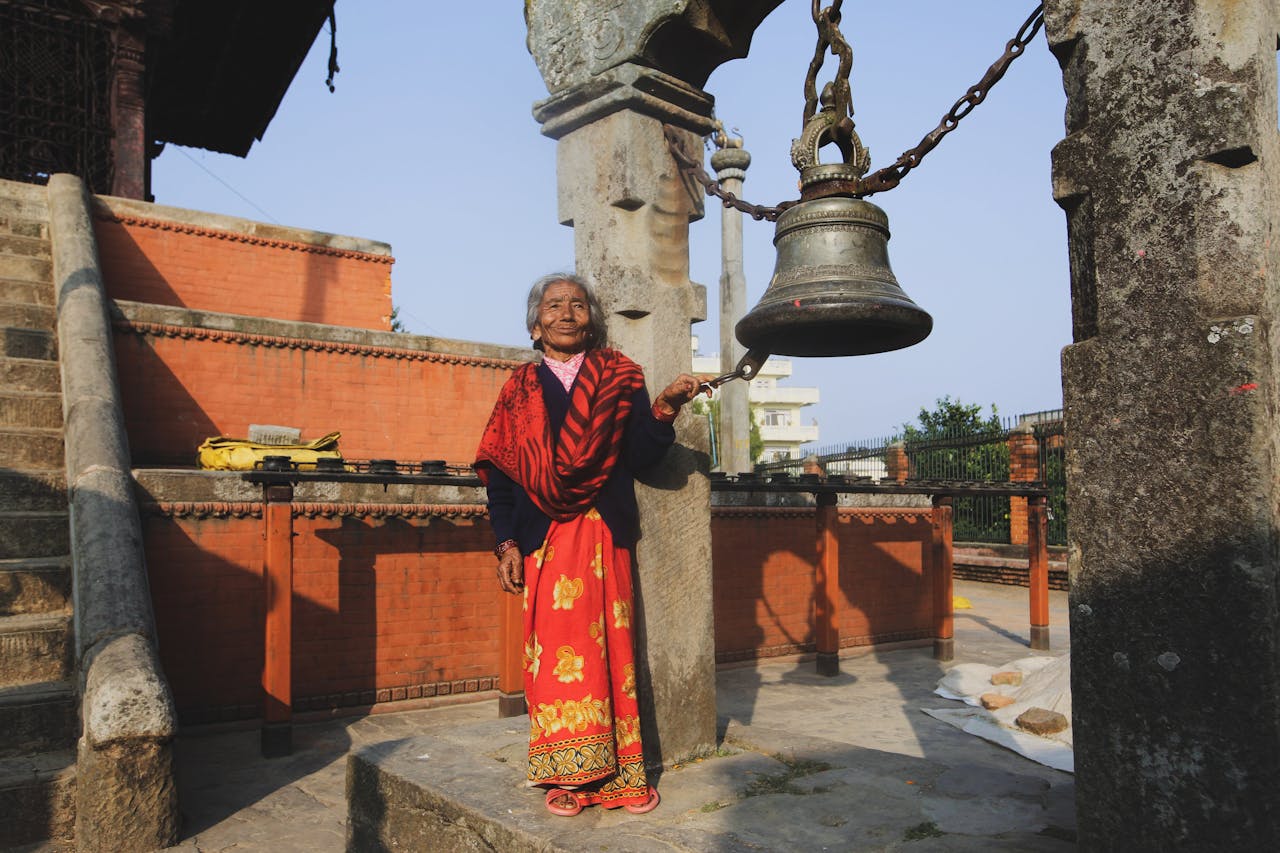
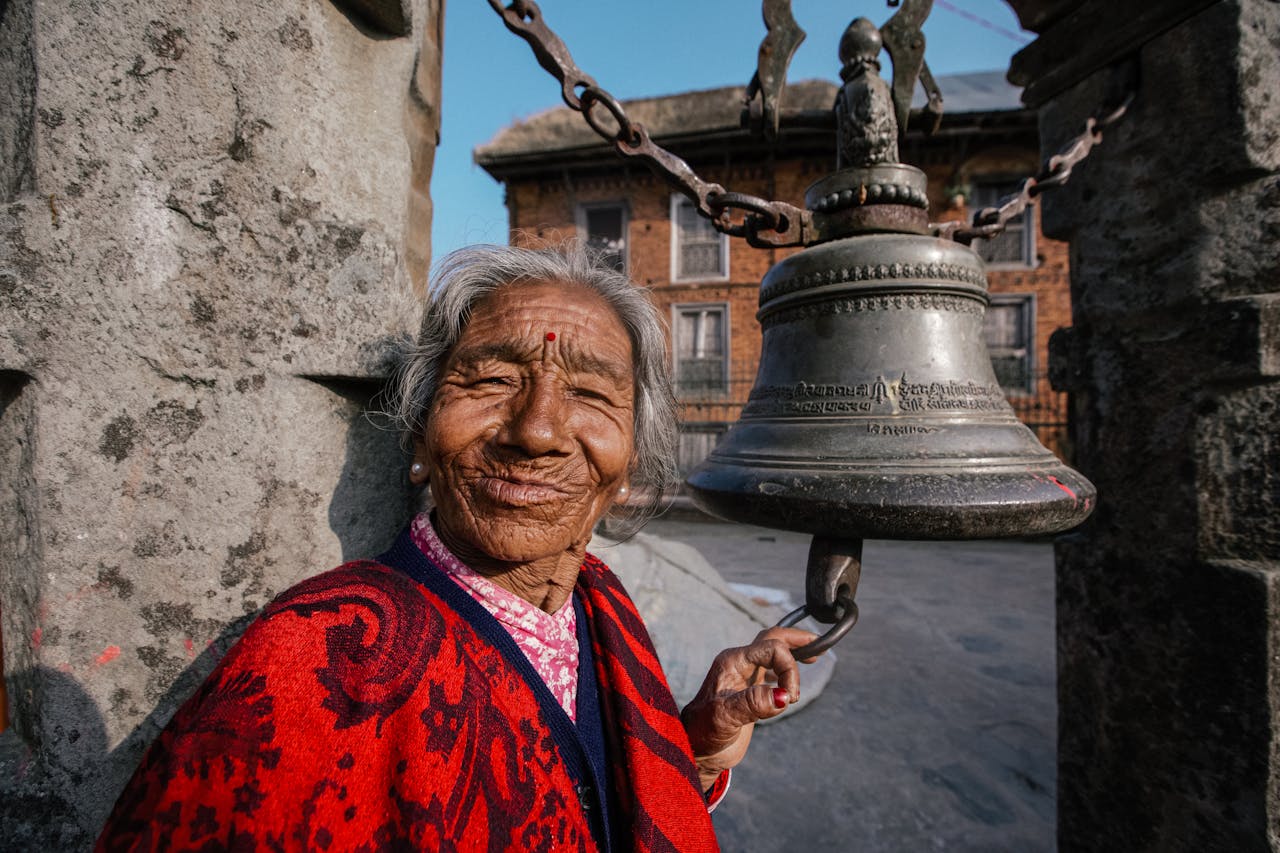
In Japan, Buddhist temples ring bells 108 times to cleanse spiritual impurities. Each ring represents a human desire or sin needing purification before entering the new year. Many families visit temples to listen to the resonating chimes. The ritual creates a peaceful and reflective atmosphere.
Baking a Coin into Cake in Greece
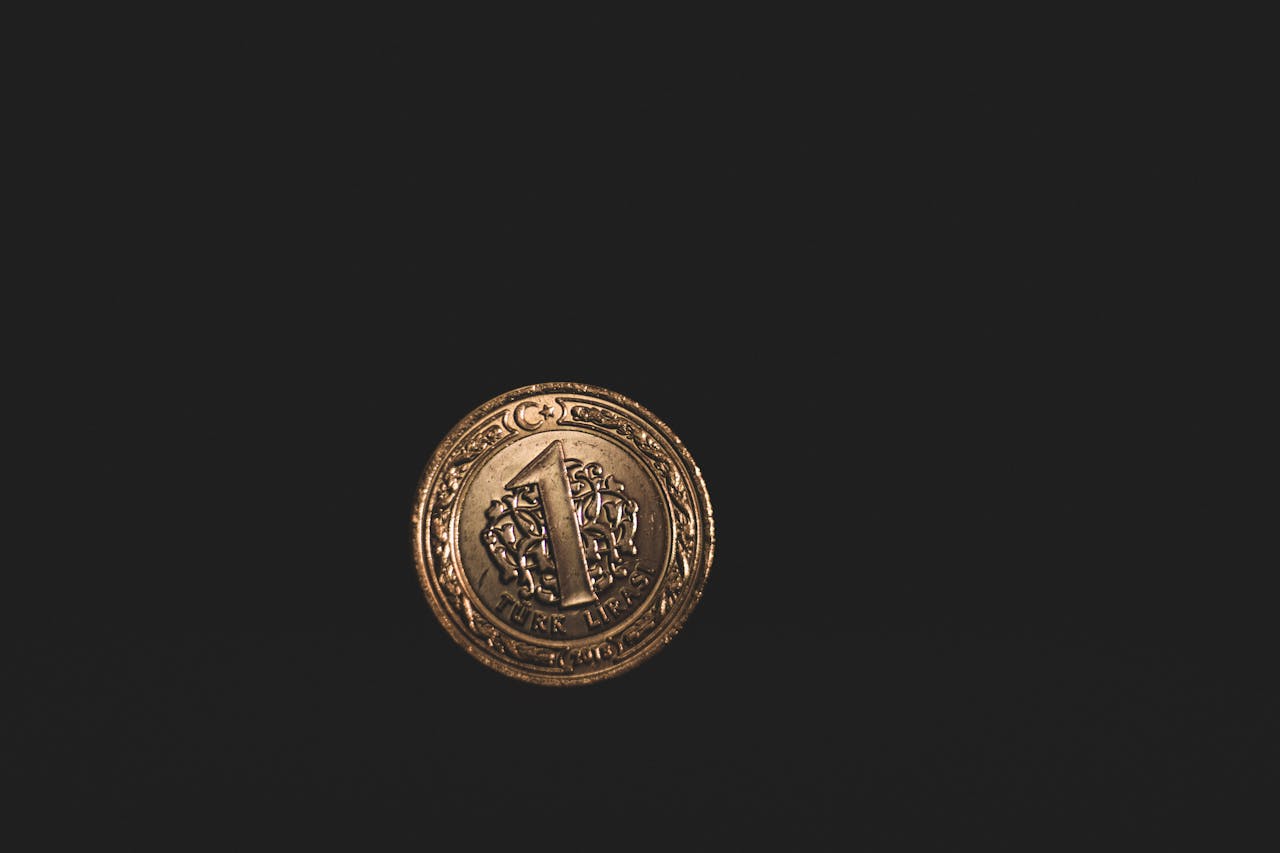
Vasilopita, a traditional Greek New Year cake, contains a hidden coin. The person who finds the coin in their slice is believed to receive good luck for the year. Families gather to cut the cake ceremoniously. This sweet ritual connects generations through shared tradition.
Wearing Red Underwear in Italy and Latin America

Red underwear symbolizes luck, passion, and positive energy. Many people wear it on New Year’s Eve to attract love and vitality. The color is believed to ward off negativity. The tradition brings a playful twist to holiday celebrations.
Burning Bay Leaves in Turkey
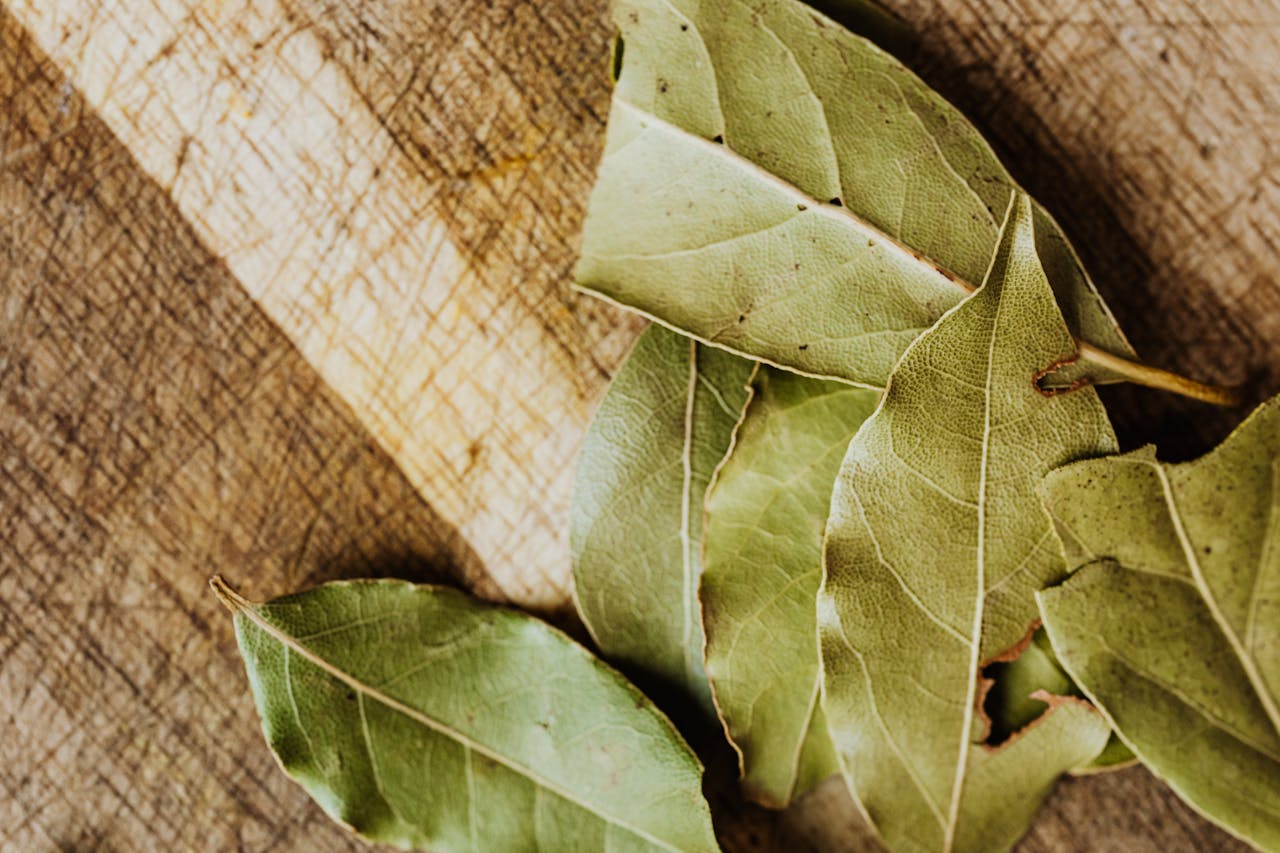
Some Turkish households burn bay leaves to release negativity and encourage prosperity. The fragrant smoke symbolizes cleansing and protection. Families often accompany the ritual with wishes for the year ahead. This simple act carries deep symbolic meaning.