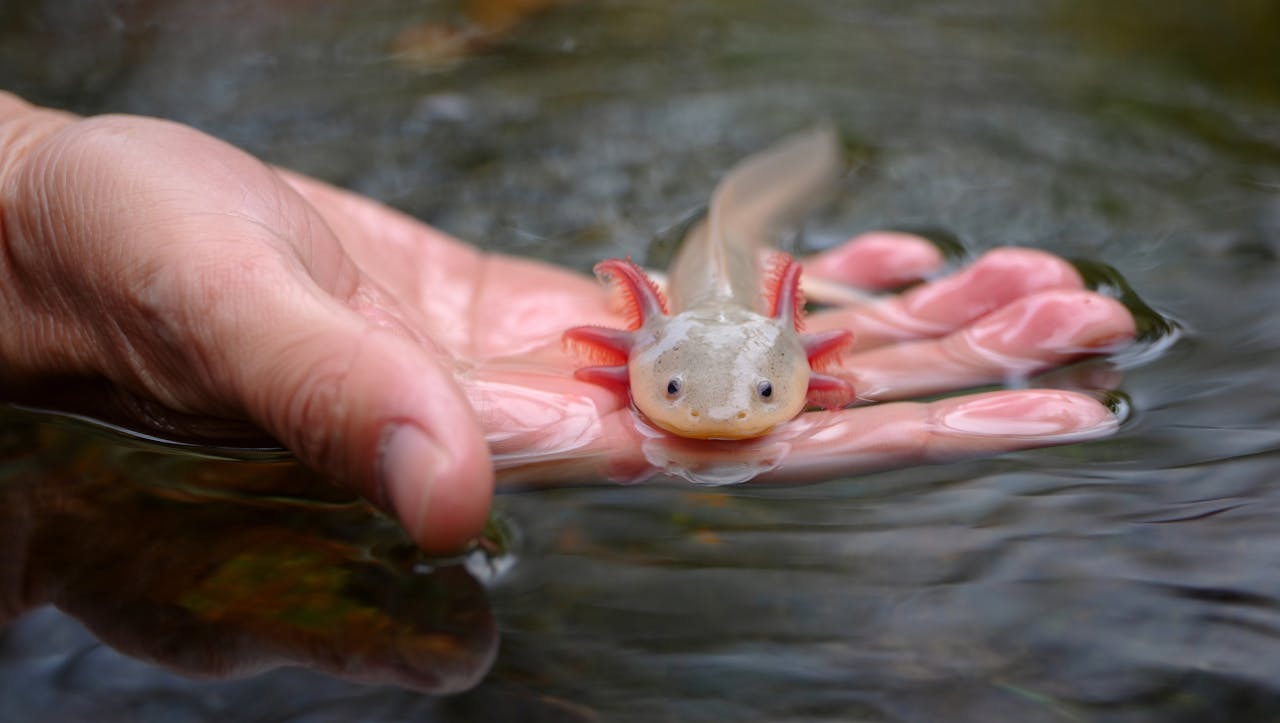
Across the United States, hidden under mossy logs and within quiet streams, live some of the strangest amphibians in the world. These creatures have adapted in remarkable ways, from breathing through their skin to thriving in total darkness. Each one tells a story about evolution and survival in unique ecosystems. They may not be famous, but they play a vital role in keeping nature balanced and beautiful. Let’s uncover these weird and wonderful American originals.
1. Hellbender Salamander
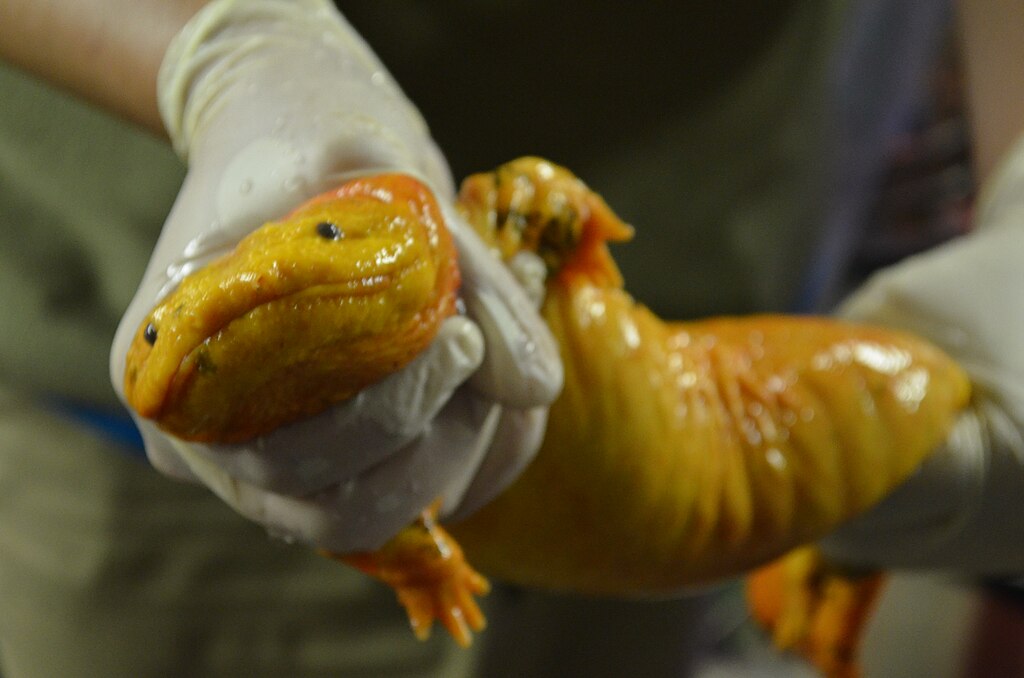
The hellbender looks like something from a prehistoric swamp. This huge salamander, often called a snot otter, lives in clear, fast rivers across the Appalachian region. Its wrinkled skin allows it to absorb oxygen directly from the water. Sadly, pollution and dams have damaged its home, making it endangered in many areas. Conservationists are now breeding and releasing them into safe waterways so this river giant can reclaim its place in American streams.
2. Red Hills Salamander
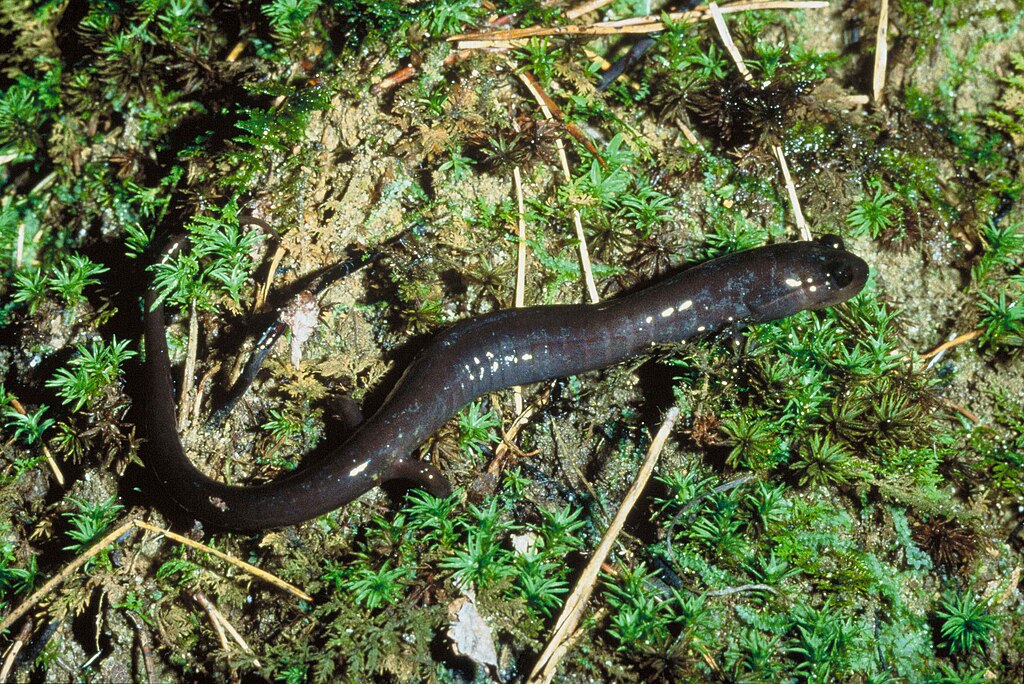
Found only in a narrow strip of Alabama’s Red Hills, this secretive salamander spends most of its life underground. It is one of the largest lungless salamanders, breathing entirely through its moist skin. Logging and erosion have destroyed much of its burrowed habitat. Conservationists are working to restore these slopes and preserve this quiet creature that rarely leaves its tunnels. Its survival reminds us that even unseen species matter to the ecosystem’s story.
3. Texas Blind Salamander
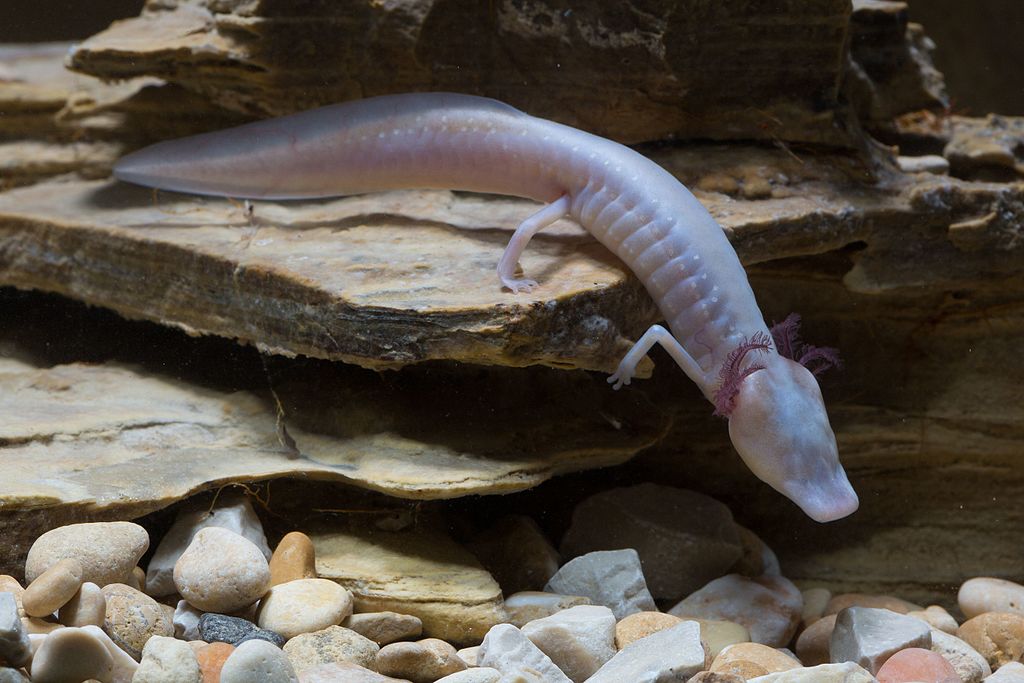
Living deep within the dark caves of San Marcos, the Texas blind salamander has no eyes at all. Its pale body and red gills make it look ghostly, but it’s a marvel of adaptation. It feeds on tiny crustaceans carried through underground water systems. This rare species depends on clean groundwater, so any contamination can be deadly. Protecting it means protecting one of the purest freshwater systems in North America, a resource vital for humans too.
4. Yosemite Toad
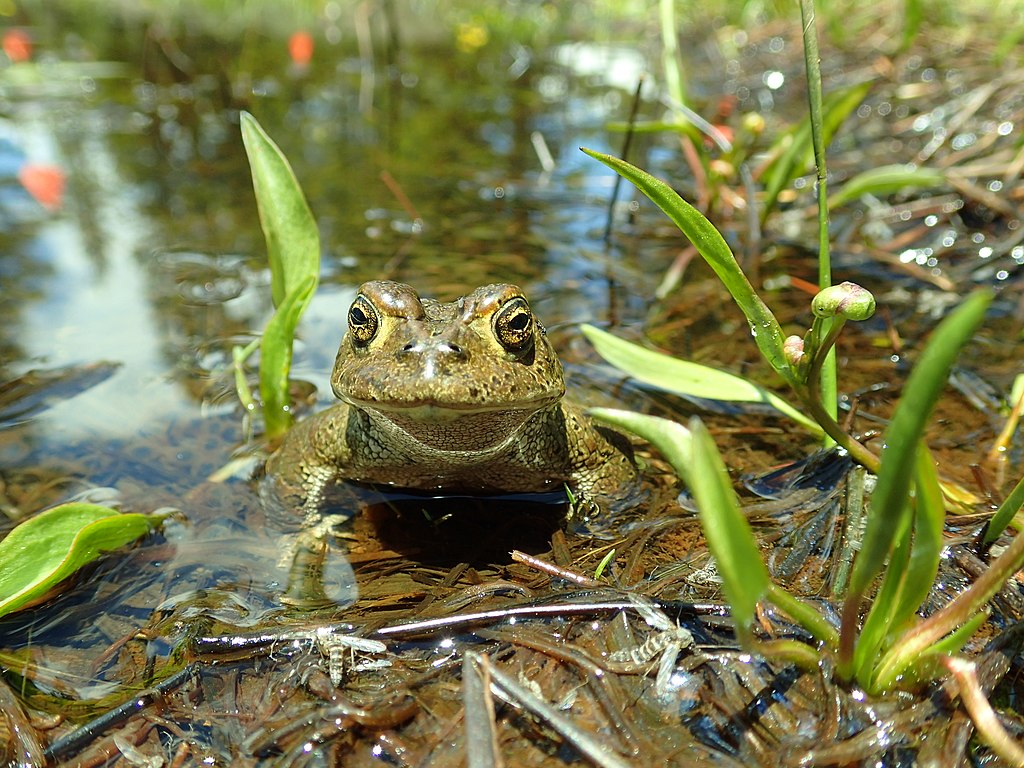
This colorful toad brightens the high meadows of California’s Sierra Nevada. Males turn a bright yellow during the breeding season, while females keep darker speckles. Once common, their populations have declined due to drought and disease. Scientists are raising them in captivity to bring back their chorus of croaks to the wild. Seeing these toads return to Yosemite’s streams will be a symbol of hope for native wildlife and mountain ecosystems everywhere.
5. California Newt
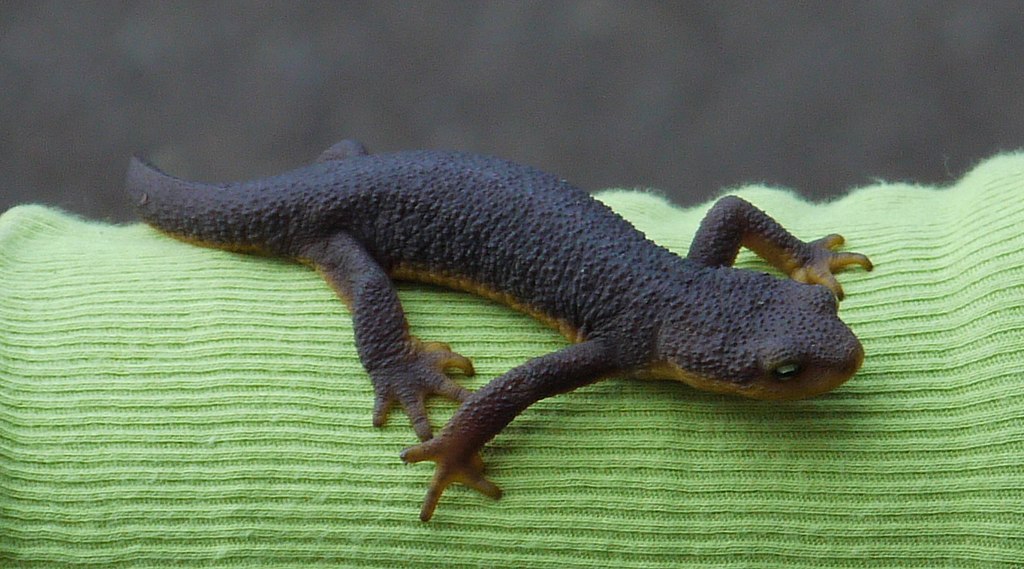
The California newt is famous for its striking orange belly and slow, deliberate crawl. Its skin releases a powerful toxin that can paralyze predators. Despite this defense, the species faces threats from pollution and invasive species. Protecting its breeding ponds is key to ensuring its survival. The newt’s ability to thrive in rugged forests and streams shows how resilience and adaptation can help even small creatures endure major environmental changes.
6. Mudpuppy
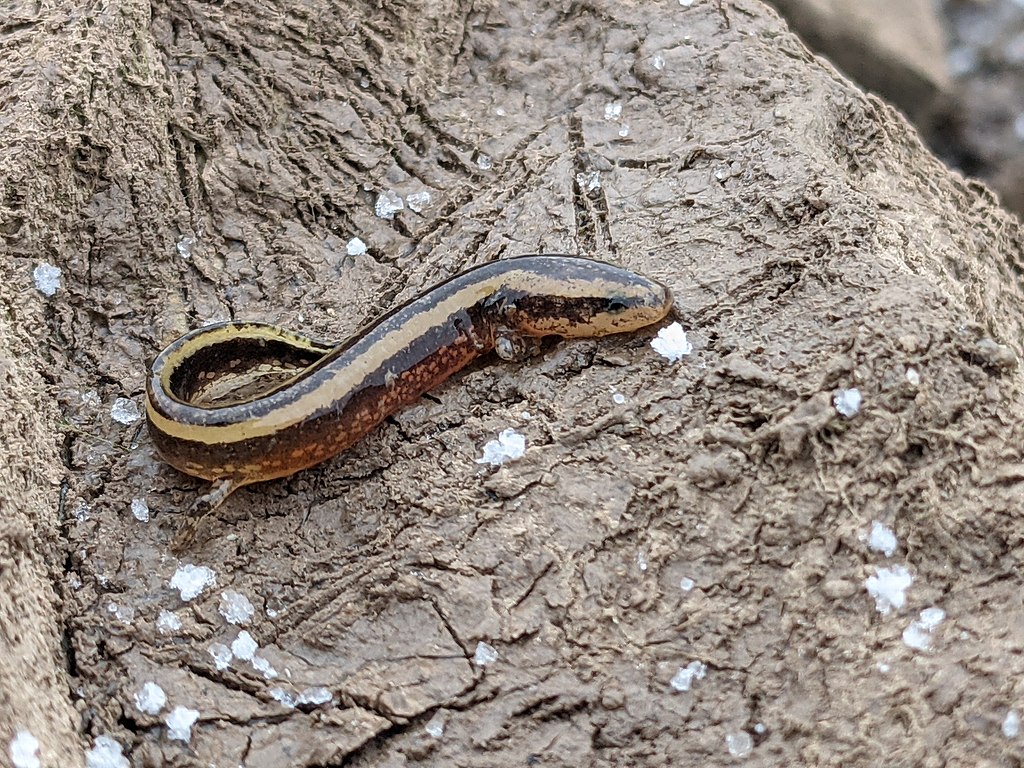
The mudpuppy spends its whole life underwater, keeping its fluffy red gills as an adult. Found in lakes and rivers from the Midwest to the Northeast, it is active even in winter beneath the ice. Fishermen often mistake it for a fish, but it’s a vital part of freshwater ecosystems. Because it’s sensitive to pollution, its presence signals clean, healthy water. The mudpuppy’s strange beauty and tough nature make it one of America’s most enduring amphibians.
7. Ozark Hellbender
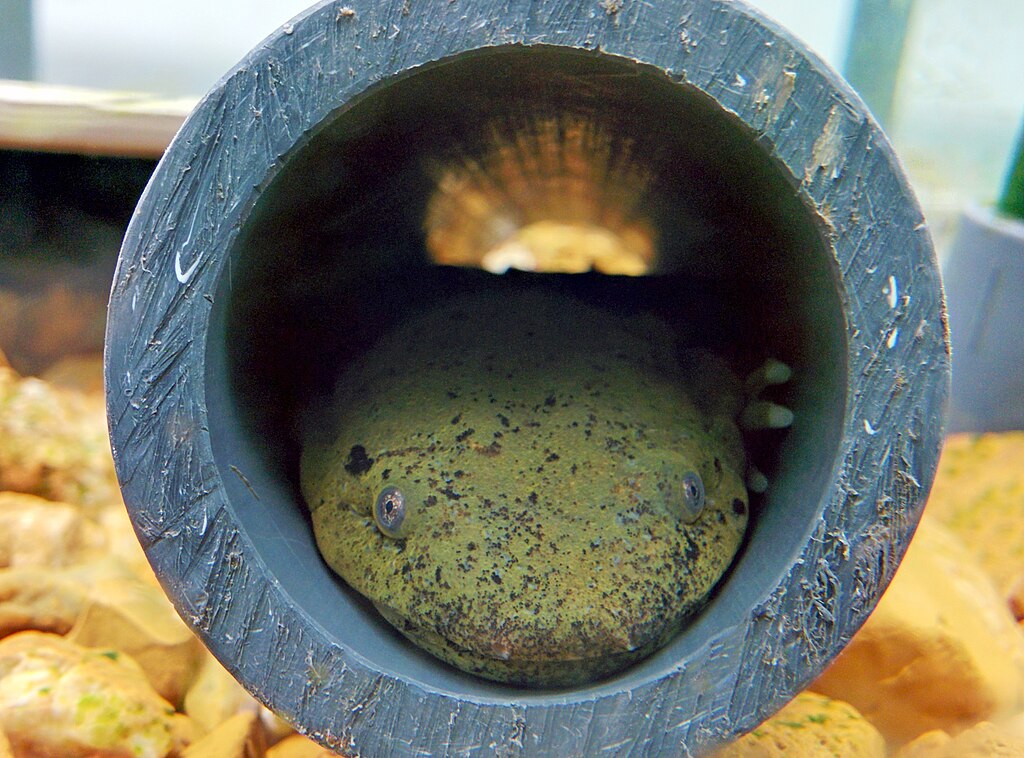
The Ozark hellbender, a cousin of the eastern species, is smaller but just as ancient-looking. It inhabits clear streams in Missouri and Arkansas where it hides under large rocks. Habitat destruction and disease have caused alarming population drops. Zoos and wildlife agencies have begun breeding programs to reintroduce them into protected waters. Watching these ancient creatures return offers hope that conservation can restore even the most fragile species to health again.
8. Tarahumara Frog
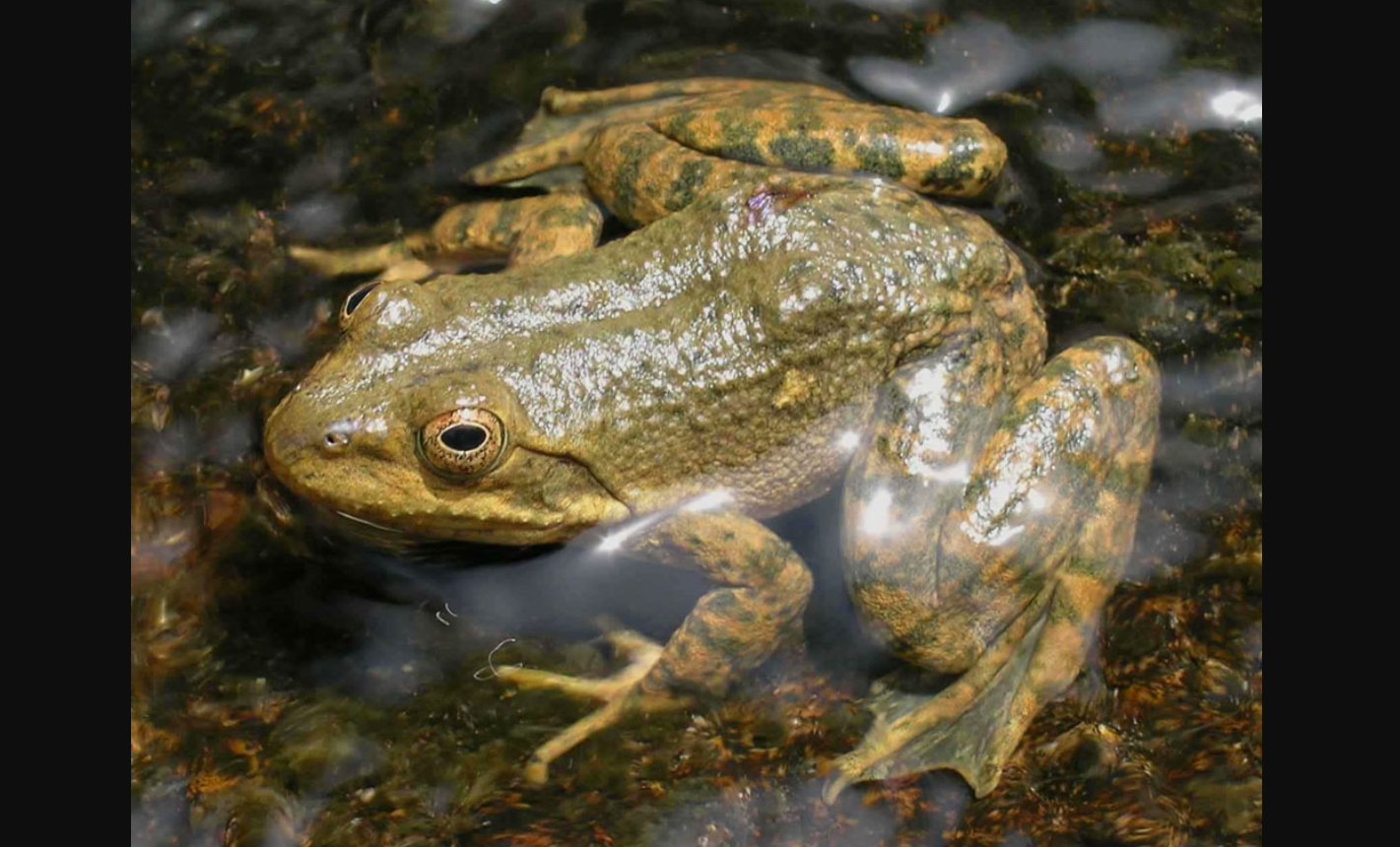
Once extinct in the U.S., this frog has made a comeback in Arizona’s rocky canyons. It prefers sunny pools and streams and produces a deep, echoing call. Reintroduction efforts have succeeded in restoring small populations where water quality has improved. Its story is one of recovery and resilience, proving that dedicated protection can bring species back from the edge of extinction. Its croak once again echoes through the desert hills it calls home.
9. Shenandoah Salamander
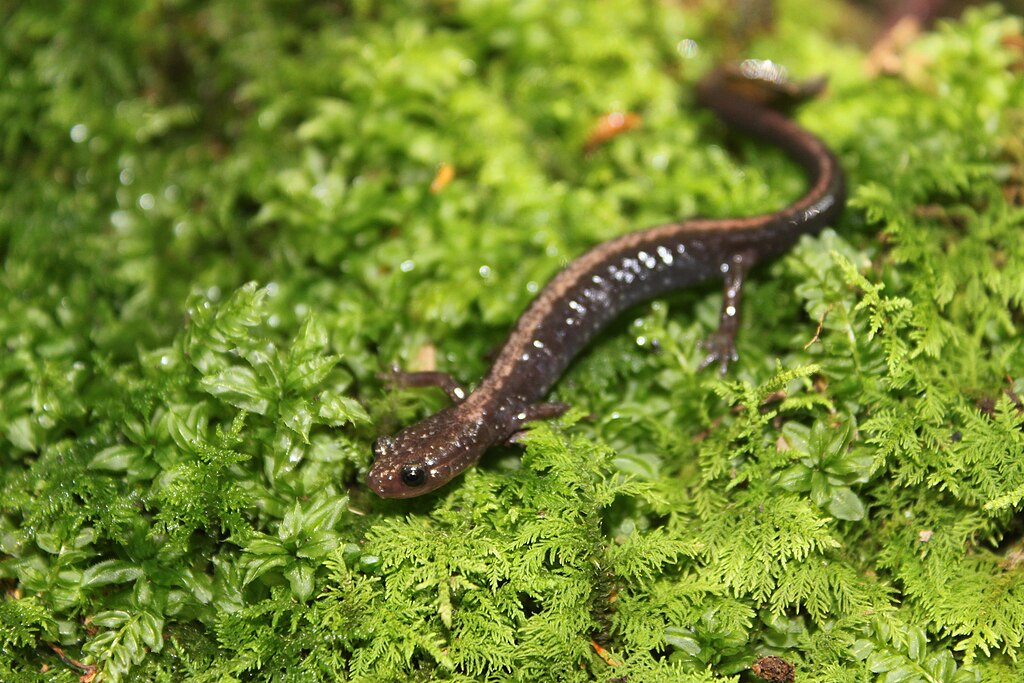
This rare salamander exists only on a few mountain slopes in Virginia’s Shenandoah National Park. It lives under moist leaf litter and competes fiercely for territory with larger salamanders. Because of its small range, even minor climate changes threaten it. Park officials protect its fragile habitat by managing trails and forest conditions. Its continued existence is a testament to how careful stewardship can keep a small but important species alive and thriving.
10. Flatwoods Salamander
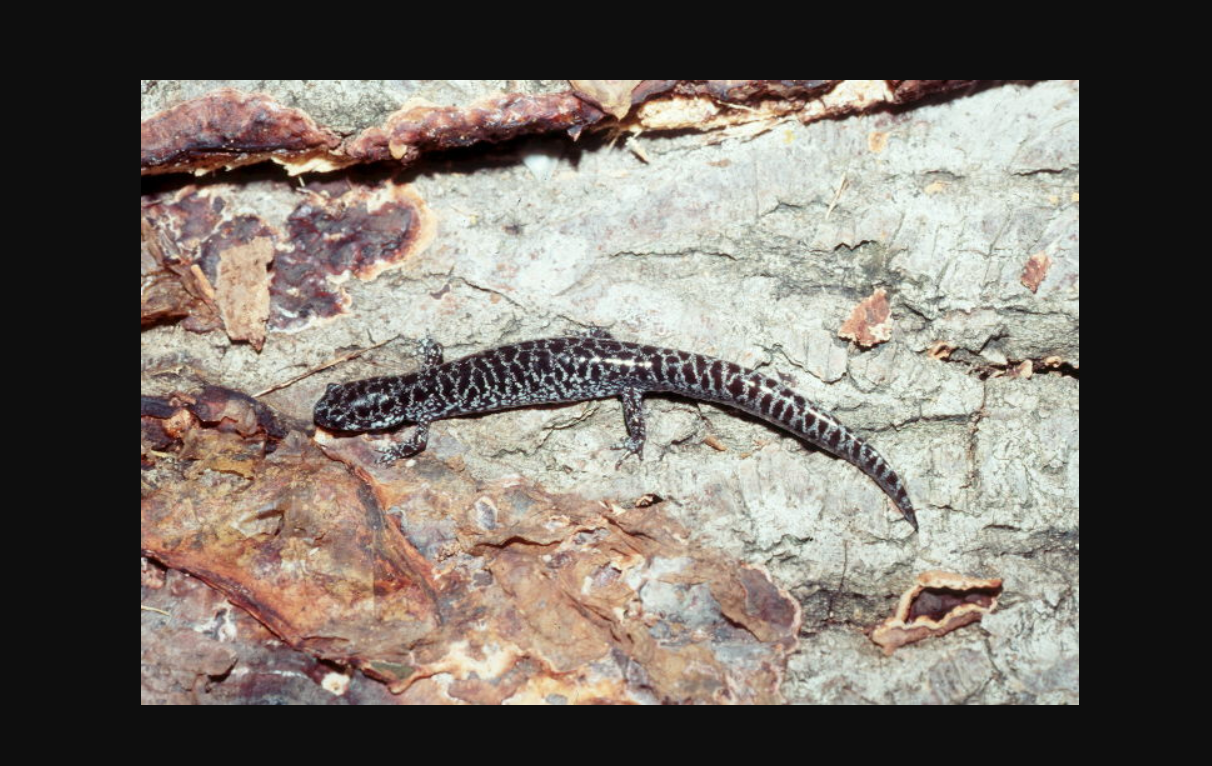
With silvery streaks across its dark body, the flatwoods salamander blends perfectly into pine forest floors. It breeds in temporary ponds that appear only during the rainy season, making it sensitive to drought and development. Habitat restoration programs are reviving the wetlands it needs to survive. This salamander’s story shows how interconnected forest management, weather cycles, and wildlife protection truly are in maintaining delicate ecosystems year after year.
11. Cascade Torrent Salamander
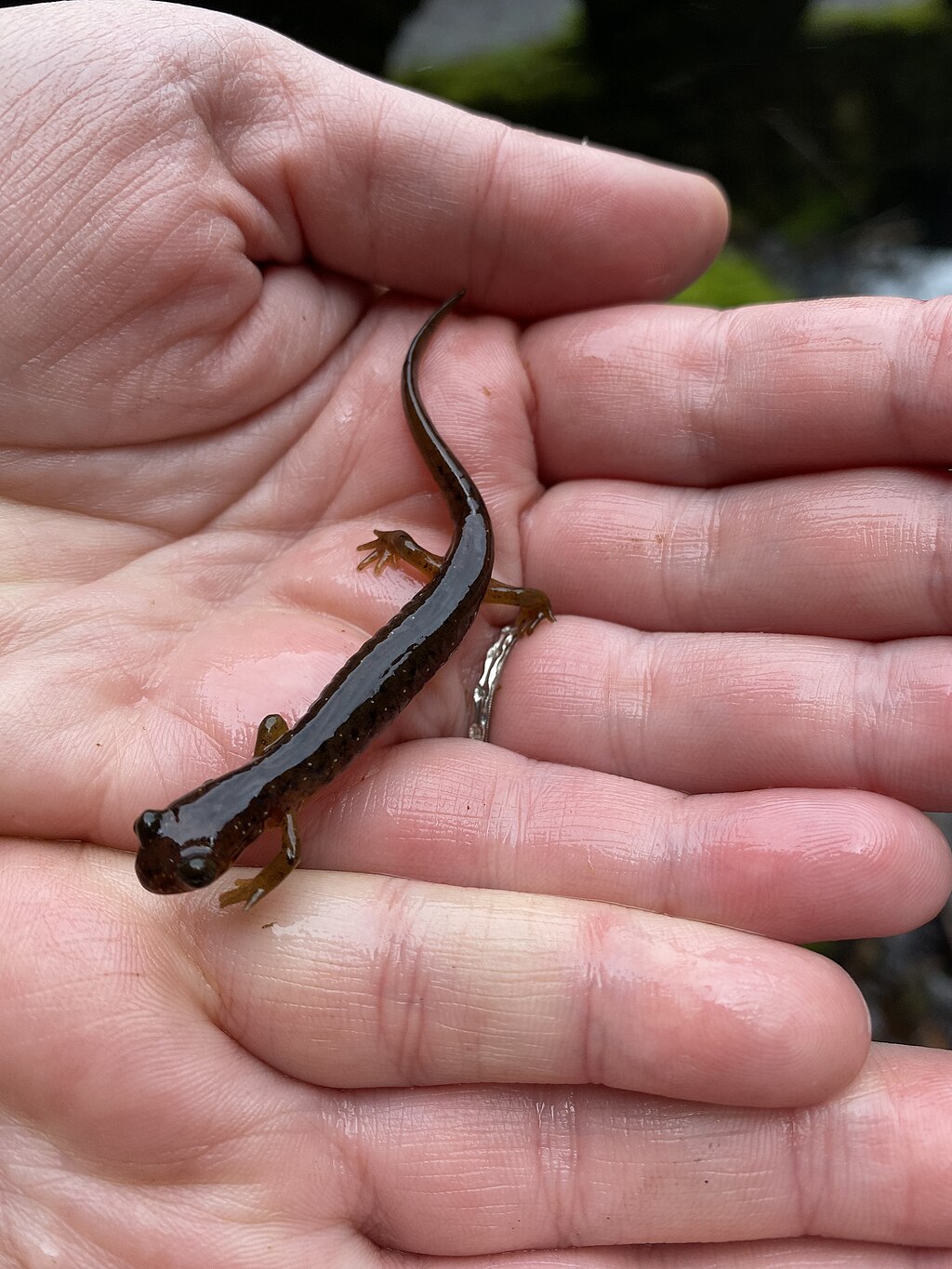
In the damp forests of Oregon and Washington, the Cascade torrent salamander lives in cold mountain streams. It is tiny and vulnerable, thriving only in shaded habitats. Logging and rising temperatures have reduced its numbers drastically. Conservationists are preserving tree cover to protect its home from drying out. This small amphibian reminds us how even the smallest creatures can serve as early warning signs of environmental change in fragile forest systems.
12. Tiger Salamander
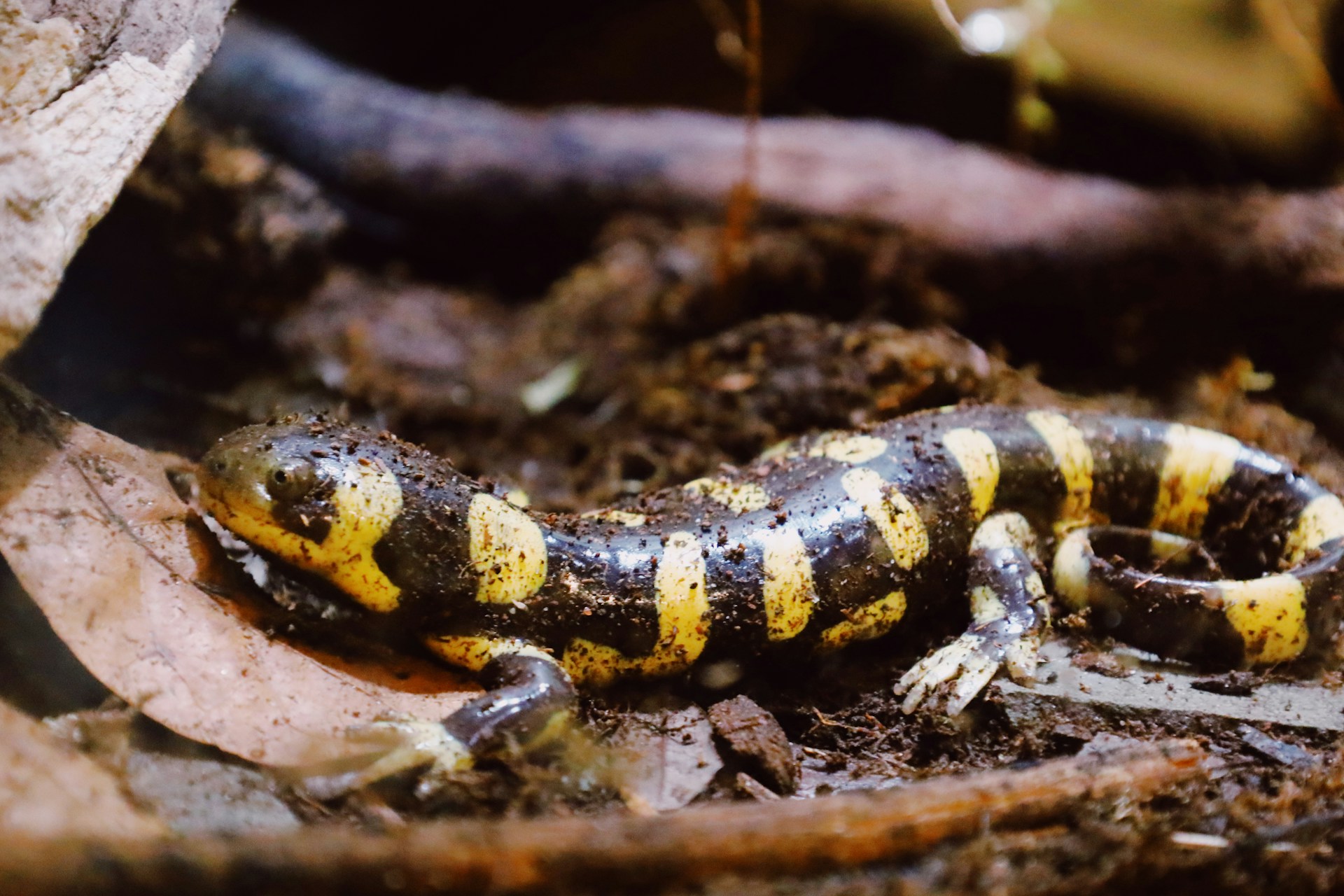
With its bright yellow stripes and sturdy body, the tiger salamander is one of the most recognizable amphibians in North America. It spends most of its life underground and emerges during rain to breed in temporary pools. Though it adapts well, habitat loss still threatens it in many regions. Its resilience makes it a symbol of strength among amphibians, proving that even species facing urban sprawl can find ways to endure when protected properly.
13. Reticulated Flatwoods Salamander
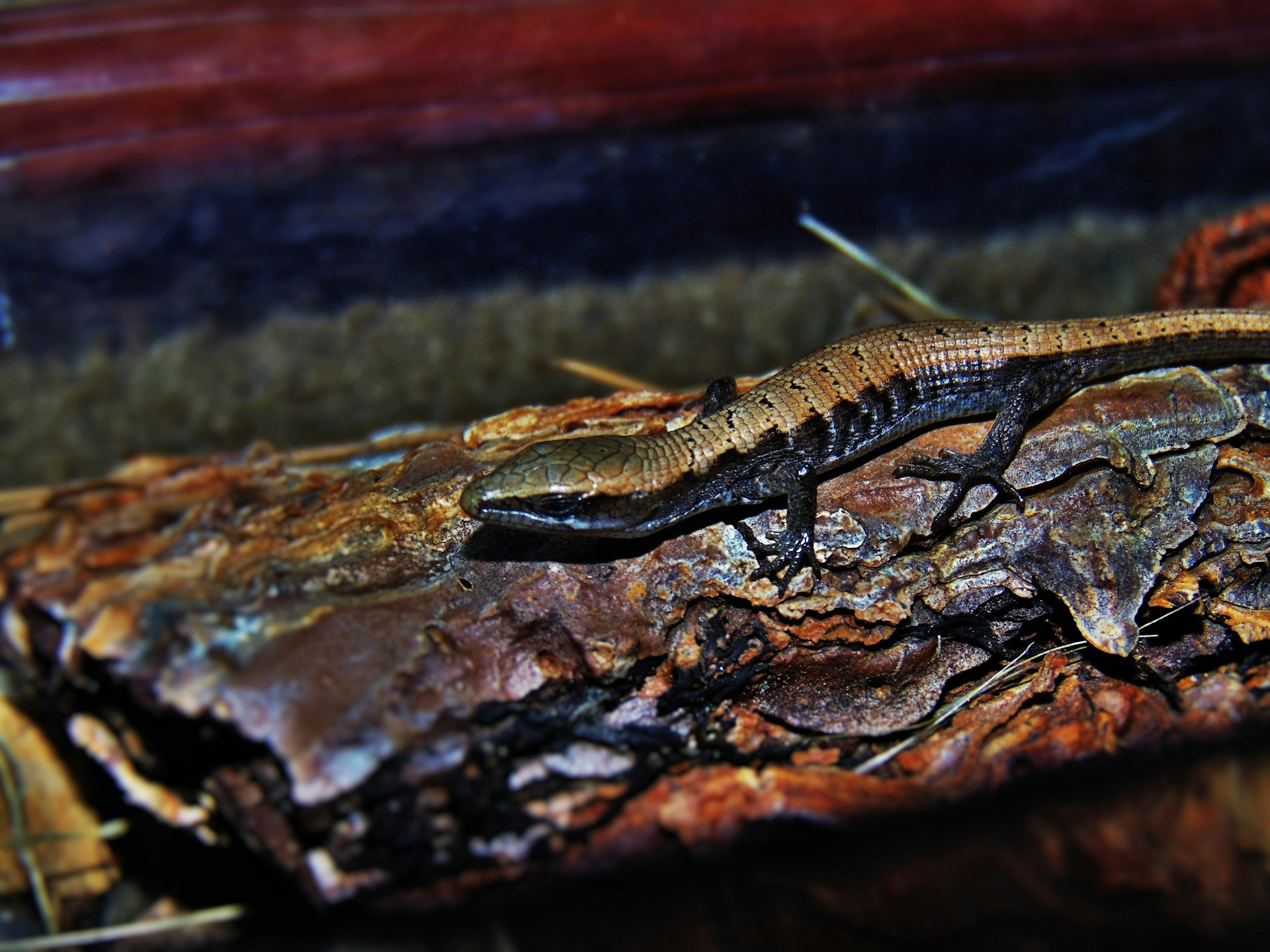
Closely related to the flatwoods species, this salamander has intricate silver markings that shimmer under light. It is found only in the Gulf coastal plains of Florida and Georgia. It depends entirely on seasonal wetlands for breeding, which are disappearing due to drought and drainage. Conservationists are restoring fire-dependent pine habitats that help maintain these wetlands. Its survival reflects how every element of nature connects in a precise and delicate balance.
America’s amphibians show nature’s creativity at its finest. They leap, crawl, and burrow their way through ecosystems that depend on them more than most people realize. Protecting these rare species protects clean water, forests, and biodiversity itself. Next time you walk by a stream or pond, listen closely, because the gentle chirp or splash you hear might belong to one of these tiny national treasures still guarding their hidden worlds.