Traveling across the United States can be a remarkable experience, but not all destinations live up to the hype. Some areas face overcrowding, environmental degradation, or rising costs that diminish the enjoyment of visitors. Other spots may no longer offer the cultural, recreational, or scenic appeal that once made them popular. Understanding the challenges at these destinations helps travelers make more informed choices while respecting local communities and resources.
Times Square, New York City
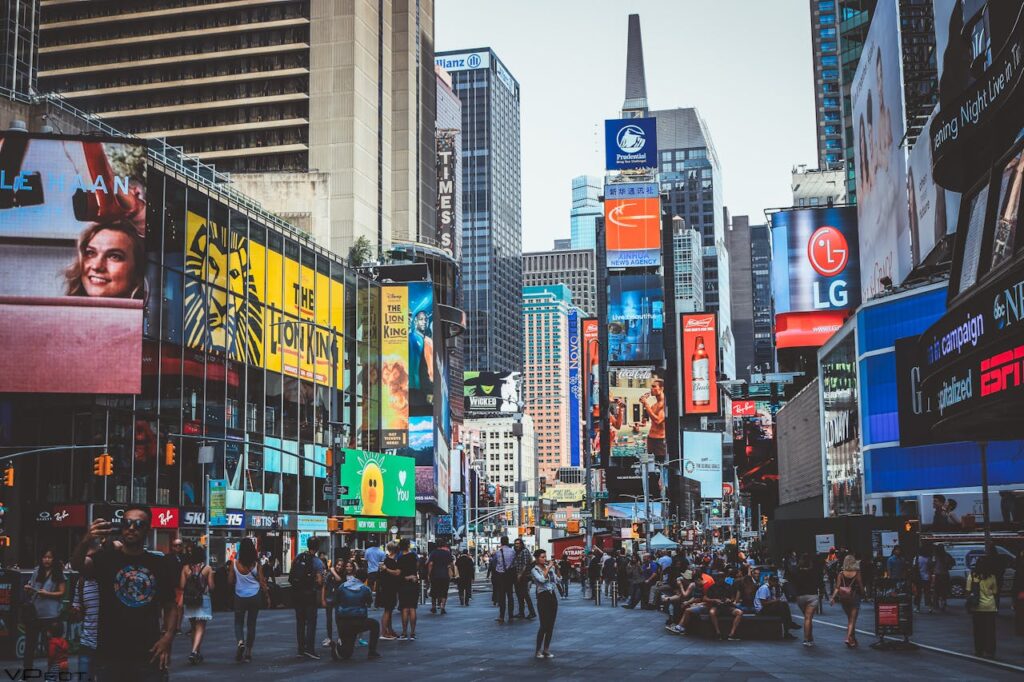
Times Square remains one of the most iconic tourist destinations in the U.S., but it is increasingly crowded and commercialized. Visitors often encounter heavy foot traffic, high prices, and aggressive street vendors. While the bright lights and Broadway theaters remain appealing, the area can feel chaotic and overwhelming. Travelers seeking a more authentic New York experience may prefer quieter neighborhoods with cultural charm.
Las Vegas Strip, Nevada
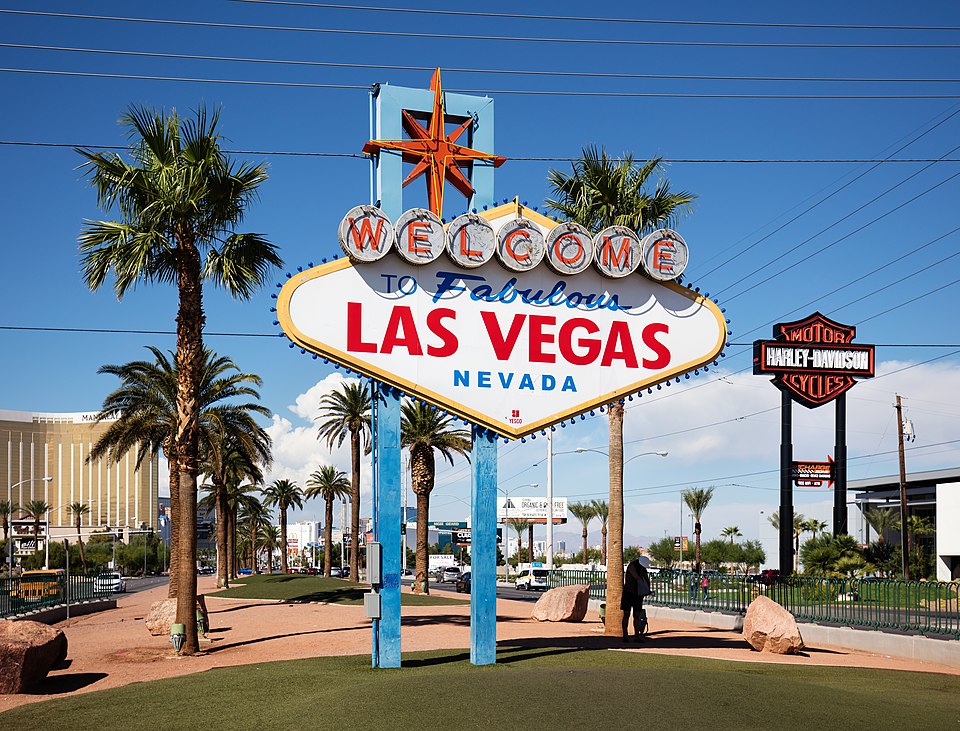
The Las Vegas Strip is synonymous with entertainment and nightlife, but it also presents challenges such as high costs, congestion, and commercial saturation. Casinos, hotels, and themed resorts dominate the landscape, leaving little room for local culture. Some visitors find the environment exhausting rather than exciting. Considering alternative attractions nearby can offer a more relaxed and unique experience.
Waikiki Beach, Hawaii
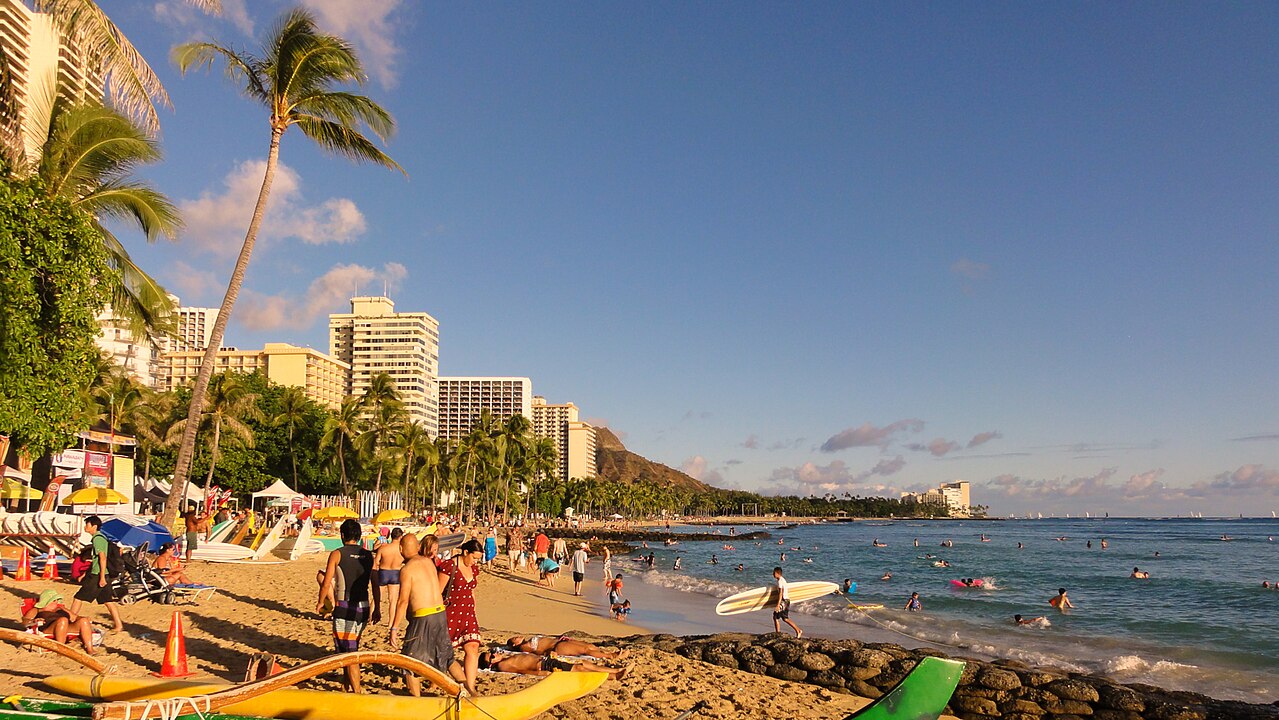
Waikiki Beach in Honolulu is famous worldwide for its stunning shoreline and surfing opportunities. However, it struggles with overcrowding, pollution, and high tourist fees. The influx of visitors can disrupt local ecosystems and make access to prime beach spots competitive. Travelers seeking a quieter, more authentic Hawaiian experience may benefit from exploring lesser-known islands and beaches.
Grand Canyon Village, Arizona
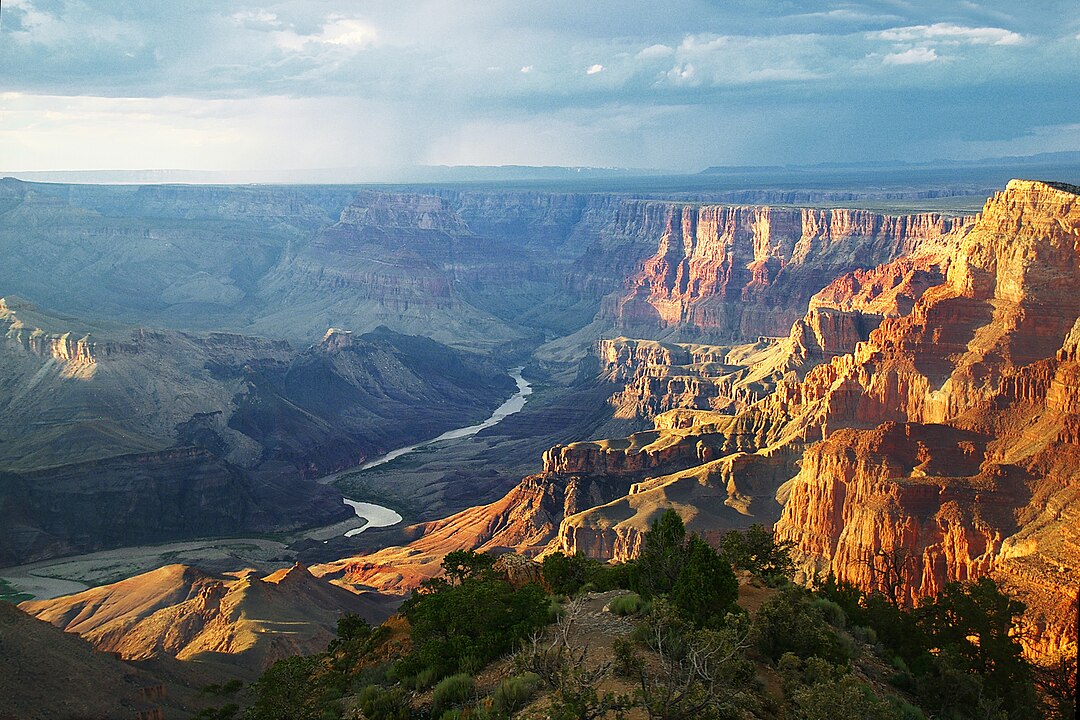
Grand Canyon Village is the main hub for visiting the South Rim, but it has become highly congested during peak seasons. Parking, accommodations, and viewpoints can be overwhelmed by crowds. While the natural beauty remains breathtaking, the visitor experience may feel rushed or impersonal. Alternative rim trails or off-season visits can provide a more serene experience.
Miami Beach, Florida
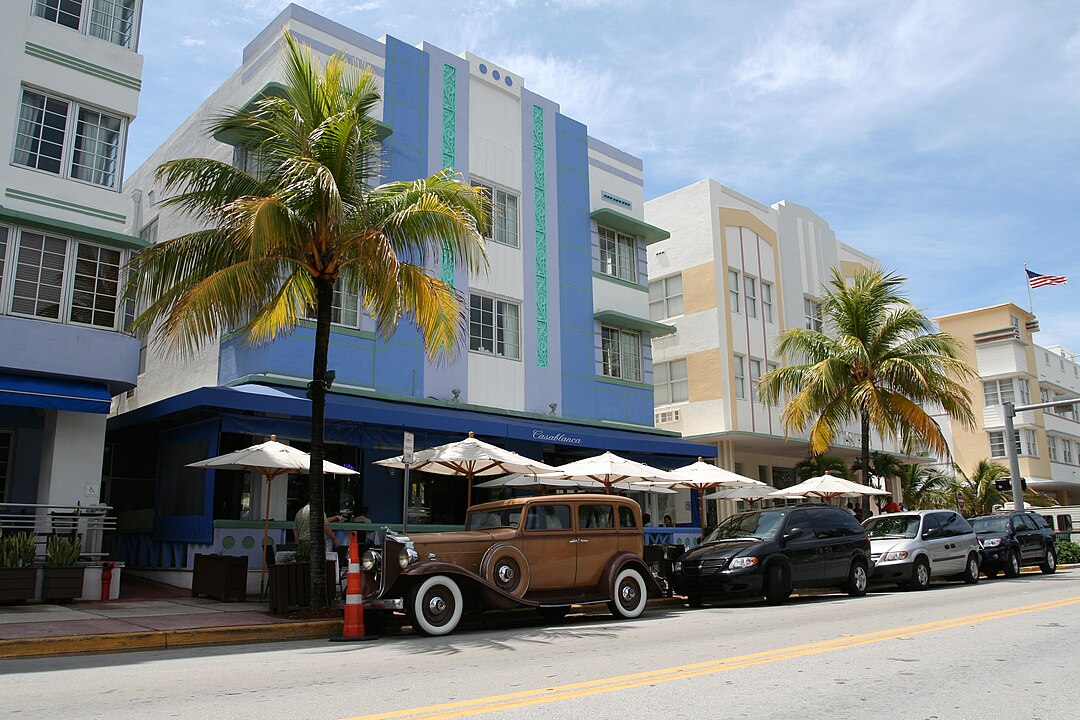
Miami Beach is renowned for its vibrant nightlife and oceanfront resorts, yet it faces rising costs and environmental strain. Heavy tourism contributes to beach erosion and crowded streets, affecting visitor comfort. While its Art Deco architecture remains iconic, travelers looking for calm may consider quieter beaches or nearby coastal towns that offer a more relaxed atmosphere.
Hollywood Boulevard, California
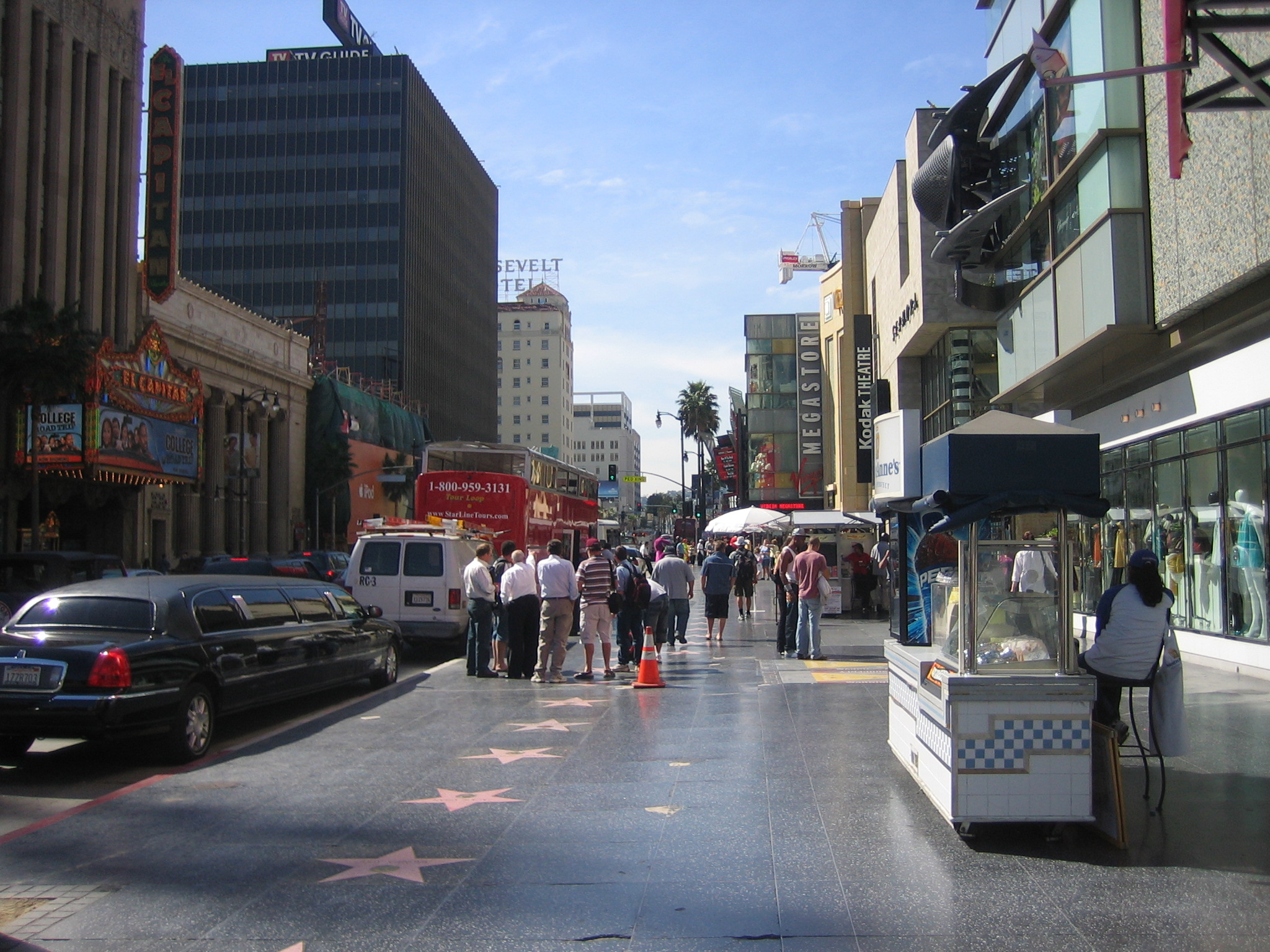
Hollywood Boulevard draws tourists with its Walk of Fame and entertainment landmarks, but the area has become heavily commercialized. Street performers, souvenir vendors, and traffic congestion can detract from the experience. For travelers seeking meaningful cultural experiences, local theaters, museums, and historic neighborhoods may provide a richer perspective on Hollywood’s history.
Myrtle Beach, South Carolina
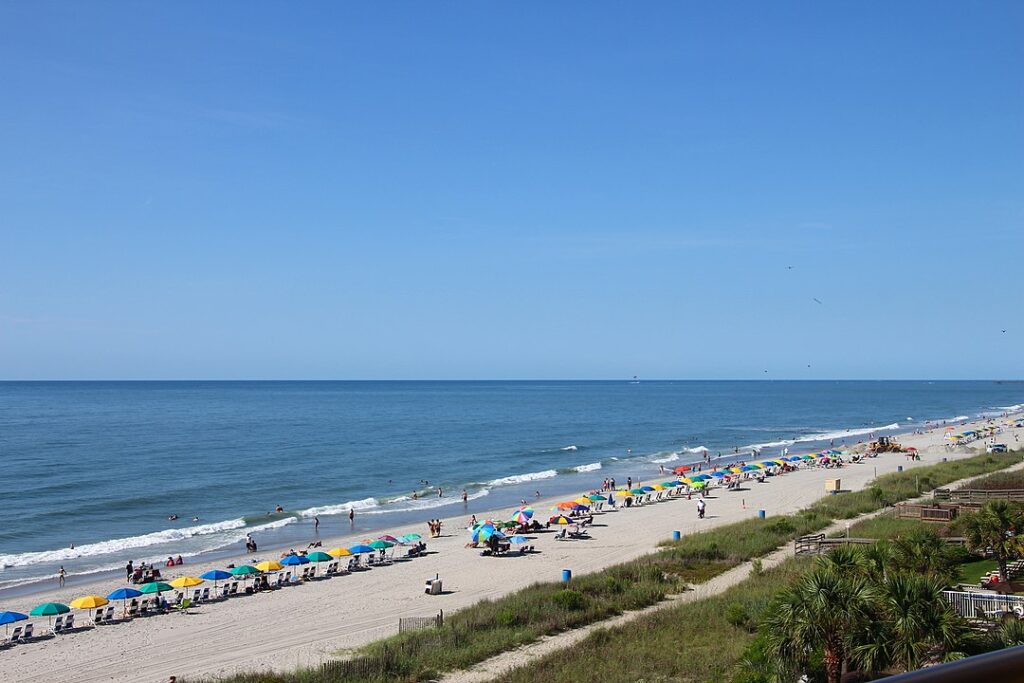
Myrtle Beach is a long-standing family vacation destination, yet overcrowding, low-quality accommodations, and repetitive attractions can diminish its appeal. The area is heavily commercialized, with chain restaurants and souvenir shops dominating the coastline. Exploring smaller nearby coastal towns can offer a more relaxed and authentic experience while still enjoying beaches and local culture.
Gatlinburg, Tennessee
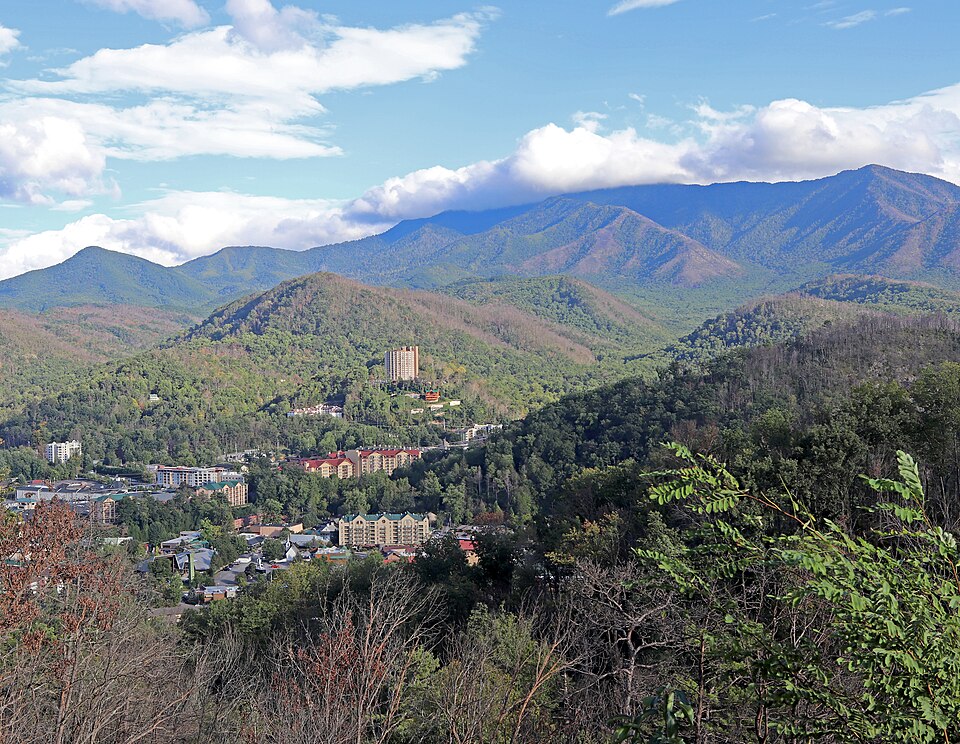
Gatlinburg provides easy access to the Great Smoky Mountains but has become highly congested with tourist traffic. Crowded streets and overdeveloped areas can make natural exploration challenging. While the surrounding mountains are still beautiful, off-the-beaten-path trails and neighboring towns often offer a more tranquil, immersive experience.
Waikoloa Village, Hawaii
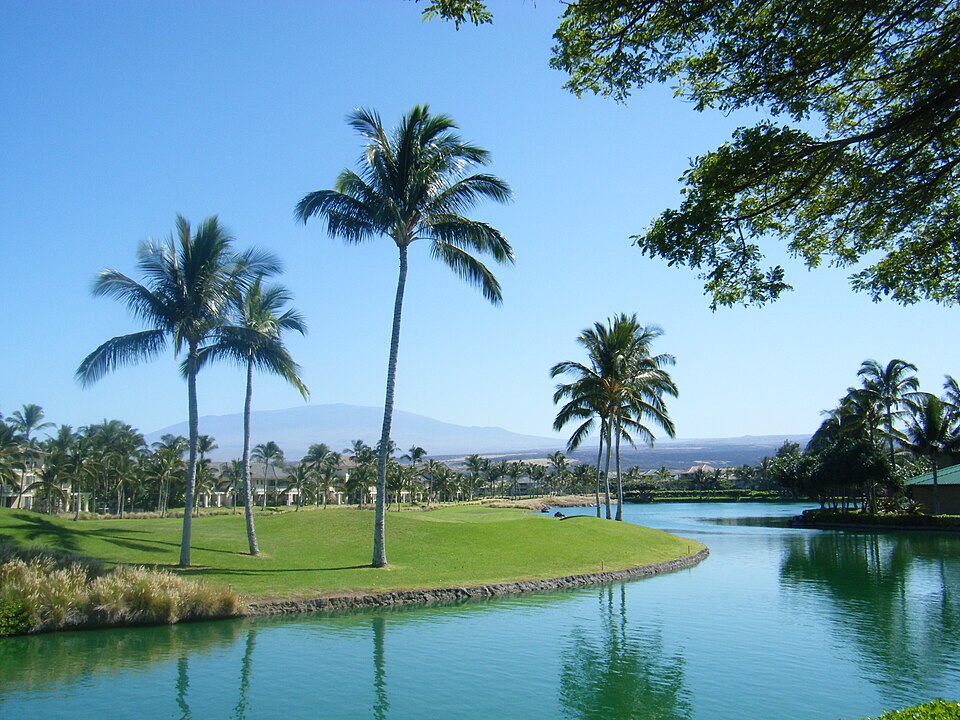
Waikoloa Village offers resort-style accommodations but can feel detached from authentic Hawaiian culture. High-rise hotels and commercial centers dominate the landscape. For travelers seeking meaningful local interactions and cultural experiences, visiting traditional Hawaiian towns or smaller islands may provide a more enriching visit while reducing environmental impact.
Times Square of Orlando, Florida
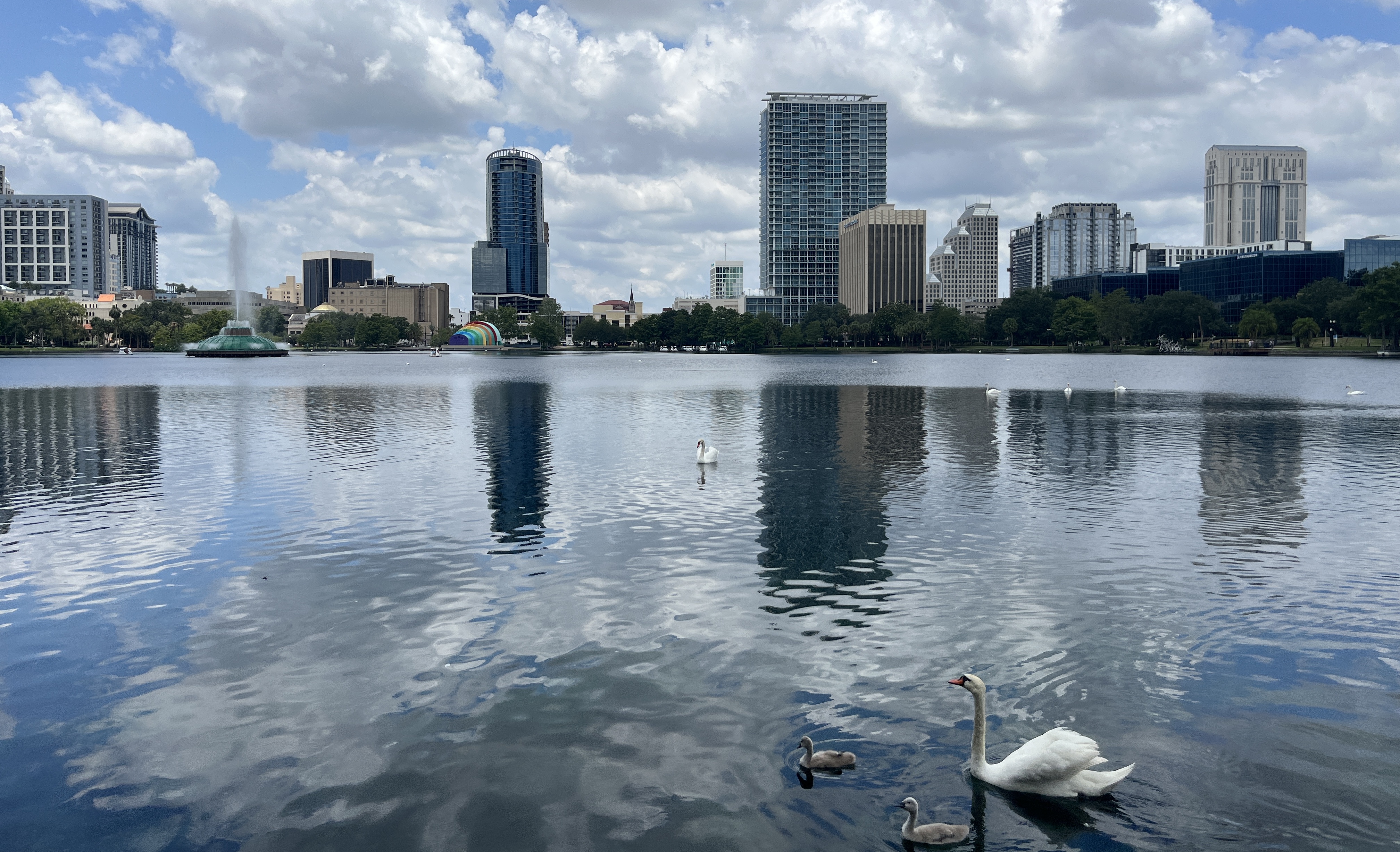
Orlando’s major tourist hubs, including theme park centers, attract massive crowds and inflated prices. Wait times, parking struggles, and crowded attractions can diminish enjoyment. While theme parks remain entertaining, exploring less congested parks or local natural attractions can provide a more balanced and satisfying experience.
San Francisco’s Fisherman’s Wharf, California
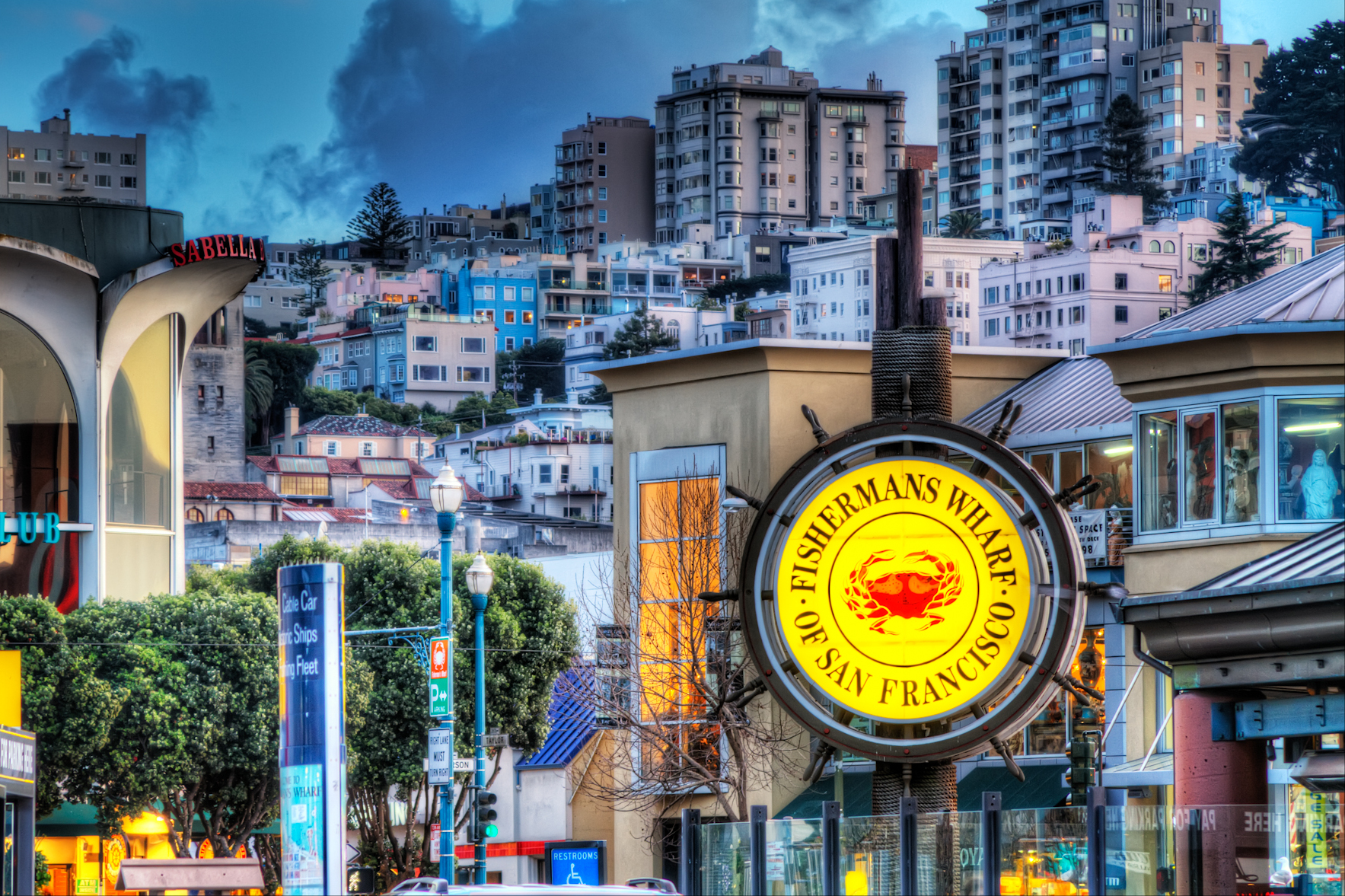
Fisherman’s Wharf draws visitors with seafood and scenic waterfront views, yet it faces high commercialization and congestion. Street performers and tourist-focused shops dominate the experience. Exploring lesser-known neighborhoods, markets, or hidden coastal spots often delivers a more authentic and relaxed San Francisco visit.
Ocean City, Maryland
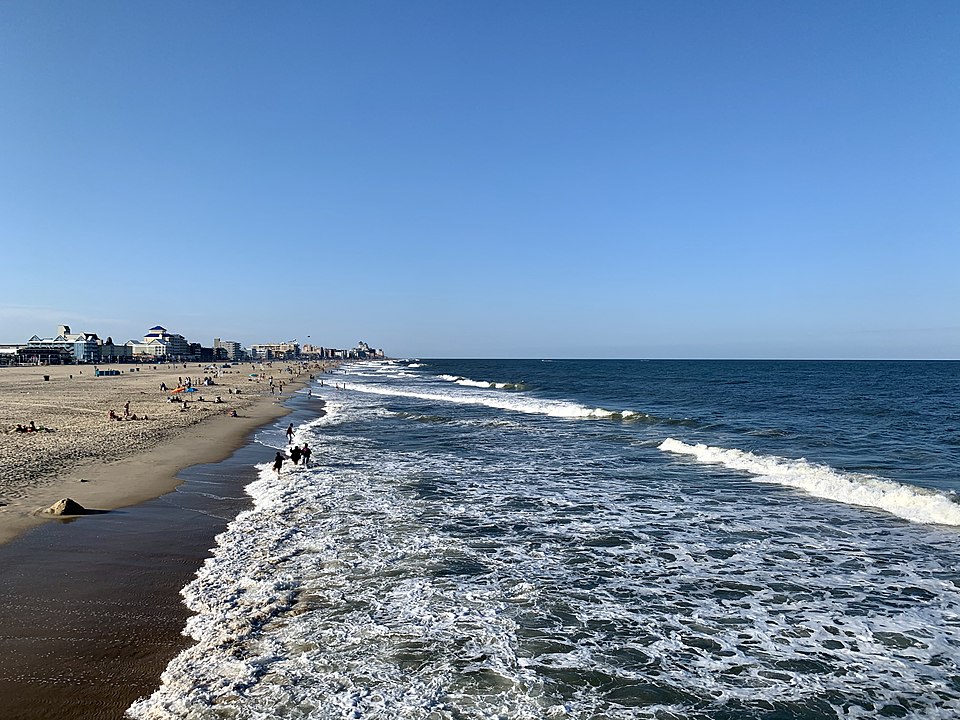
Ocean City has been a popular East Coast beach destination, but overcrowding and commercialization can reduce its charm. Boardwalk crowds, traffic jams, and high seasonal prices affect visitor comfort. Nearby smaller beaches and coastal towns often offer similar experiences without the hassle, making them attractive alternatives.
Times Square of Chicago (Navy Pier), Illinois
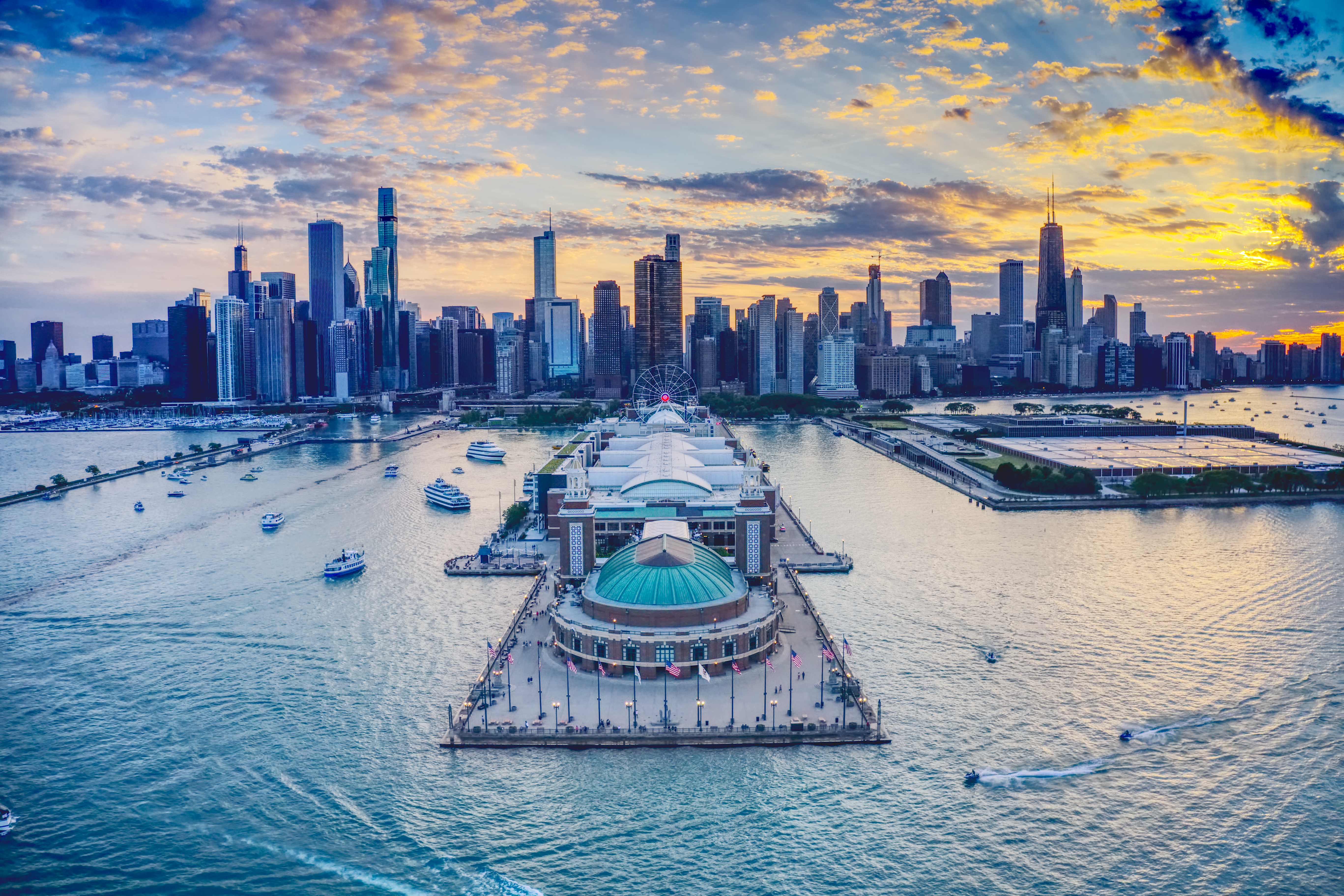
Chicago’s Navy Pier is a major attraction but struggles with crowding and commercial saturation. Ticketed events, restaurants, and souvenir shops dominate the area, often overshadowing scenic views of Lake Michigan. Visiting other waterfront areas, parks, or cultural districts provides a more relaxed and immersive city experience.