
Many first-time American visitors arrive in Europe full of excitement, only to discover that the continent requires a slightly different travel mindset. From cultural nuances to practical planning oversights, these mistakes can turn an otherwise magical trip into a stressful one. Understanding these common pitfalls helps travelers enjoy Europe the way it’s meant to be experienced—slow, intentional, and filled with rich encounters.
Expecting Everything to Be Open 24/7
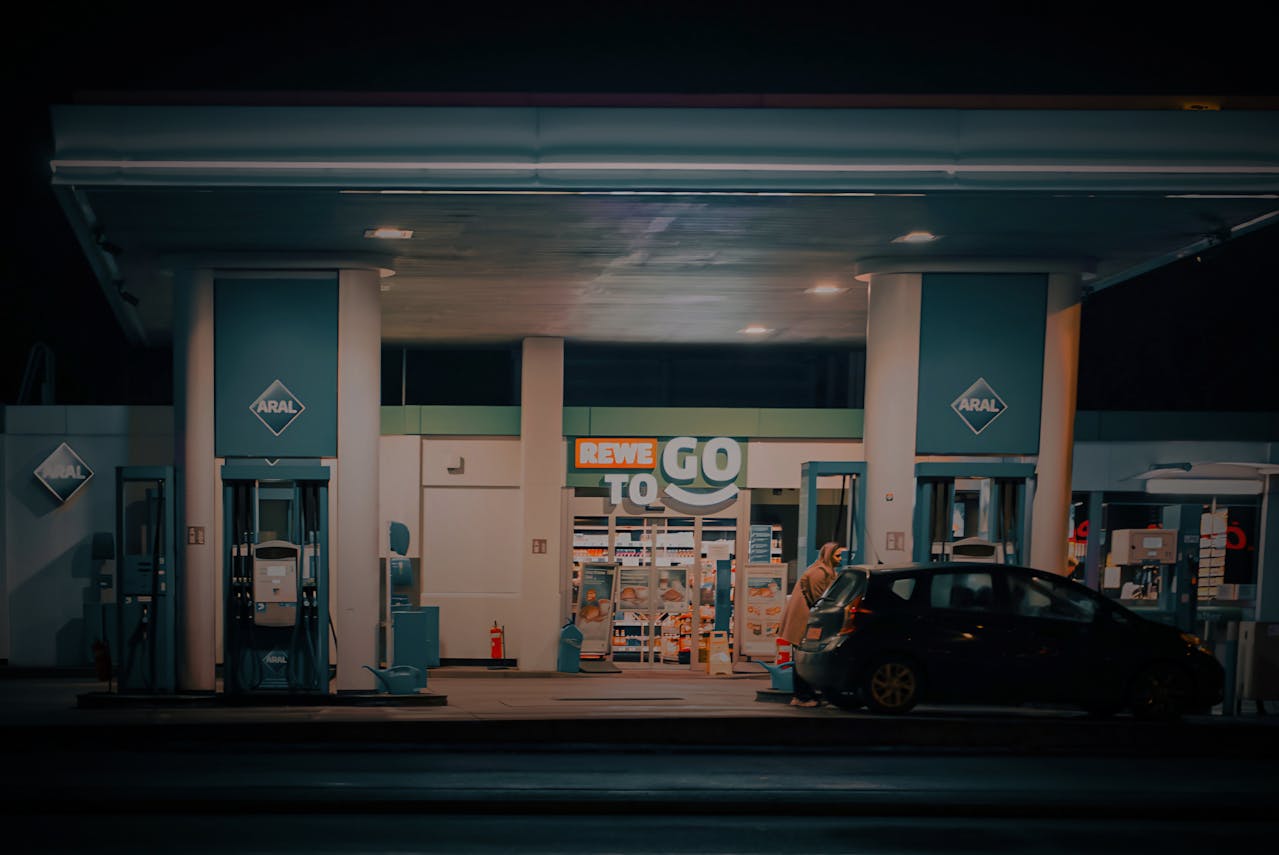
Many American travelers are used to stores and restaurants operating late into the night. In Europe, small towns often shut down early, and even major cities hold shorter hours on Sundays. This can be surprising when someone wants a late meal or last-minute shopping. Planning ahead avoids unnecessary frustration.
Packing Too Much

Overpacking is one of the most common issues because Europe’s cobblestone streets and older buildings make maneuvering heavy luggage difficult. Travelers often regret dragging multiple suitcases onto trains and up steep staircases in hotels without elevators. A lighter load means greater freedom and comfort. Minimal packing improves the overall experience dramatically.
Not Learning Basic Local Phrases

While many Europeans speak English, relying solely on it can come across as rude or entitled in certain regions. Even a simple “hello” or “thank you” in the local language goes a long way. Americans often regret not preparing a few basic phrases. It makes interactions smoother and more respectful.
Relying Too Much on Cars

Renting a car may seem natural for Americans, but many European cities are built for pedestrians and public transit. Narrow streets, expensive parking, and unfamiliar road rules cause stress for first-time visitors. Using trains and metros is usually faster and far more convenient. Many regret not embracing Europe’s efficient transit networks.
Skipping Travel Insurance
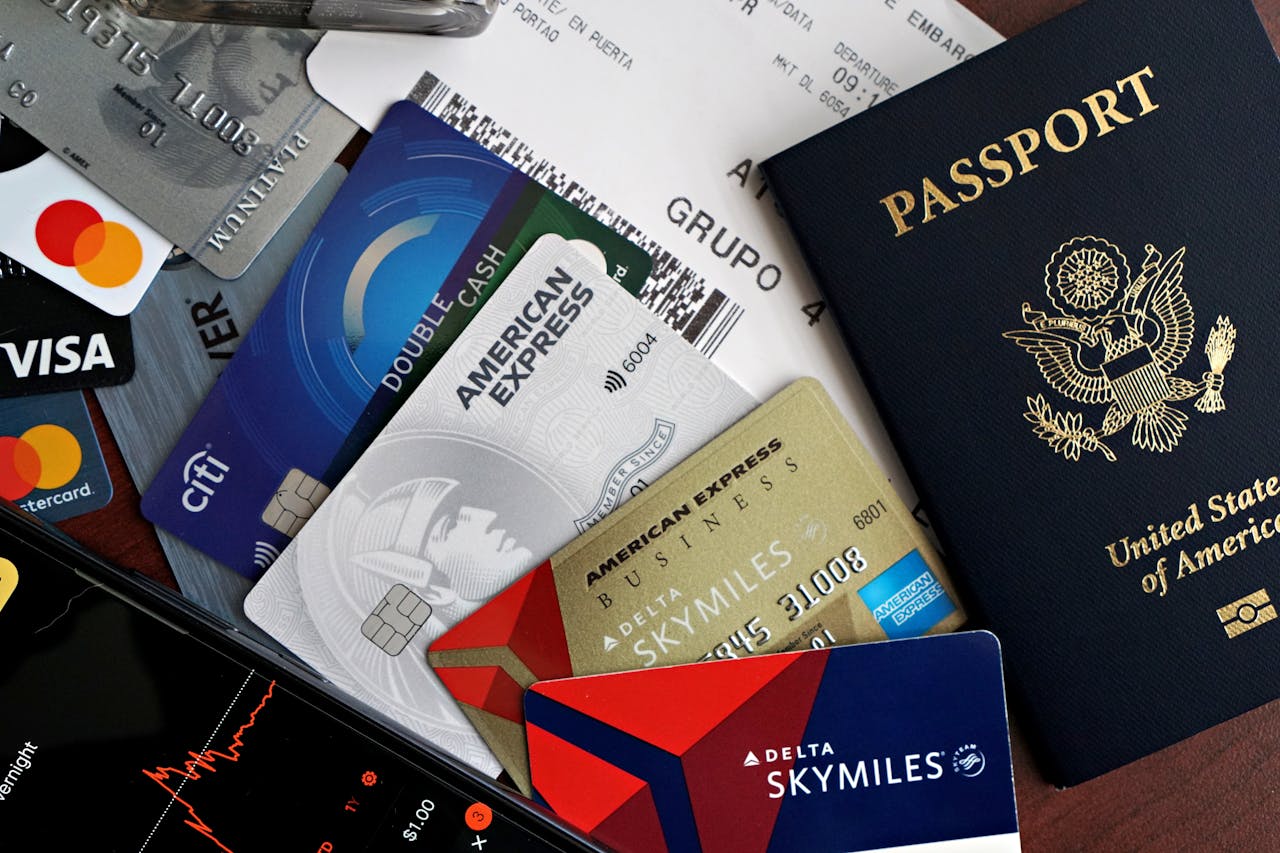
While not always needed in the U.S., insurance is particularly valuable in Europe due to medical costs, lost luggage issues, and unpredictable events. Some travelers assume it’s unnecessary and later face costly setbacks. A little preparation goes a long way. It offers peace of mind throughout the trip.
Eating Only Near Major Tourist Sites
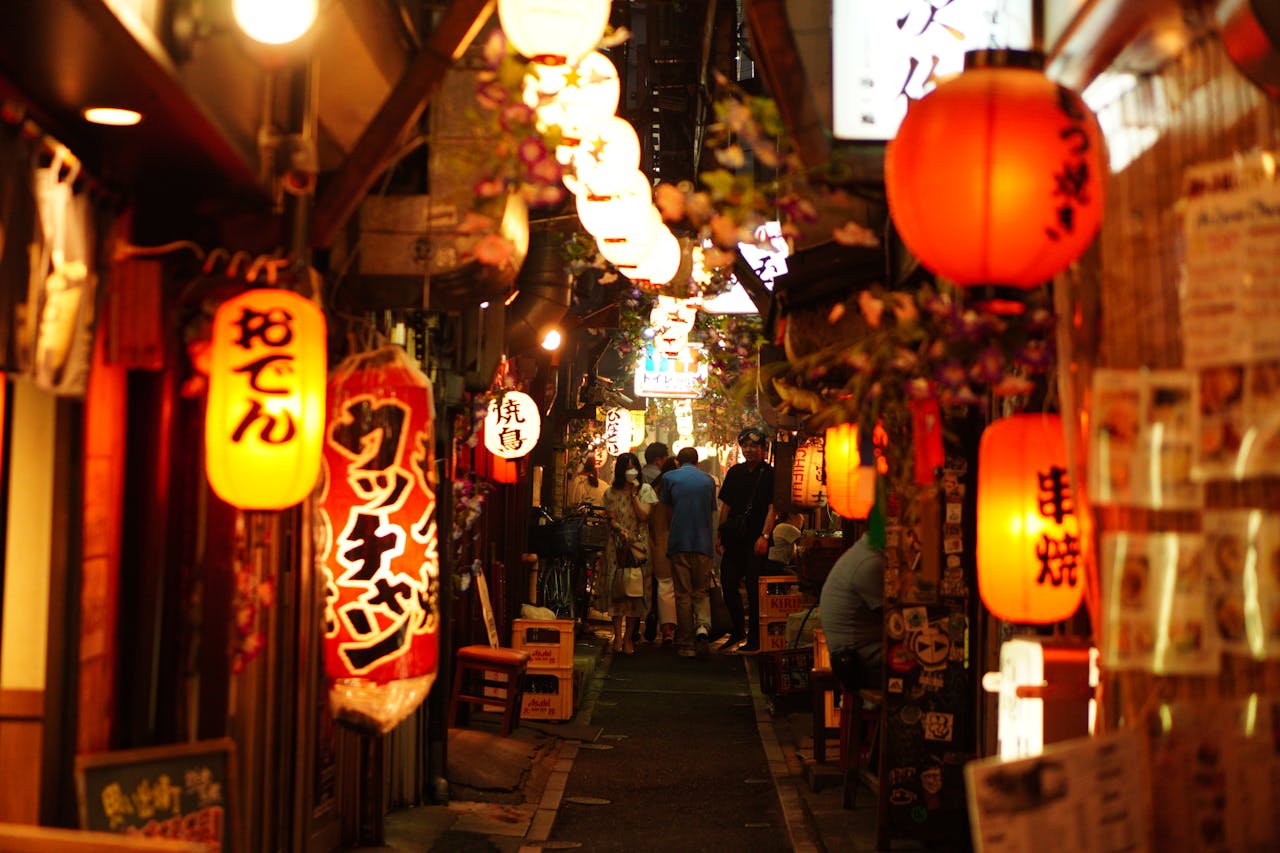
Restaurants near iconic attractions tend to be overpriced and lower in quality. Americans often fall into the convenience trap, missing out on authentic cuisine in local neighborhoods. A short walk can lead to much better meals. Exploring beyond the main squares leads to richer culinary memories.
Trying to See Too Many Countries at Once

Europe is compact, but rushing through multiple destinations in one trip leaves little time for genuine enjoyment. Many travelers regret spending their vacation on trains and airports instead of absorbing local culture. Slowing down creates stronger memories. Depth often beats speed.
Ignoring Local Etiquette

Simple behaviors such as tipping norms, greetings, or quietness in public spaces vary across Europe. Americans sometimes stand out by being overly loud or casual in environments that value subtlety. Respecting local customs improves interactions immensely. It also reduces the chance of awkward moments.
Using Cash Too Little
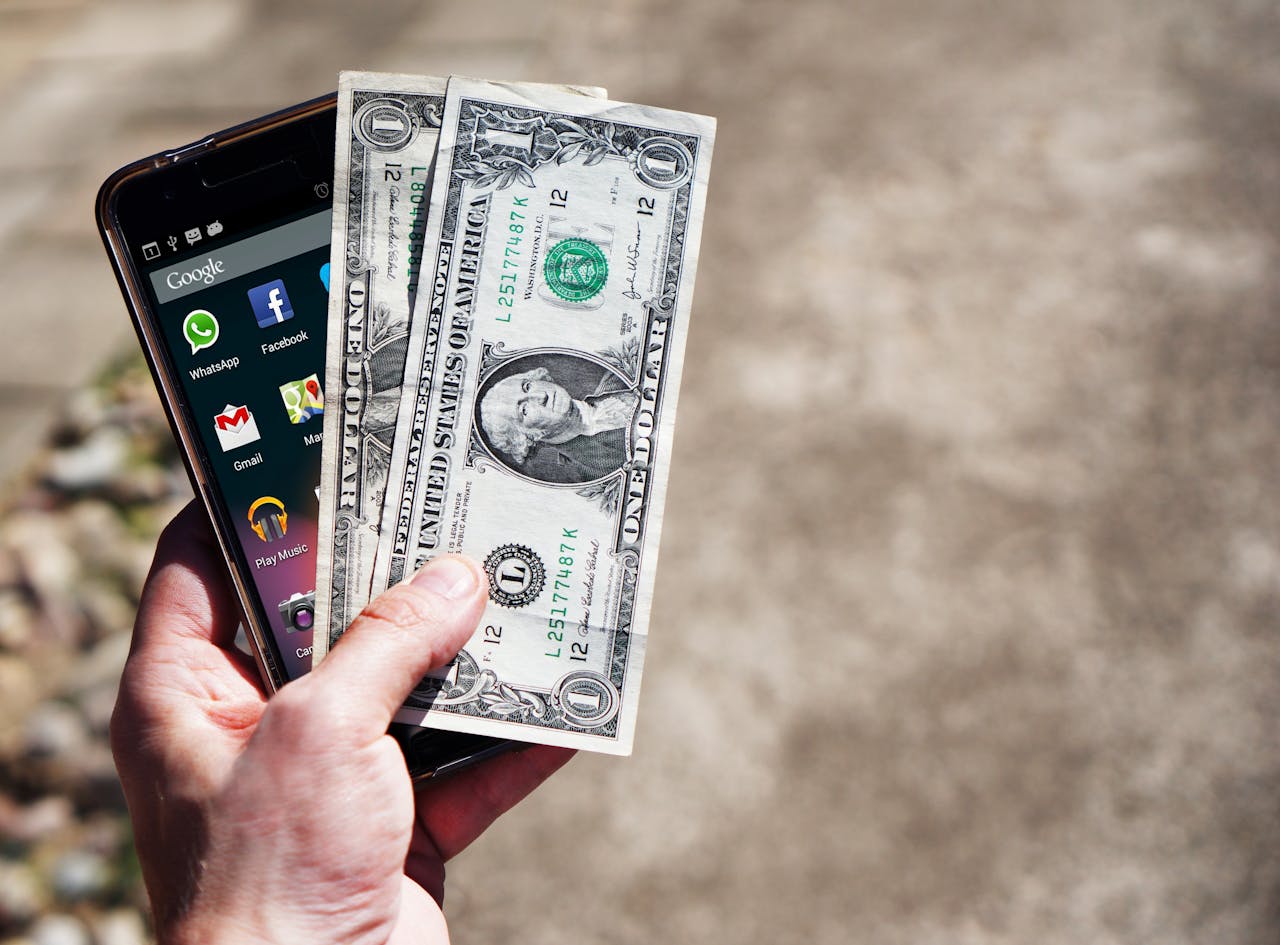
While cards are widely accepted, some smaller European stores still prefer cash. Travelers who rely solely on cards may find themselves stuck. Carrying a small amount of local currency avoids unnecessary stress. It’s a simple precaution that pays off.
Ordering Tap Water Everywhere

Americans often assume tap water is freely offered, but many European restaurants charge for bottled water. Some travelers feel confused or frustrated by this norm. Understanding the custom helps avoid misunderstandings. It’s simply part of European dining culture.
Not Checking Local Holidays
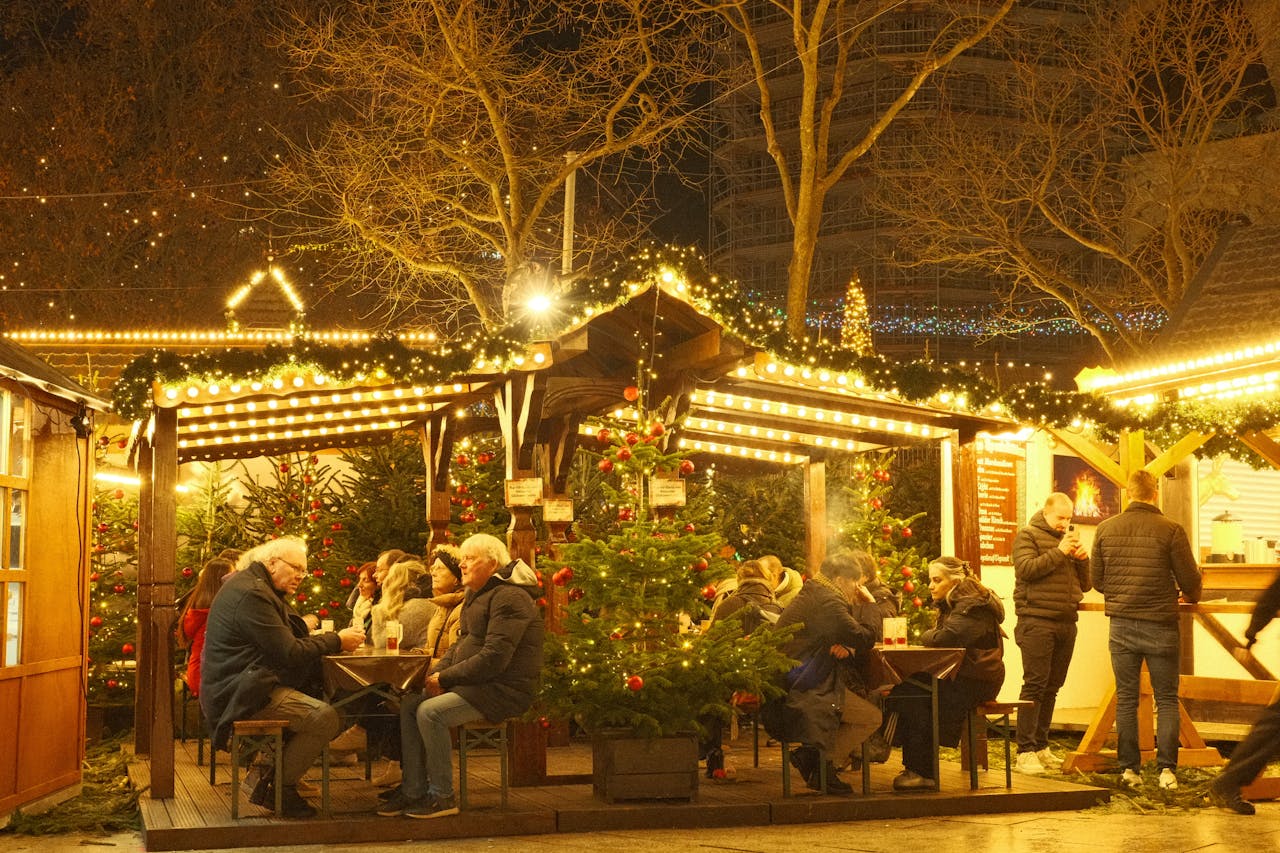
Local festivals, holidays, and strikes can impact transportation or attraction schedules. Many first-time travelers fail to research these events and face unexpected closures or delays. Being aware of the calendar helps avoid unwelcome surprises. It also opens opportunities to enjoy vibrant local celebrations.
Expecting Air Conditioning Everywhere

Air conditioning is far less common in Europe than in the U.S. Americans traveling during summer may be shocked by warmer hotel rooms. Choosing accommodations carefully prevents discomfort. Awareness helps set realistic expectations.
Forgetting That Toilets May Not Be Free
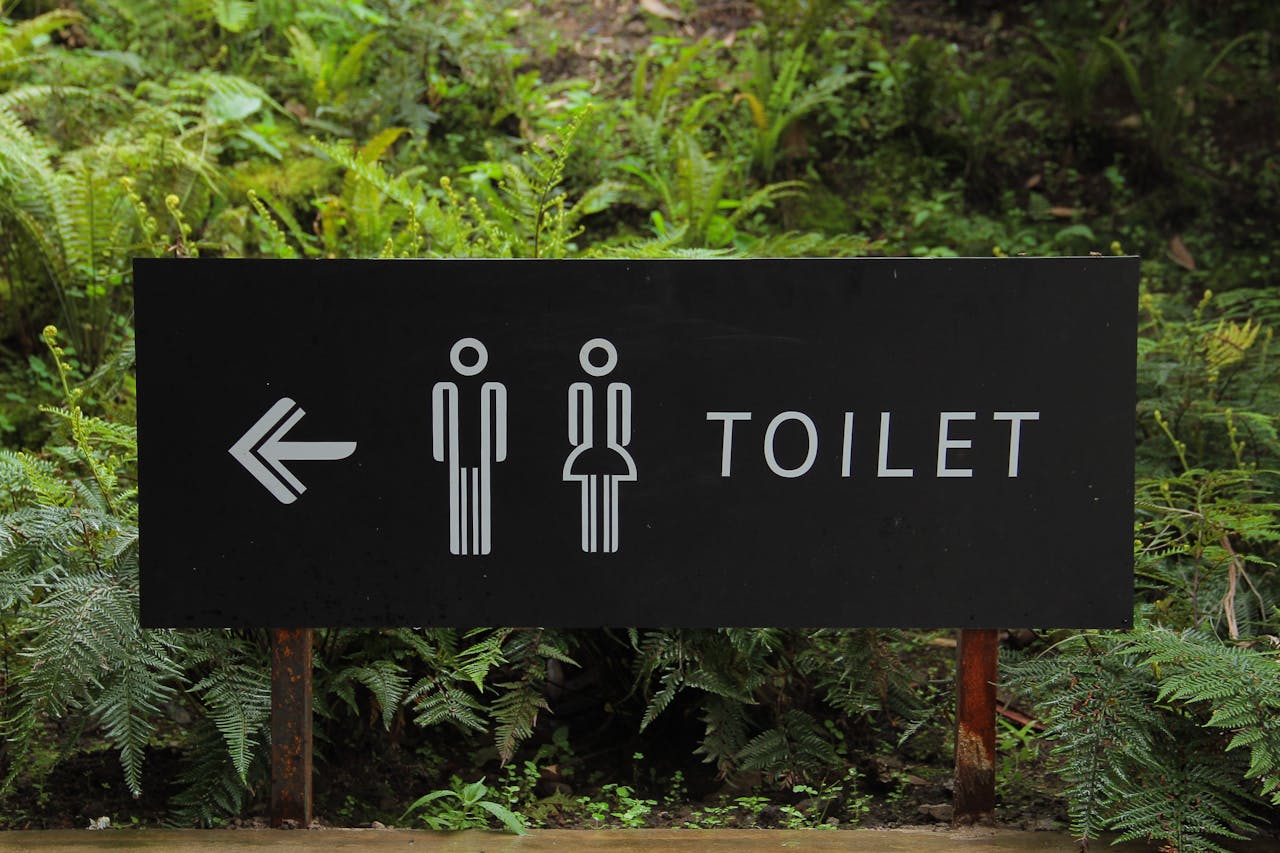
Public restrooms often require a small fee, especially in train stations and busy areas. This catches many Americans off guard. Keeping coins handy solves the issue. It’s simply part of traveling smoothly across Europe.