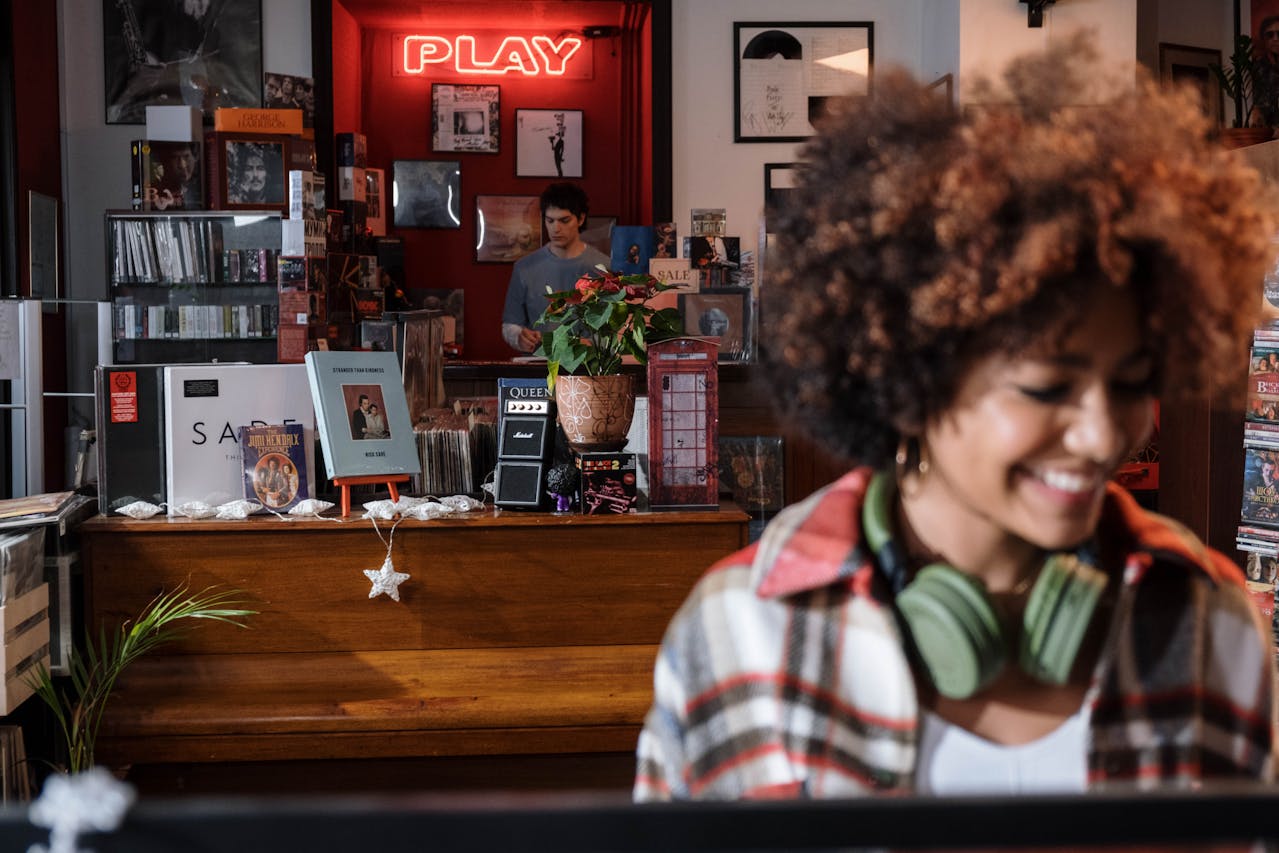
Every generation leaves behind the habits and symbols that defined its youth, and for millennials, that goodbye has been particularly bittersweet. Born into an analog world and thrust into a digital one, they’ve watched entire industries, trends, and traditions fade before their eyes. From tech relics to social customs, these are the things millennials have let go of, for better or worse.
CDs and Physical Music Collections
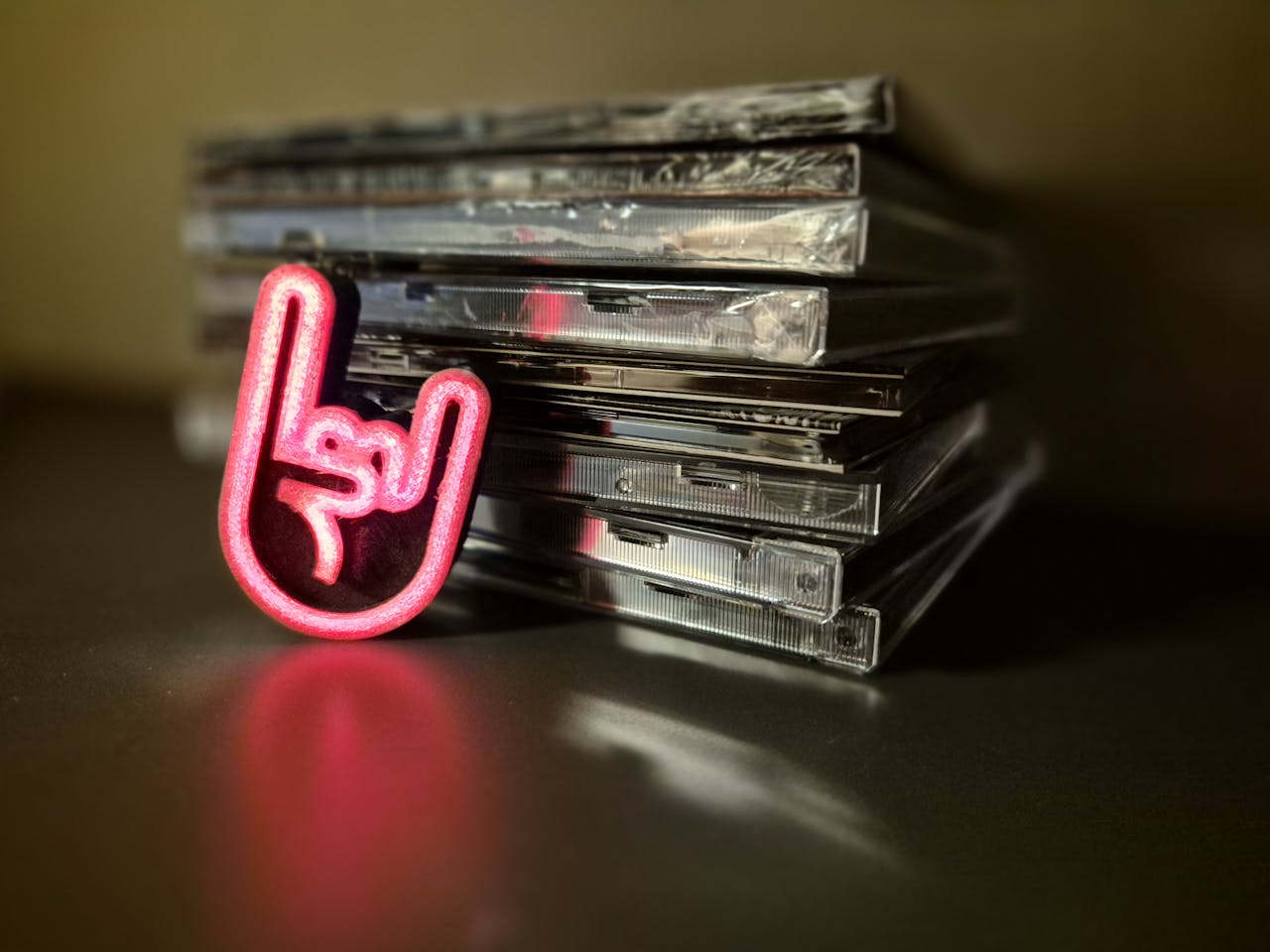
The once-treasured CD towers of the early 2000s have become obsolete. Streaming services replaced the ritual of flipping through albums and reading liner notes. While convenience won, something was lost, the emotional bond between listener and collection. Music became infinite, but somehow less personal.
Landline Phones
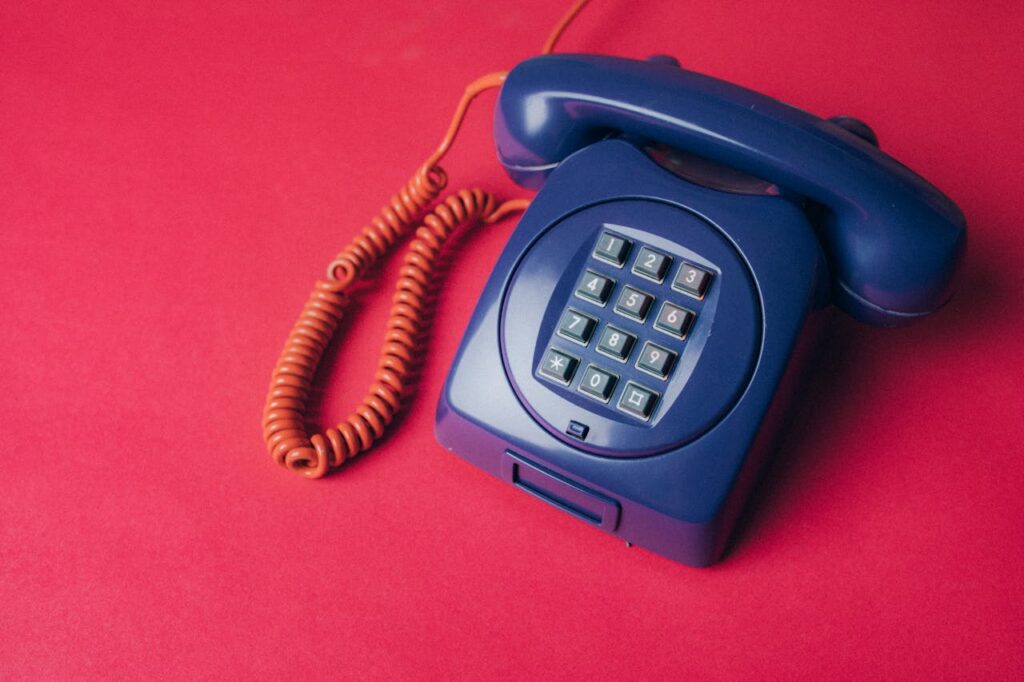
The classic home phone, with its tangled cords and busy signals, is gone from millennial life. Texting and mobile devices redefined how people connect. The idea of answering a ringing phone without knowing who’s calling now feels archaic. Communication became faster, but also more fleeting.
Cable Television
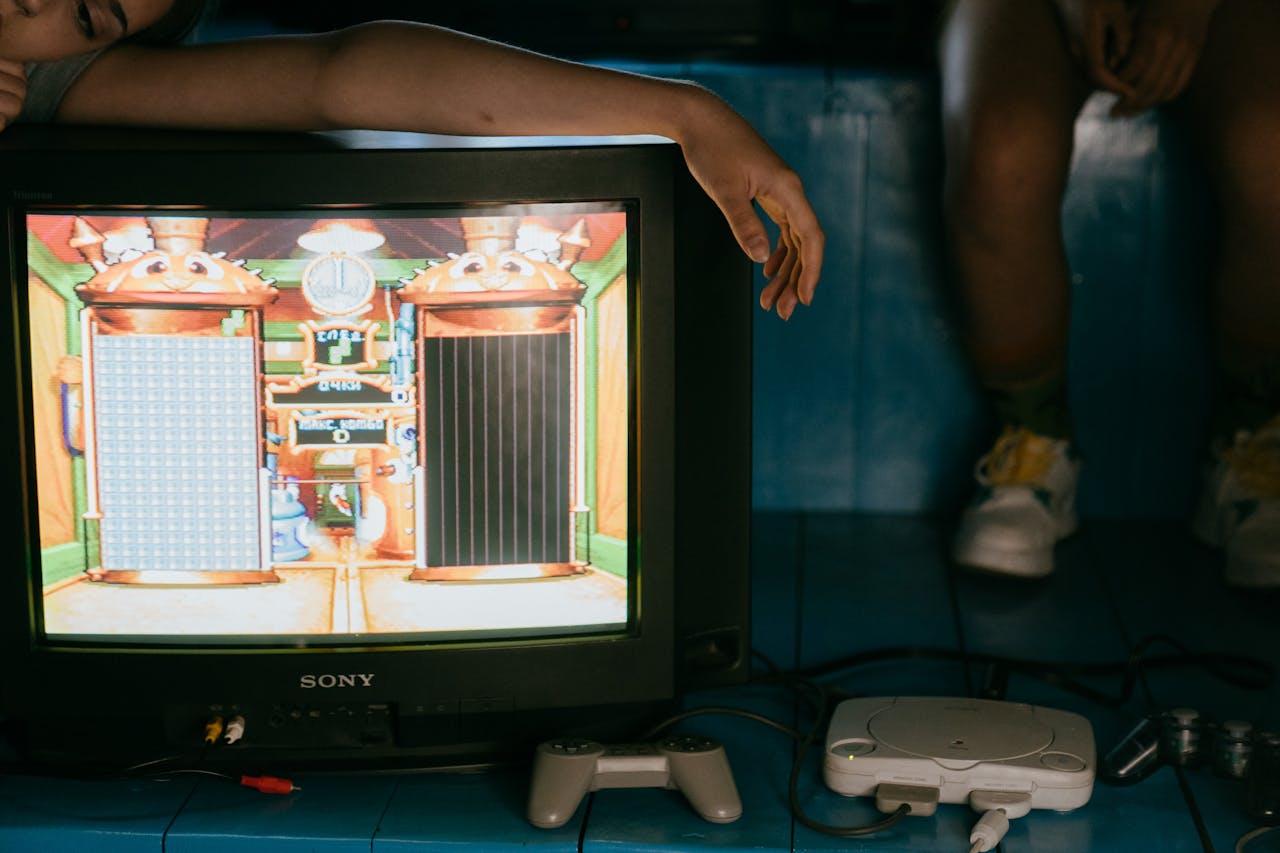
Binge-watching replaced scheduled programming, and streaming services toppled the cable monopoly. Millennials said farewell to channel surfing and overpriced cable bundles. Instead, they curate their own entertainment menus. Freedom came with one tradeoff, too many subscriptions to manage.
Shopping Malls

Once the social heart of suburban life, malls have dwindled into nostalgia. Online shopping and shifting social habits made weekend mall trips rare. Millennials remember food courts, movie theaters, and window-shopping as rites of youth. Now, retail is a digital experience, not a destination.
Paper Maps and Printed Directions

Millennials were the first to swap atlases for GPS. What was once an adventure in navigation became a simple voice command. While no one misses being lost on backroads, the charm of unfolding a map and tracing a route by hand disappeared. The digital world took the guesswork out of getting lost.
Film Cameras and Photo Albums

Disposable cameras and printed photo albums have faded from daily life. Instant uploads and cloud storage made sharing easier but memories less tangible. There was magic in waiting for film to develop, an anticipation modern photography lacks. The millennial farewell to film marked the end of tactile memory-keeping.
Handwritten Letters
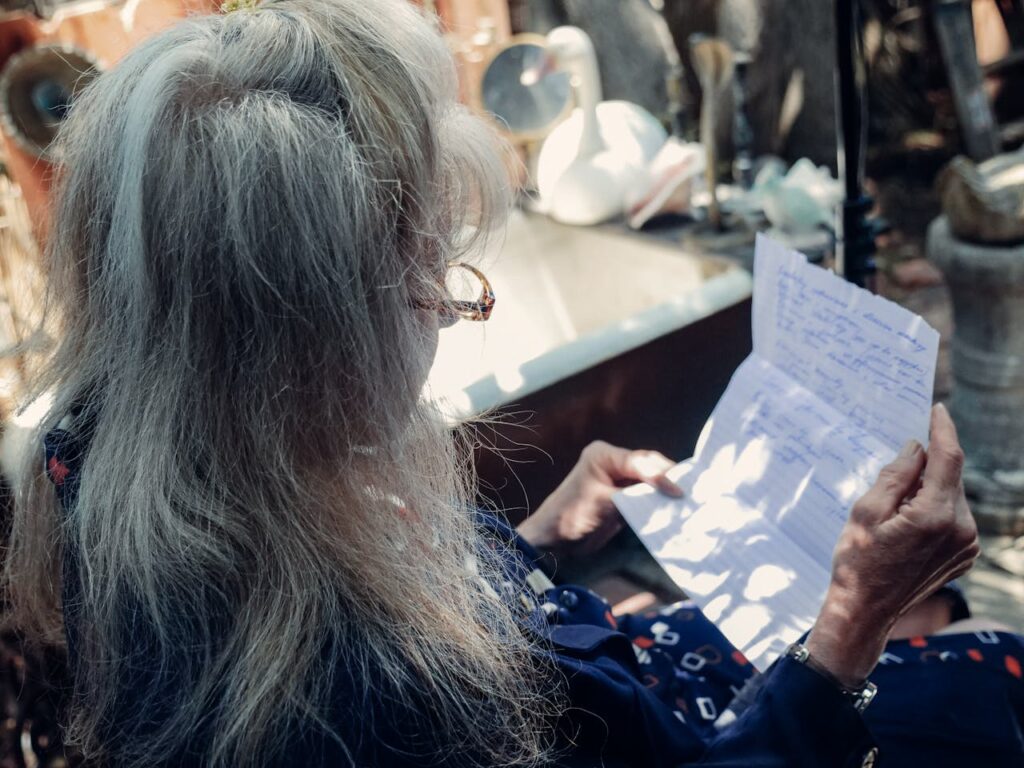
Emails and messaging apps ended the art of letter writing. Millennials grew up writing notes and postcards but transitioned to quick digital communication. The personal touch, the handwriting, the stamps, the waiting, vanished. Connection became immediate, but perhaps less heartfelt.
The Compact Digital Camera
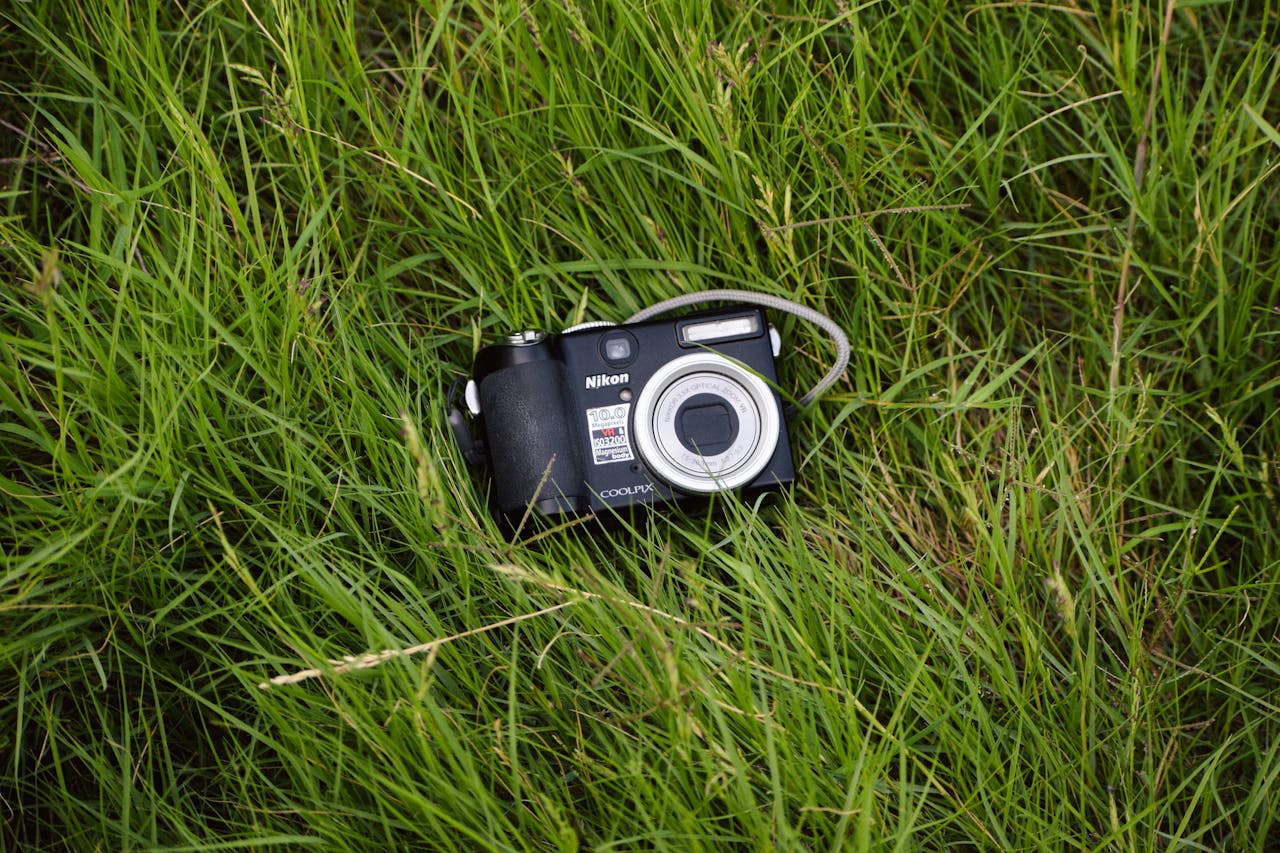
For a brief era, digital cameras defined vacations and college parties. But smartphones absorbed their purpose completely. The excitement of transferring photos to a computer has been replaced by instant sharing. The pocket camera went extinct, absorbed by convenience.
MySpace and Early Social Media

Before Facebook and Instagram, MySpace ruled millennial social life. Custom HTML layouts and music tracks made every page unique. But its fall marked the end of the internet’s messy, creative phase. Social media became sleeker, but also more performative.
Chain Bookstores
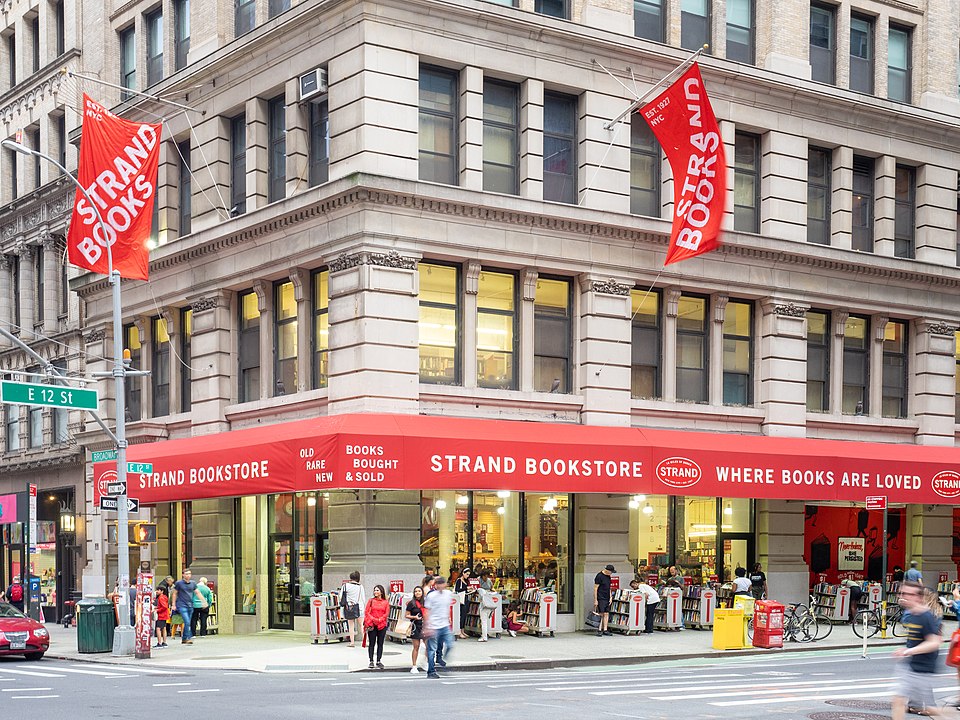
Millennials watched beloved bookstores like Borders and Waldenbooks disappear. While e-readers and online retailers made reading more accessible, they erased the sensory joy of browsing shelves. Bookstores were sanctuaries of discovery. Losing them felt like losing a piece of quiet culture.
Print Magazines and Newspapers

Once a daily ritual, printed media became a luxury or collector’s item. Millennials shifted to online news and digital subscriptions. Yet, flipping through glossy pages over morning coffee still carries nostalgia. The tactile rhythm of reading print simply couldn’t survive the age of instant updates.
The 9-to-5 Office Routine

The pandemic accelerated a shift millennials were already craving, flexibility over routine. Traditional office jobs with strict hours are fading as remote and hybrid models dominate. The goodbye to cubicle culture reflects a generation’s redefinition of success. Work-life balance became more valuable than corner offices.
Owning for the Sake of Ownership

Perhaps the biggest farewell of all is the concept of accumulating stuff. Minimalism, financial caution, and the rise of subscription culture reshaped how millennials consume. Homes, cars, DVDs, everything became shareable or digital. The focus turned from possession to experience, marking a profound generational change.