
Before the convenience of streaming, entertainment required planning, patience, and sometimes sacrifice. Boomers and Gen X lived in a world where missing a favorite show or song meant waiting, rewinding, or hoping for a rerun. Music was discovered on the radio, movies required trips to theaters or rental stores, and discussions happened by phone or in person. These experiences created shared anticipation and a deeper connection to content. Life demanded attention and engagement, making media consumption deliberate, memorable, and social in ways streaming rarely replicates.
Waiting for Weekly TV Episodes
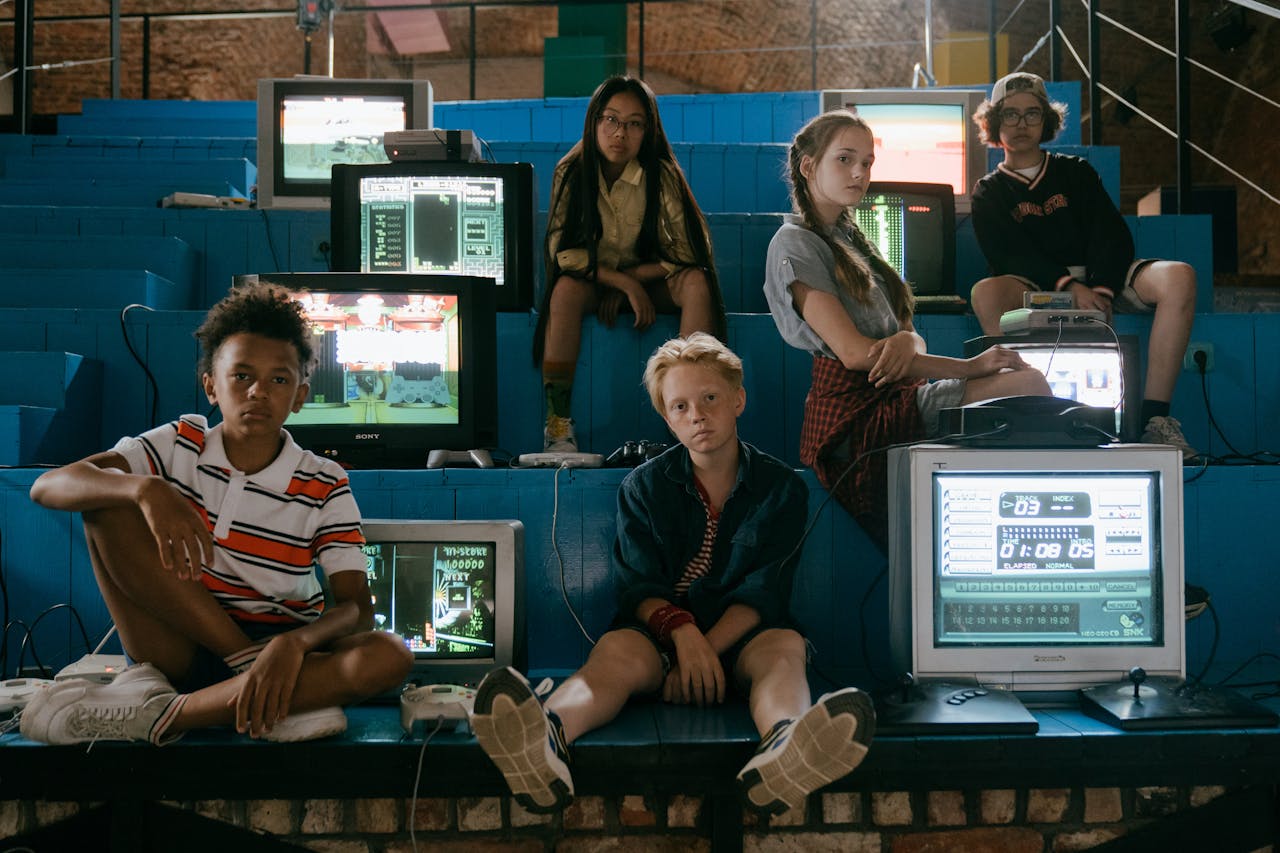
Television shows aired once a week, which meant viewers had to remember the exact day and time or risk missing the latest episode. Cliffhangers were suspenseful because there was no instant replay. Fans often discussed storylines in person or over the phone, sharing theories and excitement. Missing an episode sometimes required waiting for reruns or hoping a friend could recap events. This weekly rhythm built anticipation and made each installment an event, fostering patience and communal enjoyment that on-demand streaming has largely eliminated.
Recording on VHS Tapes
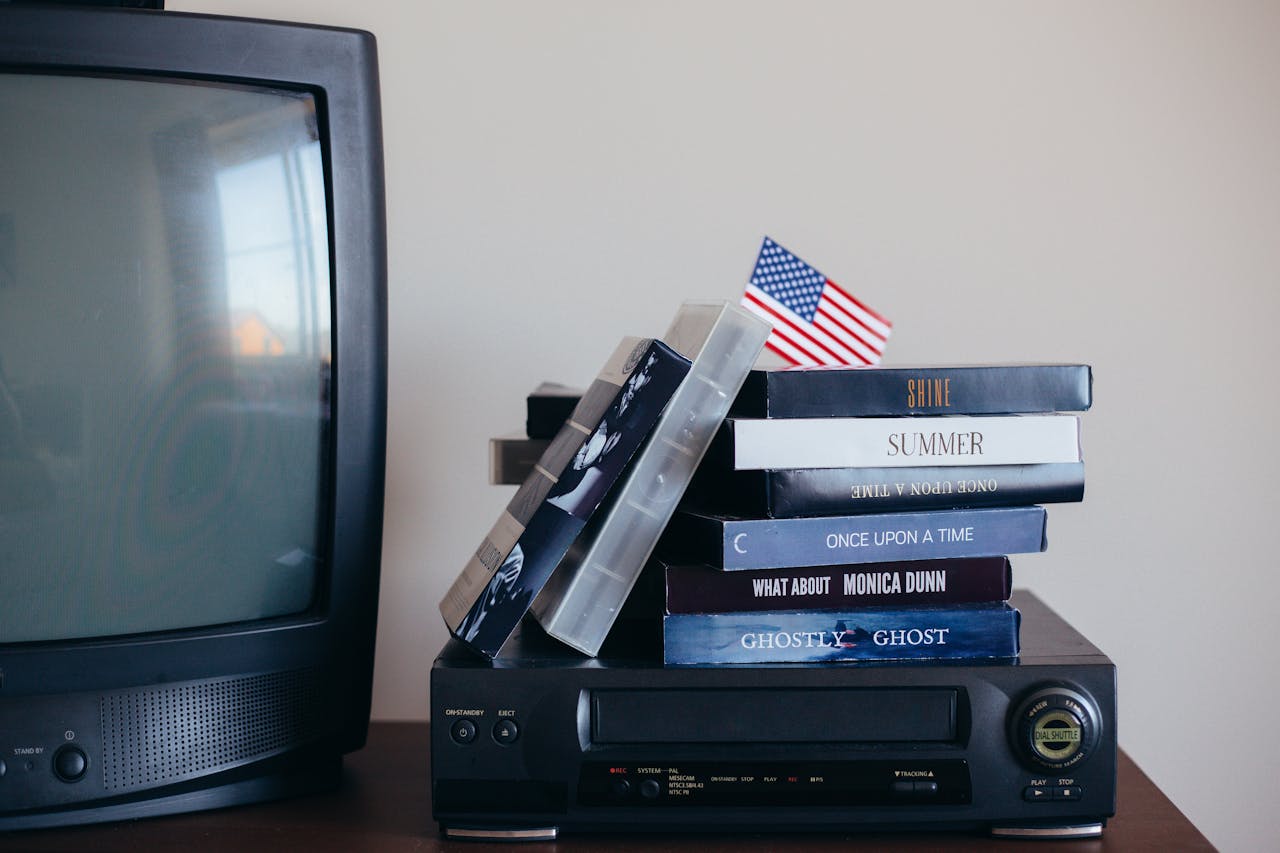
Recording shows involved carefully setting the VCR to the correct time, threading the tape properly, and making sure it would not run out mid-episode. Fast-forwarding through commercials and rewinding for returns added extra effort. Mistimed recordings meant losing content forever, so precision was crucial. This hands-on approach made the viewing process more active and involved, turning recorded episodes into treasures. Physical handling created a tactile bond with entertainment that modern digital libraries cannot replicate, making the experience more deliberate and memorable.
Renting Movies at the Video Store
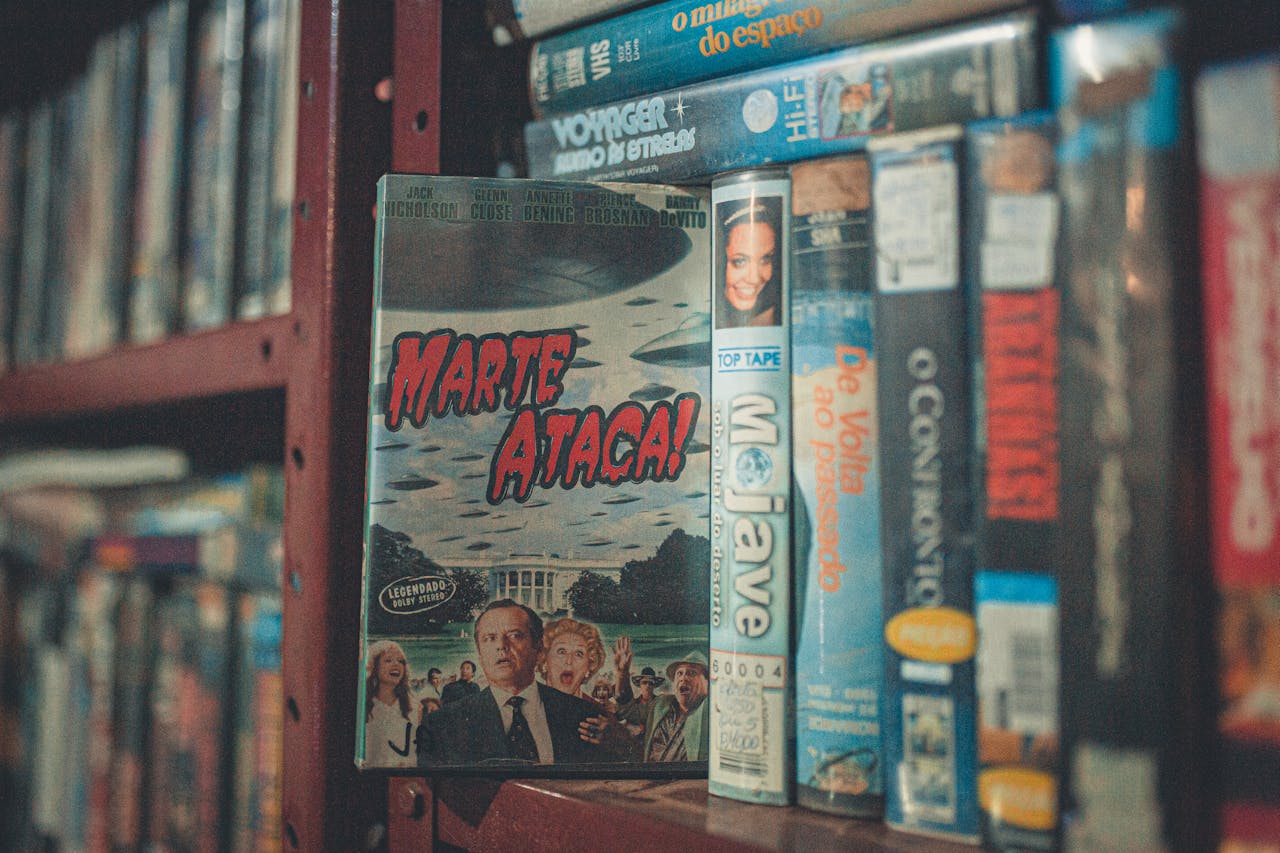
Watching movies often required a trip to the local rental store, browsing shelves for available tapes or DVDs, and sometimes leaving empty-handed if a title was already checked out. Choosing films became an experience, as did discovering new titles or classics suggested by staff. Returning rentals on time was a social obligation, and late fees made consumers mindful of their choices. This ritual transformed movie nights into planned events rather than spontaneous digital clicks, creating anticipation, discussion, and a deeper appreciation for each film.
Waiting for Music on the Radio
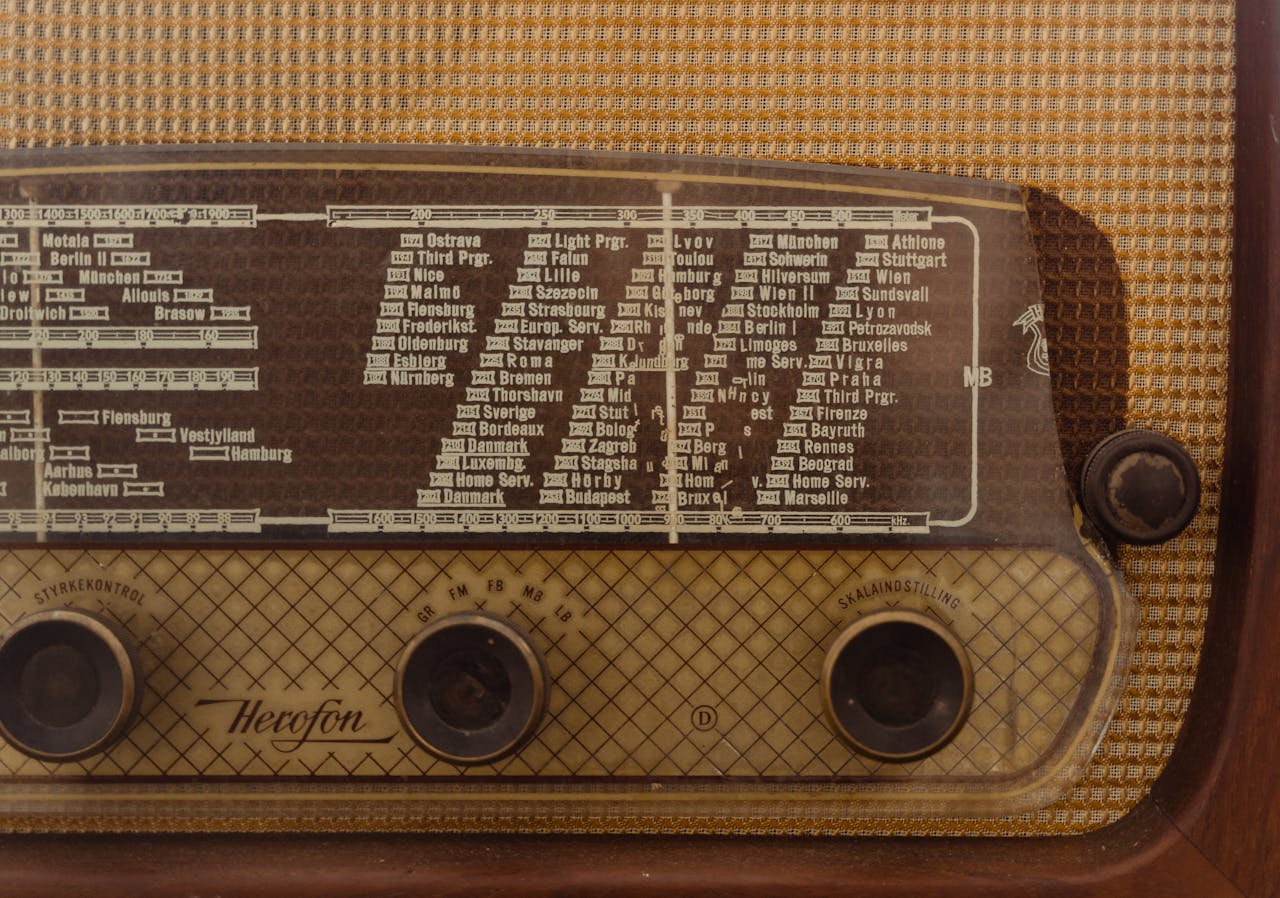
Discovering new songs meant tuning into specific radio stations at the right time, waiting for DJs to play requests or feature tracks. Missed airings often required patience or repeated attempts. Charts and countdowns created shared excitement, as everyone looked forward to top hits. This approach made listening a participatory act, fostering communal connection and discussion. Fans learned patience and timing, and anticipation was part of the joy. Unlike today’s instant streaming, discovering music in this way required effort, attention, and social engagement.
Owning Physical Media
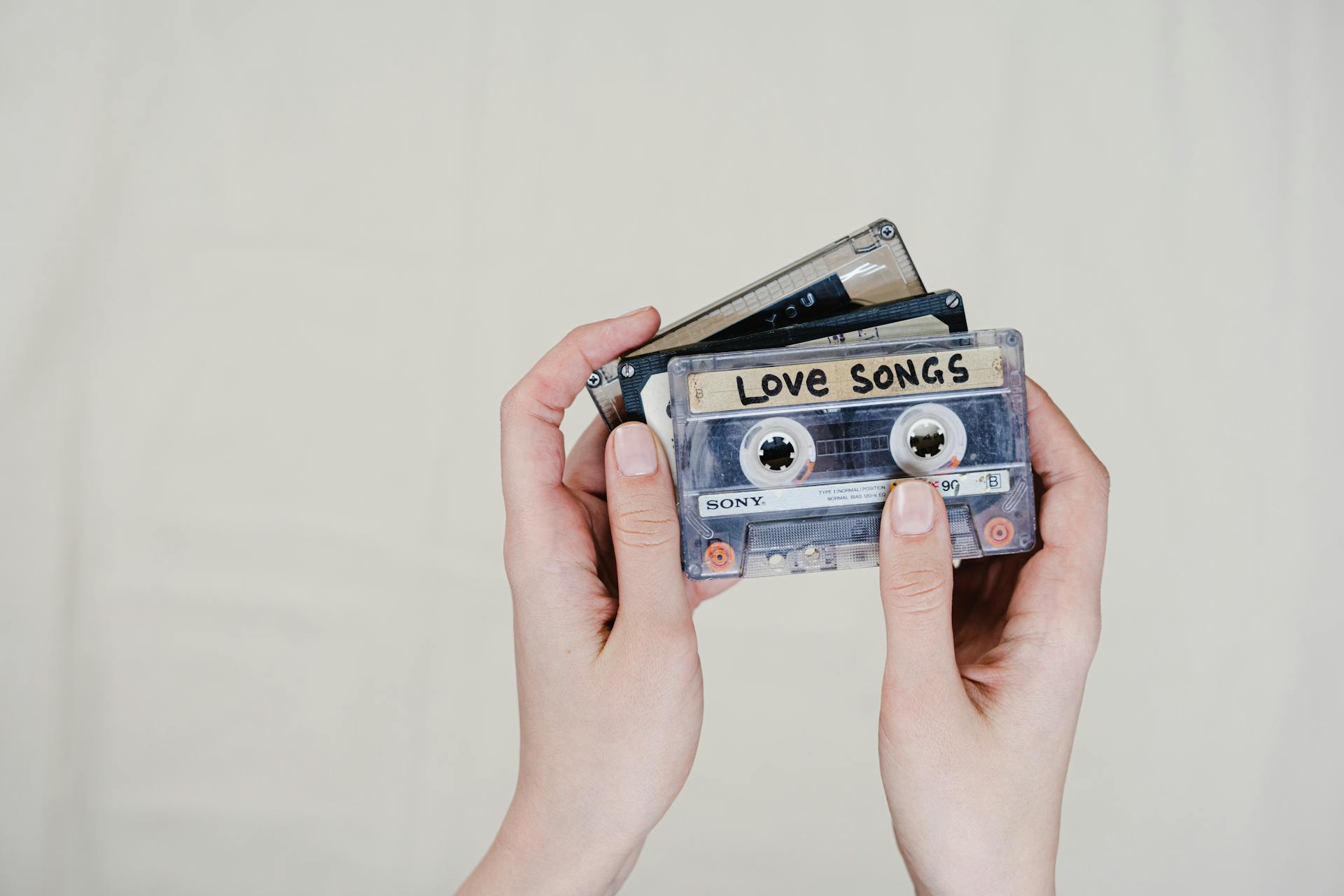
Records, cassettes, and CDs were tangible ways to enjoy music repeatedly. Collecting albums involved trips to stores, careful handling, and organization at home. Missing a song meant rewinding, flipping, or manually cueing tracks. Album artwork and liner notes added context and depth to the listening experience. Physical media created a sense of ownership and connection, as each album was carefully curated and cherished. This tangible interaction fostered deliberate listening and engagement, contrasting sharply with digital streaming where songs are instantly accessed and easily replaced.
Waiting for Movie Releases in Theaters
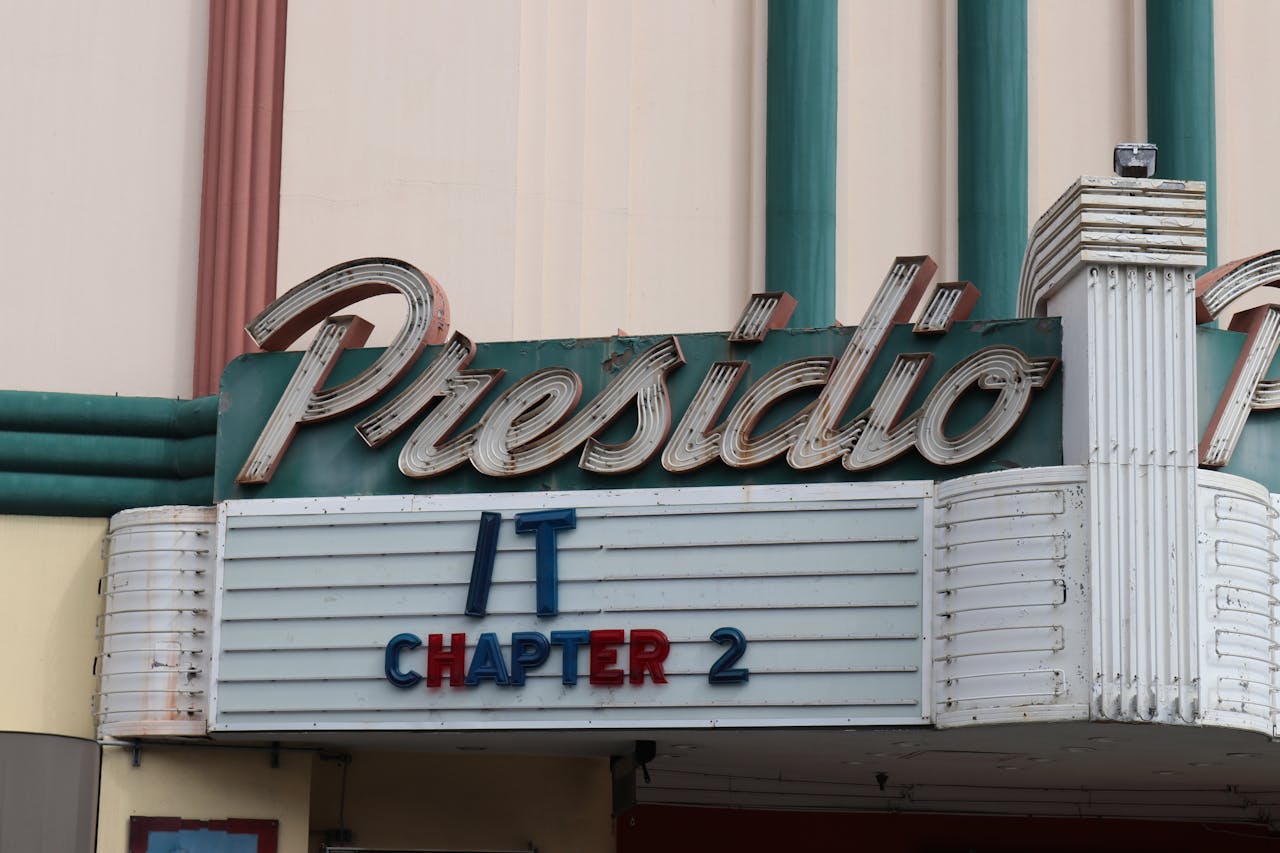
Films premiered in theaters, and home video releases often came months or years later. Audiences planned trips, budgeted for tickets, and attended screenings as social events. Missing a theatrical release could mean waiting extensively or missing it entirely. The scarcity heightened anticipation and created shared cultural moments. The process required effort, planning, and patience, embedding films in collective memory. Watching a movie was an experience rather than instant consumption, making each visit more meaningful than the on-demand streaming of today.
Limited TV Channels
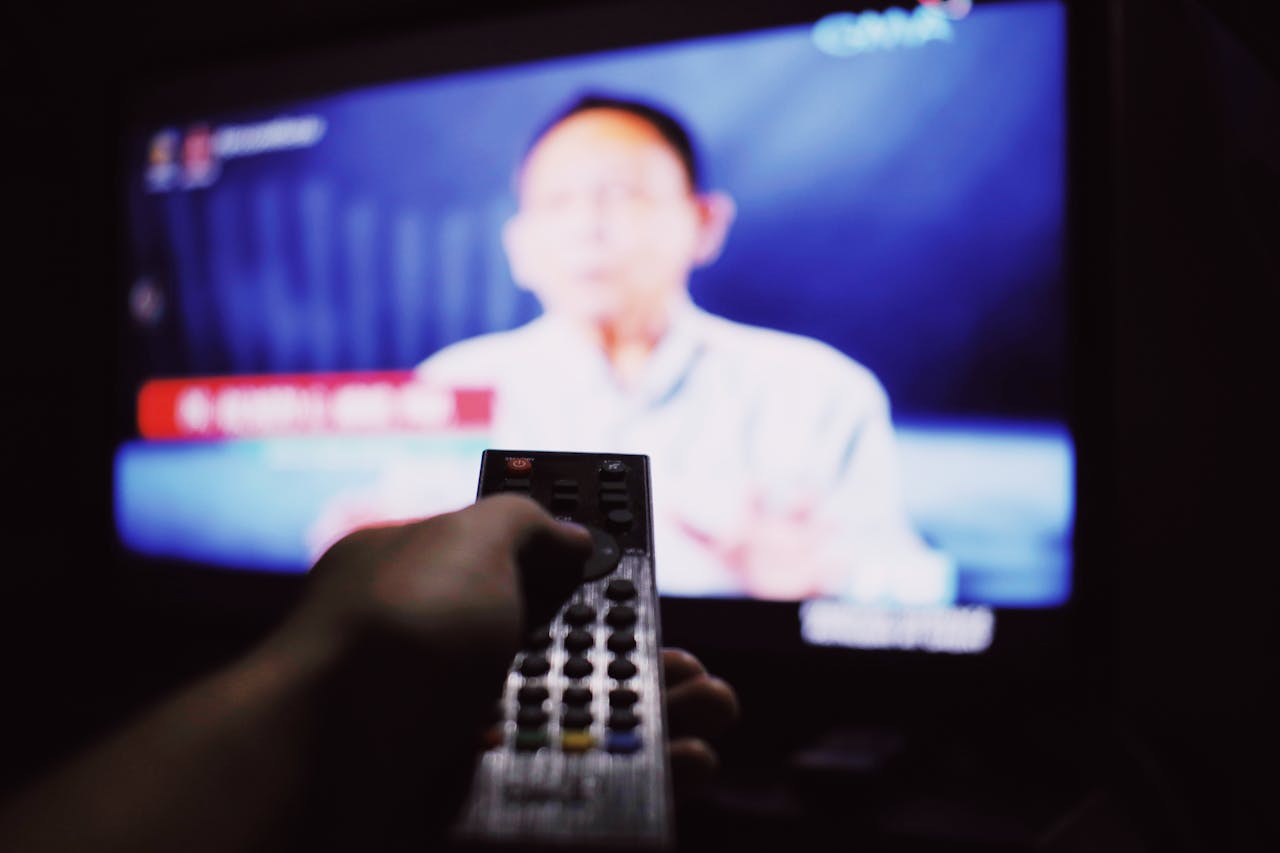
With only a few broadcast channels, viewers had limited options and often watched whatever was airing, whether or not it was their preferred program. Scanning schedules became a skill, and routines adjusted to what was available. Appointment viewing encouraged communal discussion and shared experience. Scarcity created anticipation and made choices deliberate. The structure of daily life was influenced by programming rather than the other way around. Limited channels fostered patience and engagement, a stark contrast to the limitless content available through modern streaming platforms.
Using Encyclopedias for Research
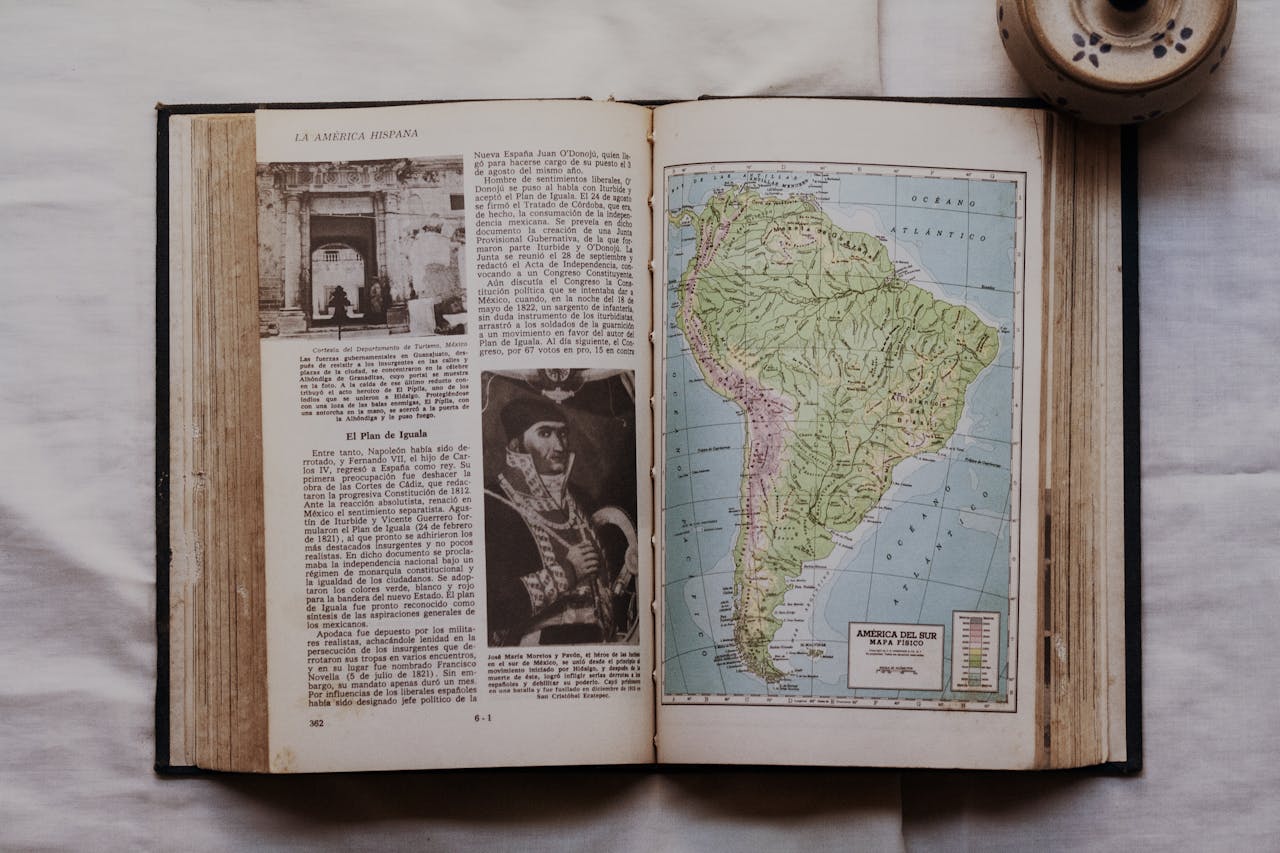
Research required flipping through heavy encyclopedias and cross-referencing multiple volumes to find answers. Library visits, index searches, and careful reading were necessary. This process demanded patience, persistence, and attention to detail. Discovering information became a skill rather than an instant act. Missed references or volumes required improvisation. Engaging deeply with content fostered critical thinking and knowledge retention. Unlike today’s search engines and streaming educational videos, information discovery was active, intentional, and often collaborative, reinforcing careful learning habits.
Calling Friends to Discuss Shows
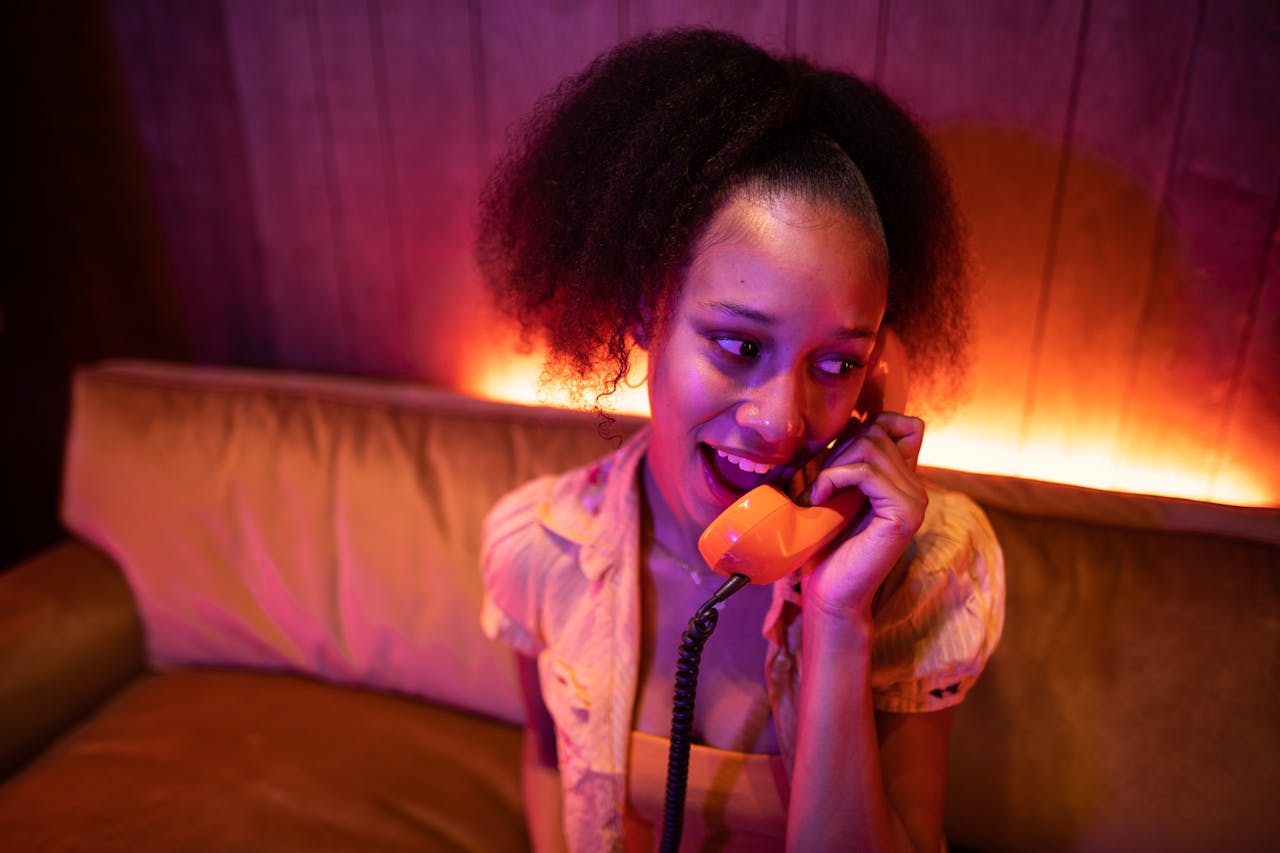
Without social media or messaging apps, discussing favorite shows required phone calls or in-person conversations. Missed episodes were recapped and debated over hours-long chats. Coordinating viewing schedules took effort, and sharing excitement was a personal, interactive experience. This built anticipation, strengthened friendships, and created shared memories. Conversation became part of the entertainment itself. Entertainment was social, requiring communication and planning, unlike today’s instant online reactions and forums. These interactions fostered community and enriched the experience of each program.
Reading Print Newspapers and Magazines
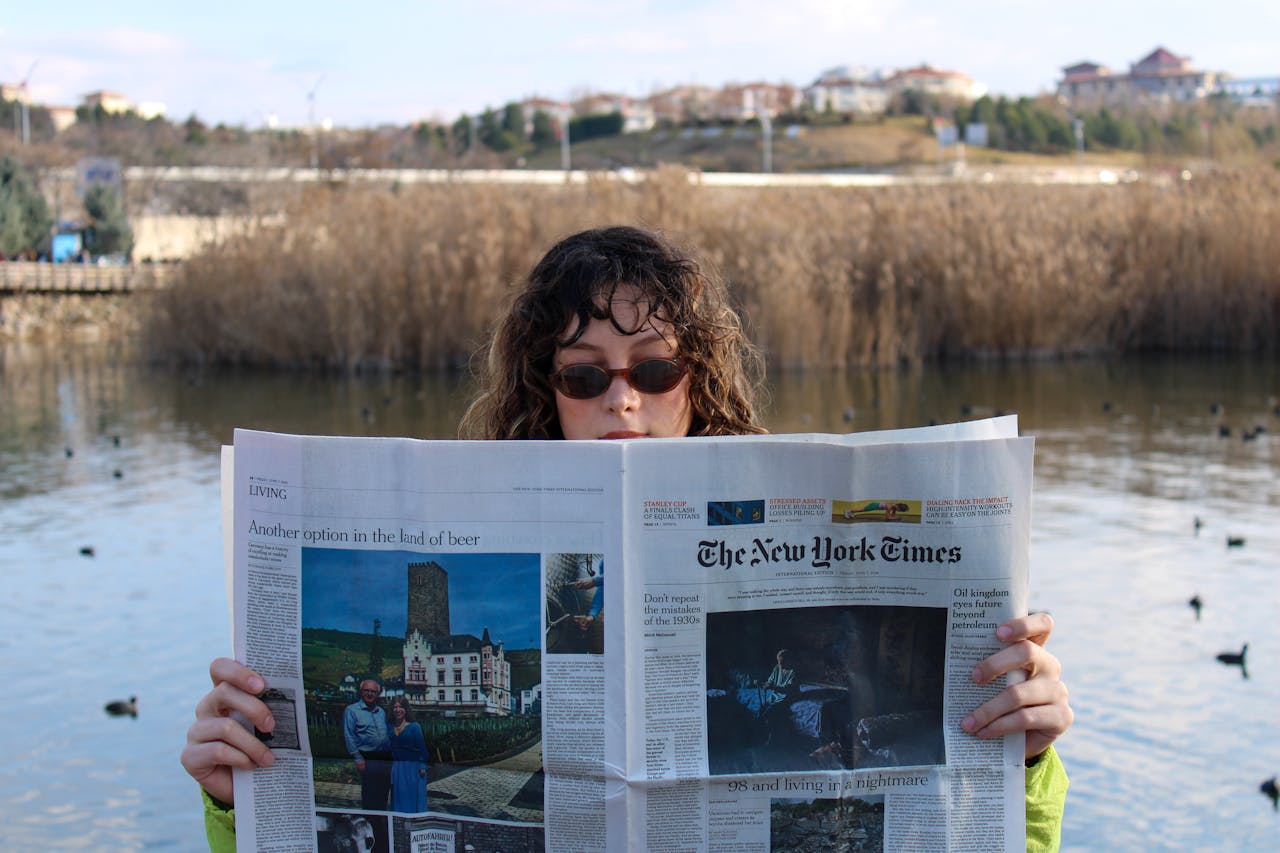
Entertainment news, reviews, and celebrity gossip came through print publications that readers had to seek out regularly. Missing an issue meant waiting for the next one to learn what was trending. Physical magazines allowed clippings, collections, and annotations. This slower pace required attention, focus, and anticipation, creating a deeper connection to content. Readers engaged fully with articles and advertisements. Unlike instant digital updates, print demanded effort and planning, making entertainment awareness an active and deliberate process rather than passive consumption, fostering long-term retention and discussion.
Waiting for Commercial Breaks
Scheduled television commercials interrupted shows, requiring viewers to plan around them. Breaks prompted multitasking, from preparing snacks to tending to chores, and added suspense before programs resumed. Commercials often became cultural touchpoints, sparking shared recognition and conversation. The interruptions demanded patience and structured attention, enhancing engagement. Waiting for content to continue created rhythm and anticipation. This experience contrasted sharply with ad-free or skippable streaming platforms, making the act of watching television more deliberate, interactive, and socially connected.
Cumbersome Tape or Record Maintenance
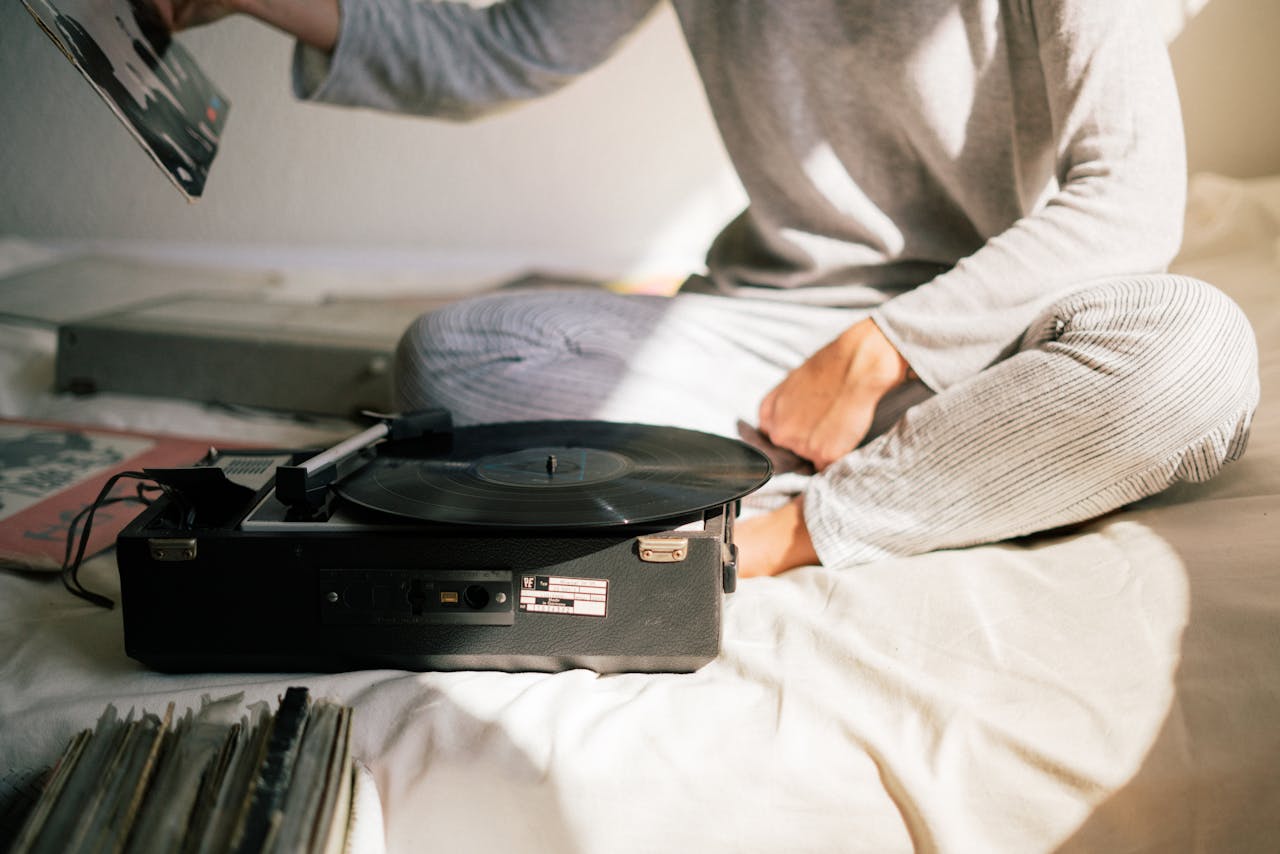
VHS tapes, cassettes, and vinyl records required careful handling, rewinding, or cleaning to maintain usability. Damage could erase hours of content, so attention and effort were necessary. The physical interaction created investment and value, making listening or watching an intentional act. Care routines fostered patience and appreciation for media. This tactile relationship emphasized mindfulness, unlike today’s digital streaming where content is intangible and effortlessly replaced. Maintaining media became part of the experience, shaping a generation accustomed to deliberate engagement with entertainment resources.
Relying on Word-of-Mouth Recommendations

Discovering movies, shows, or songs often depended on friends, family, or community suggestions. Without online algorithms, popularity was determined by personal trust and conversation. Missing recommendations could delay exposure to notable content. This reliance encouraged social interaction, discussion, and anticipation. The act of sharing tips reinforced community bonds and heightened the perceived value of entertainment. Cultural discoveries were participatory and deliberate, requiring attention and engagement. Unlike streaming suggestions, word-of-mouth made media consumption interactive, memorable, and socially connected.
These thirteen experiences show that Boomers and Gen X engaged with entertainment in ways that required patience, effort, and social connection. Each program, song, or film was anticipated, discussed, and handled with care, making consumption deliberate and memorable. Streaming offers instant access, but these earlier habits created community, intentionality, and lasting memories. The practices of past generations shaped their appreciation for content and taught patience, social interaction, and respect for media that on-demand convenience rarely demands today.