Every society runs on unspoken agreements that guide behavior without formal enforcement. In the United States, many rules operate quietly, shaping social interactions and expectations. These norms are learned through observation rather than instruction. Understanding them reveals how order is maintained beyond written law.
Standing in Line
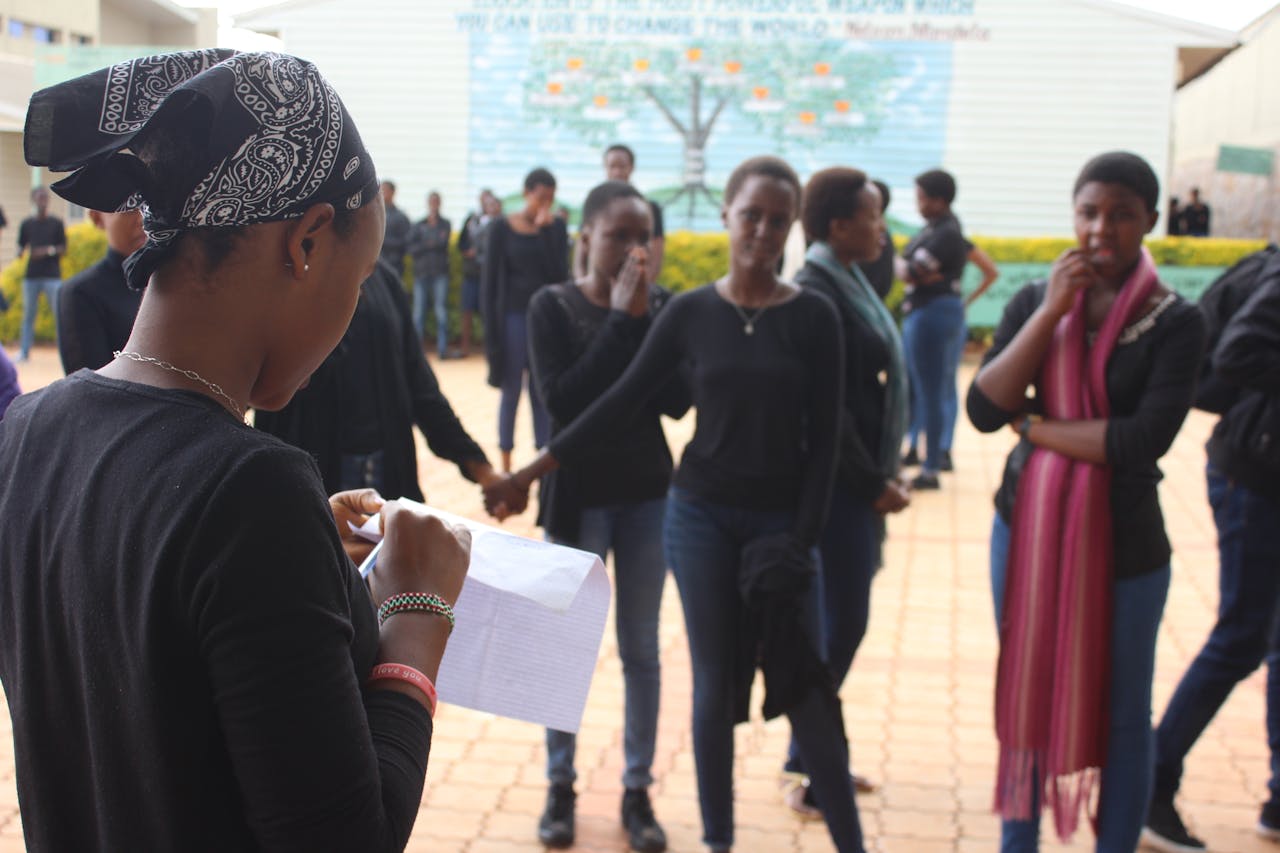
Americans instinctively form orderly lines in public spaces, whether at grocery stores, airports, or coffee shops. Cutting ahead is seen as unfair and can quickly draw negative attention, even when no rules are posted. This quiet agreement keeps interactions predictable and civil. Most people absorb this behavior simply by watching others, not through formal instruction.
Personal Space Boundaries

Maintaining physical distance during conversations is an unspoken expectation in American culture. Standing too close can feel intrusive or aggressive, especially among strangers or coworkers. While acceptable distance may vary by region, the general rule is widely understood. Respecting personal space signals consideration, independence, and mutual comfort.
Small Talk Expectations
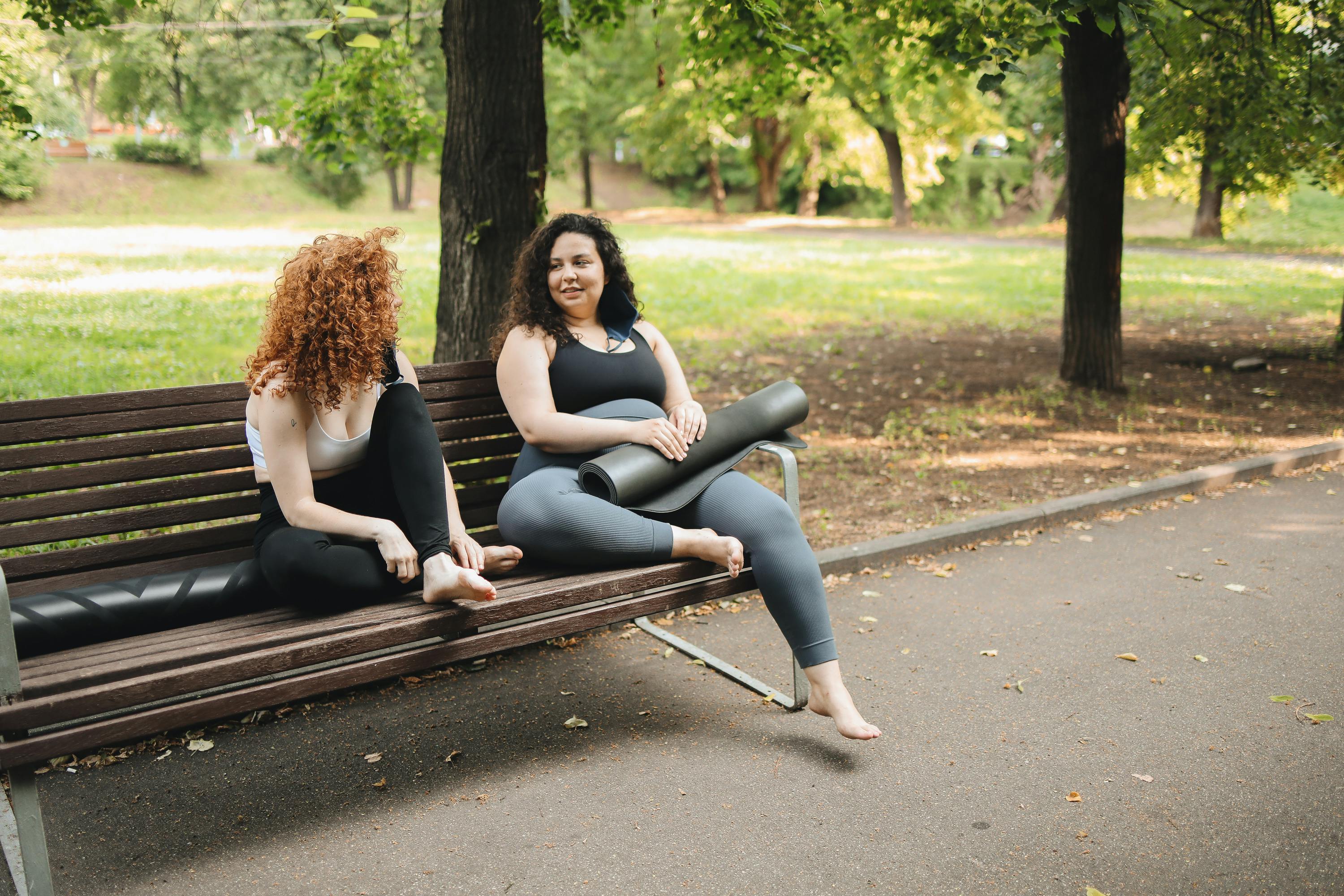
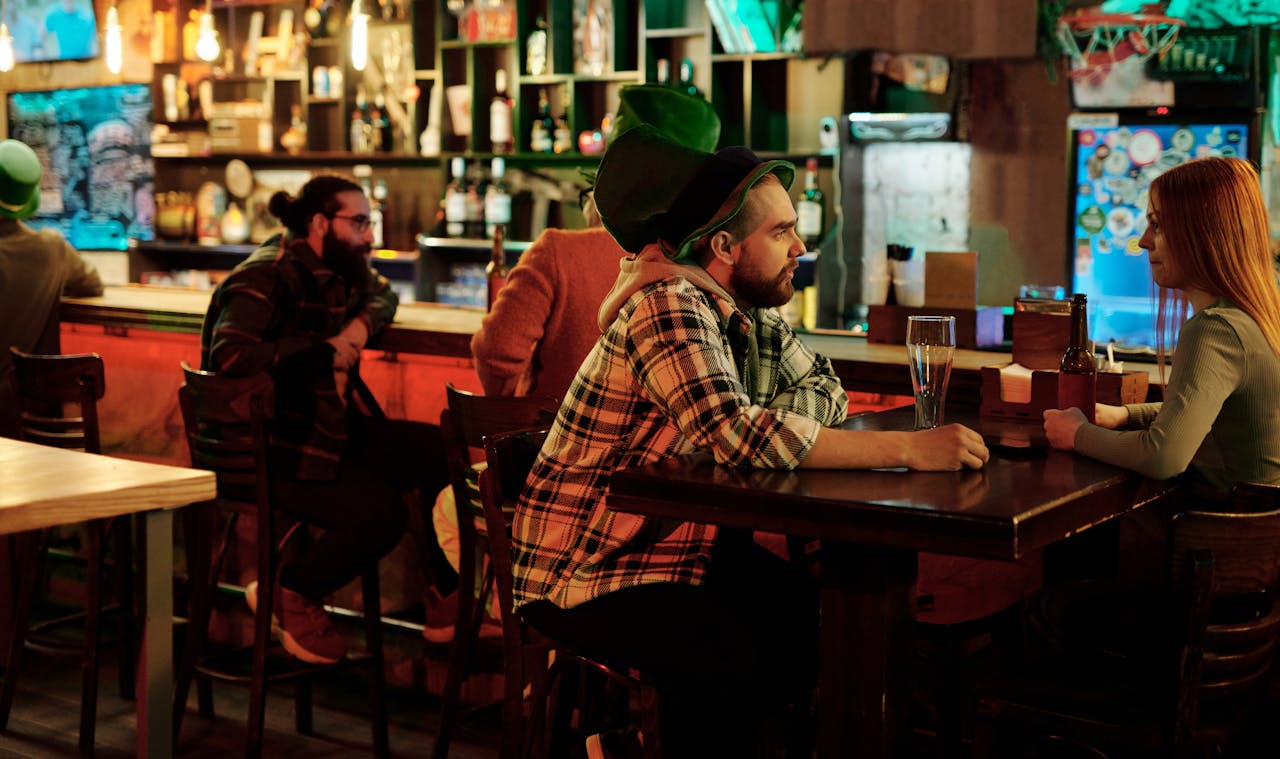
Brief, casual conversations about the weather, work, or daily routines are common in shared spaces. Silence in elevators, waiting rooms, or checkout lines often feels awkward rather than neutral. Small talk serves as social lubrication, reducing tension between strangers. It reassures others that you are friendly and socially aware.
Tipping Service Workers
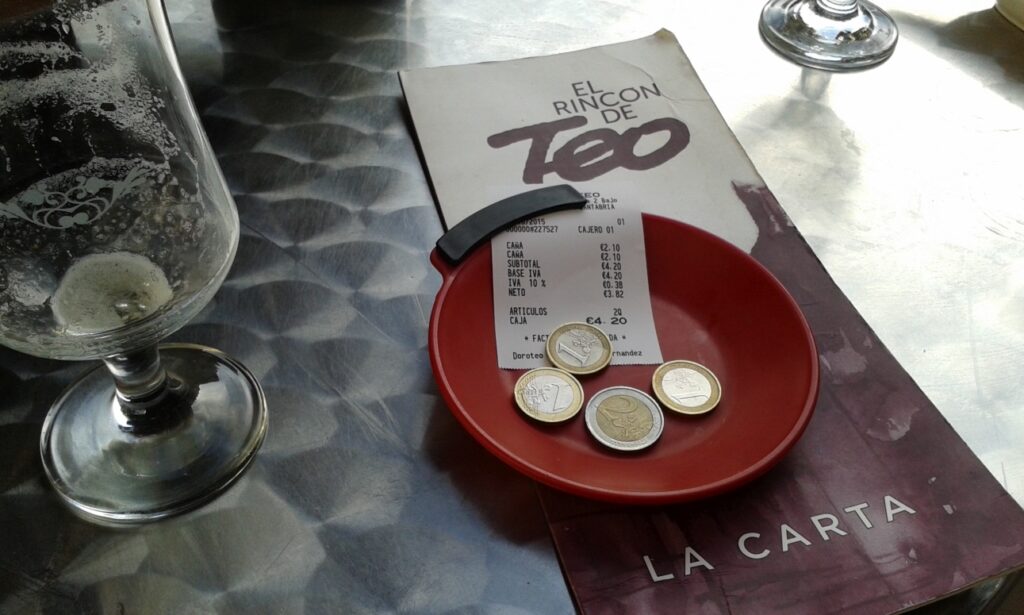
Although tipping is technically optional, it is socially expected in many service settings. Servers, drivers, and other workers often depend on tips to supplement low base wages. Customers tip to show appreciation and avoid being judged as inconsiderate. This practice reflects deeper economic structures rather than pure generosity.
Right-of-Way Courtesy

Drivers frequently wave others through intersections or merges, even when they technically have the right of way. This informal courtesy helps ease congestion and reduces road rage. The gesture communicates cooperation rather than competition. Most drivers understand and participate in this silent system without conscious thought.
Respecting Quiet Hours

Late-night noise is socially discouraged in most neighborhoods, regardless of posted rules. Loud music, shouting, or heavy activity can quickly draw complaints or disapproval. People expect others to be mindful of shared living spaces. This norm helps maintain peace, sleep, and long-term neighborly relationships.
Holding Doors Open
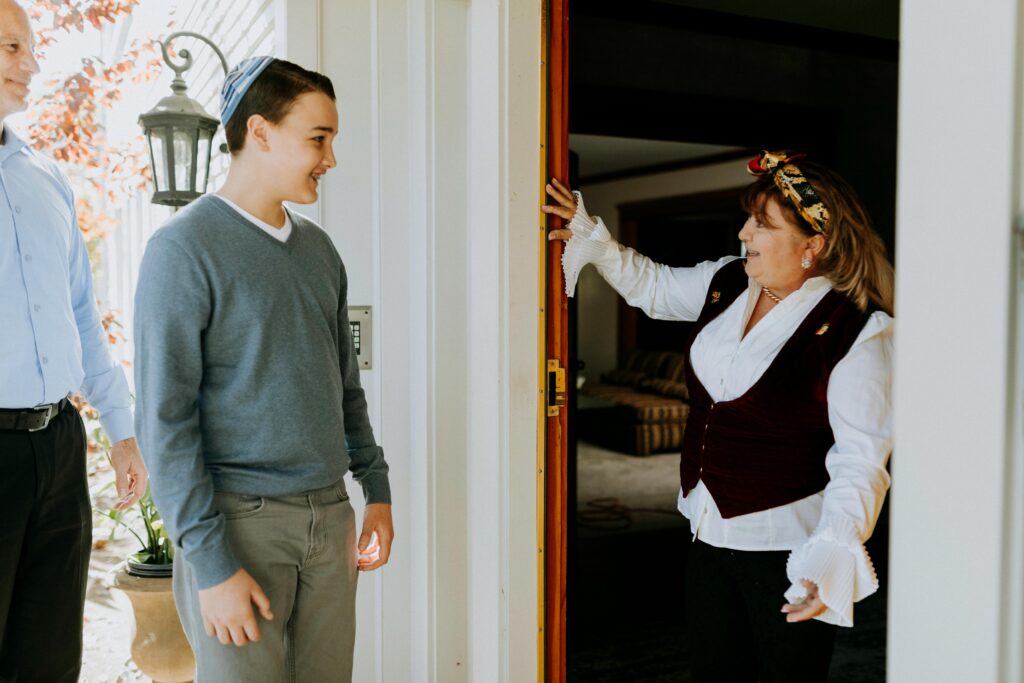
Holding doors open for others is a widely practiced courtesy in public spaces. It signals awareness, politeness, and a willingness to acknowledge others. Failing to do so can feel dismissive or rude, even if unintentional. Most people learn this behavior simply by observing it repeatedly.
Avoiding Direct Confrontation

Americans often soften criticism or avoid blunt disagreement to keep interactions comfortable. Indirect language, polite phrasing, and subtle cues are commonly used instead of direct confrontation. This approach helps preserve relationships and workplace harmony. While it can cause misunderstandings, it reflects a strong preference for social ease.
Responding to “How Are You?”

The question “How are you?” is typically a greeting rather than a sincere request for details. A short, positive reply like “good” or “fine” is expected. Giving a long or emotional answer can feel socially awkward. This habit keeps everyday interactions quick and uncomplicated.
Respecting Queues in Traffic

Unwritten rules guide how drivers merge, yield, and take turns on the road. Cutting into a line or ignoring merge etiquette often triggers frustration or honking. Drivers collectively enforce these rules through gestures and reactions. This shared understanding helps traffic flow more smoothly.
Apologizing Automatically

Many Americans say “sorry” even when they are not responsible for a problem. The phrase is often used to smooth interactions rather than admit fault. It helps defuse tension and signals empathy. Over time, this habit becomes automatic and deeply ingrained in everyday speech.
Waiting Your Turn to Speak

Interrupting others in meetings or conversations is generally discouraged. Taking turns speaking shows respect and attentiveness. People expect pauses and visual cues before jumping in. This rule helps maintain order, especially in group discussions and professional settings.
Respecting Private Property

Entering someone else’s property without permission is strongly frowned upon. Even unfenced land is treated cautiously, reflecting deep respect for ownership. This norm is socially enforced through reactions rather than constant signage. It highlights how strongly personal boundaries are valued.