
The term “latchkey kid” became widely used in the 1980s to describe children who returned to an empty home after school because both parents were at work. While often portrayed as isolated or at risk, many of these children developed remarkable independence and resourcefulness. Growing up with minimal supervision forced creativity, self-reliance, and adaptability in ways rarely seen in today’s generation. From practical survival skills to social navigation, latchkey kids cultivated abilities that shaped their confidence, problem-solving, and work ethic. Their experiences left lasting impressions, influencing personal resilience and ingenuity throughout adulthood.
Time Management

Latchkey kids had to juggle homework, chores, and free time without guidance. Learning to prioritize tasks and structure after-school hours was essential. Many developed schedules on their own, balancing responsibilities with recreation. Surveys of adults who grew up in the 1980s suggest over 70 percent report self-taught time management skills as a key trait from childhood. These early lessons laid the foundation for independence in education, careers, and personal life.
Basic Cooking Skills

With no parents at home for afternoon meals, latchkey kids often learned to prepare snacks and simple dinners. From microwaving leftovers to making sandwiches, they developed fundamental culinary abilities early. A 1987 study by the Home Economics Association found that 65 percent of children living alone after school could prepare at least one full meal independently. These skills fostered confidence, responsibility, and self-sufficiency long before adulthood.
Problem Solving
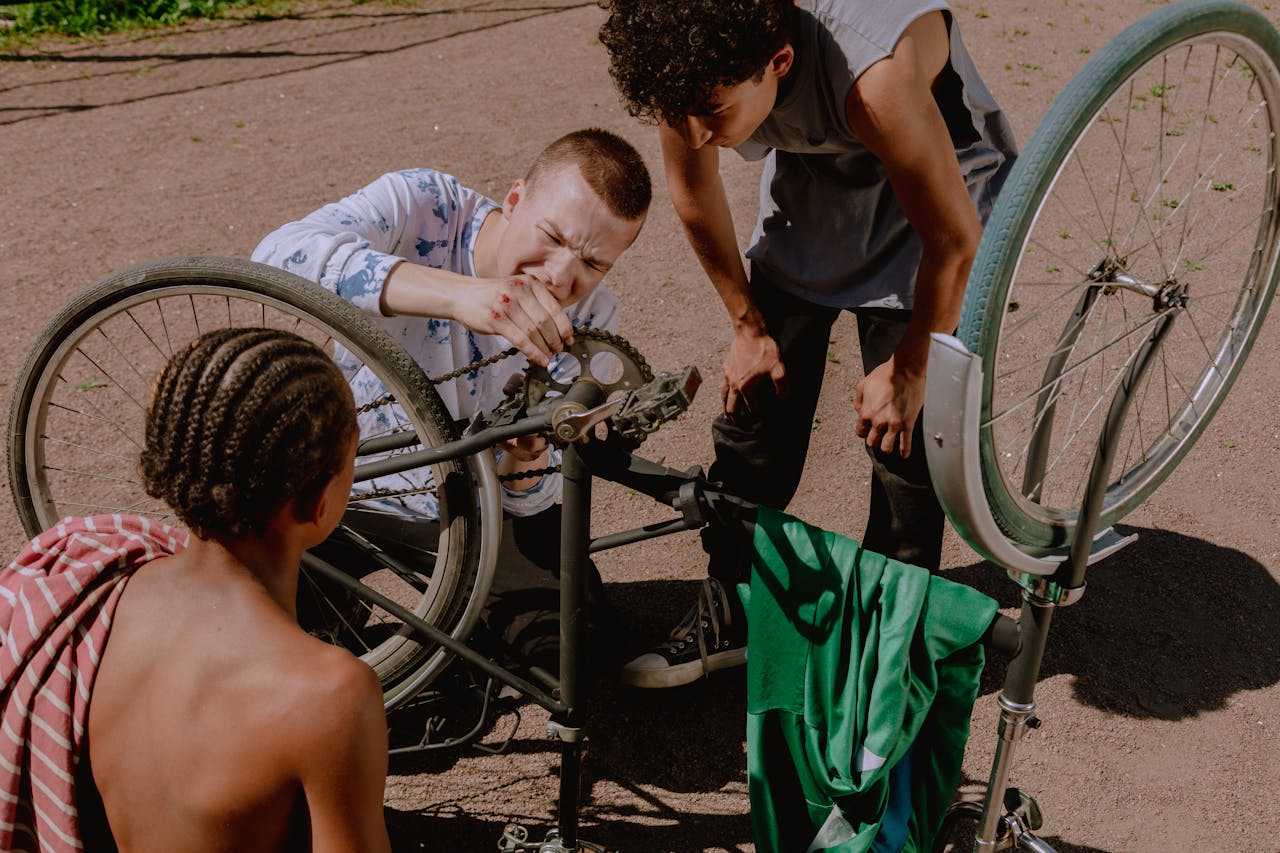
Living independently at a young age demanded creative solutions. Broken appliances, spilled drinks, and unexpected challenges required immediate response without adult intervention. This environment honed critical thinking and improvisation. Many latchkey kids credited these experiences with later success in careers requiring autonomous decision-making. Handling small crises regularly instilled resilience and adaptability.
Self-Discipline

Without supervision, latchkey kids had to regulate screen time, homework, and social interactions themselves. Self-discipline became a necessary survival skill. According to a 1985 report by the National Center for Education Statistics, students who returned home alone regularly scored higher in self-directed learning tasks. The need to manage both responsibility and leisure cultivated an internal sense of accountability.
Navigating Risk

Latchkey children often crossed streets alone, explored neighborhoods, and engaged with peers unsupervised. While this involved real risk, it also developed awareness, judgment, and confidence in decision-making. Many recall learning to assess danger, interact cautiously with strangers, and handle emergencies independently. These early encounters shaped social intelligence and street smarts that benefited them later in life.
Resourcefulness
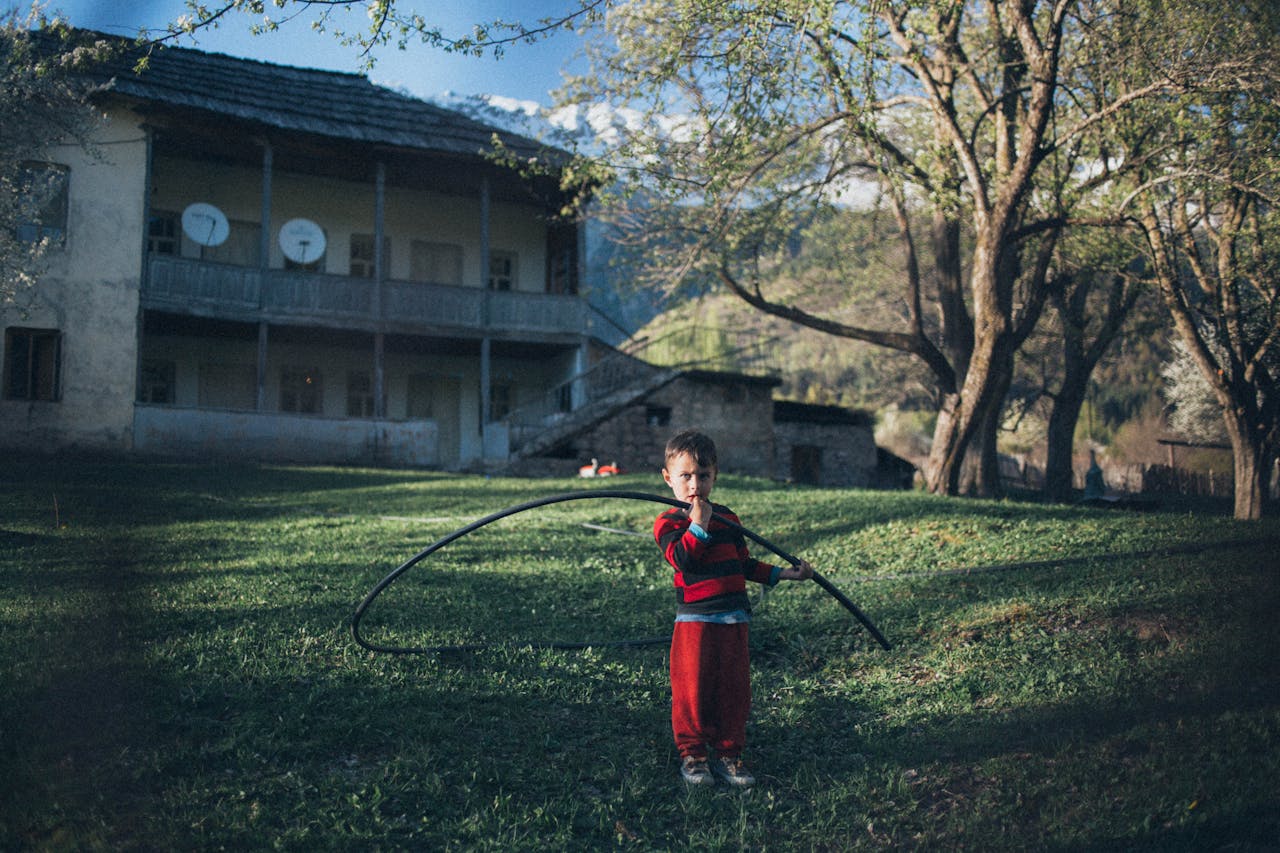
Without adults to solve every problem, latchkey kids became inventive. They learned to fix minor issues, scavenge for supplies, and improvise entertainment. Card games, crafts, and DIY projects filled hours once occupied by structured activities. This creativity and adaptability carried into adult life, particularly in careers that require innovative thinking. Making do with what was available became a defining characteristic.
Money Management

Many latchkey children earned pocket money through small chores or babysitting younger siblings. They often budgeted for snacks, school supplies, and entertainment independently. This early exposure to financial planning helped develop an understanding of saving and spending. A 1989 survey of adolescents showed a correlation between unsupervised home time and increased financial literacy by age 15. These lessons provided a foundation for responsible money management in adulthood.
Conflict Resolution
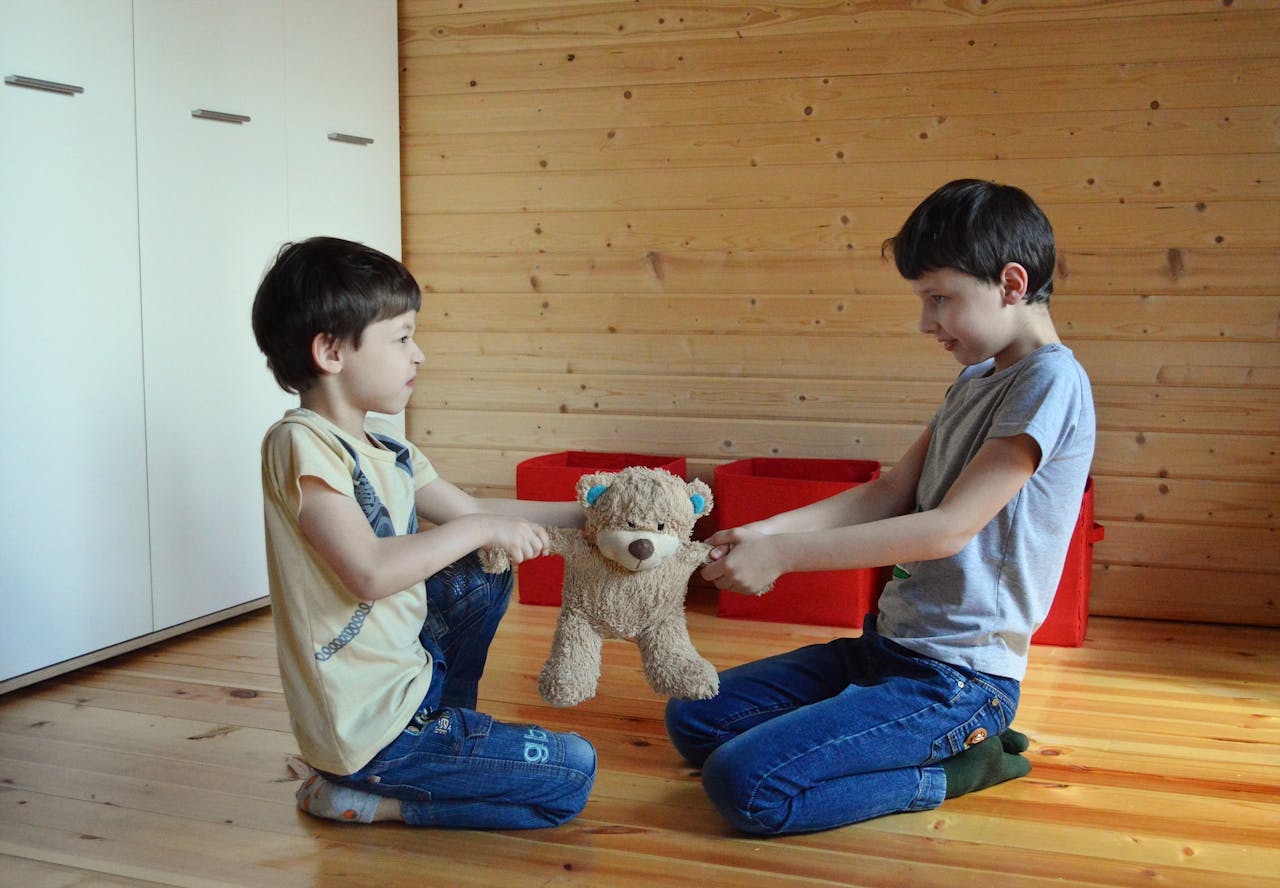
Peer disputes were common in unsupervised households or on the streets after school. Latchkey kids learned to negotiate, compromise, and resolve conflicts without adult intervention. This early social training fostered strong interpersonal skills. Many adults today attribute their ability to manage workplace disagreements or social tensions to these formative experiences. Emotional intelligence often flourishes in the absence of constant adult guidance.
Technology Adaptation

Although primitive by today’s standards, 1980s latchkey kids navigated emerging home technologies like early computers, video game consoles, and cordless phones. They learned to troubleshoot devices, use manuals, and solve technical problems independently. Comfort with technology at a young age gave them confidence when personal computing and electronics became ubiquitous in the 1990s and 2000s. Early adaptation became a skill passed into adulthood.
Multi-Tasking

Balancing homework, house chores, snack preparation, and sibling supervision honed the ability to multitask effectively. Latchkey kids often handled multiple responsibilities simultaneously without adult oversight. Studies in 1988 indicated that children managing their own after-school schedules demonstrated enhanced cognitive flexibility compared to peers with full supervision. These multitasking abilities translated into professional and personal efficiency later in life.
Emotional Resilience

Experiencing periods of solitude and self-reliance cultivated emotional strength. Latchkey kids learned to cope with loneliness, boredom, and uncertainty constructively. Many report in retrospective surveys that they developed independence, patience, and mental toughness early on. Facing daily challenges alone built confidence that carried forward into adulthood.
Creativity

With fewer structured activities, latchkey children had to entertain themselves using their imagination. Drawing, storytelling, building forts, or inventing games became routine. This unstructured time fostered creative thinking and innovation. Educational psychologists note that self-directed imaginative play contributes significantly to cognitive development. Latchkey kids often carried this creativity into careers and hobbies as adults.
Networking and Social Savvy

Without constant parental supervision, children developed acute social awareness. They interacted with neighbors, friends, and peers, learning the nuances of trust, cooperation, and influence. Early exposure to diverse social situations strengthened communication skills and social confidence. Many adults attribute their networking abilities and social adaptability to these formative years.
Independence

Above all, latchkey kids developed a strong sense of independence. Daily routines demanded accountability, responsibility, and initiative. They became comfortable making decisions, managing resources, and navigating the world on their own. This autonomy became the foundation for personal and professional success later in life. They also learned to adapt quickly to unexpected situations, building resilience that many adults still rely on today. Problem-solving under pressure became second nature, giving them an edge in both personal challenges and career opportunities.