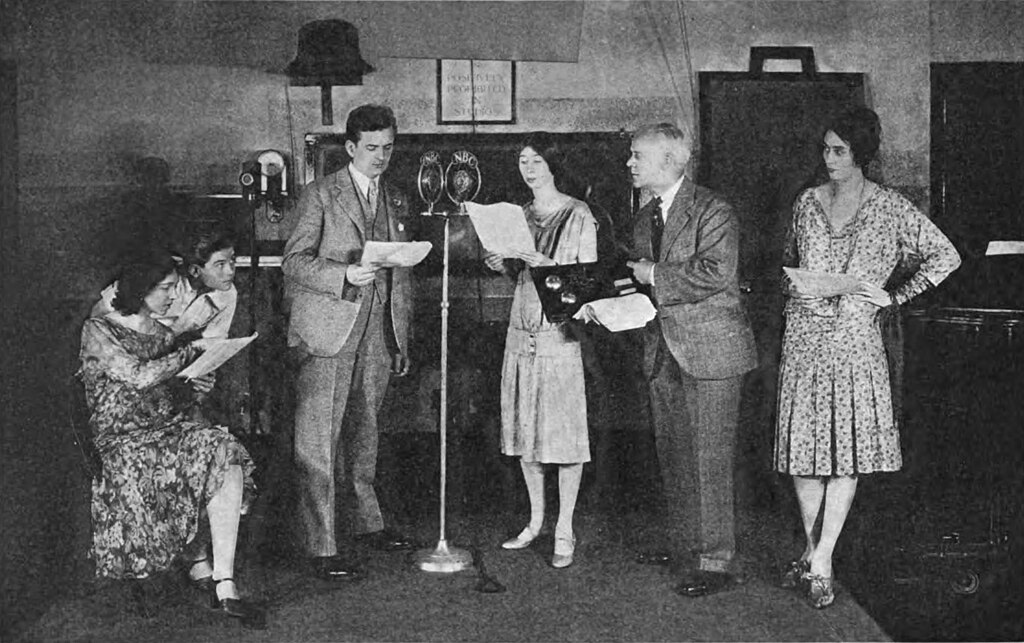
Long before social media and TV, radio waves carried the voices that shaped public opinion across America. From war efforts to civil rights, radio was the heartbeat of a nation learning, fighting, and changing together. Here are 13 groundbreaking radio campaigns that did more than entertain; they inspired social change and defined moments in history.
1. The War of the Worlds Broadcast (1938)
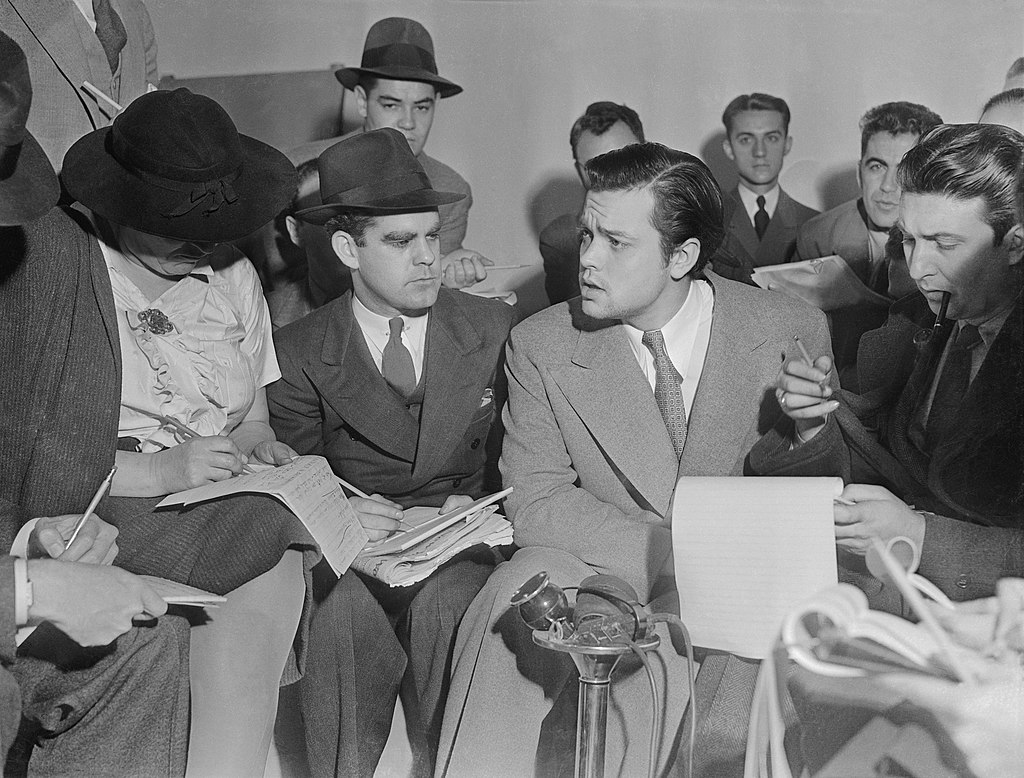
Although technically a fictional play, Orson Welles’ “War of the Worlds” created widespread panic when listeners believed Martians were invading Earth. This moment showed the incredible power of radio to influence emotion and behavior on a massive scale. The public learned how easily perception could be shaped by what they heard, and media scholars began to study mass communication and responsibility more deeply. It became a turning point in understanding the relationship between trust, storytelling, and mass panic in America.
2. Franklin D. Roosevelt’s Fireside Chats
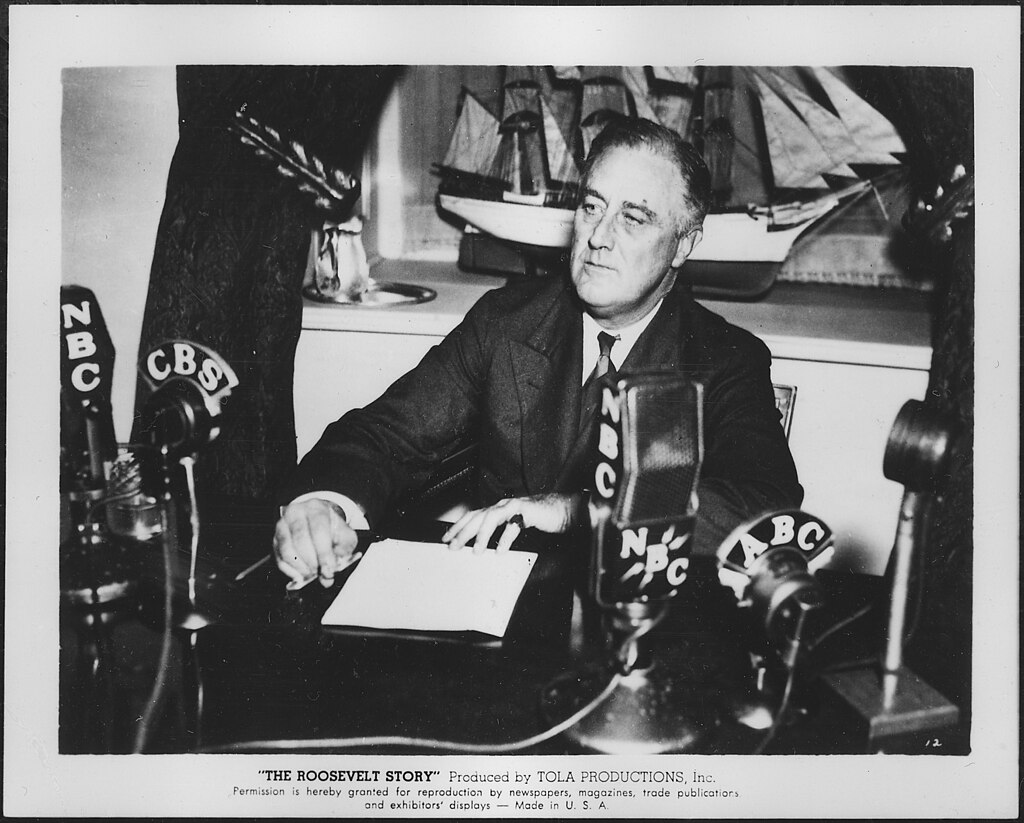
In the 1930s and 1940s, President Roosevelt used radio to connect directly with Americans during the Great Depression and World War II. His calm, conversational tone made listeners feel he was speaking right to them in their living rooms. The chats built confidence in government programs, reassured a struggling nation, and proved that communication could strengthen democracy during times of uncertainty. They set a new political standard for empathy and leadership through the power of sound.
3. The “I Am an American Day” Broadcasts
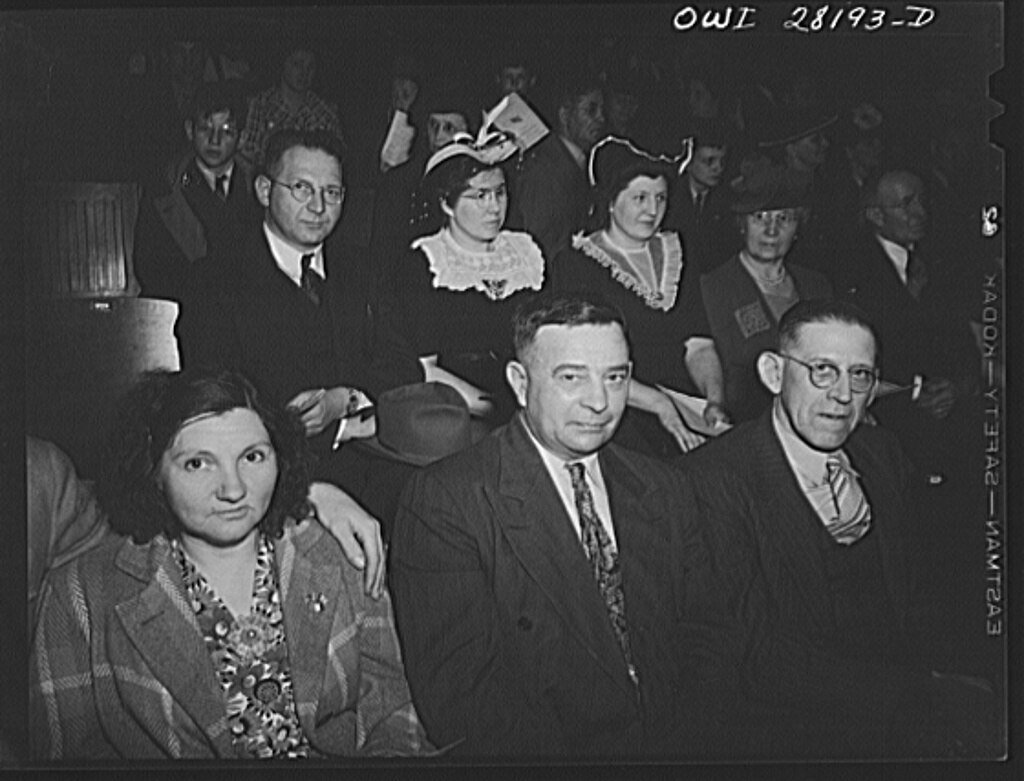
Debuting in the 1940s, these patriotic radio programs celebrated citizenship and unity. They aimed to remind Americans of shared values during a period of war and immigration tension. By broadcasting stories of naturalized citizens and community heroes, the campaign helped promote inclusion and national pride. It laid the foundation for later civic engagement campaigns and inspired generations to see citizenship not just as a right but as a shared responsibility toward one another.
4. “This Is Your FBI”
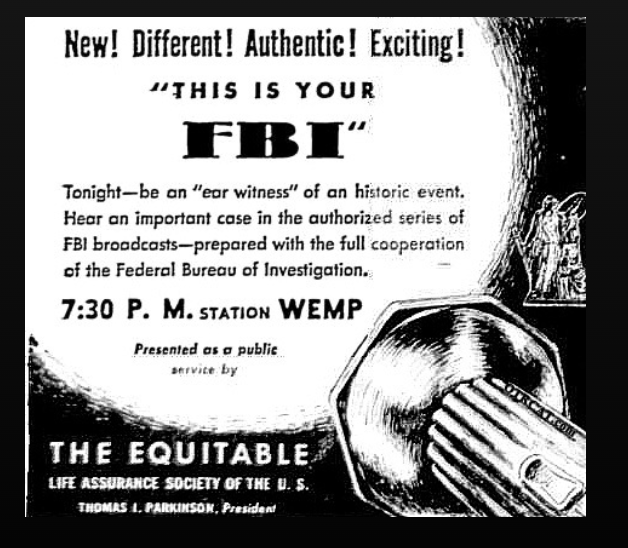
This postwar crime drama aired from 1945 to 1953 and was endorsed by FBI Director J. Edgar Hoover. The show blended real case files with dramatized storytelling to promote respect for law enforcement. It helped reinforce public trust in federal institutions after the war and shaped how Americans viewed crime, justice, and national security. It was a clever fusion of entertainment and propaganda that reflected America’s growing fascination with crime-solving and civic order.
5. The “March of Dimes” Radio Drives
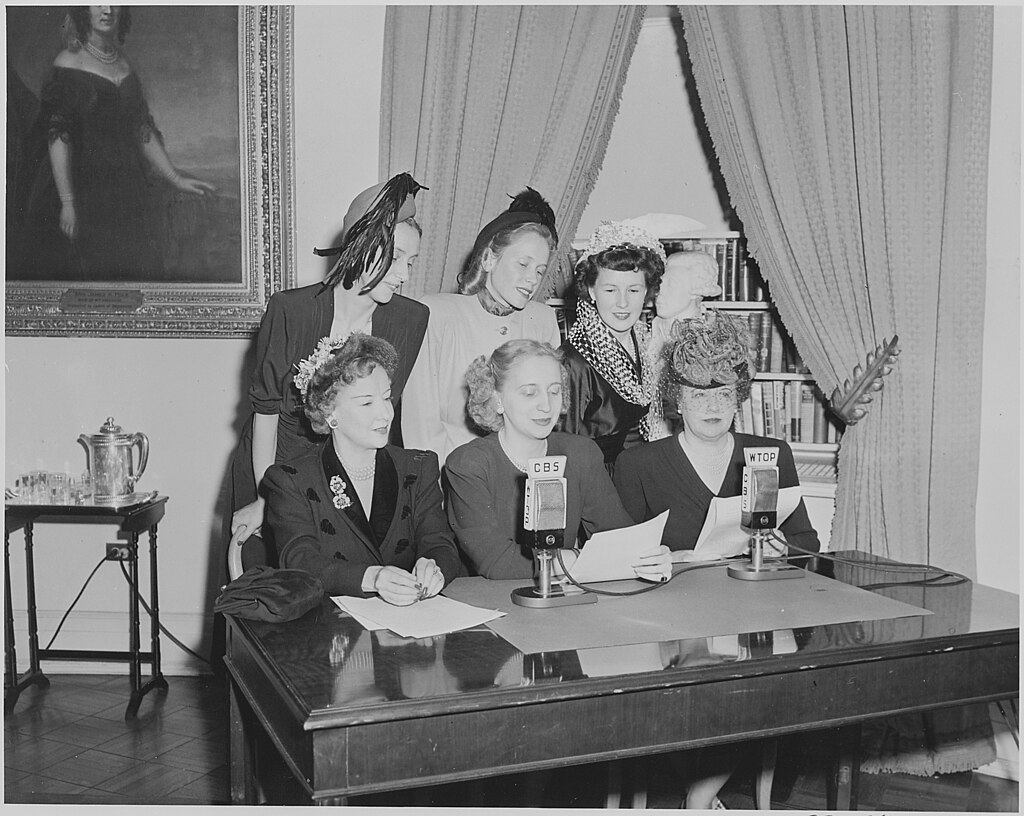
The March of Dimes campaign began in 1938, urging listeners to mail in small donations to fight polio. Radio personalities from coast to coast supported the effort, helping raise millions and leading to the development of the polio vaccine. The campaign showed that small acts, when amplified through a national broadcast, could lead to monumental public health victories. It transformed the way Americans thought about collective action and charitable giving through accessible media.
6. Edward R. Murrow’s Wartime Broadcasts
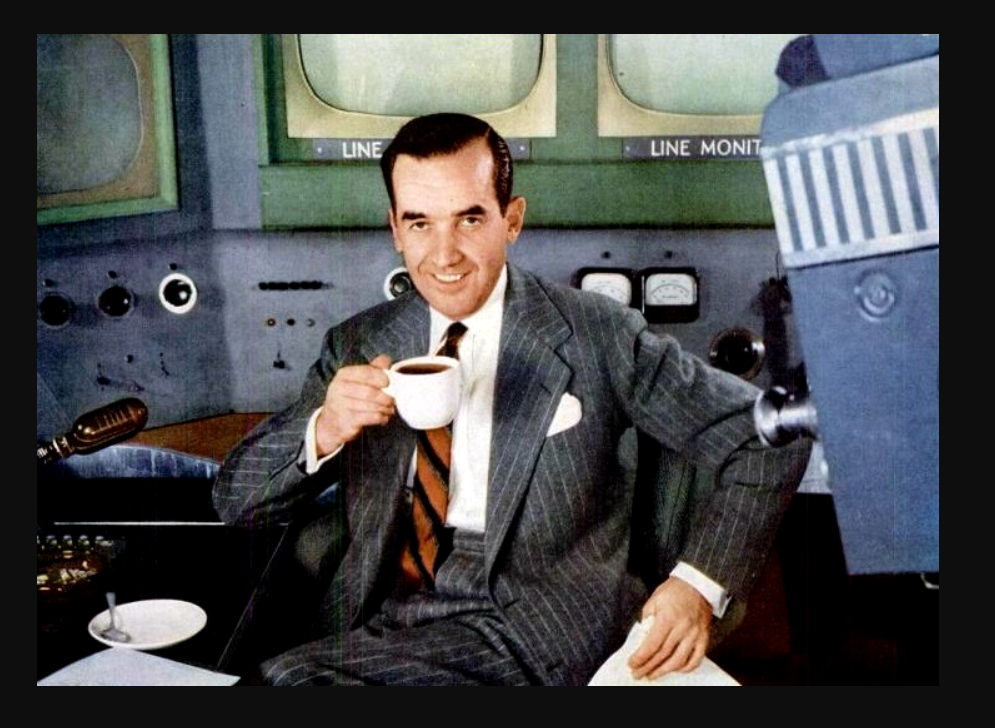
Reporting live from London during World War II, Murrow brought the reality of war into American homes. His vivid, emotionally grounded reports humanized distant events and gave Americans a direct sense of global struggle. His fearless approach to journalism set a standard for integrity and courage in reporting. The power of his voice during those dark years demonstrated how truth and empathy could unite people through sound alone, even across oceans of uncertainty.
7. The “Freedom’s People” Series
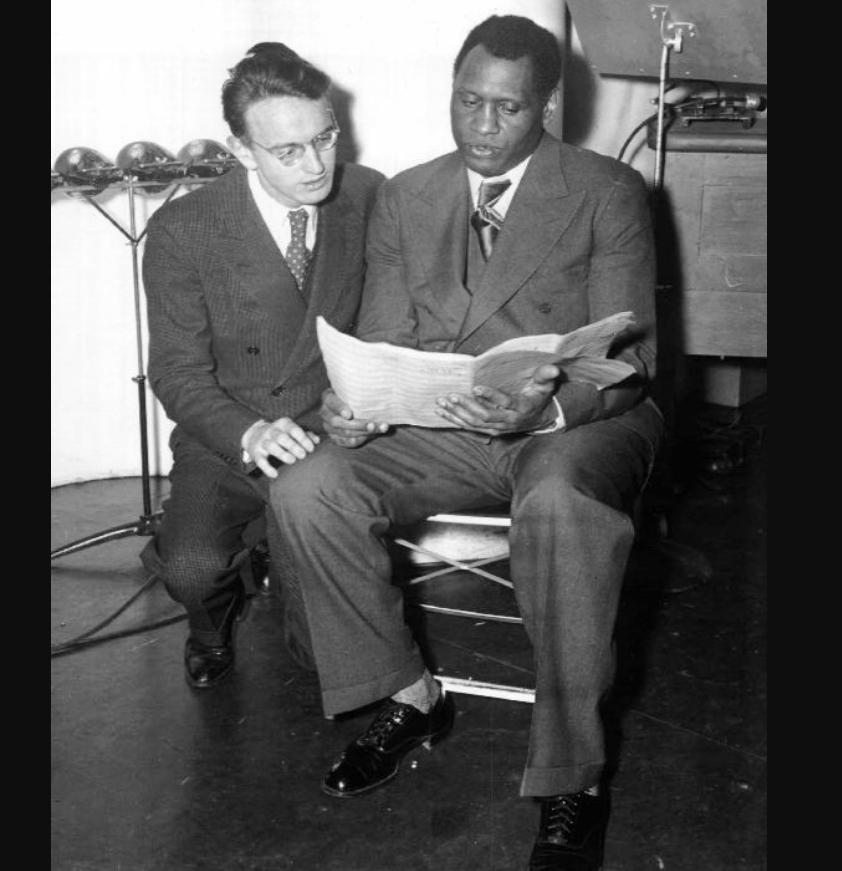
In the 1940s, “Freedom’s People” highlighted the contributions of Black Americans to the nation’s history. Sponsored by the Office of Education, the program countered stereotypes and promoted pride during segregation. It gave listeners a richer, more accurate picture of African American heritage and resilience. The campaign became a small but vital part of the broader cultural groundwork that supported the Civil Rights Movement that would emerge in the following decades.
8. “You Can’t Do Business with Hitler”
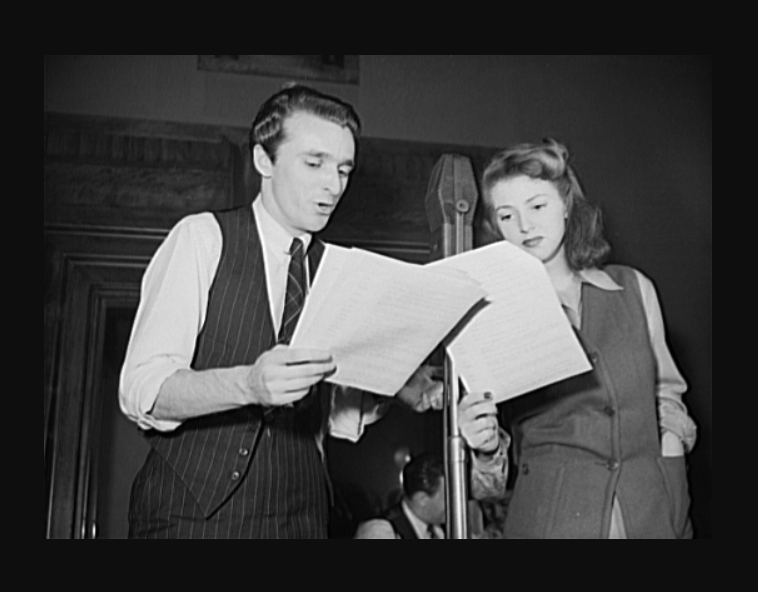
This campaign aired in the early 1940s and warned Americans about the dangers of supporting Nazi Germany through trade or appeasement. It combined news analysis, dramatic segments, and interviews to foster unity and patriotism. The broadcasts framed economic behavior as moral responsibility, influencing public perception before the U.S. officially entered the war. It showcased how persuasive radio could be in shaping ethical and political behavior during tense global times.
9. “Destination Freedom”
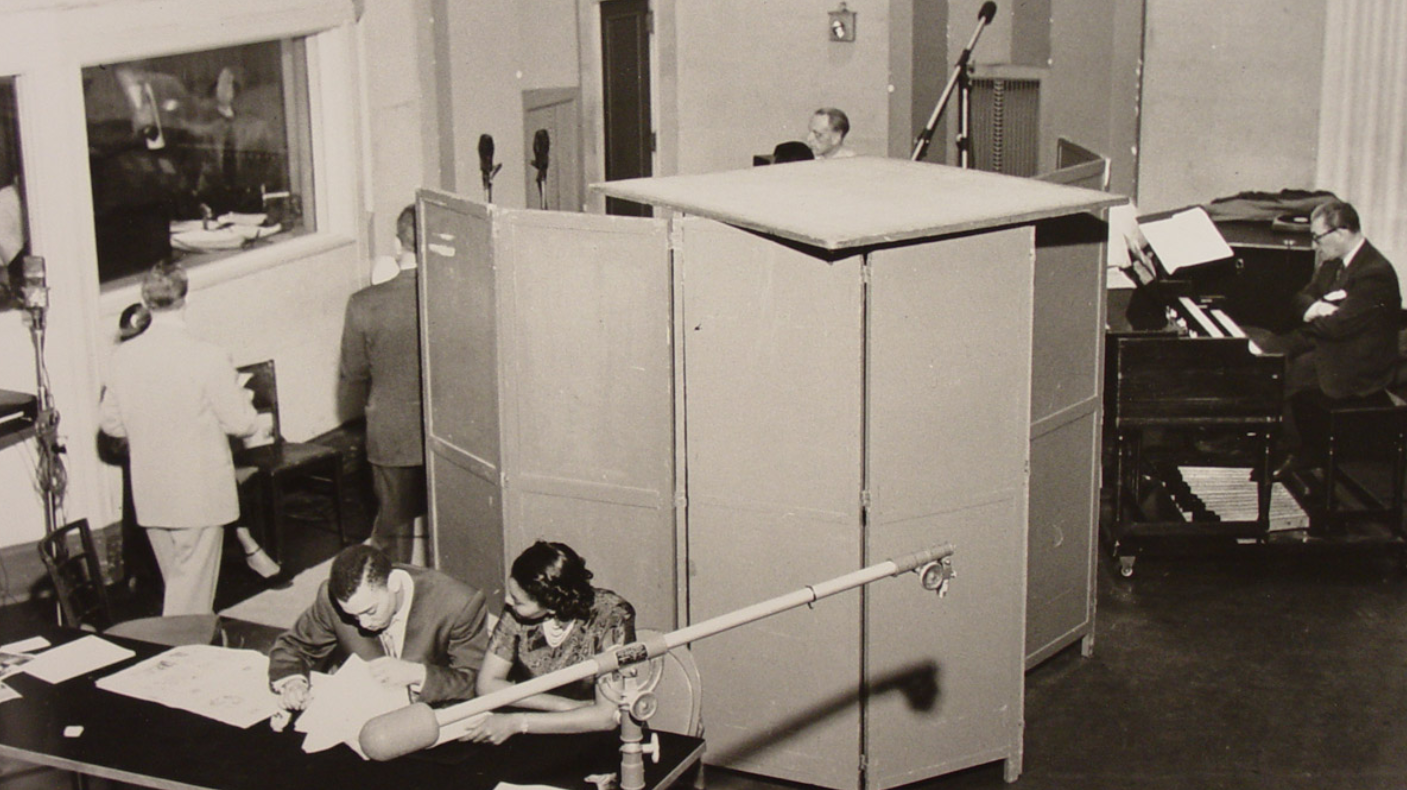
First broadcast in 1948, this Chicago-based series dramatized the lives of African American leaders such as Frederick Douglass, Harriet Tubman, and George Washington Carver. It was educational, emotional, and revolutionary for its time, pushing back against decades of media misrepresentation. The show gave a powerful platform to stories often silenced in mainstream media and contributed to changing cultural awareness during America’s early civil rights era.
10. “The Brains Trust” Radio Debates
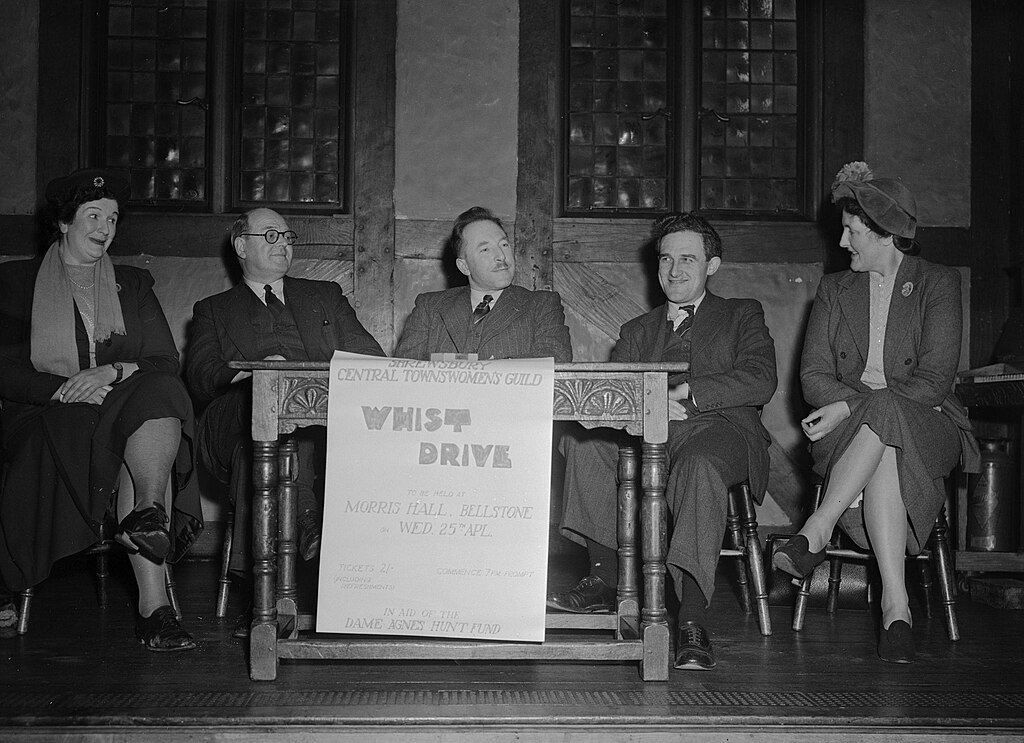
Before talk shows filled television, “The Brains Trust” created space for open discussion on politics, ethics, and social change. It brought intellectual debate into everyday life and showed that education and civic thought could be entertaining. It encouraged listeners to think critically about democracy, fairness, and global events. The program built a bridge between academia and the public and helped shape a culture that valued thoughtful civic engagement.
11. “Women in Defense” Campaign
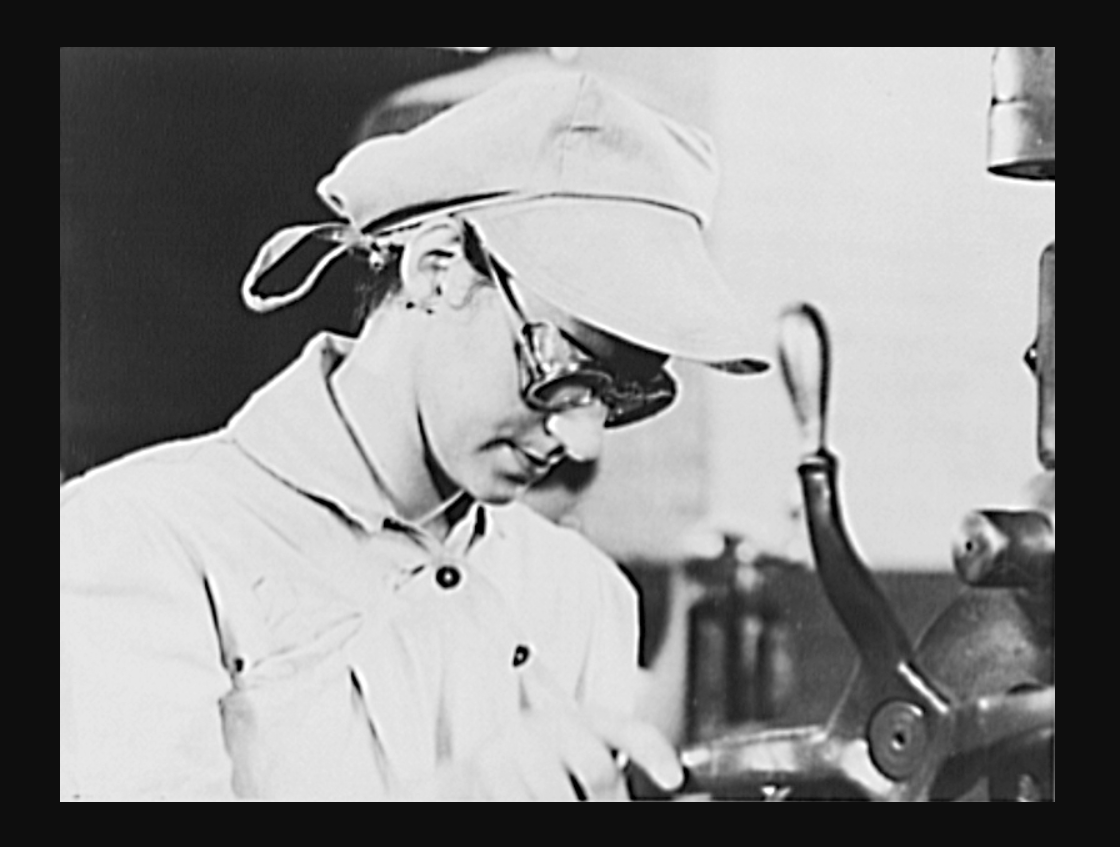
During World War II, the “Women in Defense” radio series encouraged women to join the workforce and support the war effort. The campaign featured real stories of women taking on new roles in factories and offices, reshaping gender expectations. It marked one of the first national media efforts to celebrate women’s empowerment and set the stage for postwar conversations about equality and work-life balance. It was radio activism through opportunity and pride.
12. “Dr. Martin Luther King Jr. Speaks” (1960s)
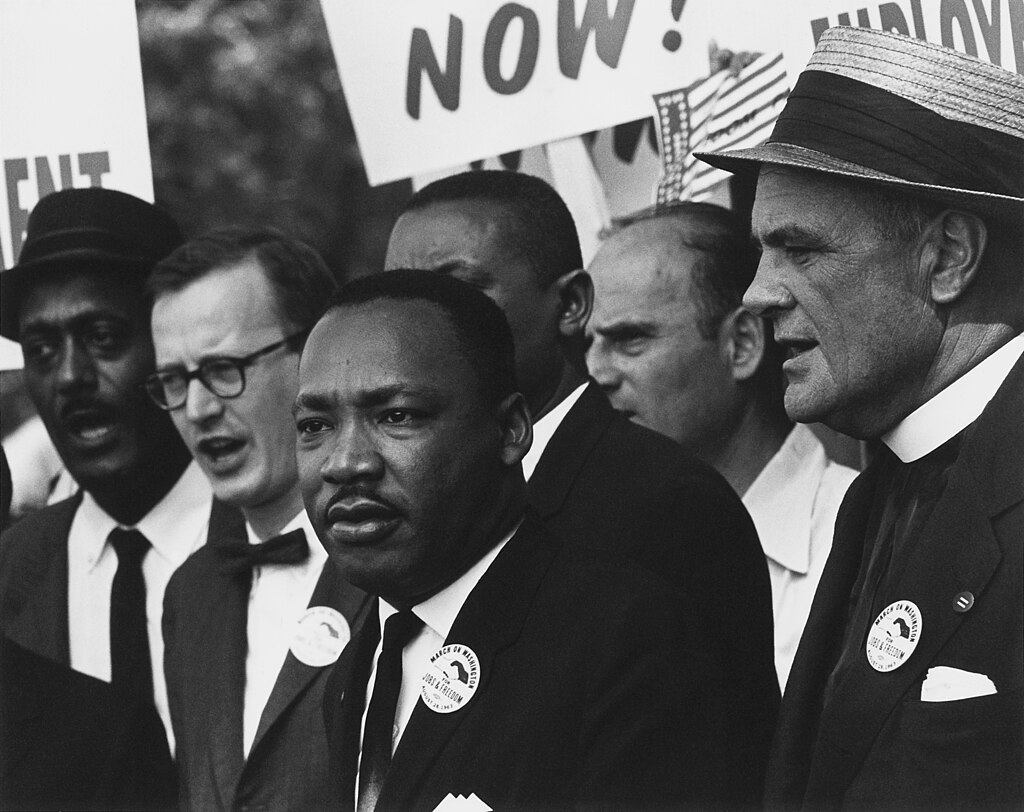
Through various syndicated broadcasts, Dr. King used radio to spread messages of peace, equality, and civil disobedience. His calm, resolute voice reached millions who might never attend a rally in person. The broadcasts gave the Civil Rights Movement a powerful medium of outreach, strengthening unity and resolve. The clarity and emotion in his delivery demonstrated how a single voice could carry a nation toward justice and understanding.
13. “Earth Day Radio Network” (1970)
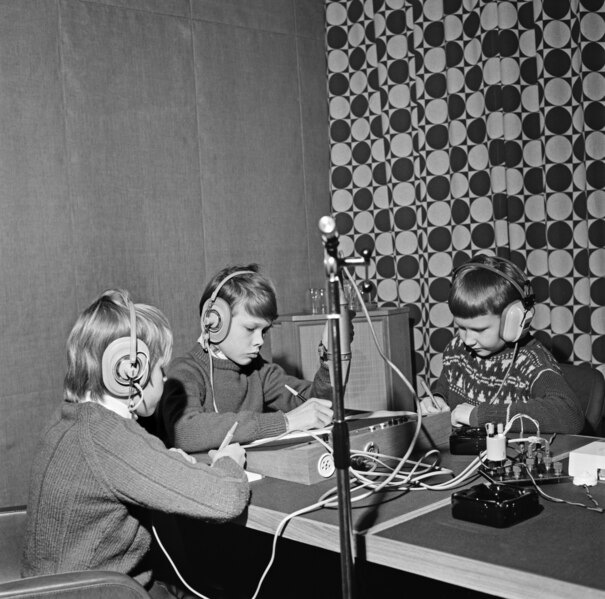
The first Earth Day in 1970 sparked nationwide awareness about environmental protection. Radio stations across the country dedicated hours of airtime to discussions on pollution, conservation, and clean energy. These broadcasts helped launch the modern environmental movement, proving that collective consciousness could begin with shared sound. It was the moment radio became not just entertainment, but an amplifier for humanity’s shared responsibility toward the planet.
Before social media campaigns and viral hashtags, there were voices in the static that stirred nations to action. These 13 radio campaigns transformed the airwaves into instruments of awareness, justice, and hope. Their echoes remind us that even in a digital world, storytelling remains the most powerful signal we can send.