In today’s economy, American households are tightening their budgets and rethinking what items are truly worth bringing home. Rising prices have forced families to cut out once-common products from their shopping carts. From everyday groceries to lifestyle luxuries, what was once seen as normal spending now feels unnecessary. Here are fourteen products that many shoppers are skipping because they’ve simply become too expensive.
Steaks and Premium Cuts of Beef
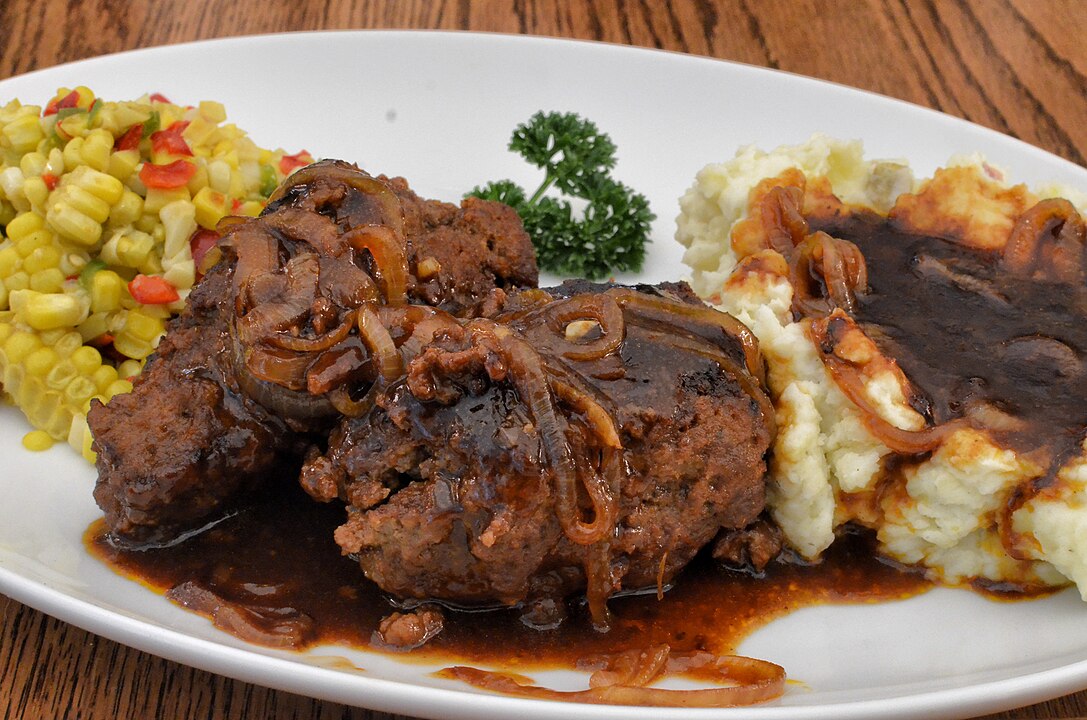
Once a weekend tradition, steaks have become a rare splurge for many families. Prices have climbed due to supply chain disruptions, higher feed costs, and inflation across the meat industry. Cheaper alternatives like ground beef or chicken often replace these once-regular purchases. Even grilling enthusiasts are more likely to wait for special sales rather than buy premium cuts at full price. This shift has changed how Americans celebrate family dinners.
Specialty Cheeses
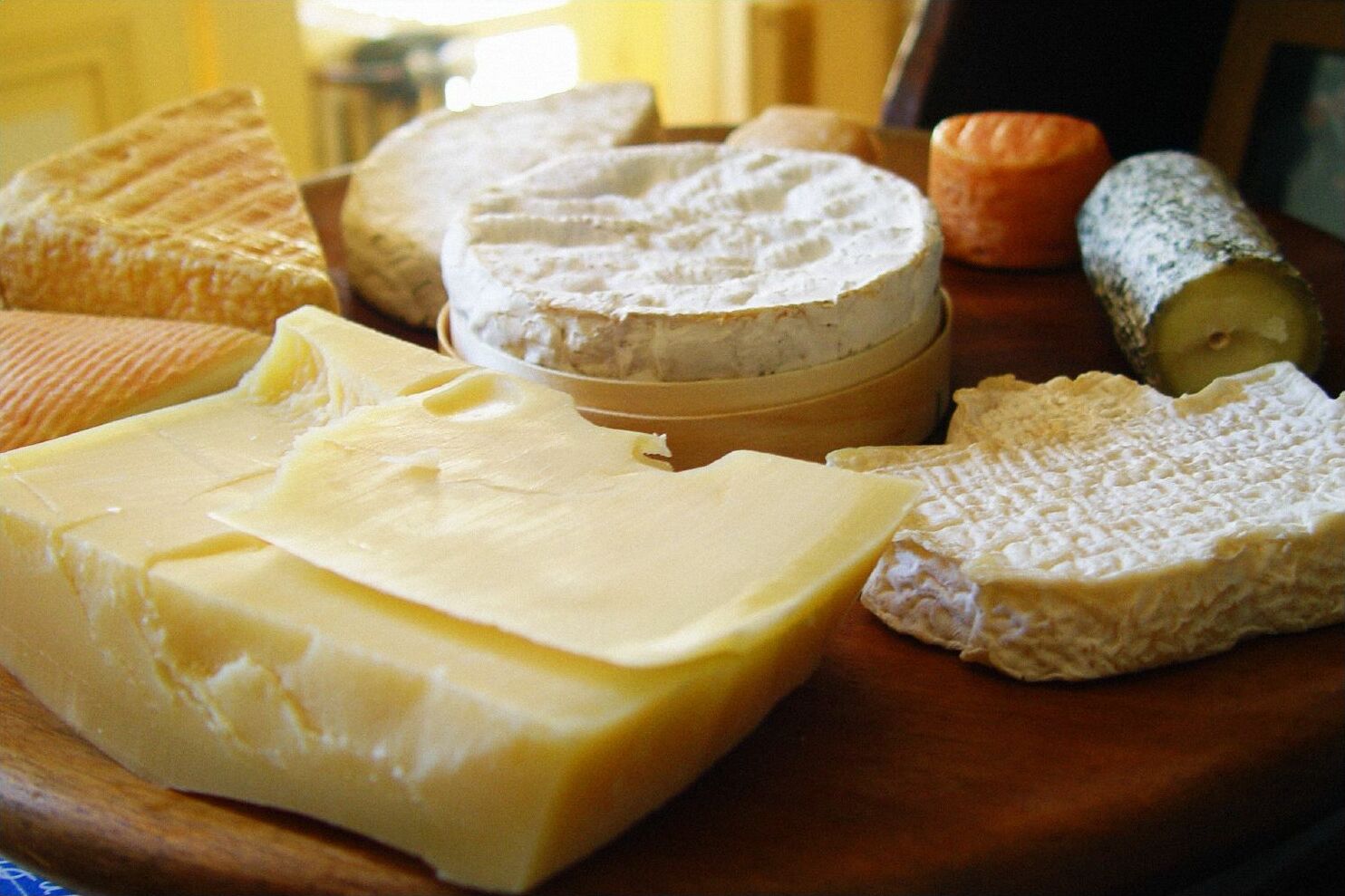
Artisan cheeses used to be an occasional treat, but rising dairy costs have made them harder to justify. Shoppers often opt for block cheddar or processed cheese slices rather than fancy imports. While specialty cheeses remain popular for holidays and gatherings, they are no longer a regular grocery list staple. The rise in plant-based cheese alternatives has also altered consumer choices. Budget-conscious shoppers are quick to swap luxury for practicality.
Name-Brand Cereal
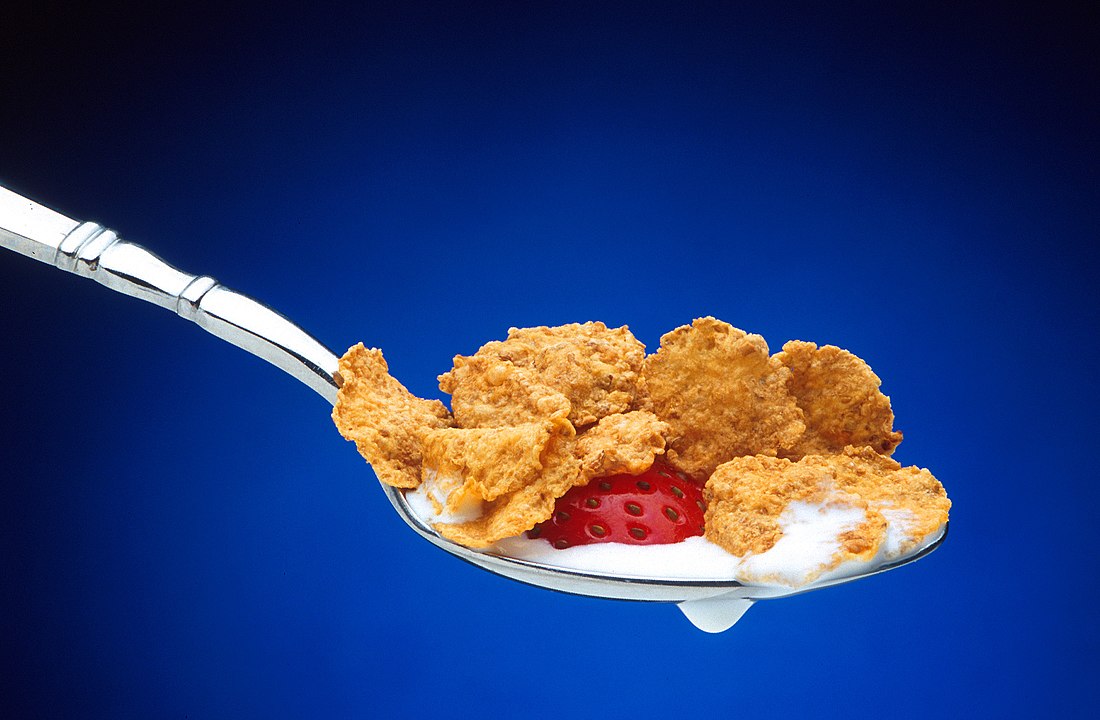
Cereal aisles once overflowed with sugary favorites, but the high price of name-brand boxes has driven families to store brands. Generic versions often taste similar and cost far less, making them more appealing. Parents balancing multiple kids’ breakfasts find it hard to justify the extra dollars. Cereal has transformed from a breakfast necessity to a product often judged by affordability. Shoppers no longer feel loyal to household names if savings are at stake.
Prepackaged Salads
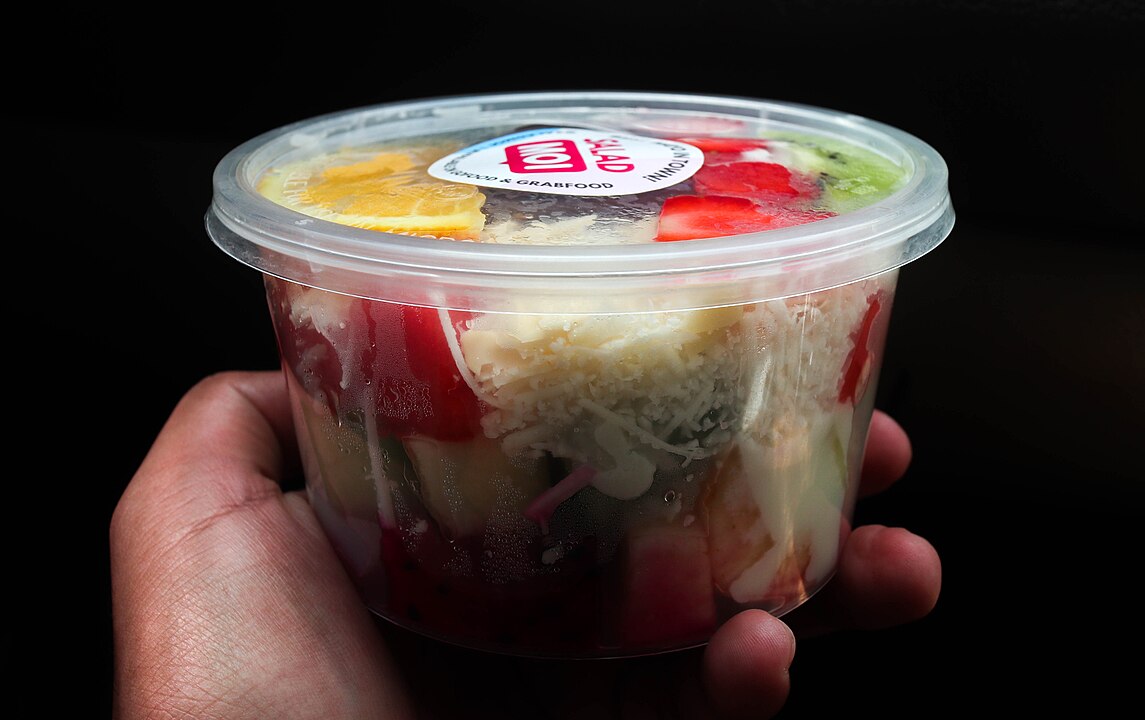
Bagged and boxed salads offer convenience, but their rising costs have turned them into a luxury. With lettuce, spinach, and other greens available at lower prices in bulk, many families return to chopping their own produce. The convenience factor no longer outweighs the price difference. For health-conscious households, this shift encourages fresher meal prep. The trend reflects how inflation reshapes convenience foods.
Sparkling Water and Seltzers

Sparkling waters once exploded in popularity, but many Americans now skip them for budget reasons. The cost per can or bottle doesn’t always justify what is essentially carbonated water. Shoppers often choose tap water, filtered pitchers, or larger bulk packs instead. Flavor drops and home soda machines offer cheaper alternatives for fizz lovers. This change shows how luxury drinks lose appeal in tight times.
Seafood and Shellfish
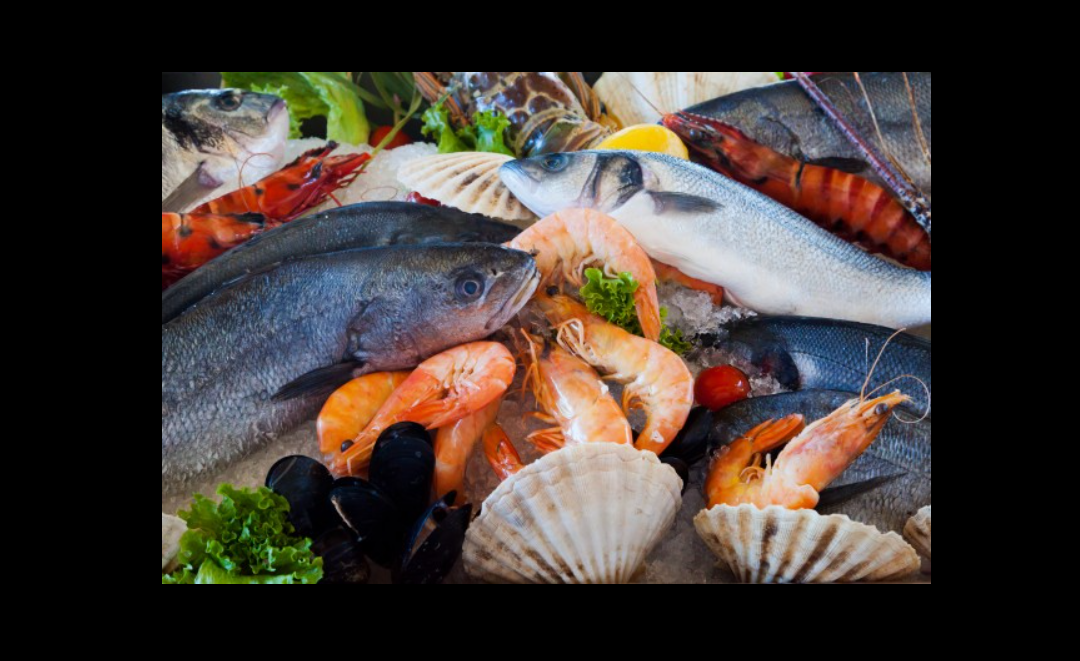
Seafood has seen dramatic price increases, pushing it off many weekly menus. Shrimp, salmon, and scallops are now special-occasion foods rather than everyday protein sources. Frozen alternatives remain cheaper but lack the appeal of fresh catches. Families often substitute with chicken or pork for protein variety. The high price of seafood has transformed American meal planning.
Pre-Made Deli Sandwiches
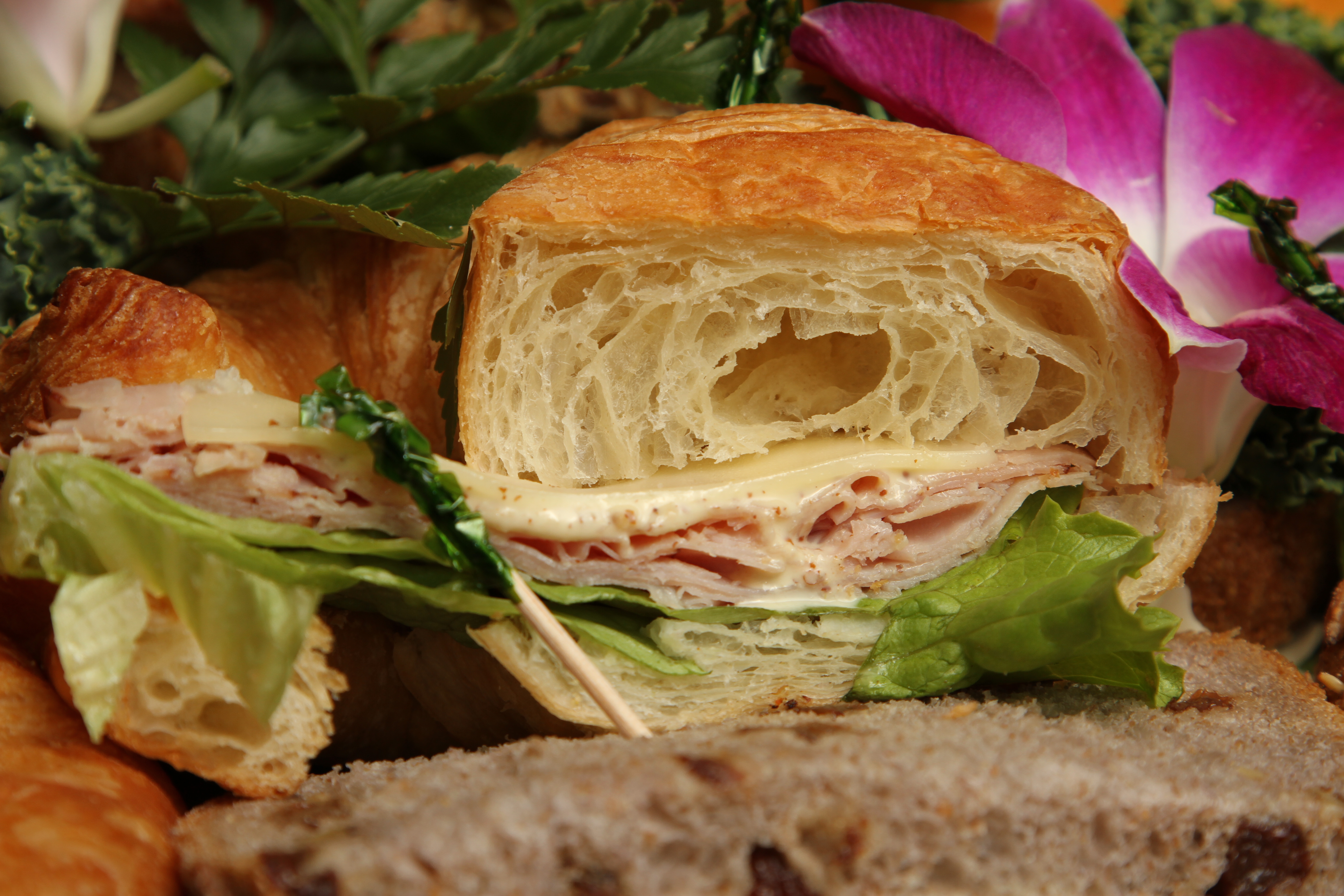
Grocery store sandwiches used to be a convenient lunch option, but at prices rivaling restaurant meals, shoppers think twice. The cost of bread, meat, and condiments is far lower when bought separately. Many now prepare meals at home, packing lunches instead of paying a premium for convenience. Deli sales reflect how shoppers cut corners. The trend underlines the move toward frugality.
Bottled Juices
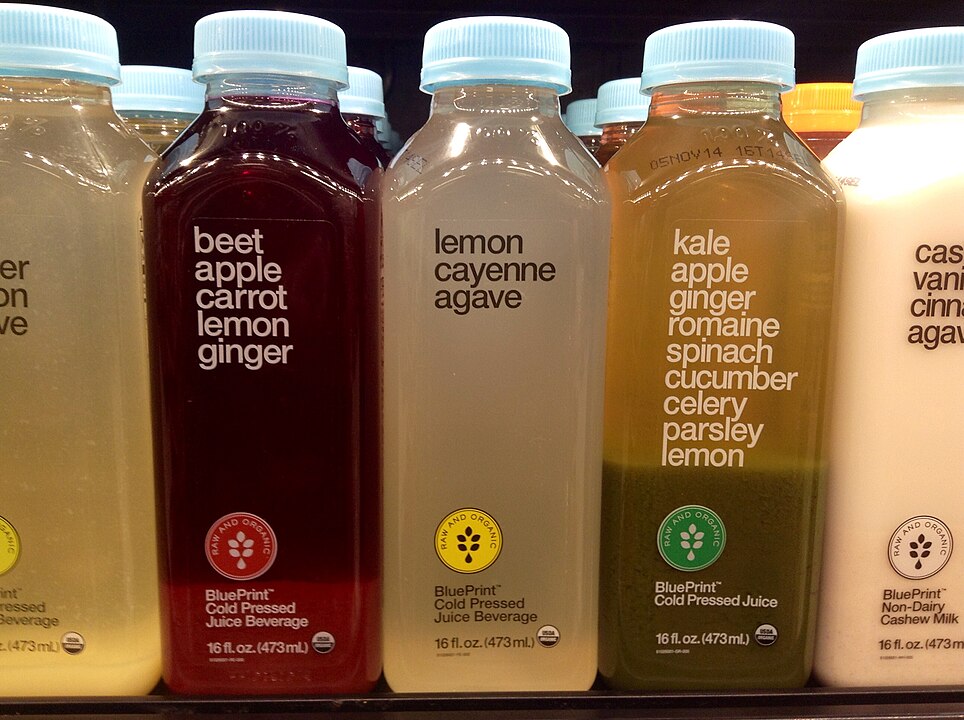
Once considered a healthy staple, bottled juices are increasingly skipped due to steep prices. Many families now rely on whole fruits or powdered drink mixes instead. Juice concentrates also serve as a cheaper substitute. The decline highlights how perceived health benefits are weighed against affordability. Juice aisles see lighter traffic than before.
Frozen Breakfast Foods
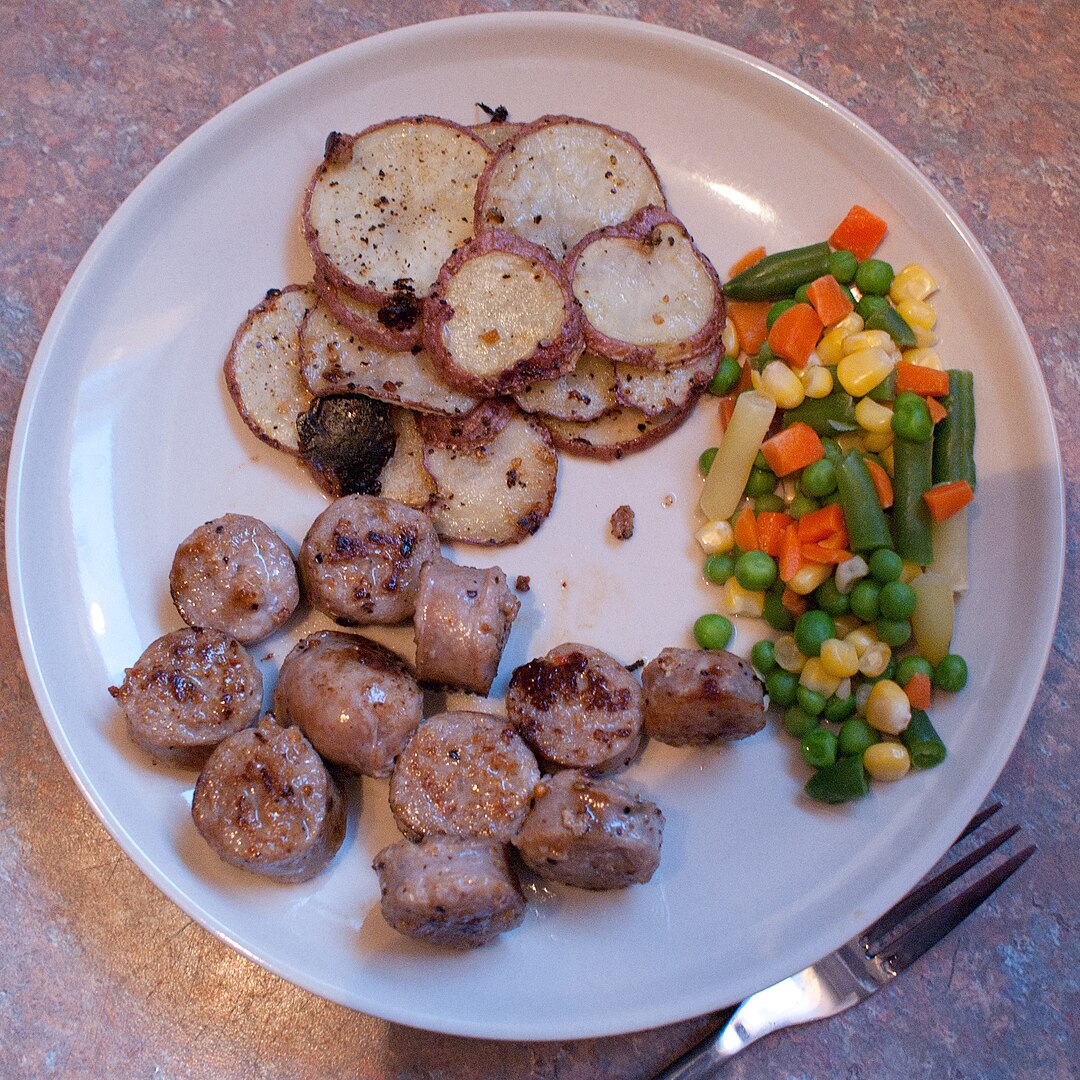
Frozen waffles, pancakes, and breakfast sandwiches have become pricier, making them less appealing. Families increasingly choose bulk ingredients like eggs and flour to make homemade versions. The convenience factor no longer outweighs the cost difference. Rising breakfast food costs especially impact large households. As a result, quick meals are now crafted in kitchens instead of freezers.
Ice Cream Pints
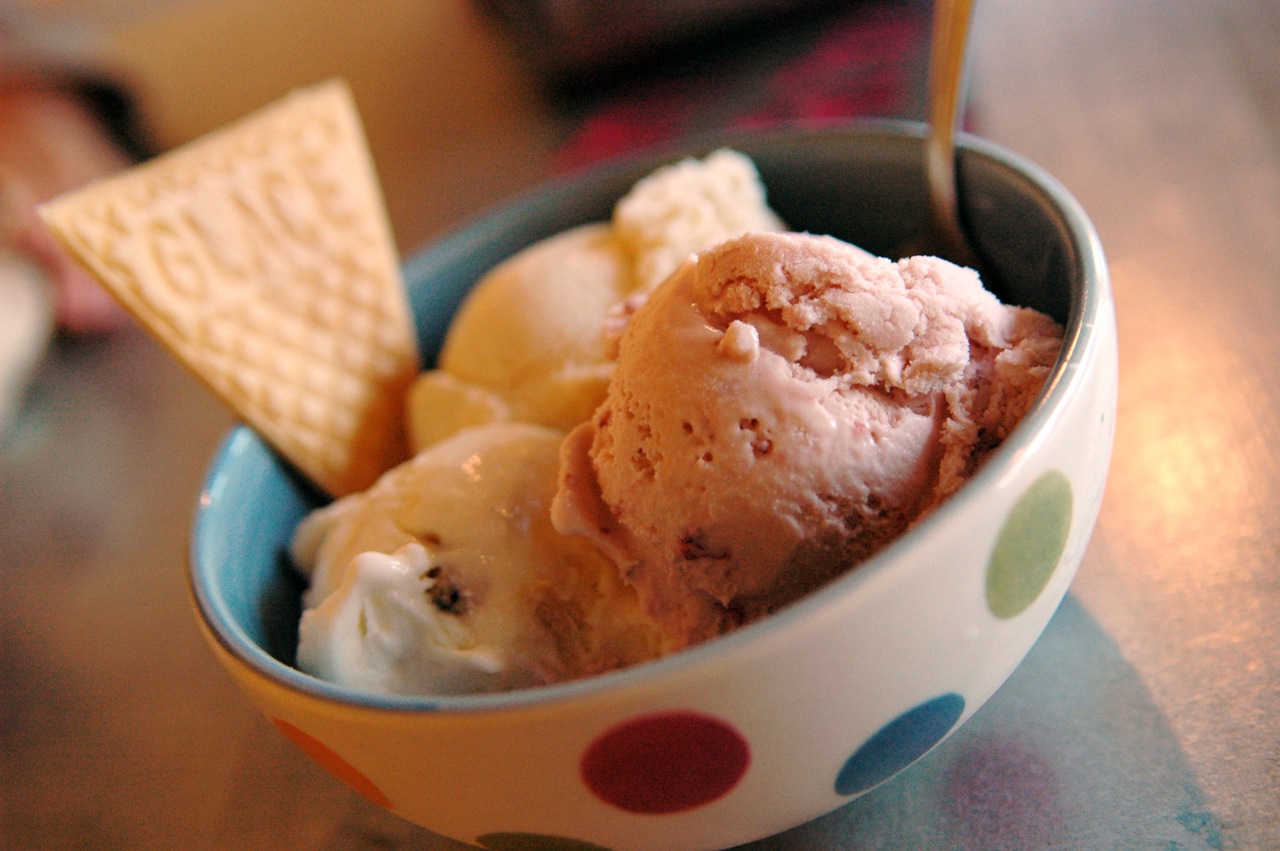
Ice cream pints from trendy brands have jumped in price, making them harder to justify for casual treats. Shoppers often buy larger tubs or skip desserts altogether. Homemade frozen treats have grown in popularity as alternatives. Seasonal sales remain the main time for splurging. Ice cream remains beloved, but in more budget-friendly forms.
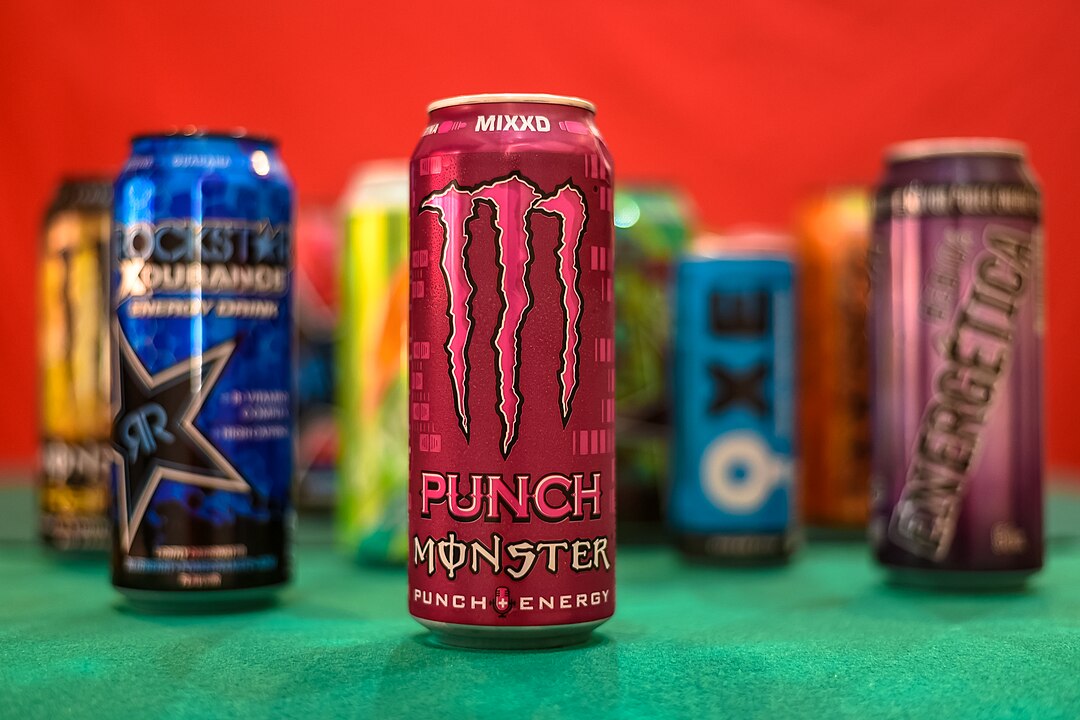
Energy Drinks
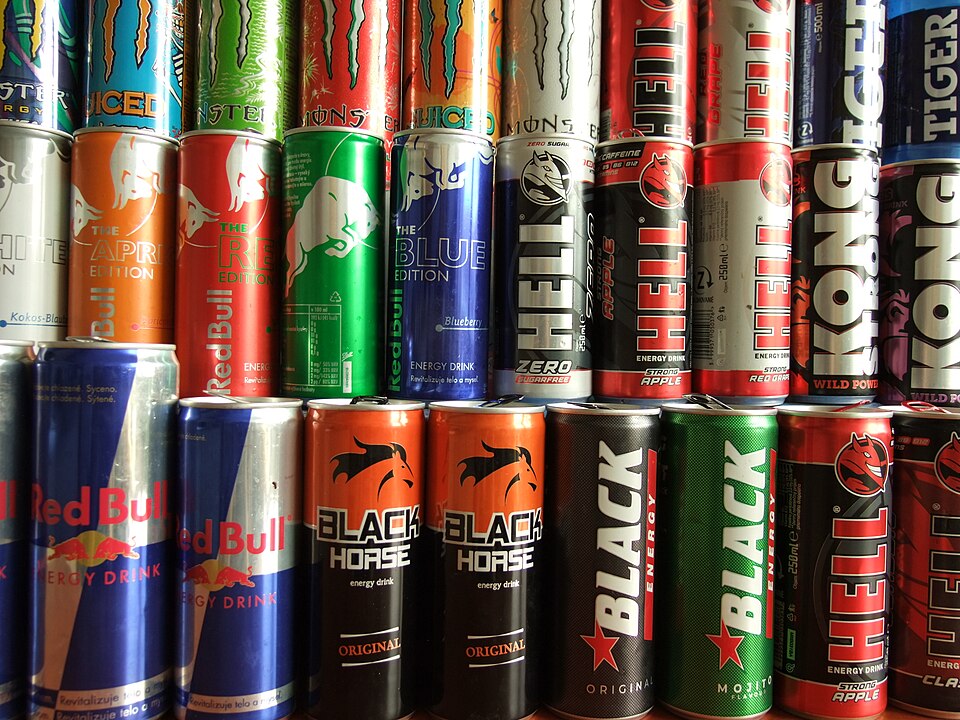
Energy drinks are among the first luxuries trimmed from shopping lists. With prices often above coffee or tea, many opt for cheaper caffeine sources. Shoppers view energy drinks as less essential compared to household needs. Some even swap to bulk-purchased instant coffee or pre-brewed tea for savings. The popularity of energy drinks dips as wallets tighten.
Packaged Snacks
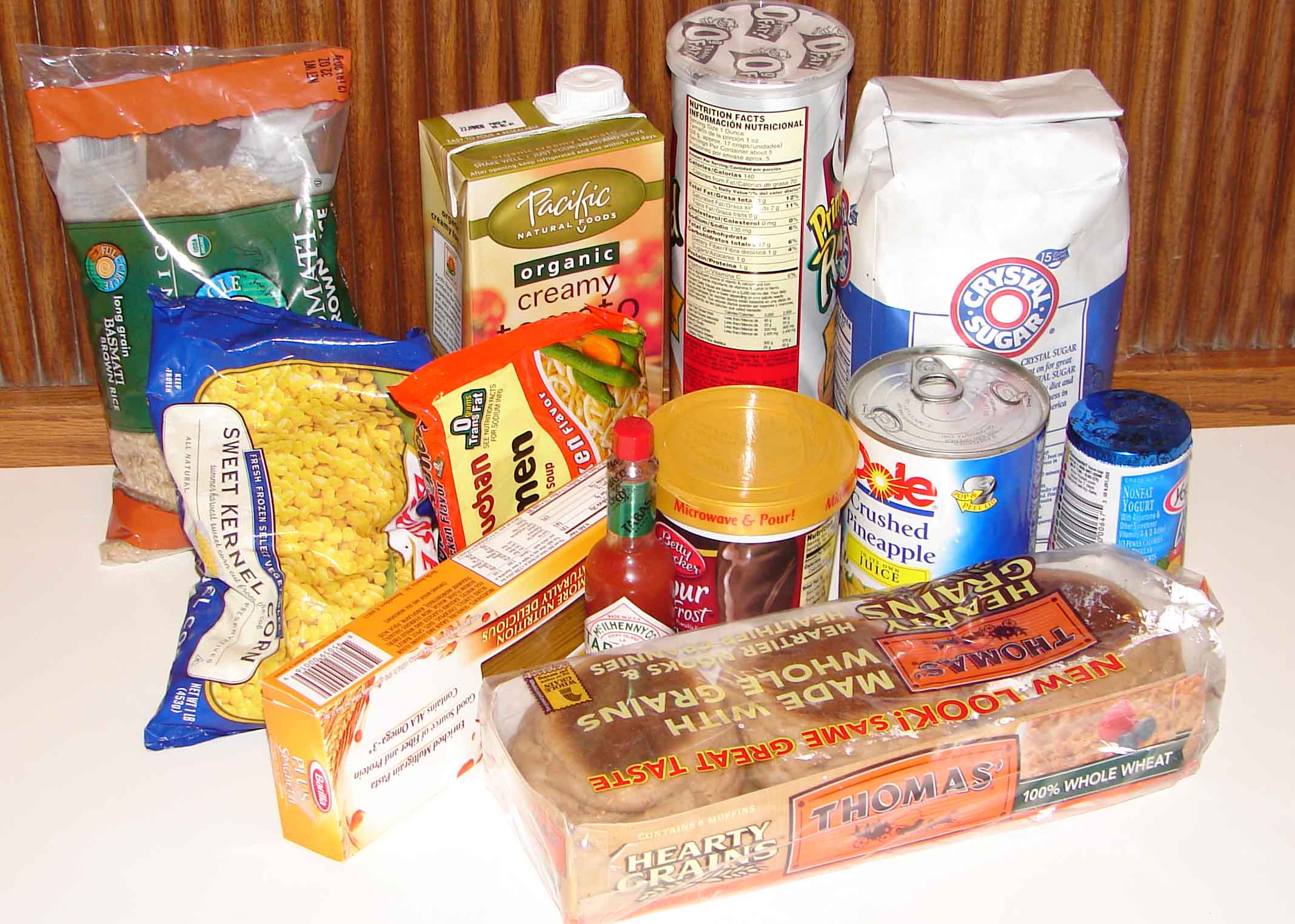
Snack aisles once dominated by chips and crackers are now bypassed for bulk goods or homemade alternatives. Rising prices mean fewer people grab brand-name snacks on impulse. Parents especially cut down on single-serving packs that cost more per ounce. Popcorn kernels, homemade trail mixes, and baked goods often take their place. Affordability reshapes snacking habits across the country.
Household Cleaning Sprays

Name-brand cleaning sprays used to be standard, but bulk alternatives or homemade solutions have replaced them. Rising costs push families toward vinegar, baking soda, and multipurpose cleaners. Store-brand cleaners offer similar effectiveness at lower prices. Shoppers now prioritize versatility over brand loyalty. Even cleanliness becomes a budgeting exercise.