
Parenting in the era of Gen Alpha, children born from the early 2010s onward, has evolved alongside rapid technological and cultural shifts. Unlike earlier generations who grew up with slower changes, Gen Alpha children experience a world where trends move at lightning speed and daily routines feel more curated and digital. As a result, a unique collection of micro-trends, habits, and parent-child dynamics is shaping their identity. These small but influential practices will likely become the defining memories Gen Alpha carries into adulthood.
Digital Reward Charts Instead of Sticker Boards

Traditional sticker charts have largely been replaced by digital behavior and reward apps. Parents now track chores, routines, and accomplishments on tablets or smartphones, turning progress into animations and interactive milestones. This shift reflects Gen Alpha’s comfort with screens and gamified learning environments. Children often find these digital systems more motivating than paper-based ones due to instant feedback and colorful visuals. These tools create memories of high-tech encouragement rather than physical stickers.
The Rise of Calm-Down Corners

Calm-down corners have become a standard feature in Gen Alpha households, functioning as designated spaces for emotional regulation. Instead of punishment, children are encouraged to take breaks in cozy areas filled with pillows, sensory toys, or calming lights. This reflects a new parenting approach centered on emotional intelligence and gentle discipline. Many Gen Alpha kids will recall these corners as safe places rather than timeout zones. The emphasis on emotional well-being marks a distinct cultural shift from previous generations.
Intentional Screen-Time Planning

Unlike the freely consumed TV of earlier generations, Gen Alpha grows up with parents who approach screen time with structured guidelines. Families use timers, curated playlists, and educational apps to maintain balance. This results in children seeing technology as something monitored and purposeful rather than unlimited. Parents often prioritize learning-based content, influencing how Gen Alpha views entertainment. Screen time becomes a mindful routine instead of a passive activity.
Eco-Friendly Birthday Parties

Sustainability-focused birthday parties have become a defining trend for Gen Alpha celebrations. Parents replace plastic decor with recyclable materials, biodegradable balloons, and reusable tableware. Gift-giving may include books, thrifted toys, or contributions toward experiences rather than piles of new items. Children grow up associating parties with environmental mindfulness and creative simplicity. These celebrations reflect a broader rise in eco-conscious family values.
Montessori-Inspired Play Spaces
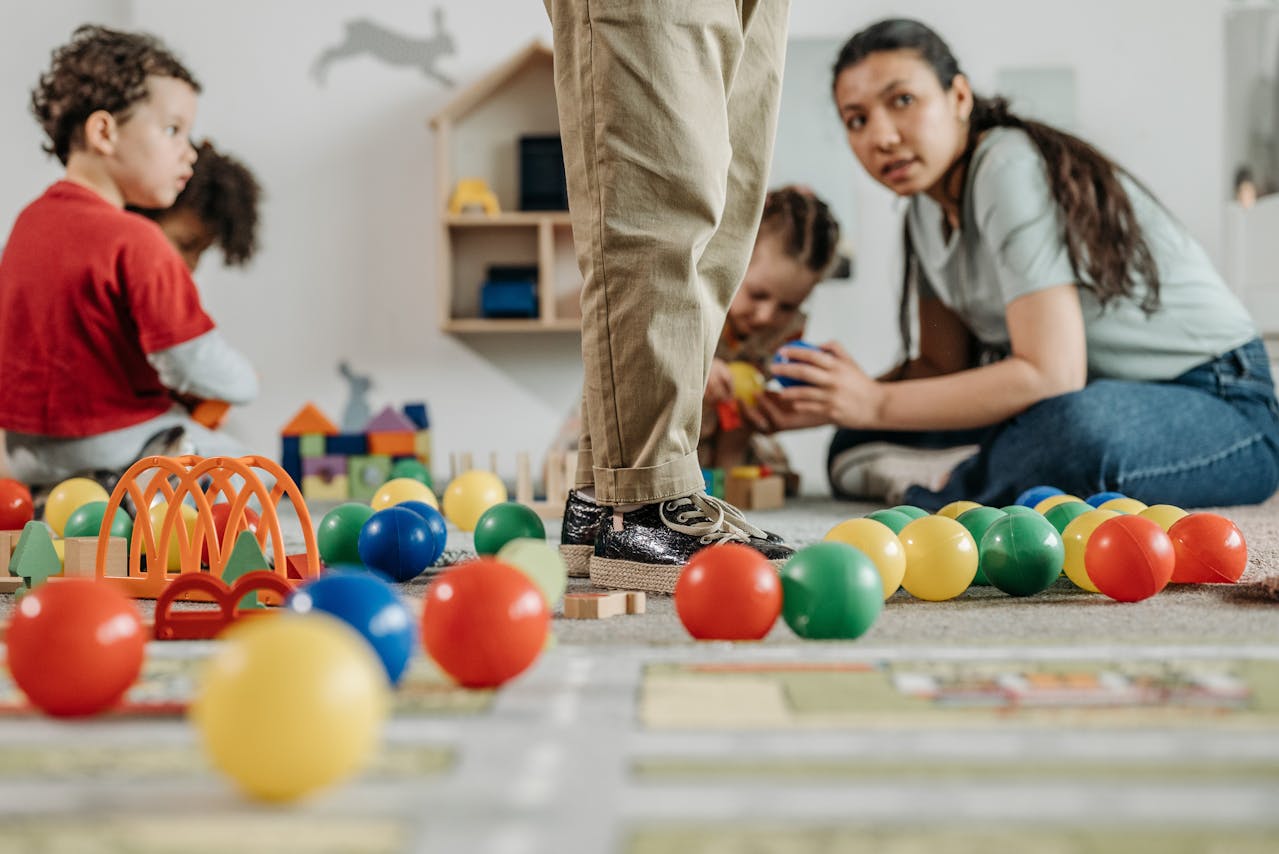
Montessori principles have made their way into countless Gen Alpha homes, influencing how play spaces are arranged. Parents favor open shelving, natural materials, and child-led learning environments. Toys are curated intentionally, encouraging independence and creativity. As a result, Gen Alpha kids experience early childhood spaces that feel calm, accessible, and purposeful. This setup shapes their early understanding of organization and self-directed exploration.
Smart Speakers as Household Helpers

Smart speakers have become everyday companions for Gen Alpha children. Kids use voice assistants to play music, ask questions, manage routines, and even help with homework. This normalizes technology as an active household assistant rather than a novelty. Parents often rely on these devices for reminders and educational engagement. Gen Alpha will likely remember growing up with AI as a familiar, conversational presence.
Family Vlogs and Digital Scrapbooking
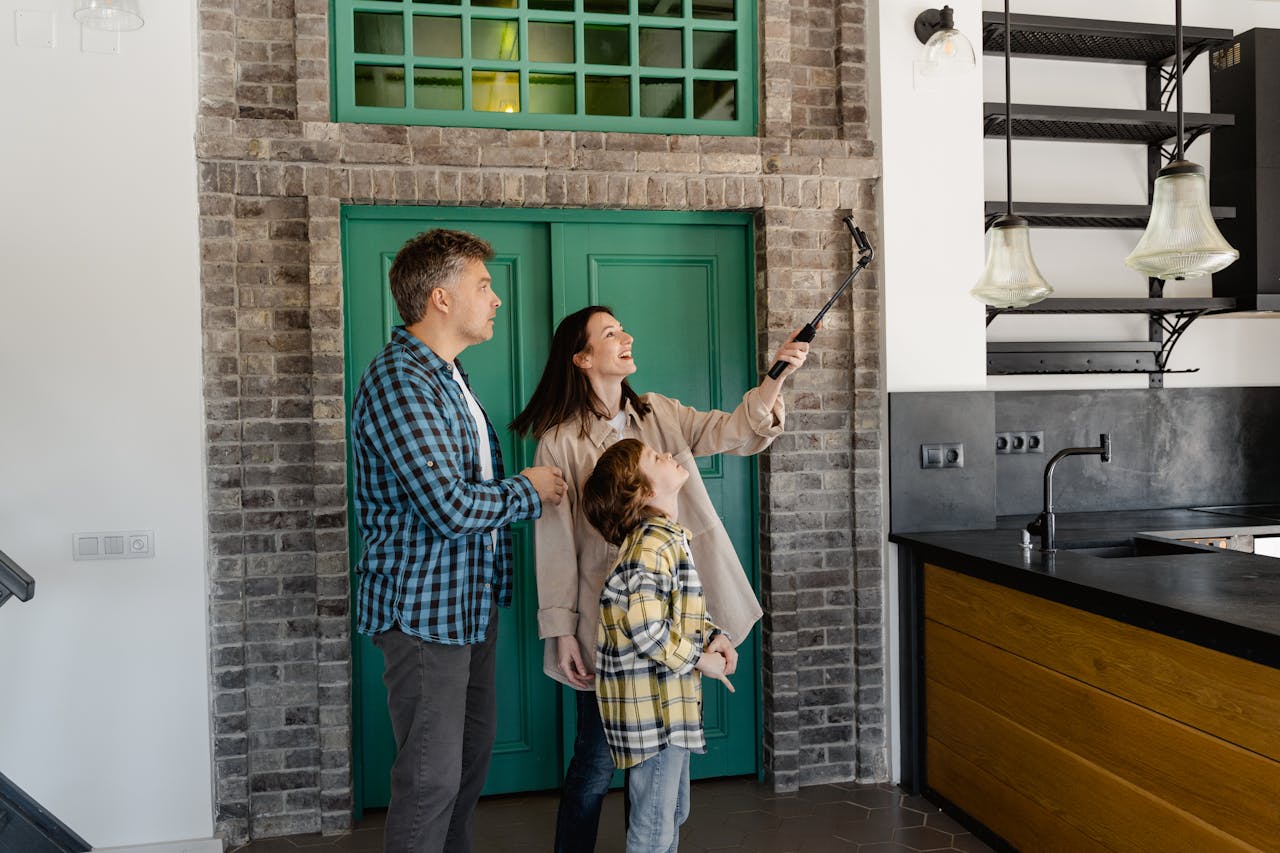
Many families now document milestones through short videos, shared albums, or casual vlogging. Children grow up accustomed to being in front of smartphone cameras, participating in small digital stories of daily life. This creates a different type of memory archive—more dynamic and accessible than traditional photo albums. Parents often involve kids in editing small clips or choosing music, making it a collaborative activity. These digital scrapbooks become a core part of their childhood narrative.
Kid-Friendly Fitness Apps
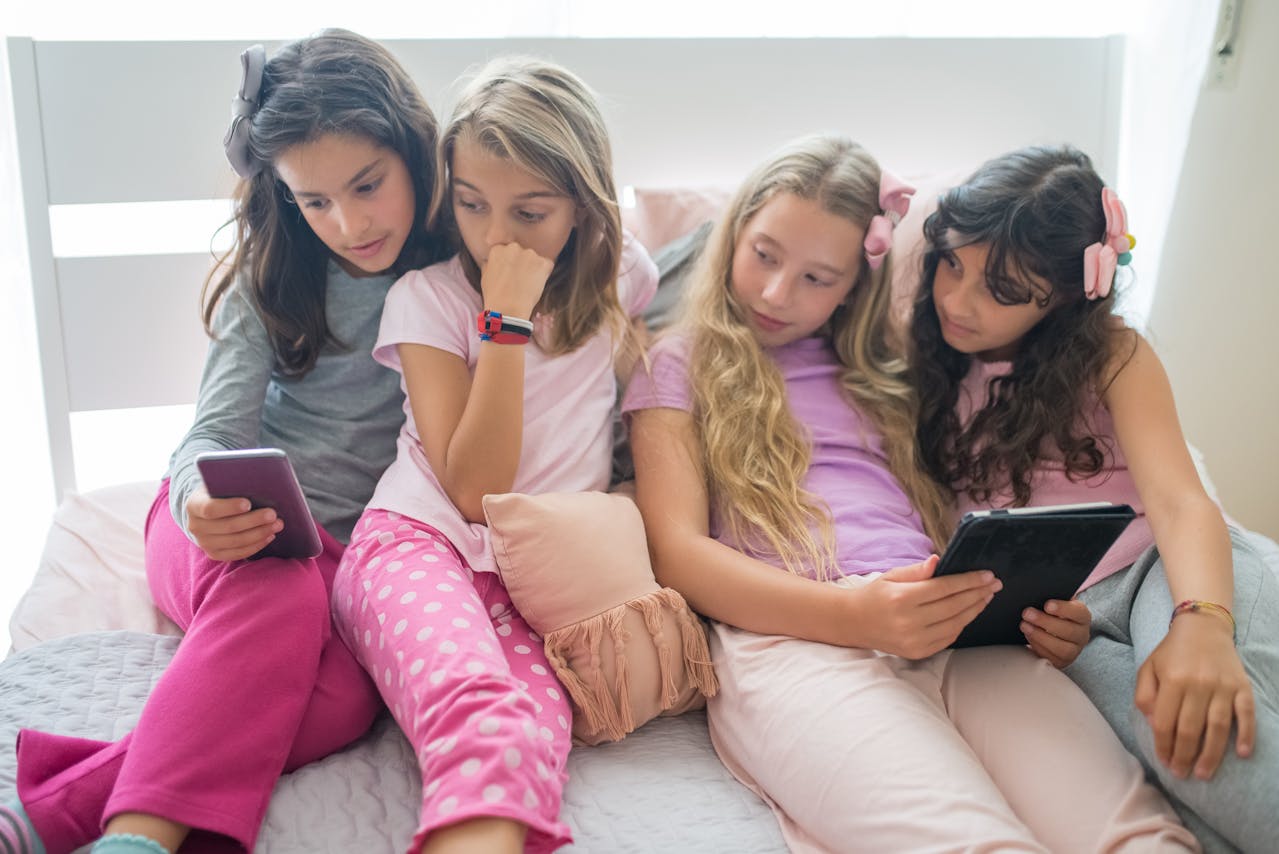
Family fitness has shifted into interactive gamified experiences, especially through kid-oriented workout apps and online challenges. Gen Alpha children learn early that exercise can be fun, digital, and engaging. Dance workouts, virtual yoga, and character-led fitness routines shape their understanding of health. Parents appreciate these tools for helping children stay active indoors without pressure. As a result, fitness becomes both playful and tech-driven.
Minimalist Toy Collections

The minimalist parenting trend reduces toy clutter in favor of intentional, high-quality pieces. Gen Alpha kids are accustomed to curated playrooms with wooden toys, building sets, and open-ended play materials. This shifts their expectations of entertainment, encouraging creativity over accumulation. Parents believe fewer toys help develop focus and imagination. Many children will remember growing up with simpler, more thoughtful play environments.
Meal Prep Lunches

School lunches have become more varied and health-conscious as parents embrace meal prep culture. Bento-style lunchboxes, colorful produce, and creative arrangements make healthy eating more appealing to kids. These lunches reflect both nutritional awareness and the influence of social media on food presentation. Gen Alpha children often develop broader palates because of these thoughtful preparations. The emphasis on balanced, visually appealing meals becomes a hallmark of their school experience.
Educational Podcasts for Kids

Podcasts designed specifically for children have become a staple in Gen Alpha households. Parents use them for bedtime routines, car rides, and quiet learning sessions. These audio stories help build imagination and knowledge while reducing screen reliance. Children often develop strong loyalty to podcast characters and hosts. This trend reflects a modern blend of entertainment and education.
Playdates with Structured Learning

Playdates increasingly include educational or skill-based elements such as science kits, crafting workshops, or collaborative building challenges. Parents aim to create engaging experiences that stimulate learning as well as socialization. This approach mirrors broader expectations for productivity in childhood. Gen Alpha kids will remember playdates that felt both fun and enriching. These structured activities become part of their social development story.
Early Introduction to Coding
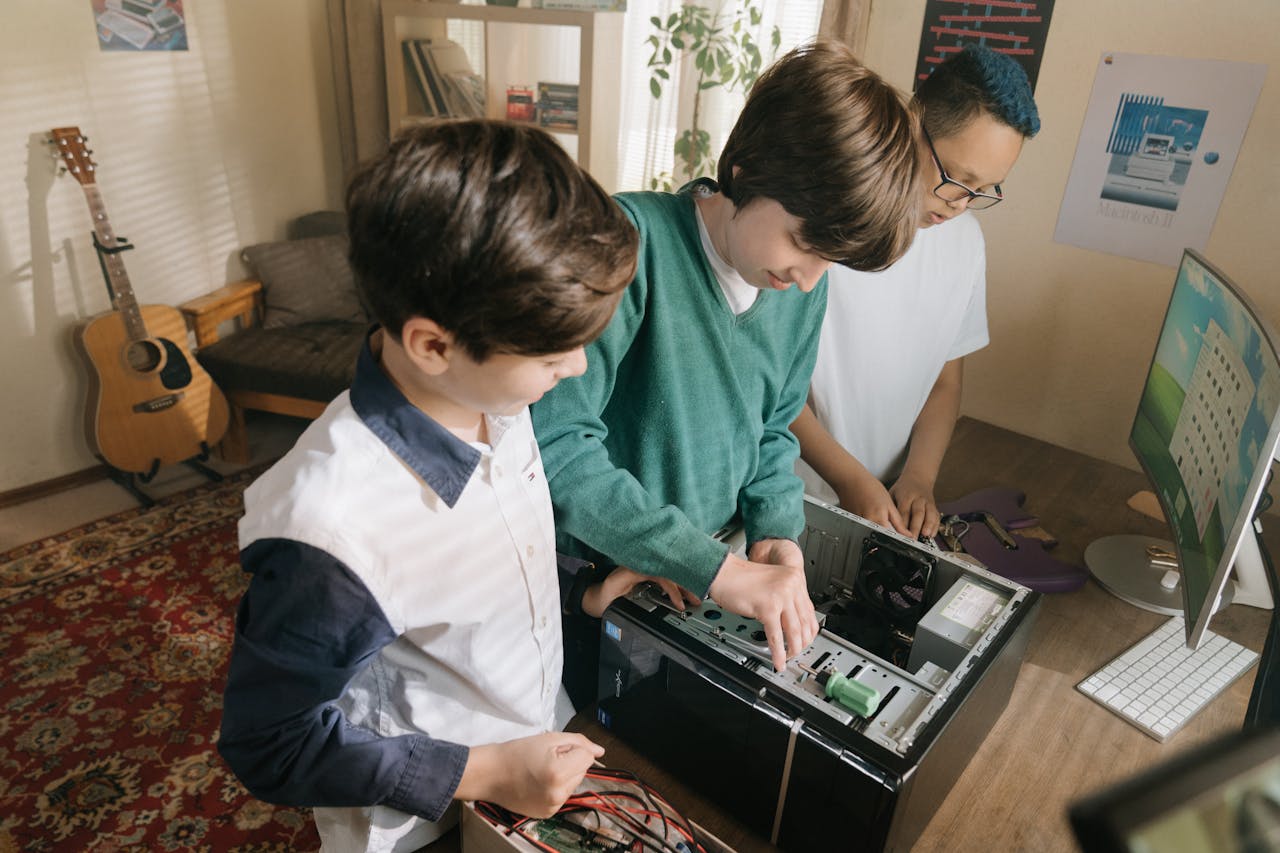
Many parents introduce coding concepts through playful apps, robot toys, and basic programming games. This gives Gen Alpha early confidence with technology far beyond previous generations. Parents see coding literacy as essential for future opportunities. Children often view these activities as games rather than academic tasks. Early tech fluency becomes a defining childhood experience.