Many traditional American skills that once defined daily life, self-reliance, and craftsmanship are rapidly fading in the modern world. As technology grows more intuitive and fast-paced, fewer people rely on the hands-on methods that shaped earlier generations. While some communities continue to preserve these practices, the cultural shift toward convenience accelerates their disappearance. Reflecting on these fading skills offers insight into how modernization changes not only lifestyles but also the knowledge we pass on.
Writing in Cursive

Cursive writing, once a foundational part of American schooling, is disappearing as keyboards dominate communication. Fewer states require students to learn cursive, leaving younger generations unfamiliar with reading or writing it. The skill once symbolized elegance, speed, and maturity in written communication. Today, digital literacy has replaced penmanship as the more practical classroom priority. While some view this loss as cultural erosion, others see it as a natural shift in communication tools.
Sewing and Mending Clothing

Sewing was a basic household skill passed down through generations. People routinely repaired tears, hemmed pants, or even made entire garments. With fast fashion and low-cost clothing widely accessible, the incentive to mend has diminished. Sewing machines, once common household appliances, now sit unused or entirely absent. Despite its decline, sewing remains valued among hobbyists and sustainability advocates.
Home Canning and Food Preservation

Before refrigeration became universal, canning and preserving food were essential survival skills. Families stored harvests for winter and avoided waste through careful preservation methods. As grocery stores expanded, the need to can at home faded dramatically. Today, only niche communities maintain the tradition for health or sustainability reasons. The skill’s decline reflects broader changes in the food supply chain.
Navigating Without GPS

Reading paper maps or giving detailed verbal directions used to be everyday tasks. With navigation apps providing instant guidance, spatial reasoning and memory-based navigation skills have weakened. This shift highlights how modern convenience reduces reliance on manual problem-solving. Some emergency groups still teach mapreading, knowing technology can fail. For most, GPS is now the default.
Basic Carpentry Skills
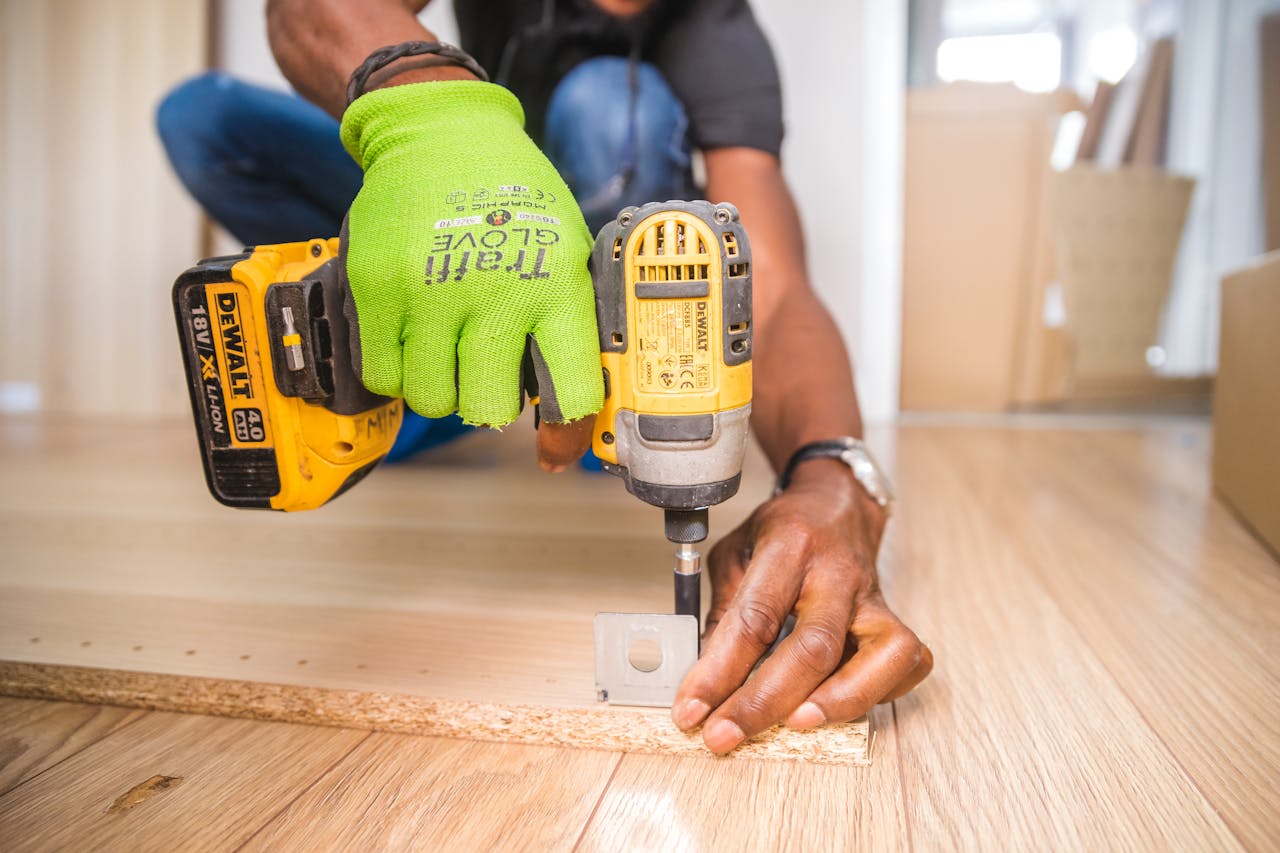
Building simple furniture, repairing fences, or crafting wooden tools were once common abilities. As mass-produced furniture grew inexpensive, DIY craftsmanship declined. Many Americans now hire professionals for tasks previous generations handled themselves. The loss of carpentry knowledge reduces self-reliance and connection to traditional trades. However, hobbyist woodworking is still thriving in pockets across the country.
Understanding Hand Tools
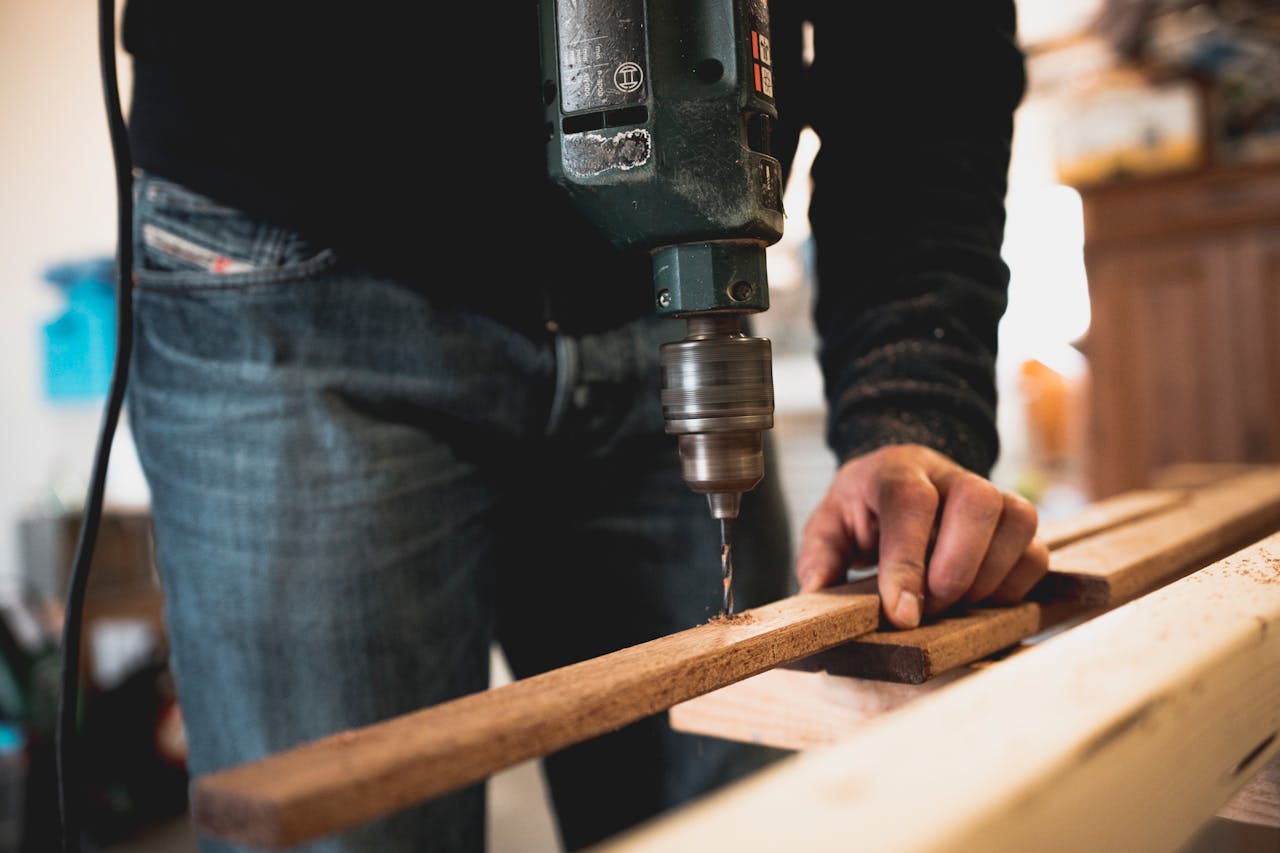
Using manual tools such as hand drills, mallets, and chisels used to be part of everyday work. Today, power tools dominate home repair and construction projects. While they make tasks faster, they also limit understanding of foundational mechanics. Older generations had a more intimate knowledge of how objects were built and repaired. This shift represents a broader move away from tactile learning.
Mental Math

Before calculators and smartphones, quick mental arithmetic was a daily necessity. People estimated bills, split checks, and solved household calculations without assistance. The widespread dependence on devices reduces regular mental practice. Teachers note a decline in number sense among students accustomed to automatic solutions. Yet mental math remains an important cognitive skill even in the digital era.
Canning and Root Cellaring

Storing food in root cellars was once a rural necessity. Proper ventilation and temperature management allowed families to preserve vegetables for months. Refrigeration and year-round grocery availability eliminated the need for these systems. The knowledge of how to build and maintain root cellars is nearly lost. It survives mainly among homesteaders and off-grid communities.
Writing Letters
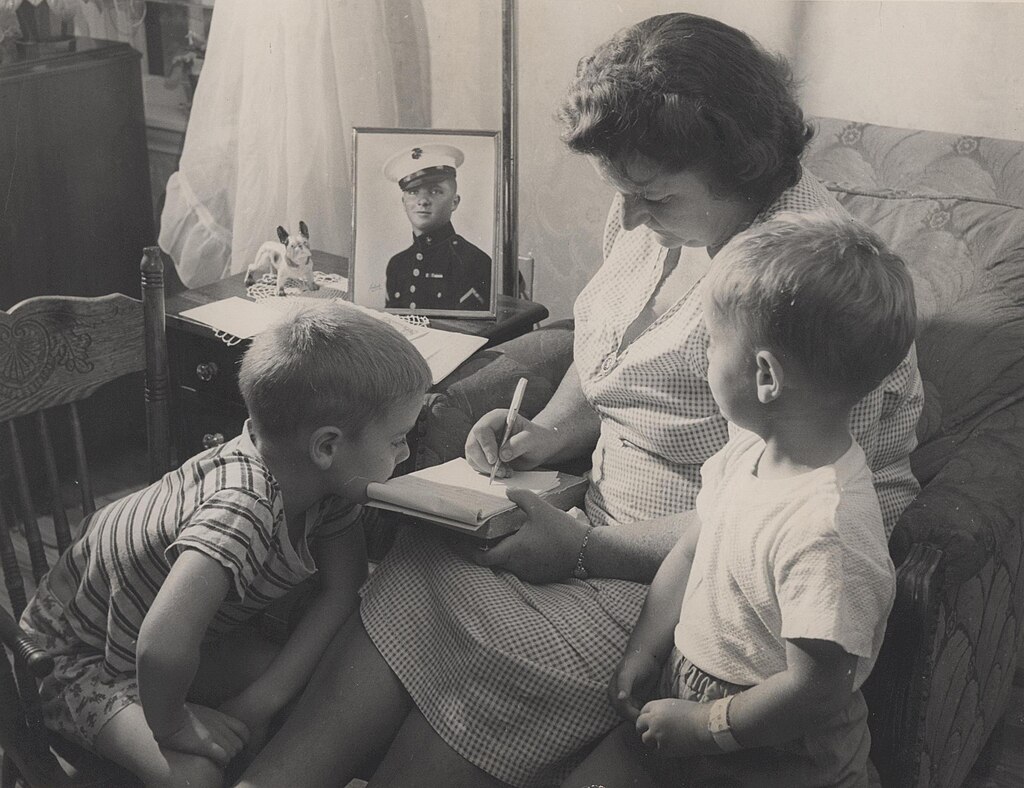
Personal letters were once the primary method of long-distance communication. Crafting thoughtful messages required time and emotional intention. Digital messaging has replaced most handwritten correspondence, compressing language and reducing personal expression. While holiday cards and occasional notes persist, letters are rare in everyday life. The shift reflects changing expectations around time and communication speed.
Using a Compass

Compass navigation was a vital outdoor skill taught in scouting and military groups. With GPS available even in remote areas, fewer people learn to orient themselves manually. The compass once symbolized self-reliance and exploration. Losing this skill increases dependency on devices that may malfunction. Outdoor educators continue teaching compass use as a core survival method.
Knitting and Crocheting
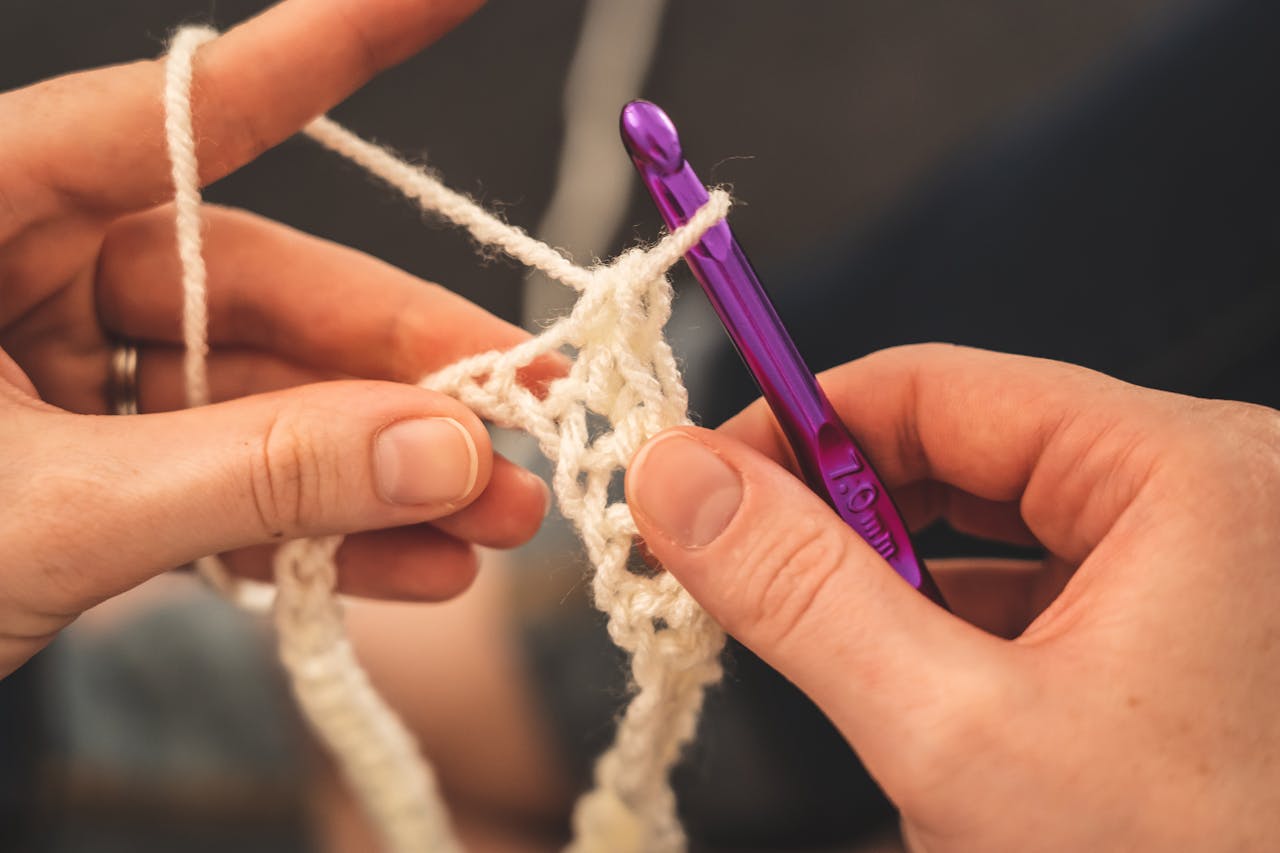
These crafts were once both practical and social activities, producing clothing, blankets, and household items. Fast retail options reduced the need for handmade textiles. While crafting communities remain active, the skill is less common among younger generations. Knitting circles have diminished as a social tradition. Still, fiber arts continue to attract those seeking creativity and mindfulness.
Basic Car Repair
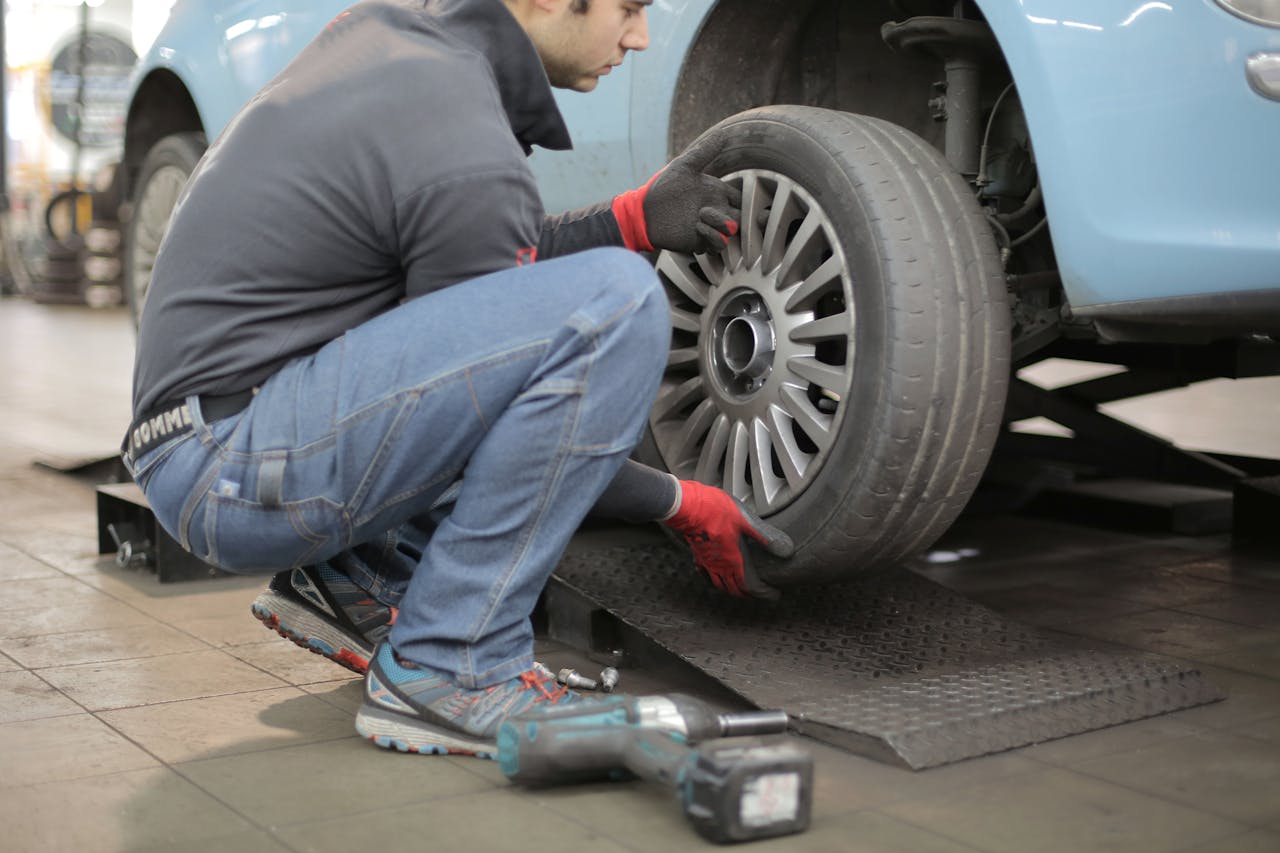
Older vehicles were simpler, allowing owners to handle maintenance like changing spark plugs or repairing belts. Modern cars rely on complex electrical systems and specialized diagnostic tools. This evolution makes do-it-yourself repairs difficult without professional assistance. The decreasing ability to fix one’s own car reduces independence and increases maintenance costs. Car culture has shifted from hands-on mechanics to tech-focused operation.
Hanging Laundry Outdoors
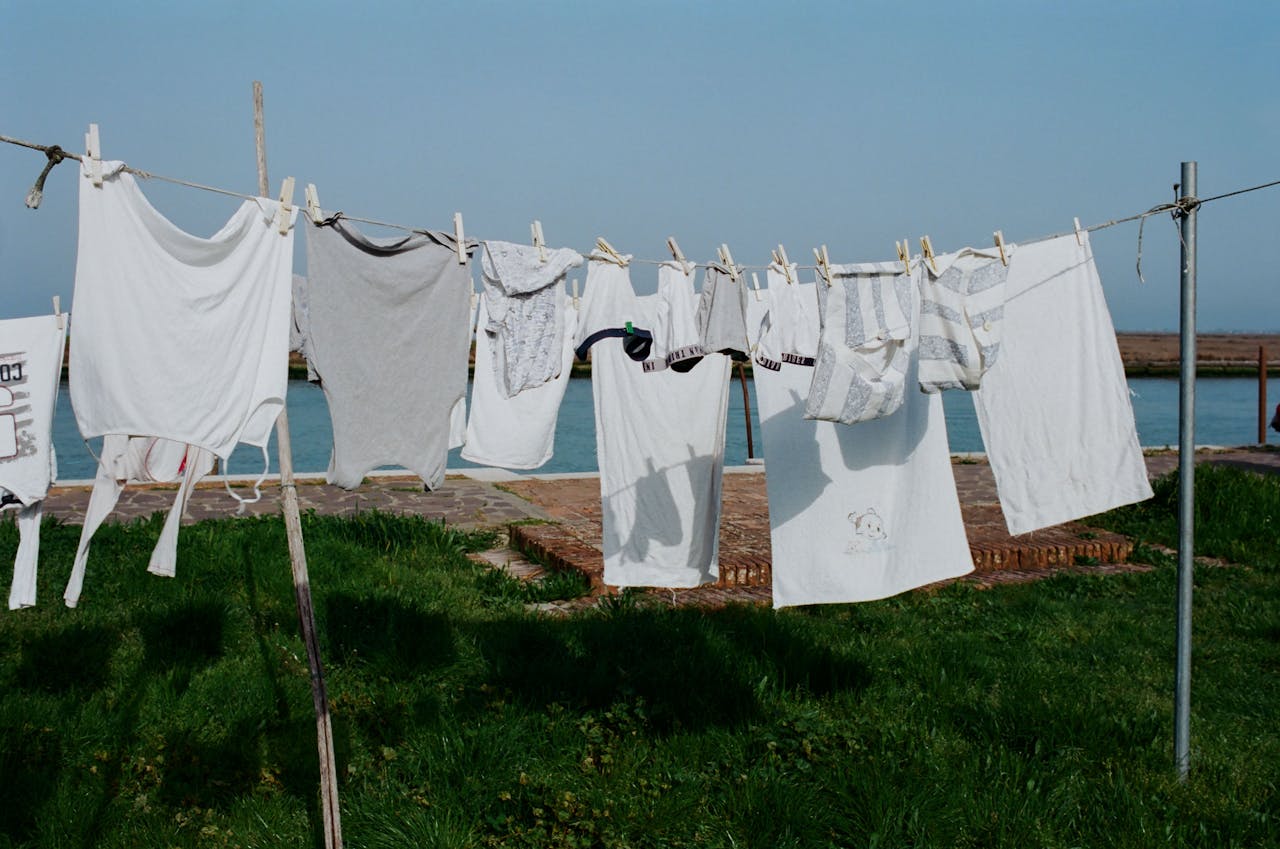
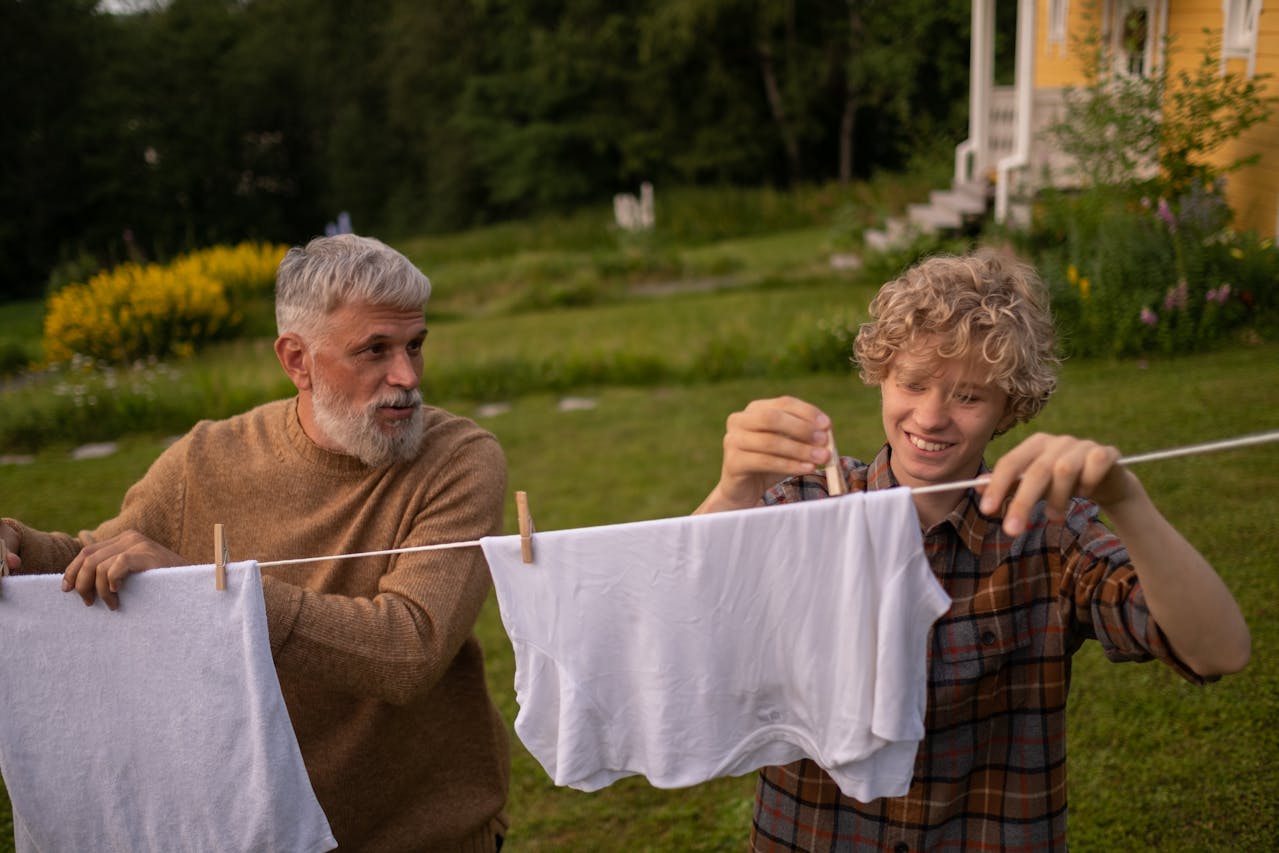
Line-drying clothes was once the standard before electric dryers became affordable. Today, many neighborhoods restrict clotheslines due to aesthetic preferences. The practice conserves energy and preserves fabric quality, yet it’s seldom used. As convenience outweighs tradition, the tactile rhythm of hanging laundry fades. The shift marks a broader decline in household manual tasks.