Before screens and digital gadgets dominated childhood, toys were simple yet powerful tools for sparking imagination. These classics invited kids to create worlds, invent stories, and play without limits. Their charm wasn’t in flashing lights but in the freedom they offered for creativity. Many of these nostalgic toys still inspire wonder today, reminding us that joy comes from imagination, not complexity. Here are 13 timeless toys that continue to encourage inventive play.
LEGO Bricks
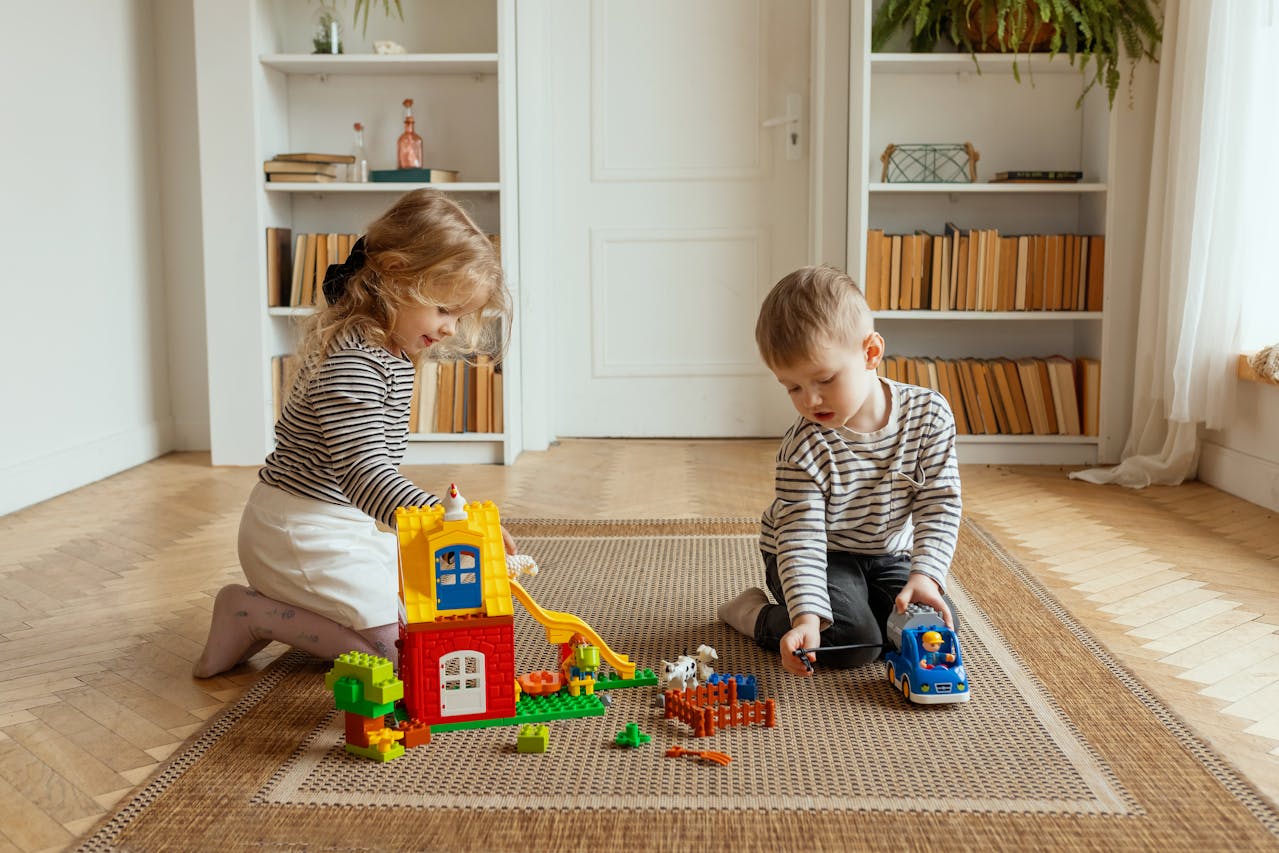
LEGO bricks have been a staple for decades, offering endless possibilities with just a handful of pieces. Kids can build castles, cars, or entire cities limited only by imagination. Unlike toys with fixed outcomes, LEGOs reward experimentation and problem-solving. They teach patience, design, and resilience when structures collapse. Whether building alone or with siblings, LEGO sets foster collaboration and storytelling. Even today, these colorful blocks remain one of the best tools for creativity.
Play-Doh
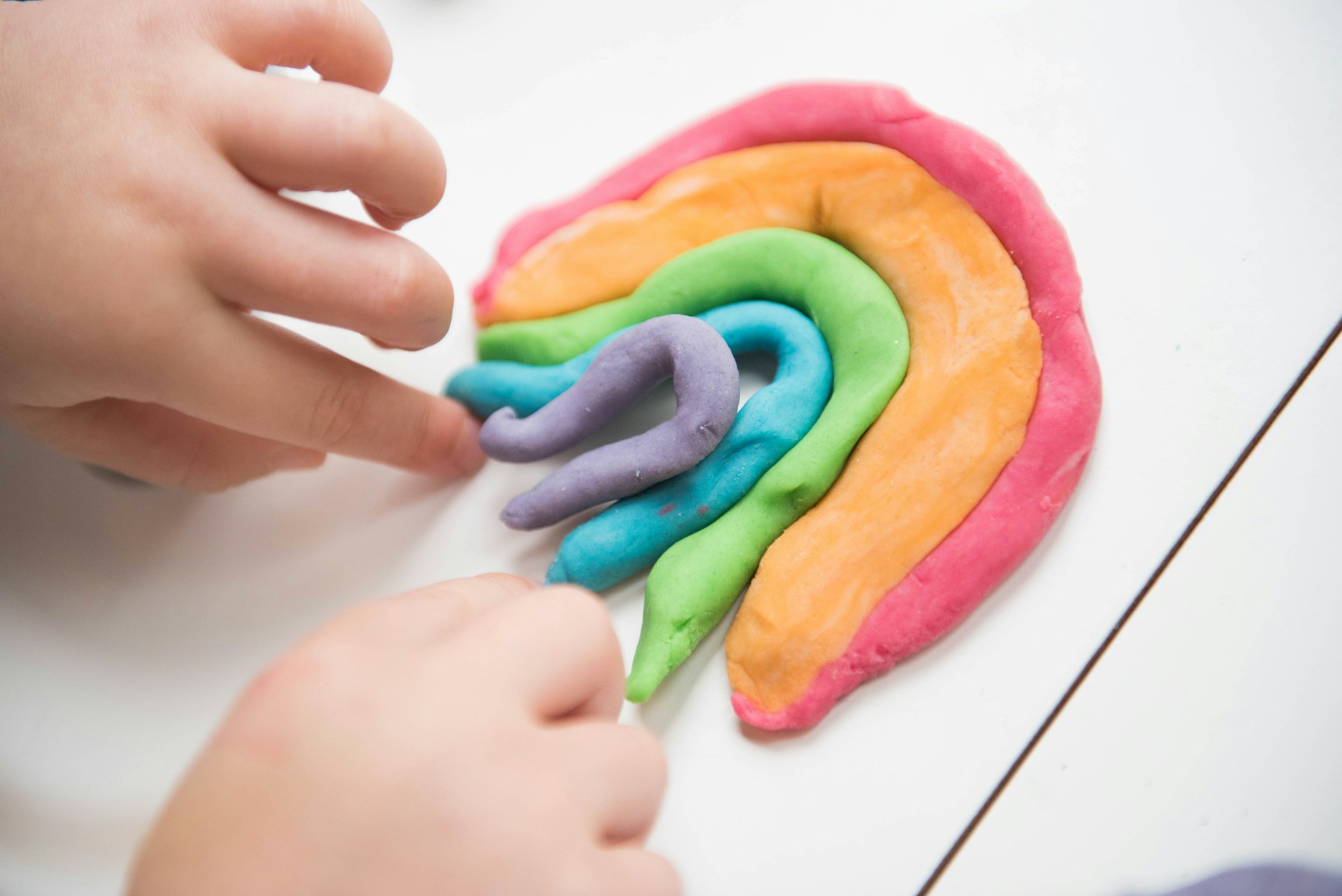
Play-Doh has long turned kitchen tables into art studios, inviting kids to mold anything their minds can dream up. From animals to pretend food, each creation becomes part of a story that can change instantly. It encourages sensory play, letting children feel, squish, and reshape as often as they like. Mistakes vanish with a quick knead, teaching flexibility and perseverance. More than a toy, Play-Doh is a hands-on lesson in imagination and creativity.
Etch A Sketch
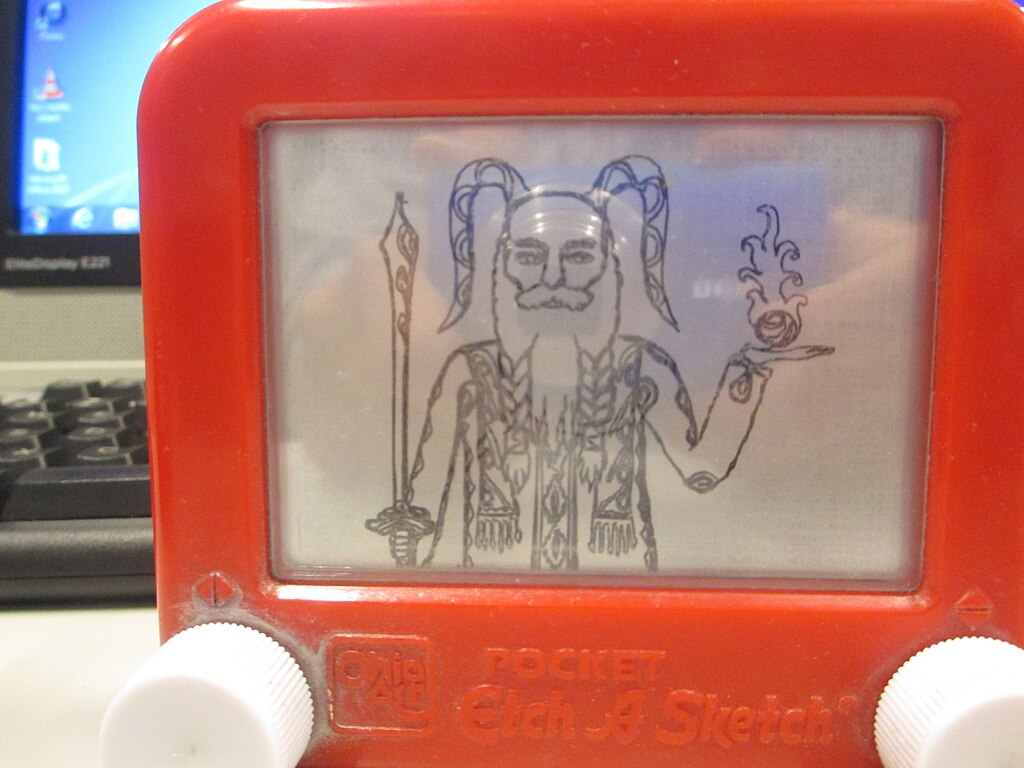
The Etch A Sketch transformed simple knobs into a magical drawing tool, turning blank screens into masterpieces. Children practiced patience and precision while crafting houses, names, or abstract designs. Every shake erased the past and offered a fresh start, teaching kids that creativity has no limits. It wasn’t just about drawing but about storytelling through lines and shapes. This classic toy still shows that imagination doesn’t need colors or sound, it thrives on possibility.
Lincoln Logs
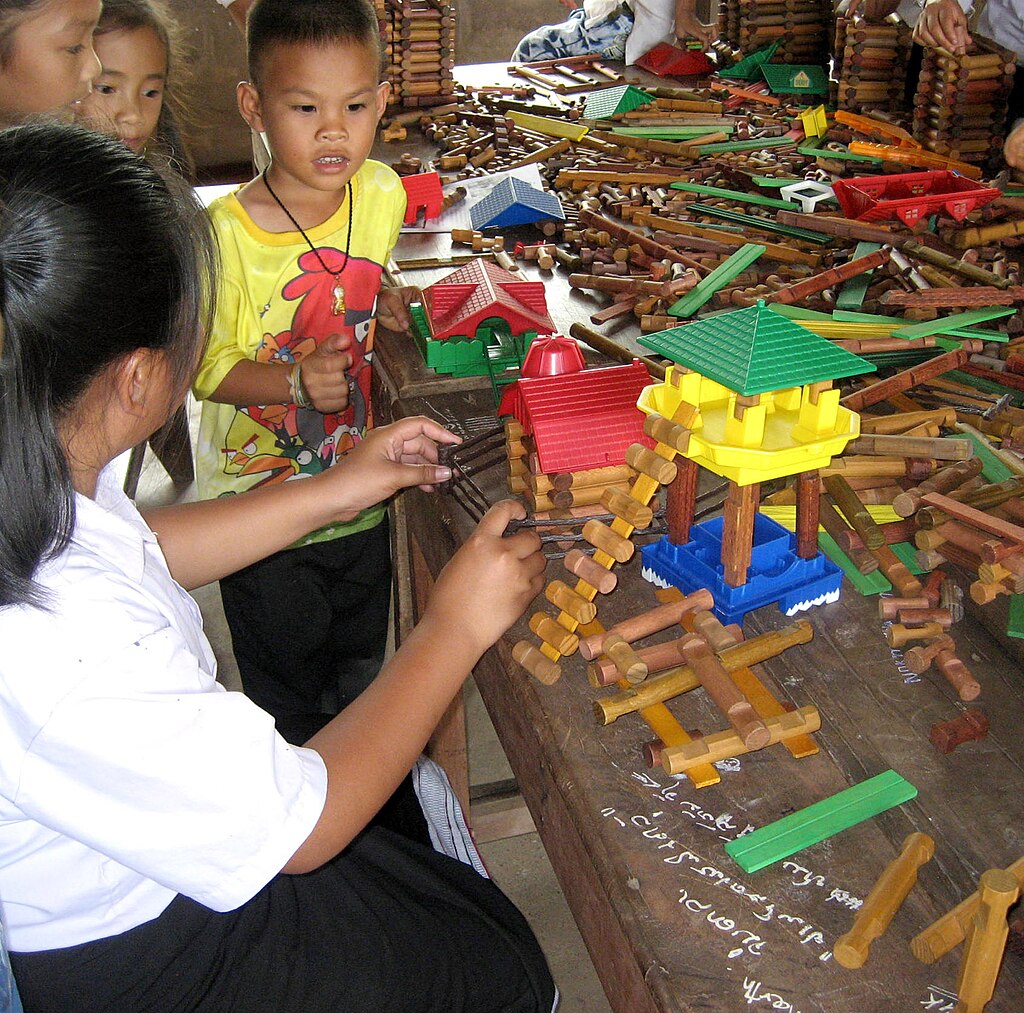
Lincoln Logs gave kids the chance to build cabins and frontier towns, turning playrooms into miniature landscapes. With their wooden pieces, children learned balance, planning, and spatial awareness while pretending to be pioneers. The simplicity of the logs encouraged collaboration, as siblings or friends worked together to expand their creations. Each structure became the backdrop for new stories of adventure. These timeless toys reminded kids that imagination could transform a pile of logs into an entire world.
Tinker Toys
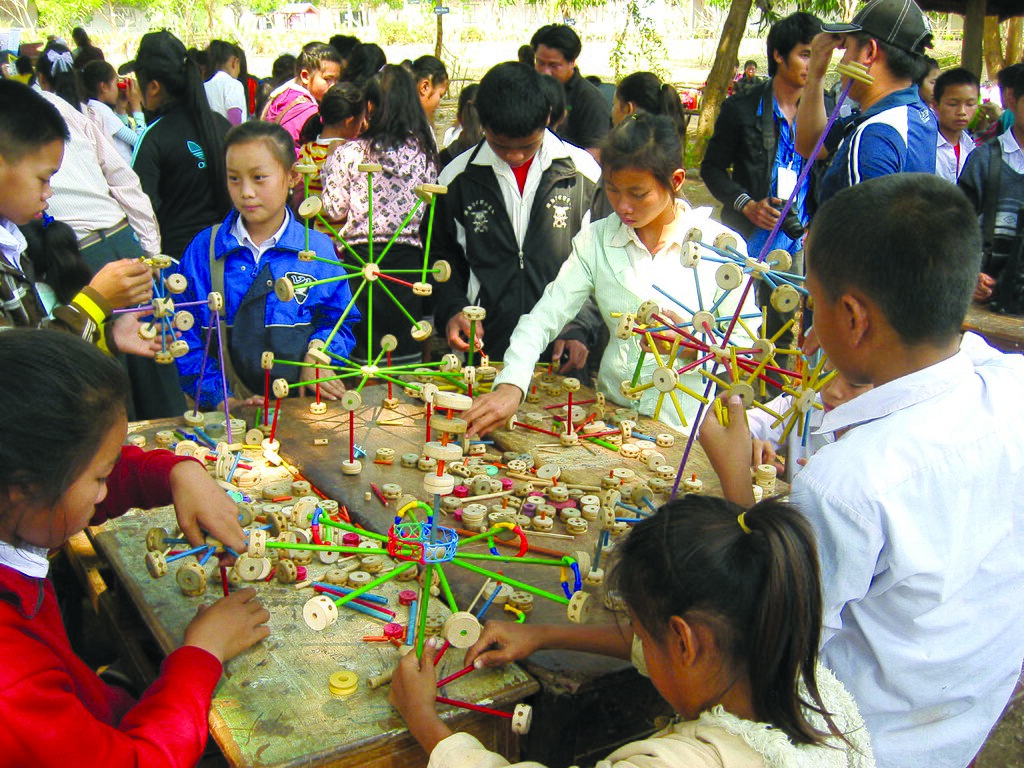
Tinker Toys invited kids to connect sticks and wheels into quirky inventions, from windmills to rocket ships. The sets encouraged experimentation, with no single “right” outcome. Children learned problem-solving while laughing at odd shapes that didn’t work and cheering when creations stood tall. Building side by side sparked cooperation and creativity. Tinker Toys proved that with a few simple pieces, kids could dream up complex ideas and bring them to life through hands-on play.
View-Master
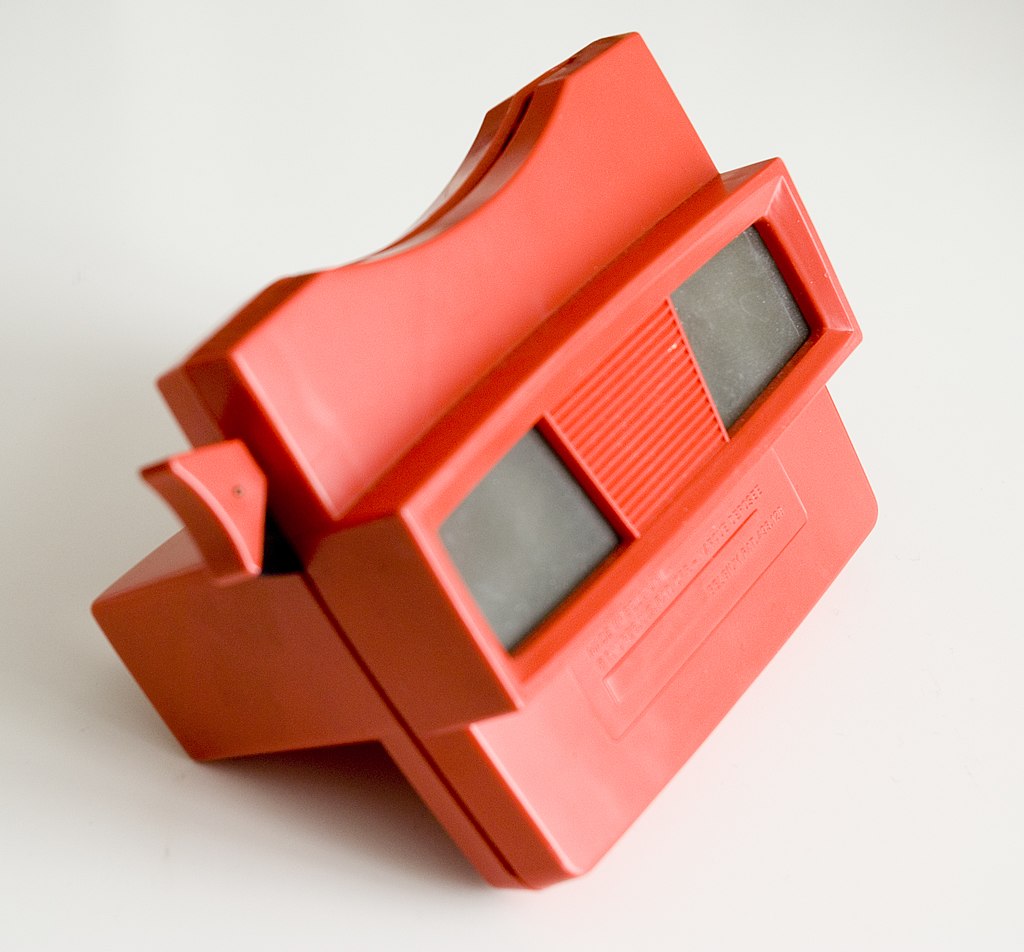
The View-Master felt like magic, transporting kids into worlds far beyond their bedrooms. With a click of the lever, new images appeared, dinosaurs, fairy tales, or faraway landmarks. It encouraged curiosity and storytelling as children made up adventures to match the scenes. While simple, the toy sparked dreams of travel and discovery. More than just pictures, it was a window into imagination, proving that even the smallest gadgets can inspire wonder and creativity.
Kaleidoscope

A simple tube filled with mirrors and beads turned into endless art with every twist. Kaleidoscopes taught kids that beauty could be found in ever-changing patterns, never repeating the same image twice. Each look inside sparked awe and curiosity about how colors and shapes worked together. Children often made up stories about magical worlds hiding in the glass. This toy showed that imagination isn’t always about building, it can also be about seeing the ordinary in new, extraordinary ways.
Yo-Yo
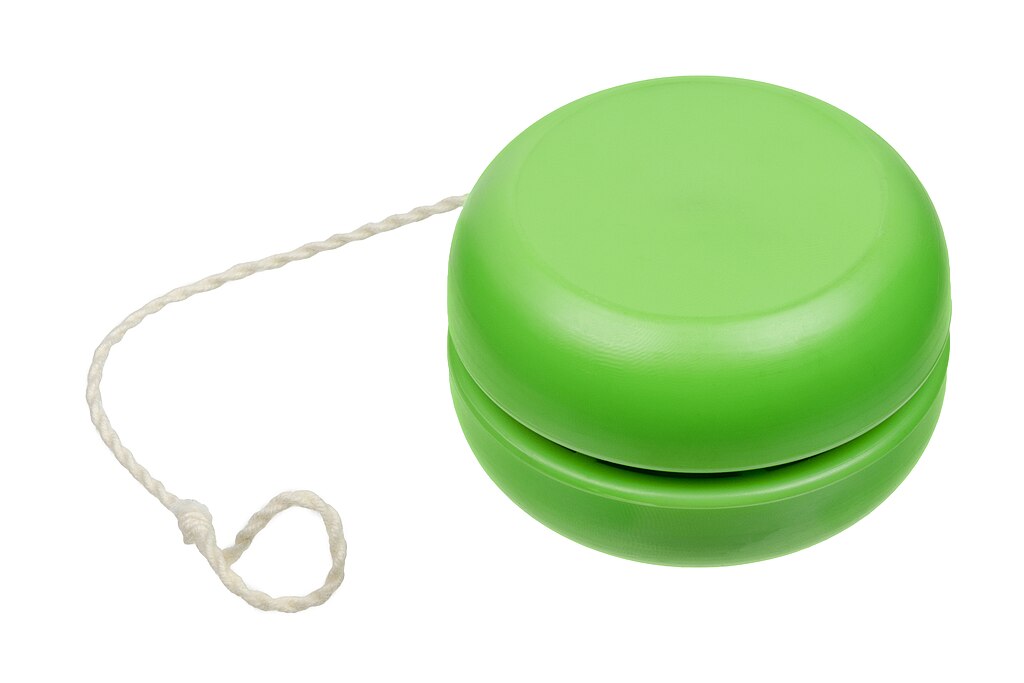
The yo-yo proved that skill-based toys could be just as imaginative as building sets. Beyond “up and down,” kids invented tricks, competitions, and performances. Mastering moves like “walk the dog” or “around the world” encouraged persistence and creativity. Each attempt was a mix of play and artistry, turning simple motion into storytelling. The yo-yo’s charm lay in its challenge, inspiring kids to think differently about what a toy could do in their hands.
Jack-in-the-Box
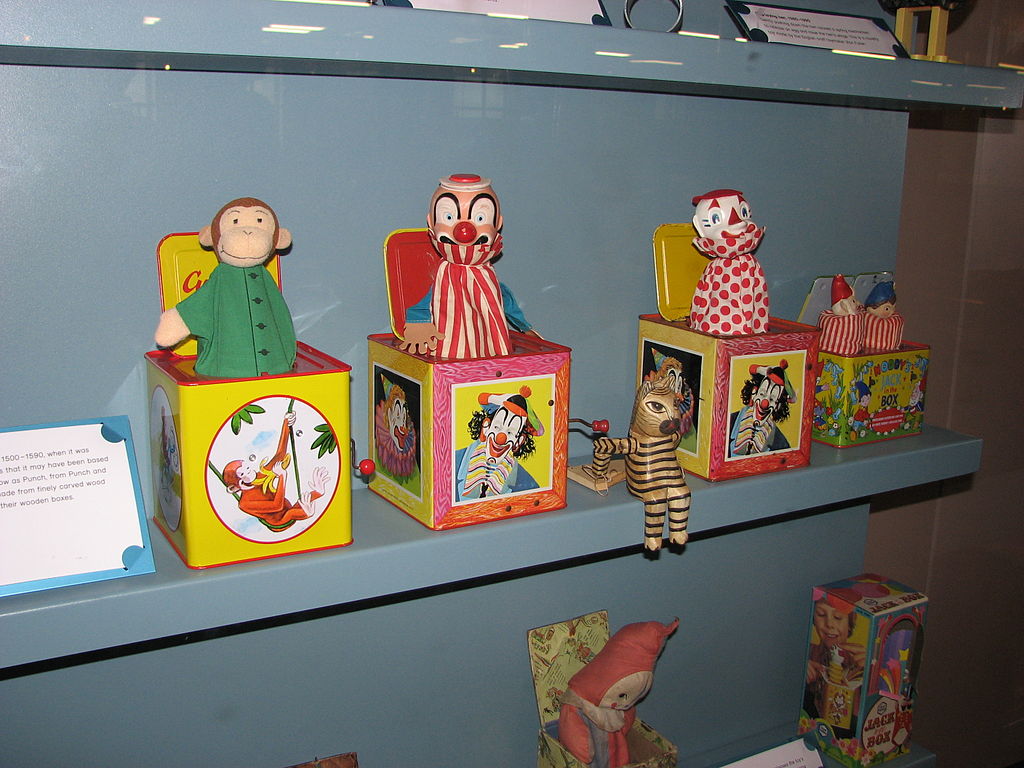
The Jack-in-the-Box mixed surprise with imagination, creating a blend of suspense and laughter. Turning the crank built anticipation until the clown popped out, making children squeal in delight. It wasn’t just a jump scare, it sparked creativity as kids imagined characters, songs, and little plays. Parents often joined in, making it a shared family experience. This simple toy reminded kids that storytelling and fun could come from the element of surprise and laughter together.
Paper Dolls
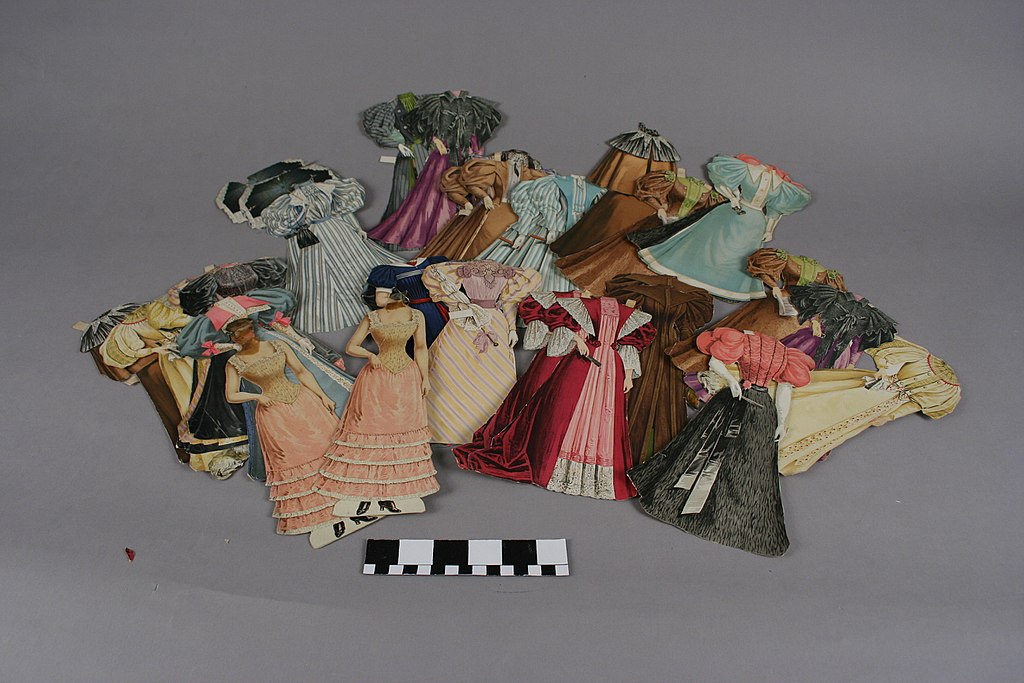
Paper dolls gave children entire wardrobes and storylines with just scissors and sheets of paper. Kids could design new outfits, swap costumes, and invent adventures for their characters. It combined creativity with storytelling, encouraging kids to imagine roles from royalty to explorers. Sharing paper dolls often became a social activity, as friends traded outfits or collaborated on designs. These simple toys showed that imagination could flourish with the most basic materials and limitless ideas.
Marbles
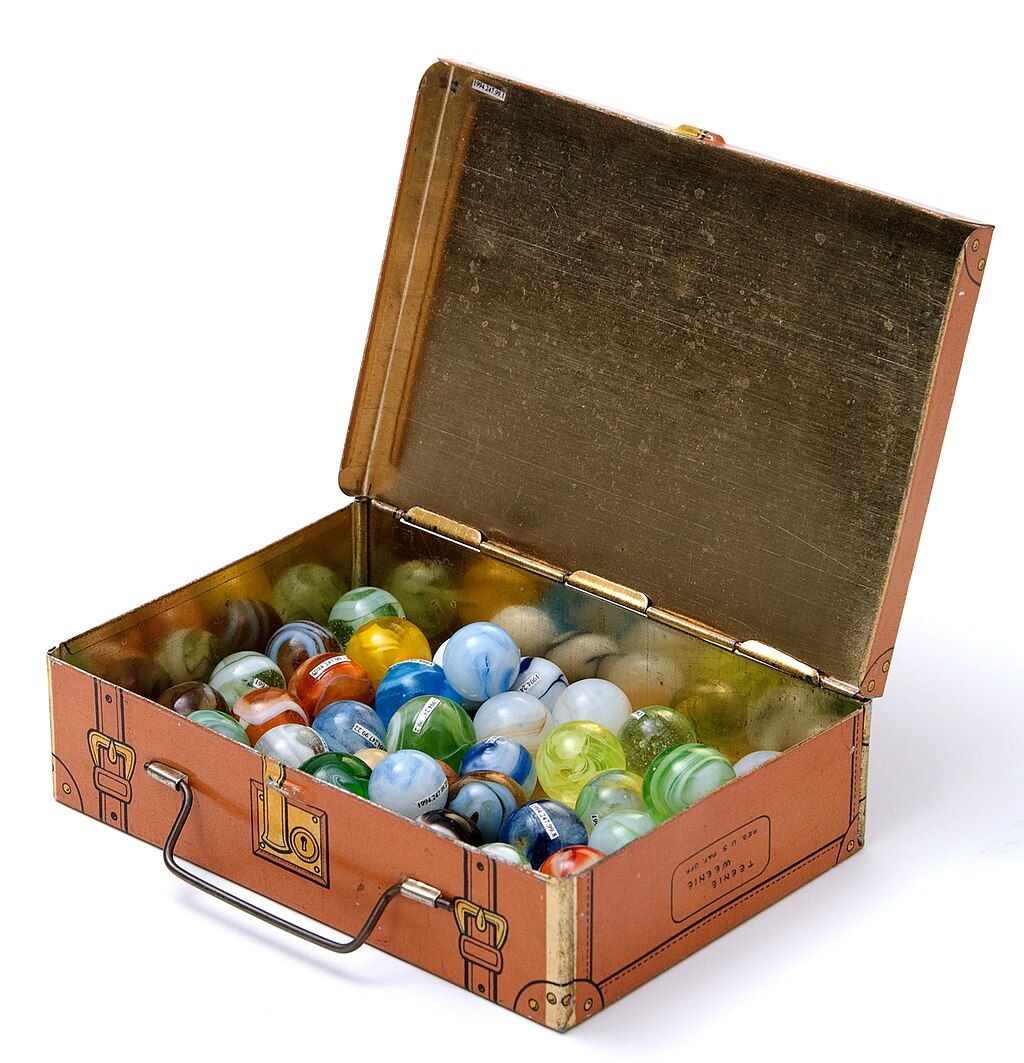
Marbles were more than shiny glass balls, they were tools for games, competition, and storytelling. Kids created elaborate rules, designed arenas in dirt, and invented tournaments. Beyond skill, marbles inspired imagination as players pretended their favorites had personalities or magical powers. The variety of colors and patterns sparked creativity in collecting and trading. Marbles proved that even the smallest objects could create endless adventures when powered by imagination and friendship.
Slingshot

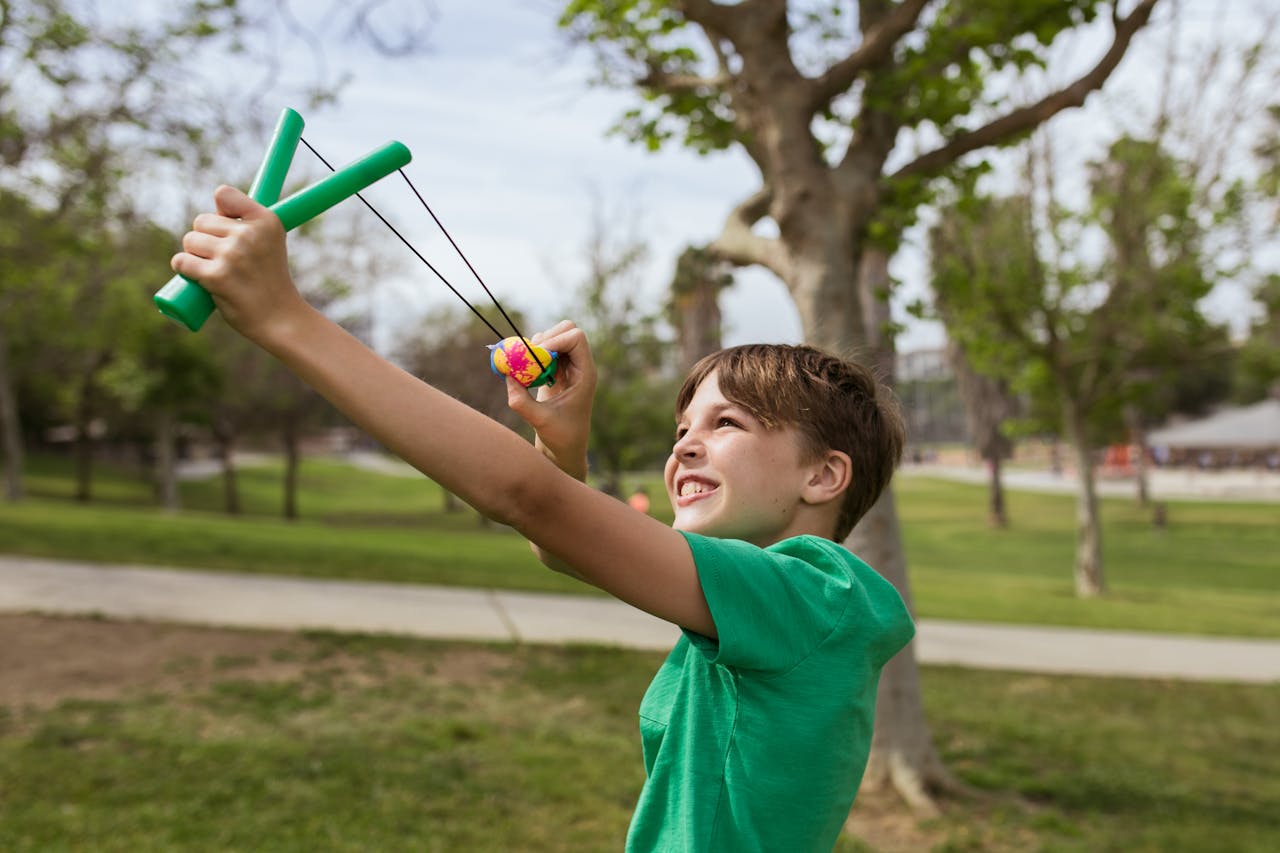
The slingshot was more than a tool for target practice, it was an adventure waiting to happen. Kids crafted them from branches and rubber, then imagined themselves as explorers or heroes. Used safely, it taught responsibility while fueling endless pretend stories of defense and discovery. The slingshot wasn’t about mischief alone; it was about resourcefulness and play rooted in creativity. It turned backyards into wild frontiers, showing that imagination could make anything feel larger than life.
Cardboard Boxes

Perhaps the most universal toy of all, cardboard boxes became castles, spaceships, and race cars in the hands of children. Free and simple, they encouraged creativity without limits, letting kids transform everyday objects into new worlds. Decorating, cutting, and stacking added layers to the play, while siblings often built entire adventures together. Boxes proved that the simplest items sparked the richest imagination. They remain timeless reminders that play doesn’t require fancy gadgets to be magical.
These nostalgic toys remind us that imagination is a child’s most powerful tool. Long before digital screens, kids found joy in building, storytelling, and creating worlds of their own. These classics continue to inspire because they place creativity at the center of play. Introducing children to these toys today helps them discover the beauty of unstructured fun, proving that the best adventures often come from the simplest beginnings.