School is a place where children absorb facts, equations, and concepts, but the lessons that truly shape them aren’t always found in textbooks. Many of the most important lessons that stay with kids come from everyday life, family values, and personal experiences. These lessons go far beyond the classroom, teaching kids things that will stick with them for years to come. Here are 13 life lessons that have a lasting impact on children, well after the bell rings.
The Power of Kindness

One of the most powerful lessons children can learn is the importance of kindness. Simple acts of kindness—whether it’s offering a smile, helping a friend, or just showing empathy—go a long way in shaping who they are. When children understand the impact of kindness, they not only make the world a better place but also grow into compassionate adults who are likely to show empathy and care in all their relationships. This is a lesson that lasts longer than any multiplication table or spelling test, because kindness stays with them throughout life.
The Importance of Gratitude
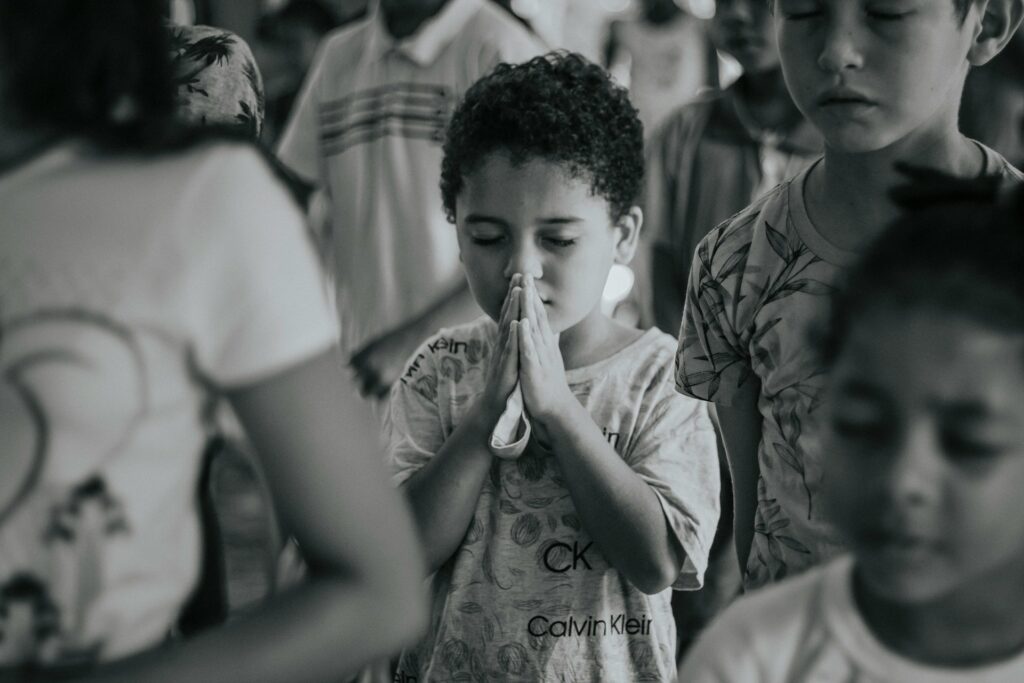
Gratitude teaches children to appreciate what they have instead of focusing on what they don’t. By recognizing the positives in their life—whether it’s a supportive friend, a loving family, or a beautiful day—children develop a sense of contentment. This mindset not only enhances their emotional well-being but also fosters healthier relationships and a positive outlook on life. Gratitude has been linked to greater happiness, and when kids learn this lesson, it stays with them long after school is over, influencing their behavior and mindset as adults.
Resilience in the Face of Failure
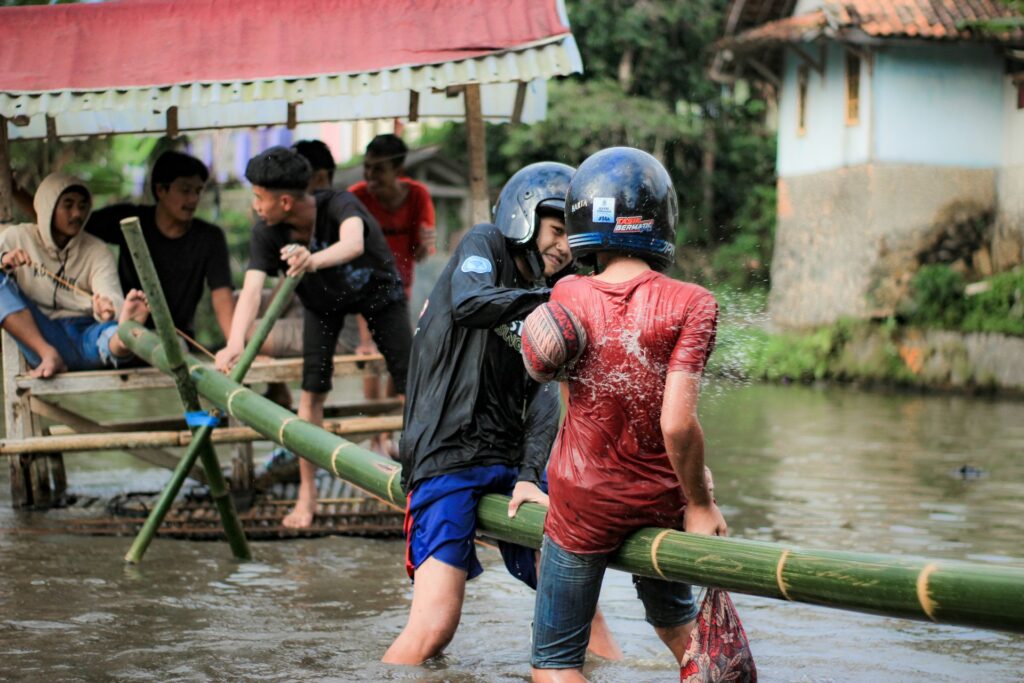
One of the most important life lessons a child can learn is that failure is not the end but a stepping stone to success. When children are taught to see failure as a part of learning, they develop resilience. This mindset allows them to face challenges head-on, knowing that setbacks are temporary and can be overcome. Resilient children are better equipped to handle the ups and downs of life, and they’re more likely to push through adversity, a lesson that stays with them long after they leave school. The ability to keep going, even when things are tough, will serve them for years to come.
The Value of Hard Work
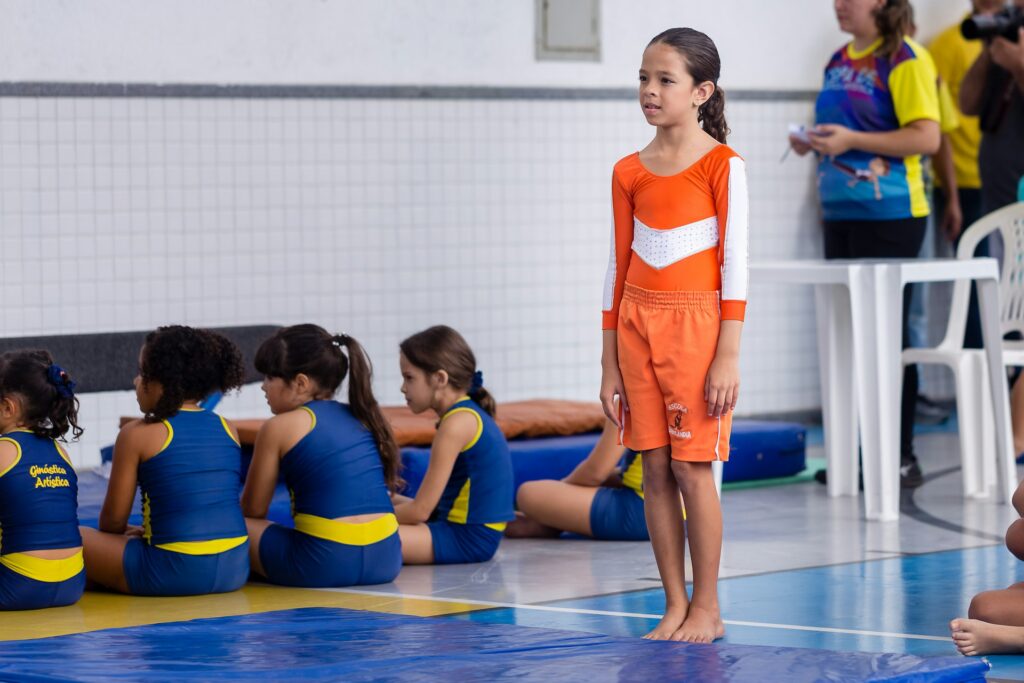
Hard work is a timeless lesson that will stick with kids for a lifetime. It’s the understanding that nothing comes easy, and success requires dedication, persistence, and effort. Whether it’s completing homework, doing chores around the house, or practicing a sport, kids who learn to value hard work understand that putting in the effort pays off. They also develop a sense of pride in their achievements, knowing they’ve earned them. This lesson goes beyond the classroom—it applies to every goal or dream they pursue in life.
The Importance of Family

While school teaches kids facts and figures, family teaches them about love, support, and loyalty. Time spent with family helps children understand the importance of connection, trust, and emotional security. When children are surrounded by a loving family, they learn how to support others in times of need and how to cherish meaningful relationships. This lesson in family values sticks with kids far longer than any classroom lesson, providing them with the emotional foundation needed to navigate relationships and life’s challenges.
How to Be a Good Listener
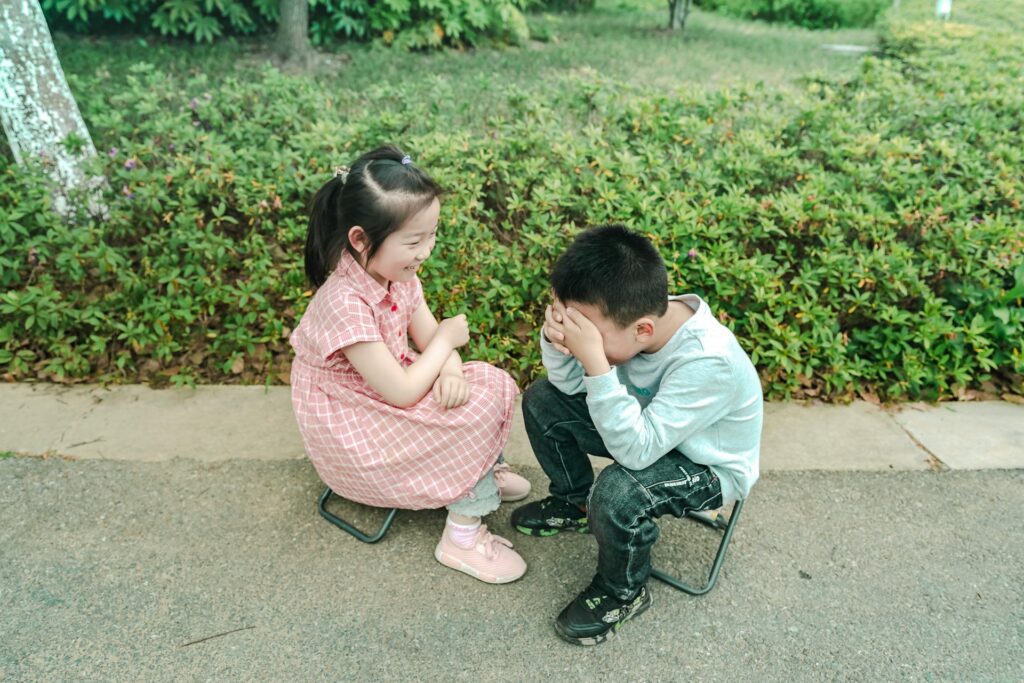
Listening is a skill that will serve kids throughout their entire life. When children learn the art of listening—not just hearing words but understanding and responding with empathy—they improve their relationships with others. Good listening fosters respect and communication, helping children build deeper connections with friends, family, and peers. A good listener is also more likely to be perceived as respectful and compassionate, qualities that last a lifetime and help them thrive in both personal and professional environments.
Taking Responsibility for Actions
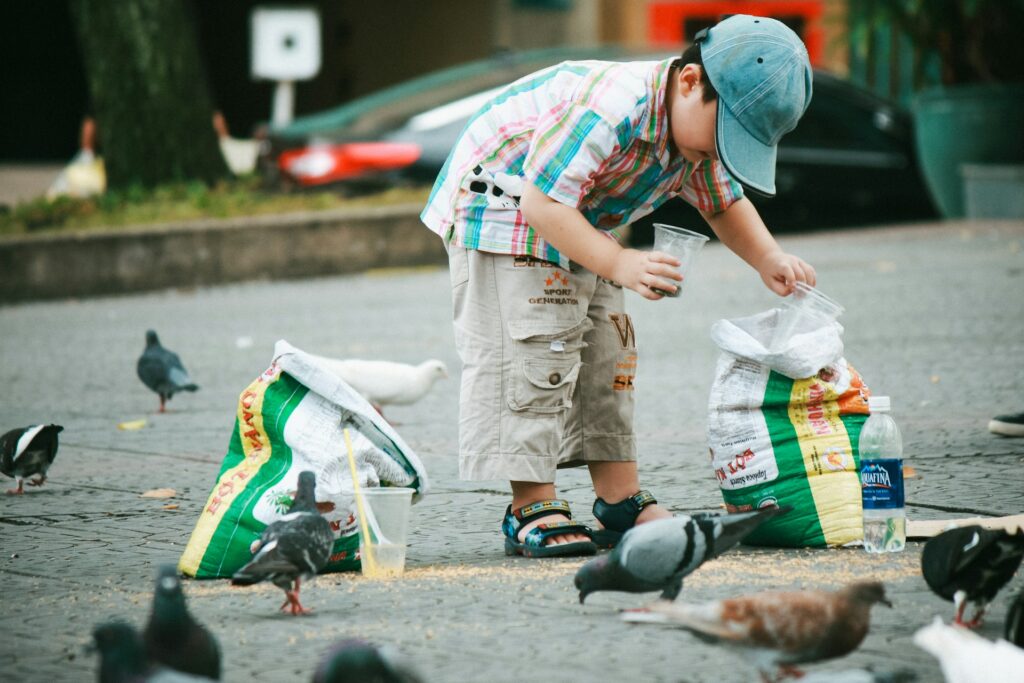
Learning to take responsibility for one’s actions is a crucial life lesson. Kids who understand that their actions have consequences are more likely to be accountable, whether they’ve made a mistake or kept a promise. Teaching children to own up to their mistakes helps them develop integrity and trustworthiness. The ability to take responsibility also fosters maturity and self-awareness, allowing children to make thoughtful decisions that positively affect themselves and others. It’s a lesson that will stay with them as they grow into responsible adults.
The Power of Positive Thinking
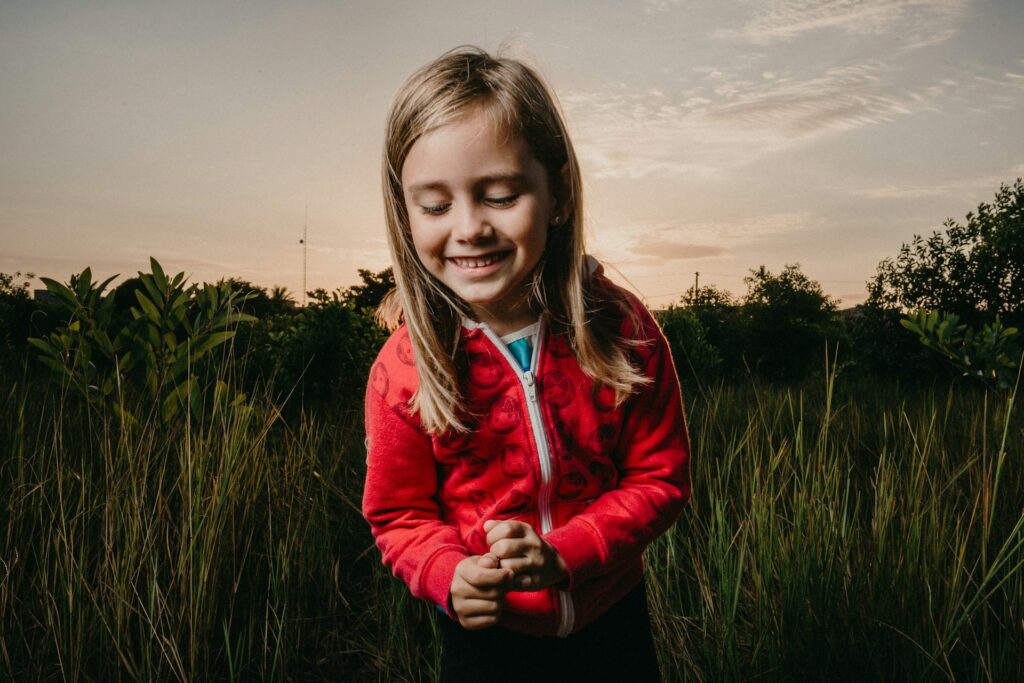
A positive mindset can make all the difference in how children approach life’s challenges. When kids learn to focus on solutions instead of dwelling on problems, they develop optimism that serves them throughout life. Positive thinking doesn’t mean ignoring difficulties—it means looking for opportunities even in adversity. Kids who are taught to embrace a positive outlook are more likely to approach obstacles with confidence, knowing that they can overcome them. This mindset remains valuable throughout their lives, helping them to stay motivated and resilient.
The Importance of Honesty

Honesty is a foundational life skill that shapes relationships and builds trust. Teaching children to be truthful, even when it’s difficult, fosters integrity and respect. Kids who value honesty tend to form stronger, more trusting relationships with others, both in childhood and into adulthood. Furthermore, when children are taught the importance of being honest with themselves about their emotions and actions, they are better equipped to navigate life’s challenges. The lesson of honesty is one that sticks with them far beyond their school years.
Respect for Others
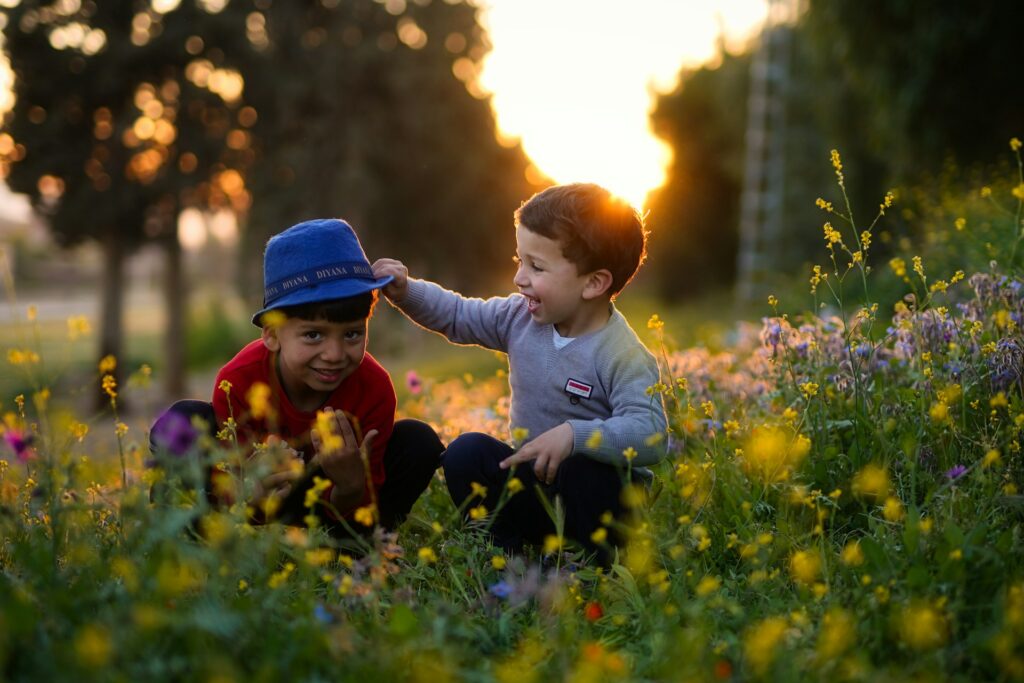
Respect is a lesson that can shape how kids interact with the world. When children learn to respect others, regardless of their differences, they create a foundation for meaningful relationships. Respect involves recognizing the dignity of every person, listening to their opinions, and valuing their feelings. Children who are taught respect become adults who are more inclusive, considerate, and understanding. It’s a timeless lesson that shapes how they treat others and contributes to a more compassionate and empathetic world.
Time Management and Prioritization
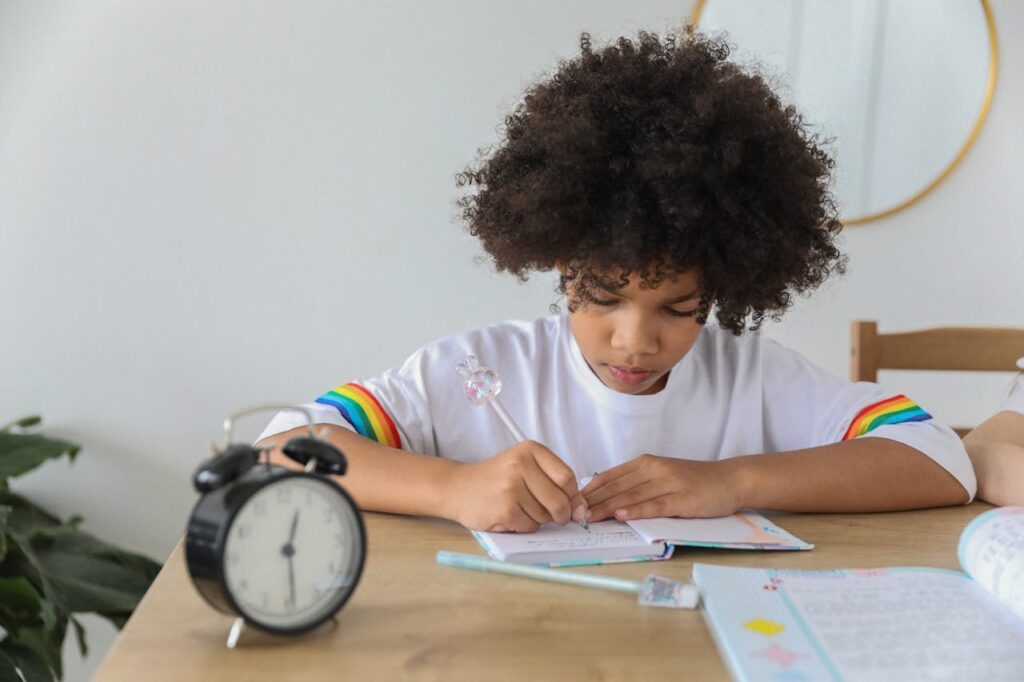
While schoolwork teaches time management for academic success, life teaches kids how to balance all aspects of their day. Learning how to manage time—whether it’s prioritizing tasks, setting goals, or carving out time for hobbies—helps children lead a balanced, fulfilling life. Kids who develop strong time-management skills are better at navigating their responsibilities and are more likely to stay organized and focused. This lesson transcends the classroom, teaching kids how to juggle work, relationships, and personal growth throughout their lives.
Self-Respect and Confidence
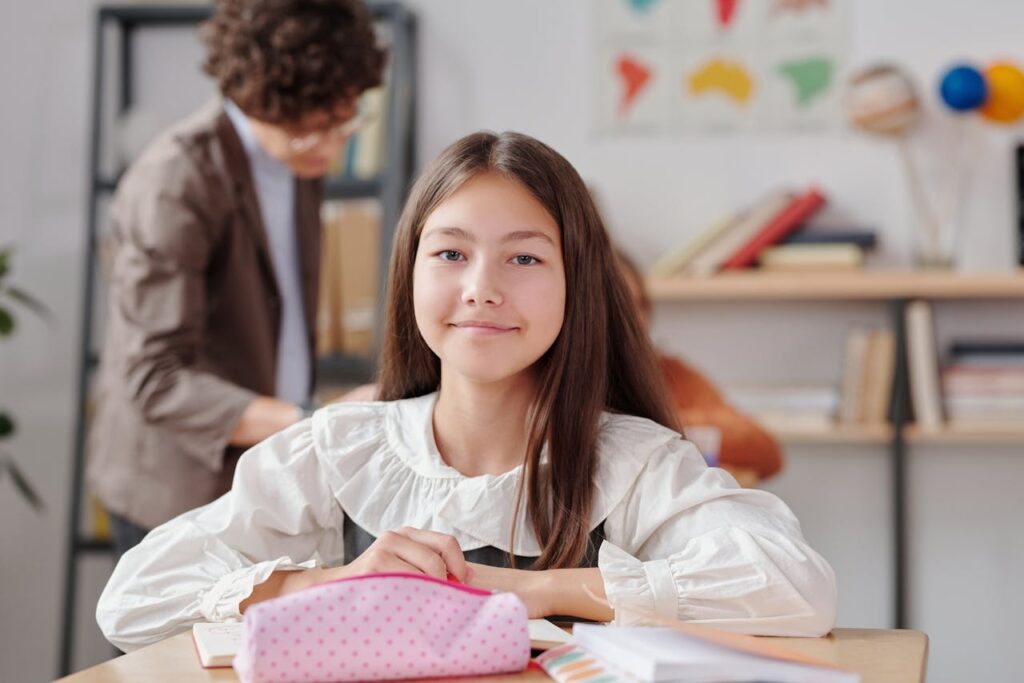
Self-respect and confidence are crucial qualities that kids take with them into adulthood. Children who are taught to value themselves and believe in their abilities are more likely to handle life’s challenges with resilience. This lesson helps kids set boundaries, stand up for themselves, and take pride in who they are. Confidence also allows them to pursue their passions without fear of judgment, leading them to make choices that align with their values. It’s a lesson that sticks, providing them with the inner strength to navigate life’s ups and downs.
How to Forgive
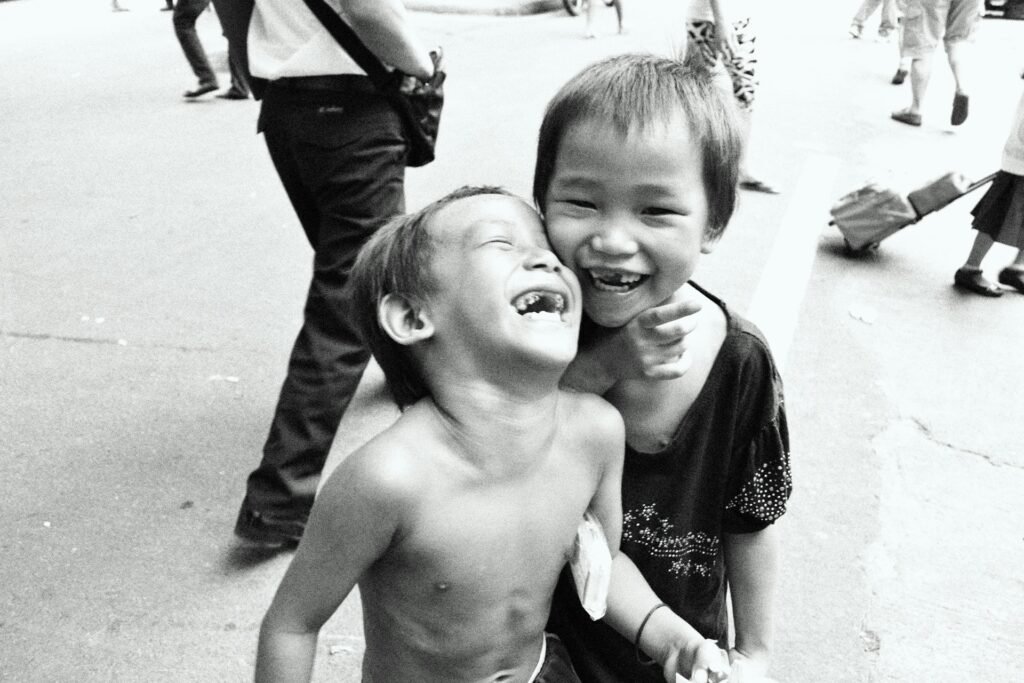
Forgiveness is one of the most powerful life lessons a child can learn. When kids are taught that it’s okay to forgive others—and themselves—they learn to let go of anger and move forward with peace. Forgiveness doesn’t mean forgetting or excusing hurtful actions; it means freeing oneself from the burden of resentment. Kids who understand forgiveness are better equipped to form lasting relationships and avoid unnecessary conflict. This lesson remains with them throughout life, allowing them to foster emotional healing and maintain healthy connections with others.
While school provides kids with essential academic knowledge, it’s these life lessons—like kindness, resilience, and honesty—that truly shape who they become. These values go beyond textbooks and assignments; they’re rooted in real-life experiences, and they stay with children long after they leave the classroom. By teaching these lessons, we prepare kids not only for academic success but for a lifetime of meaningful relationships, personal growth, and resilience in the face of life’s challenges.