
Generation Z, born roughly between 1997 and 2012, is changing the way the world spends money. Unlike previous generations, they value experiences over possessions, prioritize sustainability, and are deeply connected to technology. As a result, many industries that once thrived are now struggling to attract this younger audience. Companies that fail to adapt to Gen Z’s preferences face declining sales and relevance, showing that understanding this generation is crucial for future business survival.
1. Traditional Department Stores
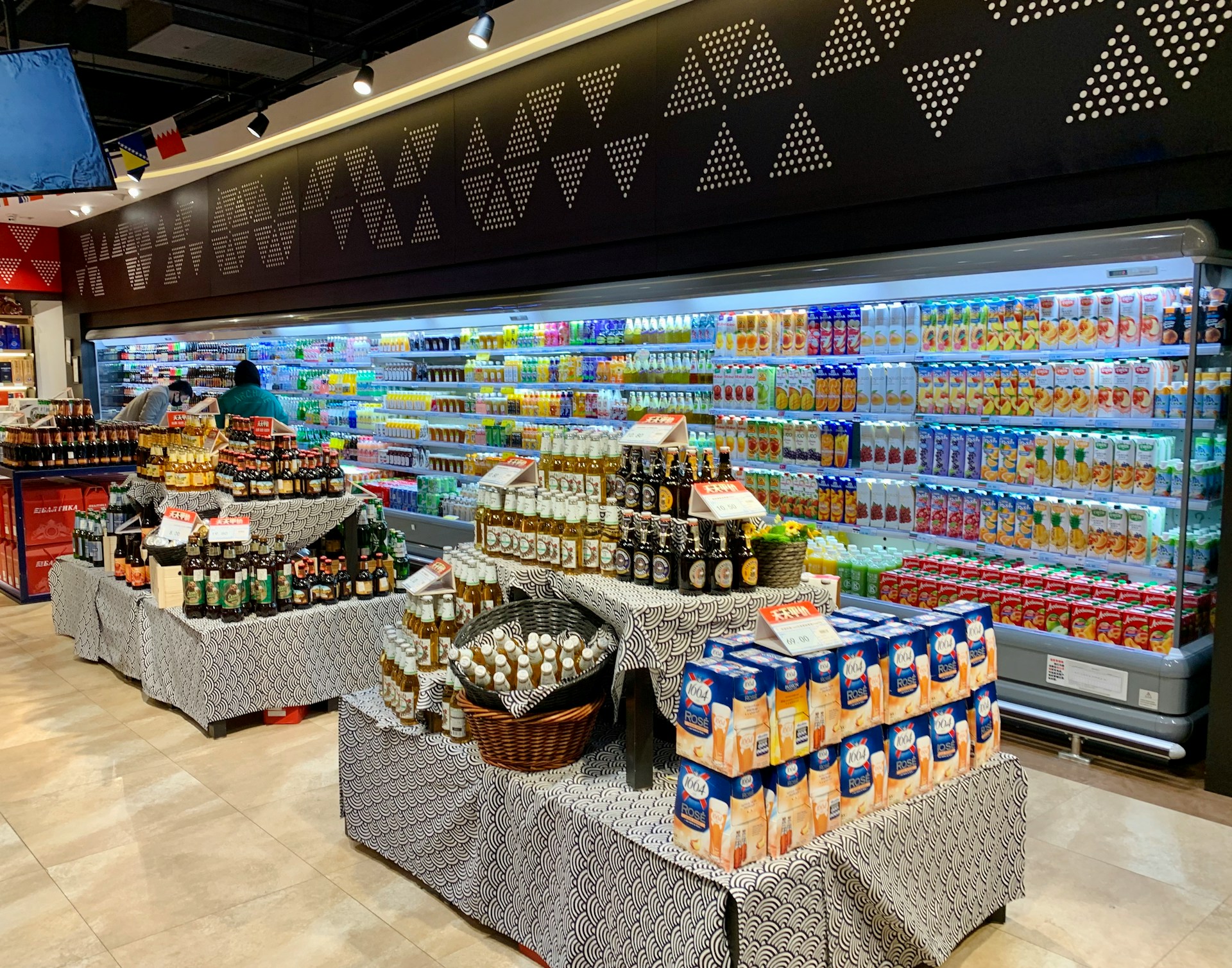
Department stores once dominated the retail landscape, but Gen Z is moving away from these spaces. Young consumers prefer shopping online where they can compare prices instantly and access products from global brands. They are also drawn to boutique experiences or fast delivery services rather than walking through large stores. Traditional department stores are now being forced to rethink their strategies, create online engagement, and offer unique experiences to remain competitive in a market driven by Gen Z’s preferences.
2. Luxury Fashion

Luxury brands are finding it difficult to appeal to Gen Z, who often view expensive designer items as unnecessary or outdated. This generation prefers products that offer ethical sourcing and sustainability over status symbols. Marketing campaigns that worked for Millennials do not resonate with younger audiences. Brands are challenged to build authentic connections through social responsibility and online presence. Without addressing these values, luxury fashion risks losing relevance and long-term loyalty from the most influential upcoming consumers.
3. Fast Fashion

Fast fashion is also feeling the pressure as Gen Z increasingly rejects companies that exploit cheap labor or harm the environment. Young shoppers are more interested in sustainable alternatives and brands that demonstrate transparency. Clothing resale, thrift shopping, and secondhand marketplaces are becoming more popular among this generation. Retailers that fail to adapt to ethical and environmental expectations risk losing a loyal customer base. Gen Z’s values are forcing the fashion industry to rethink supply chains and product strategies to stay relevant.
4. Traditional Media

Television, print newspapers, and magazines are losing influence among Gen Z, who consume most of their media digitally. This generation prefers streaming platforms, YouTube, TikTok, and social media for both entertainment and news. Traditional advertising methods are often ignored or skipped entirely. Companies must shift budgets to digital platforms, influencer marketing, and interactive content to capture attention. Those who cling to outdated formats find their reach and impact diminishing as younger consumers engage in entirely different ways.
5. Automotive Industry

Gen Z is less focused on car ownership than previous generations. They favor ridesharing, public transit, and environmentally friendly mobility options. High costs, climate concerns, and urban living are influencing this shift. Auto manufacturers are adapting by investing in electric vehicles, subscription services, and technology-driven solutions. Those who fail to recognize these behavioral changes risk losing relevance as the next generation deprioritizes traditional car ownership in favor of convenience and sustainability.
6. Soda and Sugary Drinks
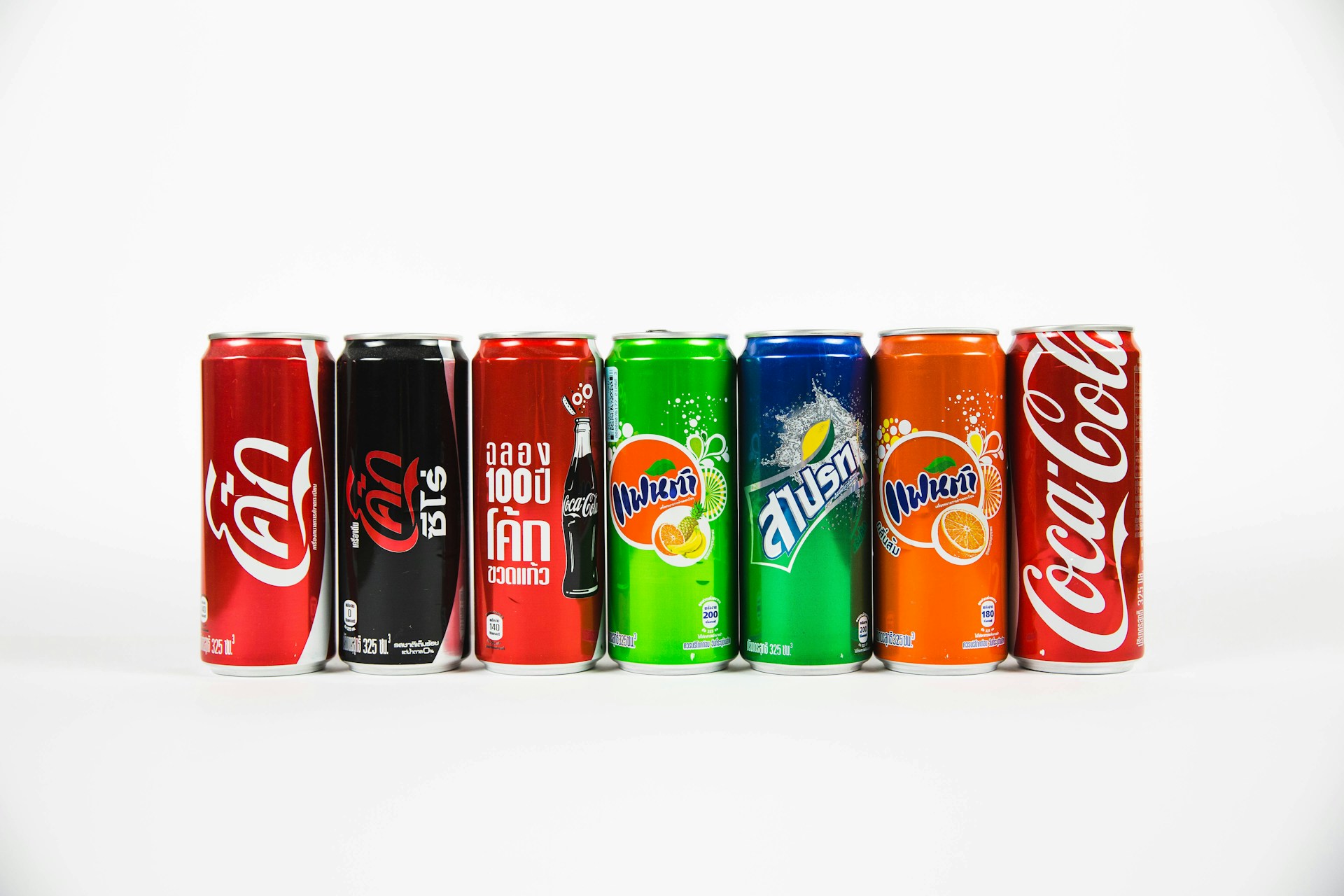
Soft drink consumption is declining among Gen Z as health and wellness become a priority. Young consumers are more likely to choose water, tea, or beverages with natural ingredients. Brands that rely on sugary drinks are struggling to maintain sales. Marketing campaigns must shift toward healthier options, transparency, and lifestyle alignment. Failure to adapt can result in lost revenue and a damaged brand image, as Gen Z actively seeks products that match their values and promote long-term health.
7. Cable Television

Cable TV is becoming obsolete for Gen Z, who prefer streaming services that allow on-demand viewing. Subscriptions to traditional cable packages are declining as young audiences cut the cord. This shift is forcing cable companies to innovate, create their own streaming apps, or bundle digital services to maintain subscribers. Without a strategy that aligns with changing viewing habits, traditional cable risks irrelevance among the generation that consumes content almost entirely online.
8. Print Bookstores

Physical bookstores are struggling as Gen Z increasingly purchases e-books, audiobooks, and digital subscriptions. Convenience, instant access, and interactive formats appeal to younger readers. Brick-and-mortar stores must innovate with online sales, community events, and hybrid models. Those relying solely on in-store sales face declining foot traffic and revenue. Gen Z’s digital-first approach to reading is reshaping the publishing and retail landscape, demanding adaptation from an industry once considered stable.
9. Alcohol Brands

Alcohol consumption is declining among Gen Z, who are drinking less than previous generations at the same age. Health concerns, social awareness, and alternative beverage trends are influencing their choices. Beer, wine, and spirits companies are struggling to adapt. Brands that embrace low-alcohol, non-alcoholic, or functional beverages and engage socially conscious marketing are faring better. The shift highlights how Gen Z’s priorities impact industries traditionally considered untouchable by economic fluctuations.
10. Quick Service Restaurants

Fast food chains are being challenged as Gen Z seeks healthier, plant-based, and sustainable meal options. Traditional menus are no longer enough to attract younger consumers. Chains must innovate with nutrition-focused items, ethical sourcing, and eco-friendly packaging. Without adapting to these changing preferences, quick service restaurants face stagnating growth. Gen Z’s focus on values-driven consumption is transforming even long-established food sectors, forcing companies to rethink what dining experiences they offer.
11. Traditional Banking

Gen Z prefers digital banking, fintech apps, and cryptocurrency over traditional banks. They value convenience, transparency, and low fees. Physical branches and conventional services are losing relevance. Banks must modernize technology, improve mobile experiences, and create products tailored to younger consumers. Those that fail to innovate risk losing market share to nimble startups that better align with Gen Z’s financial behaviors and expectations.
12. Movie Theaters

Gen Z often prefers streaming platforms to going to theaters, citing convenience, cost, and flexibility. The pandemic accelerated this behavior, and it persists even as cinemas reopen. Theaters are experimenting with premium experiences, subscription models, and exclusive content to attract younger audiences. Without changes, traditional movie-going may continue to decline. Gen Z’s media habits are reshaping entertainment consumption and challenging the decades-old dominance of cinema halls.
13. Fitness Clubs

Traditional gyms and fitness centers are seeing declining membership among Gen Z. Young consumers favor online workouts, boutique studios, and flexible fitness apps over long-term contracts. Social media and technology-driven programs allow them to customize routines from home. Gyms that fail to offer digital options, community engagement, and flexible pricing struggle to retain interest. Gen Z’s approach to health emphasizes convenience, accessibility, and technology integration over conventional memberships.
Generation Z is reshaping consumption patterns across industries. From retail to entertainment, health, and finance, companies must adapt or face decline. Understanding their values, priorities, and behaviors is essential for future growth. Those willing to innovate, embrace technology, and align with ethical and convenience-driven preferences can succeed in a marketplace increasingly influenced by this influential generation.