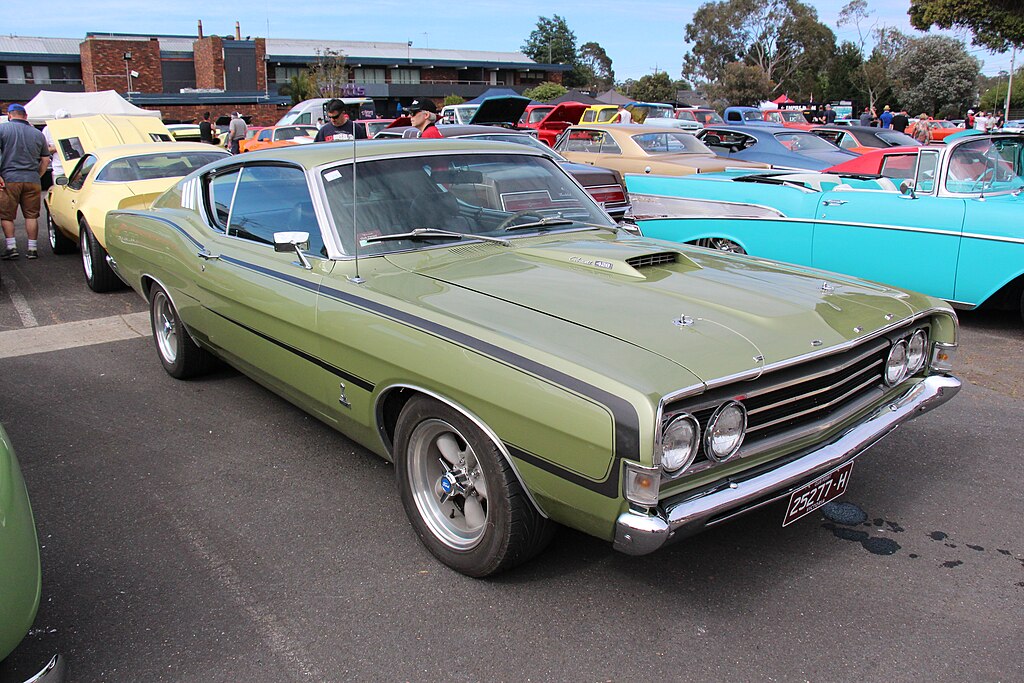
The 1960s produced some of the most memorable machines ever built in America and the muscle car era became a cultural moment that still excites drivers today. These cars were loud bold and full of personality and they represented more than transportation. They symbolized freedom confidence and a belief that anything built in a garage could become legendary. Each model carried a style that defined younger generations and reshaped American roads. The rumble of powerful engines created memories that still spark excitement among car lovers.
1964 Pontiac GTO
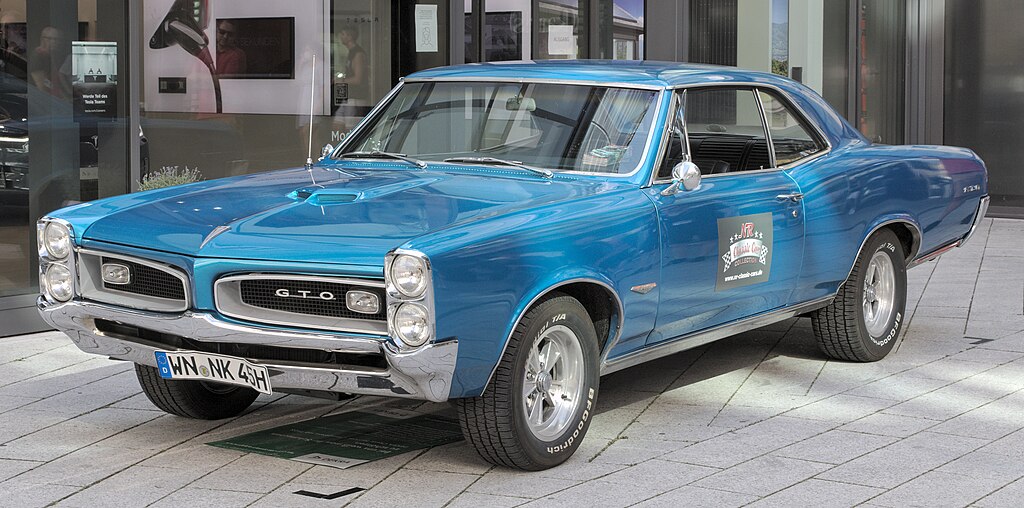
The Pontiac GTO is often credited with launching the muscle car movement because it took a midsize body and added a large V8 engine that turned heads everywhere it traveled. Its aggressive posture and powerful performance made young drivers feel unstoppable. The GTO became the car teenagers dreamed about and adults admired because it looked confident and delivered thrilling acceleration. Its arrival signaled a new era for American automakers who realized that speed and style could become a winning formula for everyday buyers.
1967 Chevrolet Camaro
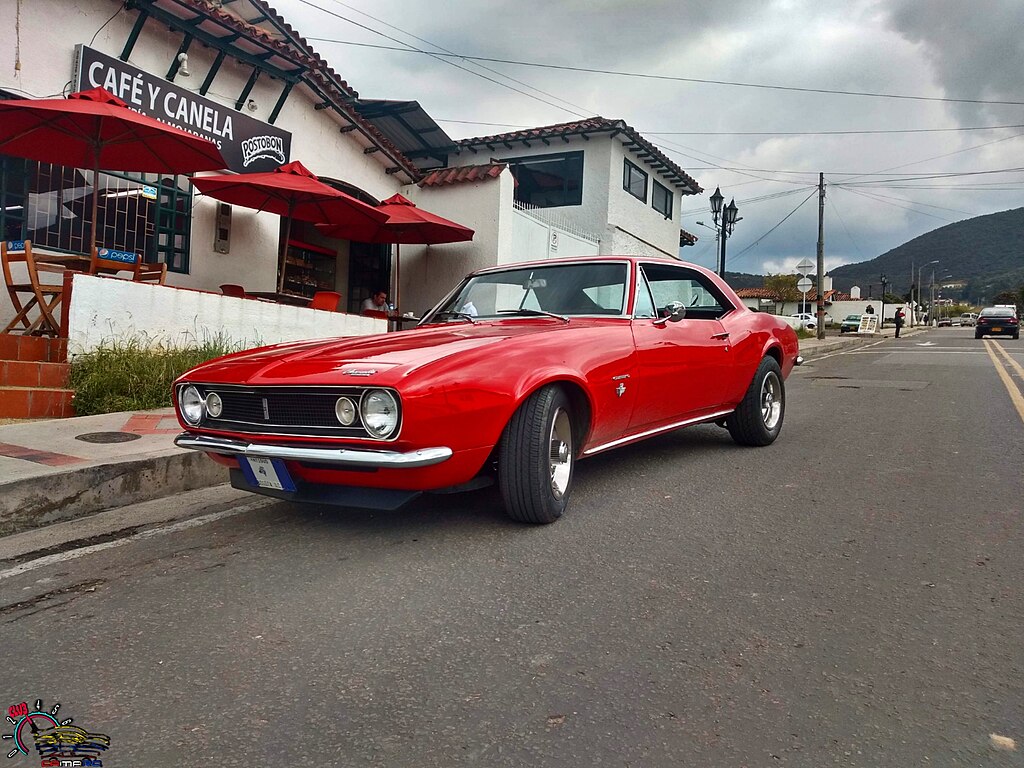
The Chevrolet Camaro arrived as a direct answer to growing excitement for performance cars and its low sleek body captured the attention of drivers who wanted something more stylish than a traditional sedan. The Camaro stood out because it combined power with sharp handling that felt responsive on the roads. It allowed families to enjoy daily comfort while having the thrill of a performance machine. Its legacy remains strong as collectors and enthusiasts continue to restore and celebrate versions that hold the original spirit of the 1960s.
1968 Ford Mustang GT
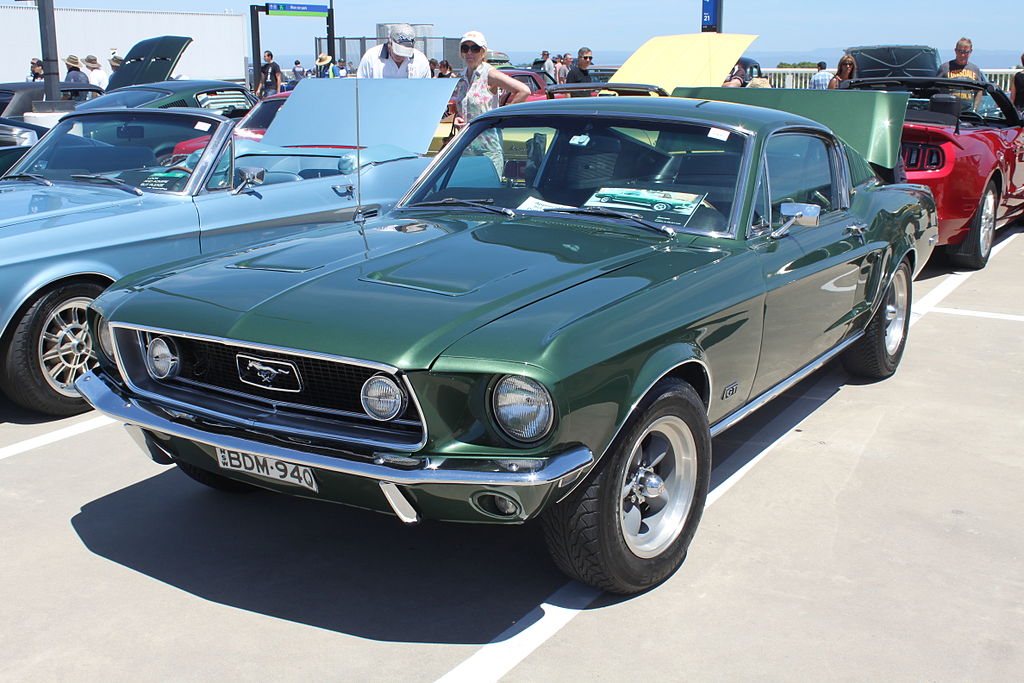
The Ford Mustang GT gained fame through movies advertisements and American culture because it embodied the attitude of the decade. Its long hood strong lines and confident sound helped it become more than a vehicle. People saw it as a reflection of individuality and independence. The car delivered speed in a form that felt accessible and stylish. Today the Mustang is still considered a symbol of the muscle car era and a reminder of how design and performance can shape an entire generation of automotive fans.
1969 Dodge Charger
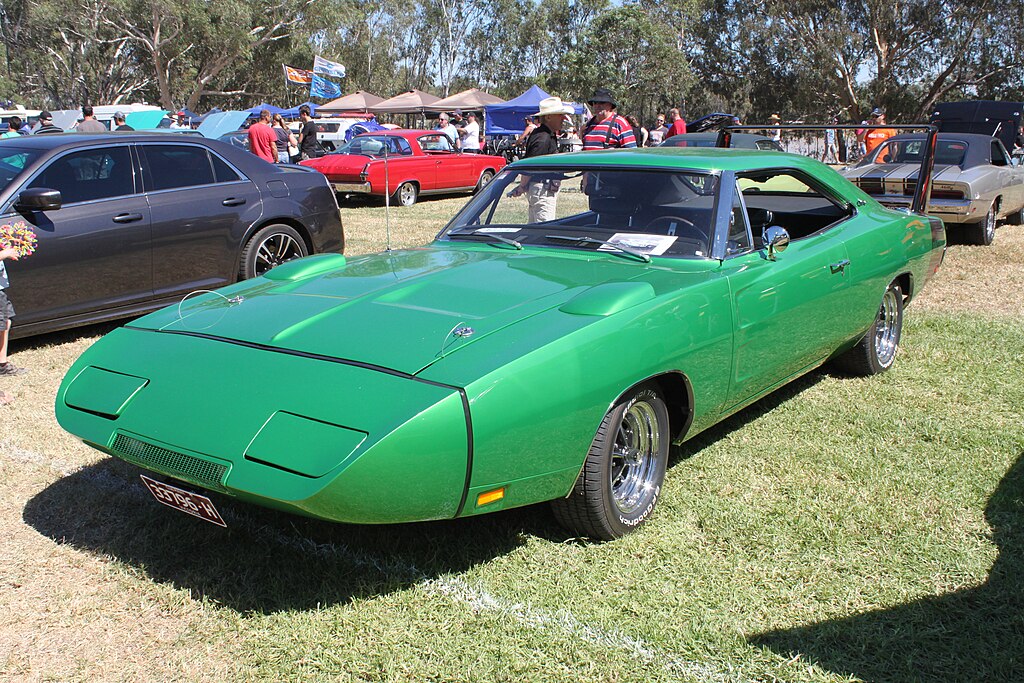
The Dodge Charger made its mark with a wide powerful appearance that demanded attention wherever it went. Its combination of muscle and style made it a favorite among drivers who wanted something impressive without feeling delicate. The car found fame on screen and on highways and its reputation grew as a machine built to be seen and heard. The Charger helped define the idea that a muscle car should feel like a force of nature and it remains one of the most collectible vehicles from the period.
1969 Pontiac Firebird
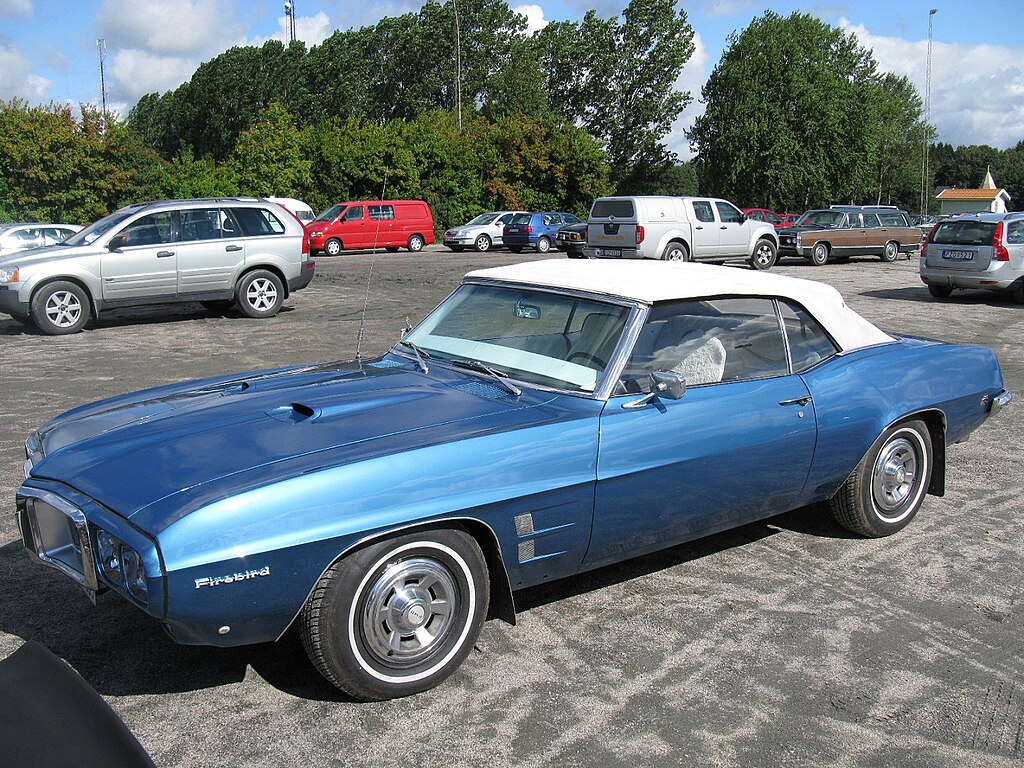
The Pontiac Firebird offered a sleek alternative to bulkier designs and gave drivers a stylish vehicle that still carried significant performance. Its sporty lines and responsive power made it feel light and capable on the road. The Firebird represented the creative direction of American car design by blending personality with functionality. Owners enjoyed having a car that looked fast before it even moved. Its image and legacy continue through restoration projects and enthusiast gatherings that keep the spirit of the 1960s alive.
1969 Chevrolet Chevelle SS
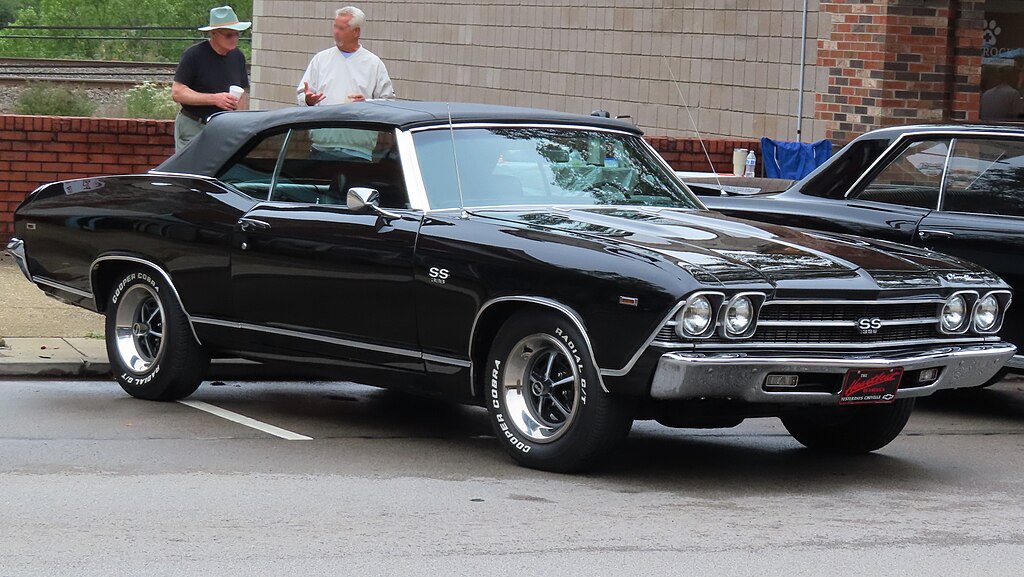
The Chevrolet Chevelle SS became known for raw capability and straight line speed that satisfied anyone who pressed the pedal with excitement. It carried a reputation for being one of the toughest cars of its decade and its stance communicated confidence. Drivers liked how the Chevelle combined size with surprising agility and the engine options allowed for serious power. This car helped prove that ordinary family vehicles could become thrilling machines and its growing value among collectors reflects the respect it earned.
1968 Plymouth Road Runner
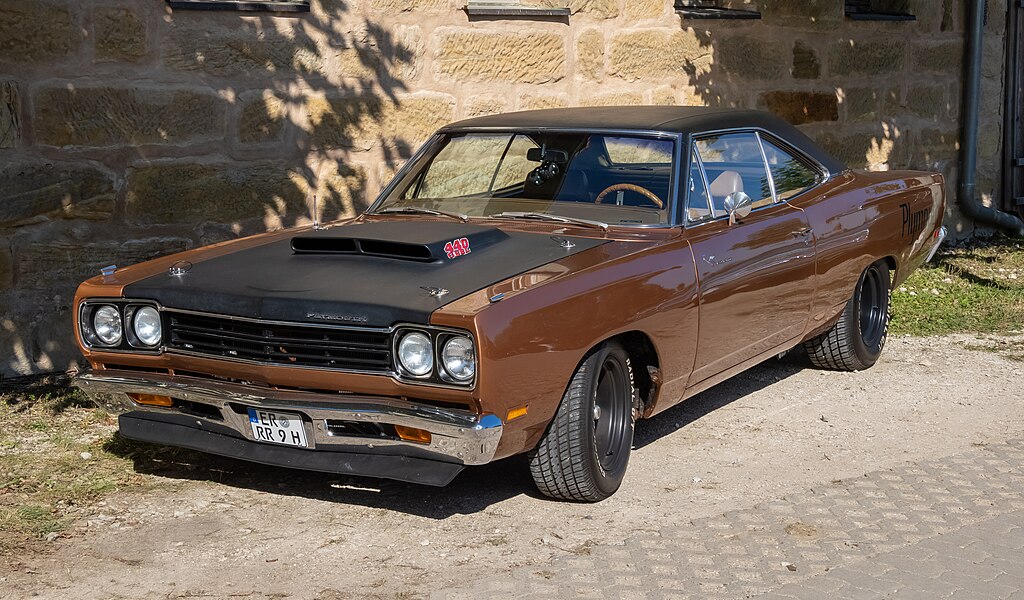
The Plymouth Road Runner focused on fun and affordability without sacrificing power and it stood out for its punchy acceleration and simple design. It appealed to younger buyers who wanted a muscle car but did not want unnecessary features adding cost. The car captured attention with a blend of humor attitude and speed. Its name and character made it easy to remember and hard to ignore. Over the years the Road Runner earned a loyal following that appreciates its honest approach to performance.
1967 Oldsmobile 442
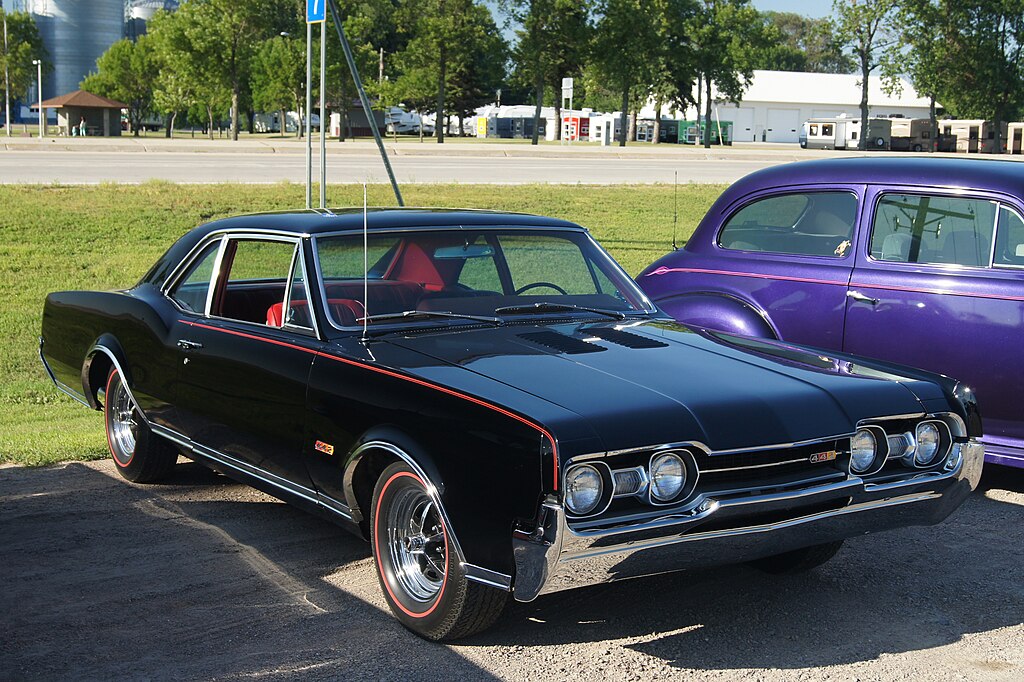
The Oldsmobile 442 delivered performance in a mature and refined package that made it appealing to drivers who wanted muscle without flashiness. The car offered strong acceleration and smooth handling which made it comfortable on long drives. Its name represented its engine and transmission features which gave owners bragging rights among enthusiasts. The 442 developed a reputation for being a car that did not need to shout to be respected and its legacy continues among collectors who appreciate its understated charm.
1967 Pontiac Firebird
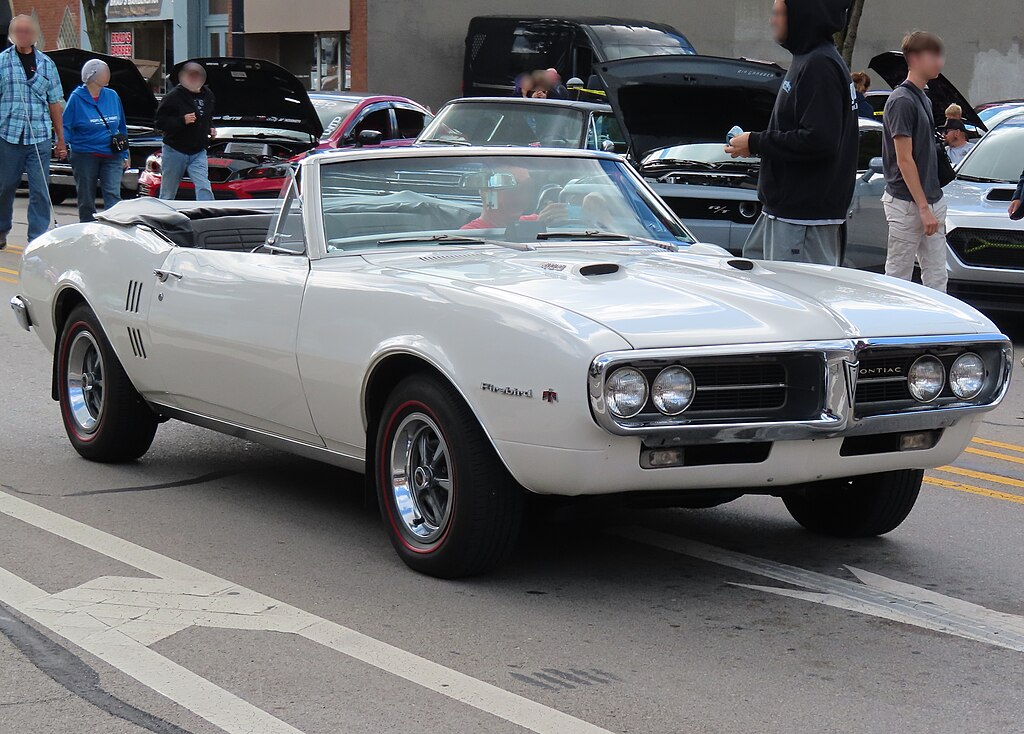
The original Pontiac Firebird debuted alongside famous rivals and quickly took its place as a respected member of the muscle car world. Its design balanced elegance with power and appealed to drivers who valued appearance as much as speed. The car offered performance options that gave owners flexibility to choose the level of excitement they wanted. Its continued admiration reflects the strong identity Pontiac created during this period and the Firebird remains one of the most recognizable names in American automotive history.
1965 Shelby GT350
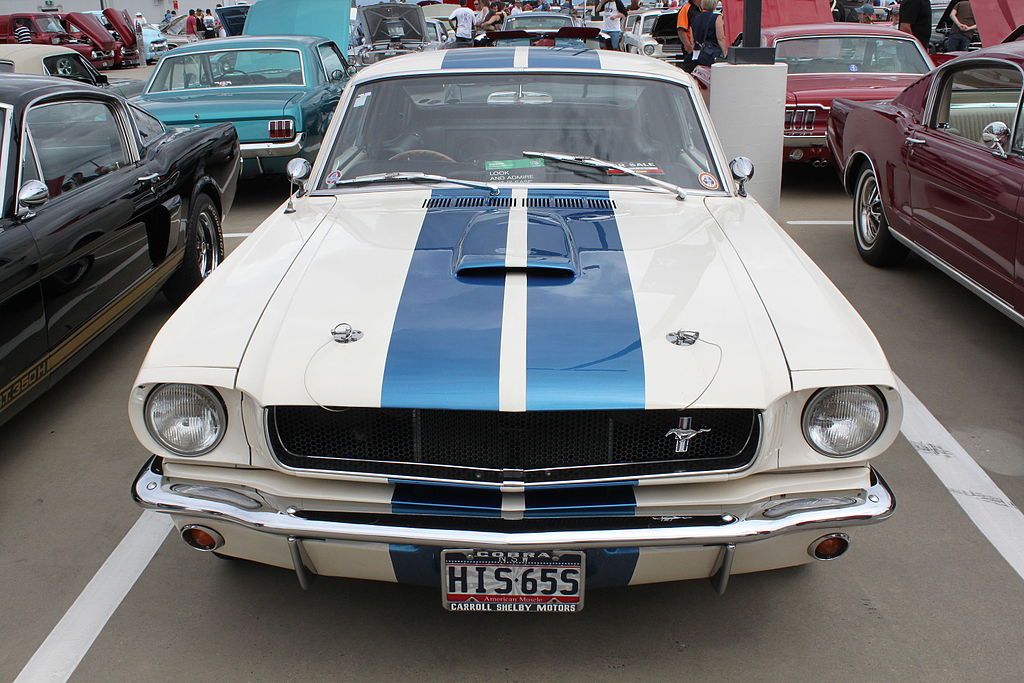
The Shelby GT350 took the Mustang formula and pushed it into a high performance direction that thrilled racing fans. Its construction delivered more control sharper handling and a stronger driving feel than most cars of its time. The GT350 became associated with skillful engineering and a sense of precision that made drivers feel connected to every movement. The vehicle’s reputation helped shape the idea that American cars could compete with imported performance models and it remains a prized symbol of innovation.
1966 Buick Gran Sport
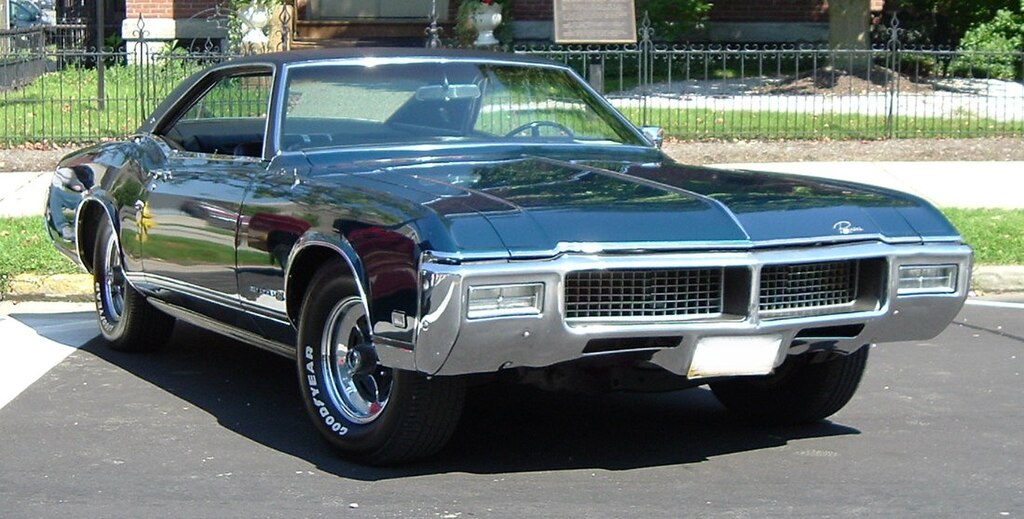
The Buick Gran Sport gave muscle car fans another option and its strong body and confident stance highlighted the era’s bold approach to styling. It delivered smooth power and a steady ride that made it suitable for everyday use. The Gran Sport appealed to buyers who wanted a car that looked serious but still met family needs. Its dual nature made it memorable and its long term recognition proves that the 1960s were about more than just raw speed. The Buick name carried pride and reliability.
1969 Ford Torino Cobra
The Ford Torino Cobra offered powerful acceleration supported by clean lines and an appearance that felt ready for action. It was part of a movement that encouraged performance minded drivers to push limits and enjoy cars that seemed built for excitement. The Torino Cobra held its own among rivals and built a name through racing and personal ownership stories. People admired how it looked and how it performed on open roads. Today it represents a part of the muscle car era that still sparks interest.
1968 AMC AMX
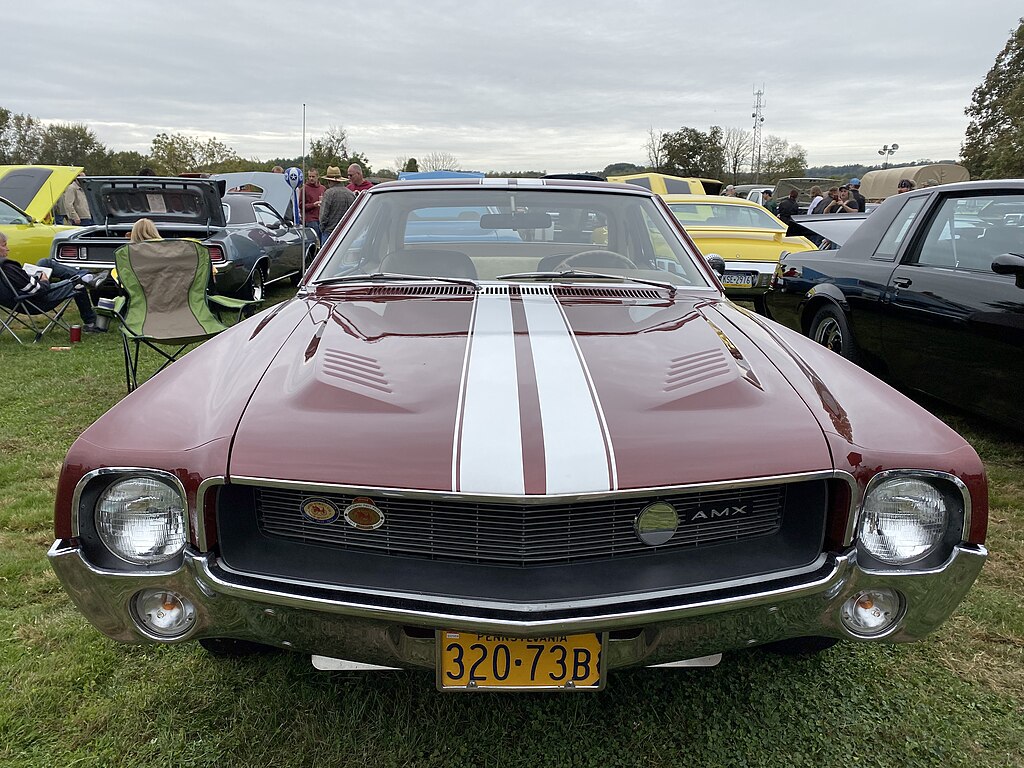
The AMC AMX delivered performance in a lighter frame that surprised buyers who expected power to require bulk. It challenged assumptions and showed that thoughtful design could create impressive speed without excessive size. The AMX appealed to drivers looking for something different from the mainstream choices and its personality made it stand out. Enthusiasts still appreciate how AMC took risks during the 1960s and the AMX became proof that innovation and bold thinking could compete with the biggest names in the industry.
These 1960s muscle cars left impressions that go far beyond the decade that created them. Each model carried something distinct whether it was raw strength bold style or a daring attitude that encouraged drivers to chase open roads. They transformed family garages into symbols of independence and gave a generation machines that defined speed and power. Their legacy continues in movies shows auctions and memories proving that the golden age of muscle cars still holds a special place in American culture and imagination.