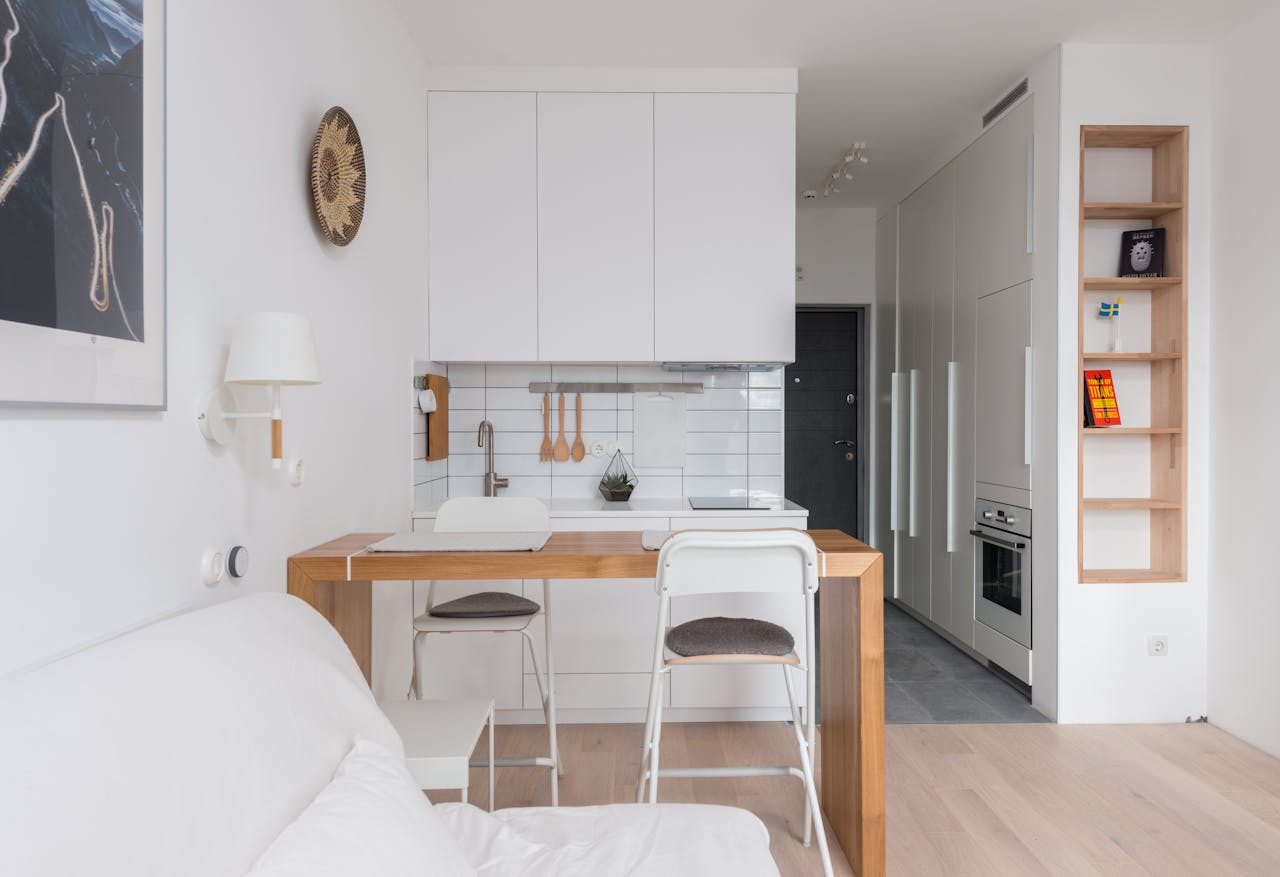
Homebuyers rarely express it directly, but certain design choices make them walk away from otherwise great houses. These issues may not seem urgent to current owners, yet they dramatically affect how a property feels, functions, and compares to newer homes on the market. When a layout is confusing, storage is lacking, or spaces feel dated, buyers quickly imagine renovation costs and move on. Understanding these design flaws helps homeowners protect their property’s long term appeal. Small details create strong impressions, and ignoring them can silently drain thousands from resale potential.
1. Layouts Without Defined Living Spaces
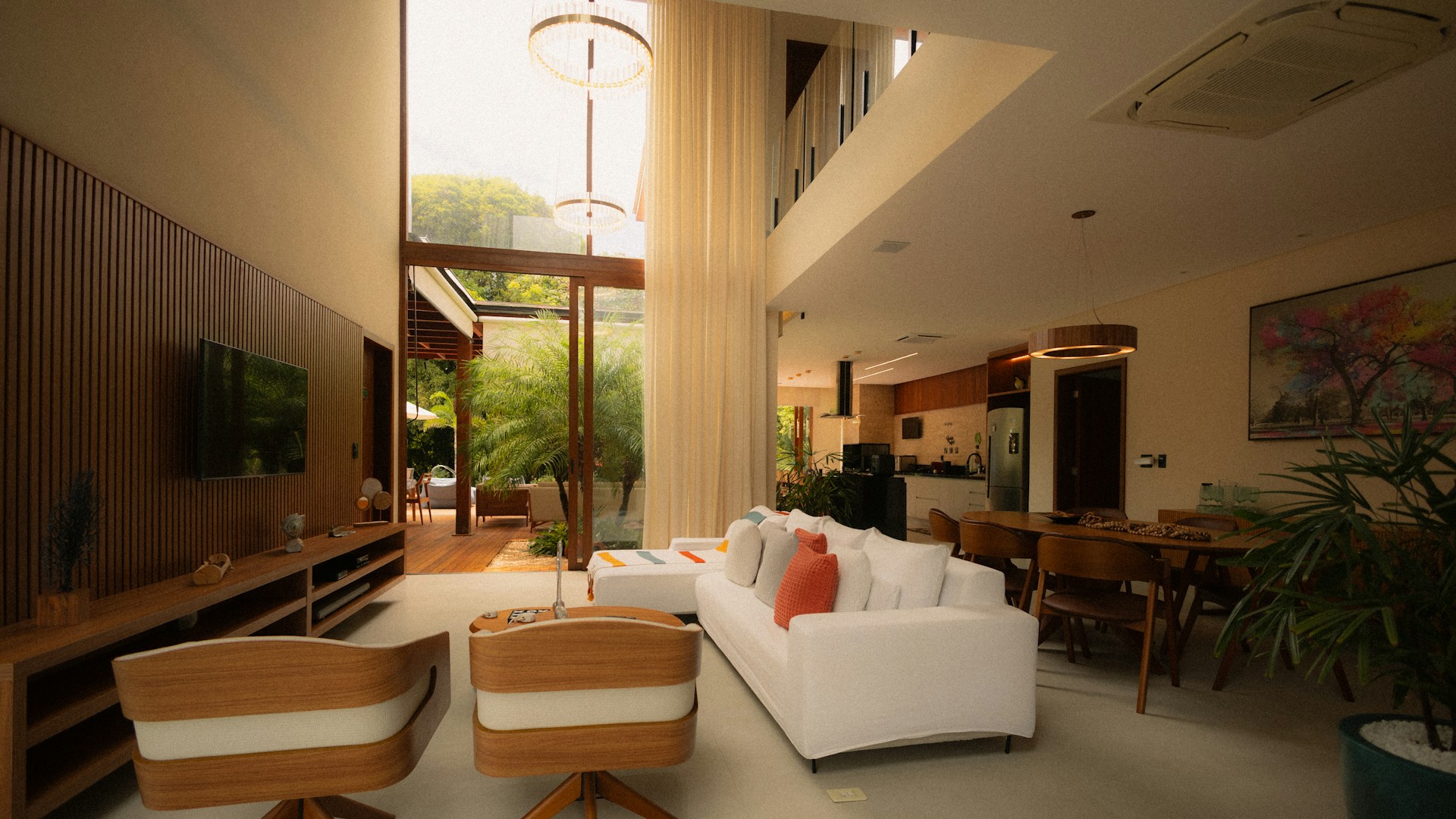
Open concepts may be popular, but undefined spaces create confusion that lowers perceived value. When buyers cannot tell where the dining area ends or where the living room begins, the home feels like one oversized hallway. Families want structure that supports daily routines, not rooms that require guesswork. Defined spaces help furniture placement, privacy, and traffic flow. Removing walls without a plan often backfires by making homes echo or feel empty. Buyers do not want to redesign a layout before moving in, so unclear living zones quickly weaken interest and negotiation power.
2. Bathrooms Without Proper Ventilation
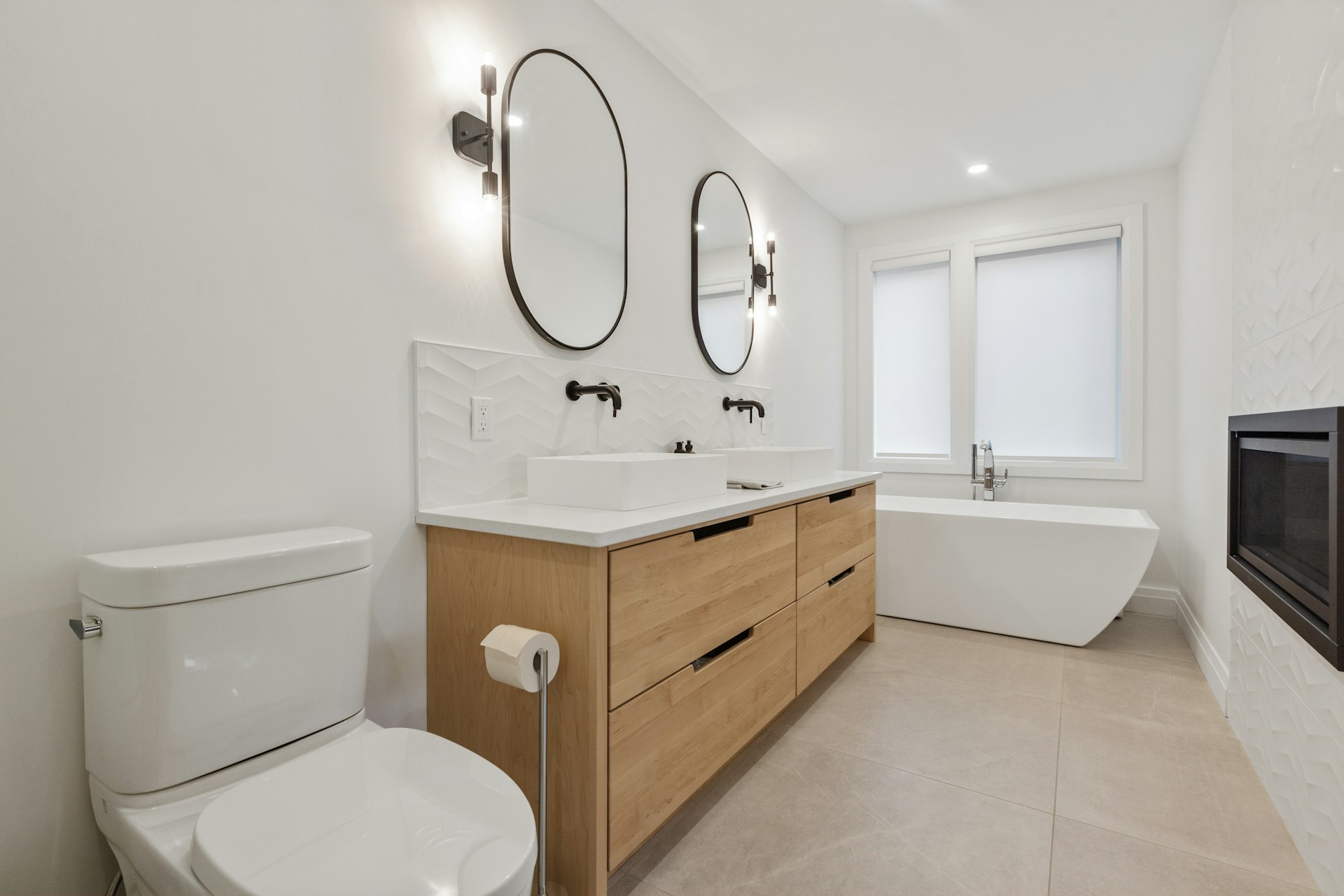
Bathrooms lacking ventilation cause moisture buildup, peeling paint, mold, and lingering odors. These issues signal neglect, not character, and buyers immediately notice them. Ventilation fans and windows prevent structural damage and protect indoor air quality. A bathroom that feels damp or smells stale raises concerns about hidden repairs. Even cosmetic upgrades cannot compensate for poor airflow. Buyers expect bathrooms to feel fresh, functional, and low maintenance. Without ventilation, this essential room becomes a liability instead of a selling point, making future costs seem inevitable.
3. Dark Interiors With Limited Natural Light
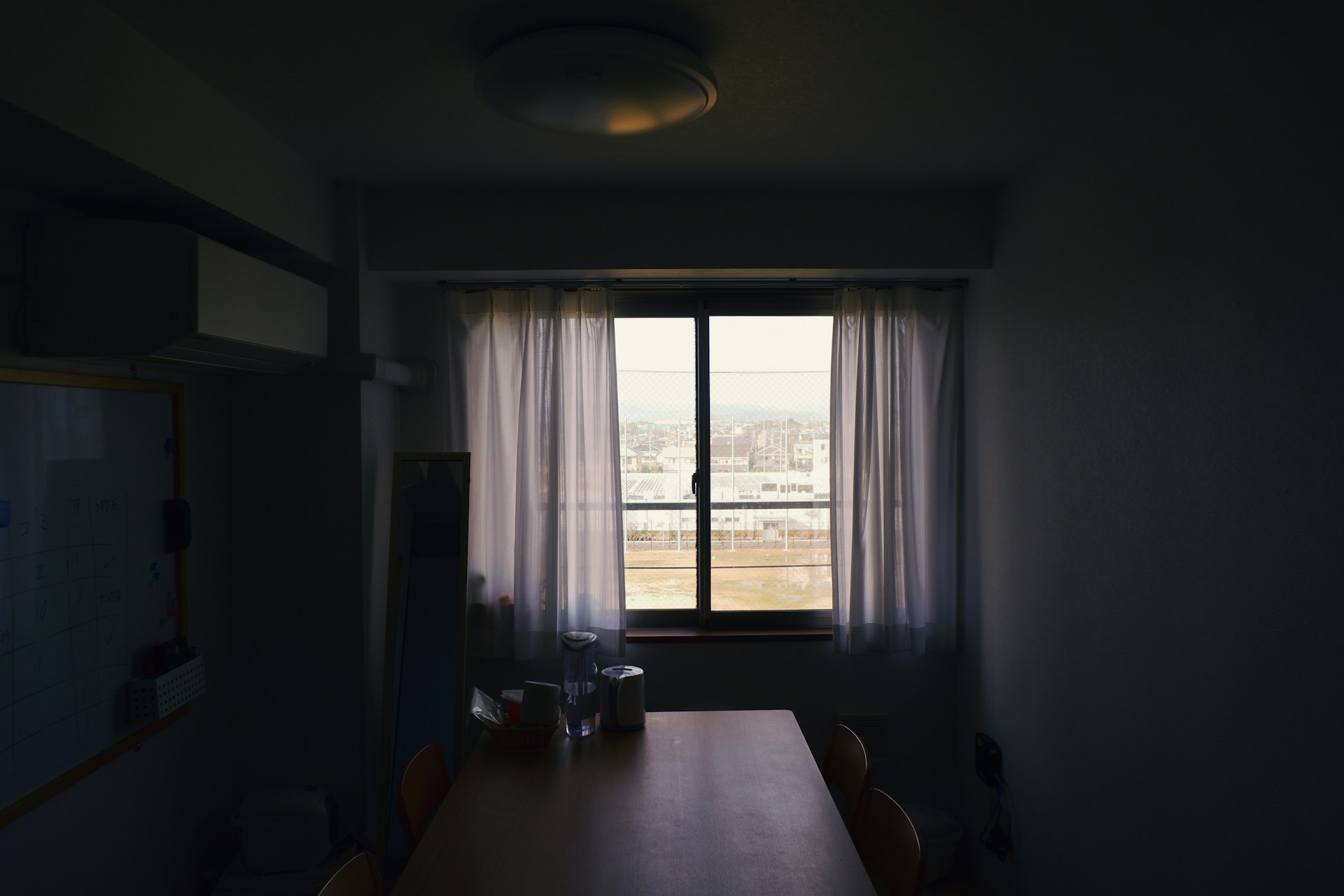
Homes that rely heavily on artificial lighting can feel small, gloomy, and outdated. Natural light improves mood, enhances colors, and makes rooms seem larger than they are. When windows are blocked, placed poorly, or too small, buyers start imagining renovation costs before considering the home’s real features. Bright spaces signal modernity and care, while dim rooms suggest neglected upkeep. Increasing natural light does not always require major construction. Simple changes such as lighter paint or strategic window treatments can transform perception, but ignoring lighting immediately hurts resale value.
4. Kitchens Lacking Functional Counter Space
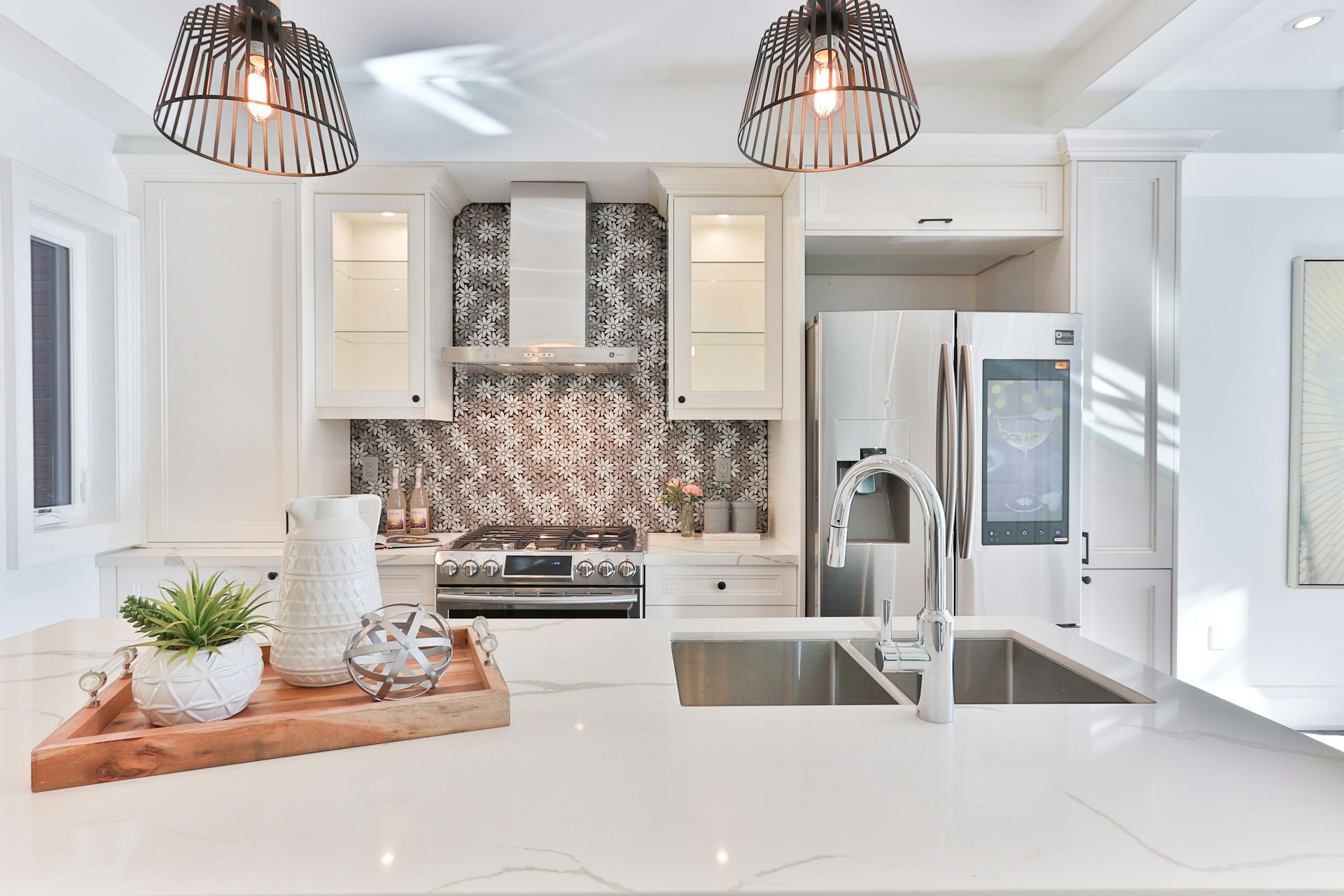
A beautiful kitchen loses impact when there is nowhere to prepare meals. Limited counter space frustrates buyers who imagine daily routines interrupted by clutter. Kitchens are now the social hub of the home, and functionality matters as much as aesthetics. When appliances are cramped or surfaces are broken up, the room feels smaller and less usable. Buyers want counters that support cooking, entertaining, and storage. A kitchen lacking workspace suggests outdated design and forces buyers to budget upgrades. Without adequate surfaces, even stylish kitchens struggle to justify asking price.
5. Bedrooms Without Adequate Closet Storage
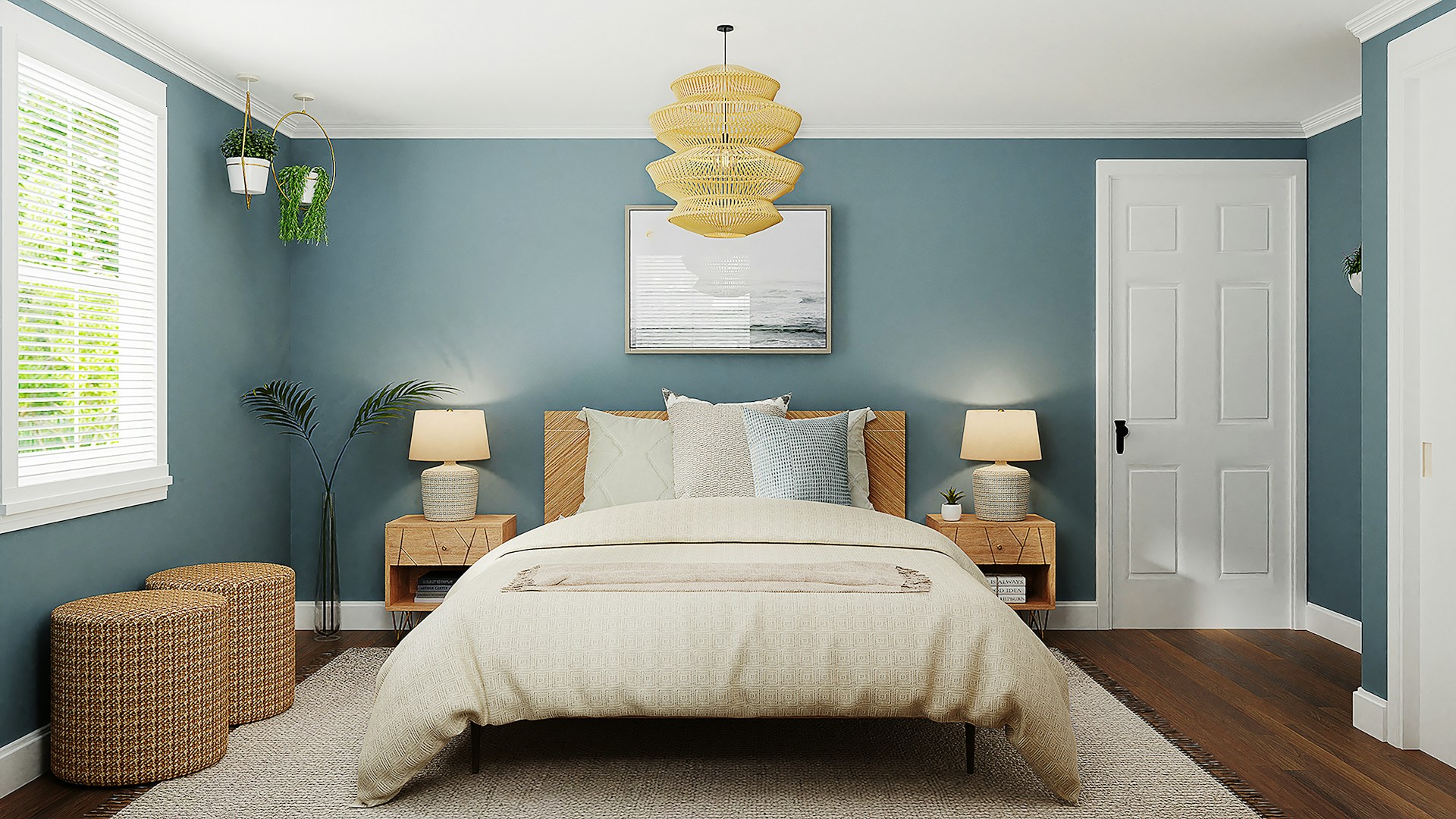
Storage sells houses because it simplifies living. Bedrooms without closets or with small, awkward ones immediately lose appeal. Buyers imagine clothing piled in view or expensive wardrobe units taking up floor space. Adequate closet space makes daily routines easier and helps rooms feel calmer. When storage is lacking, the whole house feels impractical. Buyers see it as a design oversight that requires time and money to correct. Closet improvements are relatively simple, yet their absence signals that the house was not designed with modern living in mind.
6. Cheap Laminate Flooring That Wears Quickly
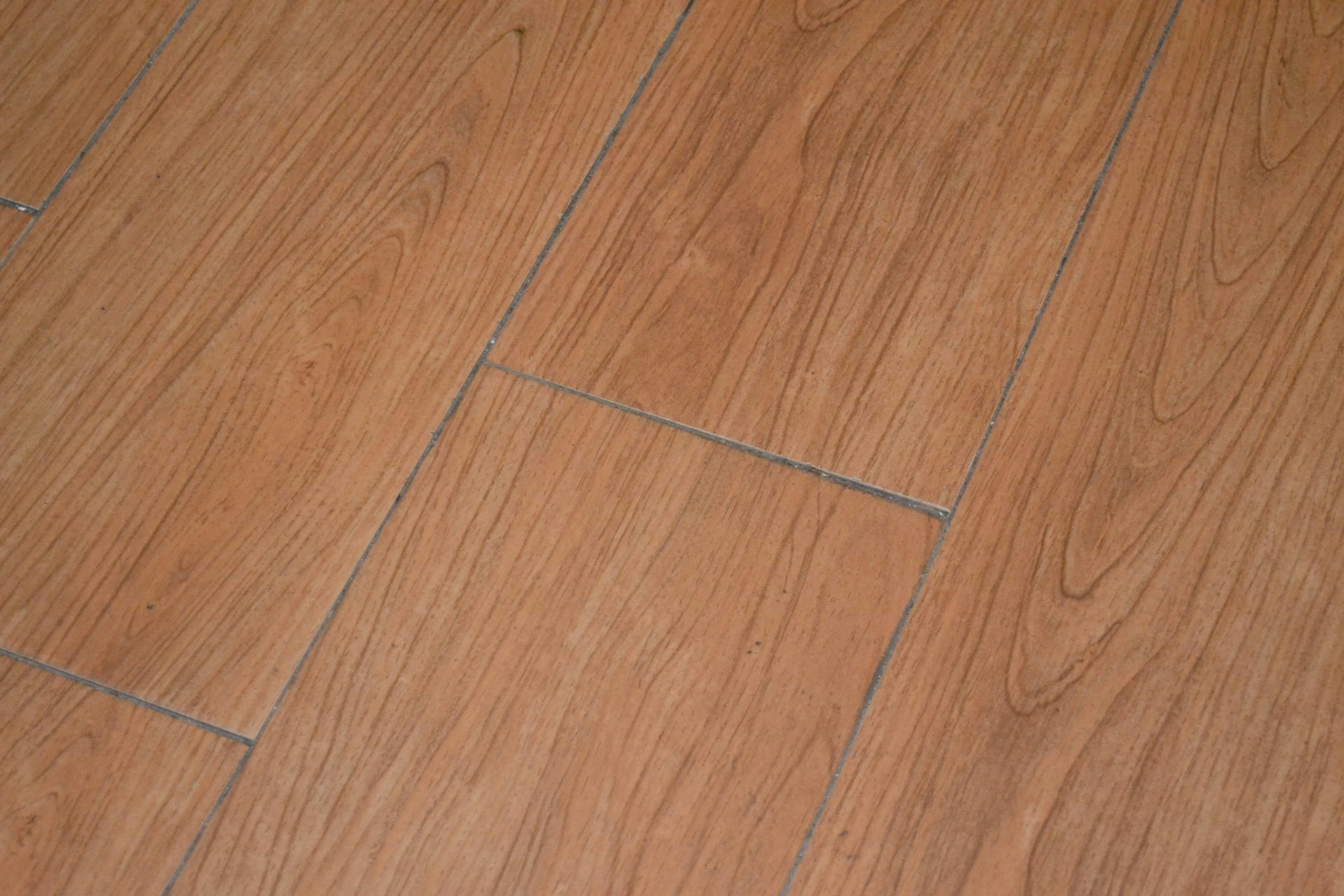
Flooring plays a major role in how buyers judge quality. Cheap laminate scratches easily, swells with moisture, and looks dated once wear sets in. Even if the layout is strong, worn floors make the entire home feel neglected. Buyers anticipate replacement costs and downgrade their offers. Durable flooring such as hardwood, luxury vinyl, or tile communicates longevity and pride of ownership. When floors fail visually, trust in the rest of the property disappears. Investing in better materials preserves resale value and makes a stronger first impression.
7. Over-personalized Paint Colors Buyers Cannot Ignore
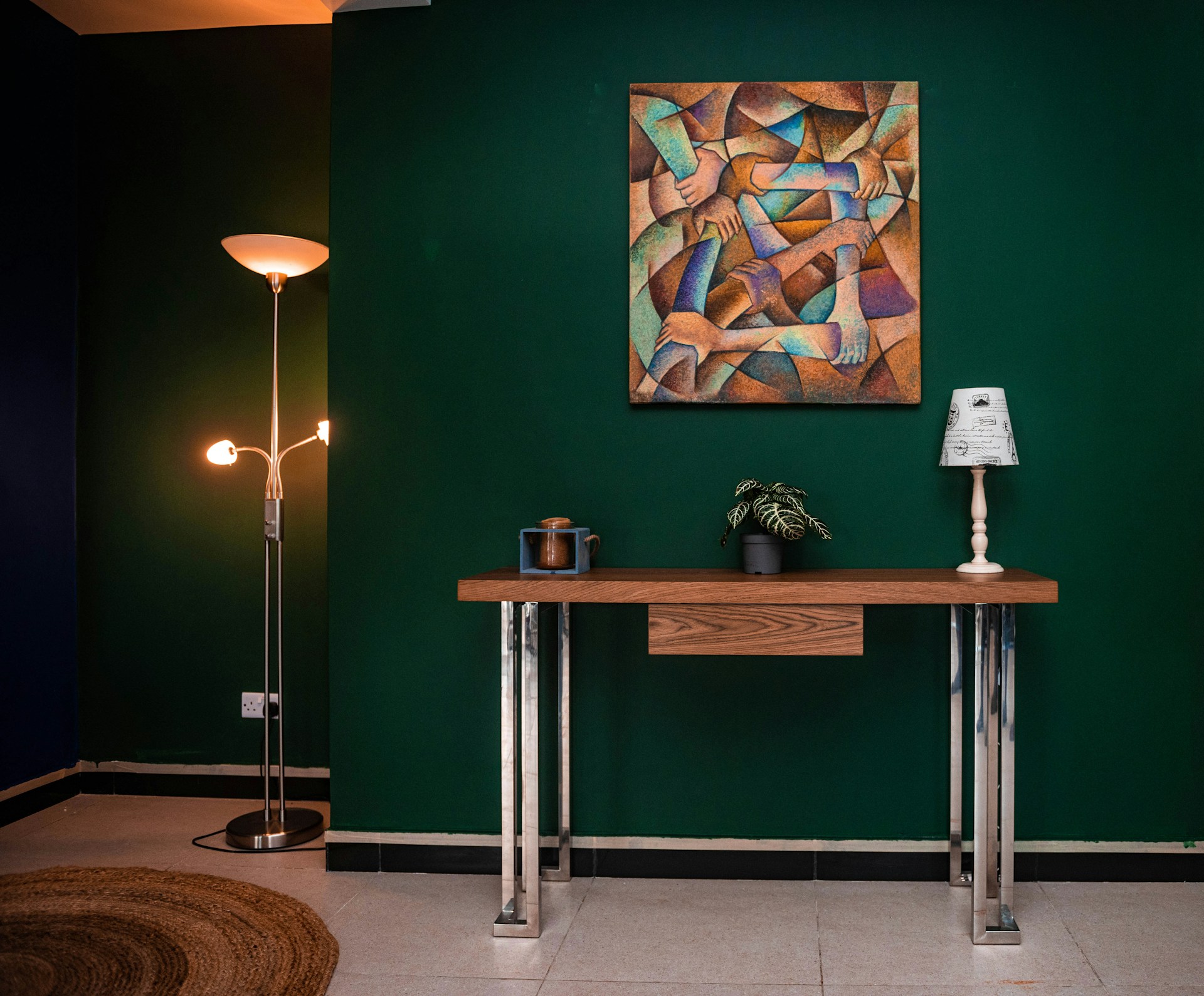
Walls are the largest visual surface in a home and bold, unusual colors overwhelm potential buyers. While personal taste matters to current owners, resale value depends on neutrality. Over personalized paint creates an emotional barrier that makes the space feel like someone else’s home. Buyers imagine repainting costs and hassle, reducing enthusiasm. Neutral tones allow visitors to imagine their own furniture and lifestyle. Color choices that demand explanation or adjustment instantly lower appeal and shrink the buyer pool. Design should invite, not impose.
8. Windows That Do Not Open Or Lack Energy Efficiency
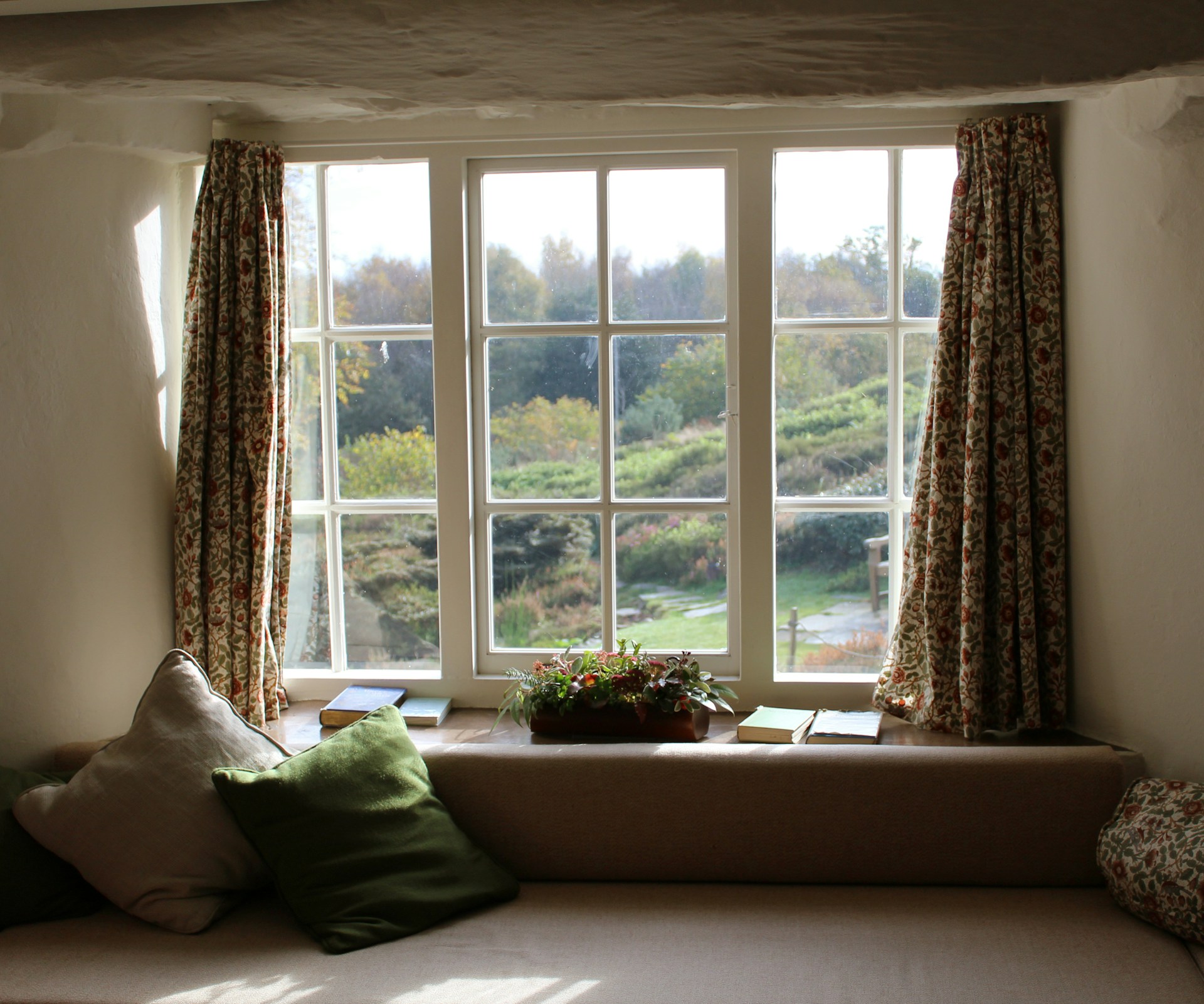
Windows influence comfort, safety, and utility costs. When they stick, do not open, or leak air, buyers notice. Homes with outdated or inefficient windows feel drafty in winter and hot in summer, creating expectations of future expenses. Energy efficient models improve sound quality, reduce bills, and modernize curb appeal. Eco consciousness is growing, and buyers prefer homes that respect both comfort and budget. Poor windows make rooms feel trapped and outdated, reducing perceived quality even if everything else looks updated.
9. Poor Lighting Plans With Only Overhead Fixtures
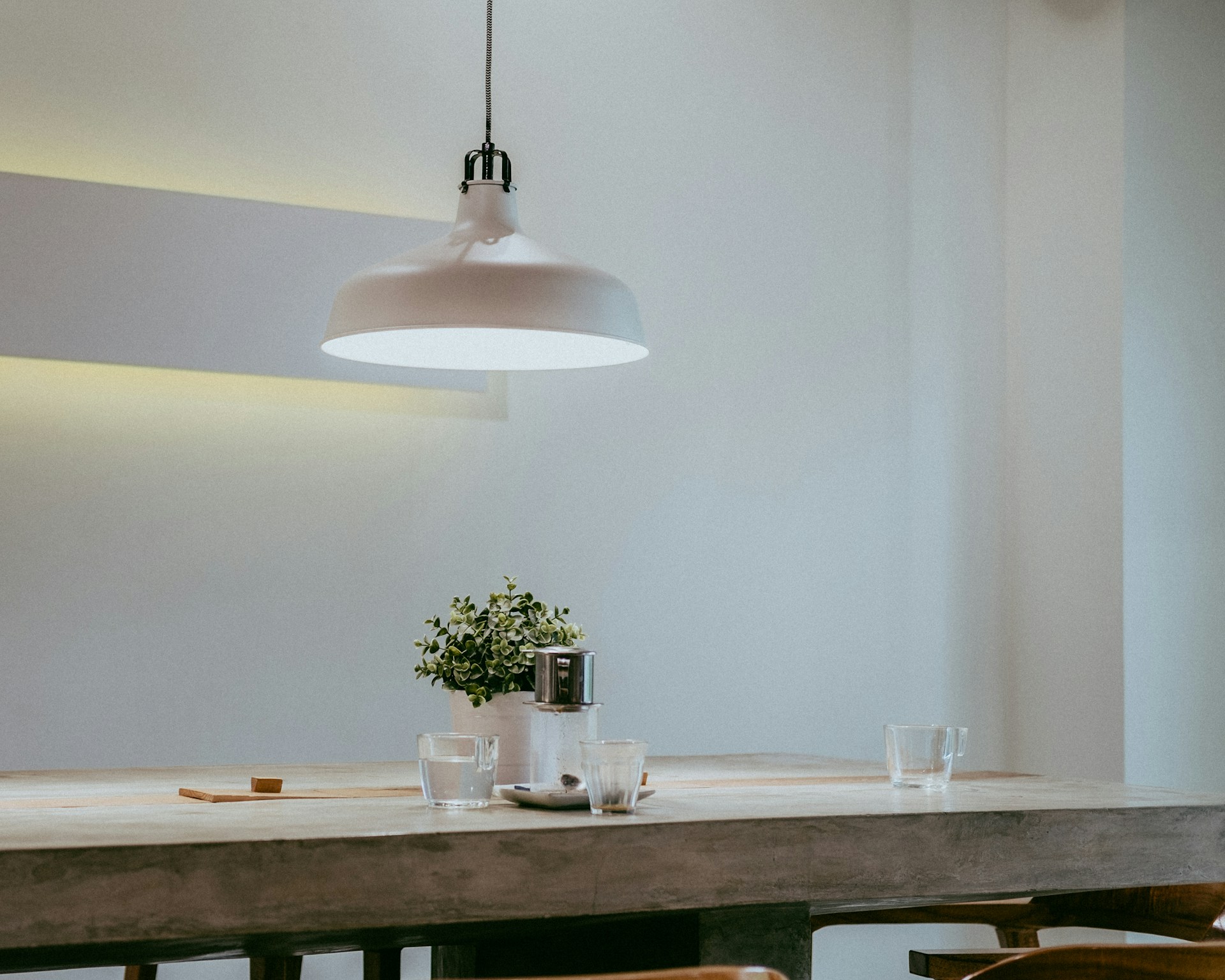
Lighting shapes atmosphere, yet relying on a single ceiling fixture creates harsh shadows and dated aesthetics. Buyers want layered lighting that includes lamps, sconces, and task illumination. Without it, rooms feel flat and uninspired. Poor lighting hides features that could otherwise help sell the home. Simple upgrades create warmth and dimension, proving that design does not require luxury budgets. Homes with limited lighting feel unfinished and lacking comfort. Buyers expect spaces that enhance everyday routines and mood, not ones that demand immediate rewiring.
10. Laundry Rooms Placed Far From Bedrooms
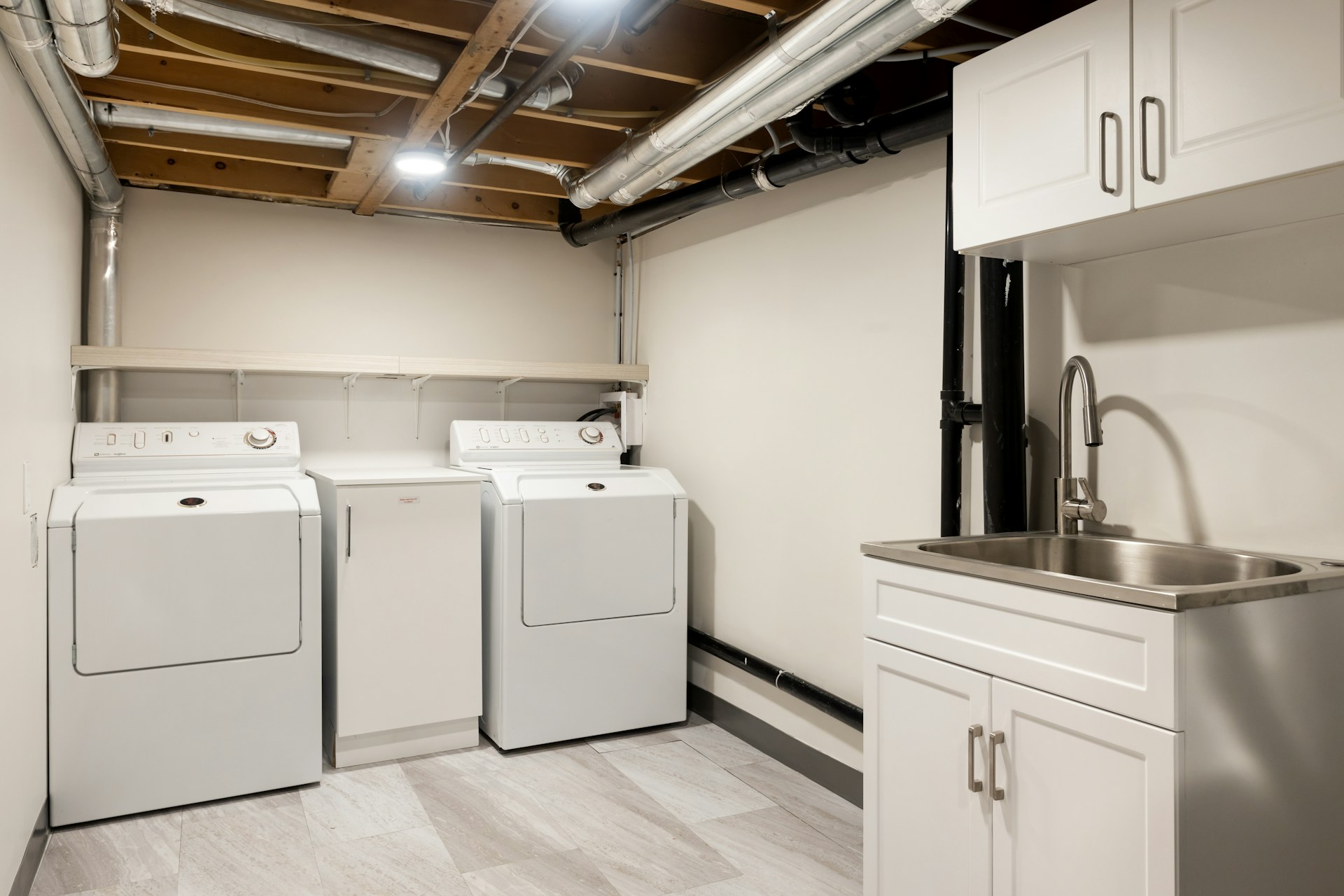
Modern families value efficiency, and laundry rooms located in basements or distant corners inconvenience daily routines. Carrying heavy clothes across floors signals poor layout planning. Buyers want laundry near bedrooms, where clothing originates. Long distances make chores feel longer and less manageable. Relocating laundry spaces can be costly, which lowers bids and enthusiasm. Practical placement communicates thoughtful design. Homes with awkward laundry placement lose appeal because they create unnecessary effort that buyers cannot ignore during walkthroughs.
11. Spiral Staircases Unsafe For Kids And Seniors
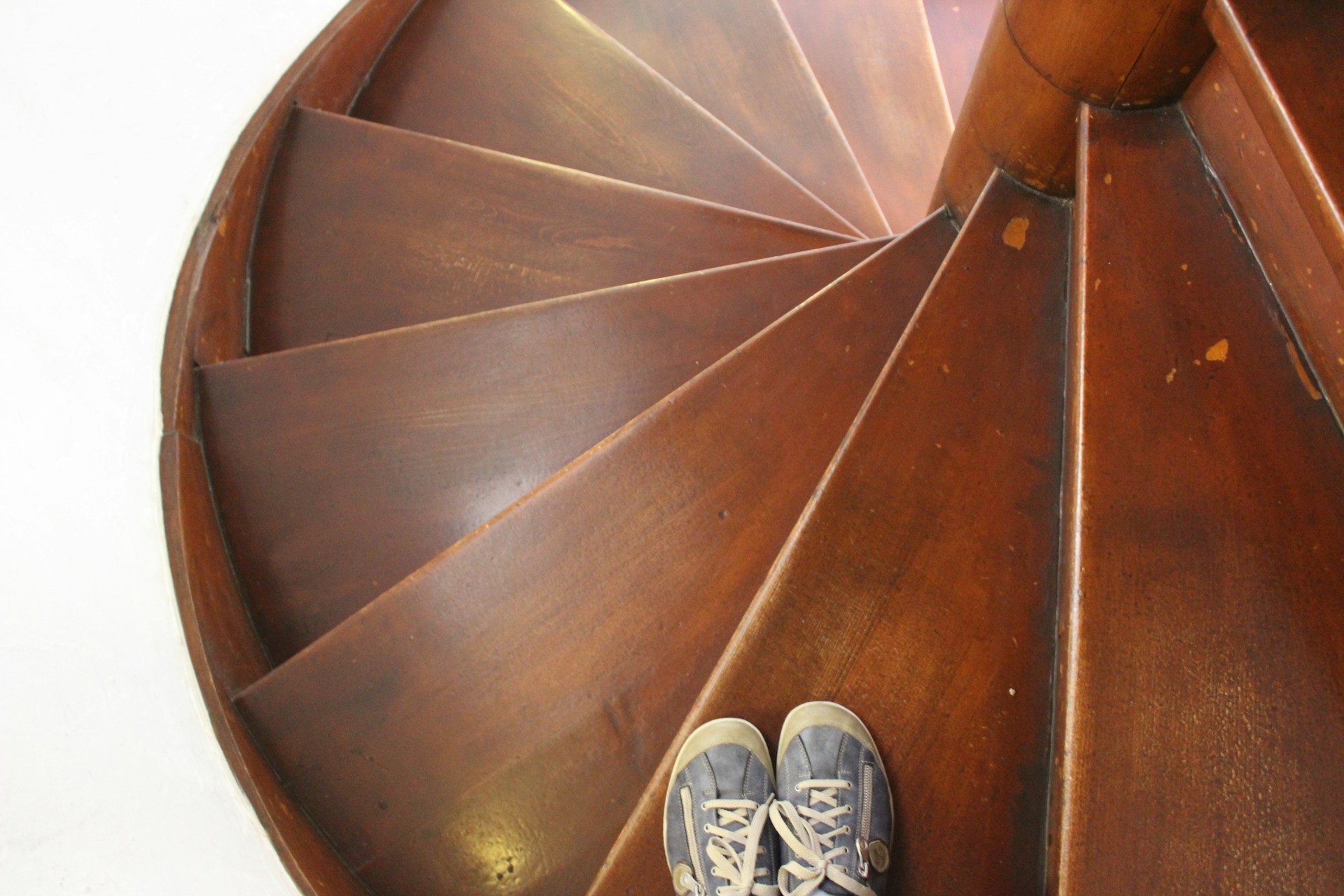
Spiral staircases look interesting, but they are impractical for families. Narrow steps, tight turns, and poor handrail placement create risks that buyers instantly notice. These staircases limit furniture movement and restrict accessibility. Families with young children or aging relatives see them as hazards rather than design statements. Removing or redesigning them can be expensive, which deters offers. Buyers want homes that feel safe and accessible. Spiral stairs may impress visually, but they undermine long term livability and resale value when safety is compromised.
12. Stained Glass Windows
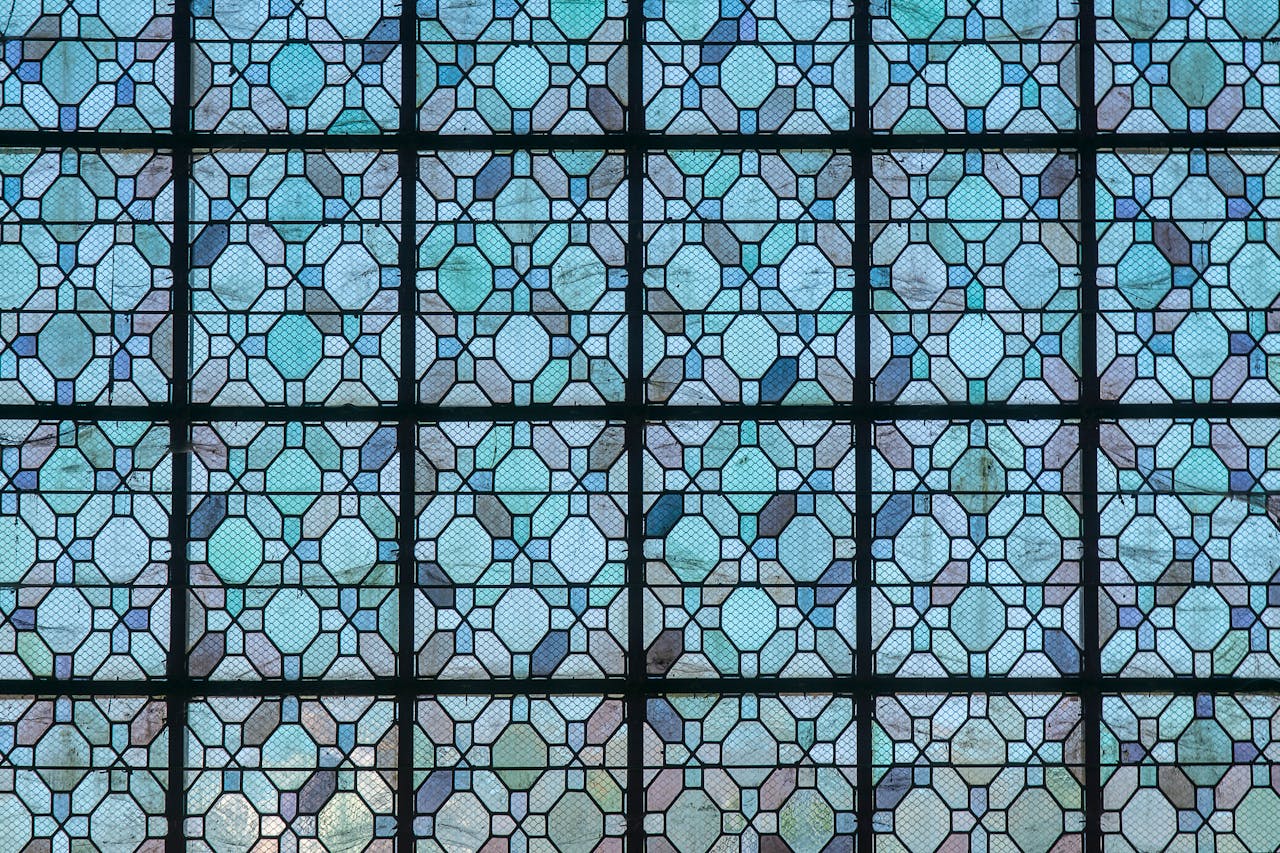
Stained glass windows can be charming in the right context, but most homes cannot carry their ornate style. They limit décor options, filter light oddly, and tie rooms to a specific era. Buyers want flexibility in design, not inherited statements that are expensive to replace. While interesting architecturally, stained glass often clashes with modern furnishings and paint colors. Its uniqueness becomes a burden when buyers imagine renovation costs. Homes sell best when design elements feel adaptable, and stained glass seldom supports that expectation.
13. Open Shelving That Shows Clutter Instead Of Storage
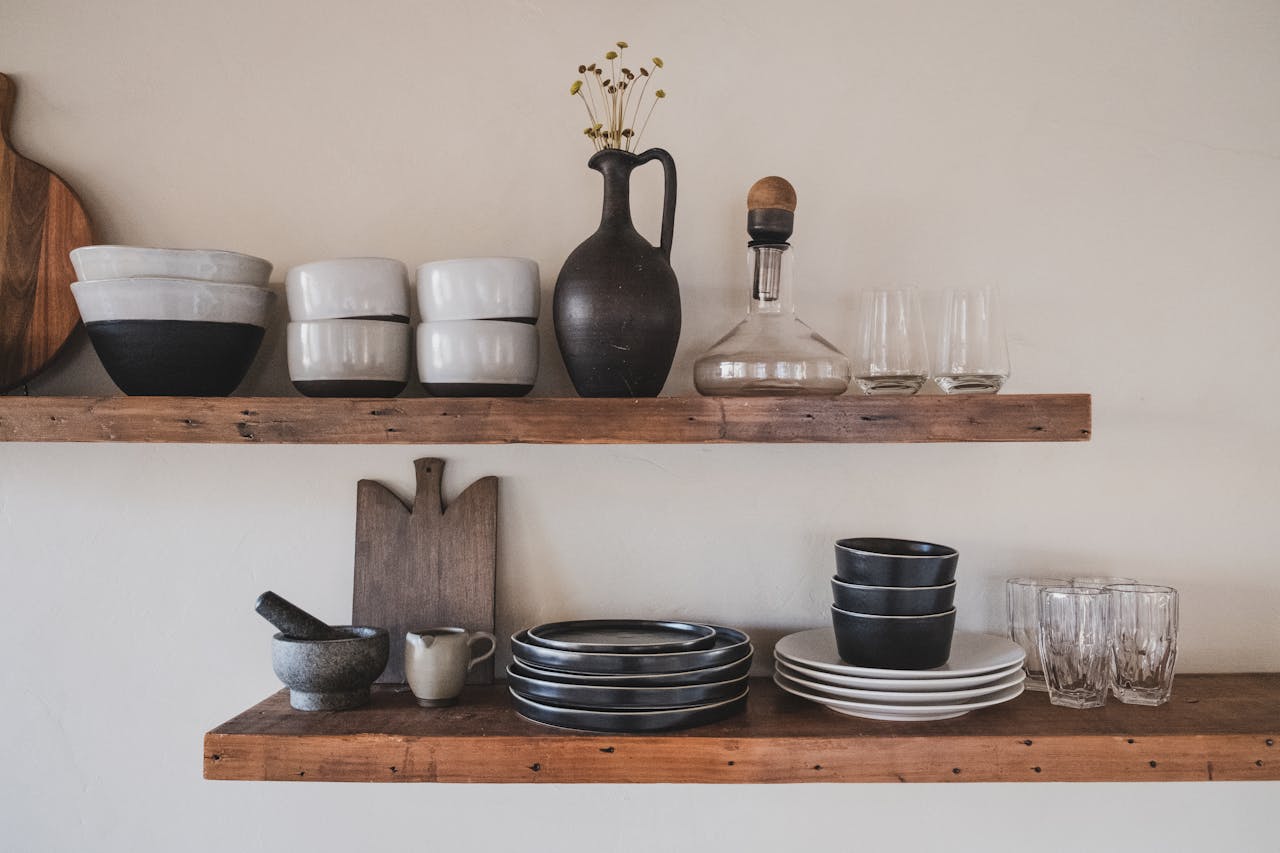
Open shelving can be stylish in photos, yet in real homes it invites clutter. Buyers see exposed dishes, gadgets, or random items and imagine daily maintenance. Closed storage hides imperfections and creates calm. When shelves replace cabinets, kitchens and living spaces lose practicality. Buyers want organization, not displays that require constant effort. Open shelving pushes belongings into view, creating visual noise that lowers perceived order. Homes should simplify life, and revealing every object creates the opposite effect, reducing resale confidence.
These design flaws reveal how small choices shape a home’s financial future. Buyers want spaces that support their routines, stay adaptable, and feel updated without requiring immediate renovation. Homes that avoid these issues stand out in competitive markets, attract stronger offers, and maintain long term appeal. Resale value is not about perfection but thoughtful design that respects how families live today. Fixing these problems now prevents expensive regret later.