
Childhood came with its own set of “truths” that, as it turns out, weren’t very true at all. Parents told them with a straight face, often to keep us safe, entertained, or simply quiet for a moment. These tall tales became family folklore, shaping how we saw the world until reality finally caught up. Looking back, they’re less about deception and more about creativity, giving us fond memories of the little fibs that defined growing up.
Swallowed Seeds Will Grow in Your Stomach
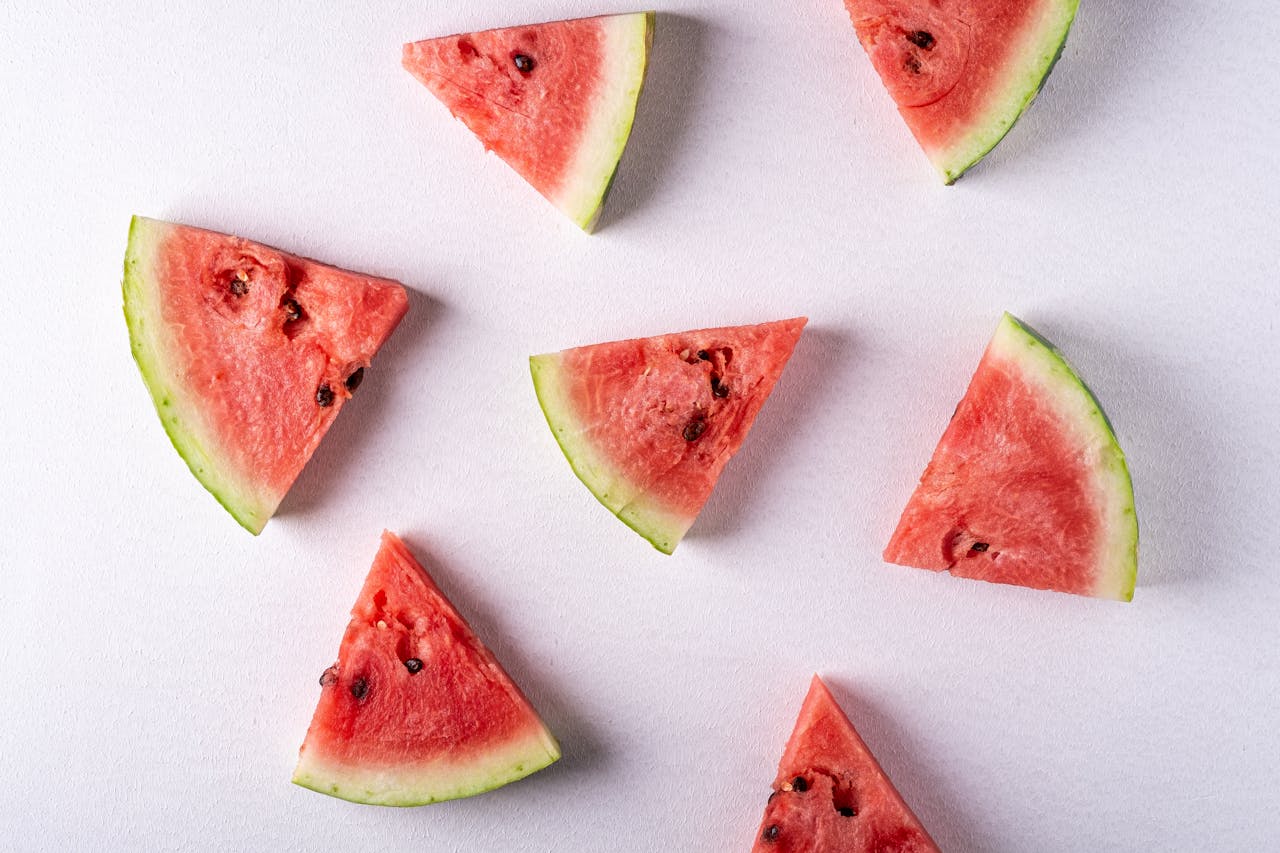
Parents warned that if you swallowed a watermelon seed, you’d soon sprout a melon patch in your belly. The mental image of vines curling out of our mouths was enough to make us spit seeds across the yard like professionals. Of course, seeds don’t grow in stomach acid, but as kids, this sounded like a botanical horror story waiting to happen. It was a foolproof way to get us to eat neatly—or at least try to avoid gulping down our fruity ammunition.
Making Faces Will Freeze Them That Way

Pulling silly faces at siblings was harmless fun until a parent declared that one gust of wind could make your goofy grin permanent. We’d rush to fix our expressions, terrified of being stuck mid-scrunch forever. The “face-freezing” myth worked wonders in keeping peace during family gatherings. Though completely untrue, it was just believable enough to make us think twice before sticking our tongues out at the dinner table—or anywhere else.
Santa Won’t Come If You’re Awake

On Christmas Eve, the excitement of presents was met with a dire warning—if you stayed awake, Santa would skip your house entirely. This fib transformed bedtime into a military-grade operation, with kids squeezing their eyes shut in hopes of hearing reindeer hooves. It kept us in bed and quiet for hours, even if sleep was impossible. Looking back, it was less about Santa’s punctuality and more about giving parents time to set up the magic in peace.
Don’t Swallow Gum or It’ll Stay in You for Seven Years
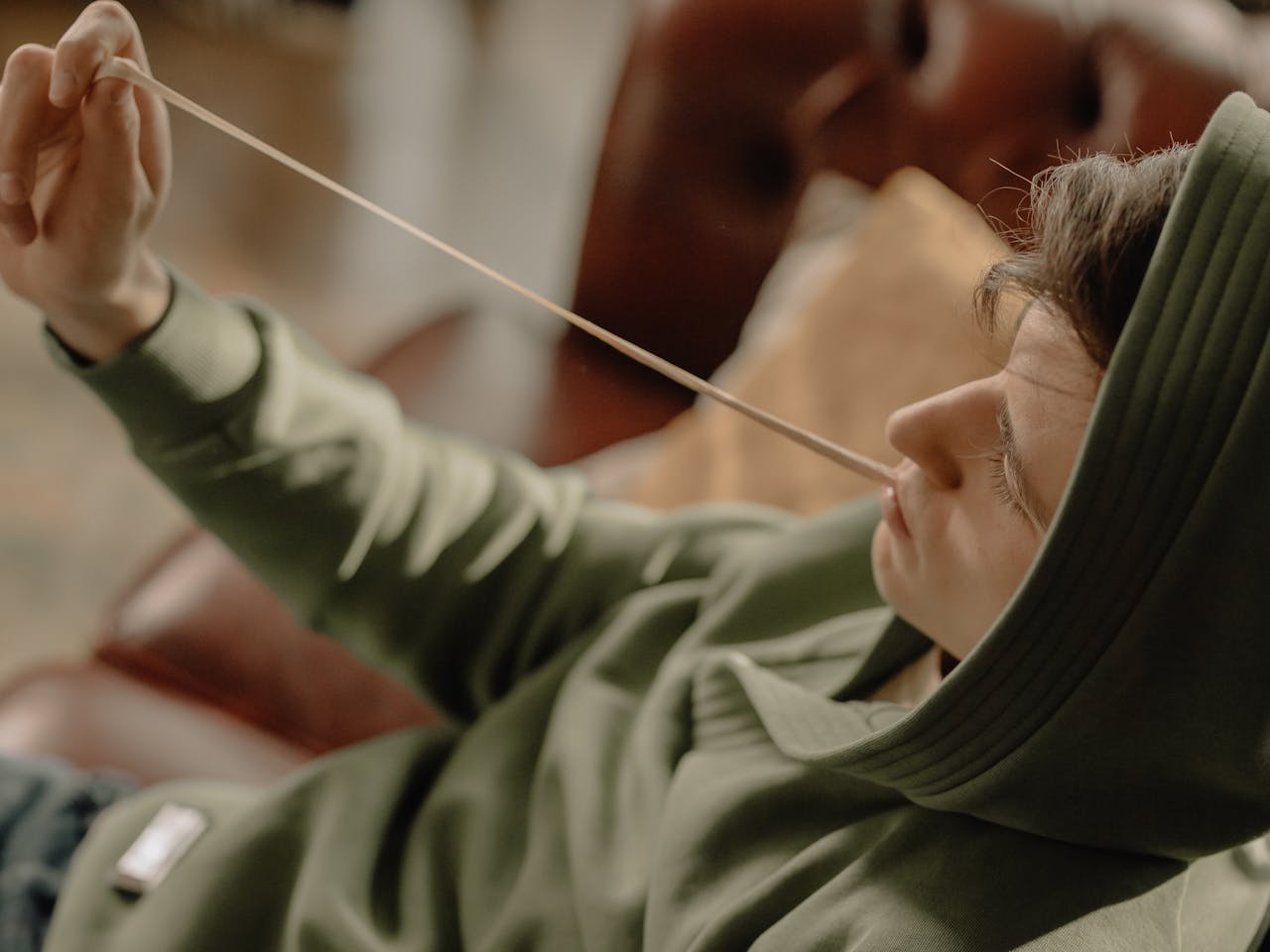
Chewing gum was fine—until you accidentally swallowed it. Parents swore it would stick in your stomach for seven whole years. We pictured a sticky pink lump taking up permanent residence, making us extra cautious with every chew. While gum passes through like most food, the myth kept us from treating it like a snack. It was a simple trick to stop us from popping piece after piece and from testing our limits with massive, bubble-blowing mouthfuls.
If You Go Outside with Wet Hair, You’ll Catch Pneumonia

Rushing out after a shower in cool weather? Parents warned it was practically an RSVP for pneumonia. The advice usually came with a towel thrown at your head and a demand to put on a hat. In truth, viruses—not damp hair—cause illness, but the myth stuck like, well, wet hair. It was an easy way to make sure we dried off and dressed warmly, sparing parents the battle of dragging us back inside when we were already halfway down the street.
Eating Crusts Makes Your Hair Curly

Hoping to avoid the crusts on our sandwiches, we’d be told they’d make our hair curlier. Depending on the child, this was either a threat or a promise. The science didn’t check out, but the myth sometimes worked in getting us to finish our bread. More often, it sparked kitchen debates about why no one in the family had perfectly curled hair despite a lifetime of crust consumption. Still, it added an odd charm to lunchtime negotiations.
Cracking Knuckles Will Give You Arthritis
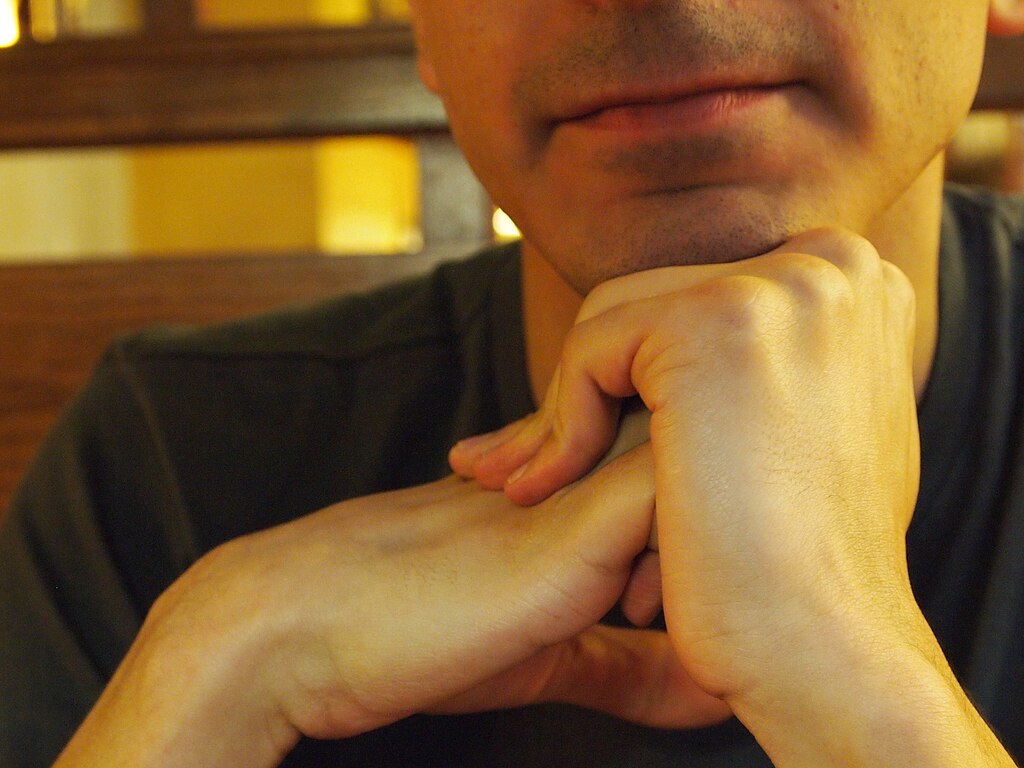
The loud pop of knuckles was enough to make parents wince, and the easiest way to stop it was to warn that arthritis was in our future. We’d imagine gnarled, stiff hands and stop mid-crack. Science later told us there’s no link, but at the time, the warning stuck hard. It was a parental shortcut to keeping peace during long car rides, quiet classrooms, and family dinners without a background soundtrack of snap, crackle, and pop.
Chocolate Milk Comes from Brown Cows
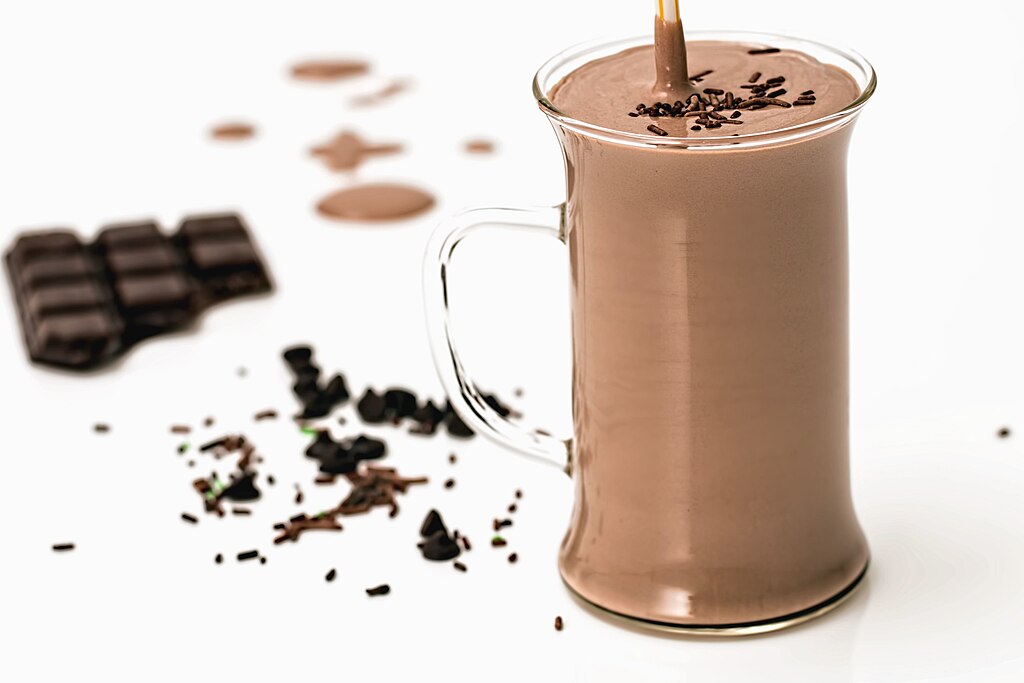
When we asked where chocolate milk came from, some parents skipped the dairy science and jumped straight to “brown cows.” The thought of special moo-makers producing dessert milk was pure magic to young minds. We pictured pastures of cocoa-colored cows just waiting to be milked into deliciousness. Eventually, the truth—and maybe a trip to a dairy farm—revealed the ruse, but for a while, it made farm life seem like the most delicious job on Earth.
Watching Too Much TV Will Make Your Eyes Square

Sitting too close to the screen was bad enough, but watching too much TV apparently reshaped your eyeballs into perfect little cubes. The warning was absurd, yet strangely compelling. We’d glance in the mirror after marathon cartoon sessions, half expecting to see pixelated pupils. Of course, it was all a ruse to limit screen time, but it worked. It added a funny, slightly spooky element to family rules about balancing TV with “fresh air.”
Don’t Cross Your Eyes or They’ll Stay That Way
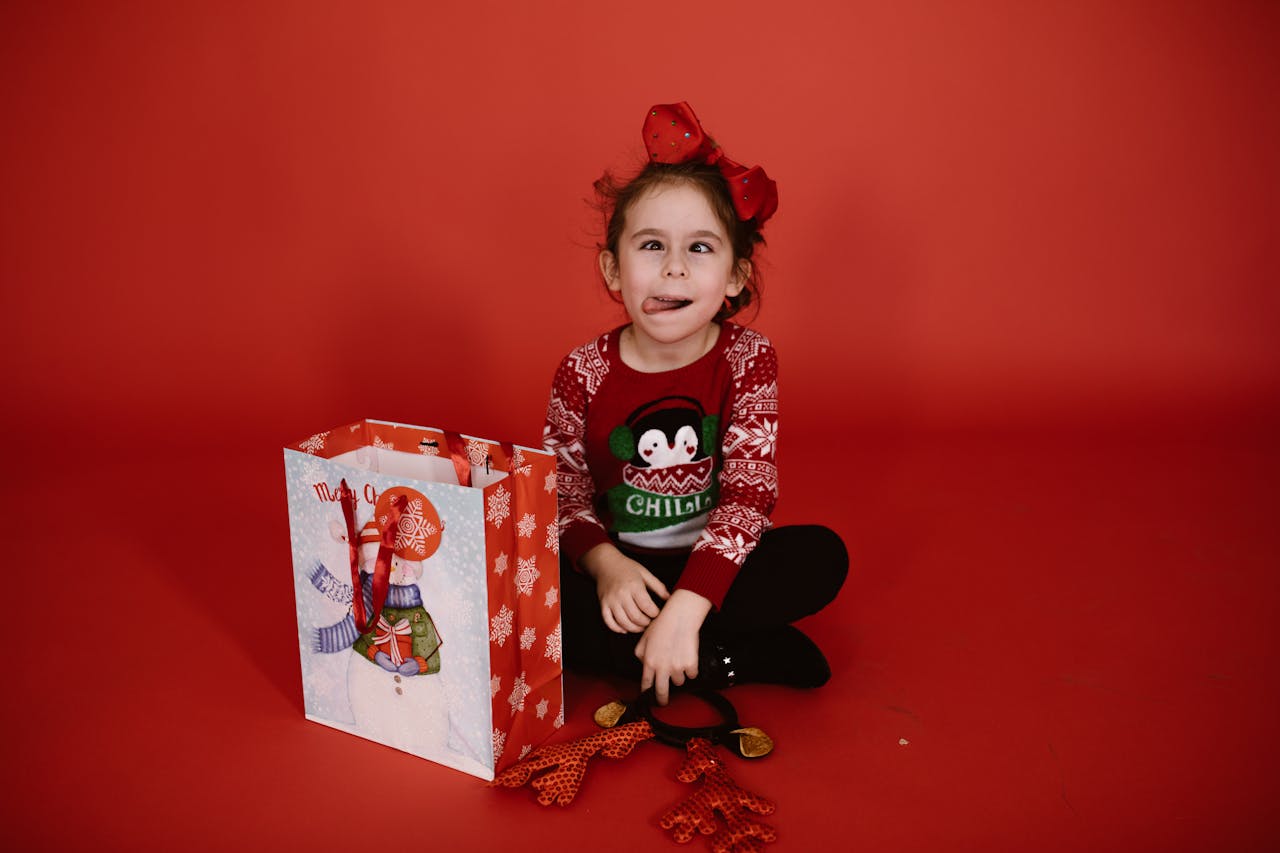
Crossing your eyes for laughs came with a heavy parental caution: one wrong move and you’d be stuck forever. The visual of a lifetime of crossed stares was enough to make us uncross instantly. While it’s nearly impossible for this to happen without serious medical issues, the warning was timeless. Parents wielded it as a perfect mix of science-sounding fear and humor to keep peace—and avoid explaining to teachers why their kid looked permanently mischievous.
Car Lights On at Night Are Illegal

Driving at night with the interior light on was presented as a surefire way to get pulled over—or crash into a ditch. While it can be distracting, it’s not illegal in most places. Still, the idea worked to keep kids from flicking the switch endlessly. The myth saved parents from night-driving glare and from the backseat circus that inevitably followed when we realized we could bathe ourselves in dramatic spotlight during every road trip.
Swimming After Eating Will Make You Sink

Parents warned that swimming too soon after a meal would cause crippling cramps, leading you to sink like a stone. In reality, you might just feel sluggish, but the threat kept us lounging on towels for what felt like hours. It was both a safety precaution and a way for parents to enjoy some post-picnic relaxation without immediately supervising splash fights. It became part of the rhythm of summer days, even if the science was sketchy.
Don’t Touch That Frog or You’ll Get Warts

Spot a frog in the backyard and the warning came instantly: touch it and you’ll be covered in warts. The truth is, human warts are caused by viruses, not amphibians, but that didn’t stop us from recoiling. It kept kids from pestering the local wildlife and probably saved a few frogs from being unwilling playmates. The image of a wart-covered hand was enough to make us admire hopping visitors from a safe, responsible distance instead.
These childhood “truths” were harmless fabrications, crafted with love, humor, and just enough drama to keep us in line. They shaped our behavior, sparked our imaginations, and gave us shared stories to laugh about as adults. Whether meant to protect us, explain the world, or simply buy a little parental peace, they remain part of the universal language of growing up—reminders that parenting is as much about storytelling as it is about the rules.