Some paintings are so famous that people assume they already know everything about them, yet many carry strange secrets, unexpected twists, and personal dramas hidden beneath the brushstrokes. These works are more than decorations. They are clues into the minds of artists who wrestled with ambition, fear, love, illness, or even boredom. When we revisit these paintings with curiosity, their meaning changes entirely. Their stories make us wonder how much of history has been misunderstood. These masterpieces prove that every canvas has a secret waiting to be uncovered.
American Gothic: The Farmer Who Wasn’t A Farmer
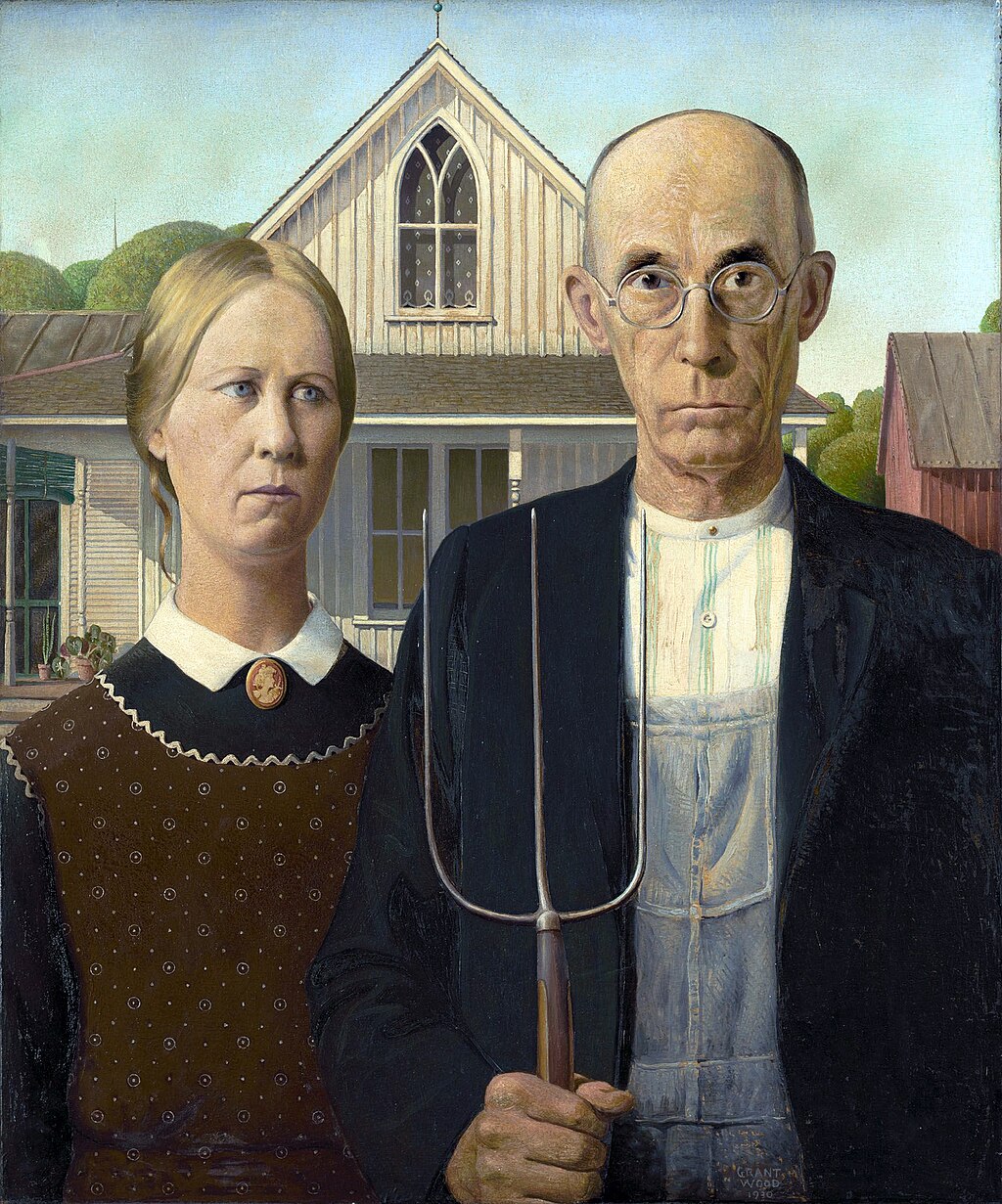
American Gothic by Grant Wood looks like a tribute to stern Midwestern farm life, but the reality is surprisingly humorous. The man holding the pitchfork was actually a dentist, not a farmer, and the woman beside him was Wood’s sister, not his wife. Wood created the painting after spotting a house with a peculiar window that looked like a church had been squeezed into a farmhouse. Critics assumed it mocked rural Americans, but Wood insisted it was affectionate. Its serious expressions hide a playful origin that continues to puzzle audiences.
Whistler’s Mother: The Portrait Born From A Last Minute Substitution
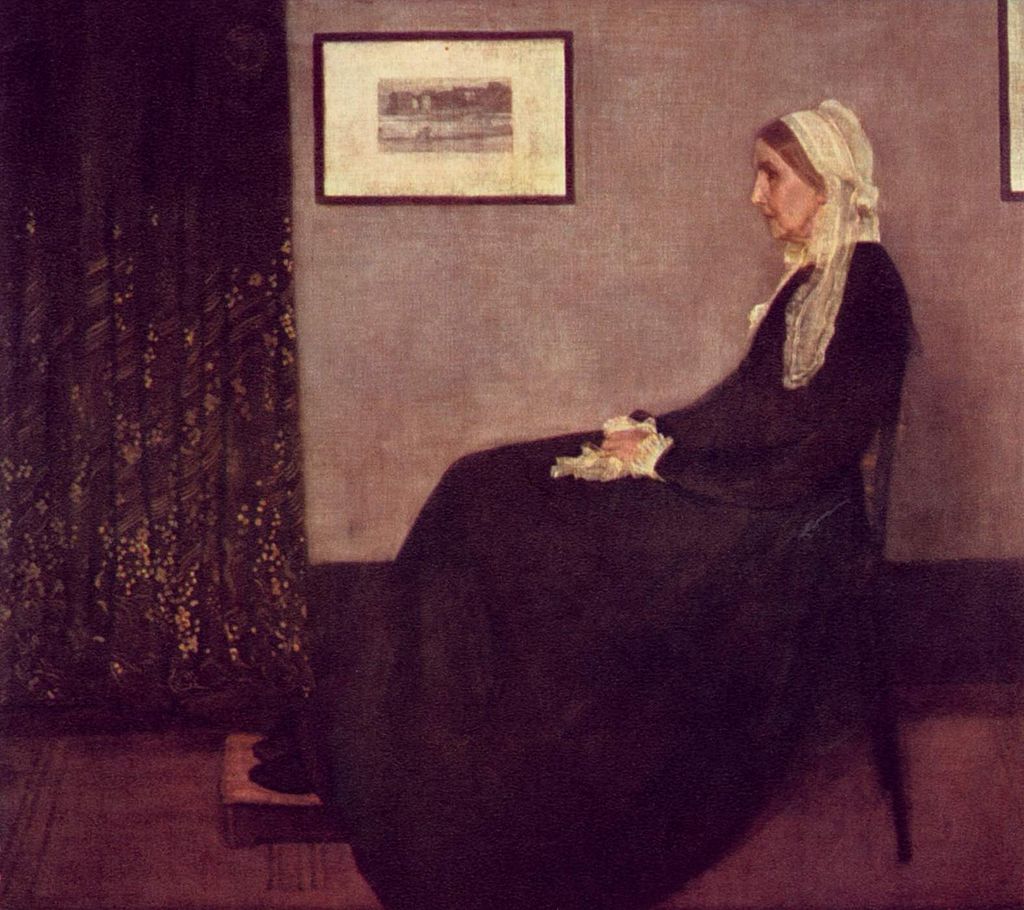
Whistler’s Mother by James McNeill Whistler appears calm and intentional, yet it happened because the original model never showed up. Whistler asked his mother to sit instead, and her pose came from fatigue rather than artistic inspiration. The painting later became a symbol of motherhood and restraint, even though it was born of inconvenience. The stillness came from necessity, not sentiment. Its status as an American icon hides the accidental nature of its creation, proving that masterpieces sometimes begin with simple desperation.
The Persistence Of Memory: The Melting Clocks Inspired By Cheese
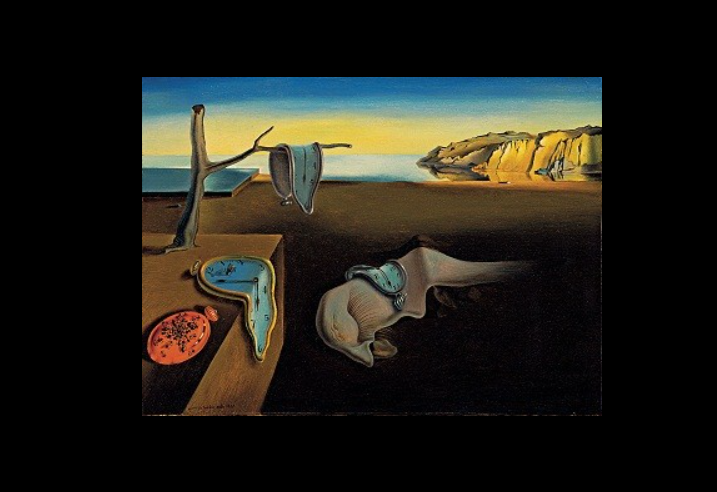
The Persistence Of Memory by Salvador Dalí looks philosophical, yet its famous melting clocks came from an unexpected moment. Dalí got the idea while staring at soft cheese left on a table during dinner. People assume the clocks symbolize time slipping away or dreams blending into reality, but Dalí claimed he just imagined hard objects drooping under heat. The painting gained mysterious interpretations anyway. Its surreal power lies in how something absurd became profound. A quirky dinner moment transformed into one of the world’s most debated images.
Christina’s World: The Woman Crawling Toward A House She Could Never Reach
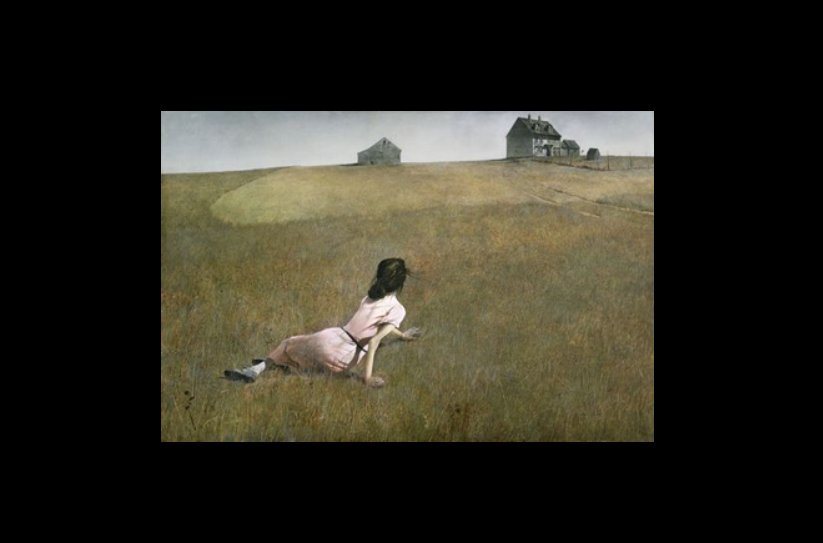
Christina’s World by Andrew Wyeth shows a woman reaching toward a distant farmhouse, prompting viewers to imagine longing or heartbreak. Few realize she suffered from a condition that weakened her muscles, forcing her to crawl instead of walk. Wyeth never revealed this openly, letting people misinterpret her posture as romantic or symbolic. The painting feels hopeful until the truth changes everything. Her determined expression was not poetic. It was practical. The image becomes both inspiring and unsettling once her struggle is understood.
Nighthawks: The Diner That Never Actually Existed
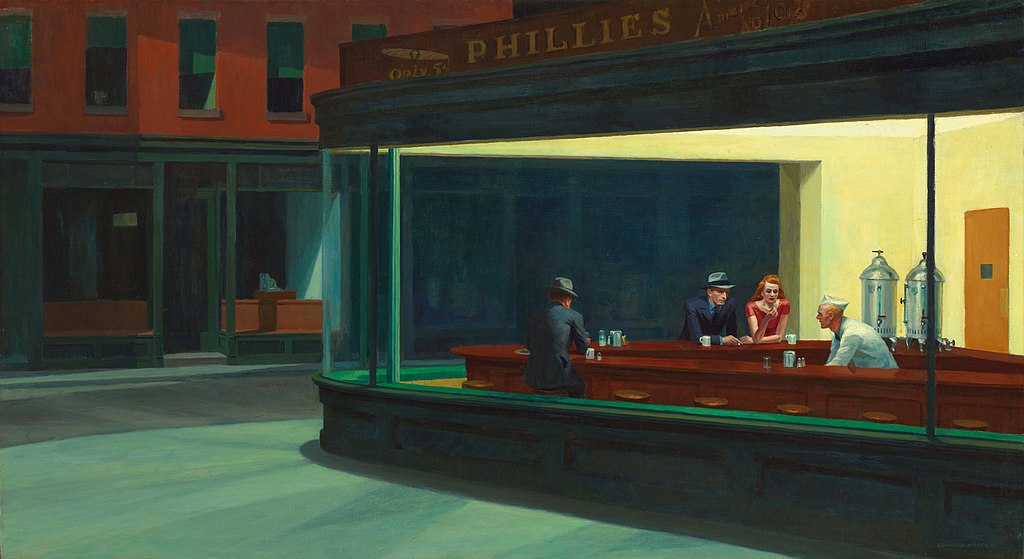
Nighthawks by Edward Hopper is so iconic that people search for the diner in real life, assuming it must exist. Hopper insisted the location was imaginary, created from bits of places he remembered. Viewers sense loneliness in the figures, yet Hopper denied that was his intention. The painting feels like a snapshot of late night America, even though it came from imagination rather than reality. Its mystery deepens because the silence inside the diner mirrors something personal about Hopper himself, leaving many to wonder what he was truly expressing.
Freedom From Want: The Happiest Thanksgiving Painted During A Terrifying War
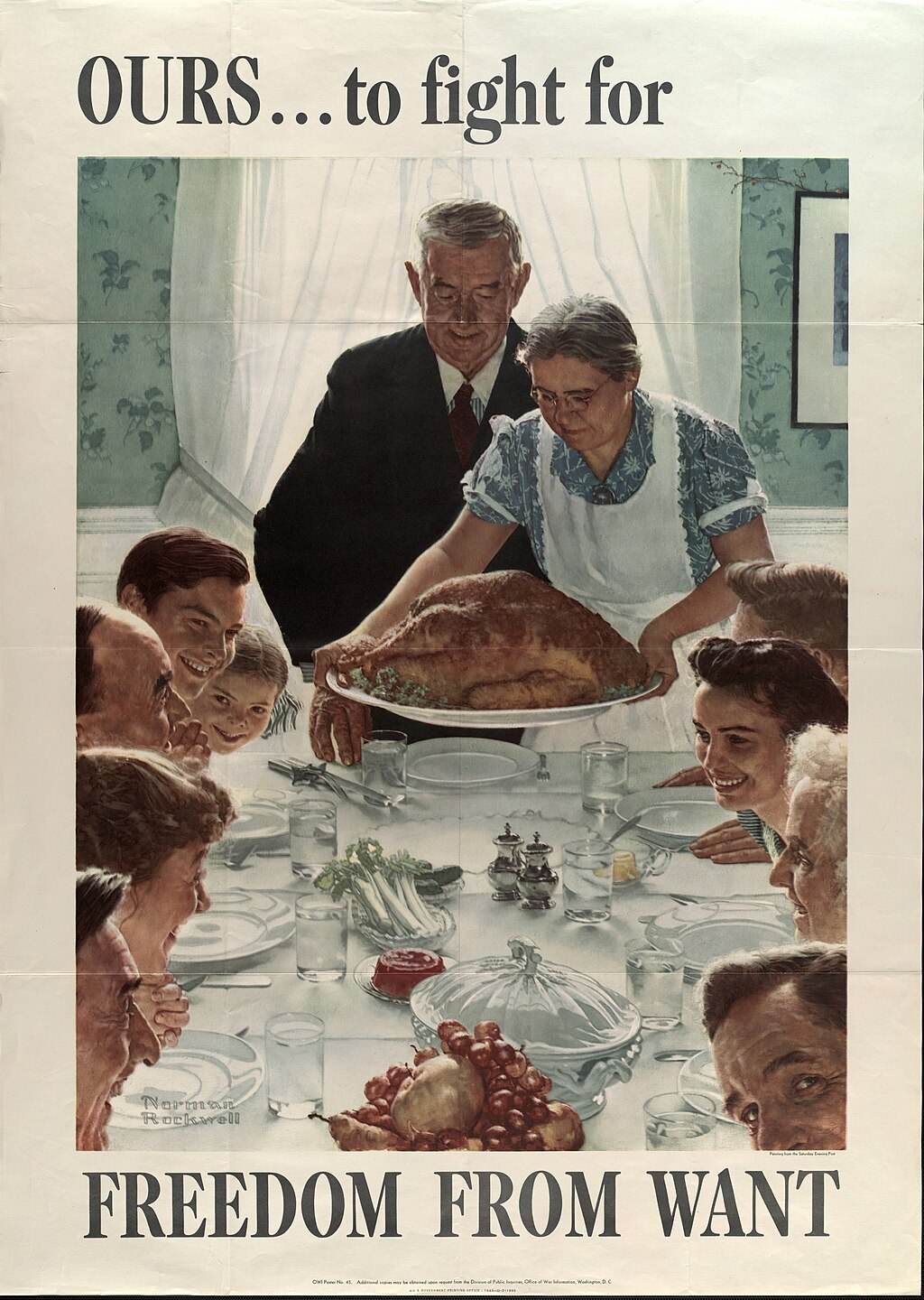
Freedom From Want by Norman Rockwell shows a cheerful family dinner, yet it was created during World War II when fear and rationing shaped American life. The abundance on the table contrasted sharply with reality. Rockwell was criticized for ignoring suffering, but he insisted he painted what people needed to see. The painting became a symbol of hope rather than reflection. Beneath its smiles is a quiet tension: a reminder that joy can be both real and invented at the same time. It was comfort disguised as celebration.
Campbell’s Soup Cans: The Soup That Accidentally Became Modern Art
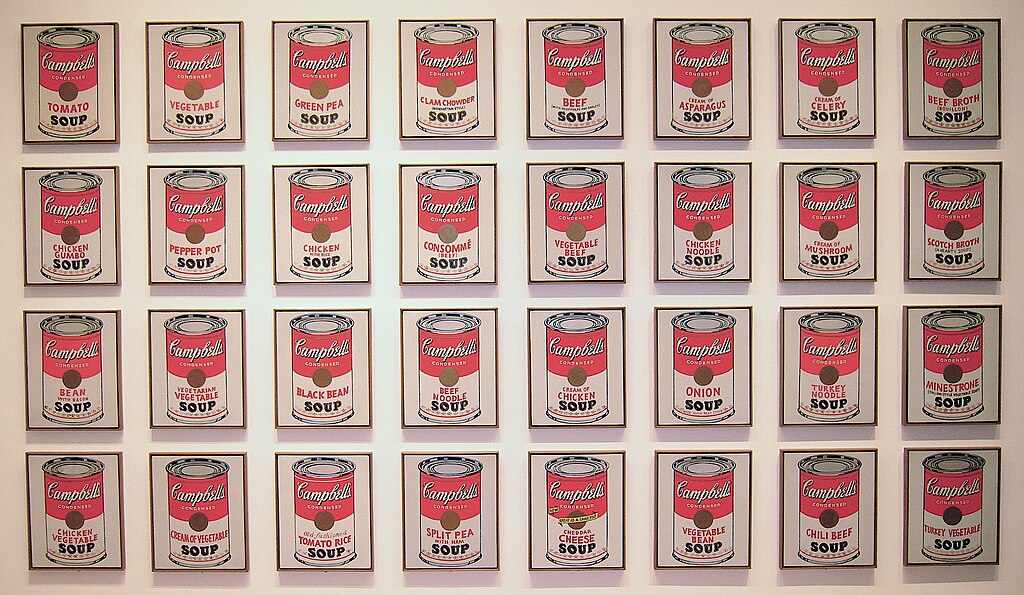
Campbell’s Soup Cans by Andy Warhol appears cold and repetitive, yet it began as a personal habit. Warhol ate soup every day and decided to paint the cans because they felt comforting. Critics thought he was mocking consumerism, but Warhol insisted he loved the design. The painting became a cultural turning point, blurring the line between branding and art. Something ordinary transformed into something intellectual. The irony is that Warhol never meant to shock anyone. He simply painted what he liked and changed art history in the process.
Washington Crossing The Delaware: The Most Patriotic Scene Painted On Another Continent
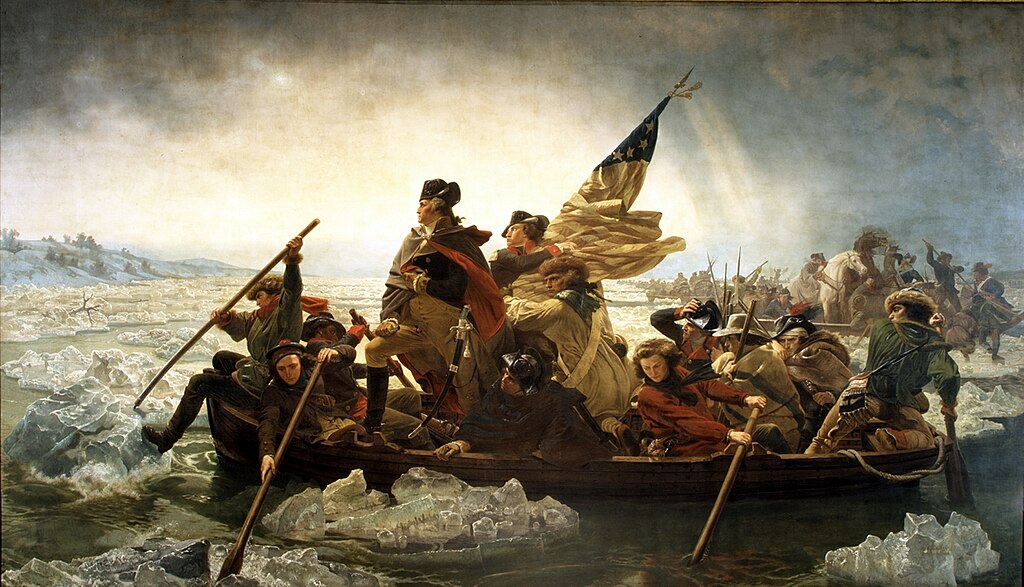
Washington Crossing the Delaware looks like a firsthand account of a heroic American moment, yet Emanuel Leutze painted it in Germany decades later. The boat, clothing, and weather are historically inaccurate. Washington never stood this dramatically, and the ice is wrong for the river. Leutze wanted to inspire revolutionaries in Europe, not document U.S. history. The painting became patriotic by accident. Its flaws do not weaken it. They reveal how legends form not from facts, but from stories people want to believe.
The Oath Of The Horatii: The Painting That Was Secret Political Propaganda
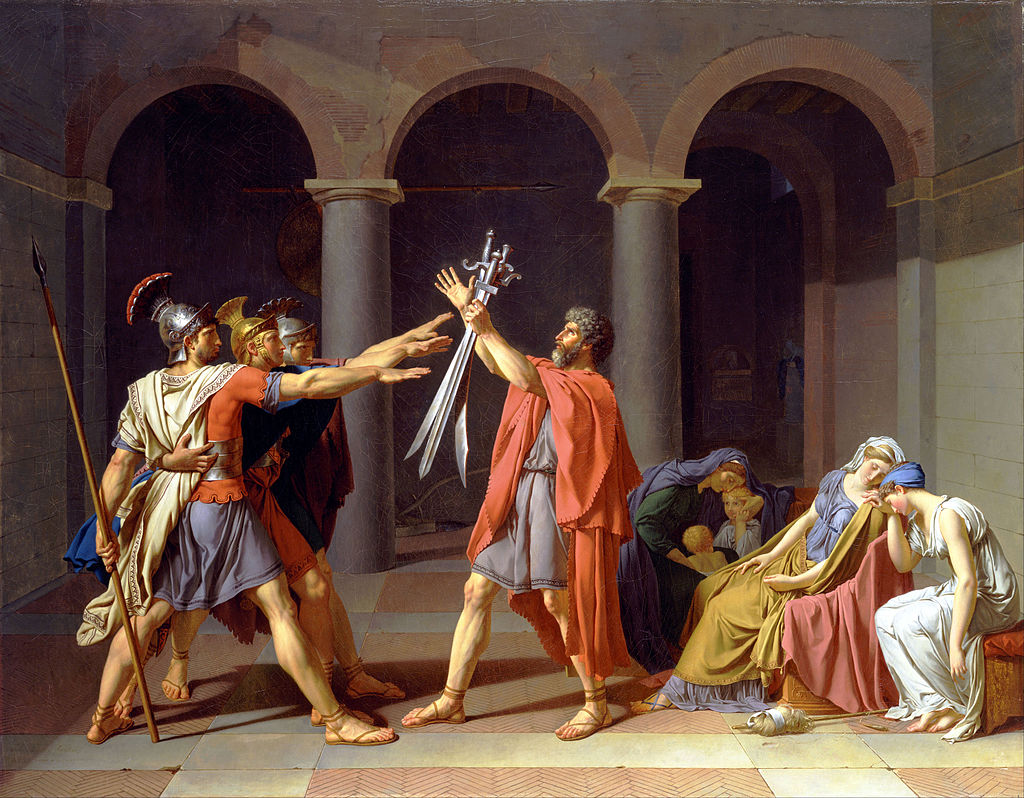
The Oath of the Horatii seems like an ancient Roman tale about loyalty and duty, yet Jacques Louis David painted it to influence public opinion. He wanted viewers to admire sacrifice and obedience just as revolution was rising in France. The painting became a rallying cry disguised as art. Americans later embraced it as a noble symbol, unaware of its original purpose. Its power is not just in the image but in the idea that art can lead people without their knowledge. It proves propaganda does not need a slogan.
The Starry Night: The Starry Sky Imagined From A Locked Room
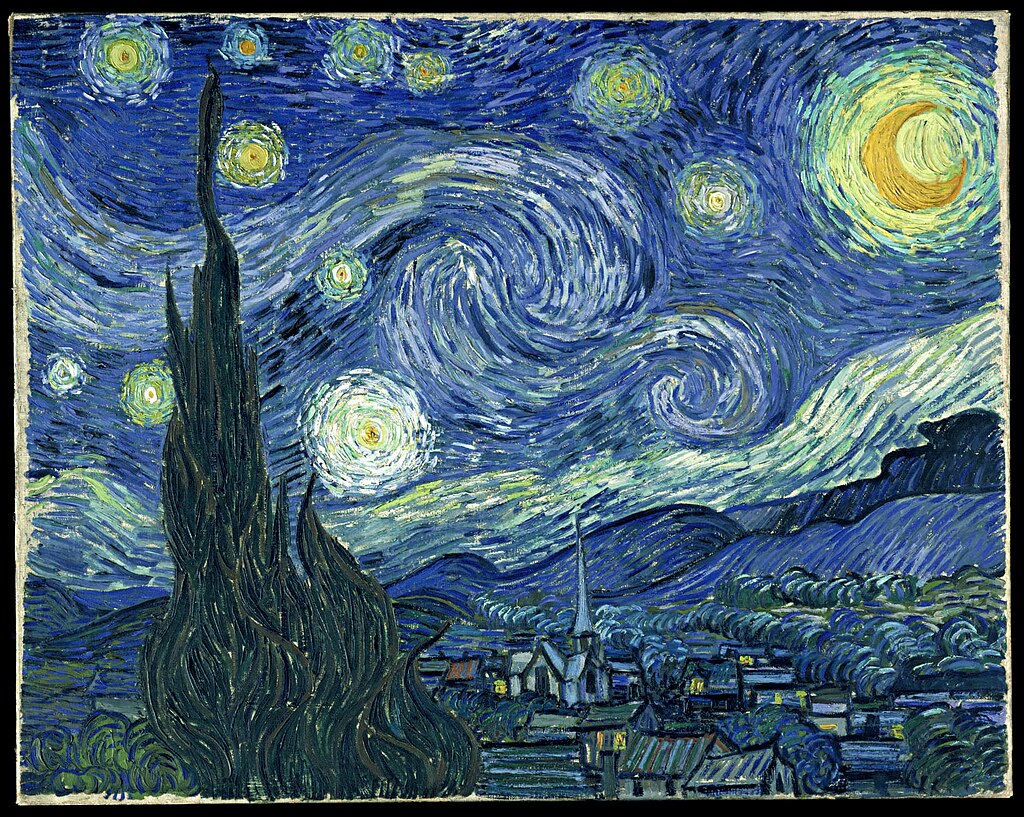
The Starry Night by Vincent van Gogh looks like a peaceful night scene, yet he painted it from inside a mental asylum. The swirling sky never looked that way in real life. Van Gogh added visions he saw in his mind, blending imagination with the world outside his window. The painting feels dreamy until its origin is revealed. Then it becomes a portrait of a restless mind searching for calm. The night sky is not a view. It is a confession wrapped in color.
The Great Wave Off Kanagawa: The Wave That Became America’s Obsession With Japan
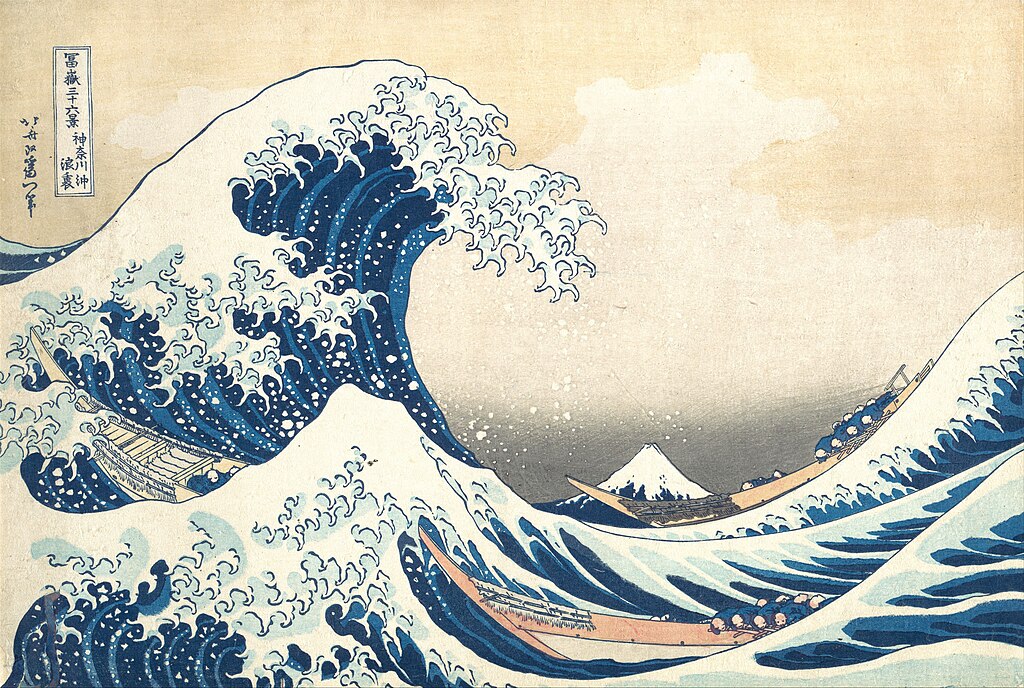
The Great Wave Off Kanagawa by Hokusai was never meant for American audiences, yet it became a major influence on U.S. art. People assume the mountain is small because of the wave’s size, but it is actually enormous. The painting plays with perspective in ways that confused early viewers. American artists later embraced its bold shapes and simplicity. The painting did not just cross oceans. It changed how Americans saw composition, proving that inspiration can appear from cultures that seem far away.
The Gulf Stream: The Calm Man Surrounded By Sharks And Mystery
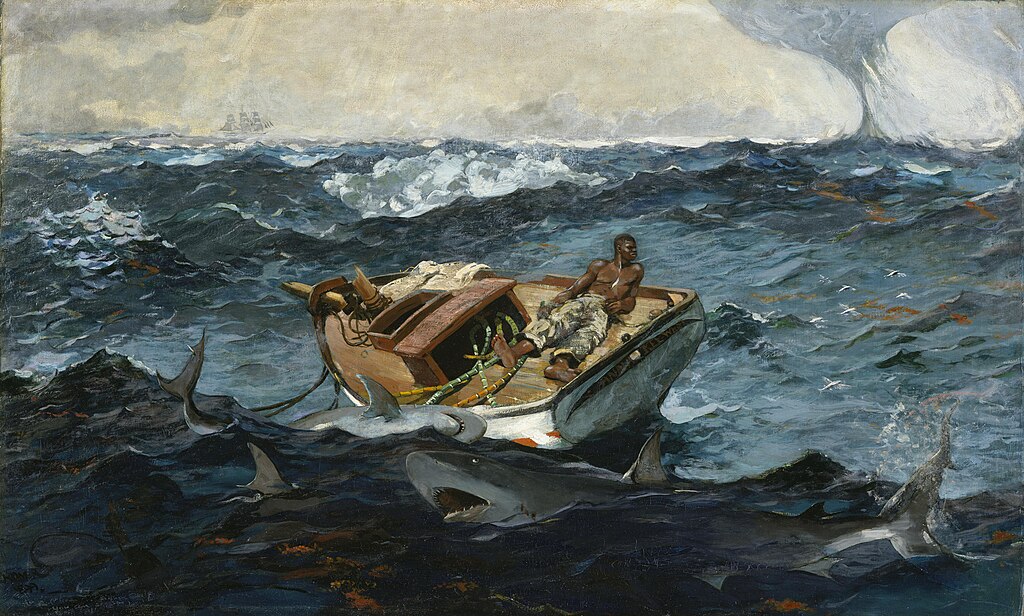
The Gulf Stream by Winslow Homer shows a man adrift as sharks circle him, yet his calm expression confuses viewers. Is he resigned to fate or trusting rescue will come? Homer refused to explain. The painting spawned rumors of personal trauma, political metaphor, and spiritual symbolism. Each theory adds complexity, but none are confirmed. The silence from Homer turned the painting into a puzzle. The calmness feels eerie once you notice the danger surrounding him. It feels like a riddle no one can solve.
The Banjo Lesson: The Banjo That Changed How America Saw Black Families
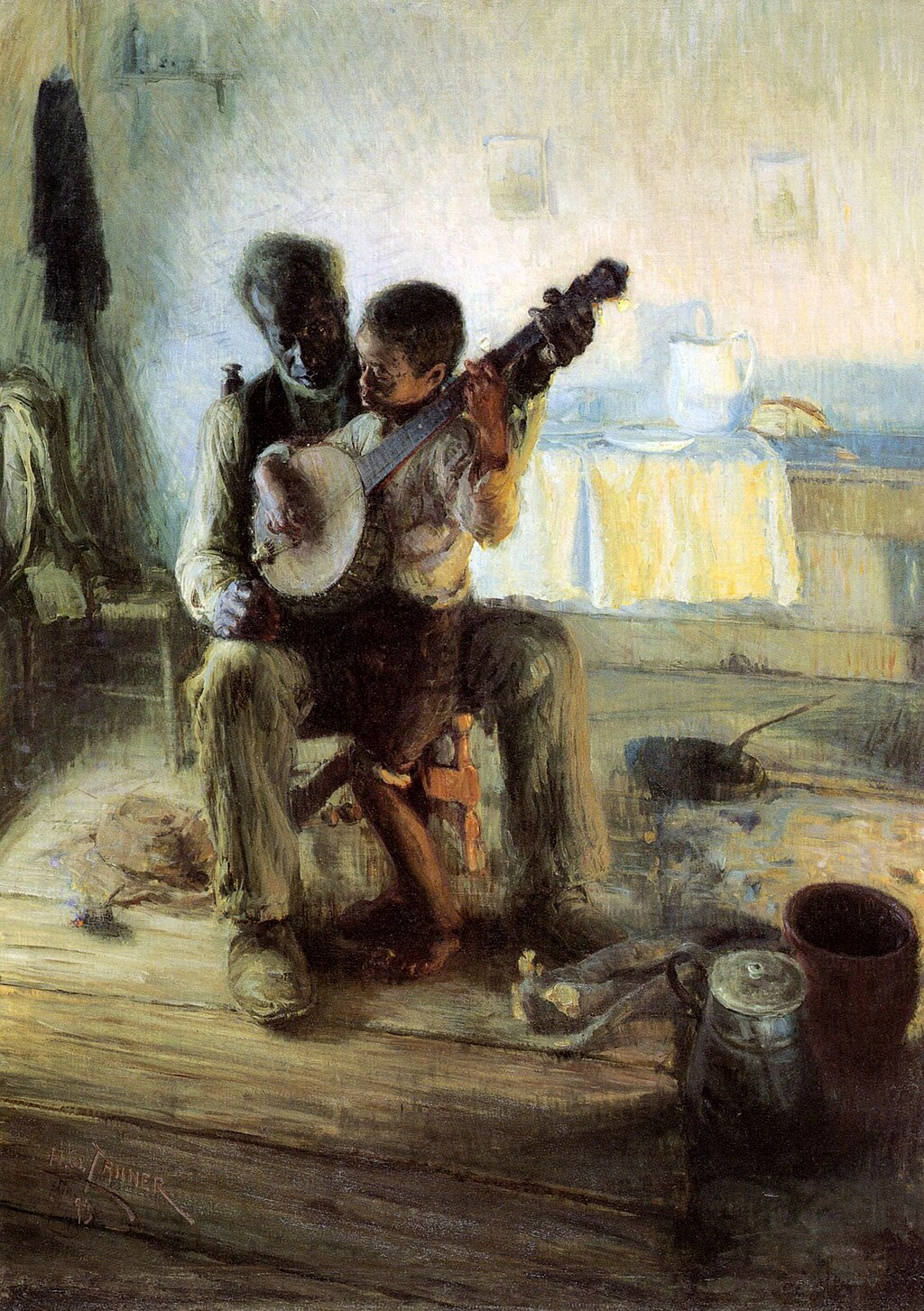
The Banjo Lesson by Henry Ossawa Tanner challenged stereotypes by portraying a Black family with dignity and tenderness at a time when racist caricatures dominated American art. Tanner offered a new narrative, using music to show generational learning and quiet pride. The painting sent a message without confrontation. Viewers were forced to reconsider assumptions. It became a cultural turning point, yet its impact was subtle. Tanner did not protest loudly. He painted truth and let viewers reshape their beliefs.
These paintings reveal that art is never just a picture. It is a portal to ideas, secrets, and intentions buried beneath surface beauty. Every brushstroke carries a hidden message, and every canvas reflects more than what meets the eye. When we learn what artists were reacting to, fearing, or dreaming about, the works feel alive. These stories prove that art history is not about memorizing names. It is about uncovering motives, mistakes, emotions, and accidents that shape the world’s most iconic images.