
Grocery bills have been steadily creeping higher globally and in many countries, especially over the past few years. Supply chain disruptions, weather events, disease outbreaks, and strong demand have pushed up the cost of staples. Some of the foods that used to be affordable are now hitting budgets hard. Below is a look at thirteen everyday foods that are costing more than ever, what’s driving their price hikes, and how big those increases are.
Eggs

Eggs have seen some of the sharpest price increases recently. The outbreak of highly pathogenic avian influenza since 2022 has reduced production and thinned layer flocks, making supply constrained. Retail egg prices rose particularly fast in early 2025, in many cases over 30-40 percent compared to earlier in the year or last year. Consumers feel the pinch not only in cartons of eggs but also in baked goods and other processed foods that rely on eggs.
Beef and veal
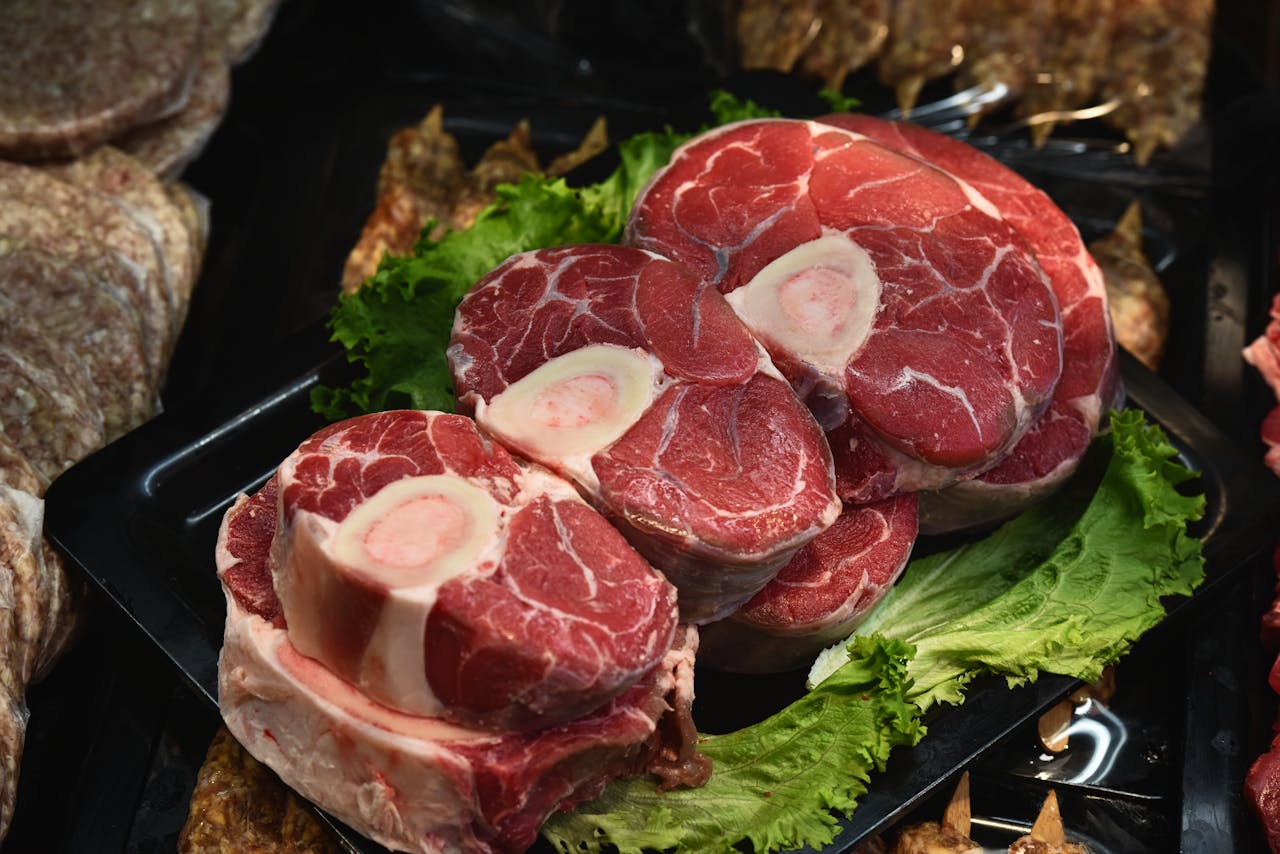
Prices of beef and veal are also rising steeply. Shrinking cattle herds, ongoing droughts, and increased production costs are limiting supply while demand remains strong. Forecasts for 2025 point to continued increases, with beef often leading the way among protein sources. Families that regularly consume steak, roasts, or ground beef are noticing a sharp impact on grocery budgets.
Poultry
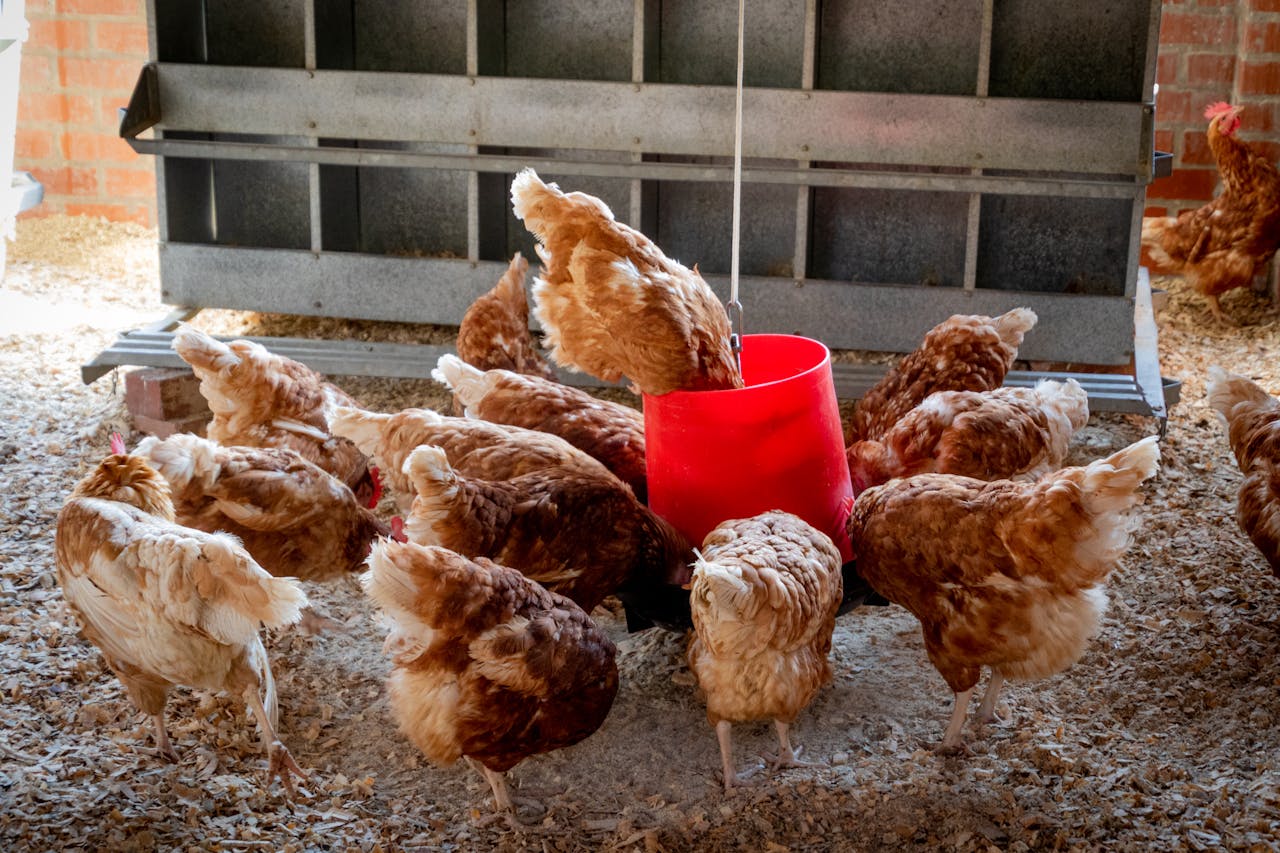
While chicken has generally been cheaper compared to red meat, the poultry category is not immune. Higher feed costs, strong demand for animal proteins, and production challenges have nudged poultry prices upward. Chicken remains relatively more affordable than beef, but the steady climb in price means households are adjusting their meal planning.
Pork
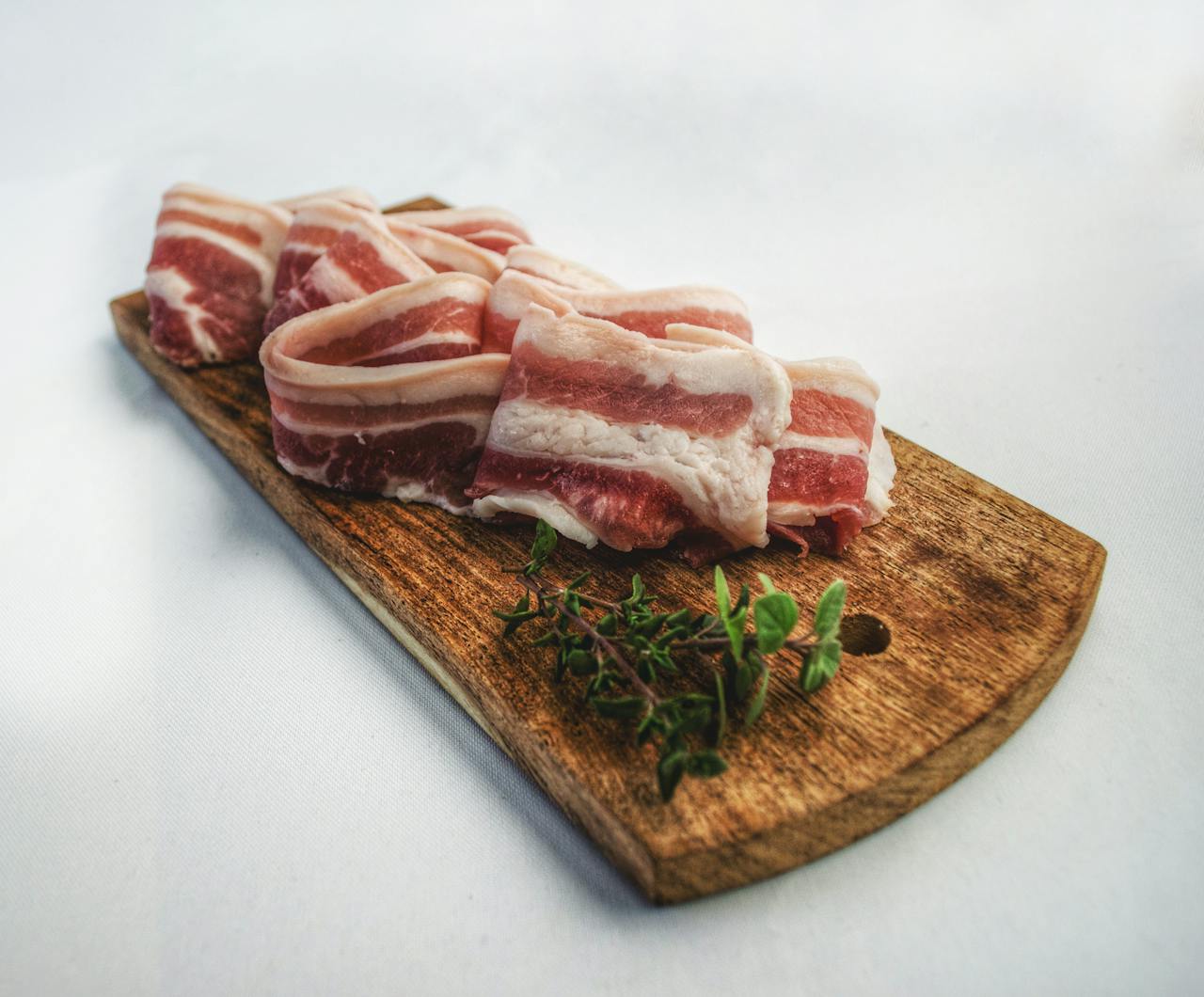
Pork prices have also increased, though less dramatically. Supply chain, transportation, and feed costs are part of the reason, but pork remains somewhat more stable compared to beef or eggs in many regions. Nonetheless, even small yearly increases hit households that cook pork often, especially when combined with rising costs of complementary foods.
Fresh vegetables
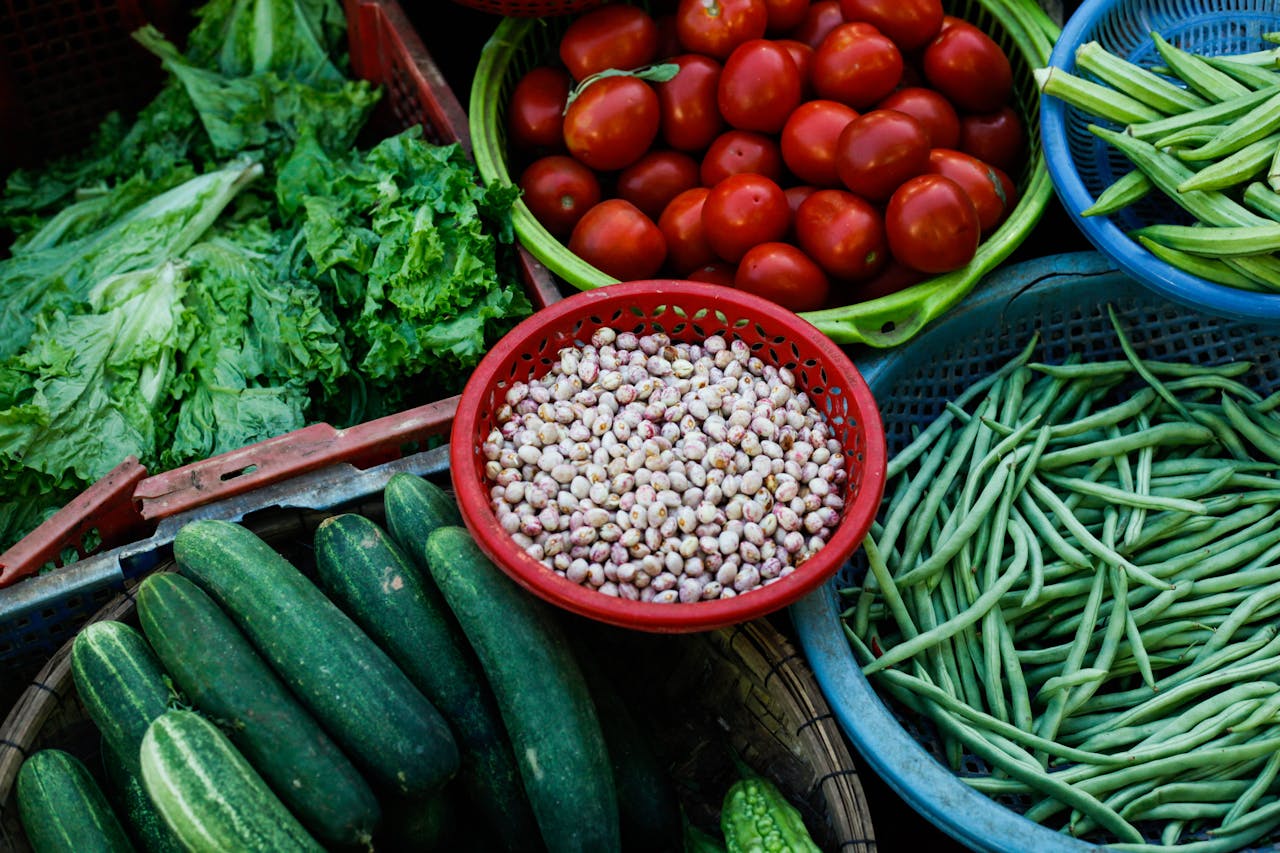
Some fresh vegetables have seen volatile prices, especially when severe weather or seasonal shortages impact growing regions. In mid 2025, some categories of fresh vegetables rose sharply from month to month, with peppers, lettuce, and tomatoes particularly affected. Seasonal availability plays a big role, making fresh produce both unpredictable and expensive at times.
Dairy products
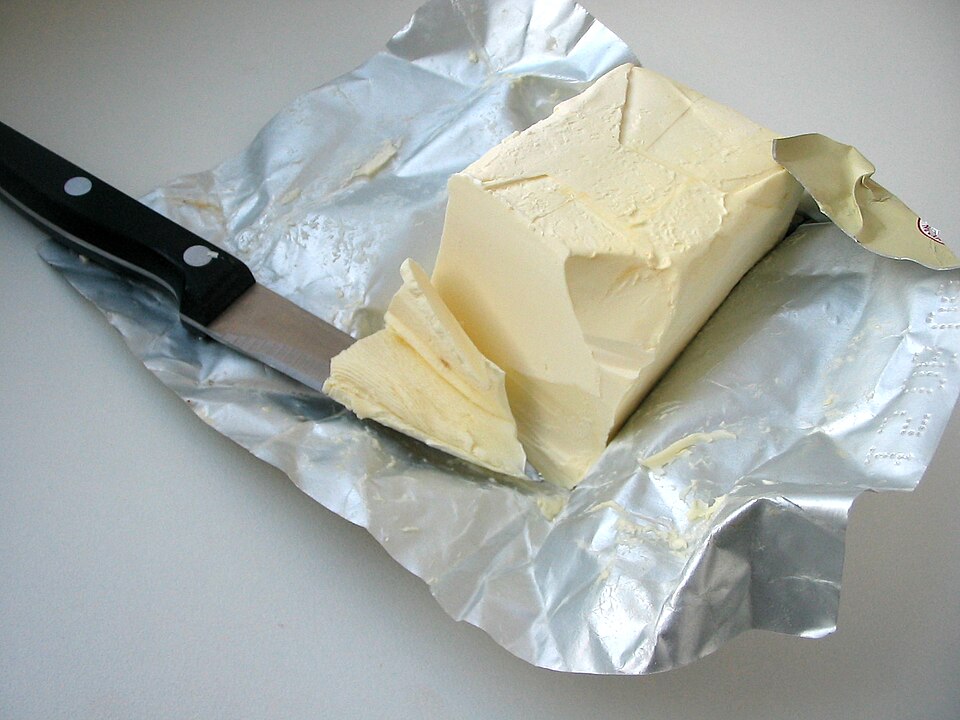
The cost of dairy, milk, cheese, butter, and yogurt, is climbing in many places due to rising feed, energy, and labor costs. Many households have noticed that the price of butter and cheese in particular has risen faster than general inflation. Since dairy forms the base of so many recipes, this increase has ripple effects in home cooking and baking.
Sugar and sweets

Sugar, candies, and sweetened goods have seen price increases, though sometimes a bit more slowly. Raw materials, processing, and transportation costs all contribute. Holiday seasons highlight the jump most strongly, as the cost of producing confections climbs. Even everyday items like packaged snacks and cereals have become pricier.
Nonalcoholic beverages

Drinks like sodas, bottled water, and juices have been going up steadily. Rising packaging costs, transportation, and the cost of key ingredients are all factors. Families who once stocked up on multiple beverage options may now be cutting back, substituting tap water, or seeking store-brand alternatives.
Oils and fats

Cooking oils and fats such as olive oil, soybean oil, and butter substitutes have trended upward in price as agricultural inputs and shipping costs have risen. Global production issues with certain crops, combined with high demand, have fueled spikes. Oils are a pantry staple, so even moderate increases make a noticeable impact on households.
Cereals and bakery products

Grains, bread, and baked goods are seeing cost pressures. Ingredients like wheat, sugar, and baking oils have all gone up, which directly affects everyday staples like sandwich bread, bagels, and pasta. Bakeries also face higher labor and energy costs, which get passed along to consumers. Bread in particular has seen sharp jumps that families quickly notice.
Fruits
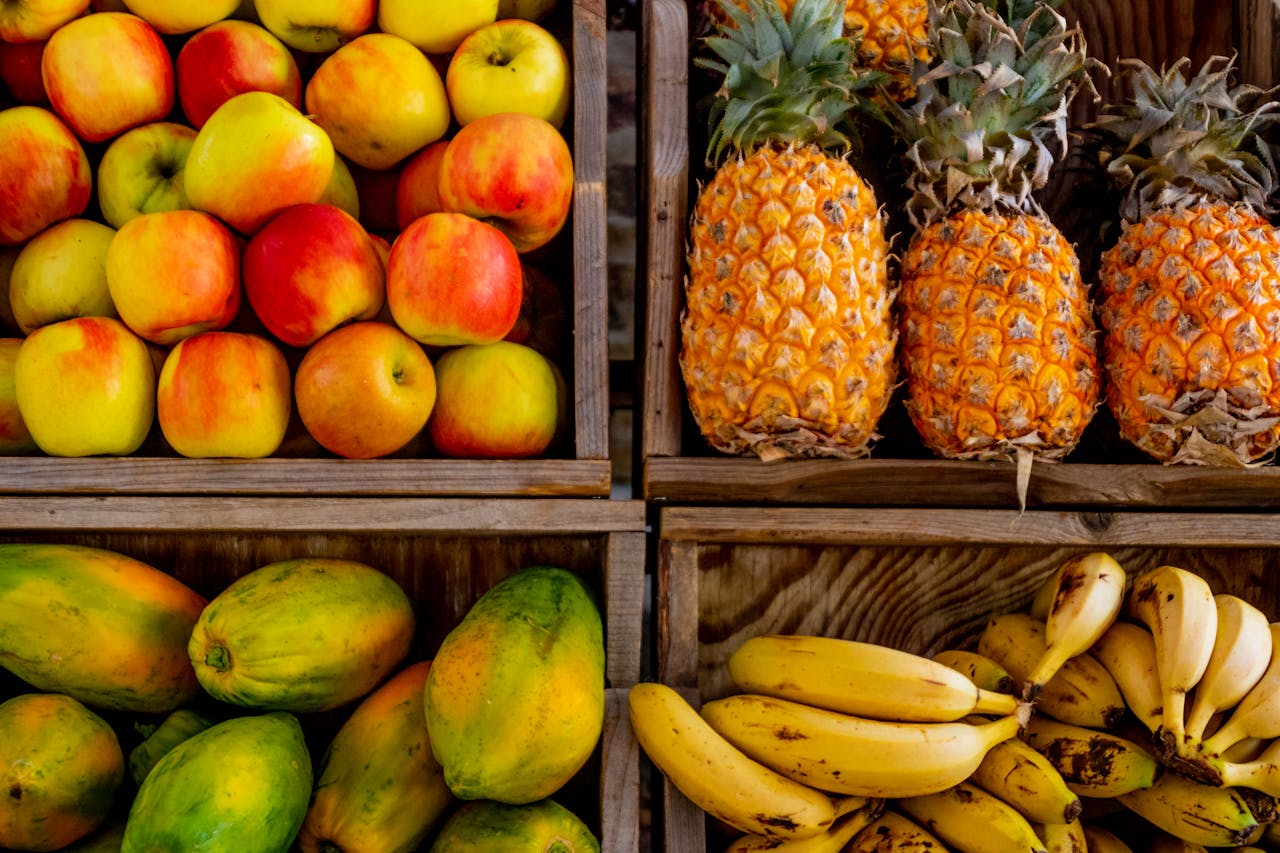
For many common fruits, disruptions like extreme weather and shipping delays push up prices, especially for out-of-season imports. Strawberries, blueberries, and citrus have often been at the higher end of the price spectrum lately. While seasonal local fruits can be affordable, year-round demand for all varieties keeps upward pressure on costs.
Fish and seafood
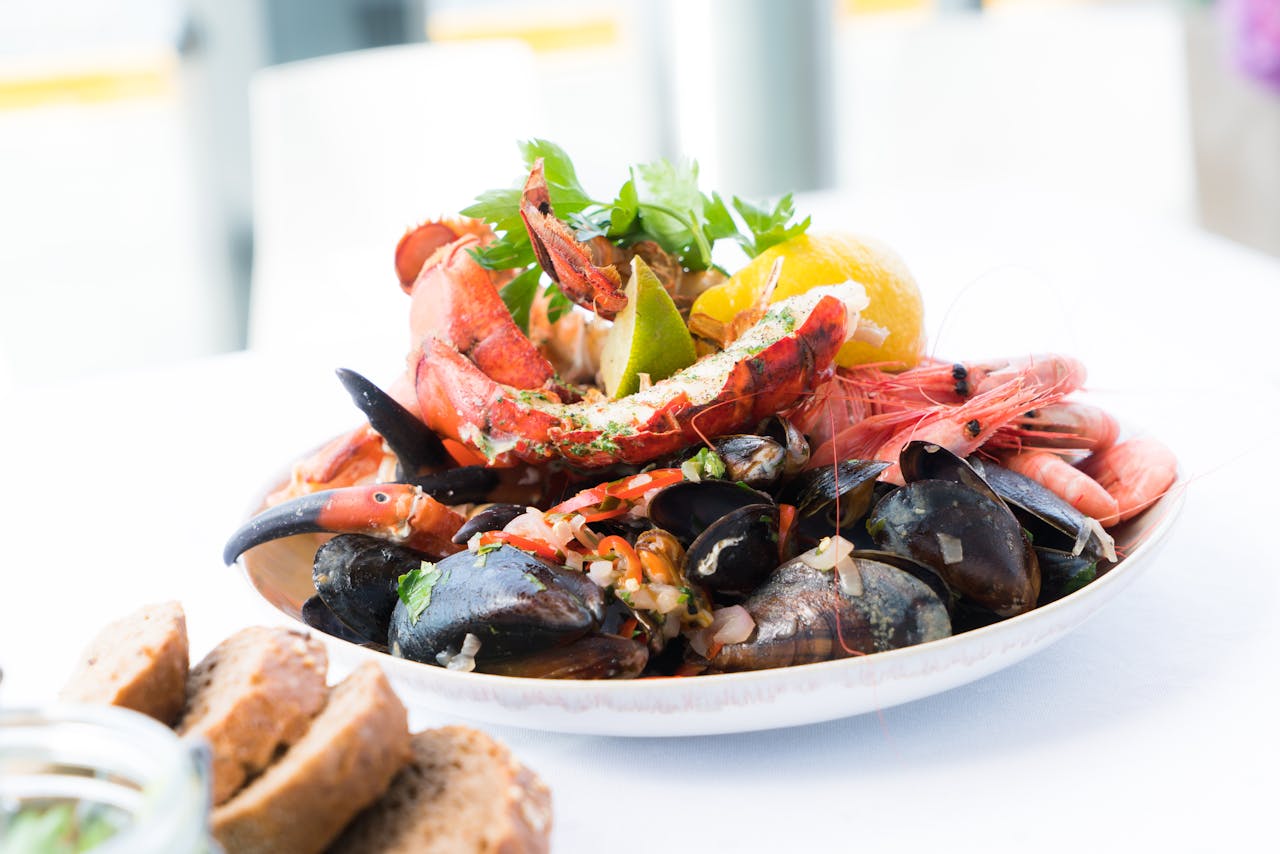
Seafood shows varied trends: in many places fish and seafood have seen increases due to supply challenges and sustainability concerns. High-quality or sustainably sourced fish often command premium prices. For consumers who eat seafood regularly, the rising cost has shifted choices toward canned or frozen options.
Processed foods containing eggs and dairy

Because many processed and baked goods use eggs and dairy, the rising costs of these ingredients amplify price increases elsewhere. Desserts, mayonnaise, packaged baked goods, and sauces now cost more at the checkout. These hidden increases affect shoppers who may not buy eggs or dairy directly but still consume them through packaged foods.