Europe is full of blockbuster cities—Paris, Rome, London—but some of its most charming, surprising places are the ones you’ve probably never considered. These cities may not be household names, but they pack in jaw-dropping beauty, fascinating history, and that irresistible local character that makes travel feel like real discovery. Here are 13 European cities that will completely exceed your expectations.
Ljubljana, Slovenia
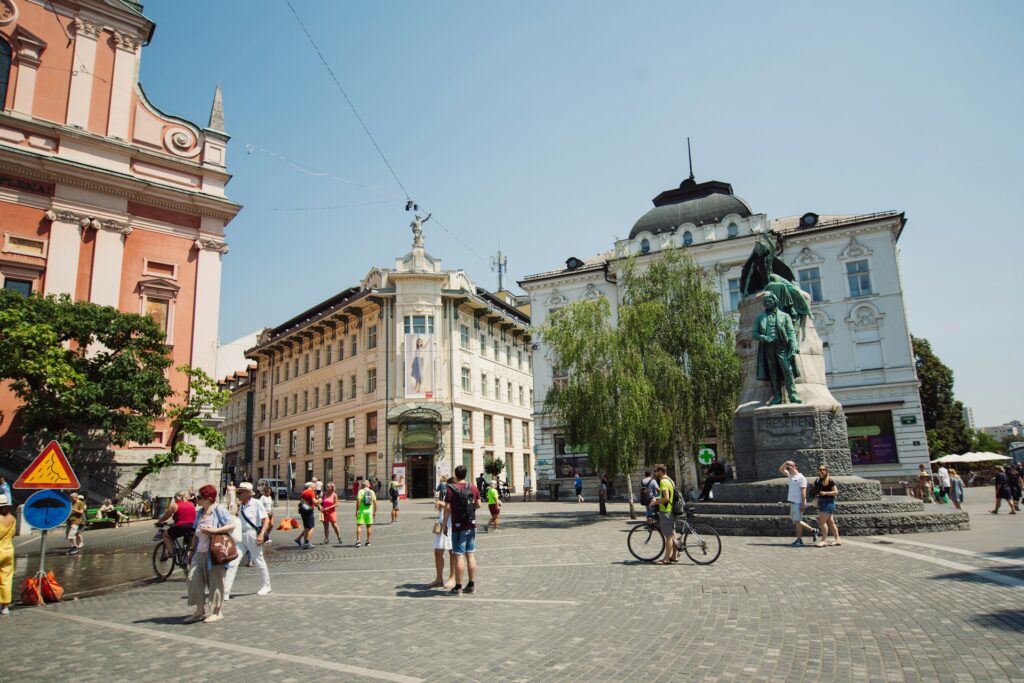
Slovenia’s capital feels like a fairytale come to life, minus the tourist stampede. The Ljubljanica River flows through the center, lined with leafy banks, cozy cafes, and pastel-hued architecture. It’s small enough to explore on foot, but big enough to hold surprises—like a castle on a hill, sprawling urban parks, and a cutting-edge art scene. The city has embraced sustainability and creativity in a way that makes it incredibly pleasant to visit—bikes outnumber cars in many areas, and green spaces are everywhere. With its colorful bridges, dragon sculptures, and nightly riverside performances, Ljubljana is more than just scenic—it’s alive with culture and community.
Ghent, Belgium
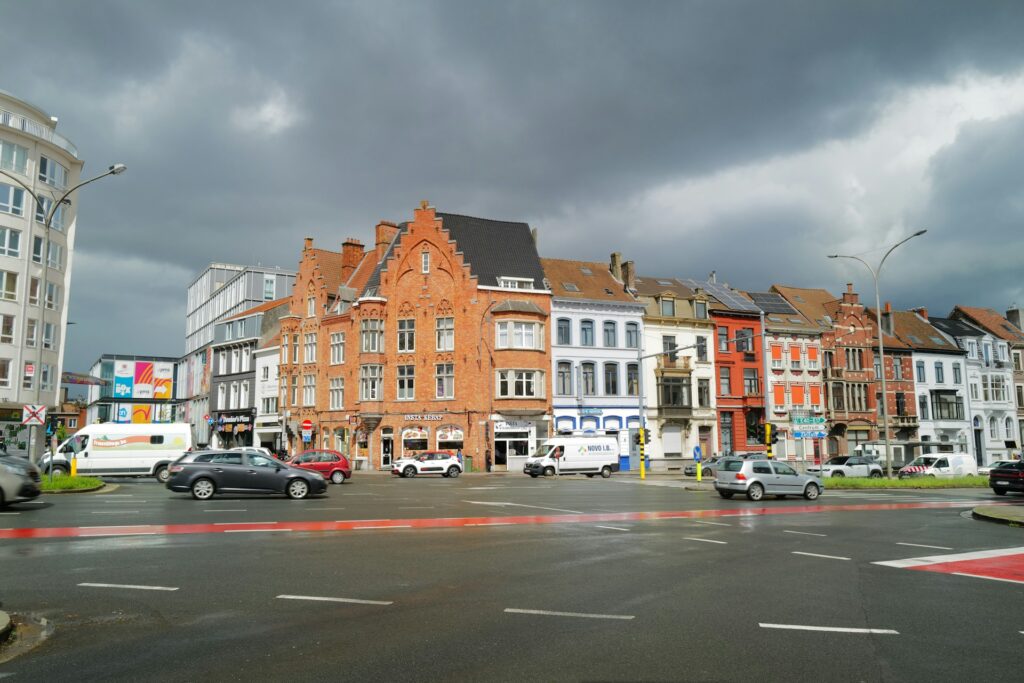
Often overshadowed by nearby Bruges, Ghent is the cooler, edgier sibling with fewer crowds and way more personality. The city is a visual feast of canals, medieval towers, and cobblestone streets, but it’s also buzzing with students, street art, and some of Belgium’s best food. From the dramatic Castle of the Counts to the massive Saint Bavo’s Cathedral that houses the famous Ghent Altarpiece, the city oozes historic grandeur. Yet it’s also got a mischievous streak—quirky cafes, vintage shops, and open-air concerts in hidden courtyards. Ghent is a place where old-school charm meets modern mischief, where every alleyway holds a secret.
Bologna, Italy
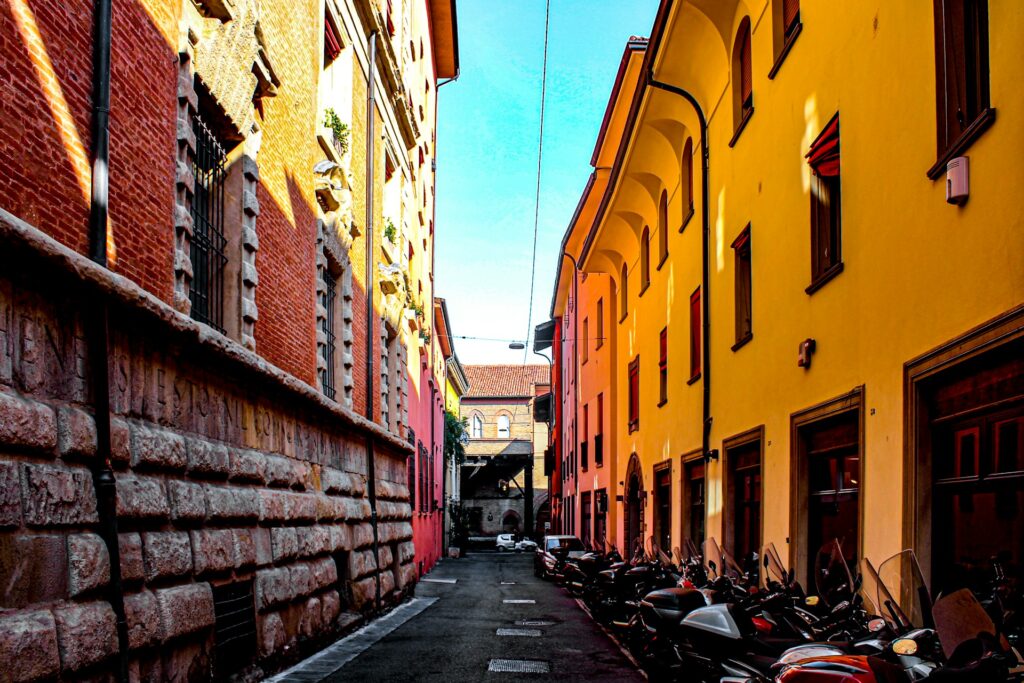
Oleksandr/Unsplash
Bologna might just be Italy’s best-kept secret. Known for its red-brick buildings and endless arcades, the city is a dream for architecture lovers and pasta fans alike. It’s the birthplace of tagliatelle al ragù (yep, the original Bolognese sauce), and its food markets are legendary. Wander through the medieval Quadrilatero market, where prosciutto legs hang from the ceiling and every window is lined with handmade tortellini. Climb the medieval Asinelli Tower for sweeping views, or stroll under the city’s 25 miles of covered walkways. It’s also home to the world’s oldest university, which gives it a lively, intellectual vibe. Bologna is earthy, vibrant, and full of soul.
Porto, Portugal
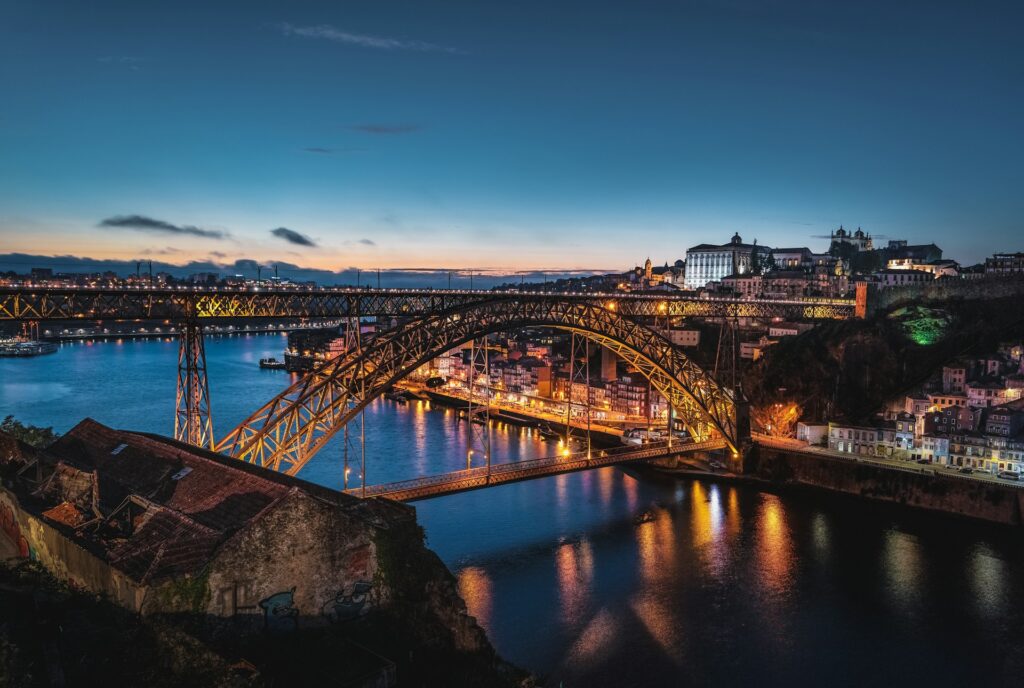
While Lisbon gets the limelight, Porto quietly steals hearts. Built along the Douro River, Porto feels layered, with every turn revealing a new perspective or colorful facade. Explore Ribeira, the waterfront district, where boats bob on the river and locals gather to chat in the sun. Across the water, the port wine cellars await with tastings and tours that feel more like stories than sales pitches. Don’t miss the Livraria Lello—arguably one of the world’s most beautiful bookstores—or a ride on one of the city’s charming vintage trams. Porto is romantic, gritty, full of flavor and heart. It’s the kind of place where you’ll forget your itinerary and just let the day unfold.
Vilnius, Lithuania
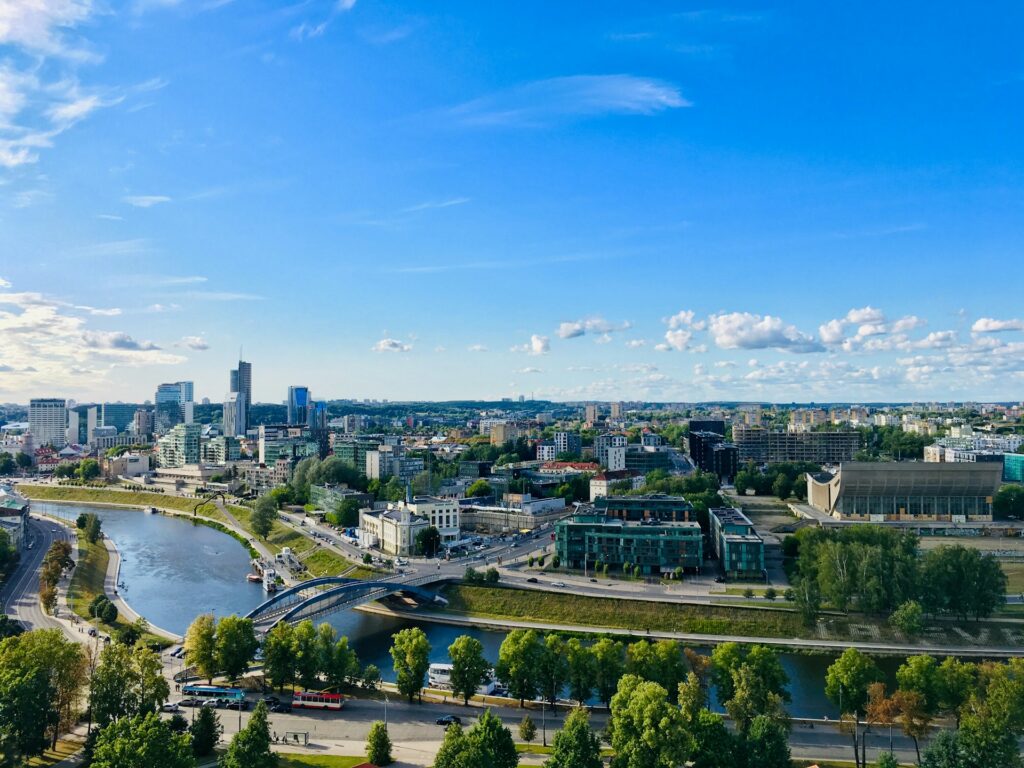
Vilnius feels like a city that’s just starting to realize how cool it really is. The Old Town is a maze of baroque buildings, quirky boutiques, and hidden courtyards. At every turn, there’s a mix of centuries-old churches, communist-era remnants, and new-wave cafes. There’s a touch of rebellion in its soul—check out the self-declared Republic of Užupis, an artist neighborhood with its own flag, president, and whimsical constitution. This quirky enclave hosts art shows in abandoned factories and jazz nights by the river. Venture a bit further and you’ll find green forests, riverside trails, and hilltop views from the Three Crosses monument.
Brno, Czech Republic
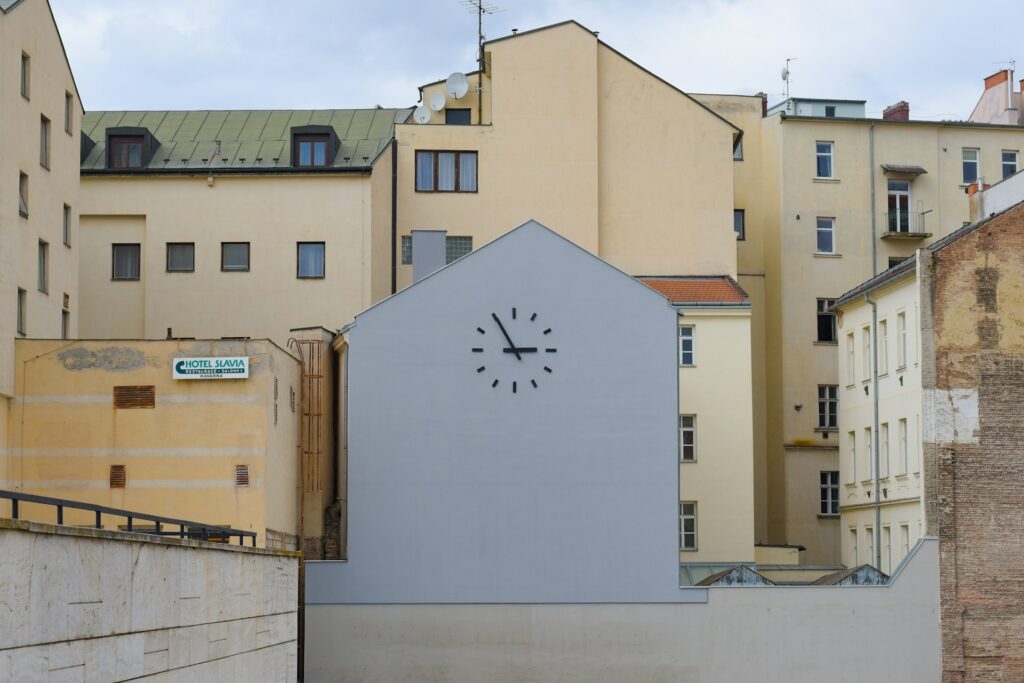
Prague’s younger, more laid-back cousin, Brno is a city where history and modernity live side by side. Think gothic cathedrals next to funky cafes, and quiet squares just around the corner from lively student pubs. The Villa Tugendhat, a modernist masterpiece by Mies van der Rohe, is a must-see, but so is the eerie labyrinth beneath the city where medieval tunnels, crypts, and cellars are open for exploration. Brno is rich in quirky lore—from its astronomical clock that spits out marbles, to legends of dragons and wheelbarrow races. It has all the charm of a European city break, without the crowds or the clichés. Come for the history, stay for the quirky surprises and genuinely friendly vibe.
Turku, Finland
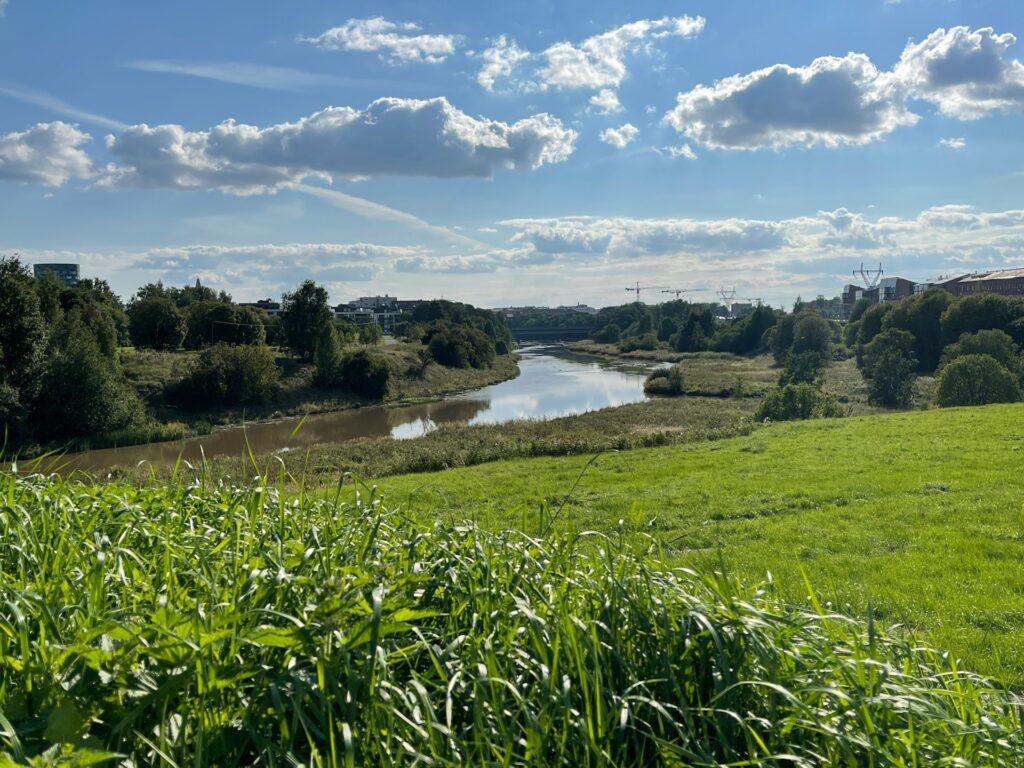
Turku doesn’t shout for attention—but give it a day, and it’ll win you over completely. As Finland’s oldest city, it has centuries of stories hidden in its riverside architecture and castle walls. Turku Castle is a massive, storybook fortress that seems plucked straight from a fantasy novel. The Aura River, which flows through the city, is lined with museums, art spaces, and floating restaurants. But Turku is also refreshingly modern, with contemporary galleries, music festivals, and a maritime spirit that’s impossible to resist. In summer, the city pulses with outdoor events and ferry rides to the Turku archipelago. In winter, the twinkling lights and cozy cafes give it a fairytale feel. Turku is a gentle surprise—the kind of place that quietly makes you fall in love with Finland.
Valletta, Malta
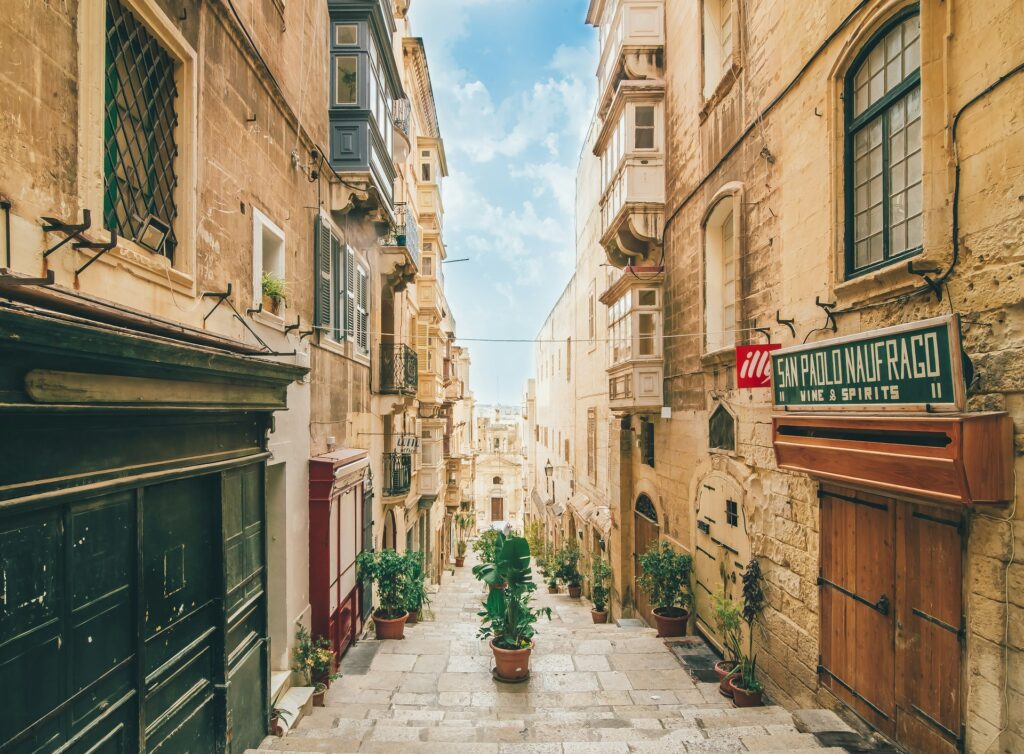
Tiny but mighty, Valletta is packed with history, golden stone buildings, and dazzling Mediterranean views. The entire city is a UNESCO World Heritage site, and walking through it feels like stepping into a sun-drenched stage set. With its narrow lanes, baroque facades, and fortress-like walls, it’s easy to forget what century you’re in. But Valletta isn’t stuck in the past—it’s buzzing with waterfront cafes, contemporary galleries, and live music echoing through historic courtyards. Dive into Malta’s complex history at the Grandmaster’s Palace, or just stroll along the Upper Barrakka Gardens for epic harbor views. It may be one of Europe’s smallest capitals, but it’s full of stories, soul, and sunshine.
Aarhus, Denmark
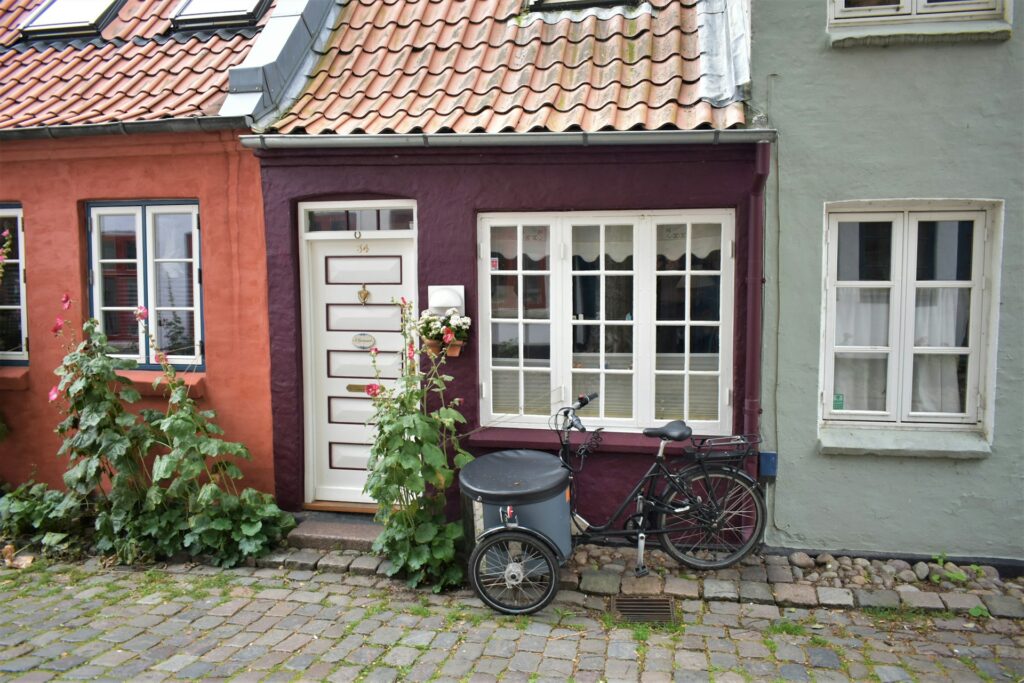
Copenhagen may be Denmark’s star, but Aarhus has its own magnetic pull. This university city is full of youthful energy, modern architecture, and a shoreline that begs to be explored. The ARoS Art Museum—with its rainbow-colored rooftop walk—gives you a surreal panoramic view of the city, while Den Gamle By (The Old Town) lets you time-travel through centuries of Danish life. The Latin Quarter is filled with indie shops, bakeries, and cozy corners. Aarhus also takes its green spaces seriously—forests, beaches, and bike trails are all within easy reach. It’s a city that feels both forward-thinking and deeply rooted in tradition. Effortlessly cool and totally underrated.
Plovdiv, Bulgaria
Virginia Marinova/Unsplash
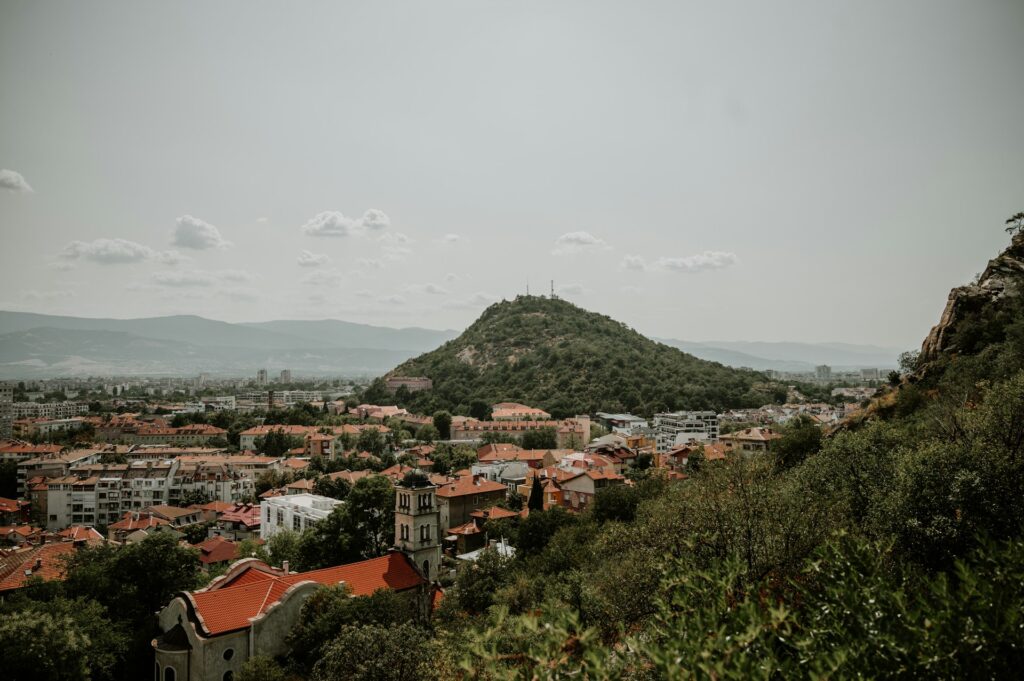
One of Europe’s oldest continuously inhabited cities, Plovdiv is a fascinating blend of Roman ruins, colorful street art, and Balkan charm. The Old Town is full of cobblestone alleys and beautifully restored houses, with wooden balconies and tiled roofs. You can walk through a Roman stadium beneath the modern shopping street or sit in a 2,000-year-old amphitheater that still hosts operas and festivals. But Plovdiv is also young at heart—its Kapana arts district buzzes with creativity, street murals, cafes, and music. The mix of east and west, ancient and modern, gives the city a vibrant rhythm that feels entirely its own. It’s the kind of place where history isn’t just preserved—it’s lived in.
Innsbruck, Austria
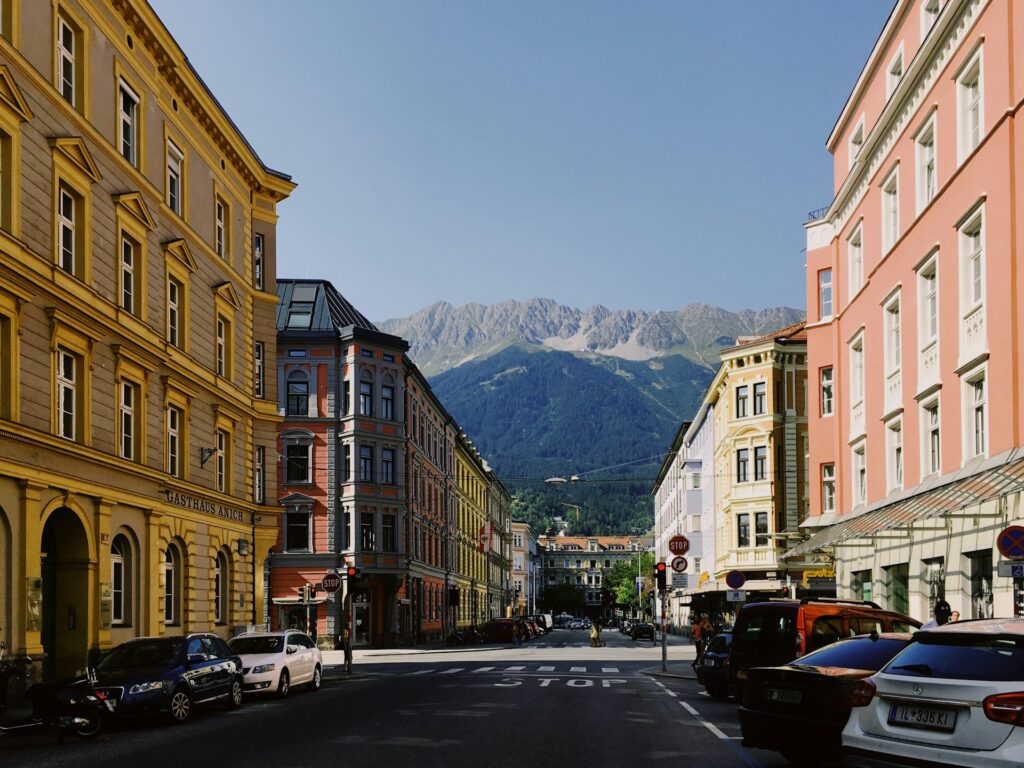
Known for skiing, but worthy of a visit year-round, Innsbruck sits where city meets mountain. The pastel buildings of the Old Town are framed by dramatic Alpine peaks, and you can literally hop on a cable car from the center and be hiking in 20 minutes. In winter, it’s a snow-covered wonderland with cozy chalets and holiday markets; in summer, wildflowers and mountain lakes beckon explorers. Visit the Golden Roof or sip coffee on Maria-Theresien-Strasse, where the views will make you forget your phone. Innsbruck is compact, charming, and unexpectedly hip—with modern art spaces, a strong student population, and fusion restaurants adding flair to its traditional roots.
Bergen, Norway
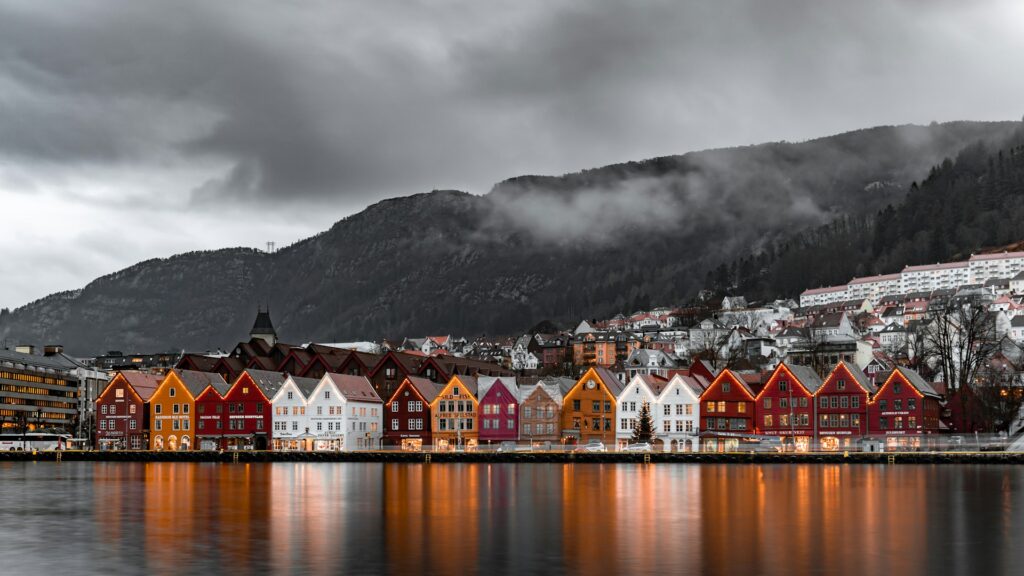
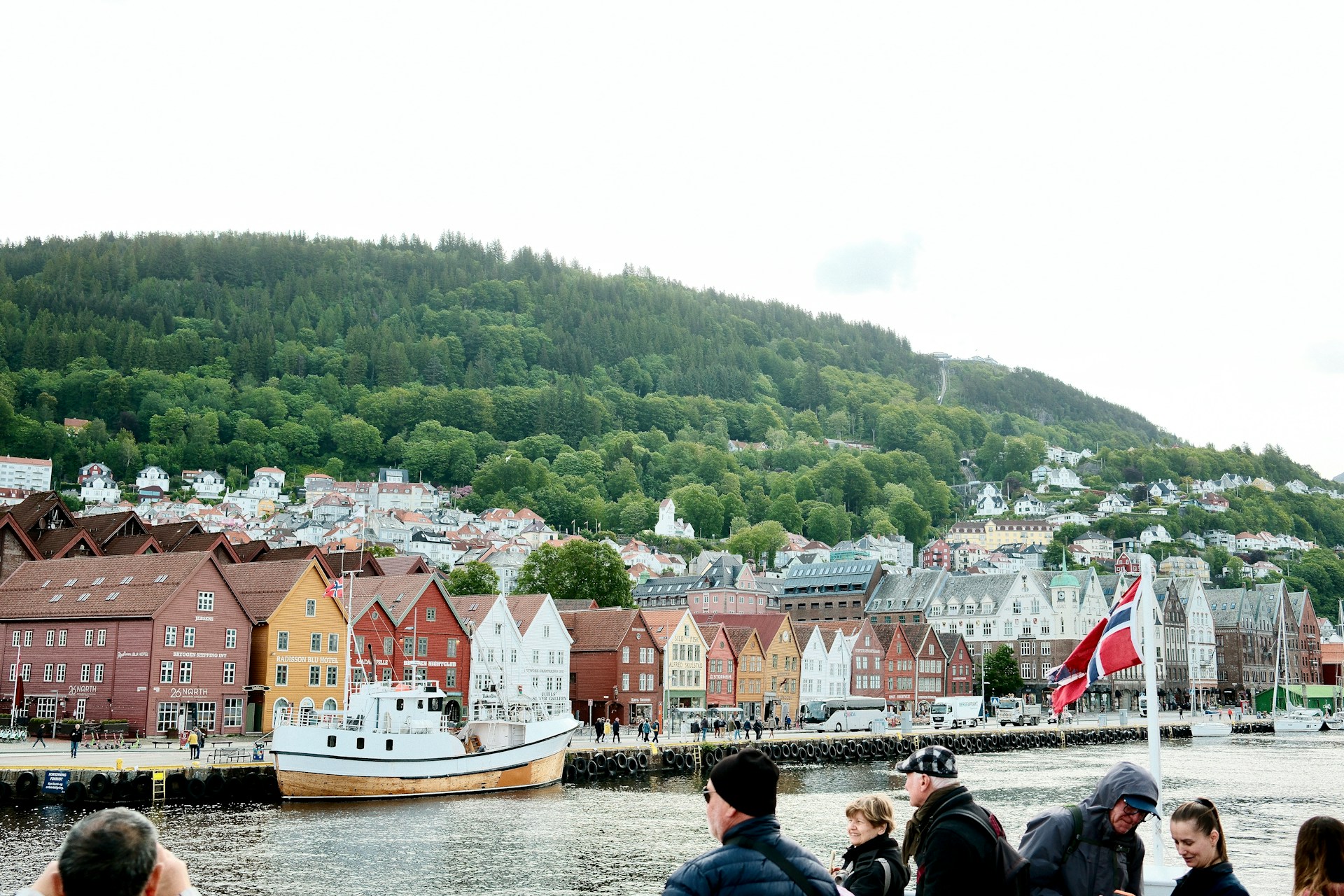
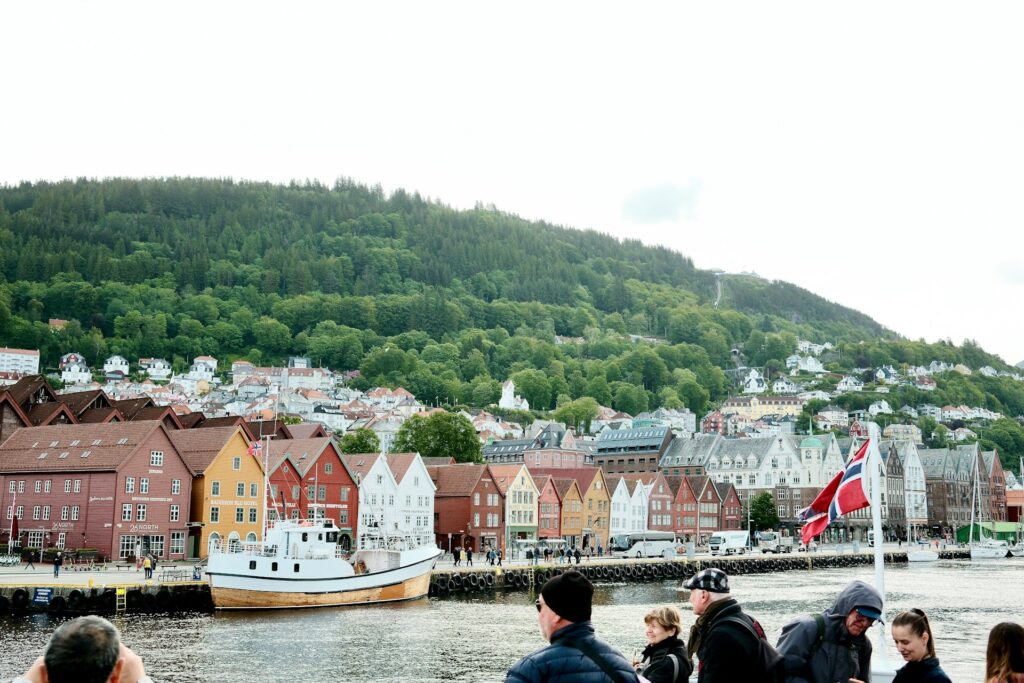
Set between seven mountains and fjords, Bergen is postcard-pretty and brimming with character. The historic Bryggen wharf, with its row of colorful wooden buildings, is a UNESCO site full of charm and hidden corners. There’s a funicular that takes you up Mount Fløyen for panoramic views and kid-friendly trails. Rain is frequent, but it only adds to the moody, fairytale atmosphere. The local fish market is a great place to sample Norwegian delicacies, and art lovers will appreciate the city’s galleries and museums. Bergen feels like the kind of place you read about in storybooks—a bit magical, always atmospheric, and impossible to forget.
Tarragona, Spain
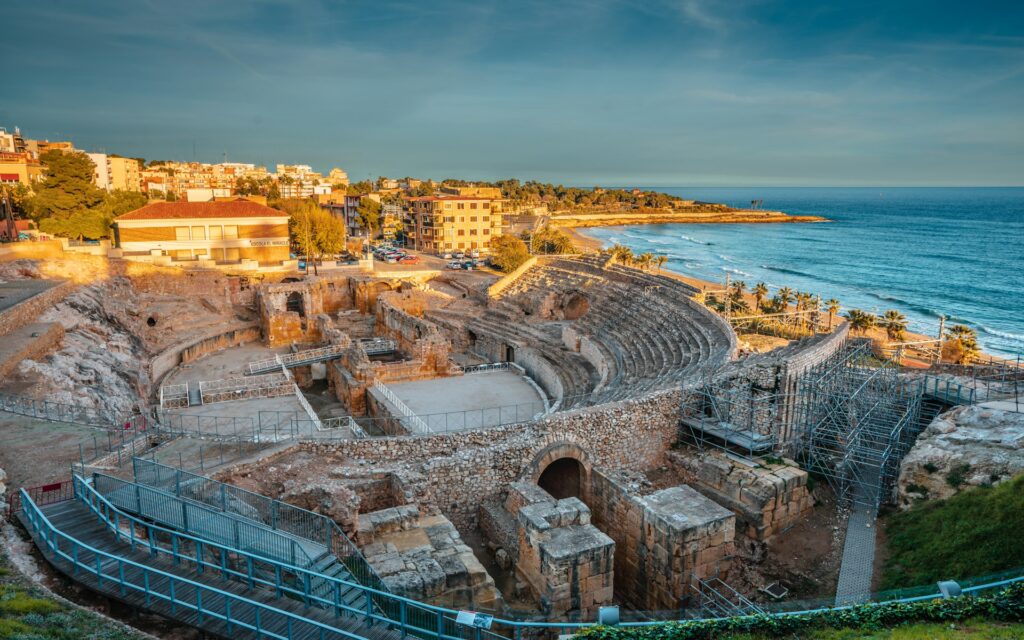
Often skipped in favor of Barcelona, Tarragona is a sun-soaked coastal city with Roman ruins, golden beaches, and a relaxed pace. Its amphitheater, set against the backdrop of the Mediterranean, is both majestic and serene. The city’s Roman walls, aqueducts, and mosaics bring history vividly to life, while its tapas bars and market squares invite lingering afternoons. Tarragona’s old town feels alive, with narrow streets leading to surprise viewpoints and breezy courtyards. And yet, the beaches are just minutes away—perfect for a post-sightseeing dip. It’s a city that gives you everything—history, food, sun—without the stress.
Europe’s charm isn’t limited to the obvious destinations—and that’s the beauty of it. These cities, often overlooked, offer something even better: authenticity, surprise, and the joy of discovering a place that exceeds every expectation. So next time you plan a European getaway, skip the crowds and explore these gems—you might just fall in love with somewhere you never saw coming.