
Even the most seasoned DIY homeowners can fall into electrical pitfalls that put safety, efficiency, and property value at risk. Electrical systems demand precision, and one overlooked step can lead to shocks, fires, or expensive repairs. These common mistakes happen more often than most admit, and knowing them can prevent major hazards in your home.
Overloading Circuits Without Realizing It
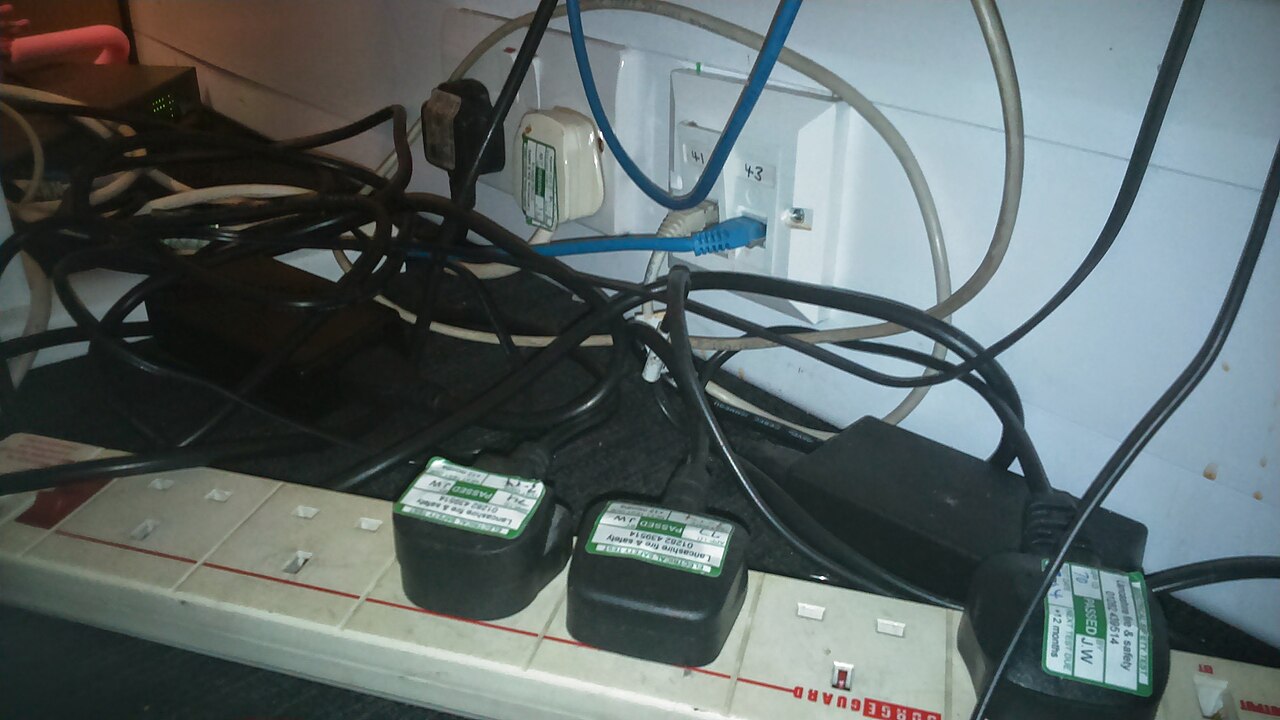
A classic misstep is running too many high-wattage devices on a single circuit. Homeowners might plug in heaters, computers, and kitchen appliances together, assuming the circuit can handle it. Over time, this overload weakens wiring insulation and can cause overheating. Proper load calculation and even distribution of outlets across circuits are key to long-term safety.
Ignoring Outdated Wiring
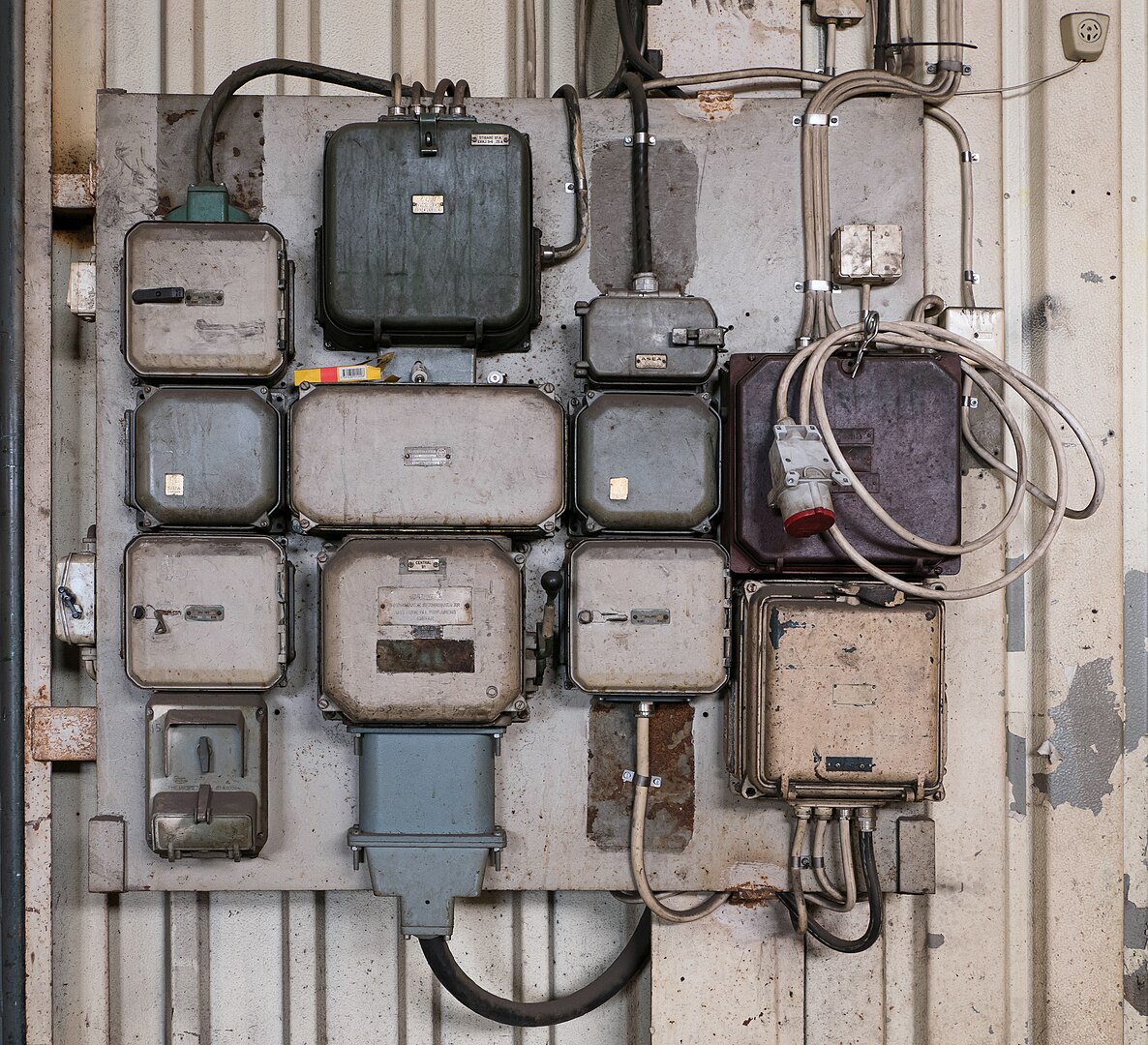
Many older homes still rely on wiring systems installed decades ago. While they might seem functional, these wires often lack grounding or have degraded insulation that can spark under stress. Aluminum or knob-and-tube wiring can’t handle today’s electrical demands safely. Professional rewiring might be costly, but it’s an essential investment for safety and insurance compliance.
Skipping Ground Fault Circuit Interrupters
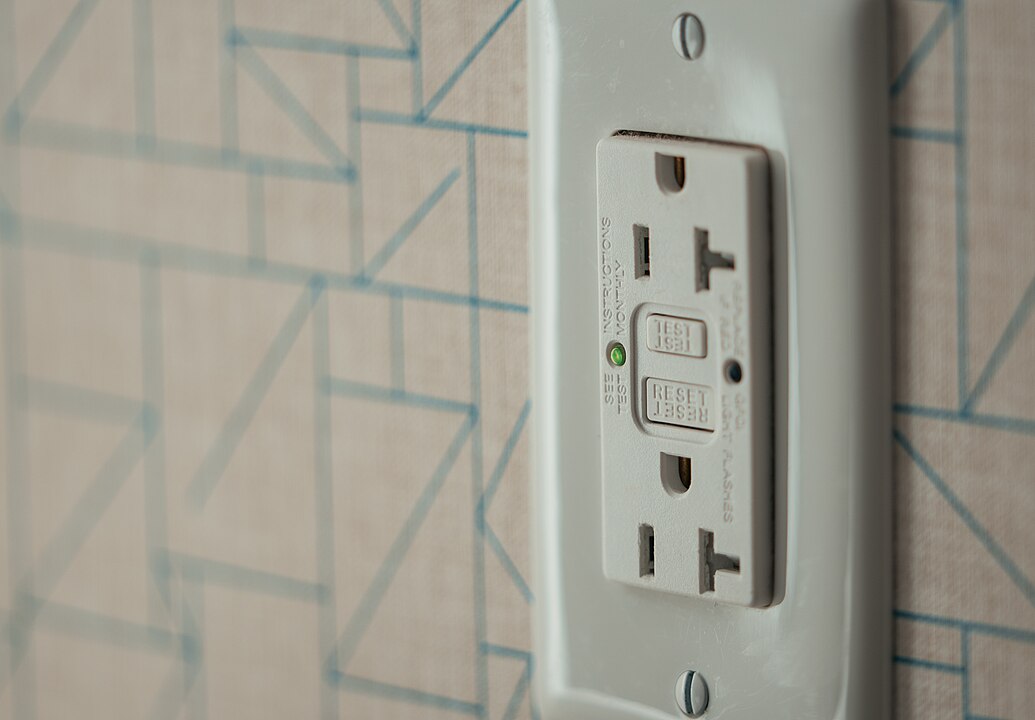
Wet areas like bathrooms, kitchens, and outdoor outlets require GFCI protection to prevent shock. Experienced homeowners sometimes assume their homes already have them, or worse, don’t test them regularly. A faulty or missing GFCI can mean the difference between a safe home and a serious accident. Testing these outlets monthly ensures they trip properly in emergencies.
Miswiring Outlets and Switches
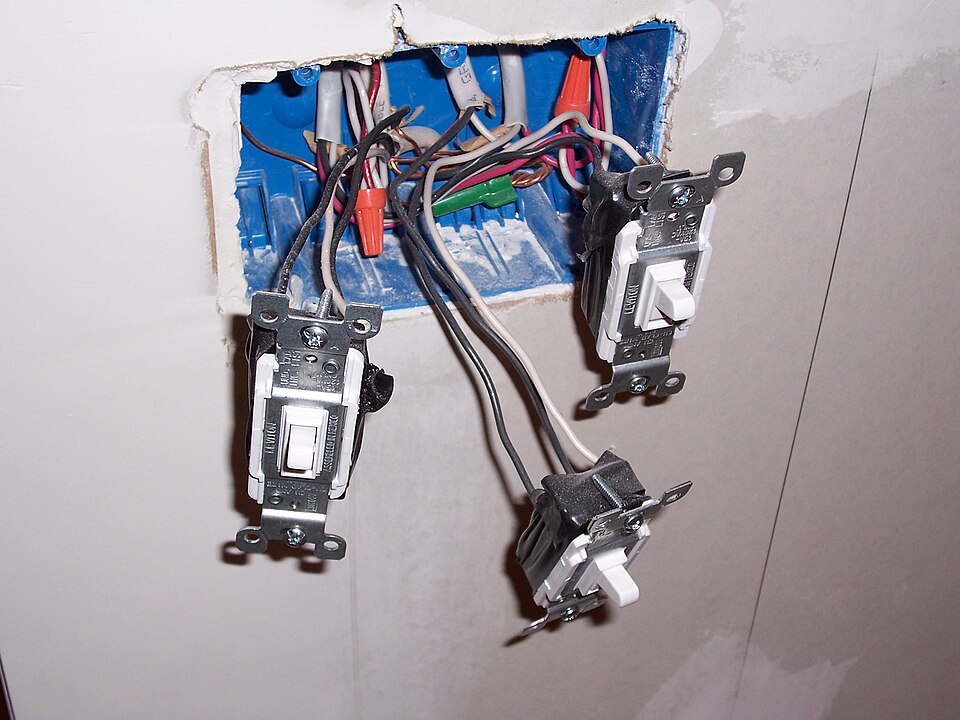
It’s surprisingly easy to connect wires to the wrong terminals, especially when replacing an old outlet. Reverse polarity or loose neutral connections can cause irregular power flow and shorten appliance lifespans. Using backstab connectors instead of screw terminals also increases risk. Even small wiring errors can create heat buildup, flickering lights, or tripped breakers.
Forgetting to Cut the Power
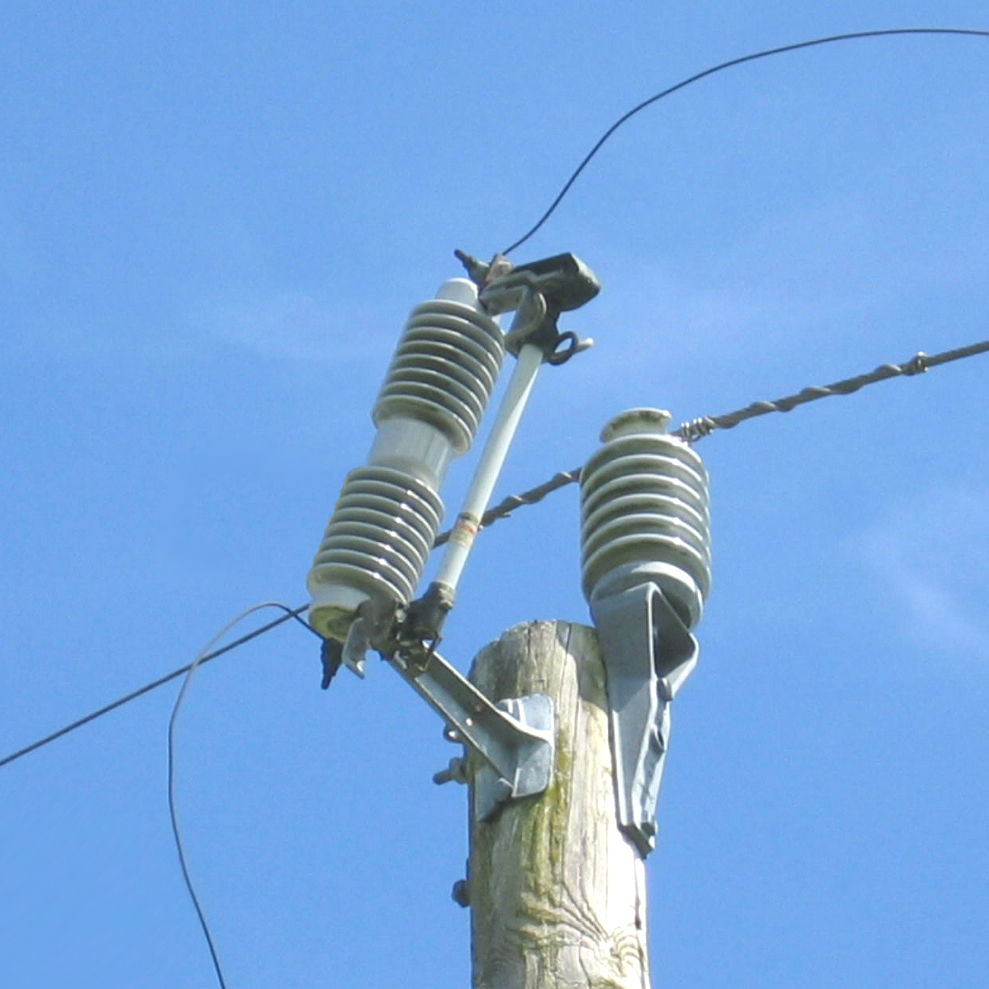
Rushing into small electrical fixes without fully turning off the breaker is a dangerous but common oversight. Voltage testers should always confirm circuits are off before handling wires. Even low-voltage shocks can cause burns or muscular injury. A brief moment of caution can prevent a lifetime of regret.
Using the Wrong Breaker Size
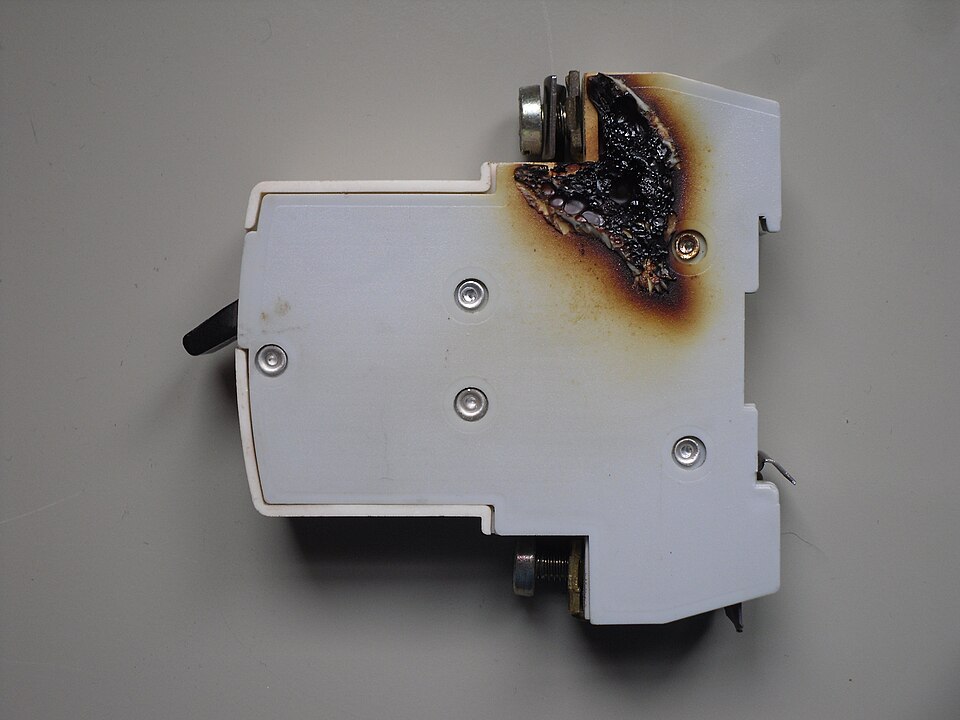
When breakers trip too often, some homeowners mistakenly install a higher-rated breaker instead of addressing the cause. This bypasses the system’s safety mechanism and risks overheating wires behind the walls. Every breaker must match the wire gauge and load capacity it protects. Repeated tripping is a sign of deeper electrical imbalance that demands attention, not shortcuts.
Failing to Plan for Power Needs
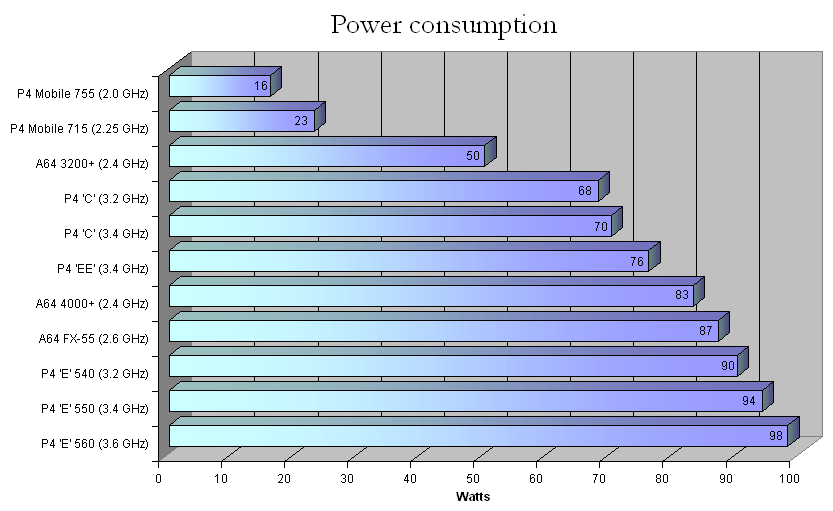
Modern households consume more power than ever before, with EV chargers, smart appliances, and home offices drawing significant loads. Many homeowners add outlets and devices without calculating their total consumption. Upgrading panels and ensuring room for future capacity prevents blown circuits and frequent outages. Thinking ahead saves both time and money down the line.
Neglecting Regular Inspection and Maintenance
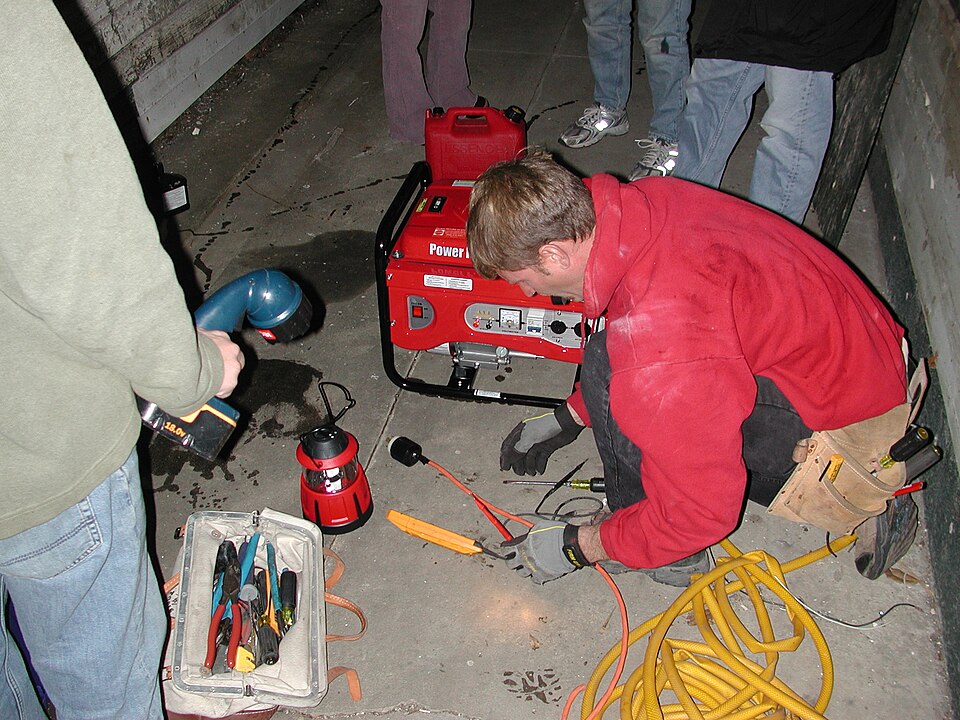
Electrical systems age silently, and what looks fine externally may conceal corrosion or loose connections inside. Annual or biannual inspections by licensed electricians can reveal hidden issues early. Maintenance may feel optional, but it prevents dangerous surprises later, especially in older properties.
Relying Too Much on Extension Cords
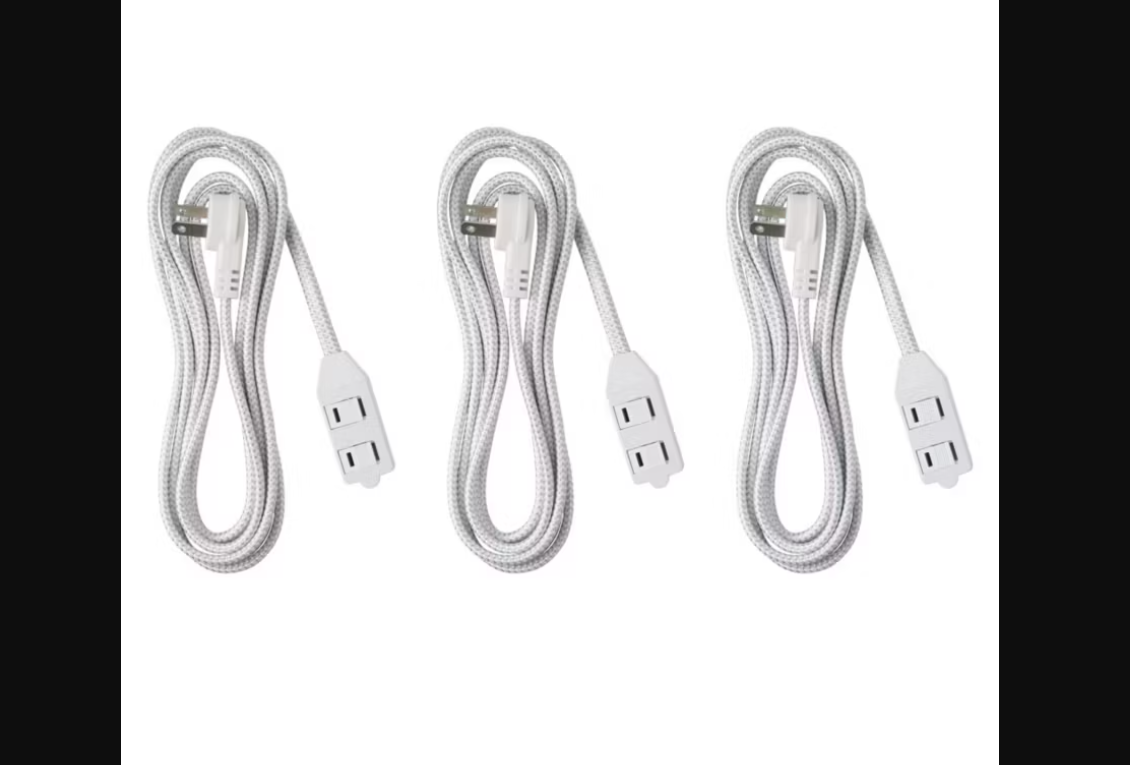
Extension cords are meant for temporary use, yet many homeowners treat them as permanent fixtures. They can overheat, wear out quickly, and pose tripping or fire hazards. If you need cords constantly, it’s time to add more outlets in the right locations. Permanent wiring is the safer, cleaner solution.
Poor Lighting and Switch Placement
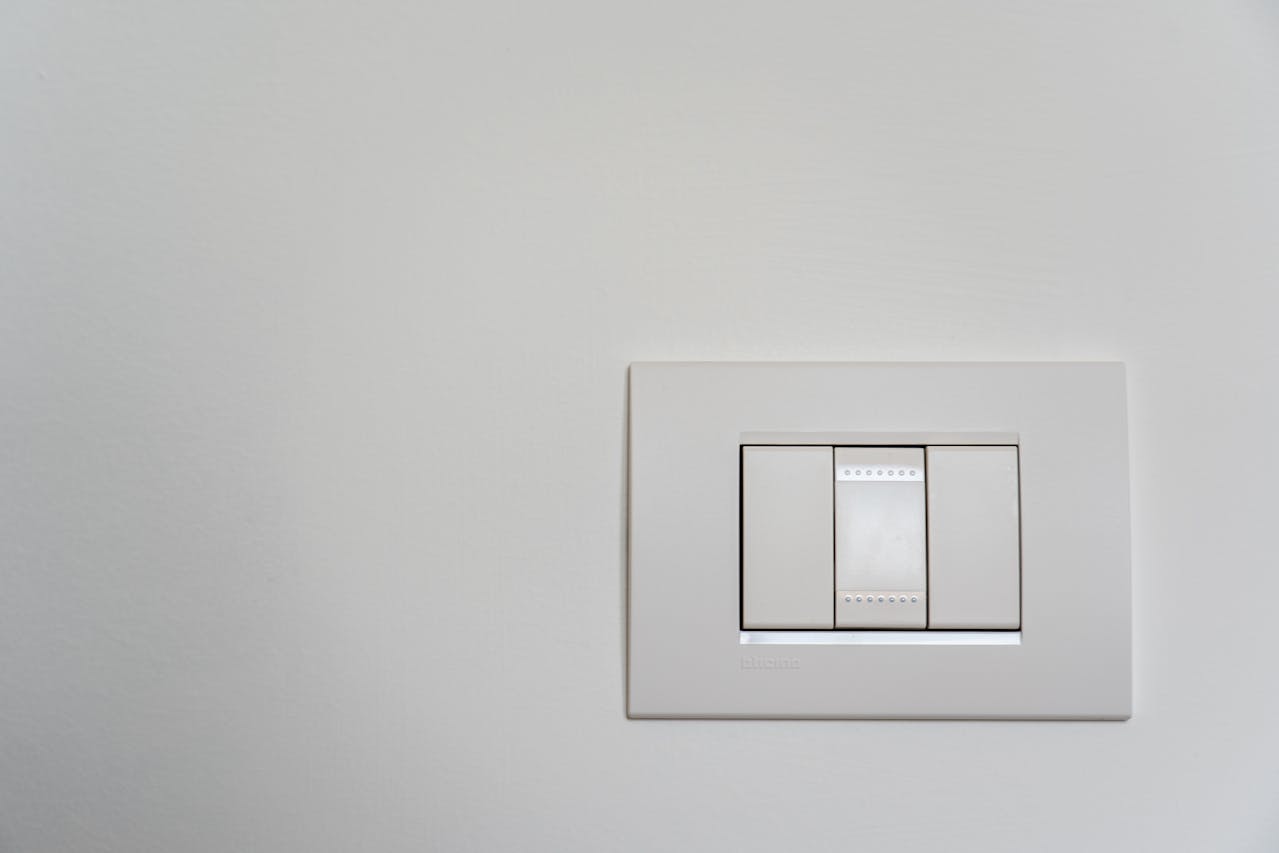
Design oversights can also create practical hazards. Installing switches behind doors or too far from room entry points leads to frustration and increased use of portable lamps, often plugged into overloaded outlets. Planning lighting with both function and safety in mind makes everyday life easier and safer.
Mixing Wires of Different Gauges
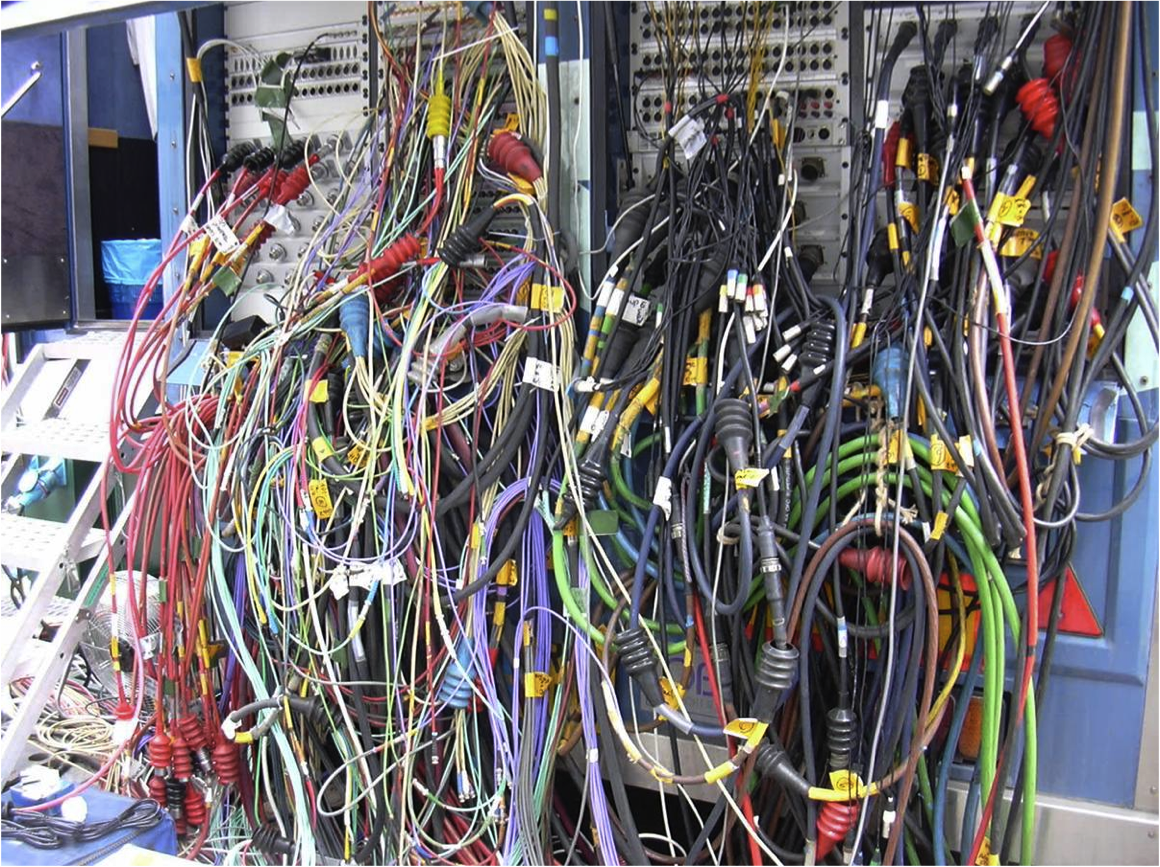
Another overlooked error is splicing different wire gauges together. This imbalance can lead to overheating or voltage drop, especially on long runs. Every circuit should use the same wire gauge unless a proper junction and protection are installed. Uniformity ensures consistent performance and longevity.
Overlooking Outdoor Safety
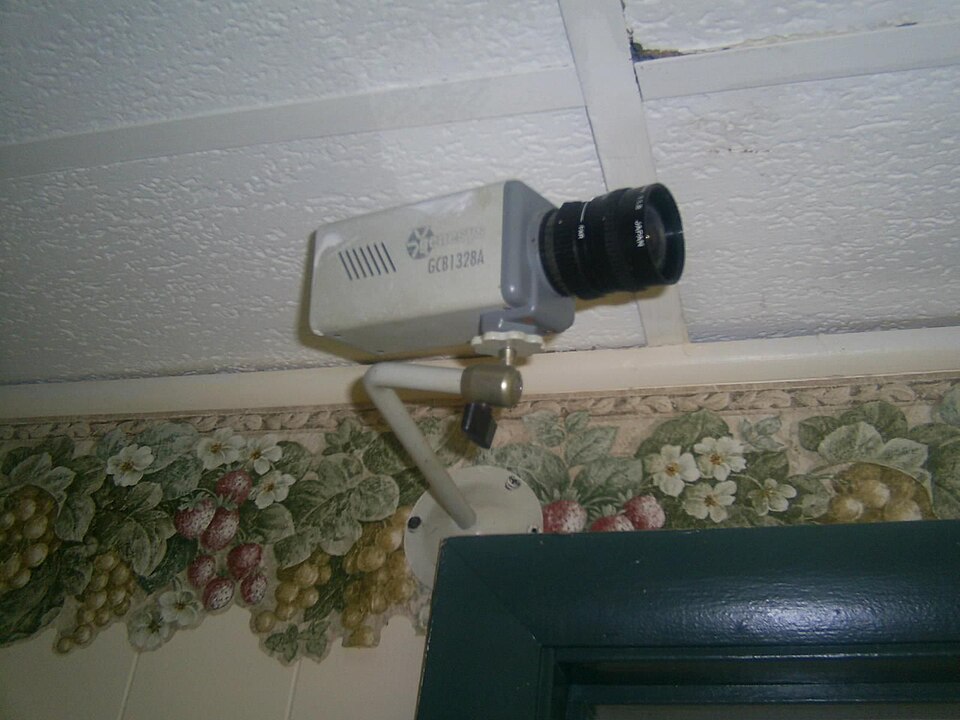
Outdoor wiring faces rain, heat, and pests, yet many homeowners use indoor-rated cables or fittings outside. Proper waterproof housings and weather-rated outlets prevent moisture ingress and corrosion. Outdoor circuits should also be GFCI-protected and tested frequently for safety.
Forgetting the Value of Documentation
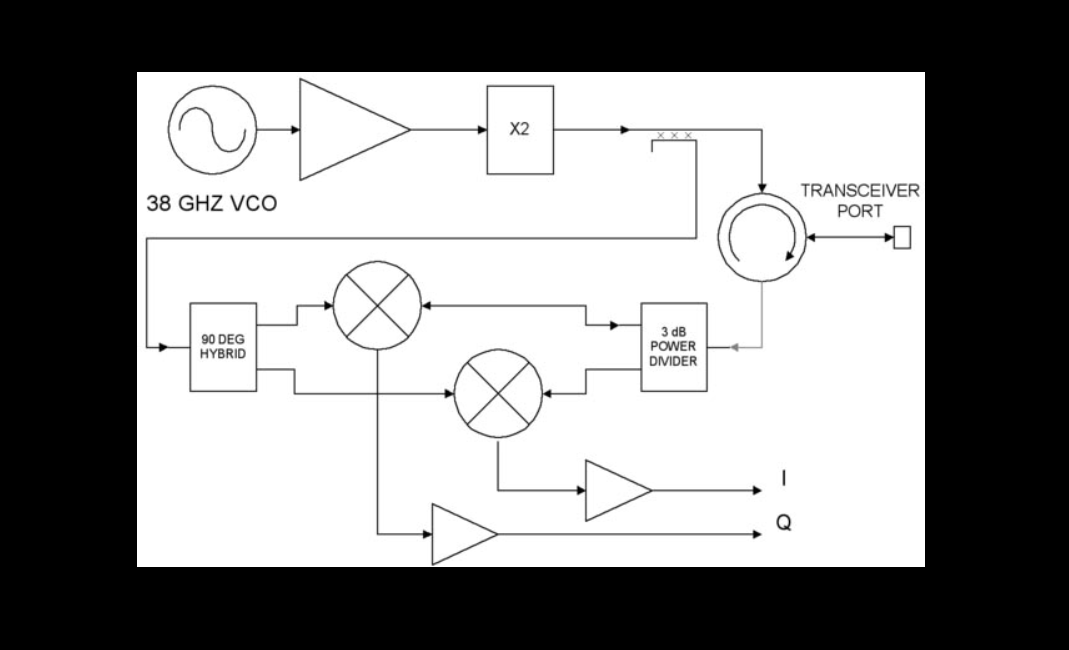
Keeping an updated electrical diagram or list of circuits helps track future issues and upgrades. Many homeowners neglect this step, leaving confusion for themselves or future occupants. A simple, labeled breaker box and home wiring record make maintenance safer and simpler for years to come.