Folklore has long shaped local culture across the United States, giving life to eerie creatures that continue to haunt imaginations. These legends blend Indigenous beliefs, early settler fears, and regional storytelling traditions that linger across generations. Even without physical proof, the tales persist through whispered warnings and late-night conversations. These unsettling beings reflect the mysteries of the forests, mountains, and swamps that define the American landscape.
The Wendigo
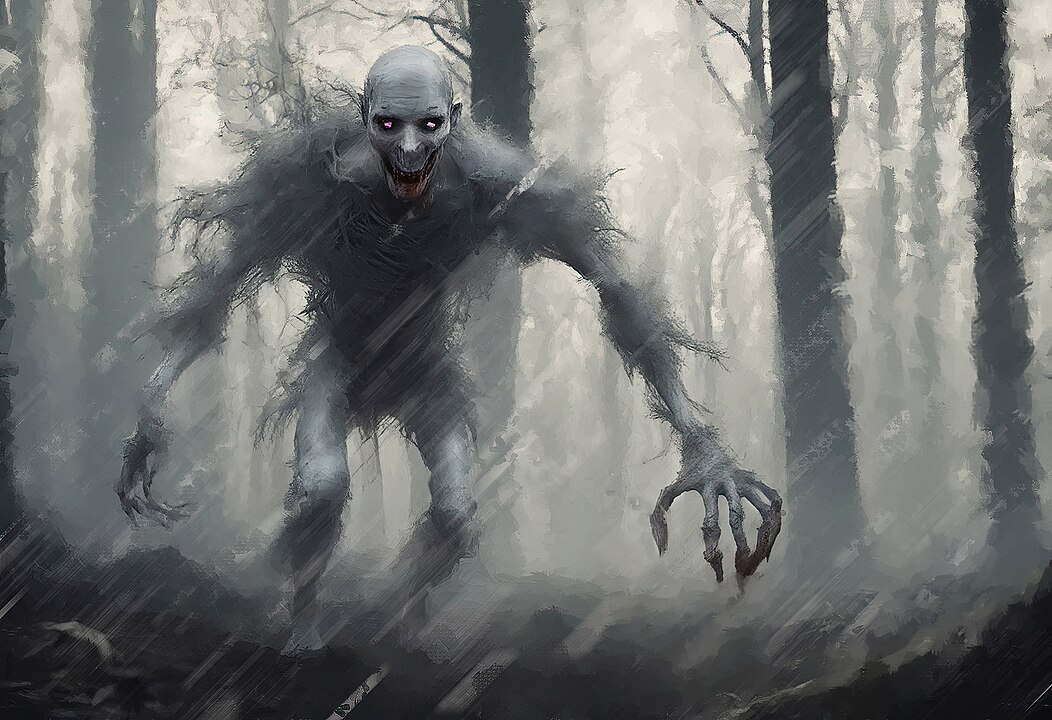
Rooted in Algonquian lore, the Wendigo is described as a terrifying creature driven by insatiable hunger. Often associated with harsh winters and cannibalistic warnings, it embodies the dangers of desperation. People claim it lurks in northern forests, towering and skeletal with glowing eyes. Its legend continues to warn against greed, isolation, and losing one’s humanity.
The Jersey Devil
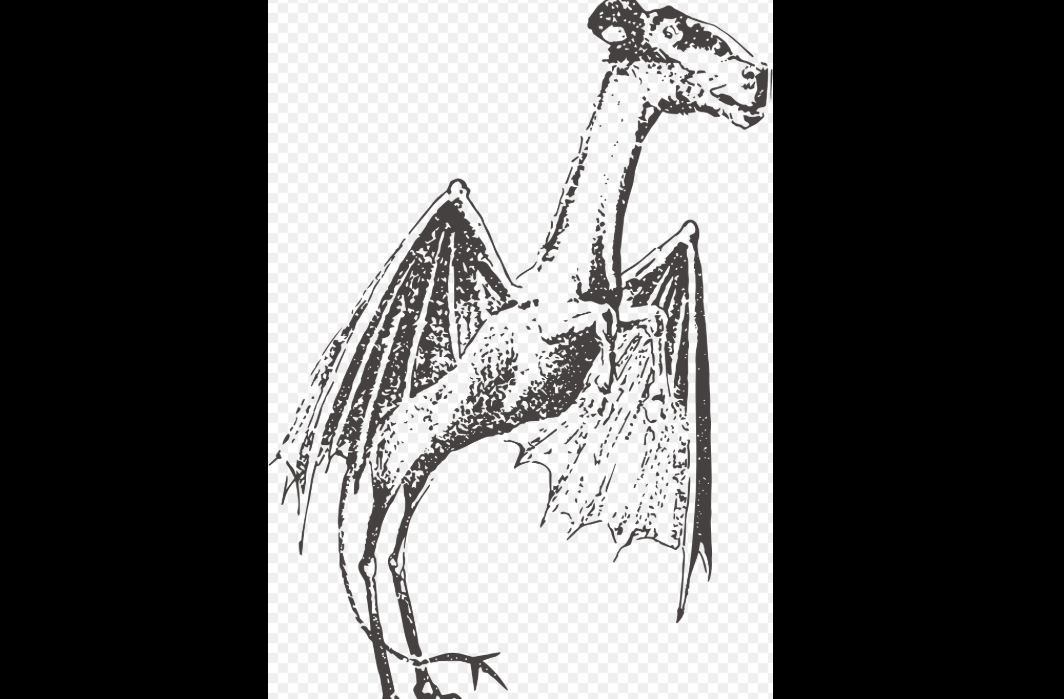
The Jersey Devil’s tale dates back to colonial New Jersey, said to have been born as the cursed 13th child of Mother Leeds. Descriptions vary widely—bat wings, hooves, and a horse-like head—but sightings persist in the Pine Barrens. Locals report eerie screeches and shadowy figures moving through the trees. The creature remains a symbol of regional mystery and American superstition.
Mothman
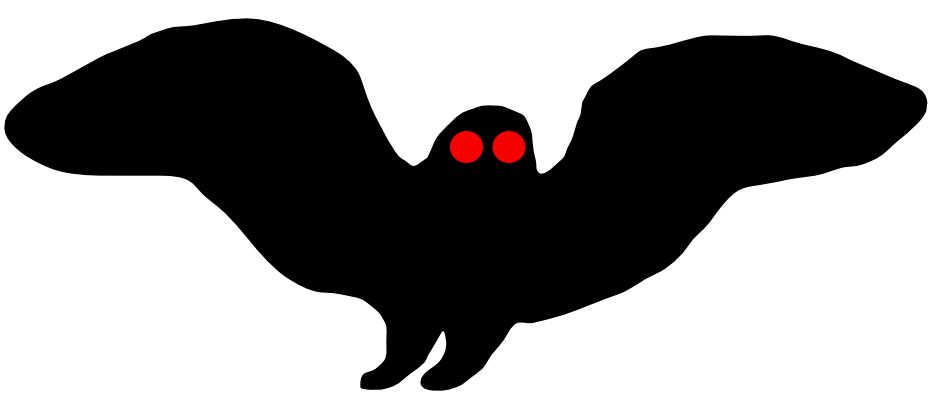
Mothman rose to fame in the 1960s after sightings in Point Pleasant, West Virginia, described as a humanoid figure with wings and glowing red eyes. Its appearances were ominously linked to the Silver Bridge collapse, adding a tragic layer to its legend. Witnesses continue to claim strange sightings today, fueling debates about whether it’s a warning spirit or an unknown species. Mothman festivals keep the tale alive each year.
Skinwalkers
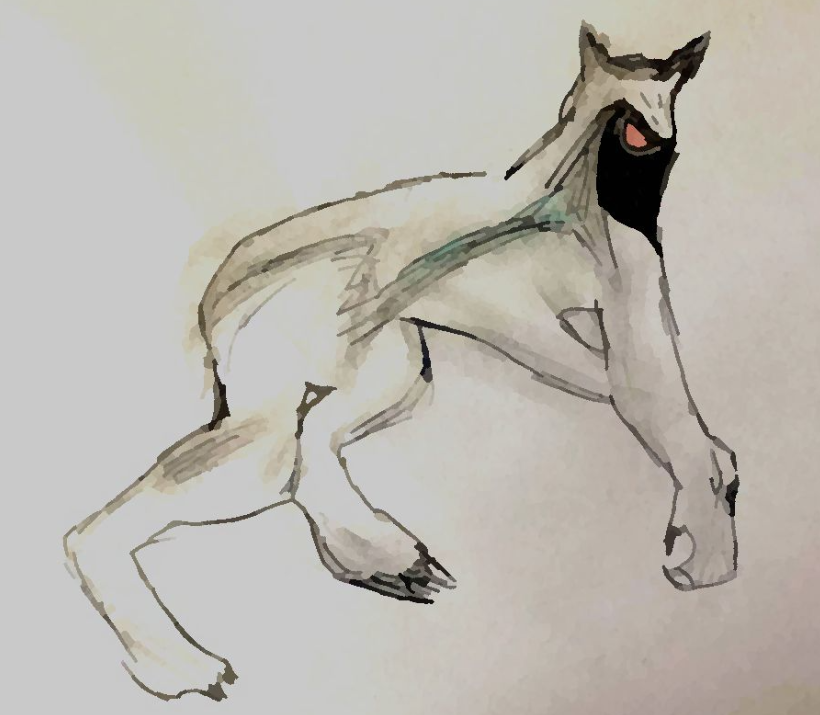
Originating in Navajo tradition, Skinwalkers are believed to be malevolent shapeshifters capable of taking animal form. Their stories are treated with seriousness and caution, reflecting deep cultural boundaries. Modern sightings often involve strange animal behavior or unsettling humanlike figures. The mystery surrounding Skinwalkers continues to grow but is still treated with cultural respect.
The Chupacabra
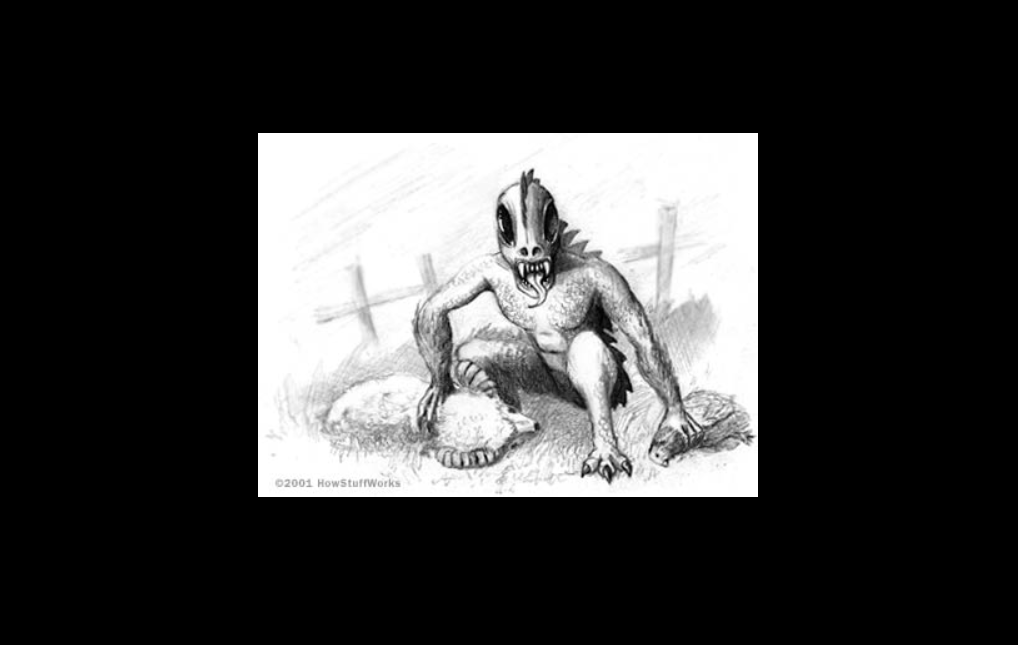
While more common in Latin American stories, the Chupacabra has long crossed into American folklore, especially in the Southwest. Known for draining livestock blood, it is described as reptilian or doglike with glowing eyes. Ranchers periodically report attacks with unexplained marks. Its legend embodies rural fears and the mystery of isolated landscapes.
The Thunderbird
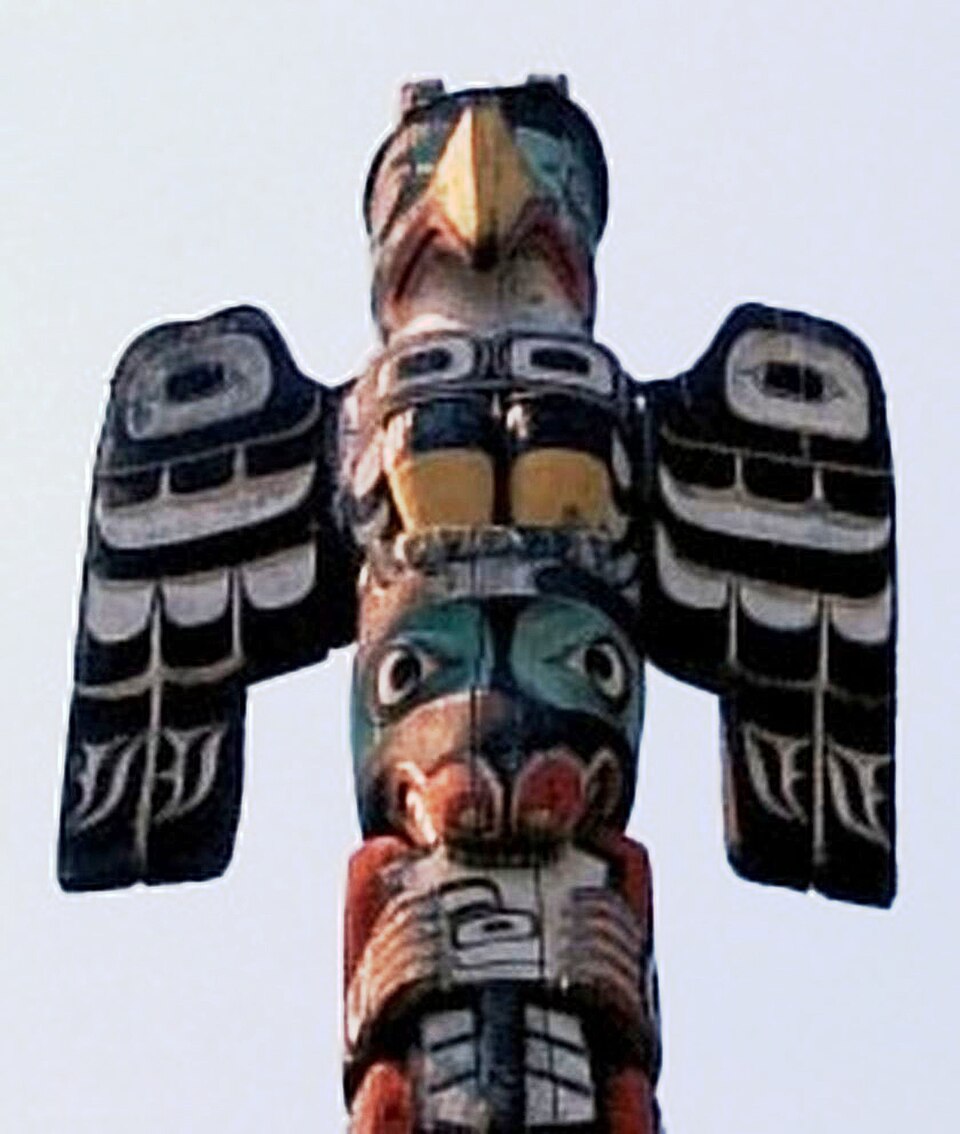
The Thunderbird is a powerful figure in Indigenous cultures, believed to control storms and thunder. Some modern witnesses claim to have seen enormous birdlike creatures soaring through remote skies. These sightings typically occur in the Midwest and Pacific Northwest. The Thunderbird represents awe more than fear, symbolizing nature’s power.
The Lizard Man of Scape Ore Swamp
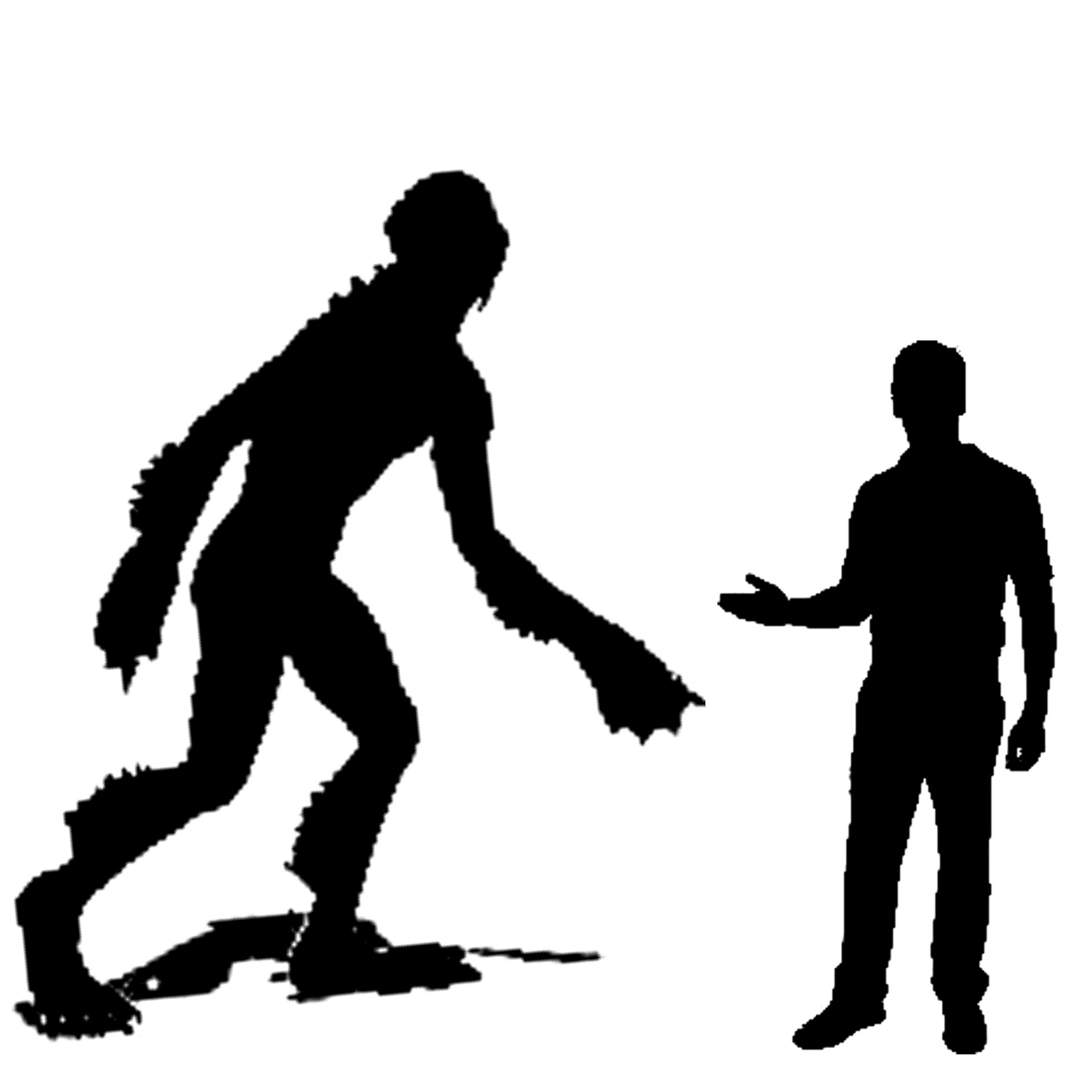
South Carolina’s Lizard Man is said to be a seven-foot reptilian creature lurking in the swampy marshlands. Reports describe glowing red eyes and incredible strength, especially after alleged car damage in the 1980s. Locals continue to share sightings around rural roads. Whether misunderstood wildlife or myth, it remains part of regional identity.
The Flatwoods Monster
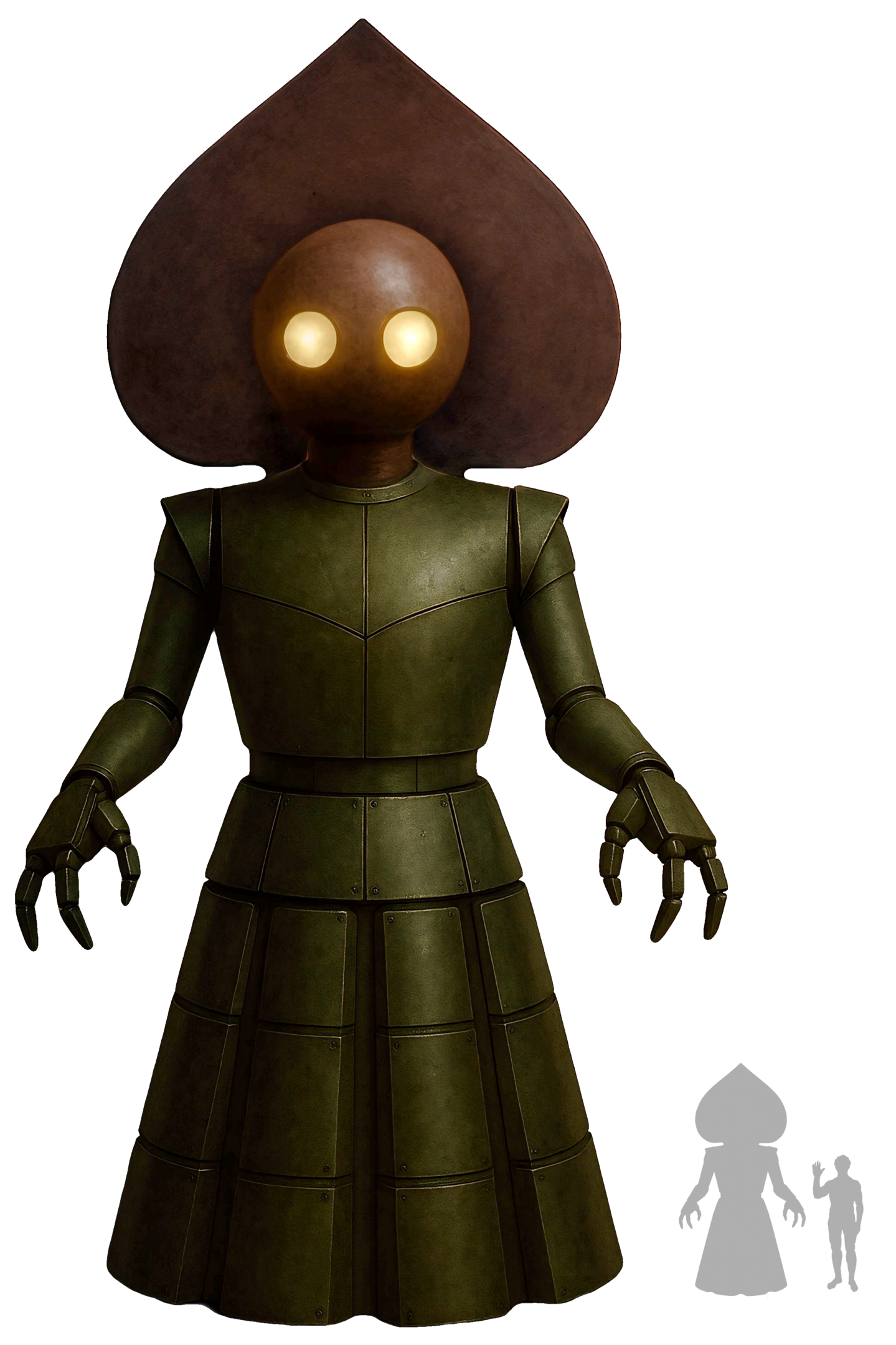
In 1952, West Virginia residents reported seeing a towering figure with a spade-shaped head and glowing eyes. The creature emitted a foul smell and mechanical noises, leading some to classify it as extraterrestrial. Its brief but impactful appearance turned it into local legend. Today, the tale continues through festivals and museum exhibits.
The Beast of Bray Road
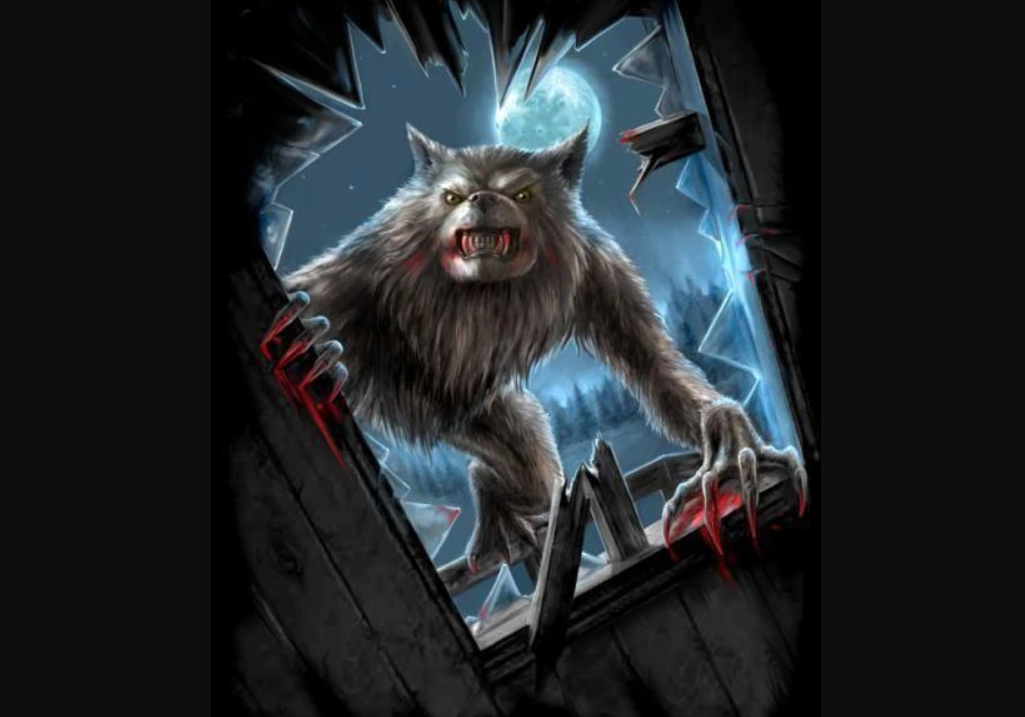
Wisconsin’s Beast of Bray Road is a werewolf-like creature known for stalking rural roads at night. Witnesses describe it as muscular, wolfish, and disturbingly intelligent. Its legend grew in the 1990s after multiple drivers reported close encounters. The creature remains one of America’s most chilling cryptids.
The Dover Demon
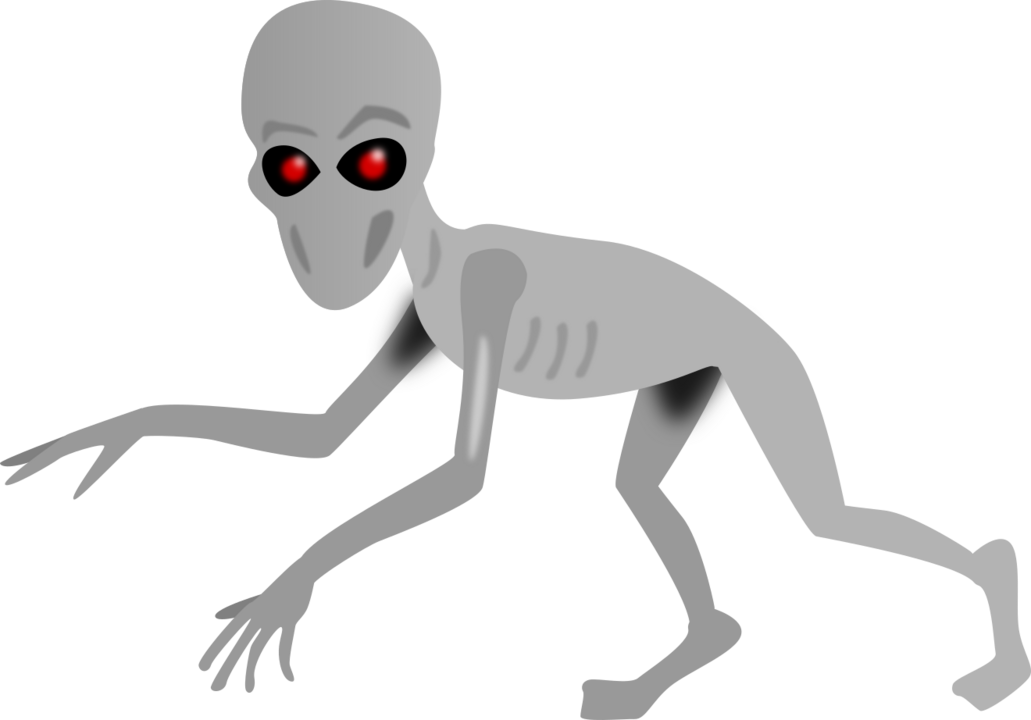
The Dover Demon was spotted in Massachusetts in 1977, described as a pale, frail creature with glowing orange eyes. Its unsettling appearance and brief series of sightings left investigators baffled. Even today, its origin remains unexplained. The story endures due to its rarity and eerie descriptions.
The Hodag
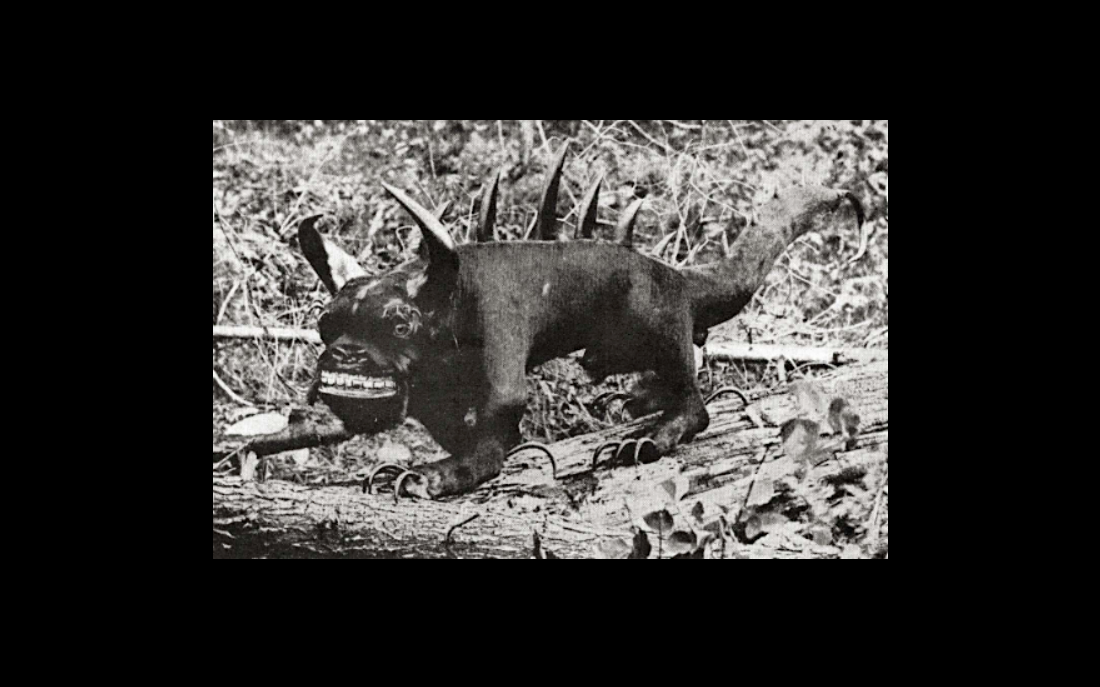
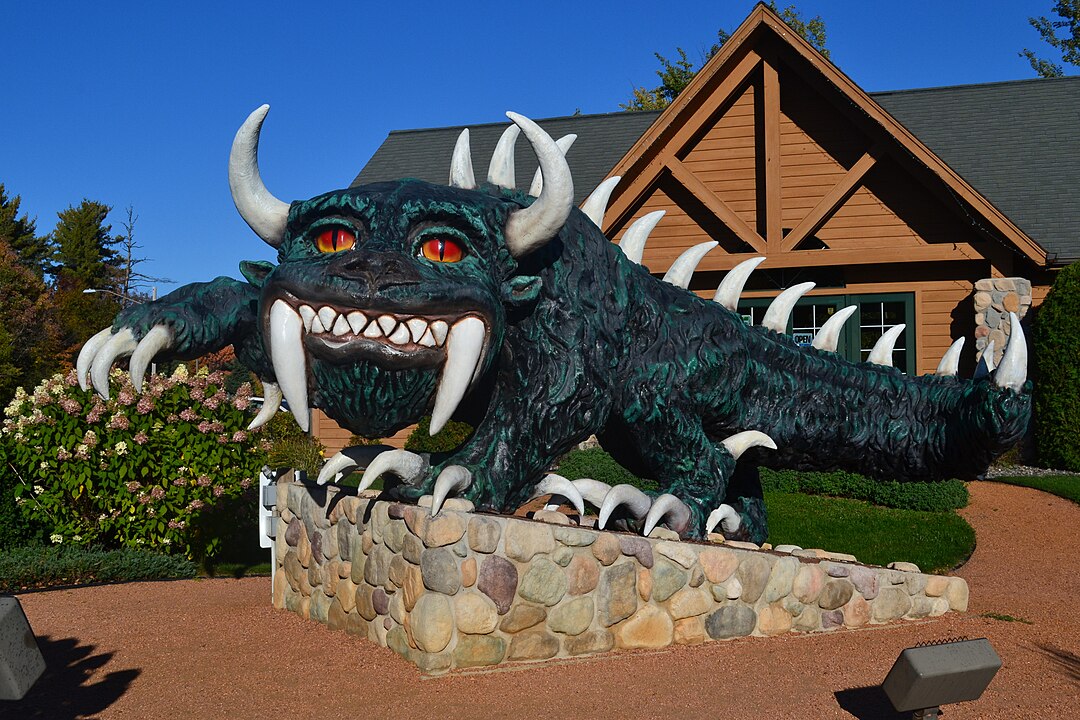
The Hodag emerged from Wisconsin folklore as a horned creature with spines and a fearsome demeanor. Originally considered a tall tale, it gradually integrated into regional identity. Modern sightings keep the legend active, blending humor and mystery. Its image appears throughout local festivals and shops.
The Goatman
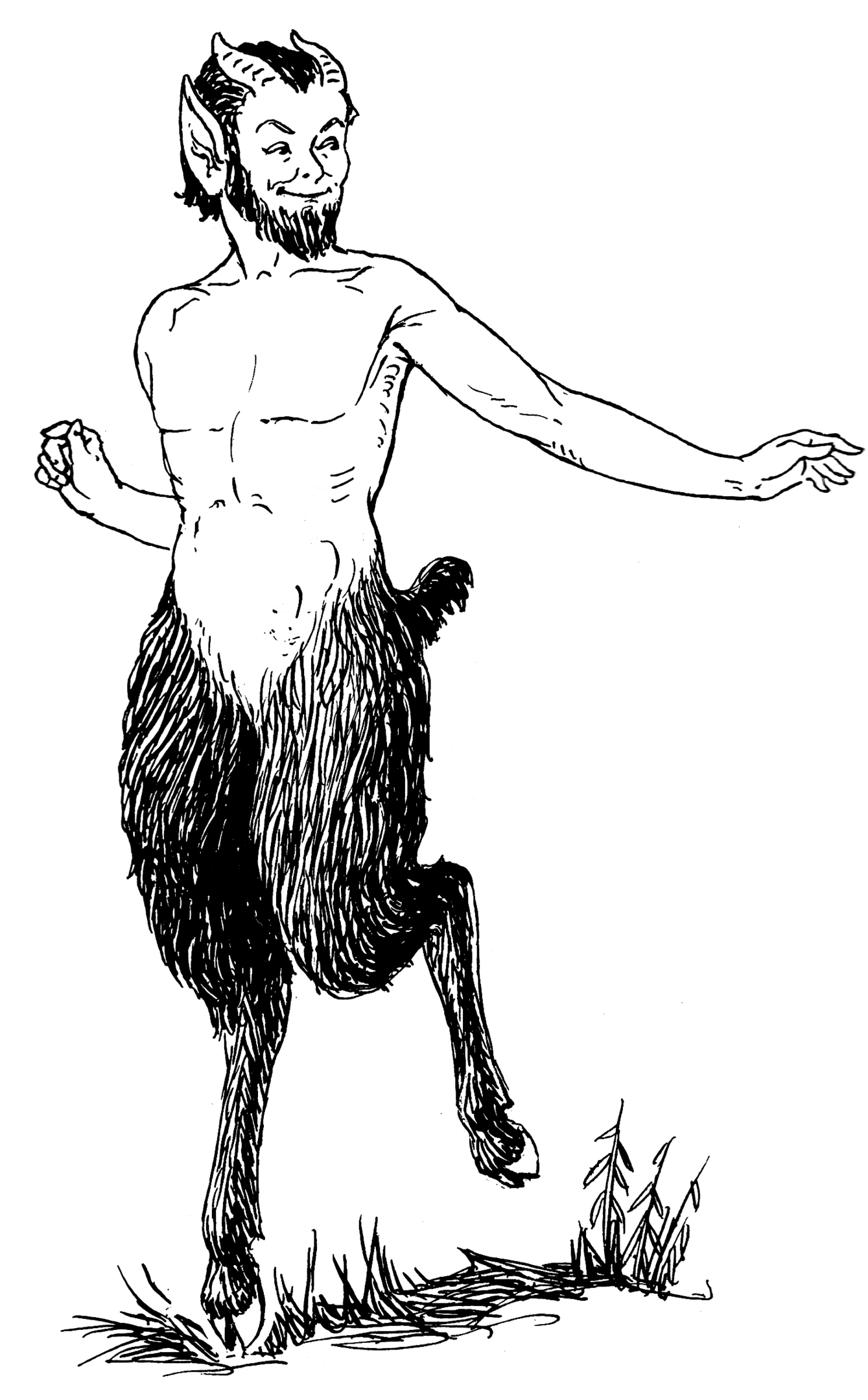
The Goatman haunts several American regions, most famously Maryland, where he is said to roam forested areas near bridges and old roads. Often portrayed with the body of a man and the head of a goat, he is linked to chilling urban legends. Sightings often involve eerie sounds and shadowy figures. The story symbolizes rural fears and the unknown.
The Bell Witch
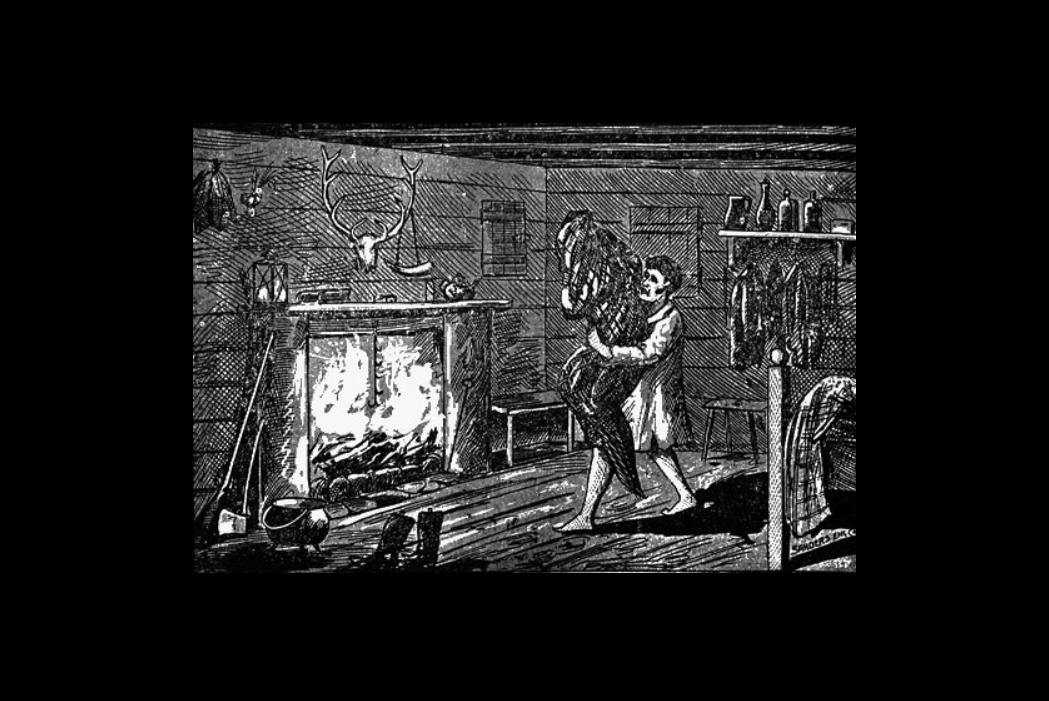
Unlike physical creatures, the Bell Witch is a supernatural entity from Tennessee known for tormenting the Bell family in the early 1800s. Witnesses reported violent encounters, strange voices, and moving objects. Its tale persists as one of the most famous American haunting stories. The lingering reports keep its legend alive.